Continent
Discover the coats of arms, flags, and emblems used today by 42 European countries and their regional subdivisions. From France’s republican fasces to Russia’s imperial eagle, from Sweden’s tre kronor to Albania’s Skanderbeg standard — modern symbols rooted in centuries of heraldic tradition. Click any country on the interactive map or browse the A–Z grid below to explore national and regional emblems down to the province level.
Click on a country to learn more
European heraldry emerged in the 12th century on the battlefields and tournaments of Western Christendom, spreading rapidly from France and England to every corner of the continent. Today, every nation on this map maintains official heraldic symbols — coats of arms, state emblems, and national flags — used in diplomatic documents, government buildings, and international representation. Each one reflects a country’s identity, its institutions, and its ties to a shared continental heritage.
Below the national level, heraldry lives on in regional symbols: German Länder, Spanish autonomous communities, French régions and départements, Italian regioni, Dutch provinces, and British counties. This atlas covers contemporary emblems at multiple administrative levels — from sovereign states down to individual municipalities — making it a comprehensive visual reference for European heraldic traditions.
Europe is where heraldry was born. In the mid-12th century, as knights vanished behind closed helms and mail, they began painting identifying devices on shield and banner — and, crucially, passing them to their heirs. The earliest documented hereditary coat of arms is that of Geoffrey of Anjou, later called Plantagenet: a tomb enamel shows a blue shield strewn with gold lions, arms said to have been conferred on him by Henry I of England in 1127, on his marriage to the Empress Matilda.
From the tournament fields of France, England, the Rhineland and the Low Countries, the new visual language spread across the continent within a century, recorded in painted rolls of arms and carried on wax seals. As arms multiplied, nations created authorities to grant and regulate them: England’s College of Arms (1484) and Scotland’s Court of the Lord Lyon still hold legal jurisdiction over heraldry today, while much of continental Europe governs its arms through state law rather than heralds.
A handful of figures recur again and again across European shields, each carrying its own weight of history:
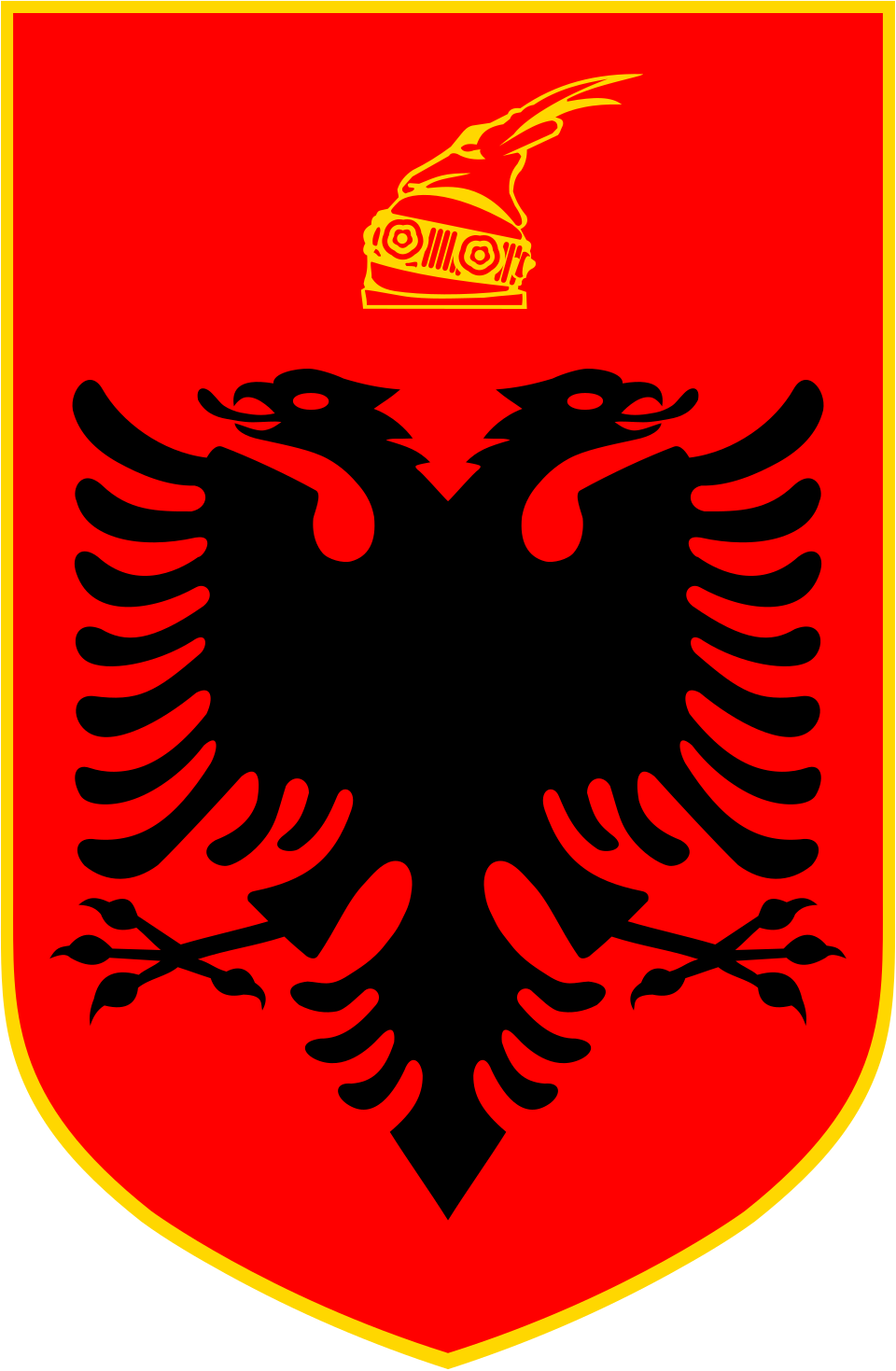
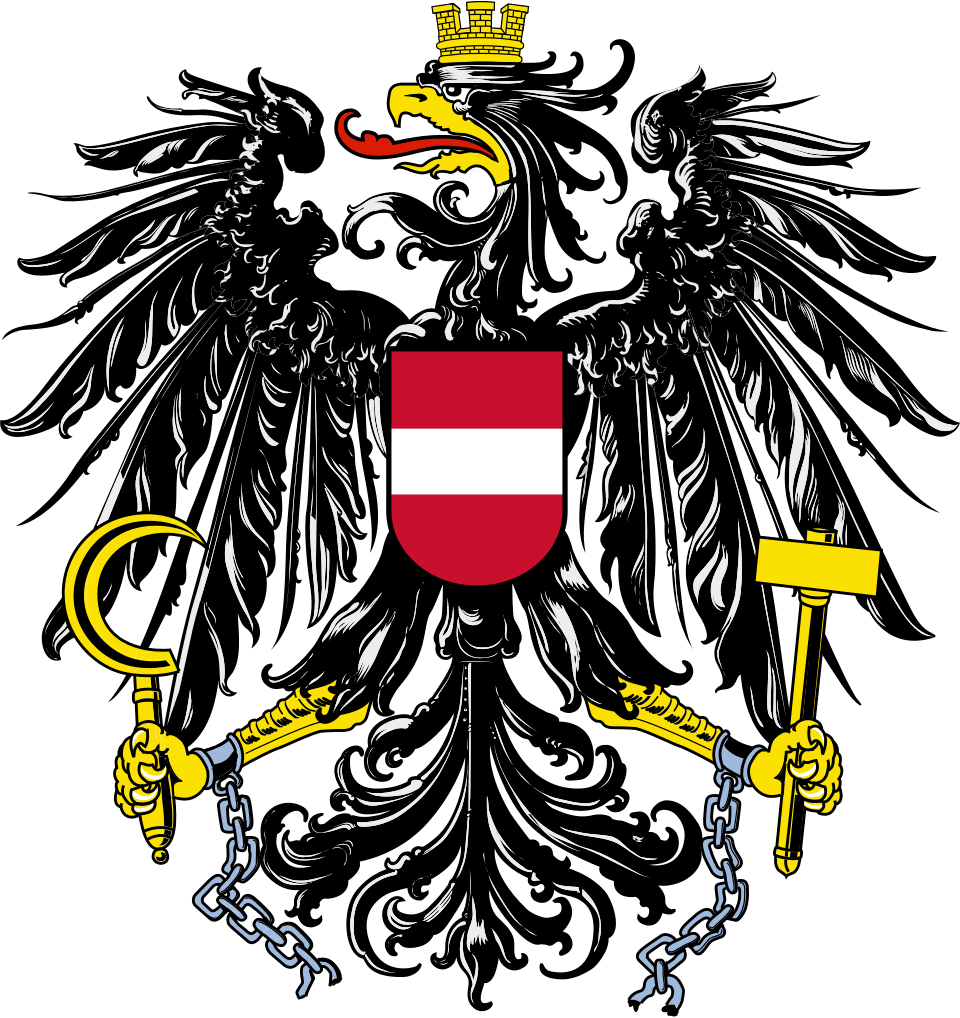
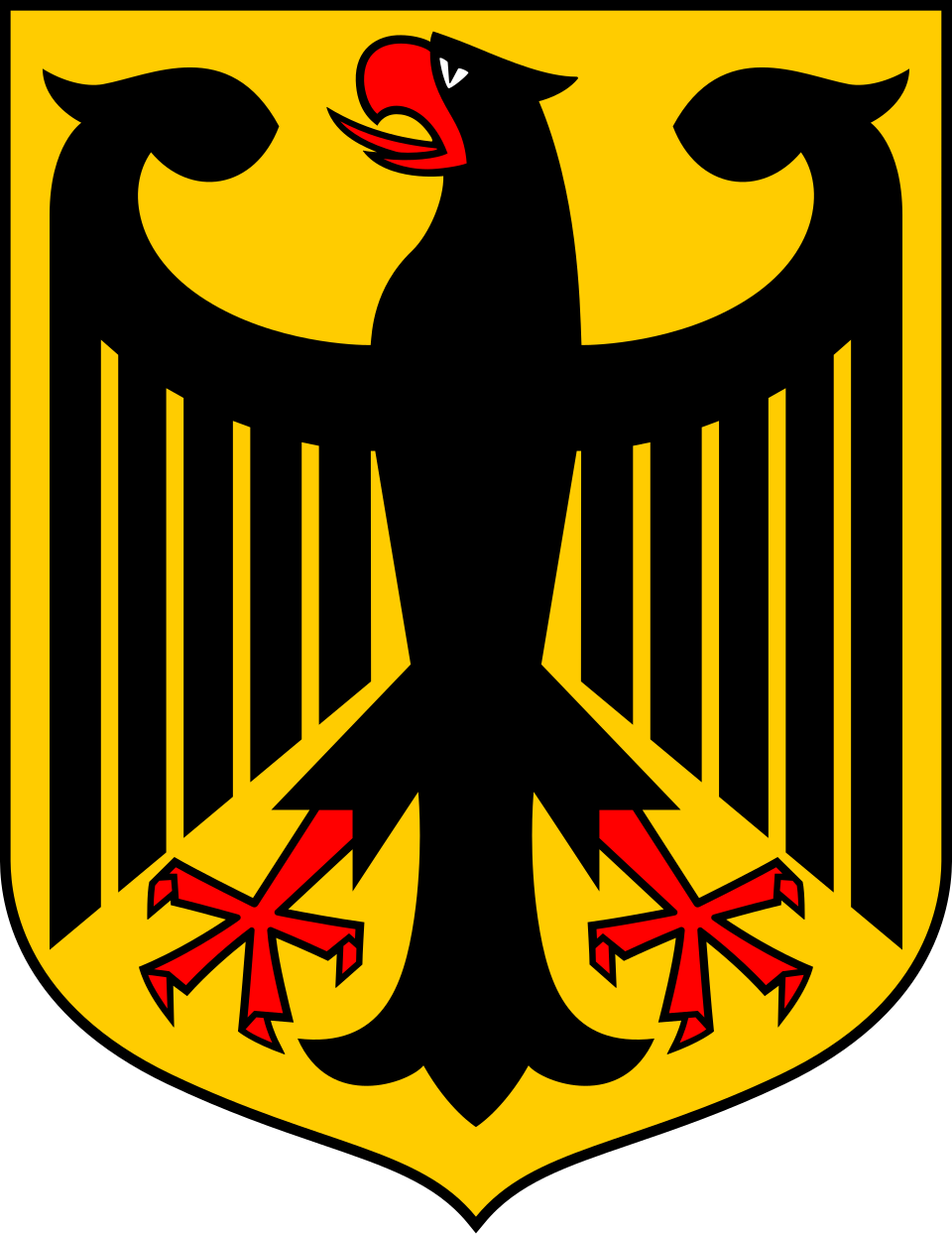
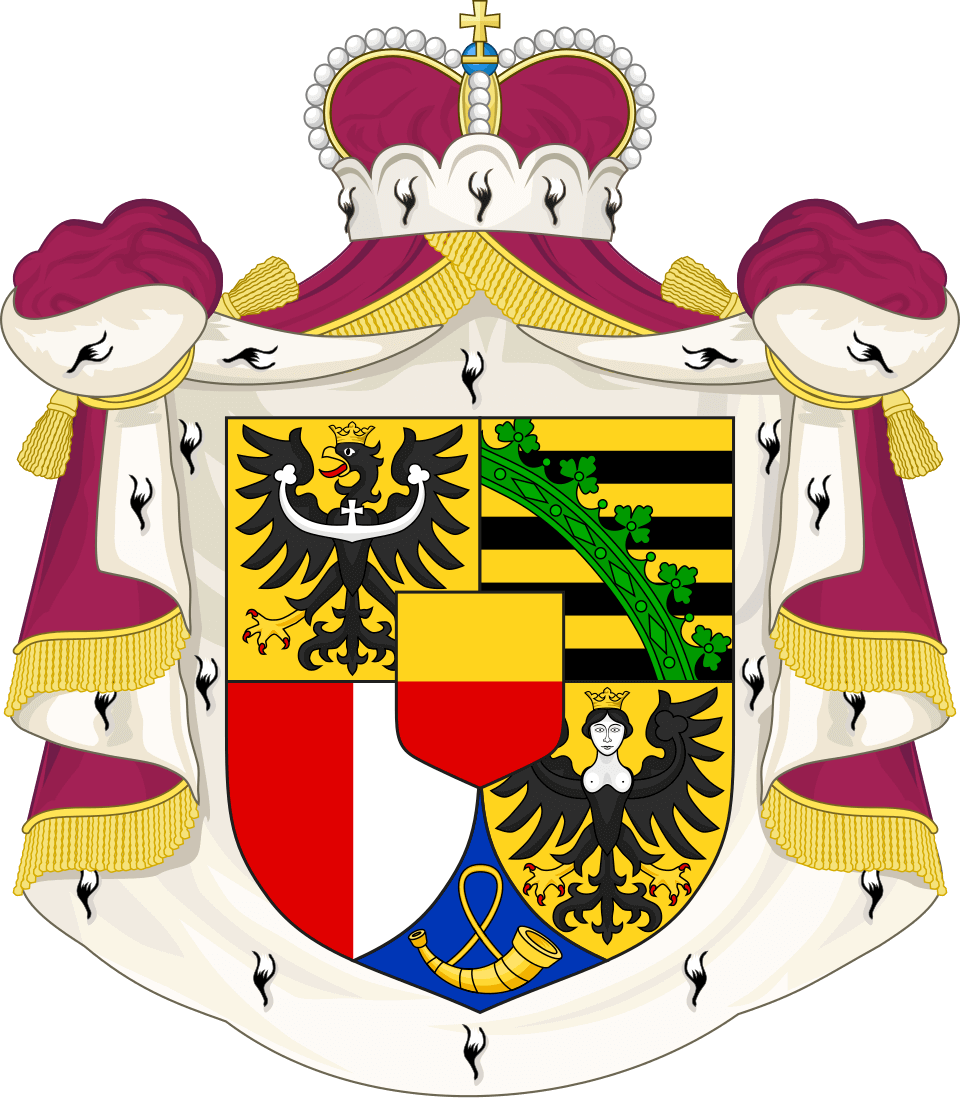
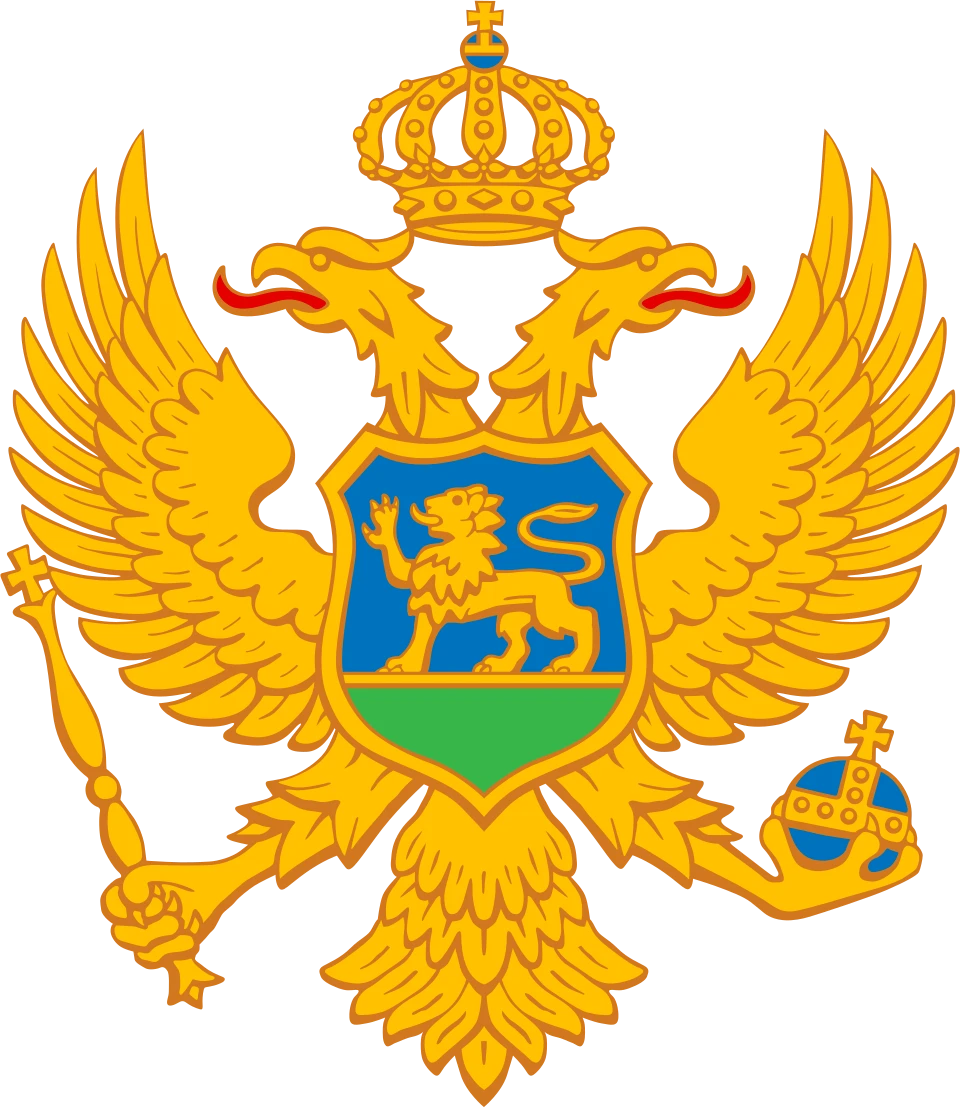
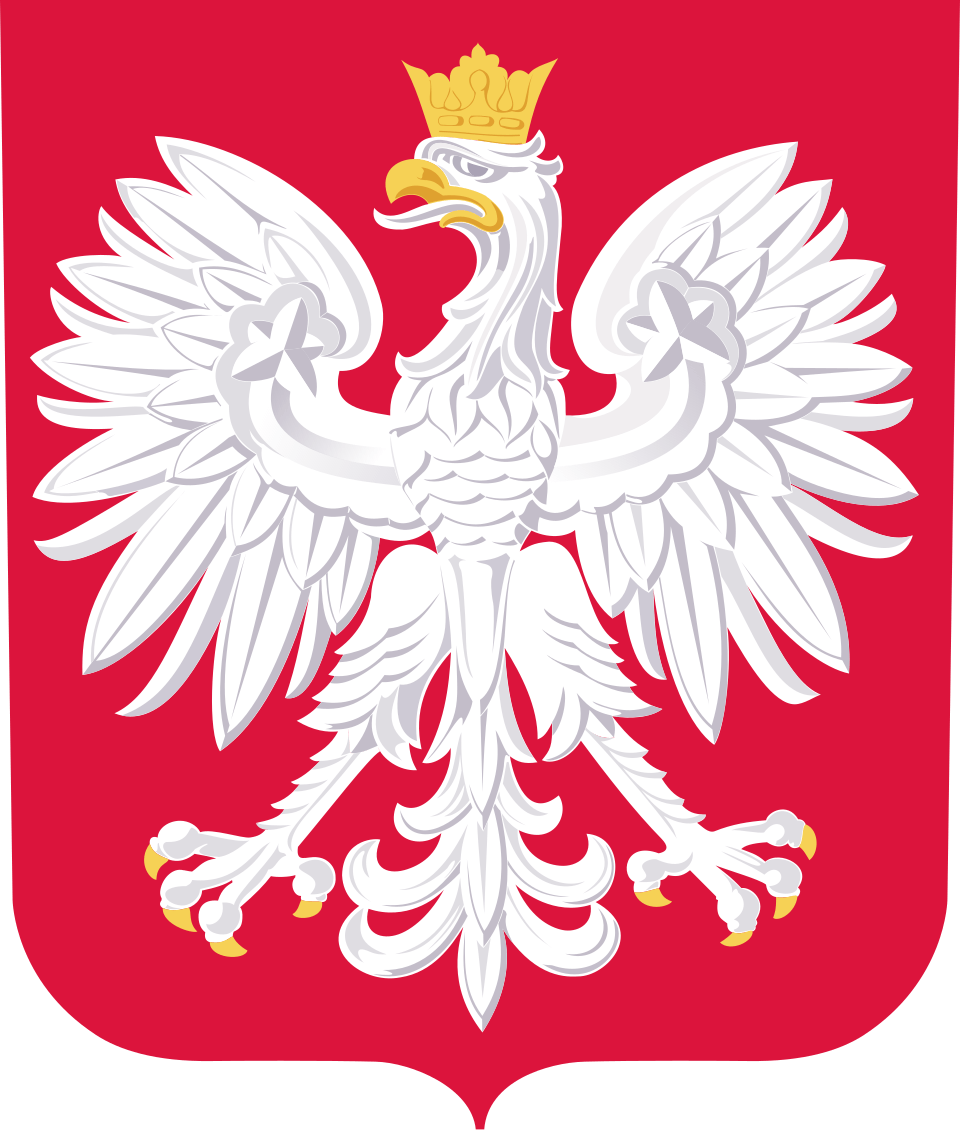
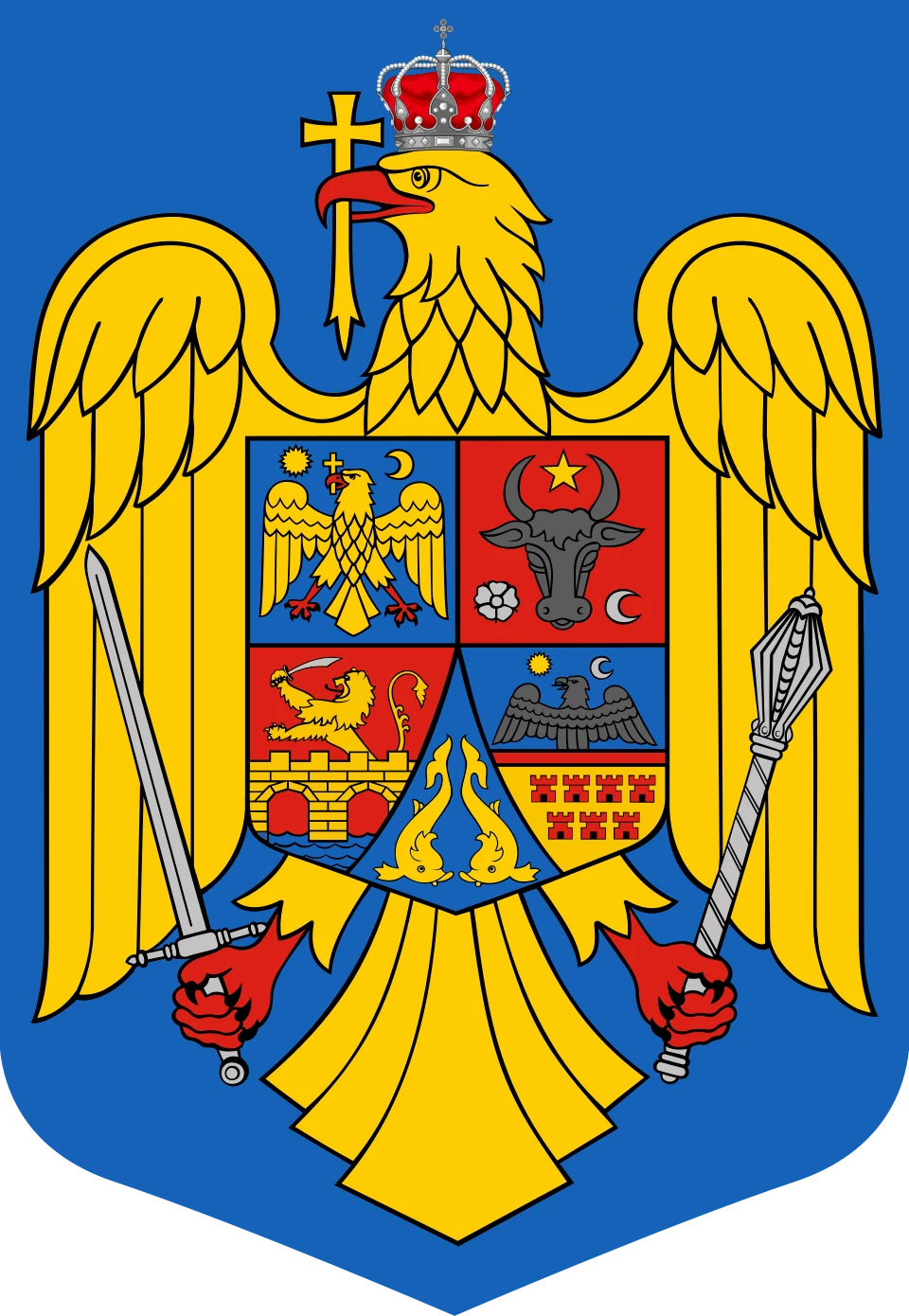
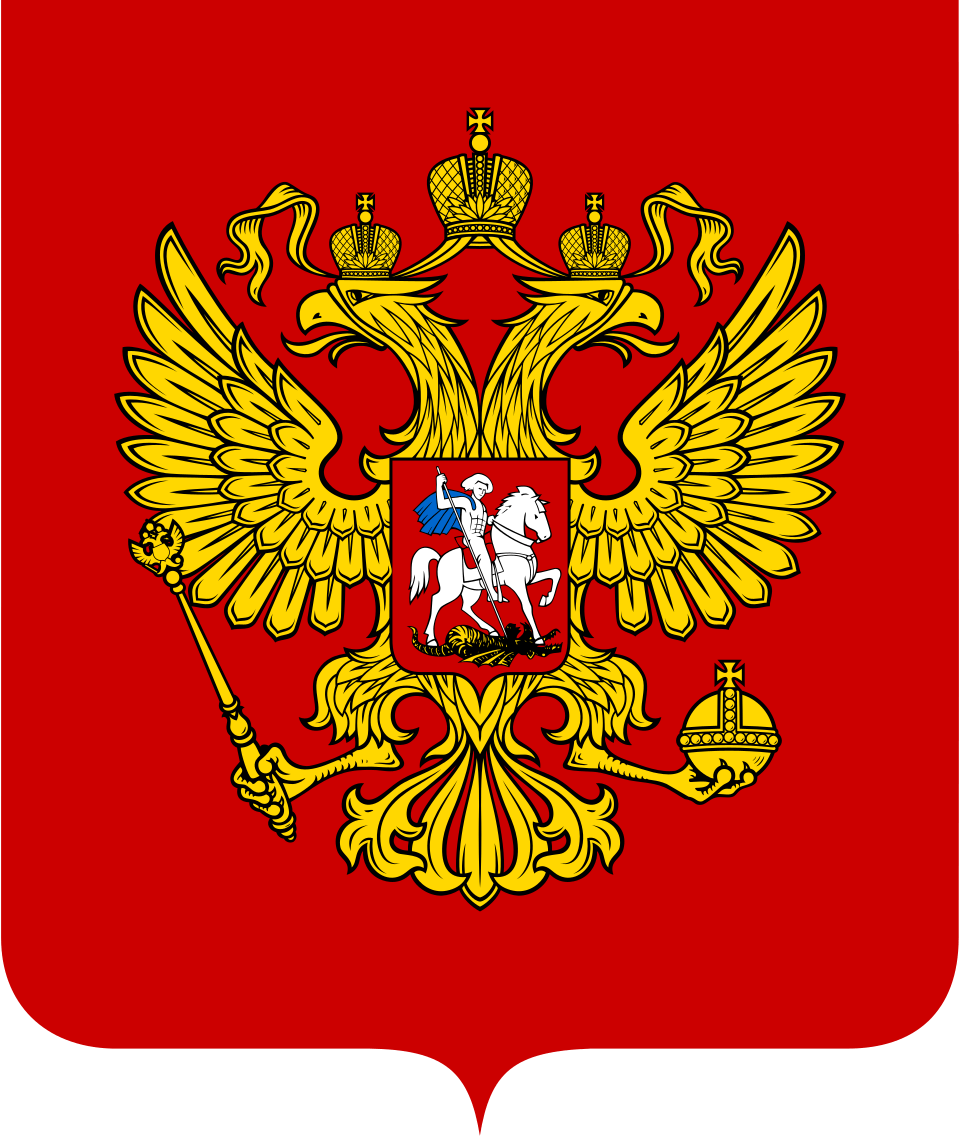
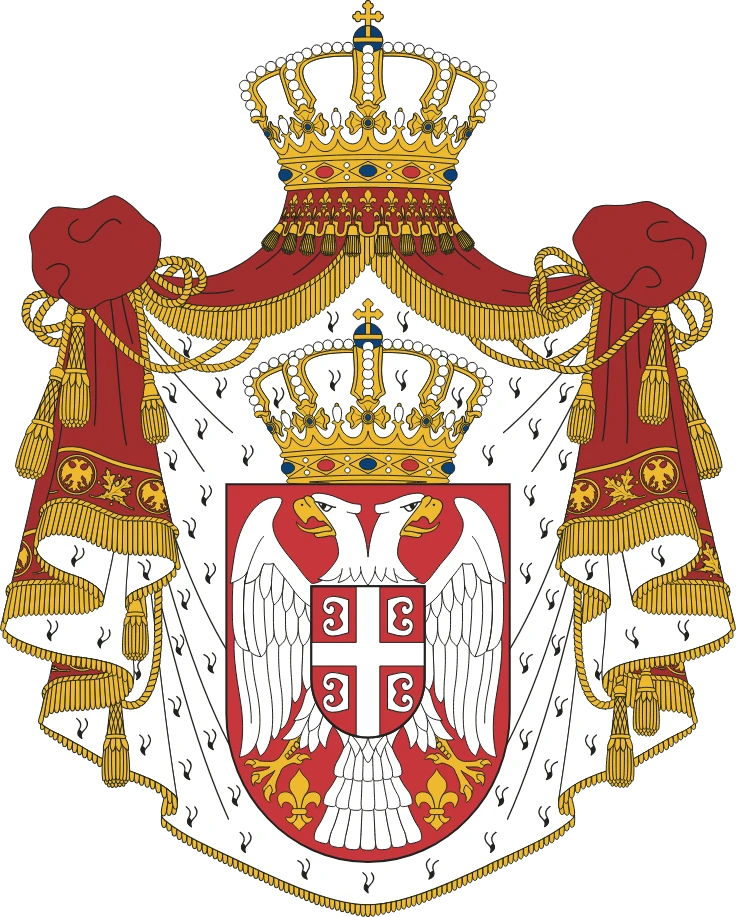
Descended from the Roman aquila and the double-headed eagle of Byzantium, the eagle is Europe’s imperial charge. The double-headed eagle passed from the Palaiologan emperors of Constantinople to the Holy Roman Empire (under Sigismund, 15th c.) and to Russia (under Ivan III, after his 1472 marriage to Sophia Palaiologina), and survives today in the arms of Serbia, Albania and Montenegro. The single eagle marks Germany (the Bundesadler), Poland (white on red) and Austria.
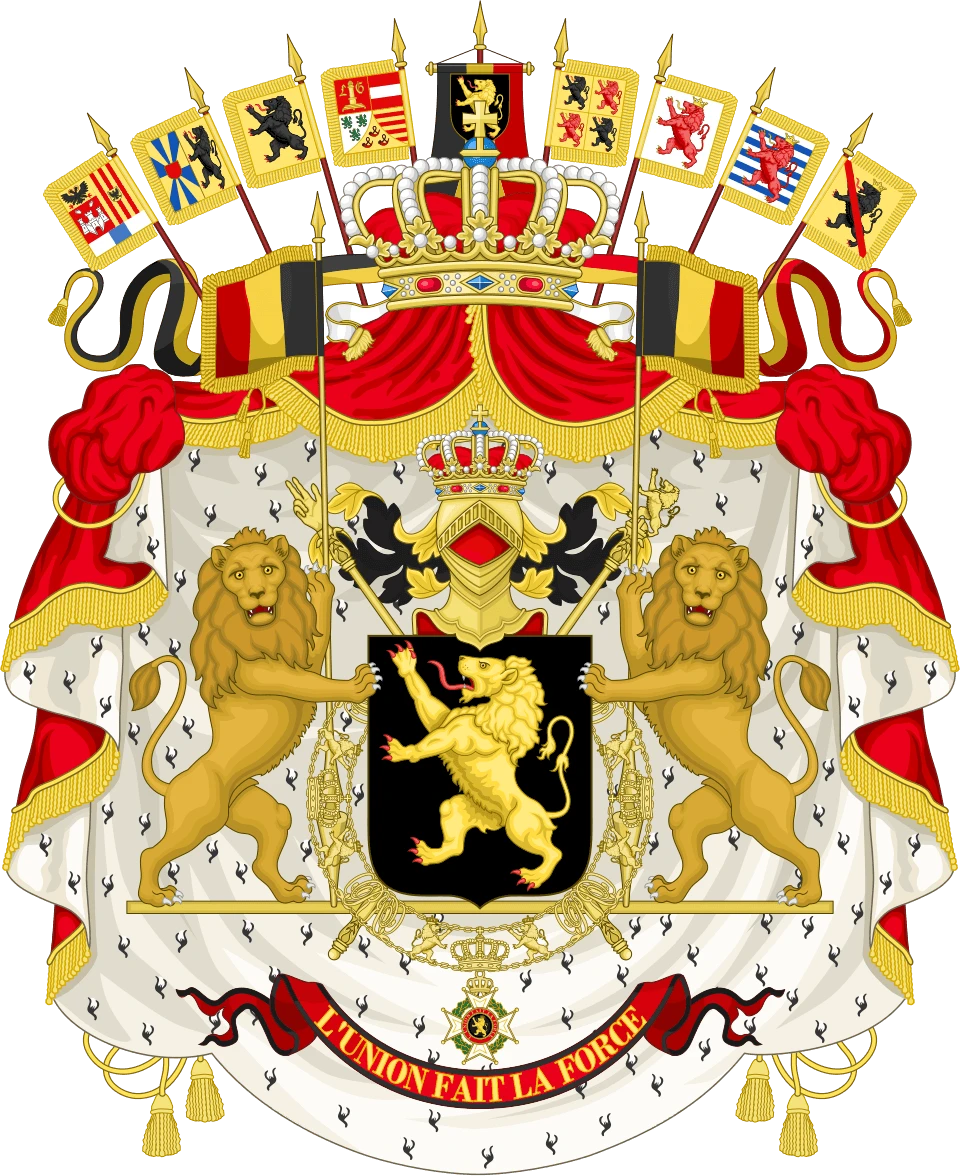
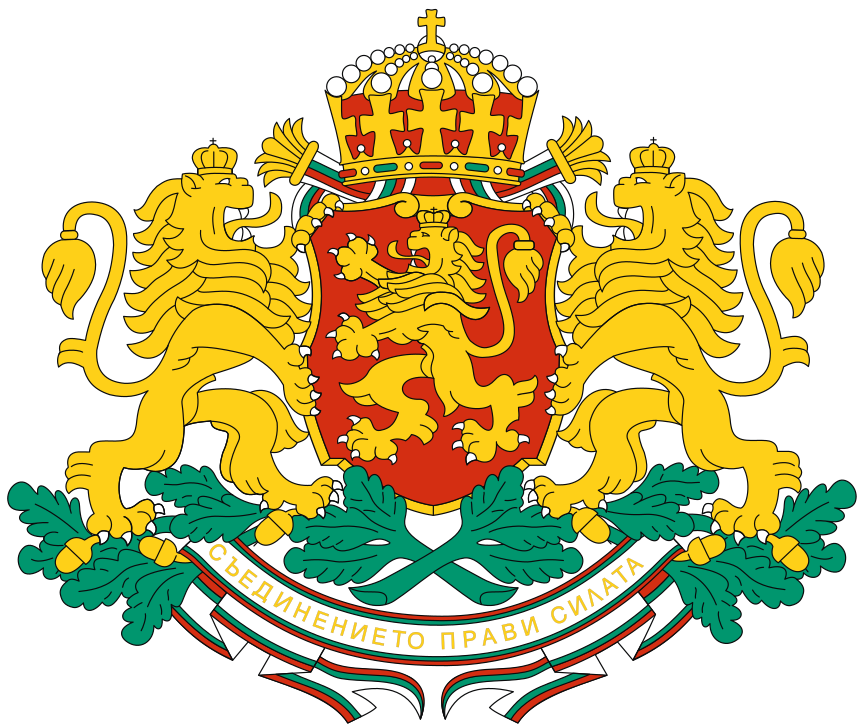
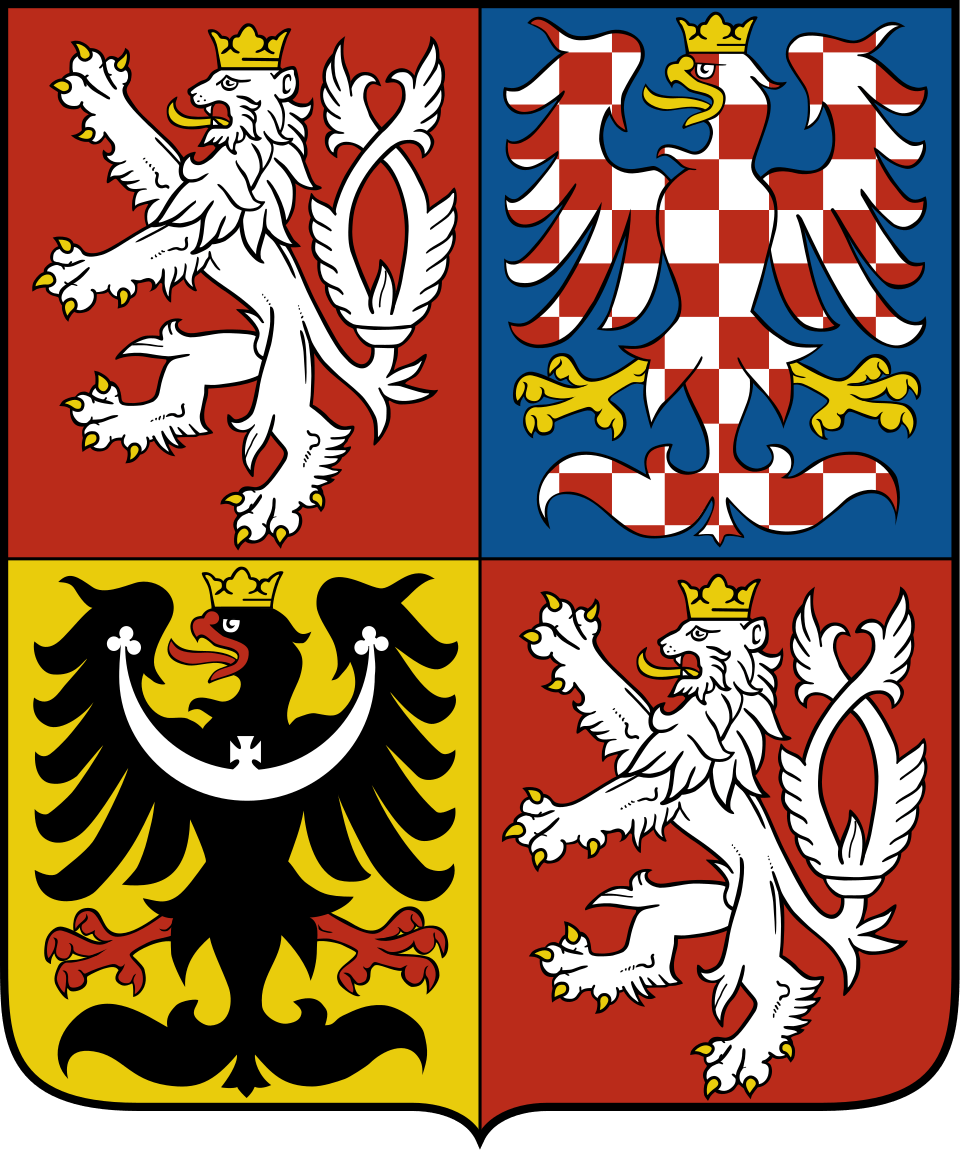
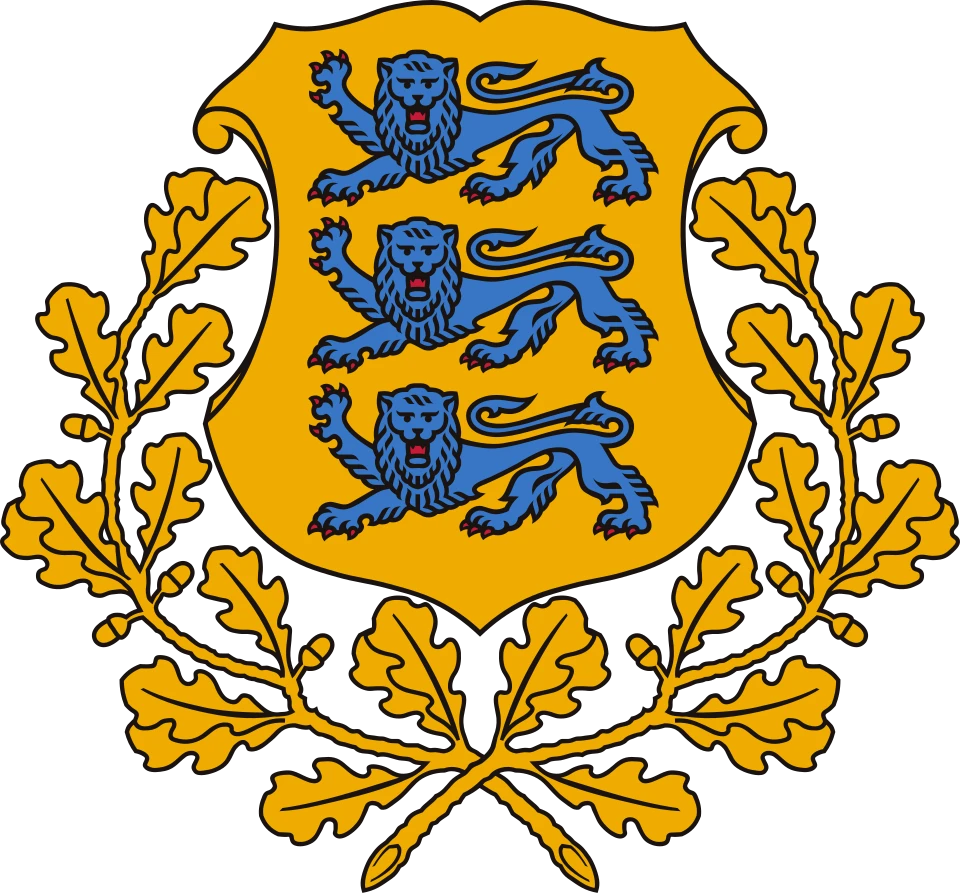
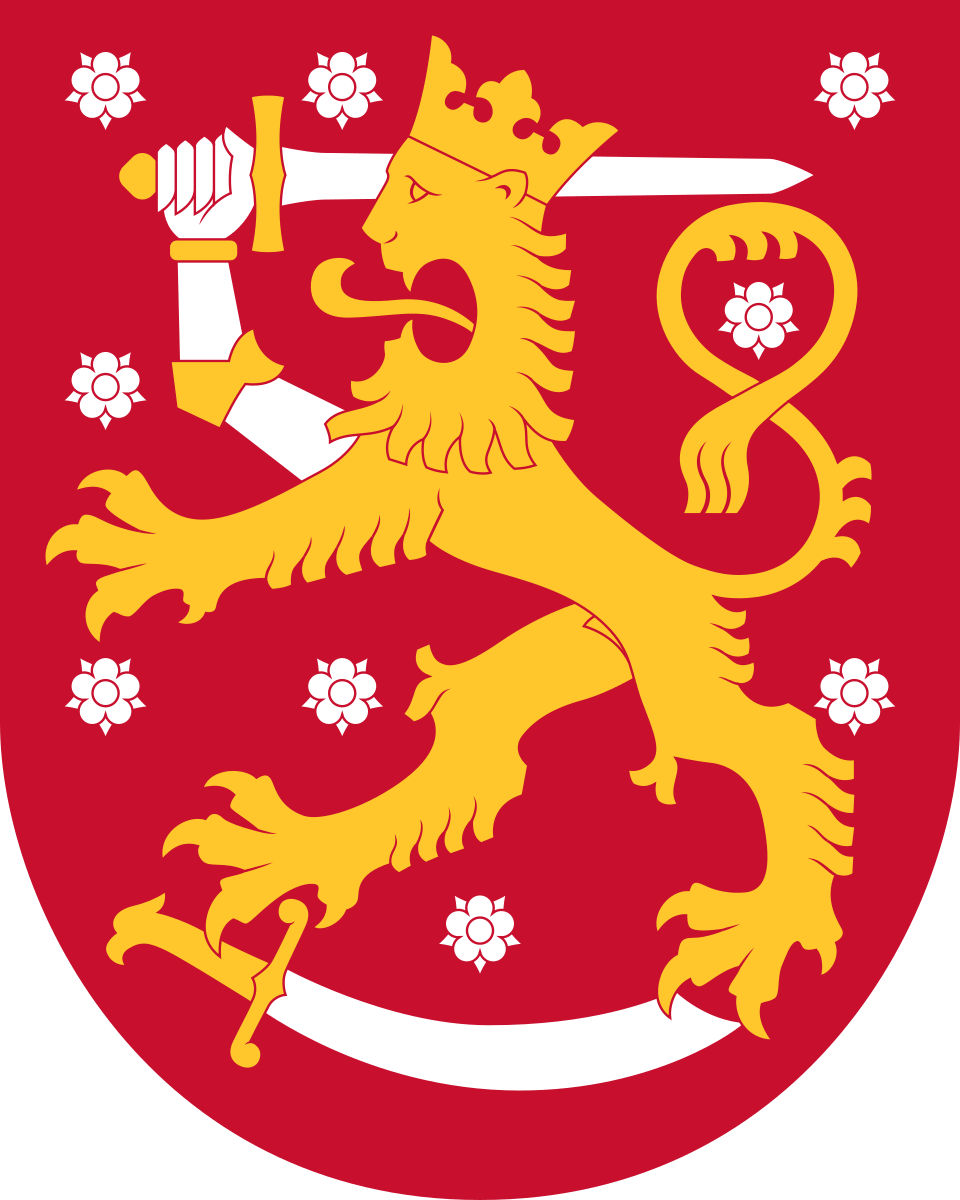
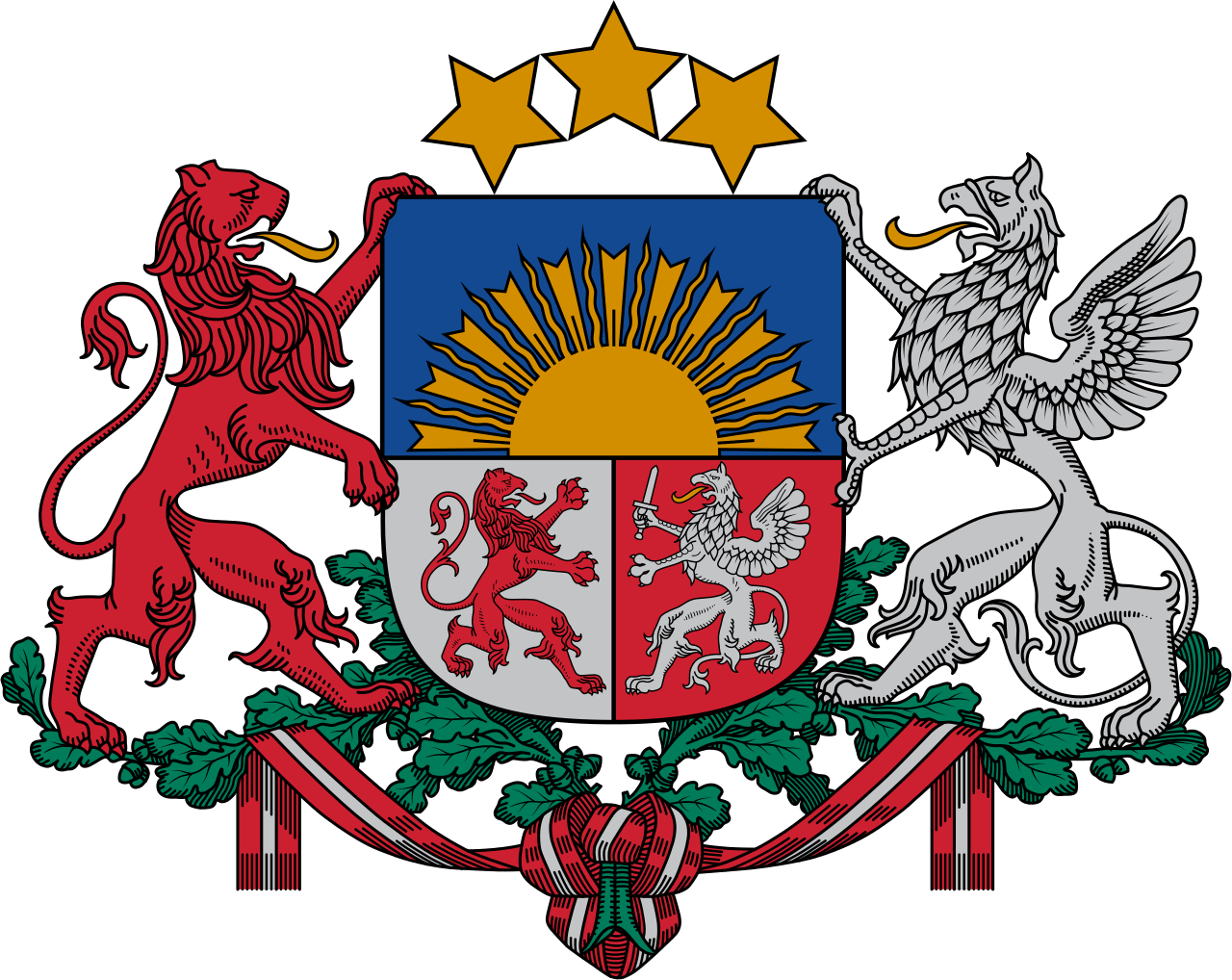
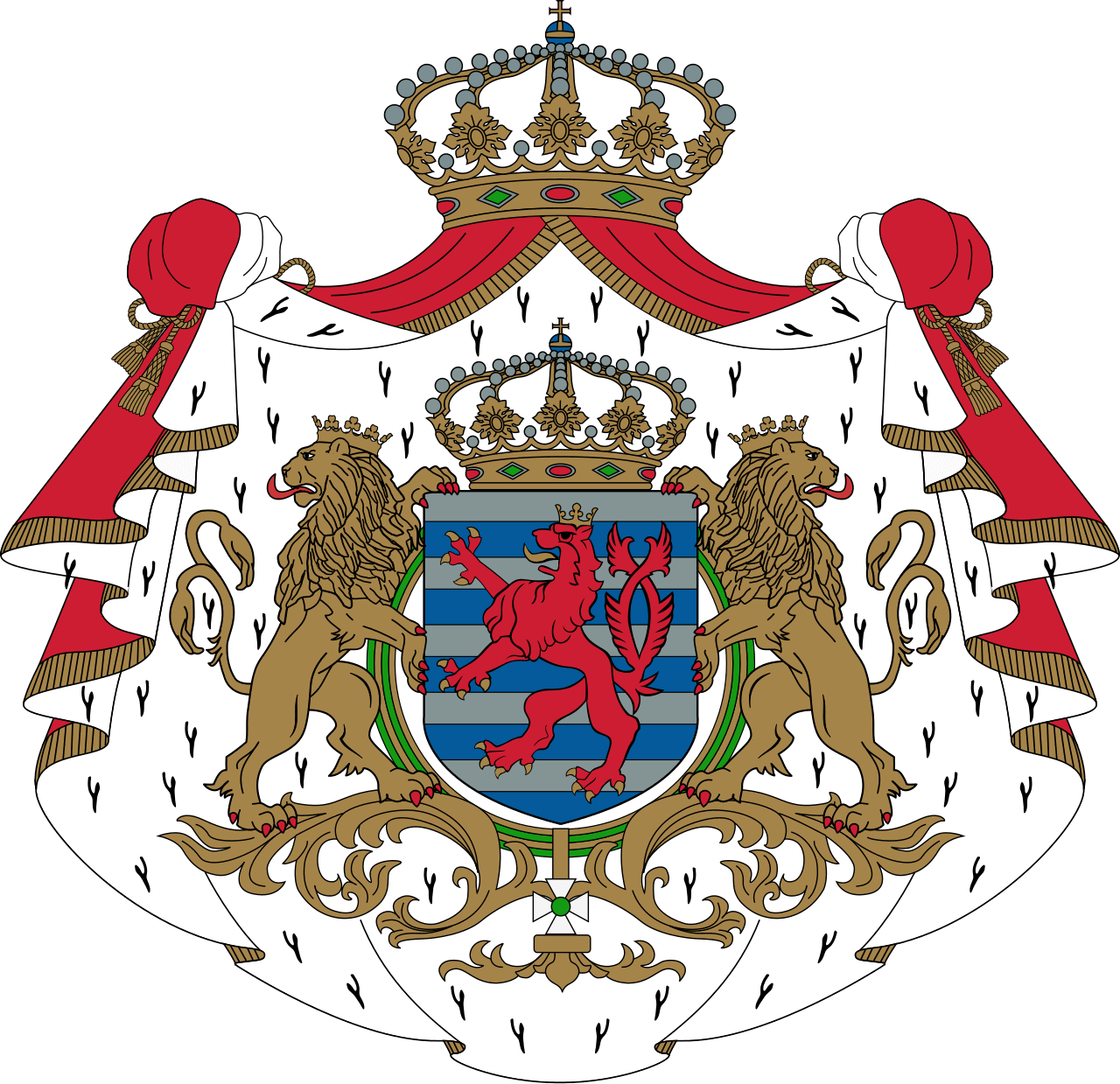
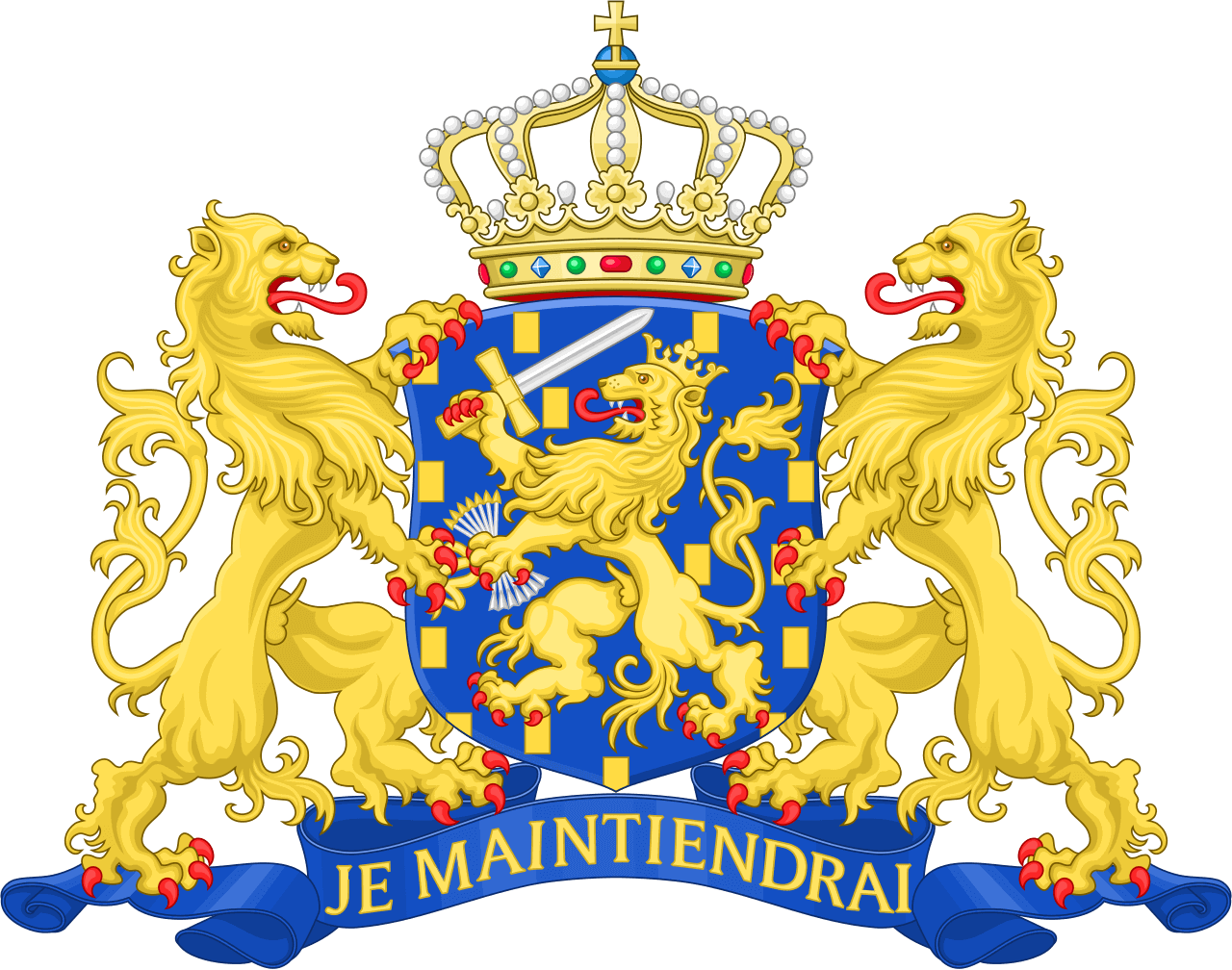
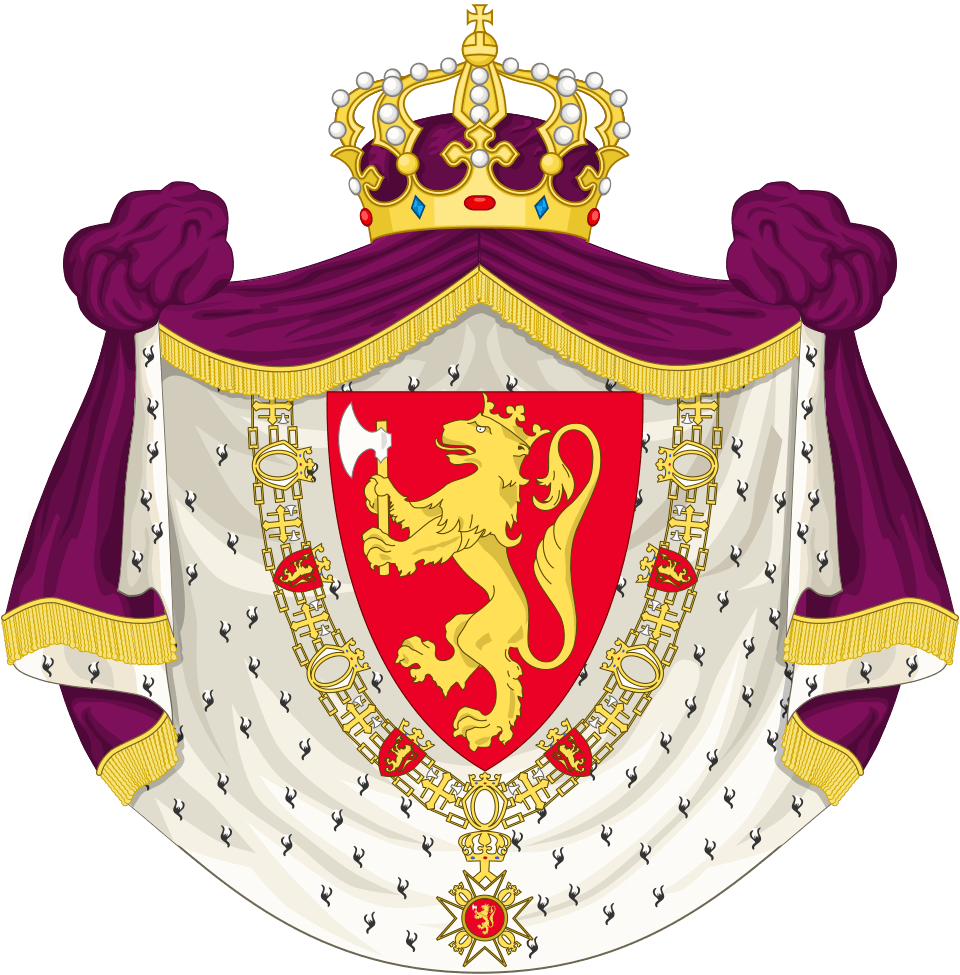
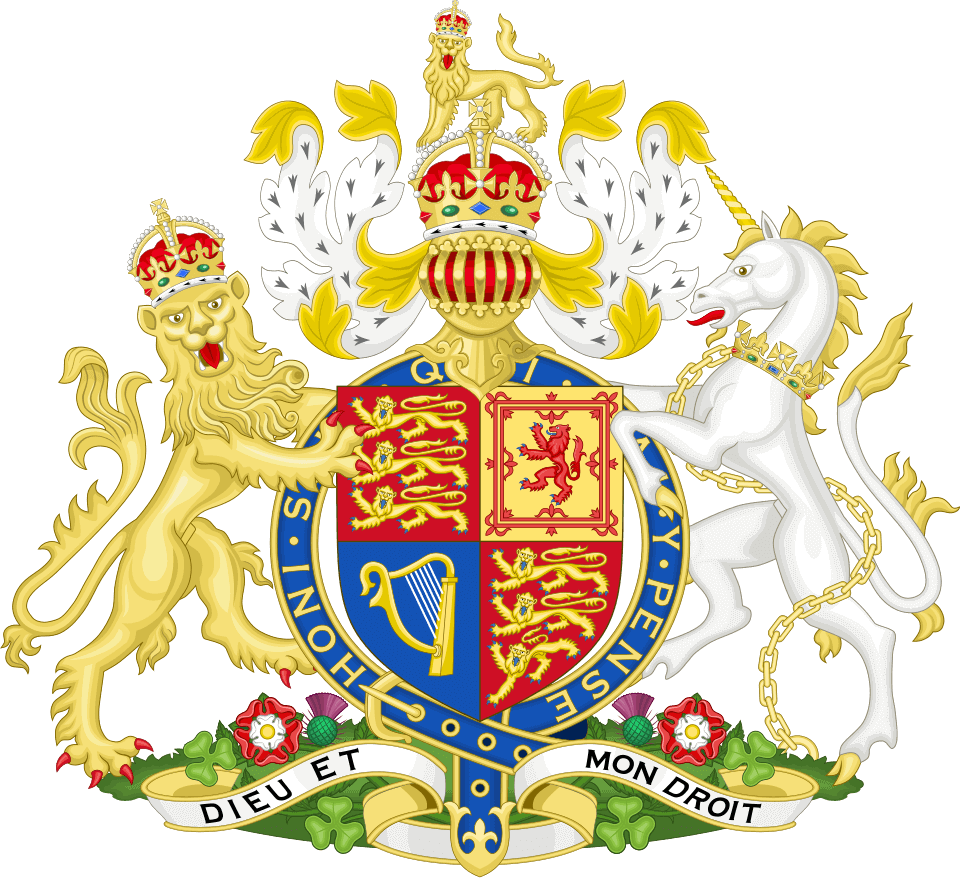
If the eagle is imperial, the lion is royal. The three lions of England, the red lion rampant of Scotland, and the lions of Bohemia, Norway, Luxembourg, Bulgaria, Finland and the Netherlands make it the most widespread beast in European heraldry.
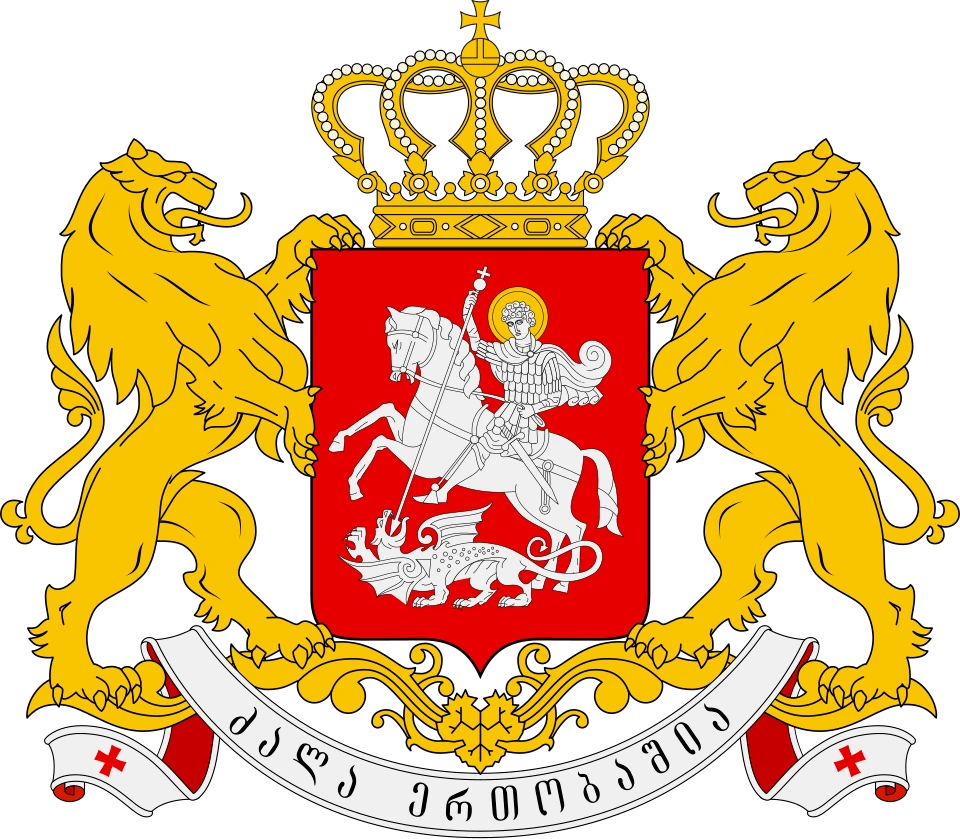
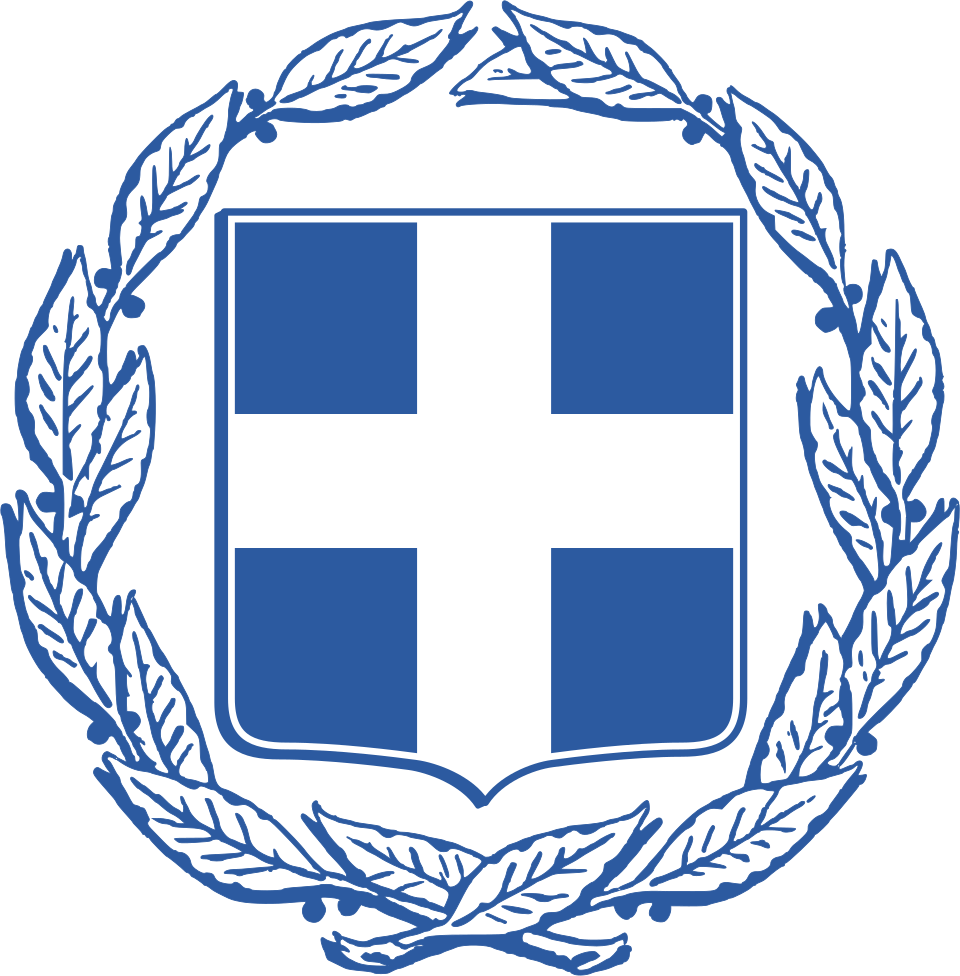
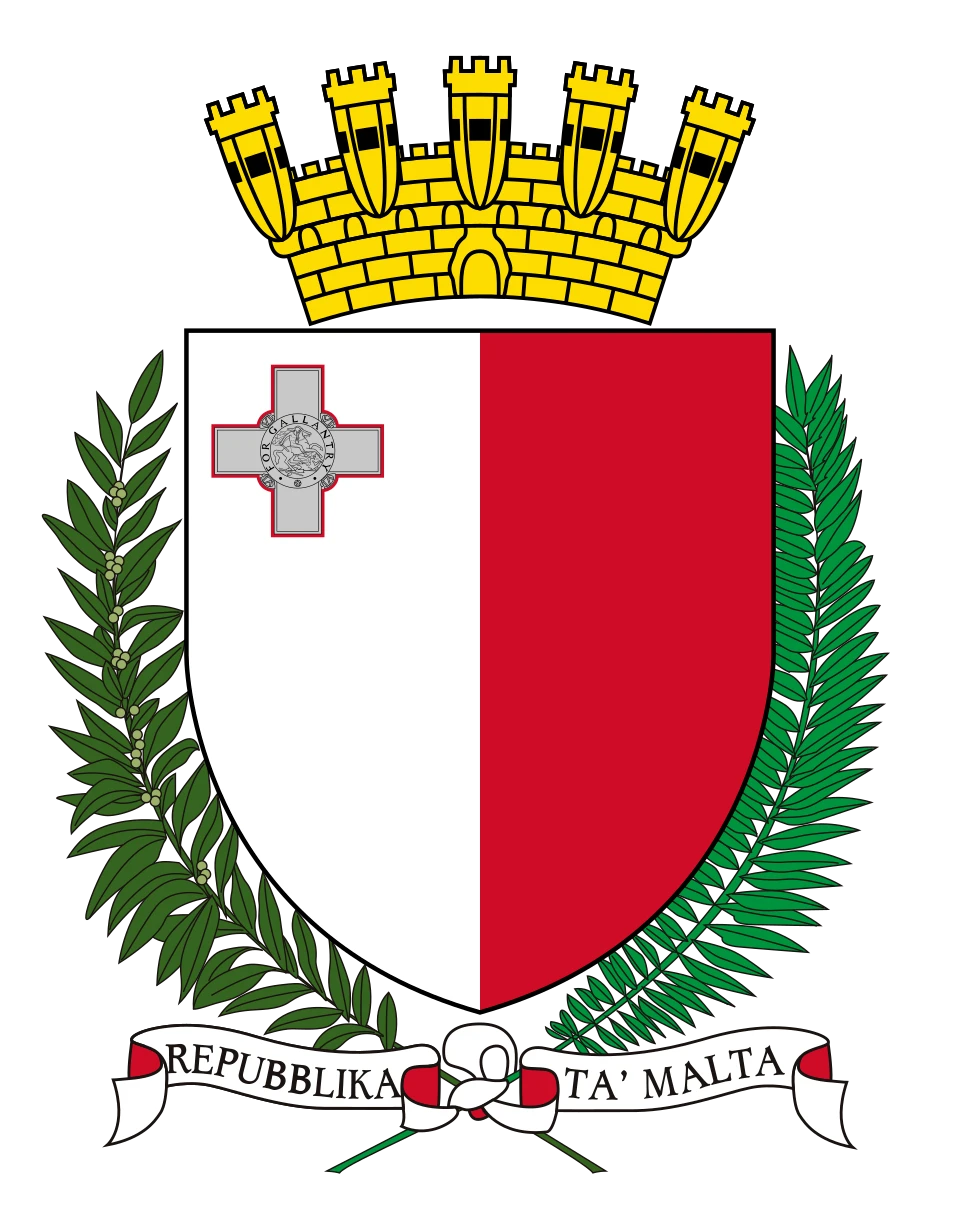
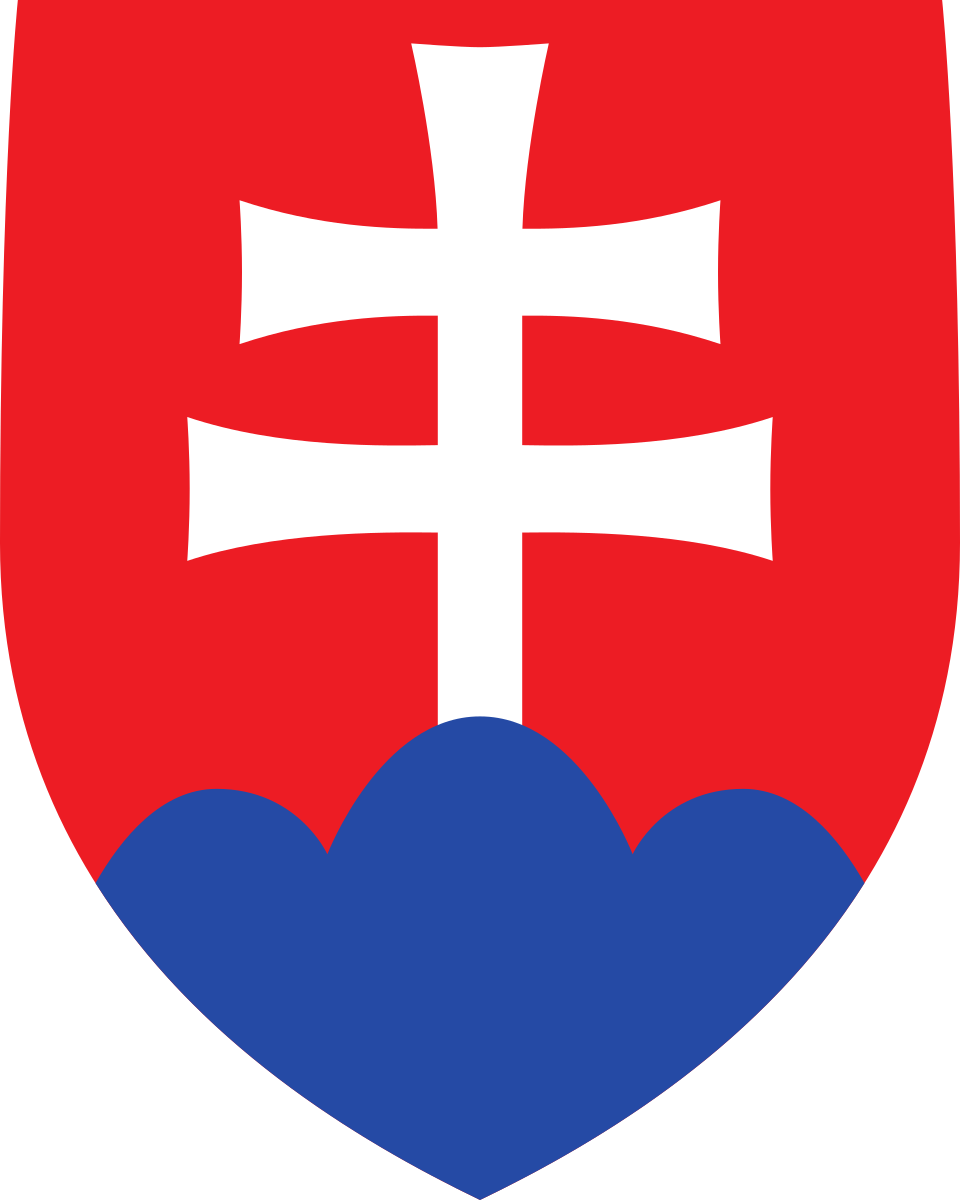
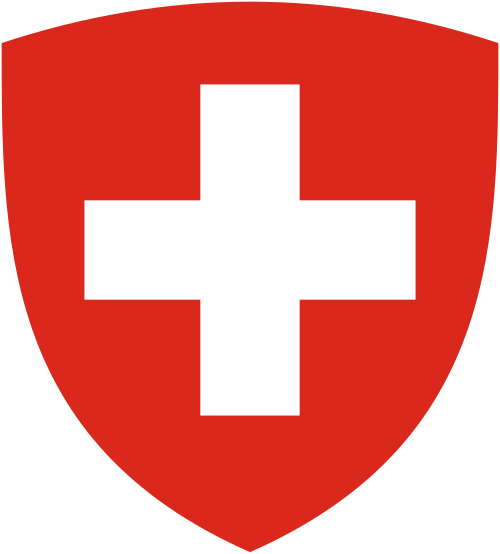
The Christian cross underlies a vast family of European emblems, from the crosses of the crusading military orders to the cross flags of the north (see below), the white cross of Switzerland, and the crosses of Greece, Georgia and Malta.
The stylised lily of the Capetian kings was the emblem of France for eight centuries, and through French influence it scattered across the arms and cities of the continent.
Most European flags belong to one of three great families, each with a single ancestor:
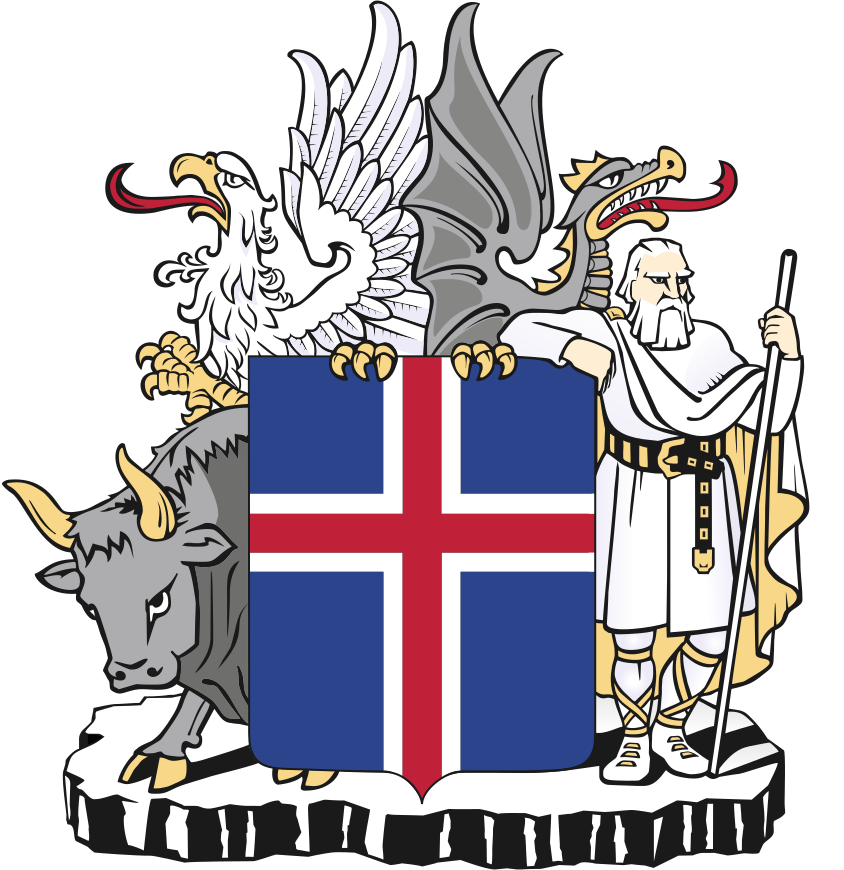
The Dannebrog of Denmark — a white cross shifted toward the hoist on a red field — is by tradition the oldest national flag still in use, its origin dated by legend to a banner that fell from the sky in 1219 (with documented royal use from the 14th century). Its off-centre cross became the template for Sweden, Norway, Finland, Iceland and the Faroes — the shared Nordic cross that instantly signals Scandinavia.
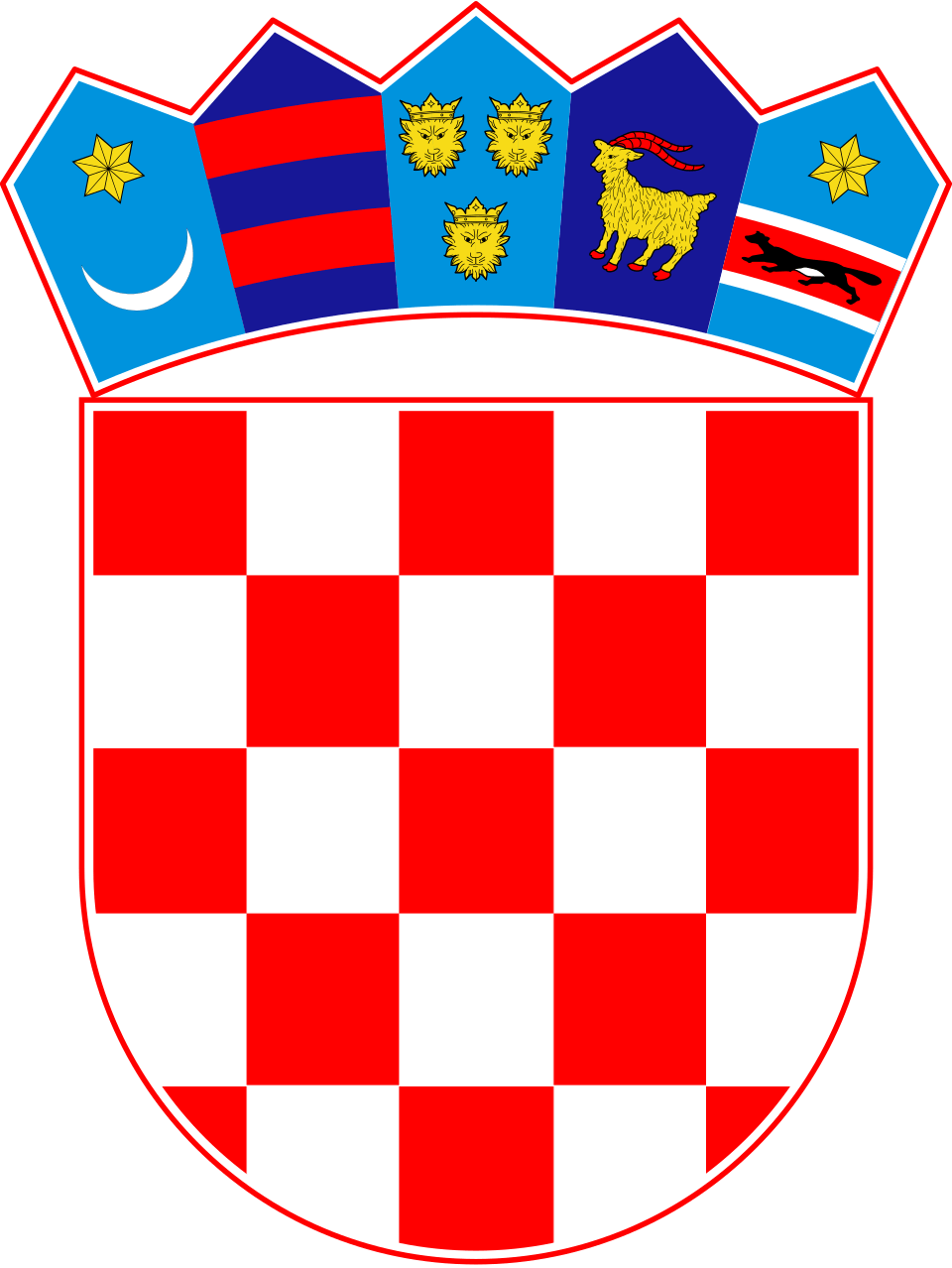
White, blue and red — the colours of the Russian flag — were adopted as Pan-Slavic colours at the Prague Slavic Congress of 1848. In varying orders they mark Russia, Serbia, Slovakia, Slovenia, Croatia and Czechia.
The vertical blue-white-red of the French Revolution (1789) became the model for national tricolours everywhere — from Italy and Ireland to Belgium and Romania — a banner of the nation rather than the dynasty.
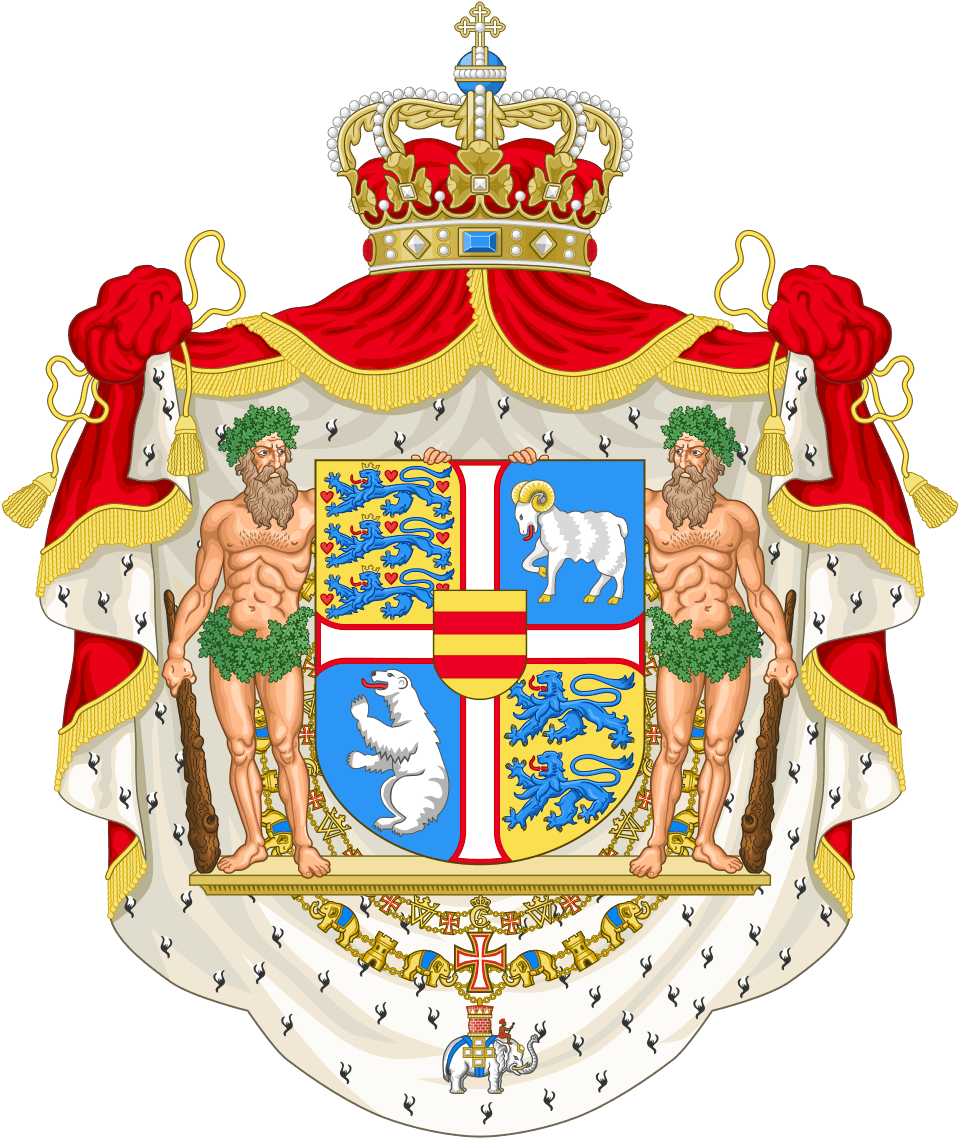
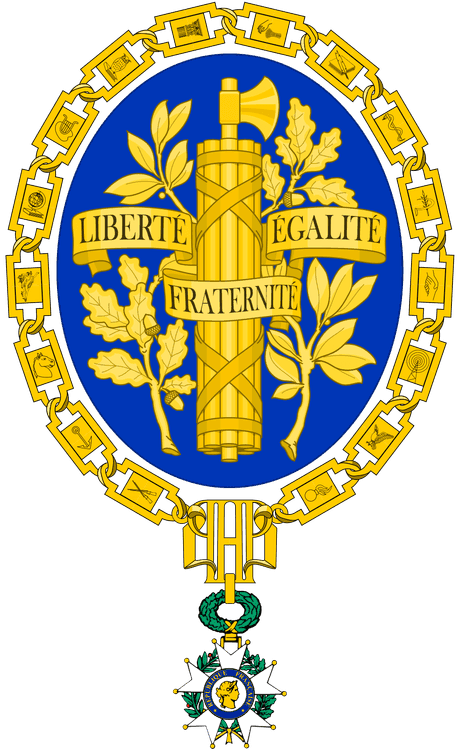
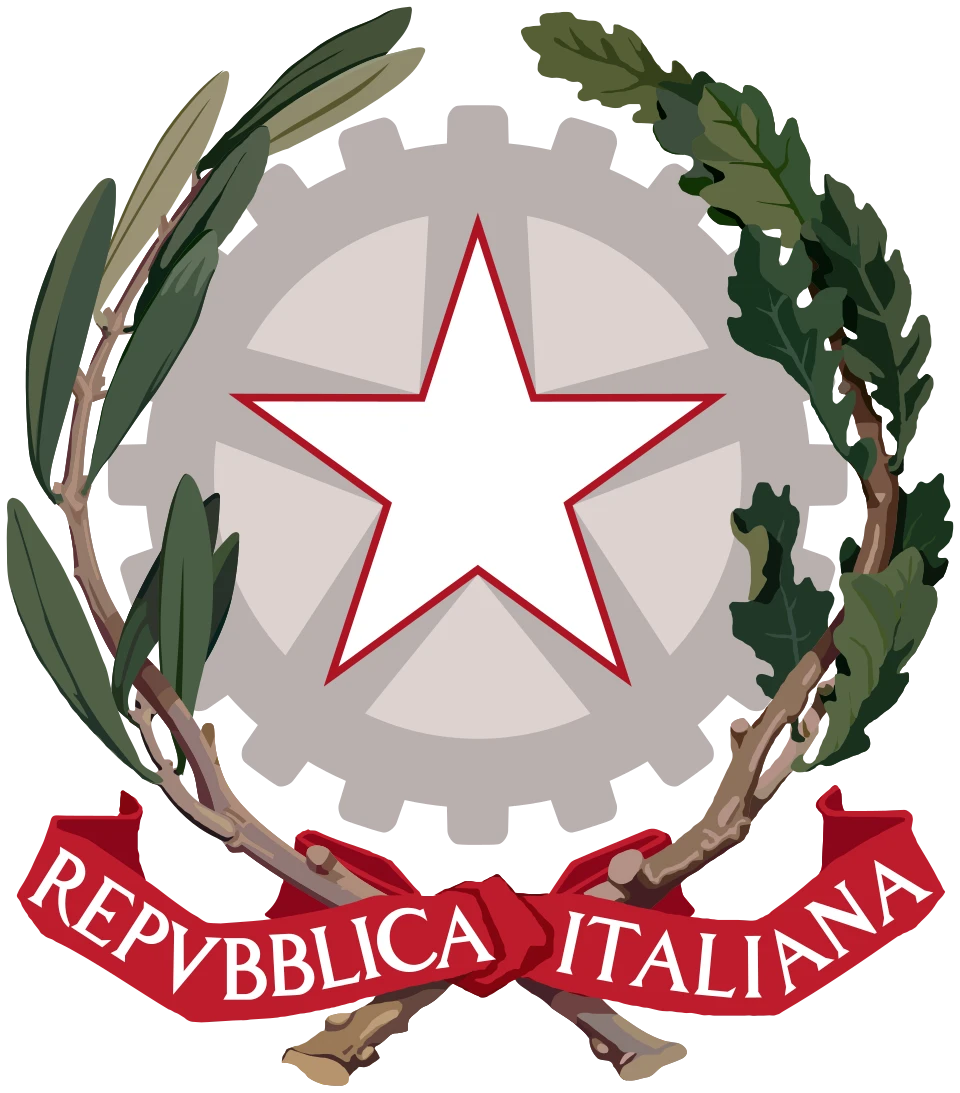
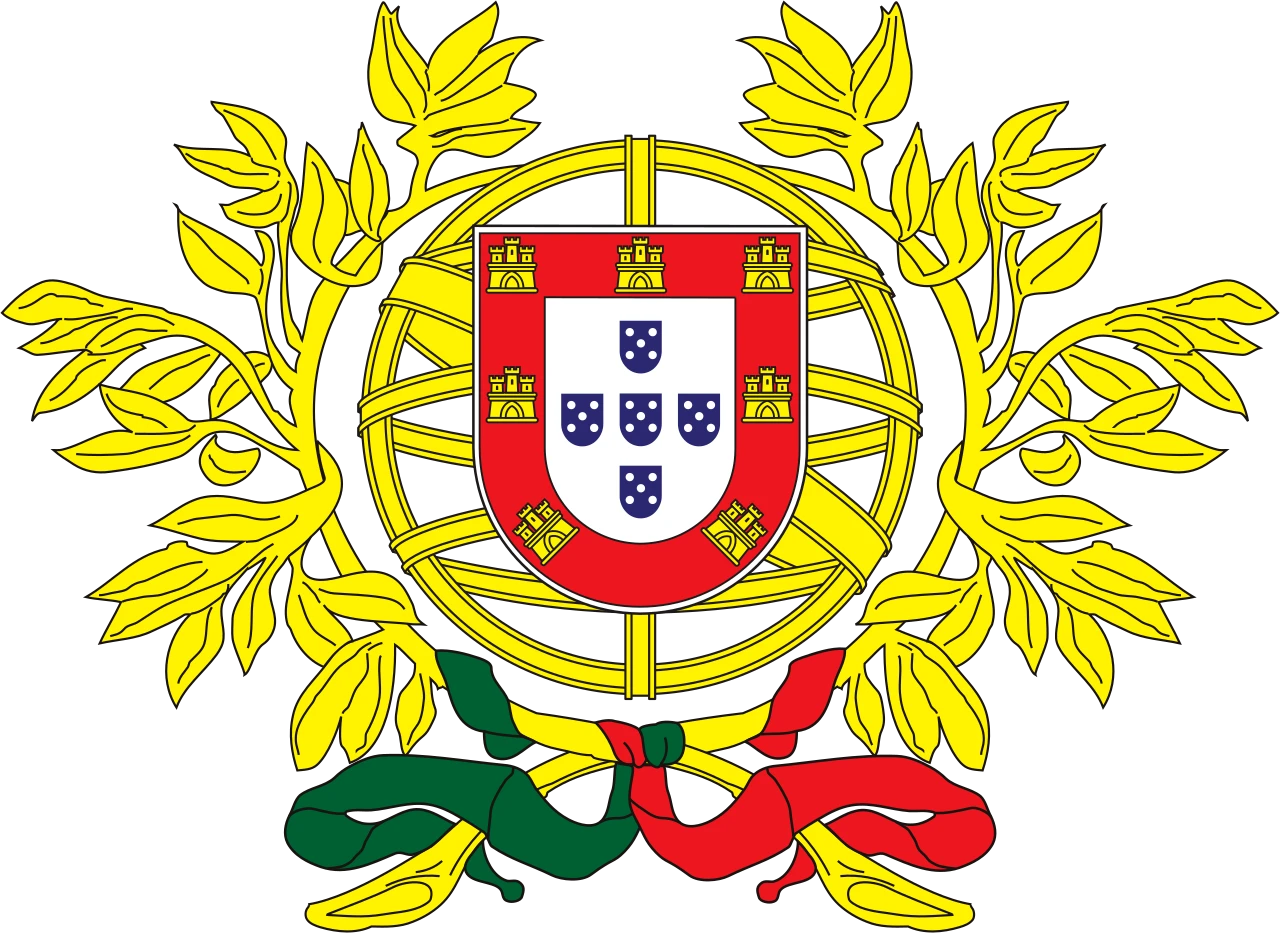
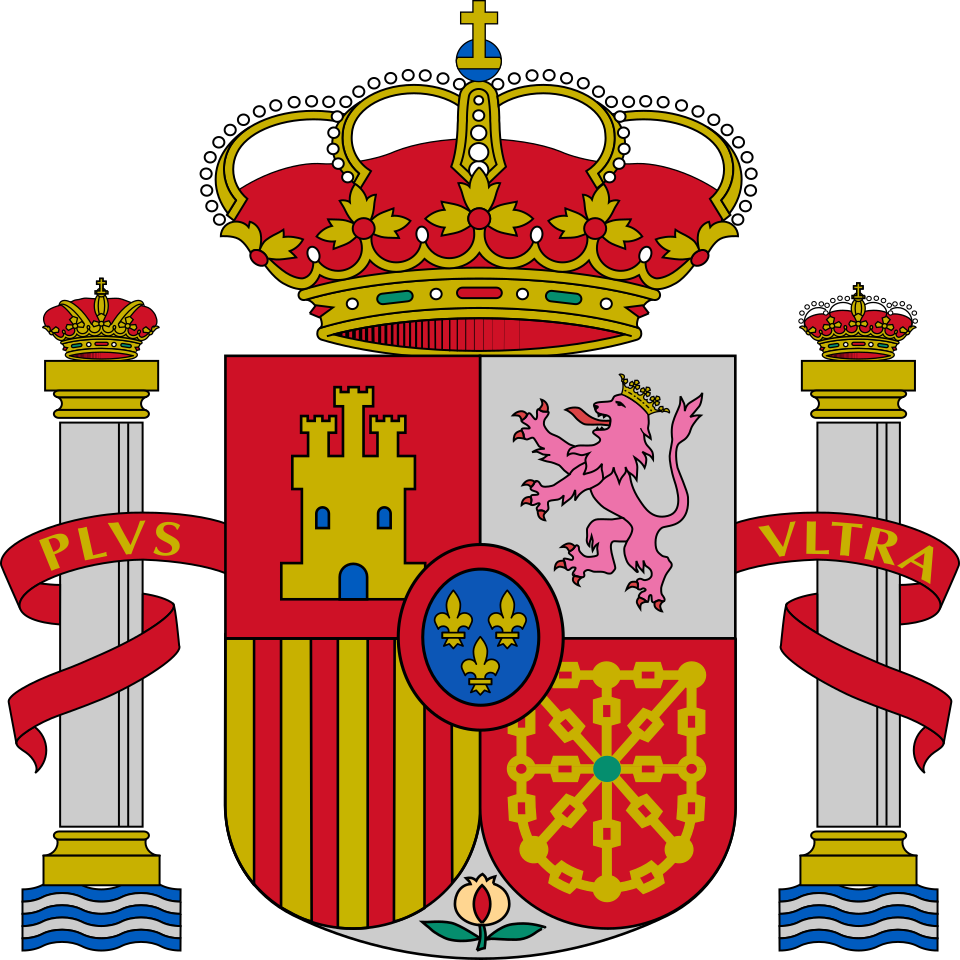
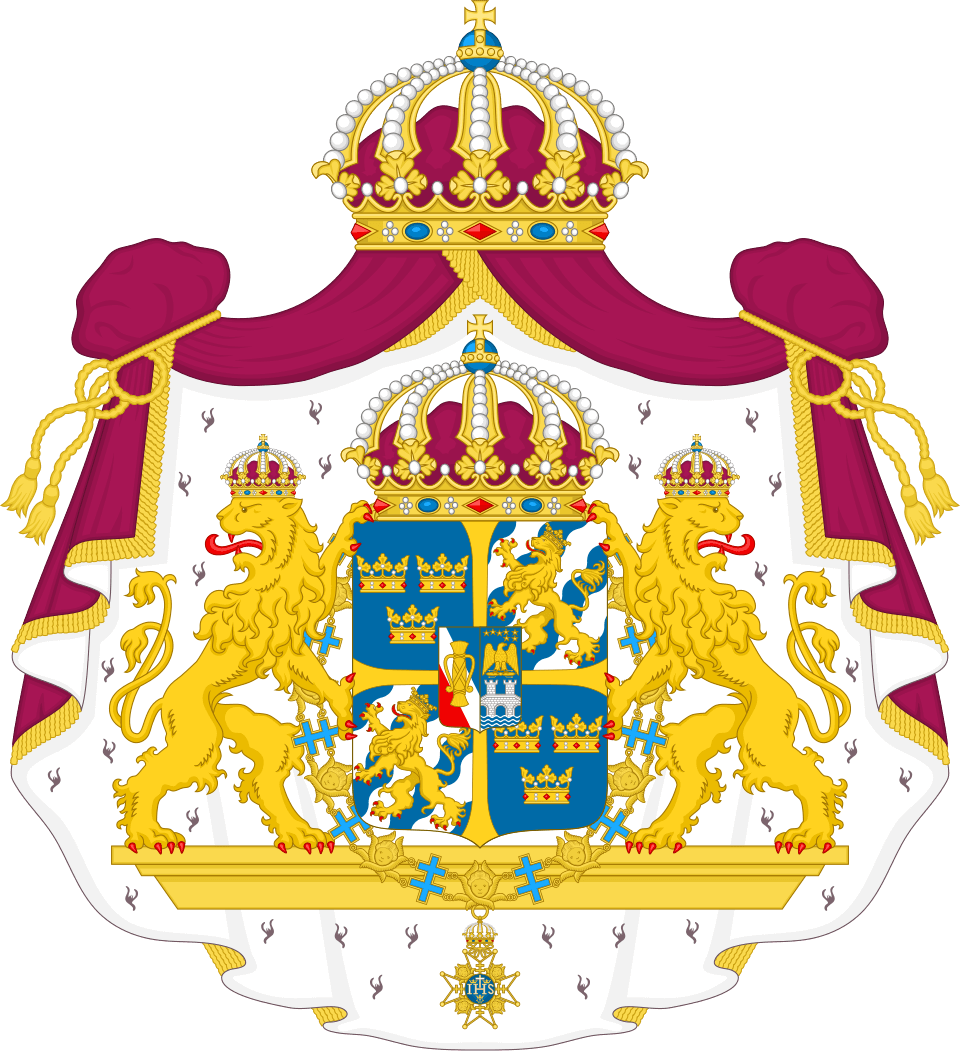
European emblems fall into two broad moods. Monarchies keep the full apparatus of dynastic heraldry — crowned shields, mantles, supporters and orders of chivalry — as in the United Kingdom, Spain, the Netherlands and the Scandinavian kingdoms. Republics, born of the revolutions of 1789, 1918 and 1945, often replaced them with a different vocabulary: the fasces and the figure of Marianne in France, wreaths of wheat and laurel, and the five-pointed star. Many countries still carry the scars of these upheavals in their arms — a crown removed, a red star added under communism and then struck out again after 1989.
Alongside the sovereign states, Europe holds older cultural nations with heraldry of their own. Five of the six Celtic nations lie on this map — Scotland, Wales, Ireland, Cornwall and the Isle of Man, with Brittany across the Channel in France — each with its own flag, patron saint and emblem. Our dedicated Celtic Nations hub gathers all six together.
By tradition, Denmark’s Dannebrog — a white cross on red — is the oldest national flag still in use, its legend dated to 1219 and its royal use documented from the 14th century. Scotland’s Saltire and Austria’s red-white-red are also among the oldest.
The eagle descends from the Roman imperial aquila and the double-headed eagle of Byzantium. It passed to the Holy Roman Empire and to Russia as a claim to imperial continuity, and survives in the arms of Germany, Poland, Austria, Serbia and Albania.
They are the flags of Denmark, Sweden, Norway, Finland and Iceland (with the Faroes and Åland), all sharing an off-centre cross shifted toward the hoist — a family descended from the Danish Dannebrog.
In north-western Europe in the mid-12th century. The earliest documented hereditary coat of arms is that of Geoffrey of Anjou, granted in 1127; the practice spread from the tournaments of France and England across the continent within a century.
A coat of arms is a formal heraldic design centred on a shield, governed by strict rules and used on documents and buildings; a flag is a piece of cloth flown as a national symbol. Many European countries derive their flag from their arms, but the two are distinct.
It covers 42 European countries and their regional subdivisions — German Länder, Spanish autonomous communities, French regions, British counties and more — down to the municipal level. Browse them all in the A–Z grid above.
Last reviewed by the Emblema Mundi editorial team on 12 July 2026.