Country
Flag
Not available
Coat of Arms
Not available
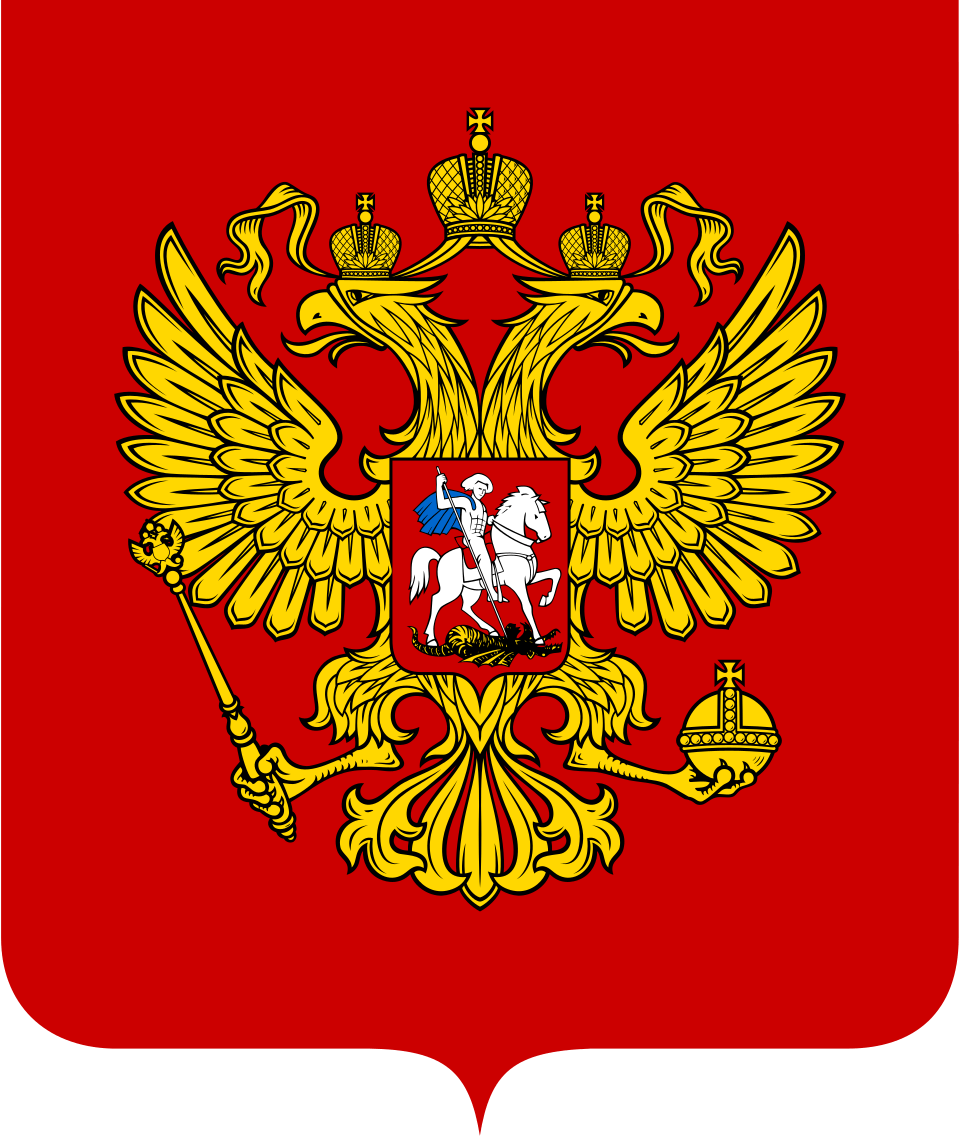
The national emblem of the Russian Federation is among Europe’s most layered heraldic compositions: a golden double-headed eagle charged on its breast with a red shield depicting Saint George the Victorious spearing a black dragon. Paired with the white-blue-red tricolour, these two symbols compress more than five centuries of Muscovite, Imperial, and post-Soviet identity into a single visual grammar.
| Country | Russian Federation |
|---|---|
| Coat of arms adopted | 30 November 1993 (Decree 2050); confirmed by Law No. 2-FKZ, 25 December 2000 |
| Flag adopted | 22 August 1991 (re-adopted); ratio 2:3 |
| Tinctures (arms) | Gules, Or, Argent, Sable, Azure |
| Central charge | Double-headed eagle displayed Or, crowned with three crowns |
| Inescutcheon | Gules, Saint George Argent slaying a dragon Sable |
| Designer (1993) | Yevgeny Ukhnalyov, after the Imperial arms of 1857 |
| Federal subjects | 85 |
Coat of Arms of Russia — Gules, a double-headed eagle displayed Or, three crowns Or linked by a ribbon Azure; Saint George Argent on the inescutcheon. Approved 30 November 1993.
Gules, a double-headed eagle displayed Or, beaked, langued and armed of the same, crowned with two imperial crowns Or and surmounted of a third and larger crown of the like, all linked by a ribbon Azure; holding in its dexter claw a sceptre Or and in its sinister claw an orb of the same; charged on the breast with an inescutcheon Gules bordered Or, thereon Saint George armoured Argent, mounted upon a horse Argent caparisoned of the same, slaying with a lance Or a dragon Sable overturned.
The blazon is deliberately archaising: it revives Imperial-era forms while omitting the territorial shields and the chain of the Order of Saint Andrew that surrounded the 1882 “Greater Arms.”
| Colour | Heraldic name | Element | Traditional symbolism |
|---|---|---|---|
| Red | Gules | Field & inescutcheon | Sovereignty, sacrifice, courage; the blood of Saint George |
| Gold | Or | Eagle, crowns, sceptre, orb | Imperial dignity, divine light, continuity with Byzantium |
| Silver | Argent | Saint George, horse | Purity, victory of good over evil |
| Black | Sable | Dragon | Defeated chaos, paganism, the adversary |
| Blue | Azure | Ribbon linking the crowns | Unity of the three crowns / formerly the Order of Saint Andrew |
Heraldic note — Russia is one of few Christian monarchies whose imperial arms tolerate the placement of metal on metal (the silver horseman and golden lance against the black dragon), a licence justified by the antiquity of the composition.
The two-headed eagle entered Muscovite heraldry under Ivan III (Ivan Velikiy) in 1497, when it appeared on the reverse of his grand-ducal seal. Two converging factors explain the choice:
The eagle’s two heads originally signified the dual gaze of empire — East and West, spiritual and temporal — and were quickly read in Moscow as the union of secular and ecclesiastical authority.
1497 — The Seal of Ivan III. The earliest documented appearance: an eagle without crowns, paired with the Muscovite horseman (the yezdets) already spearing a serpent.
1547–1584 — Ivan IV “the Terrible.” The eagle gains a single crown and a small breast-shield. After Ivan’s coronation as Tsar (1547), the iconography acquires explicitly imperial weight.
1667 — Tsar Aleksey I codifies the arms by decree: three crowns (Kazan, Astrakhan, Siberia), sceptre and orb. The first formal blazonnement in the Russian tradition.
1721 — Pyotr Velikiy proclaims the Russian Empire and adds the collar of the Order of Saint Andrew the First-Called around the inescutcheon.
1857–1883 — Baron Bernhard Köhne produces the Greater, Middle, and Lesser Arms of the Empire, surrounded by the shields of all tsarist titles.
1917–1991 — The Soviet Interregnum. The eagle is abolished. The USSR adopts the hammer and sickle on a globe, wreathed in wheat, crowned by a red star.
1993 — Restoration. Yeltsin’s Decree No. 2050 restores the double-headed eagle, redesigned by Yevgeny Ukhnalyov in a streamlined version of the 1857 arms.
2000 — Constitutional Anchoring. Federal Constitutional Law No. 2-FKZ codifies the present blazon.
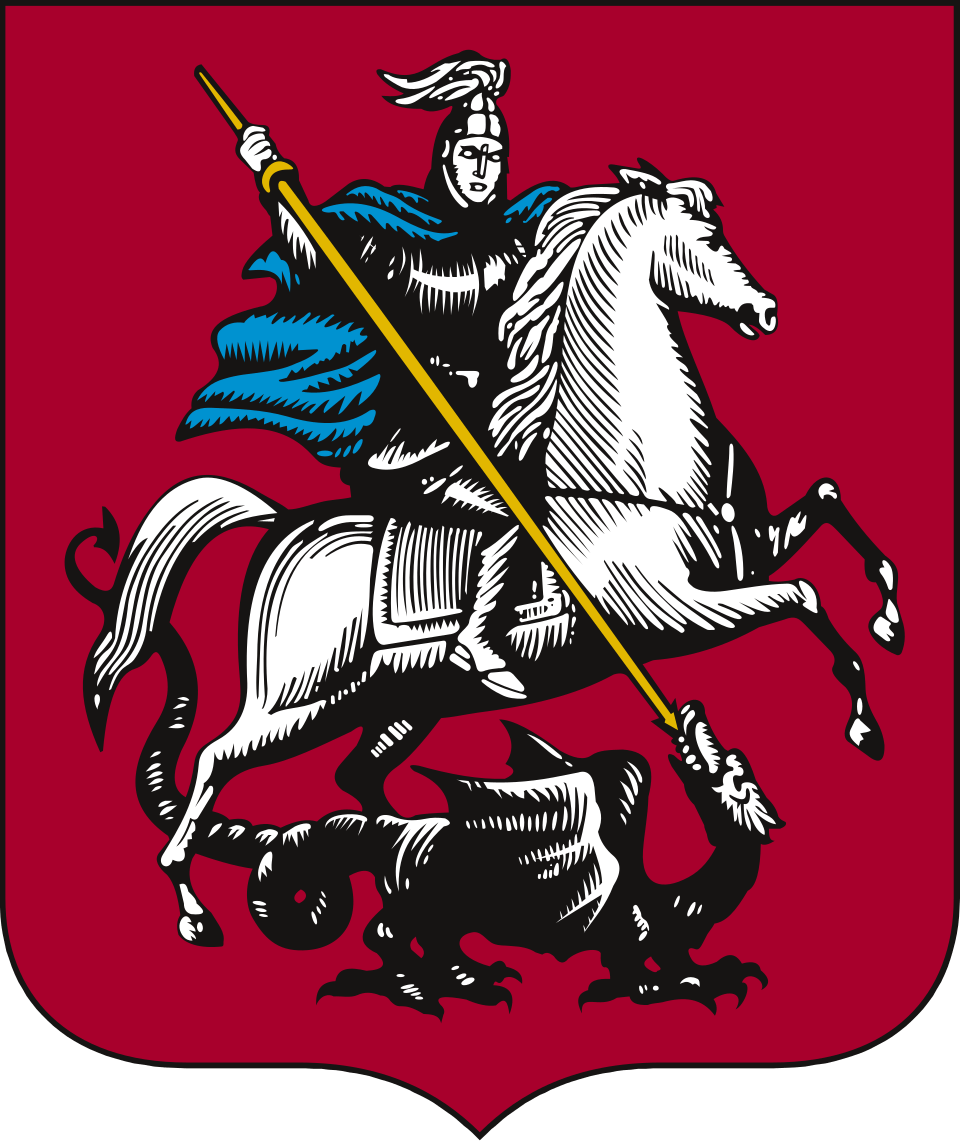
The mounted saint on the inescutcheon is Saint George, patron of Moscow since at least the reign of Dmitry Donskoy in the 14th century. Three heraldic details matter:
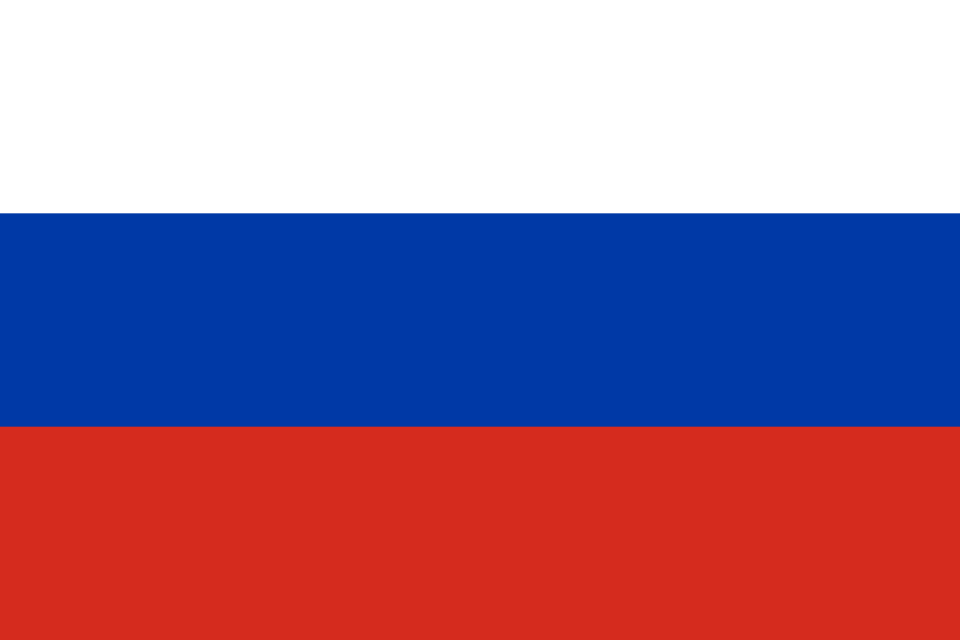
Flag of Russia — Three equal horizontal bands: white (top), blue (middle), red (bottom). Ratio 2:3. Re-adopted 22 August 1991.
First hoisted, by tradition, on the frigate Oryol in 1668 under Tsar Aleksey I, then formally on Pyotr Velikiy’s ships from 1696. Codified as the national civil flag by Aleksandr III in 1883. The Bolsheviks abolished it in 1918; it returned during the August coup of 1991 and was constitutionally enshrined by Federal Constitutional Law No. 1-FKZ on 25 December 2000.
No statute fixes the meaning of the colours. Three readings coexist:
| Reading | White | Blue | Red |
|---|---|---|---|
| Imperial (19th c.) | Nobility, frankness | Loyalty, chastity | Courage, generosity |
| Religious | God the Father / heavenly purity | The Mother of God | Christ / sacrifice |
| Geographic | Belarus (white Rus’) | Little Russia (Ukraine) | Great Russia |
The third reading, popular under Imperial pan-Slavism, has been politically sensitive since 1991.
The white-blue-red sequence inspired most Pan-Slavic flags after the 1848 Prague Congress — compare Slovakia, Slovenia, Serbia, and Croatia, which all reorder the same three tinctures.
| Polity | Eagle tincture | Field | Heads | Distinctive feature |
|---|---|---|---|---|
| Russia | Or | Gules | 2 | Saint George inescutcheon, three crowns |
| Holy Roman Empire | Sable | Or | 2 | Halos around each head |
| Serbia | Argent | Gules | 2 | Crown and Cross with four firesteels |
| Albania | Sable | Gules | 2 | No charge on breast |
| Montenegro | Or | Gules | 2 | Lion on inescutcheon |
All five share the Byzantine archetype, transmitted through different historical channels: dynastic marriage (Russia), Holy Roman continuity (HRE), Nemanjıć Serbia, and the Albanian Kastrioti tradition.
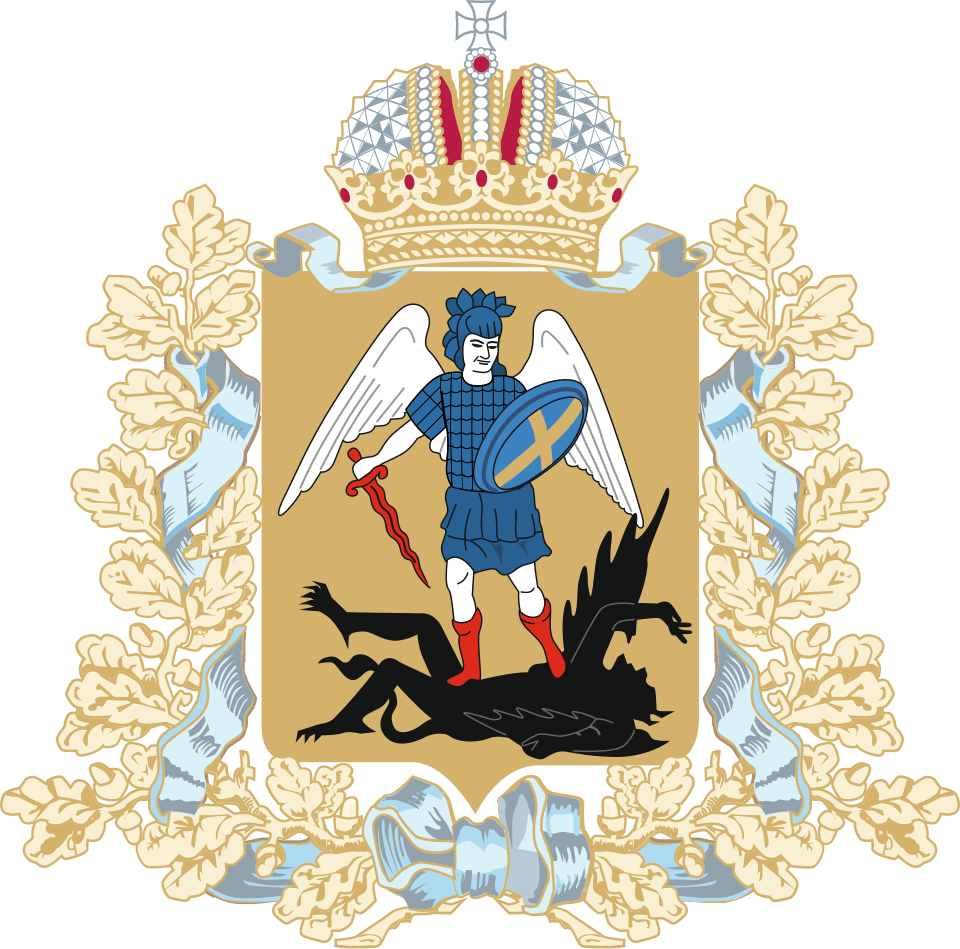
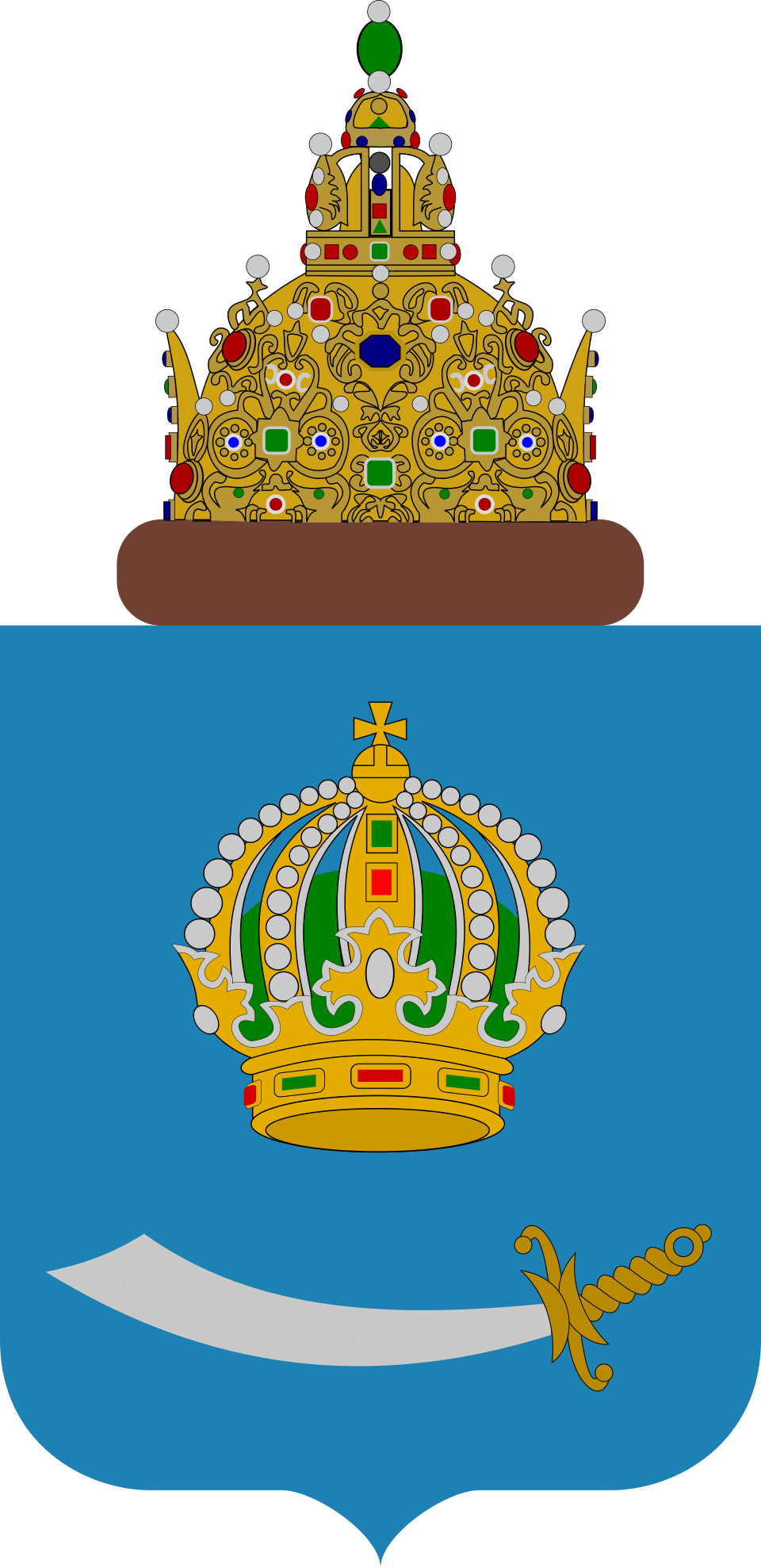
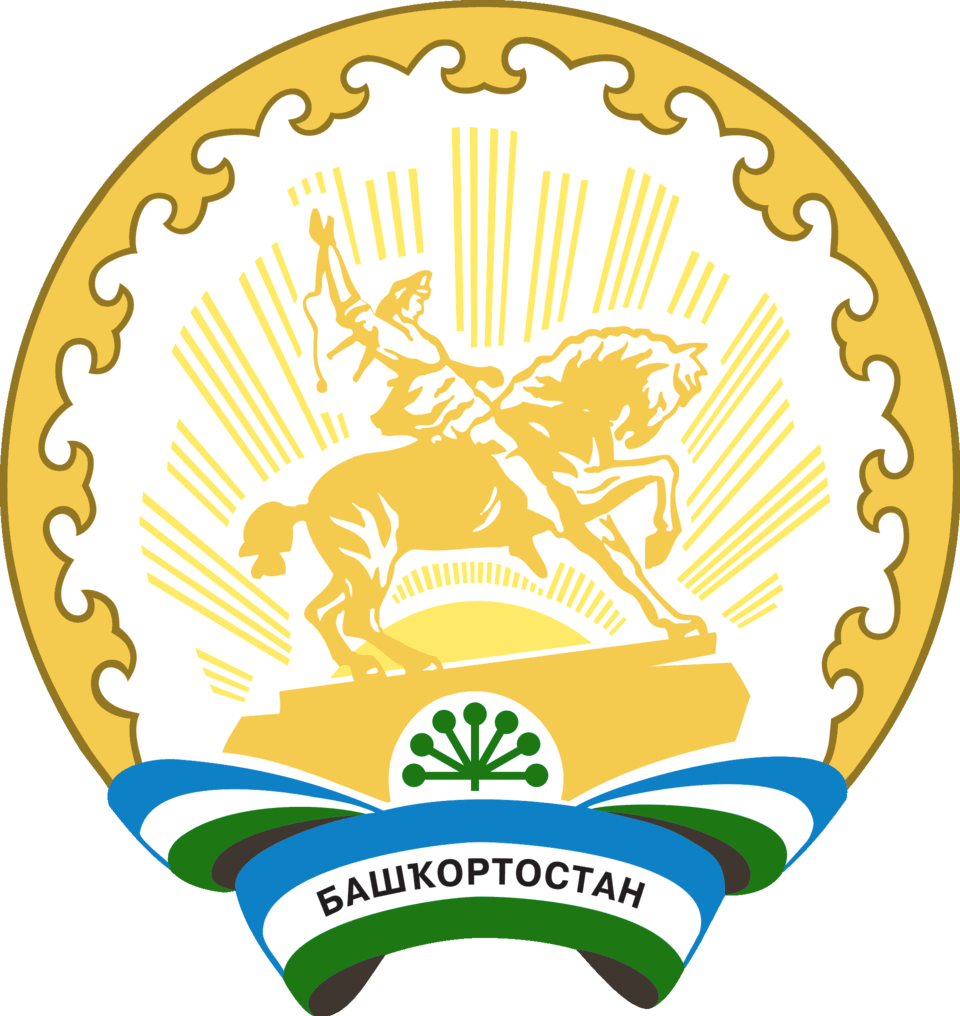
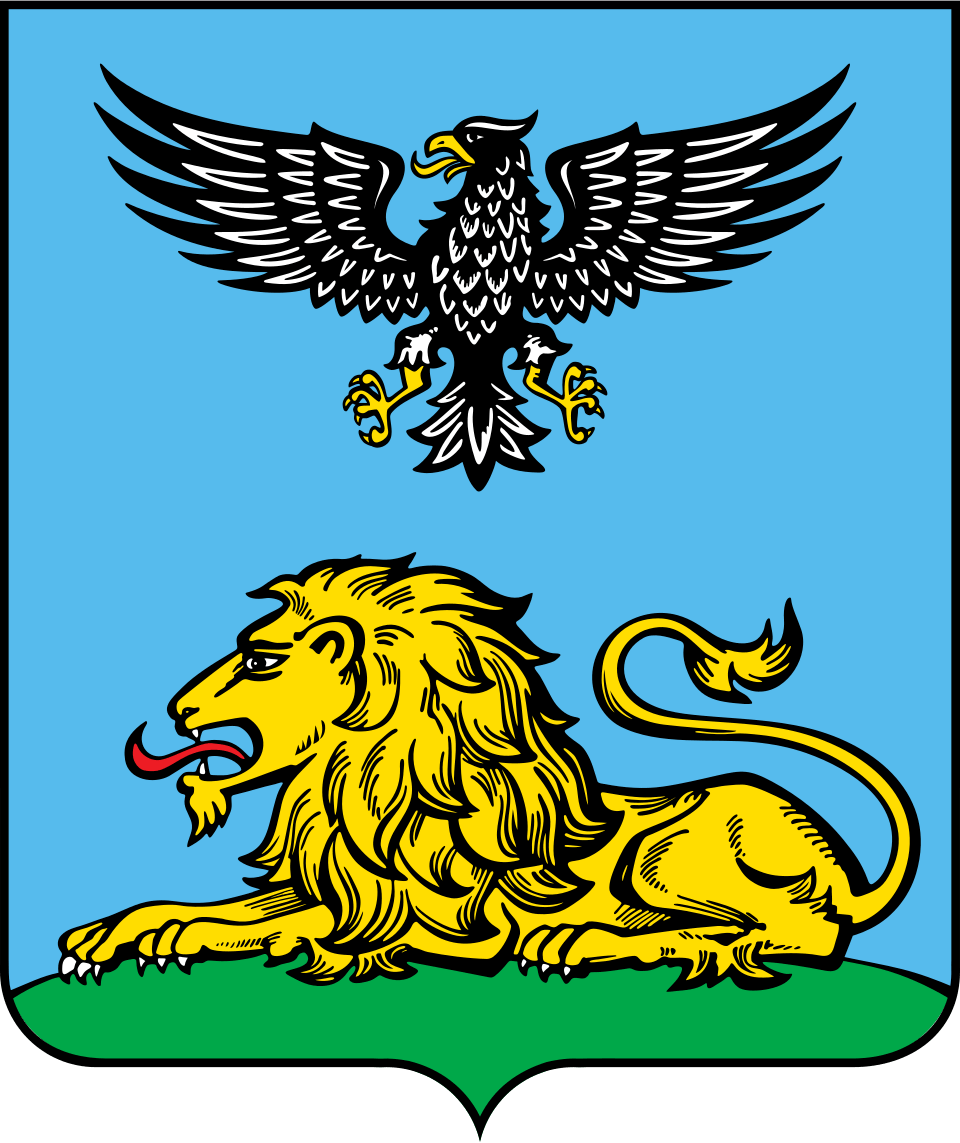
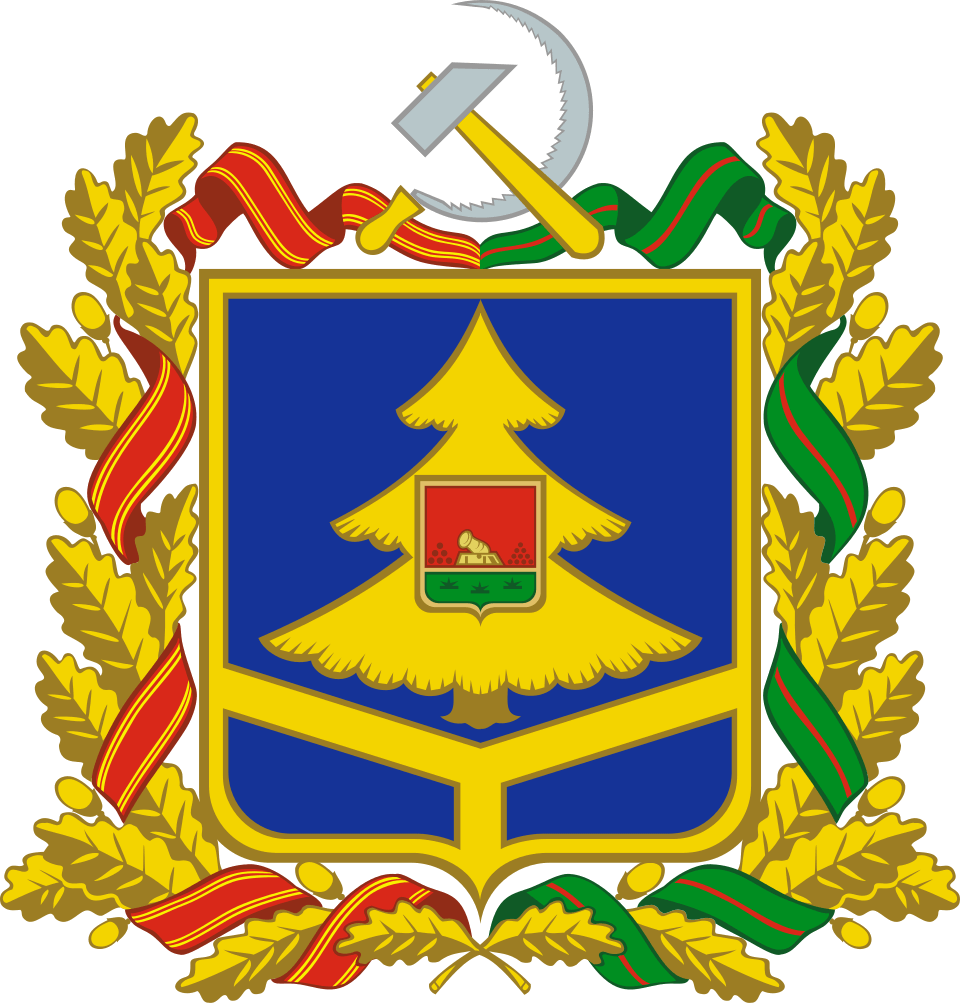
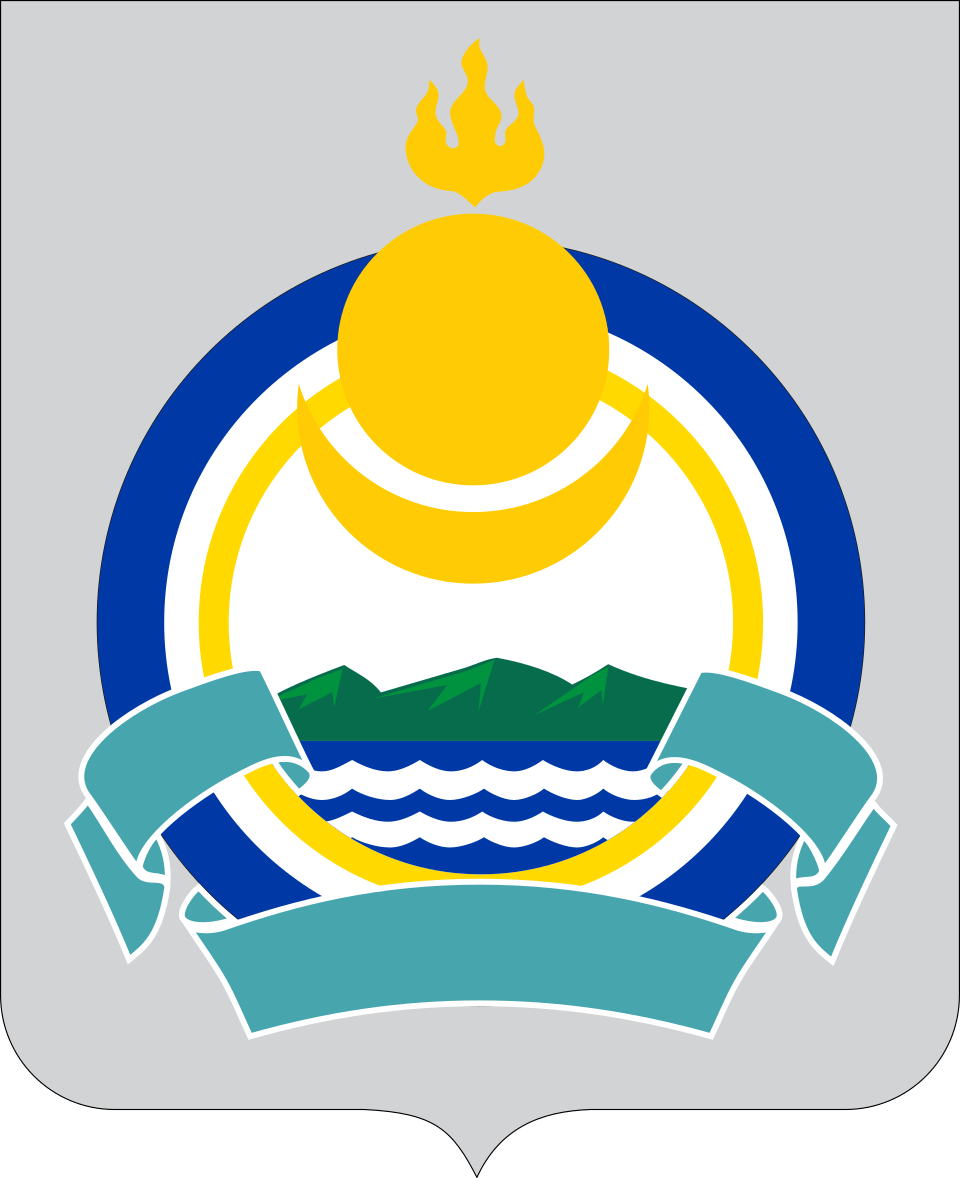
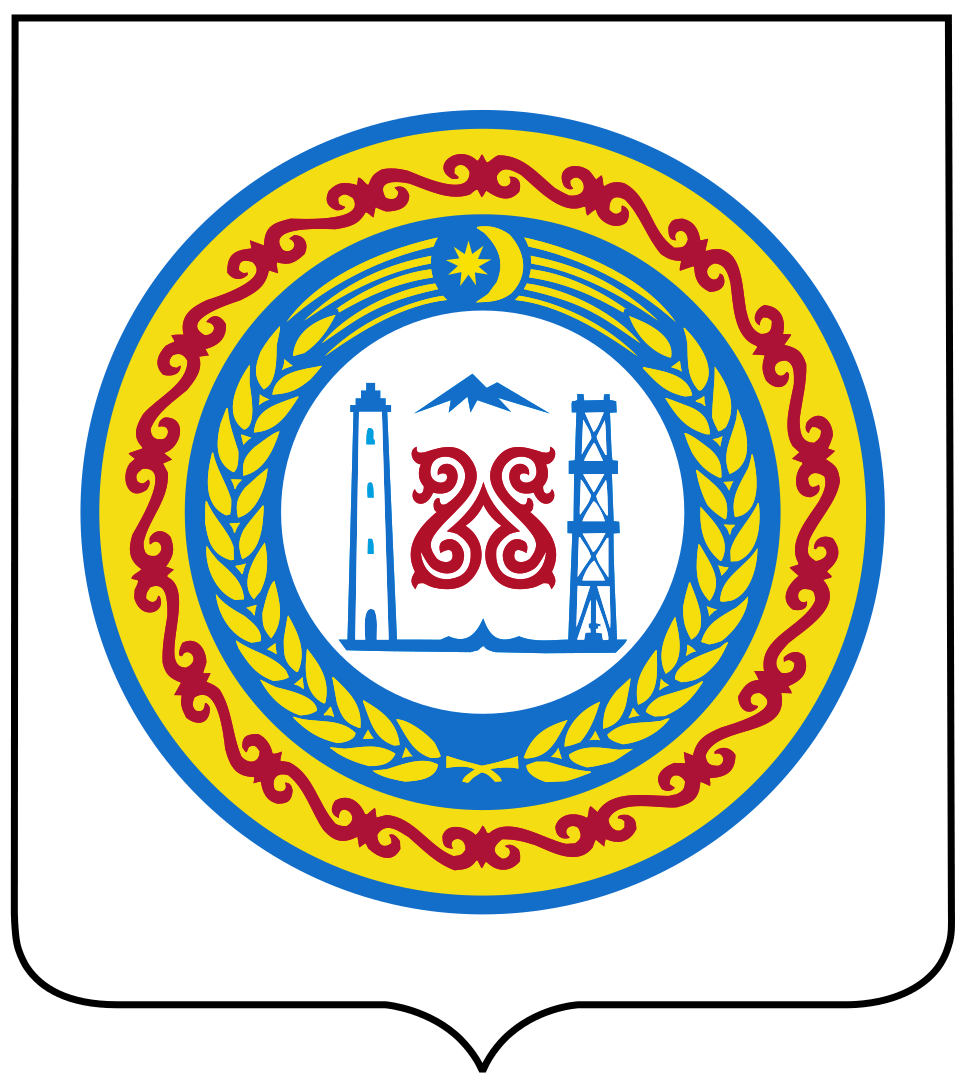
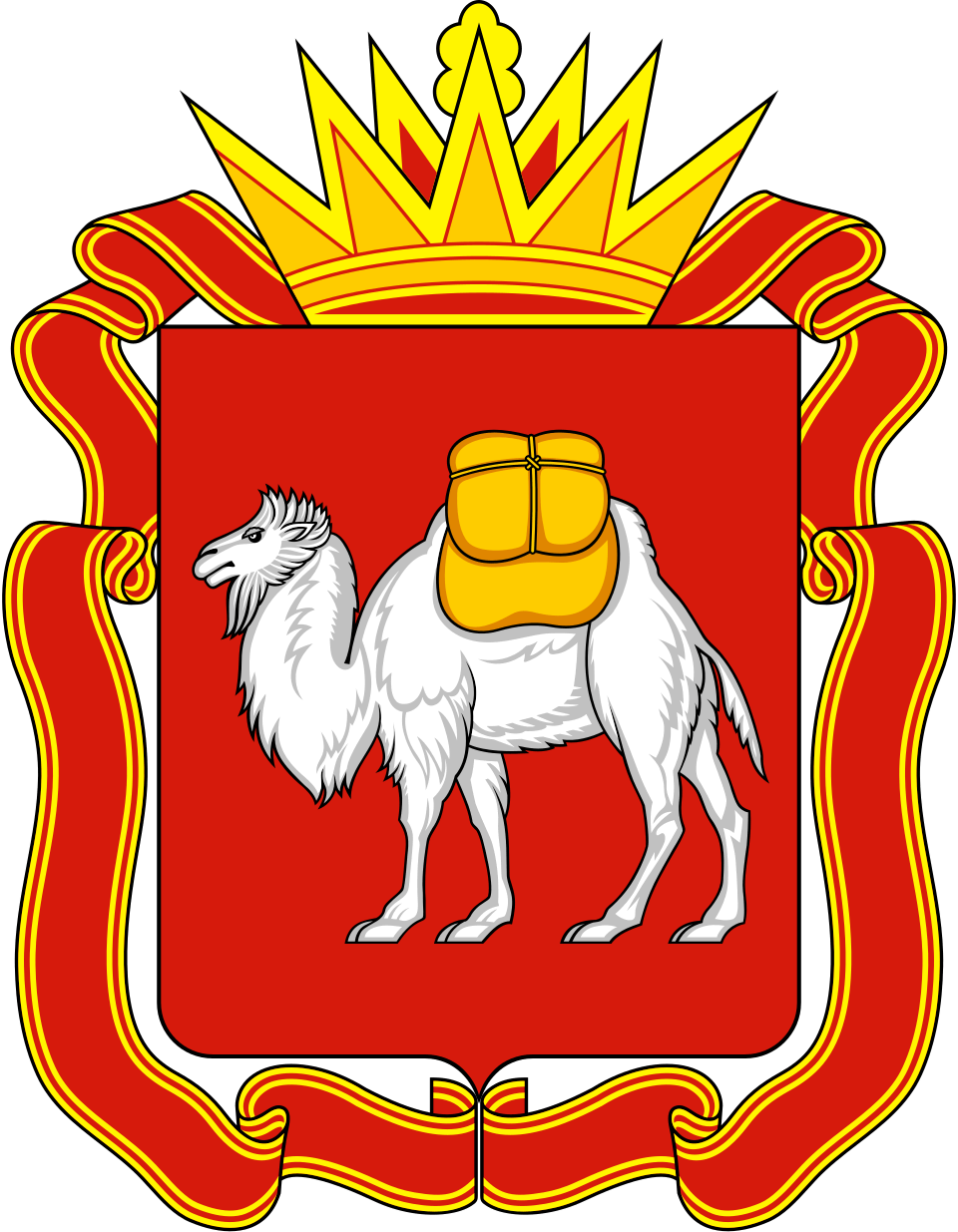
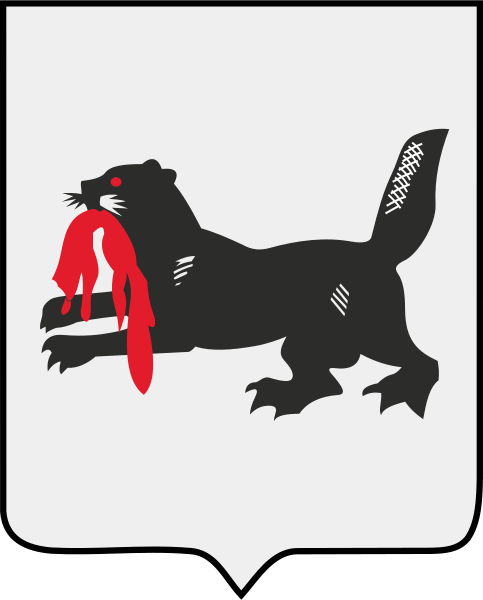
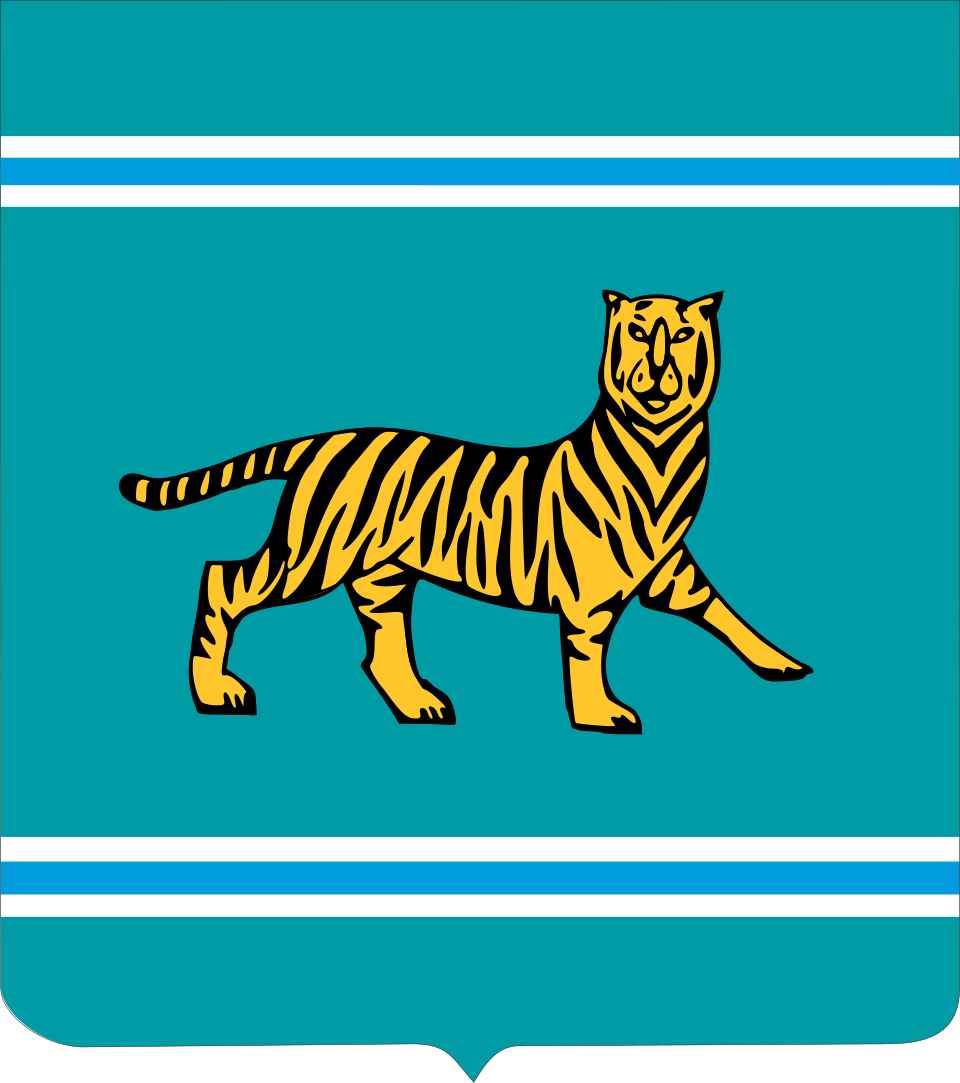
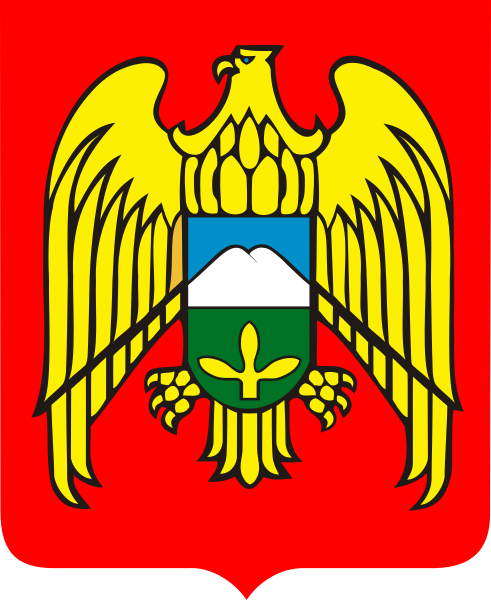
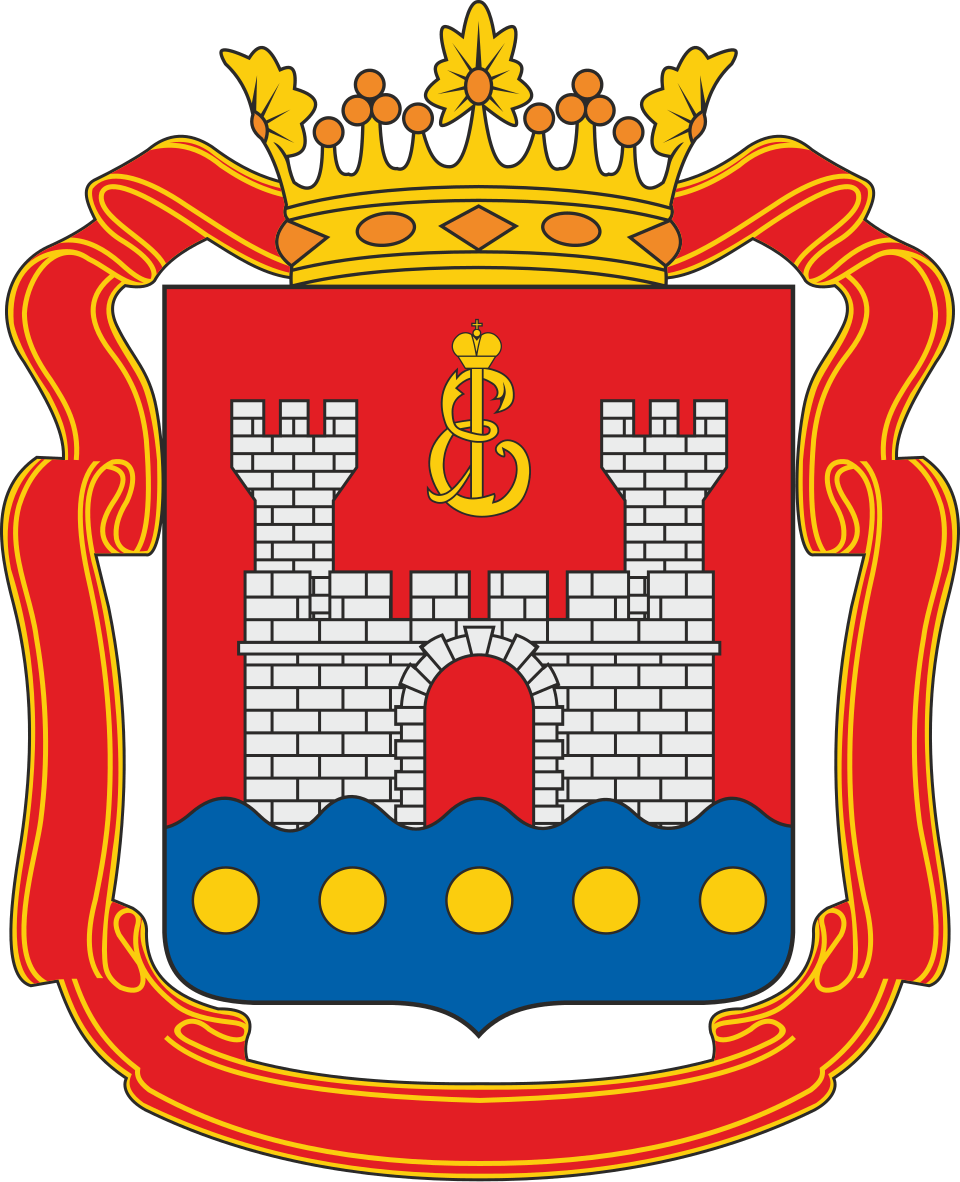
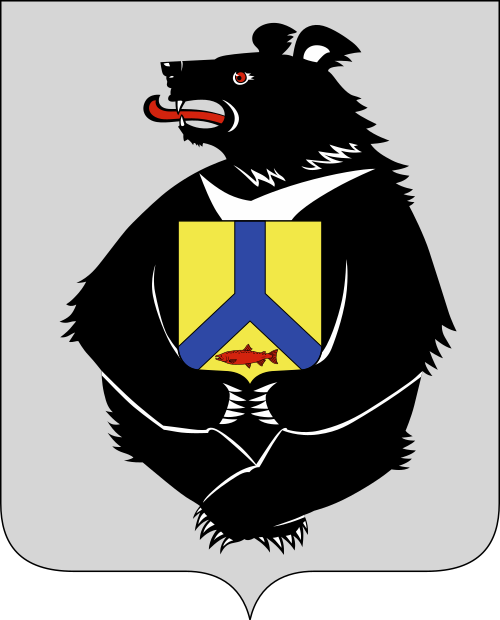
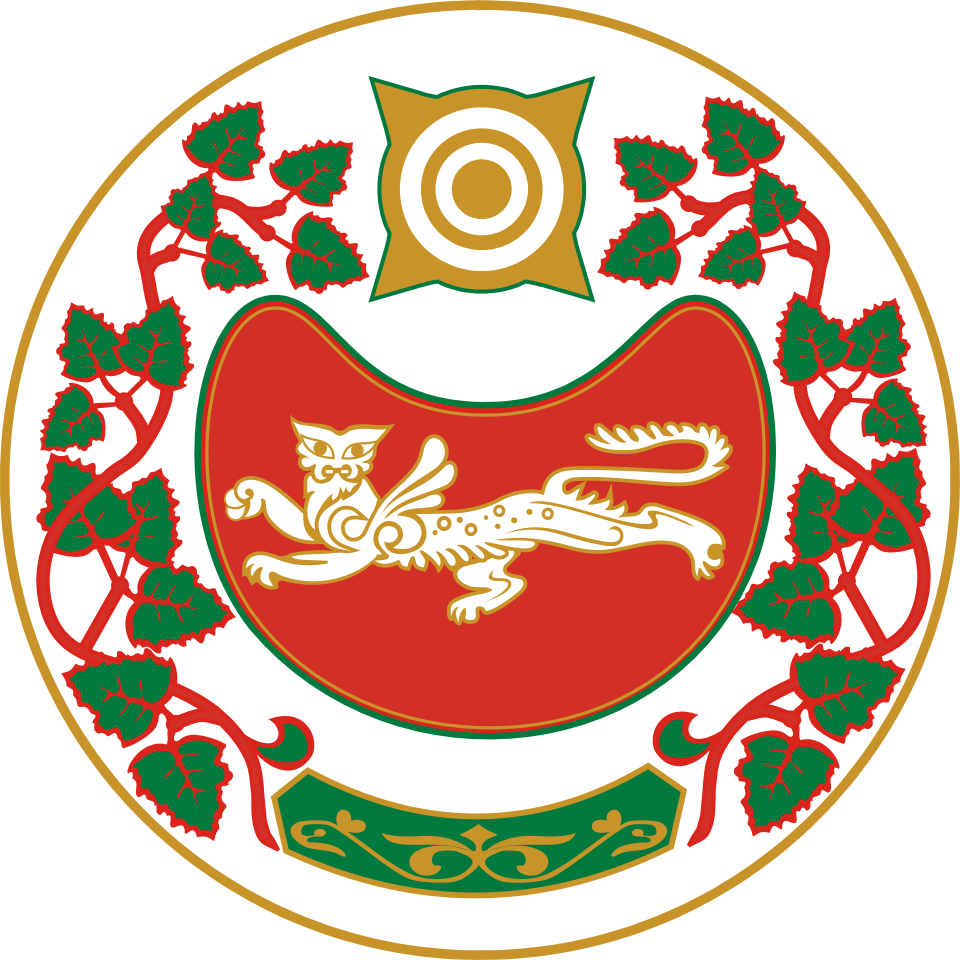
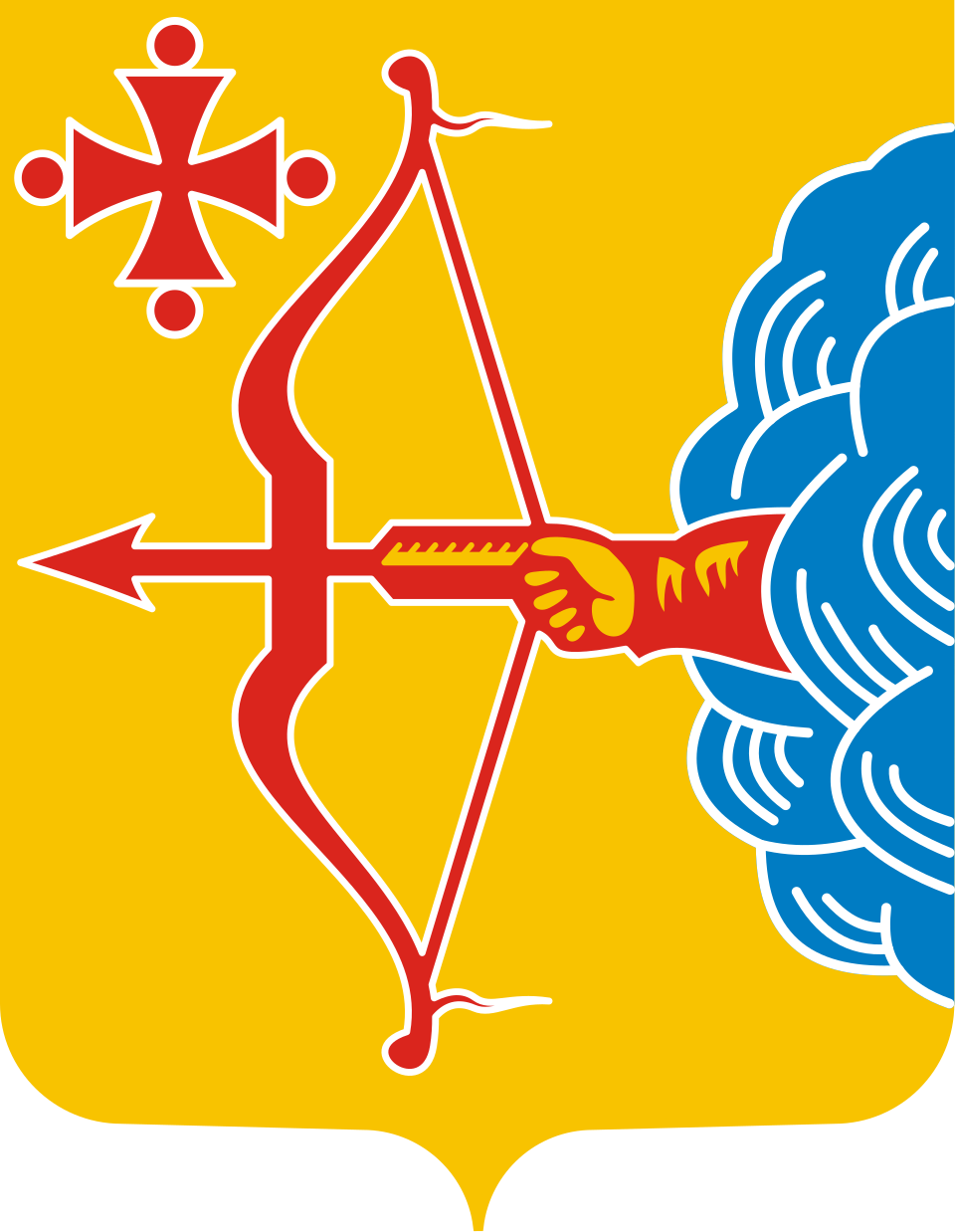
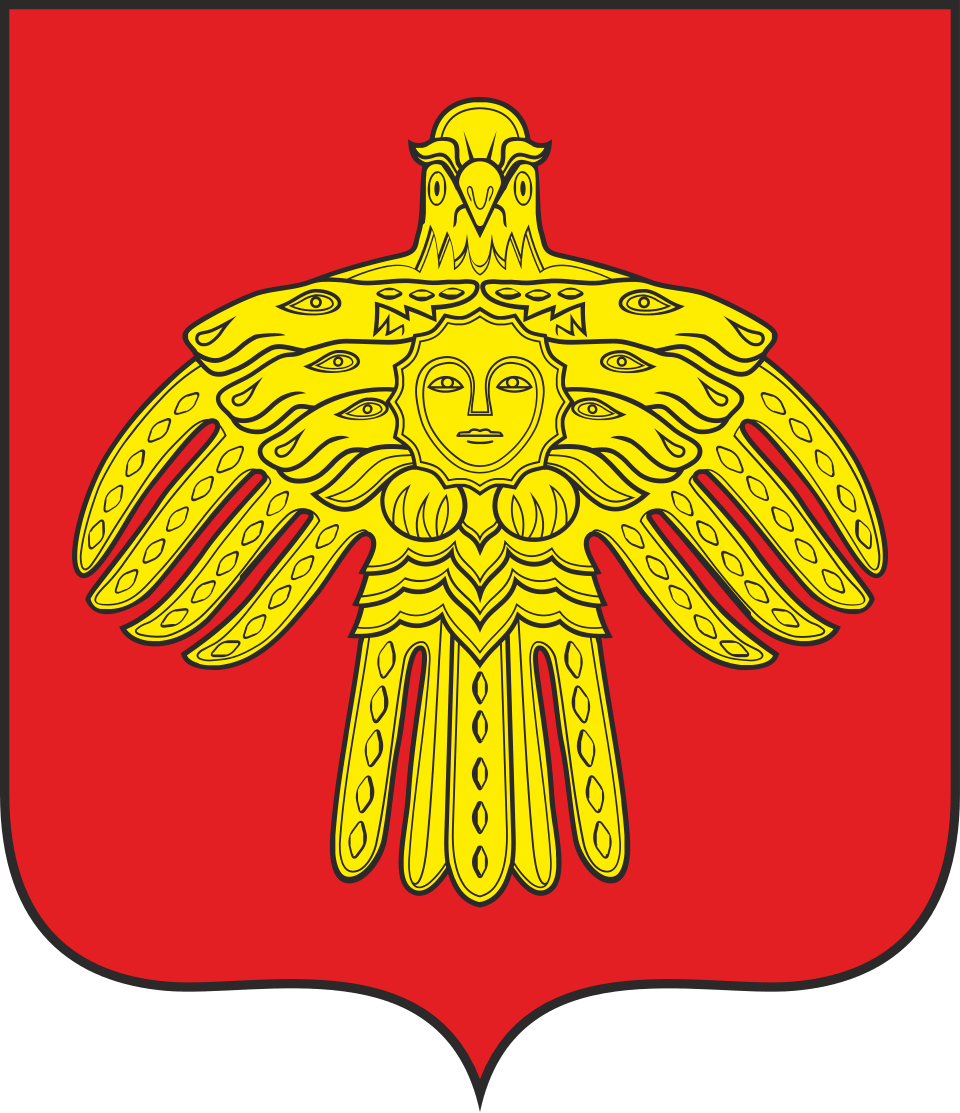
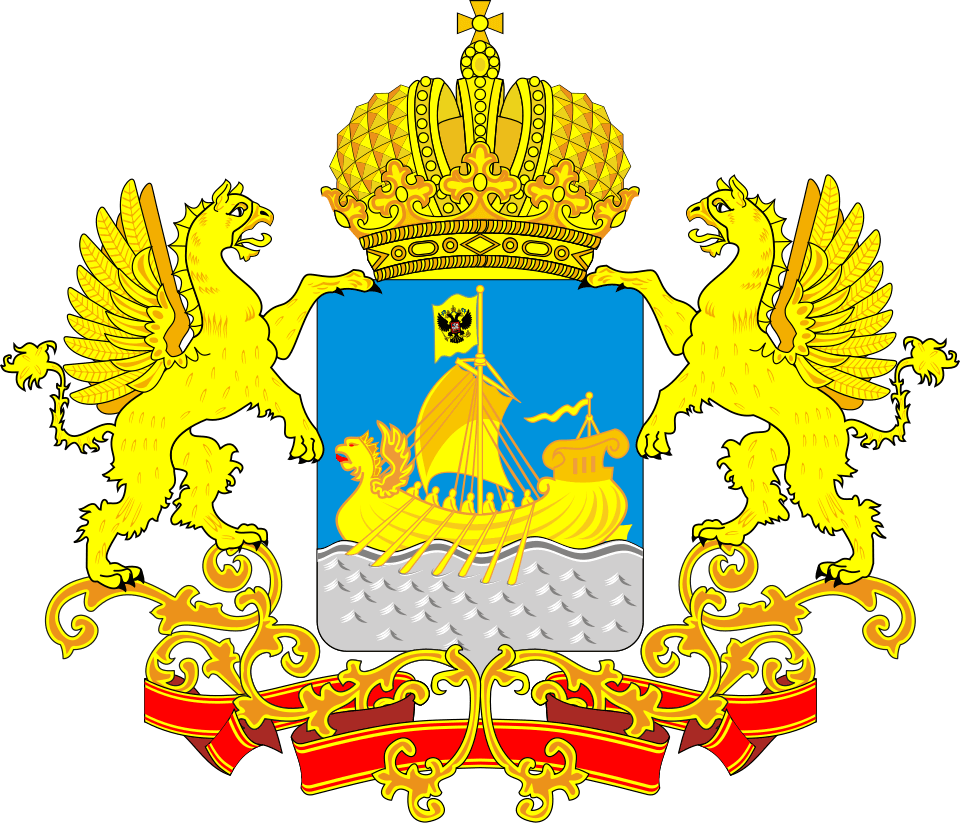
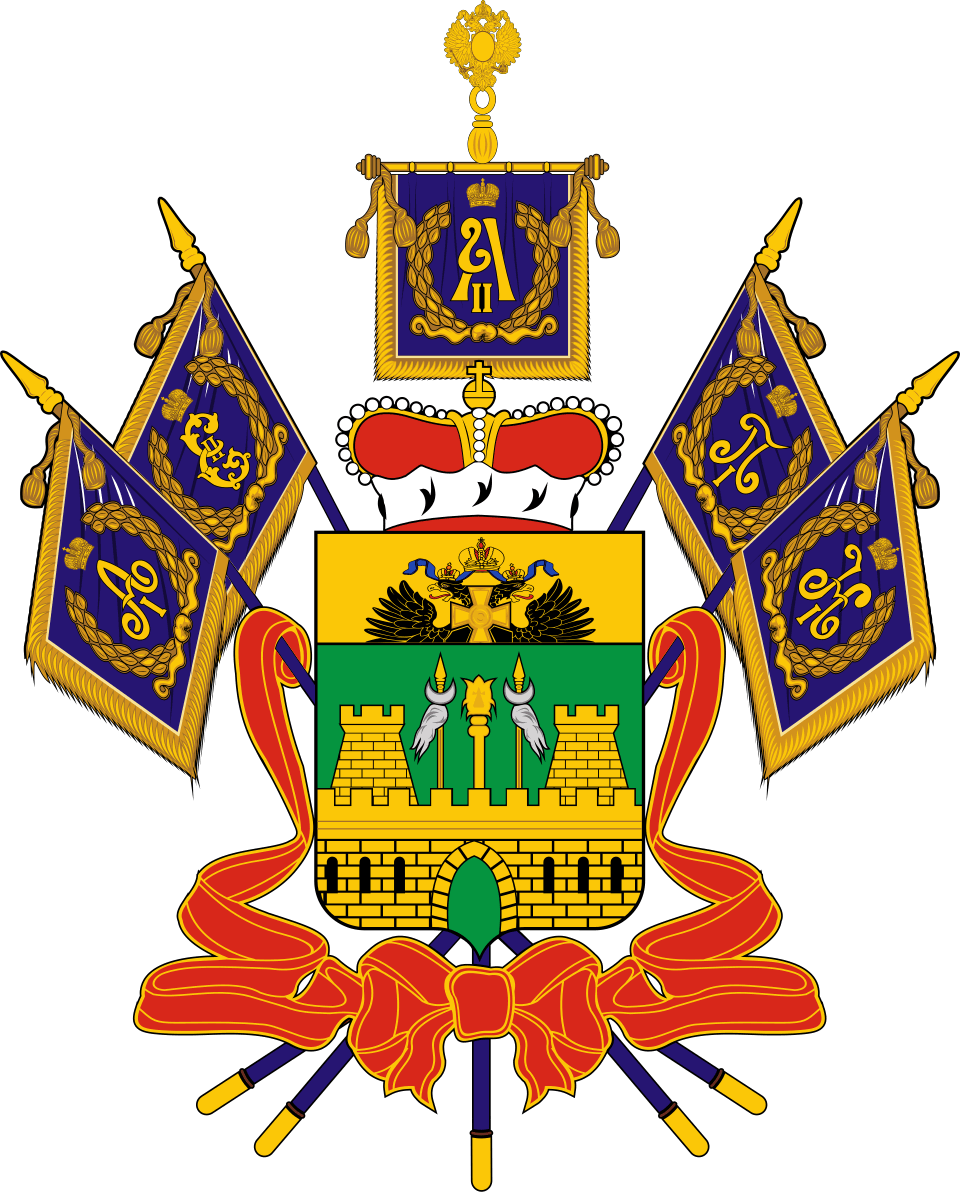
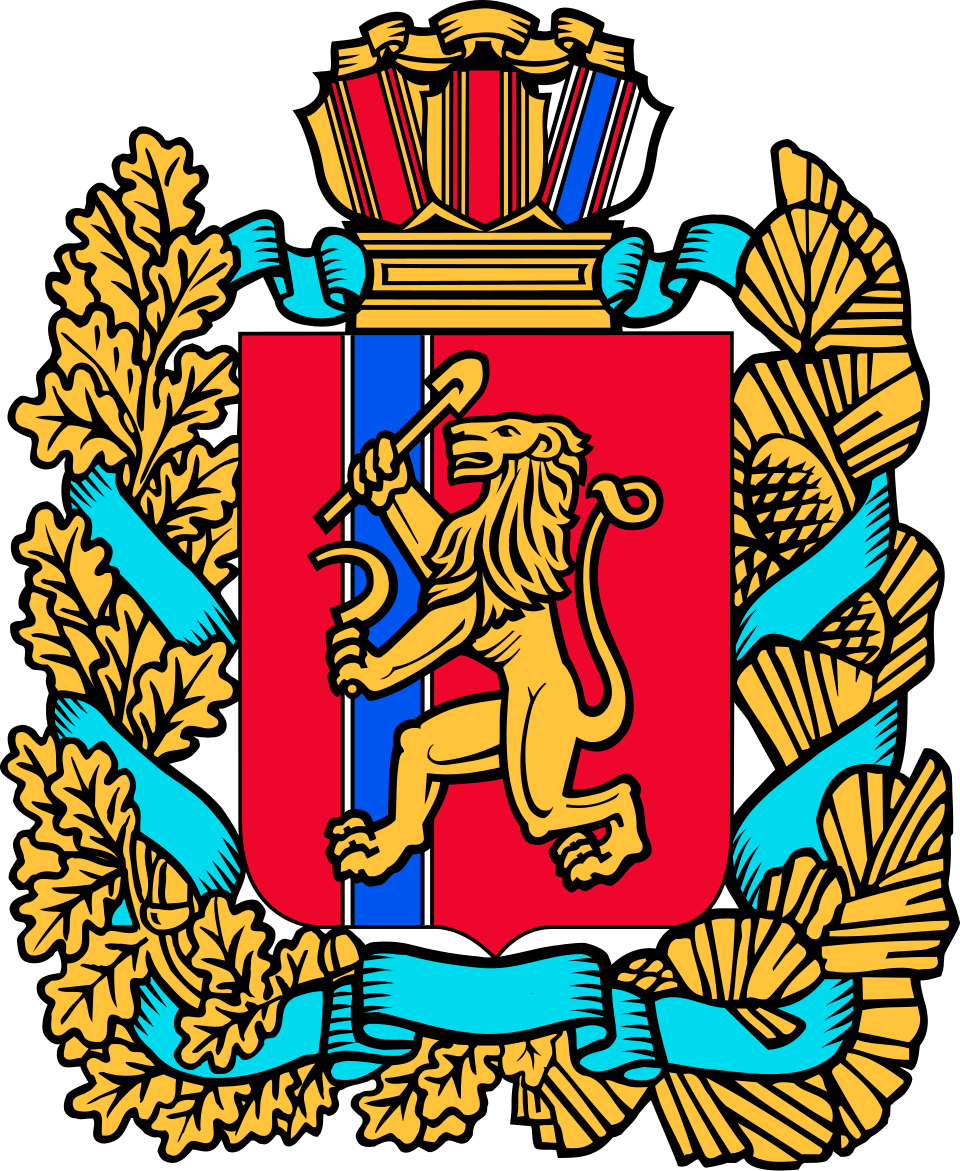
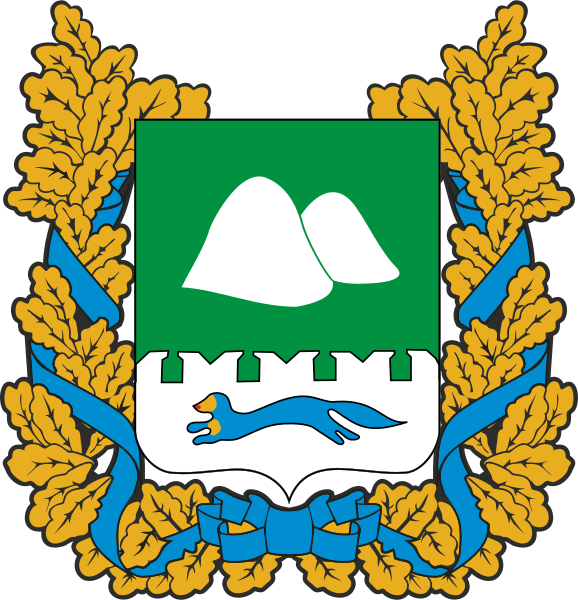
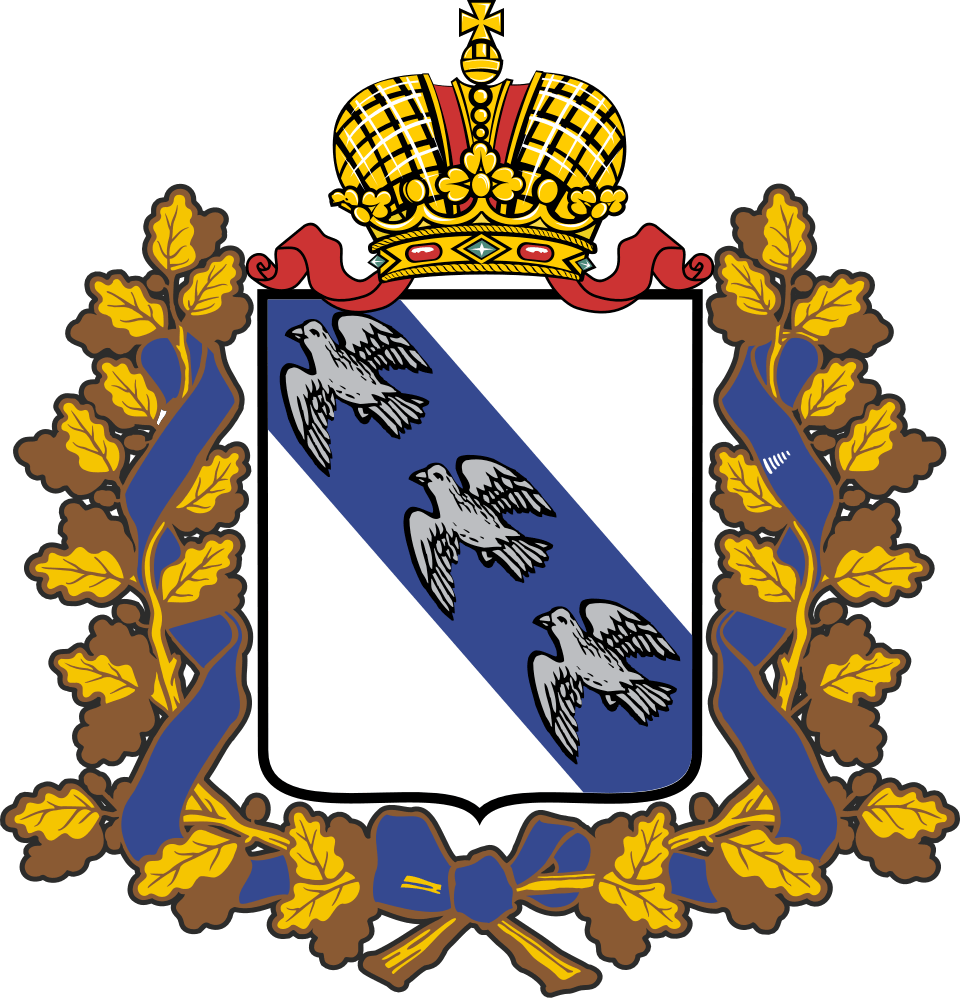
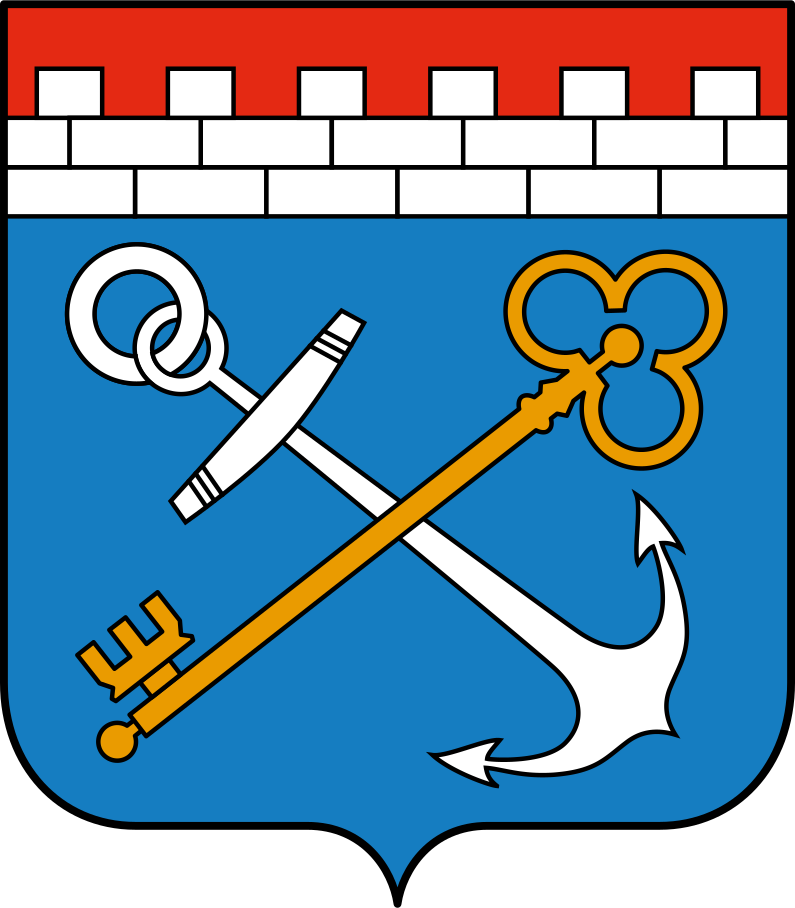
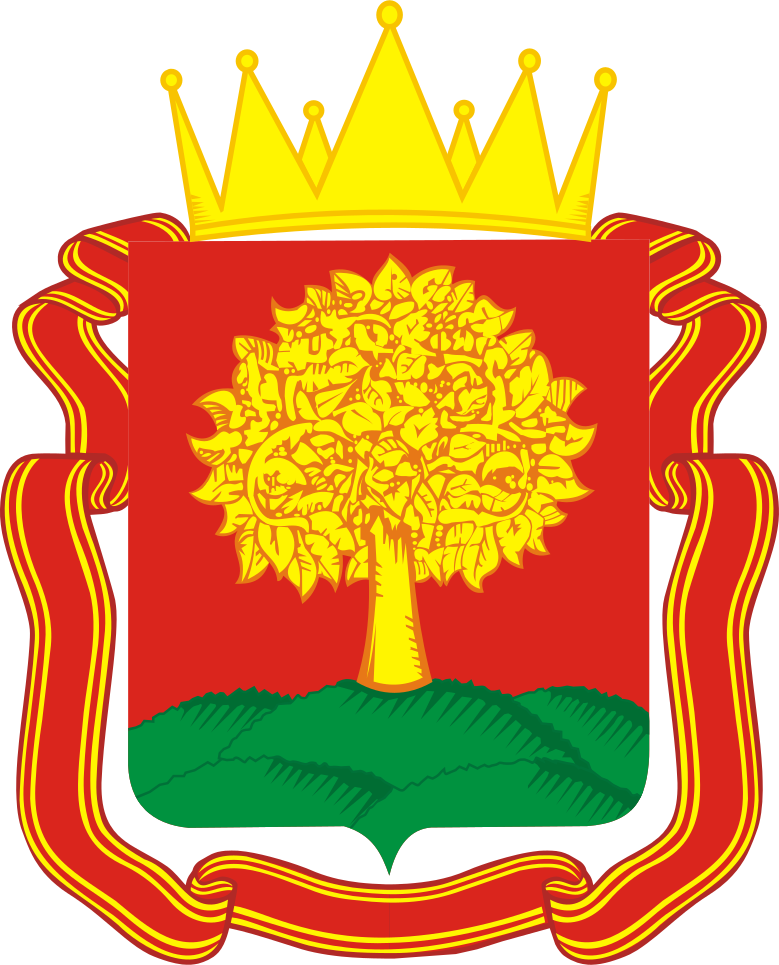
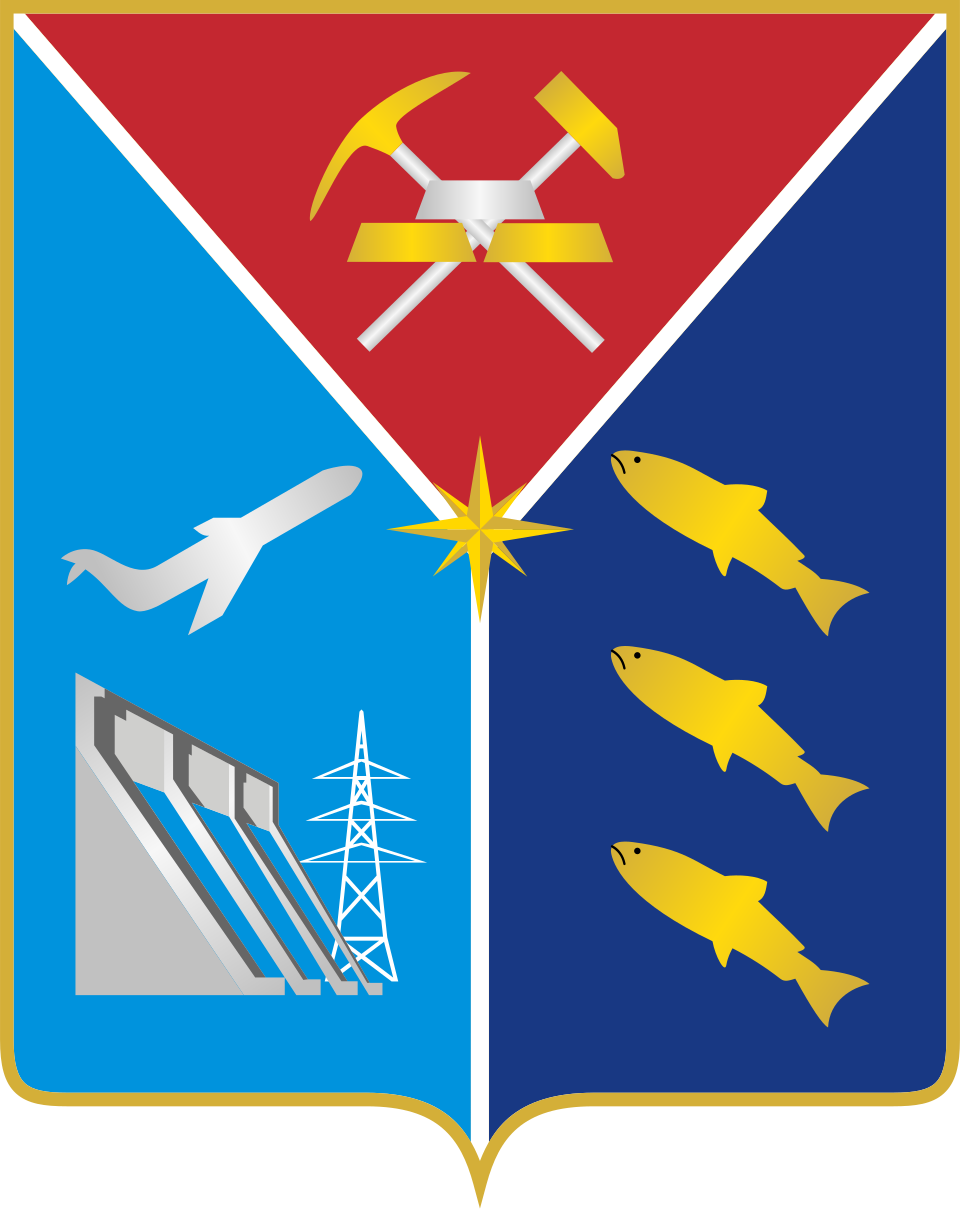
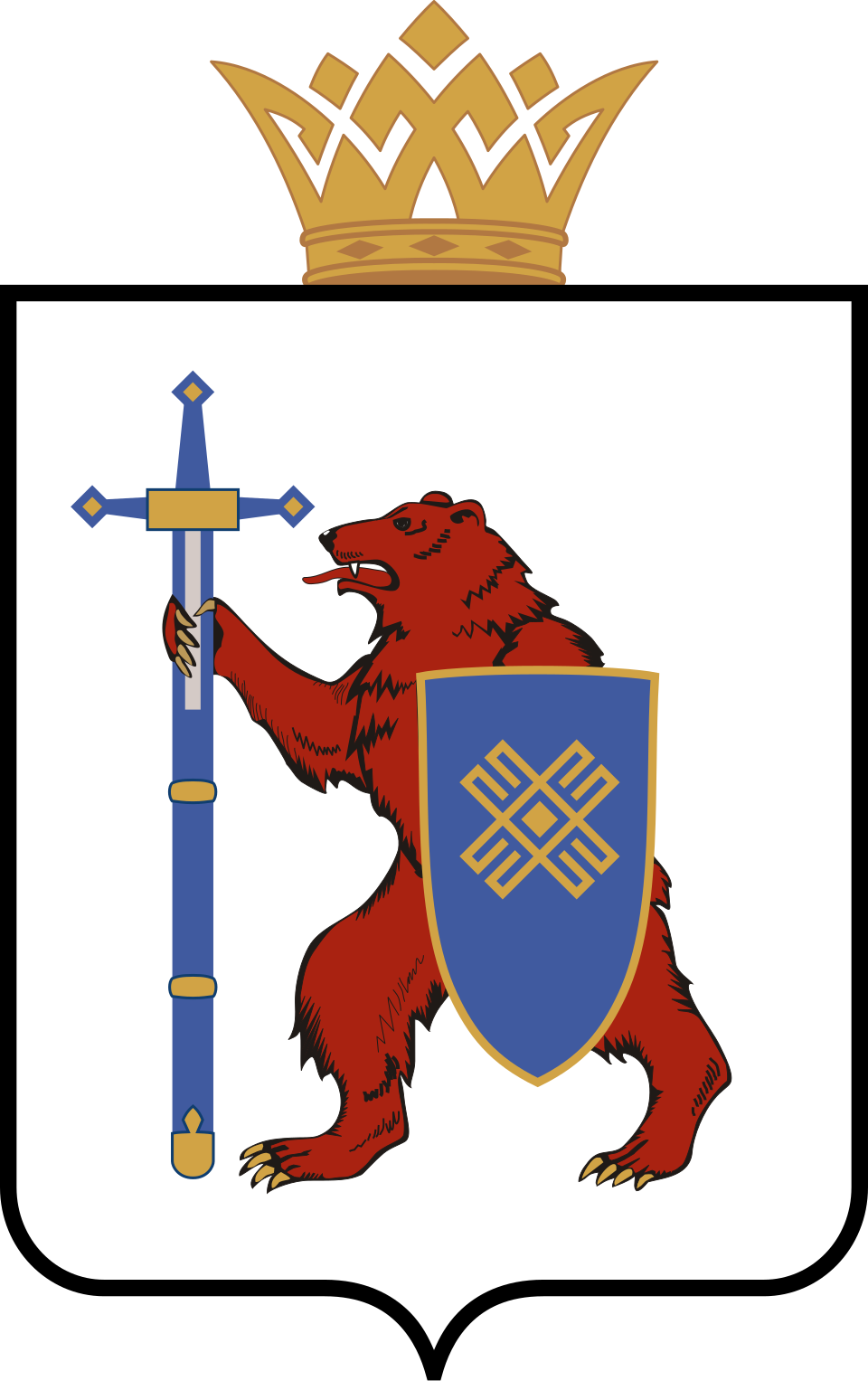
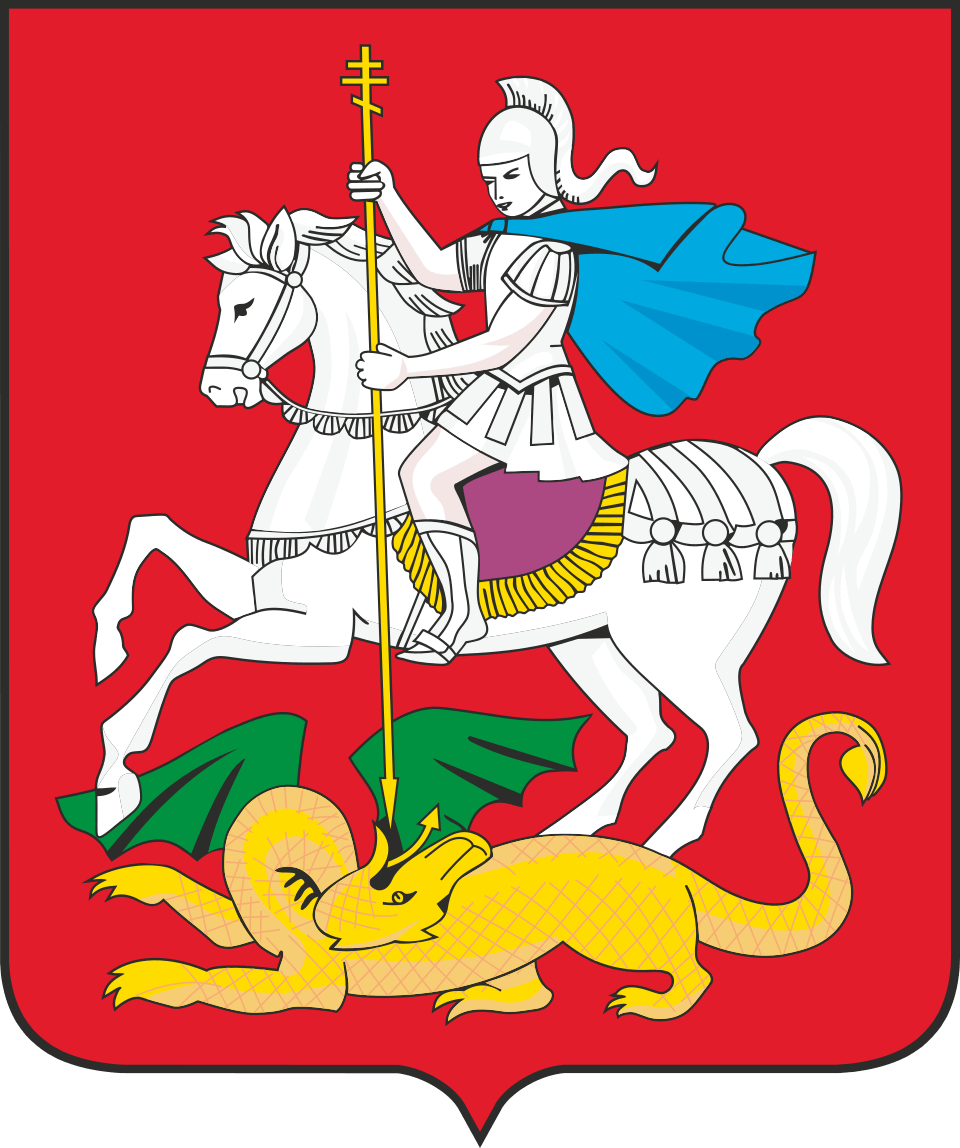
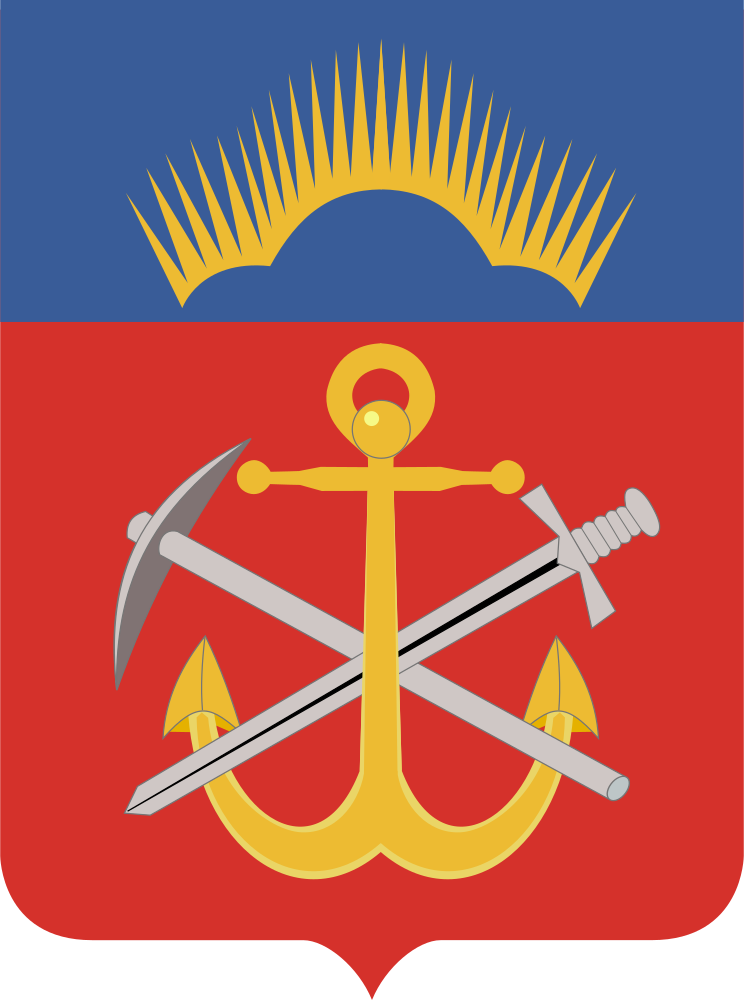
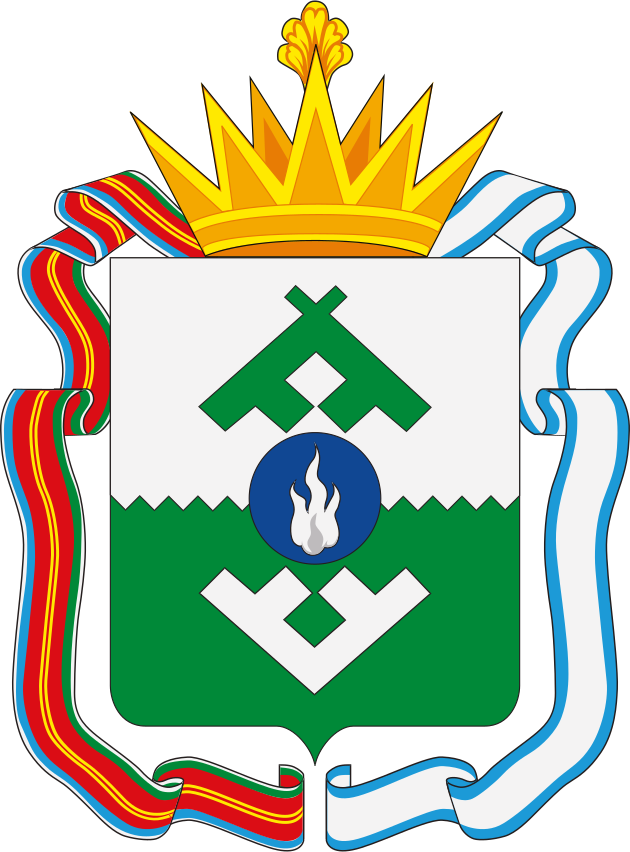
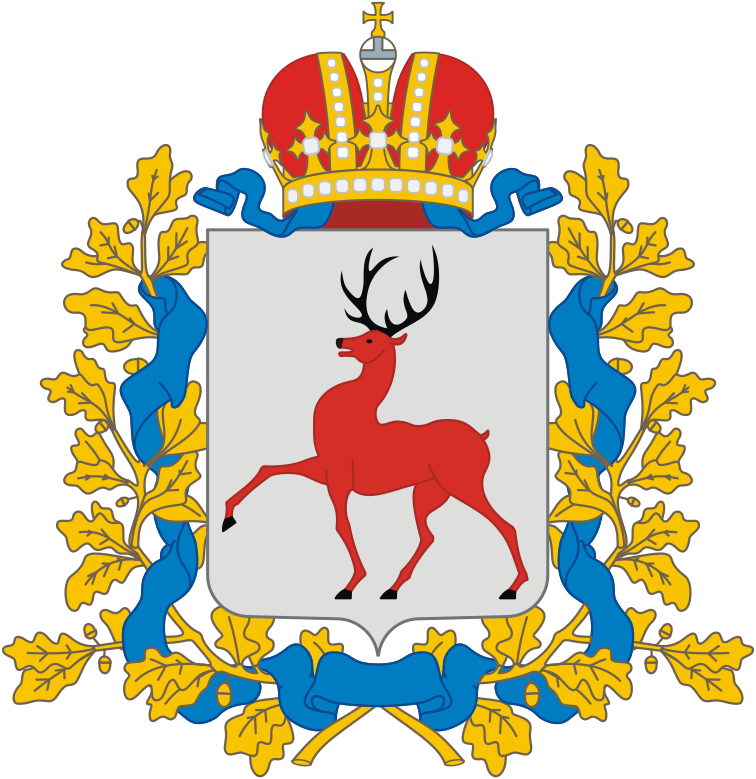
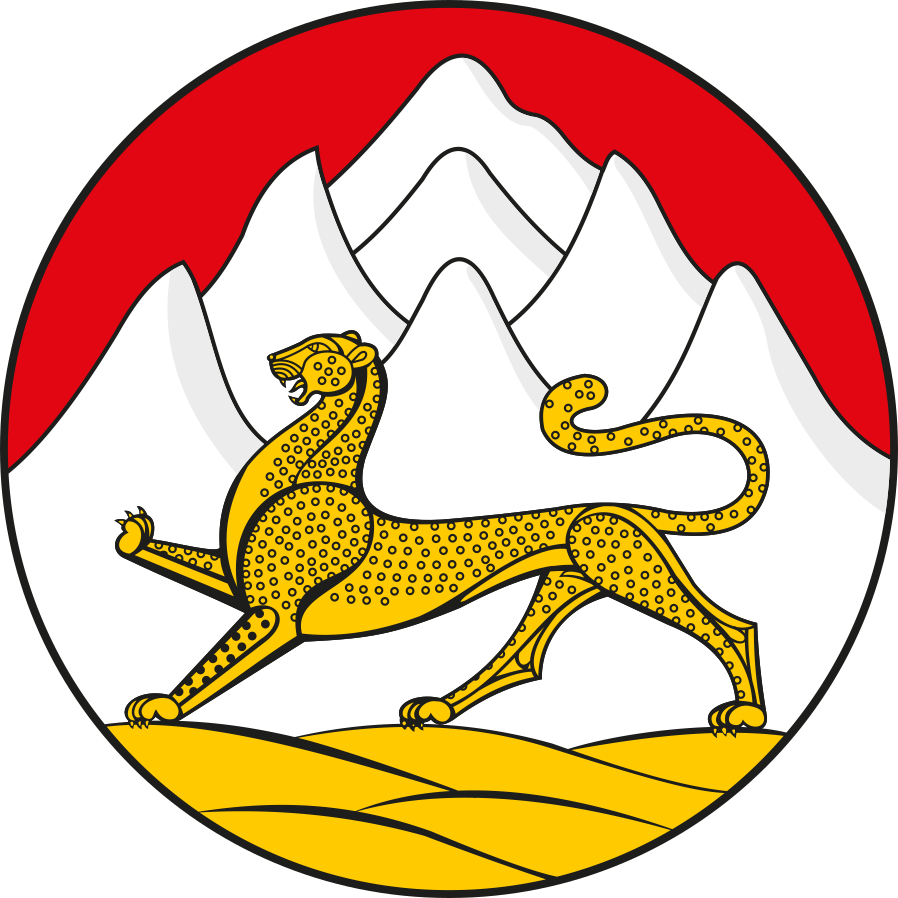
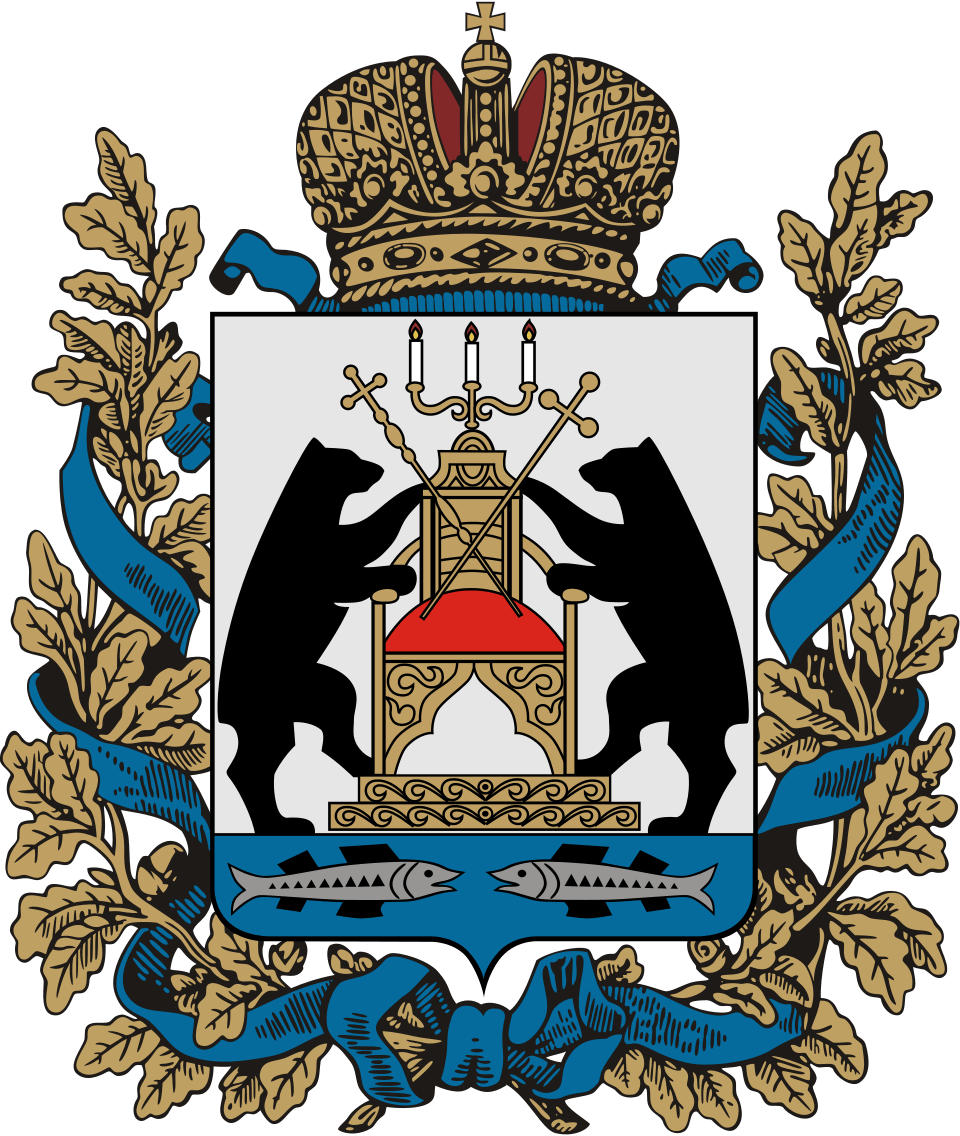
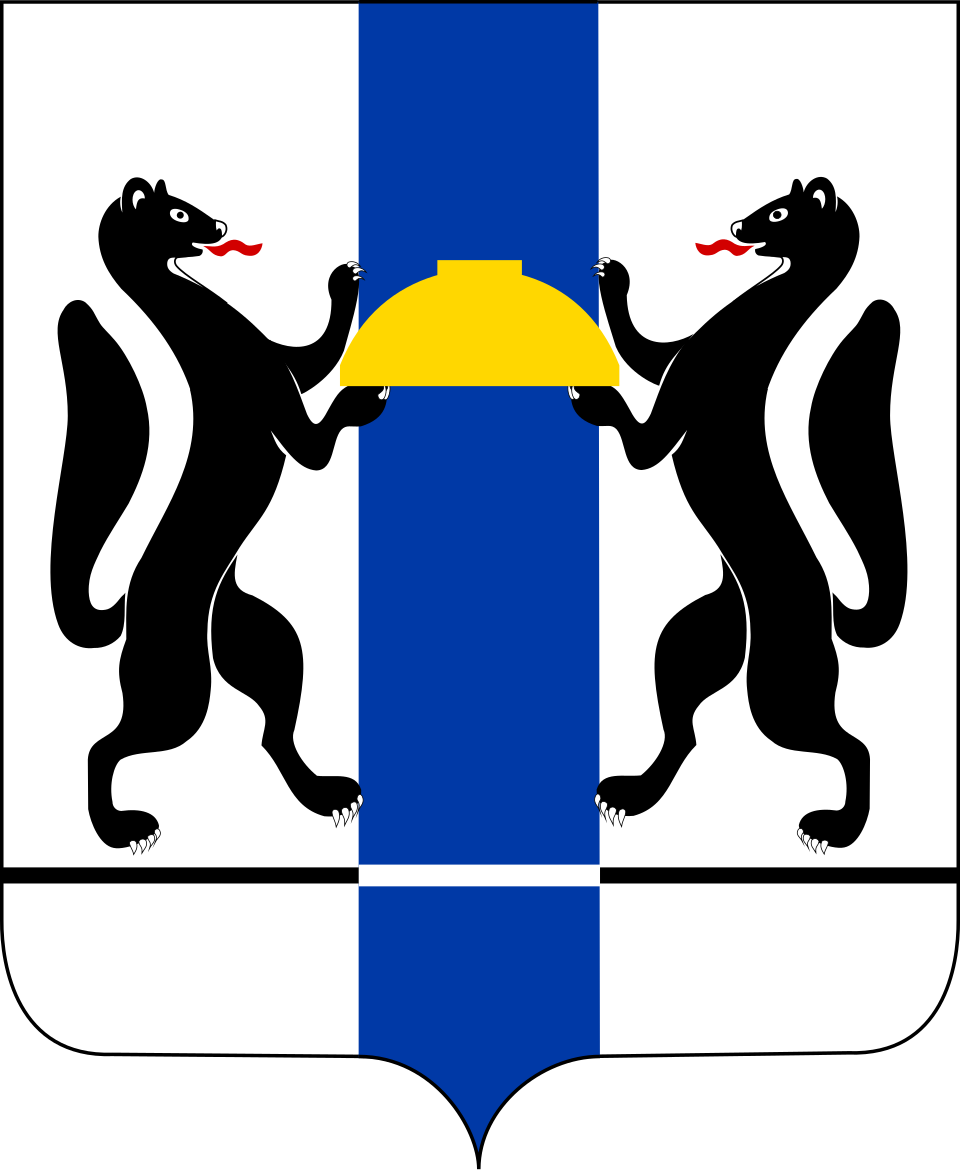
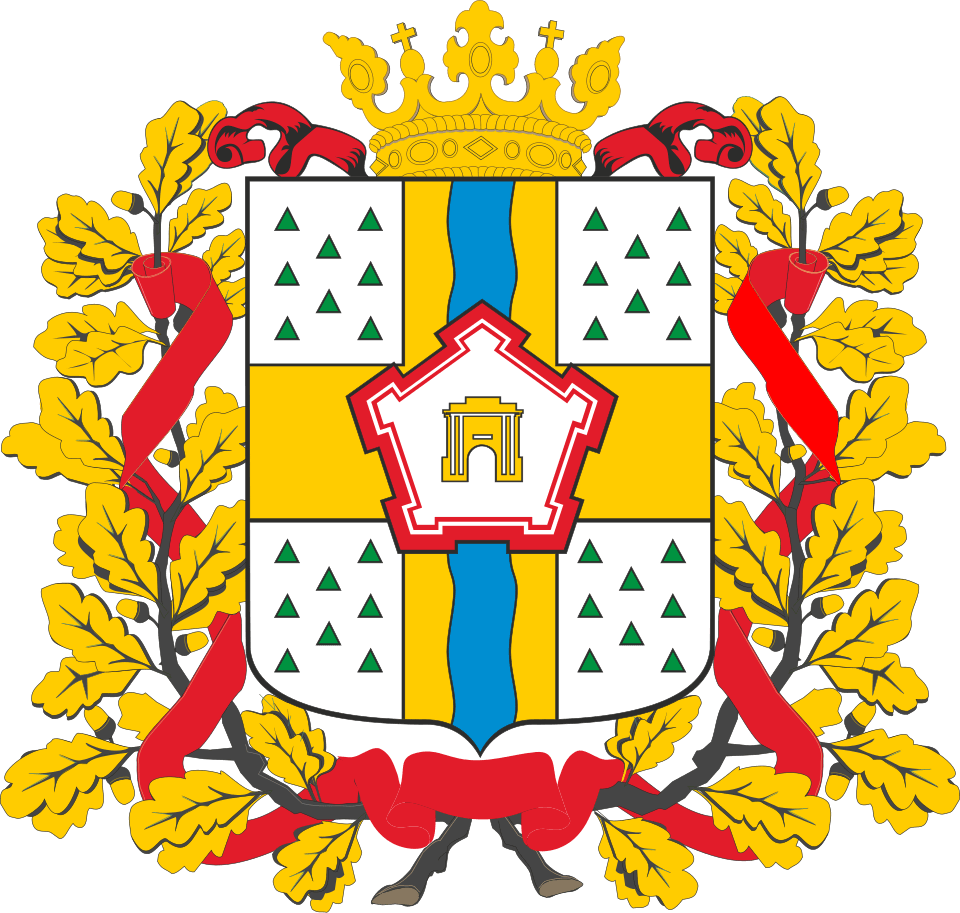
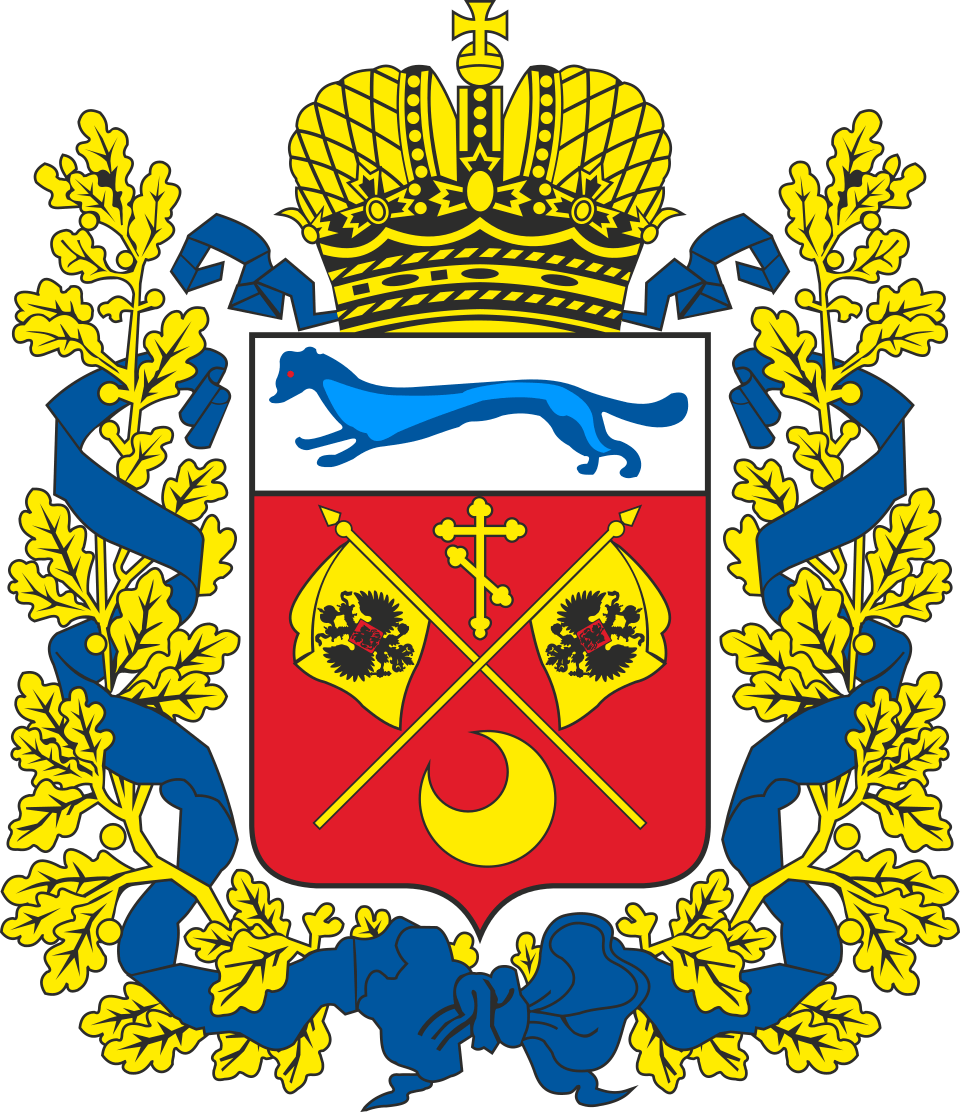
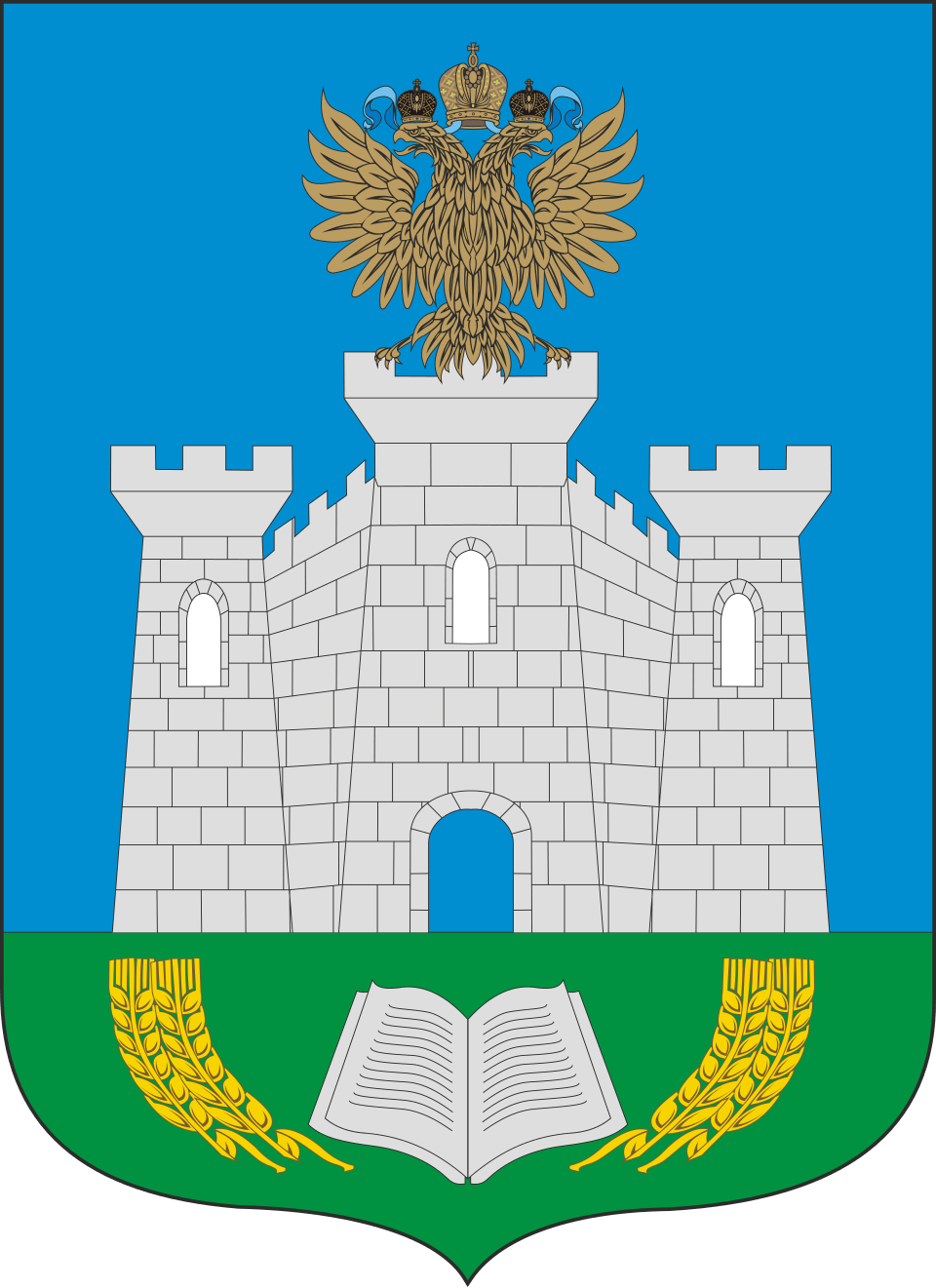
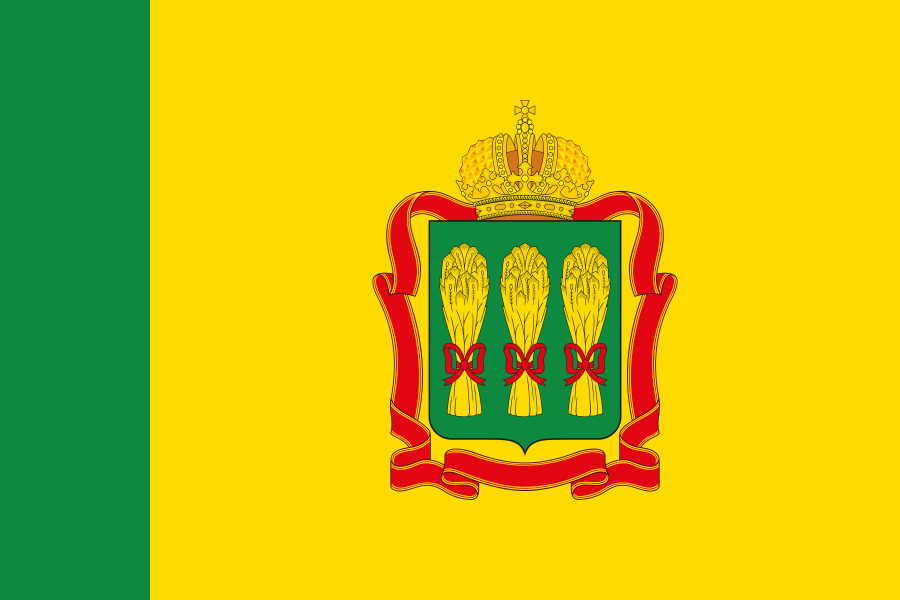
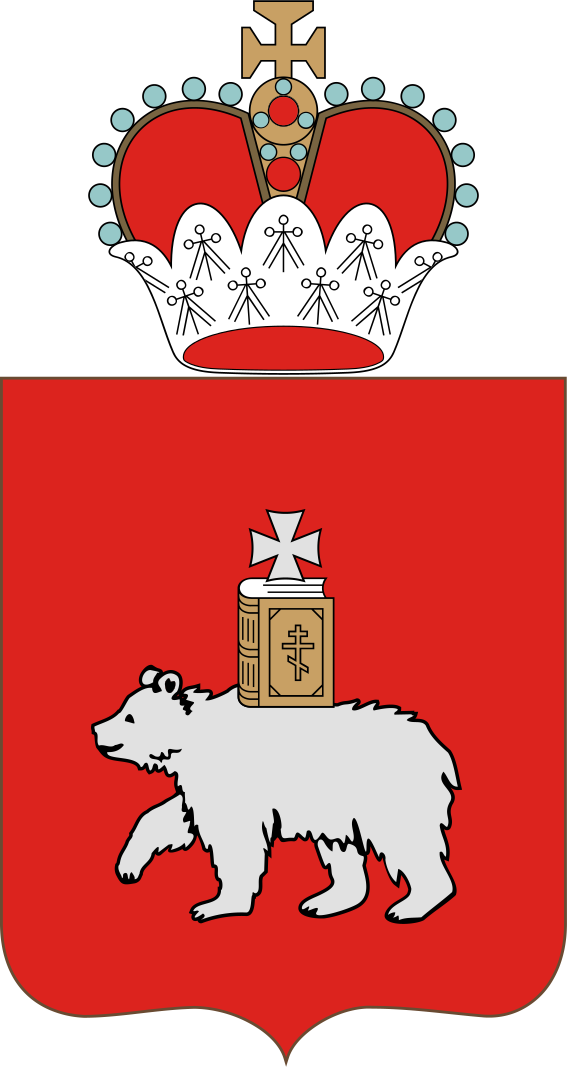
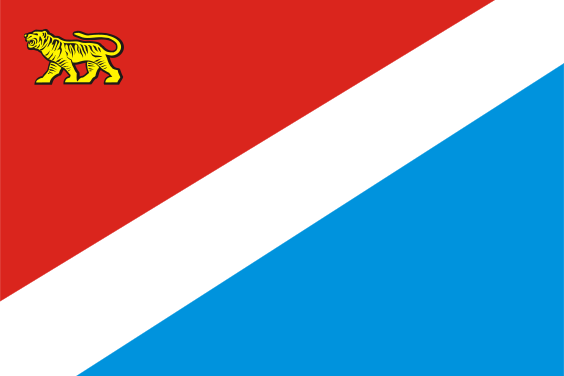
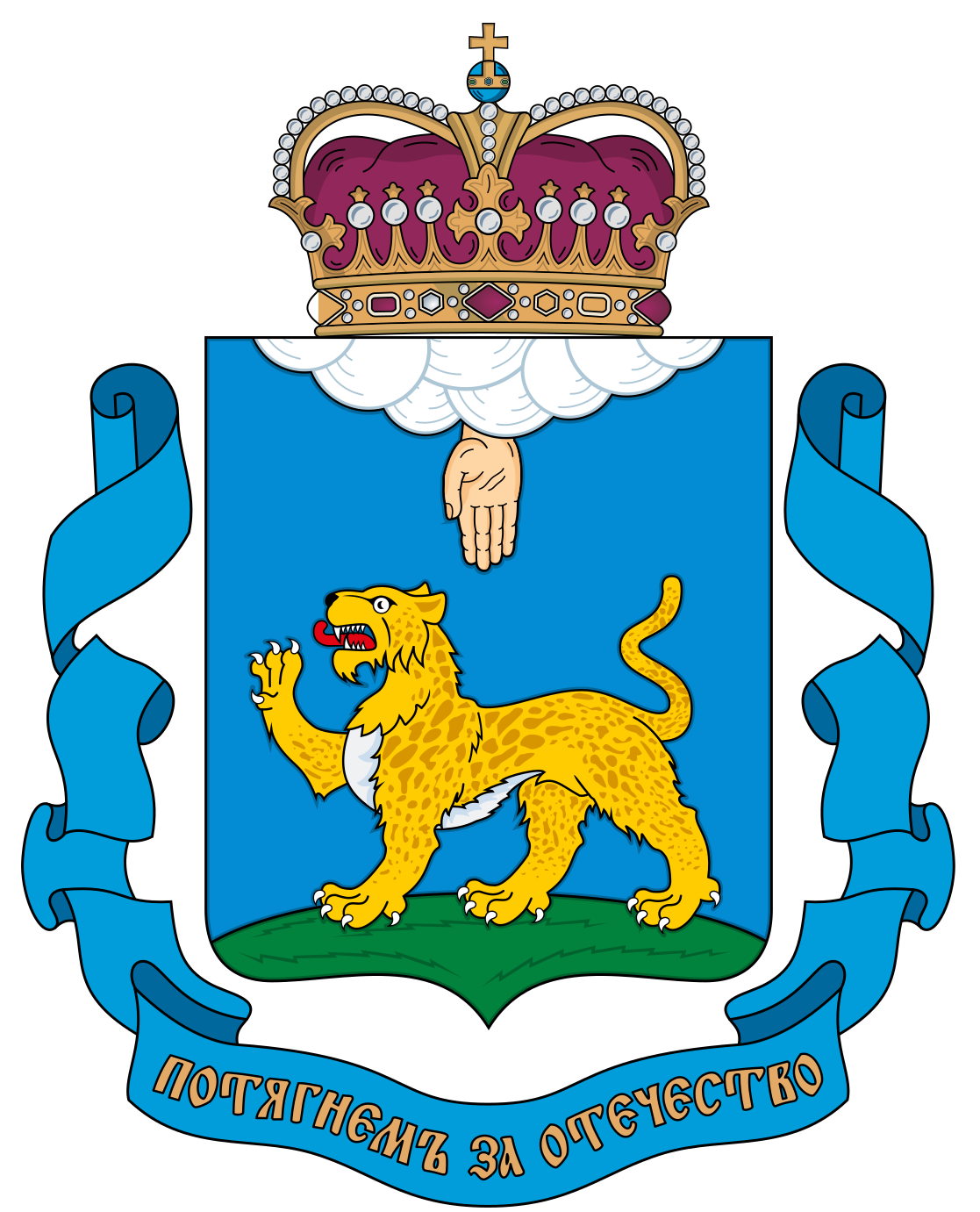
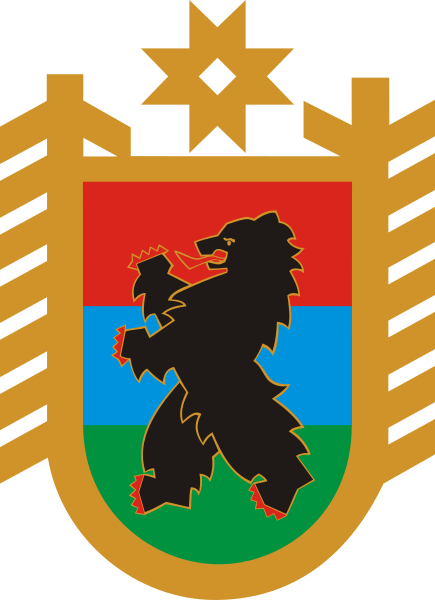
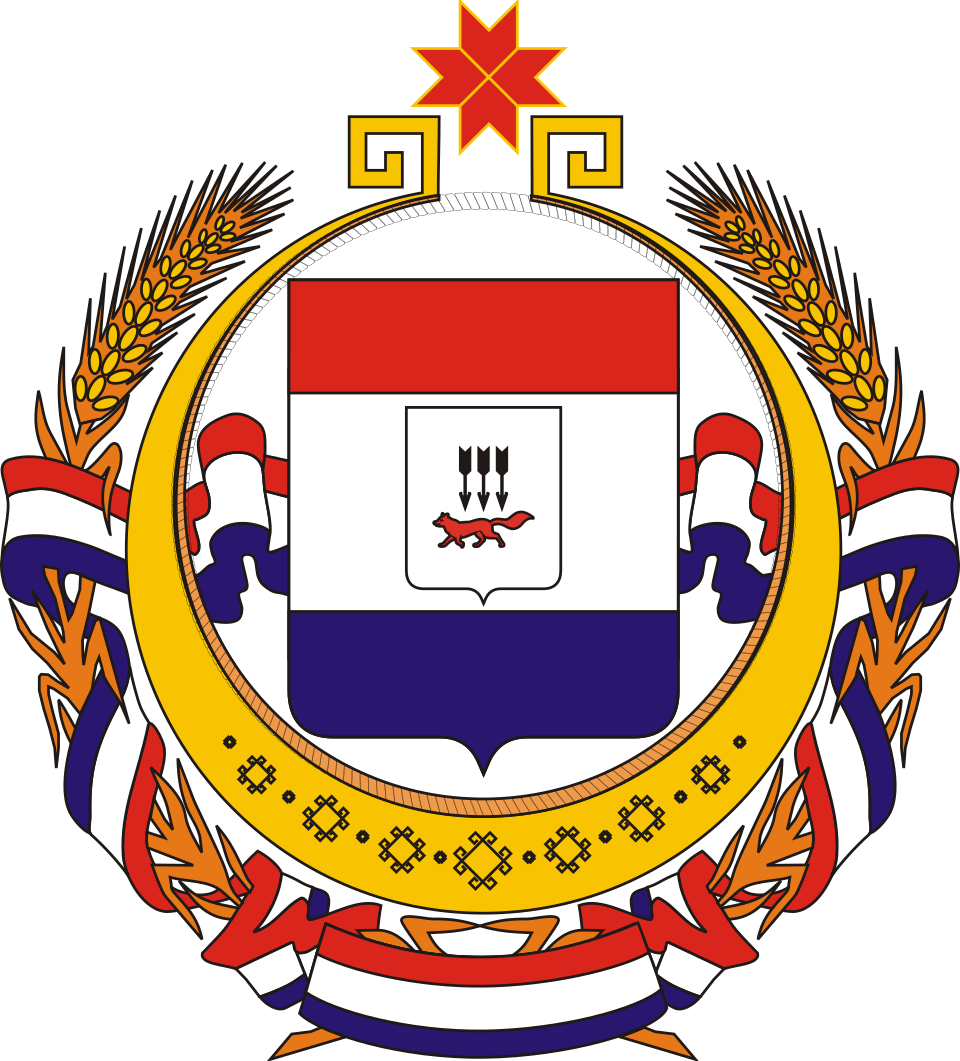
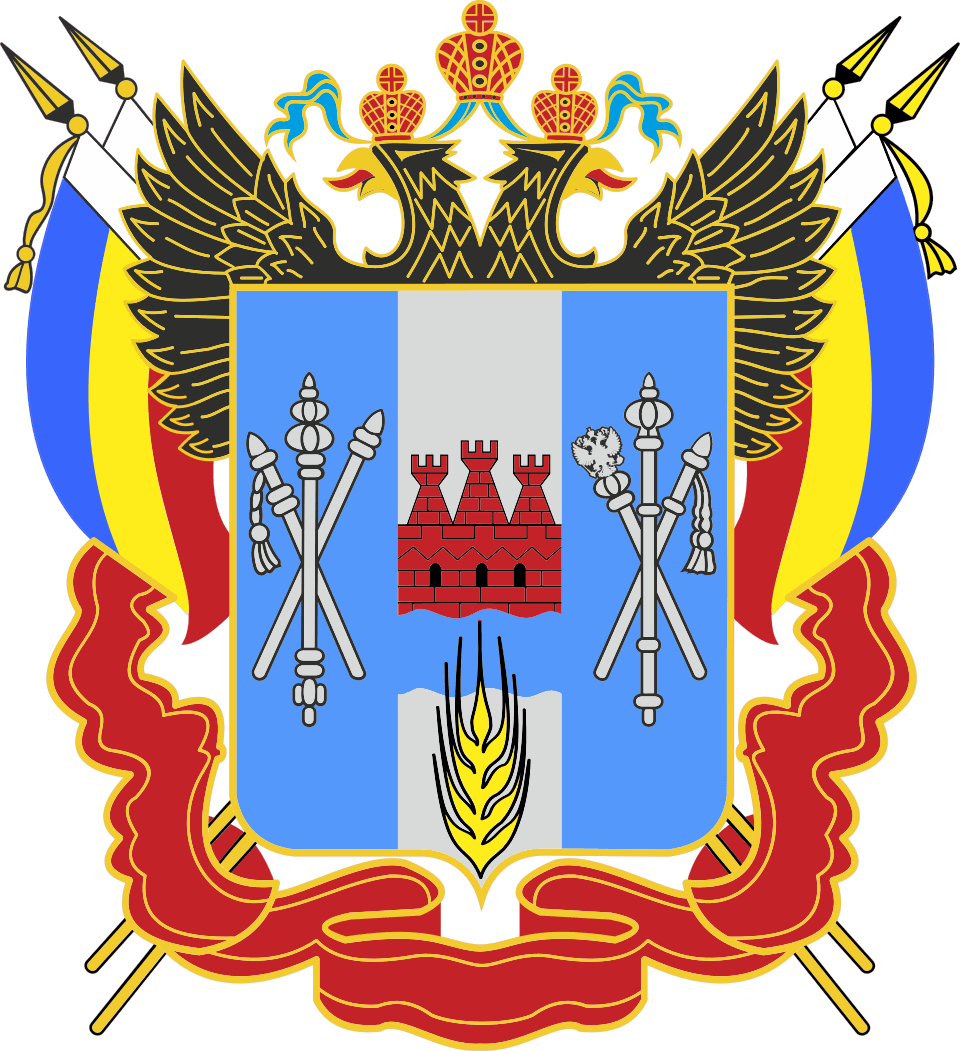
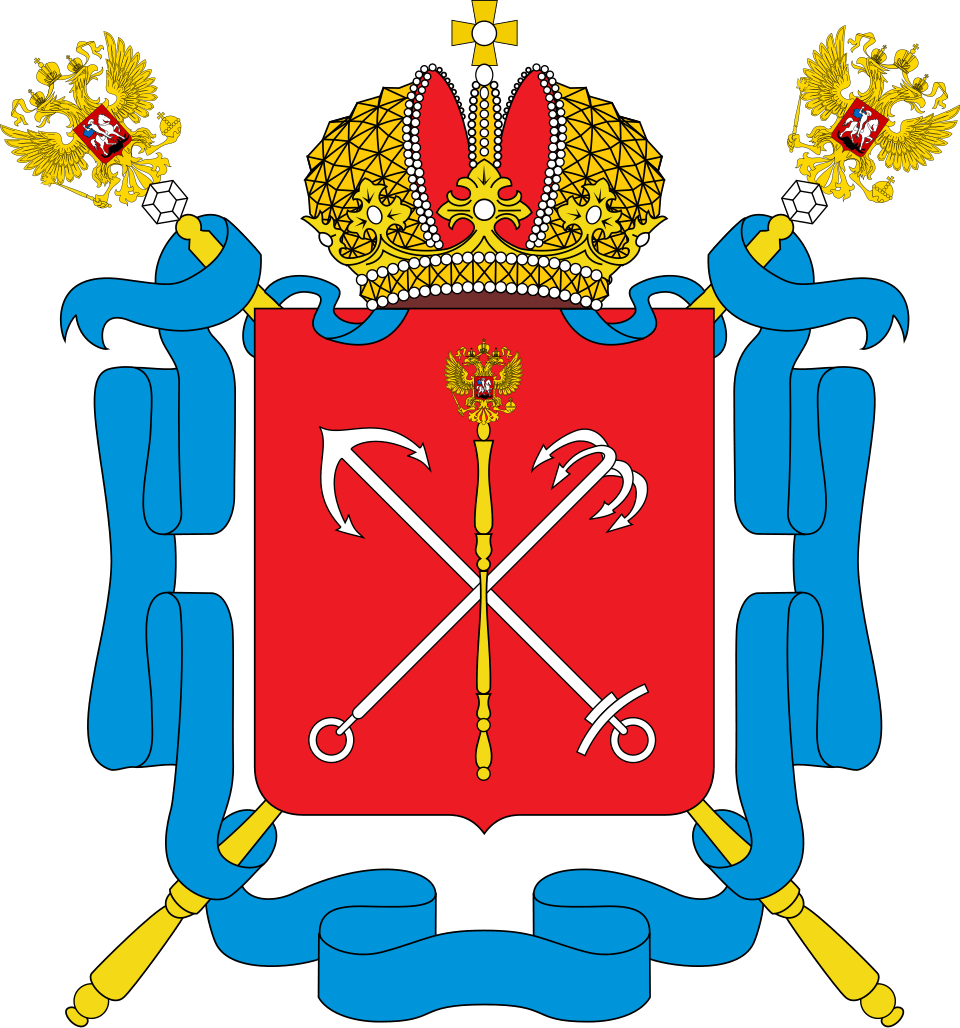
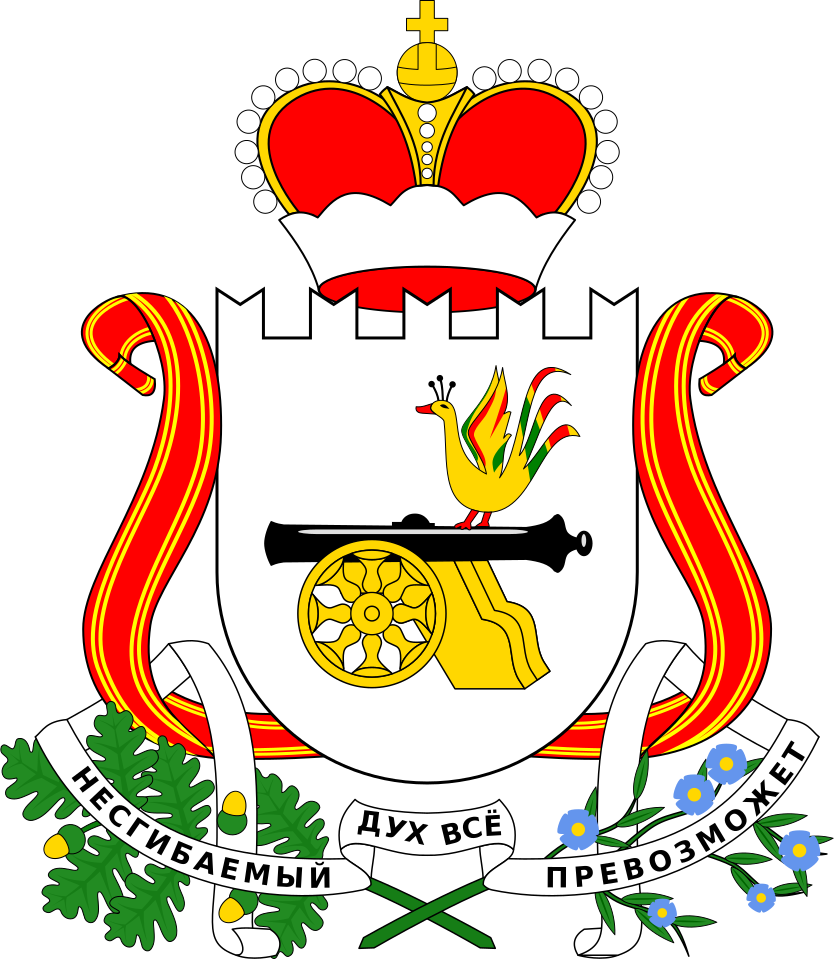
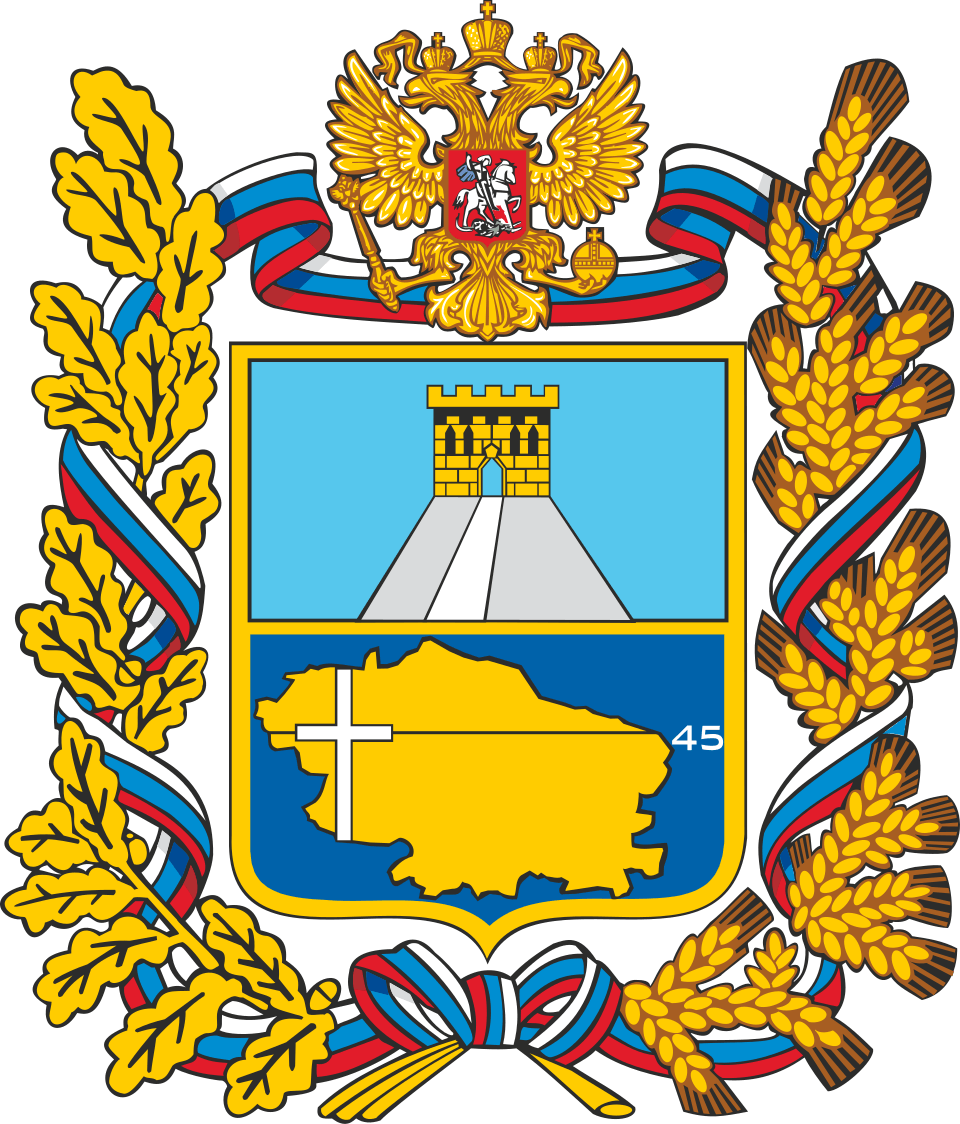
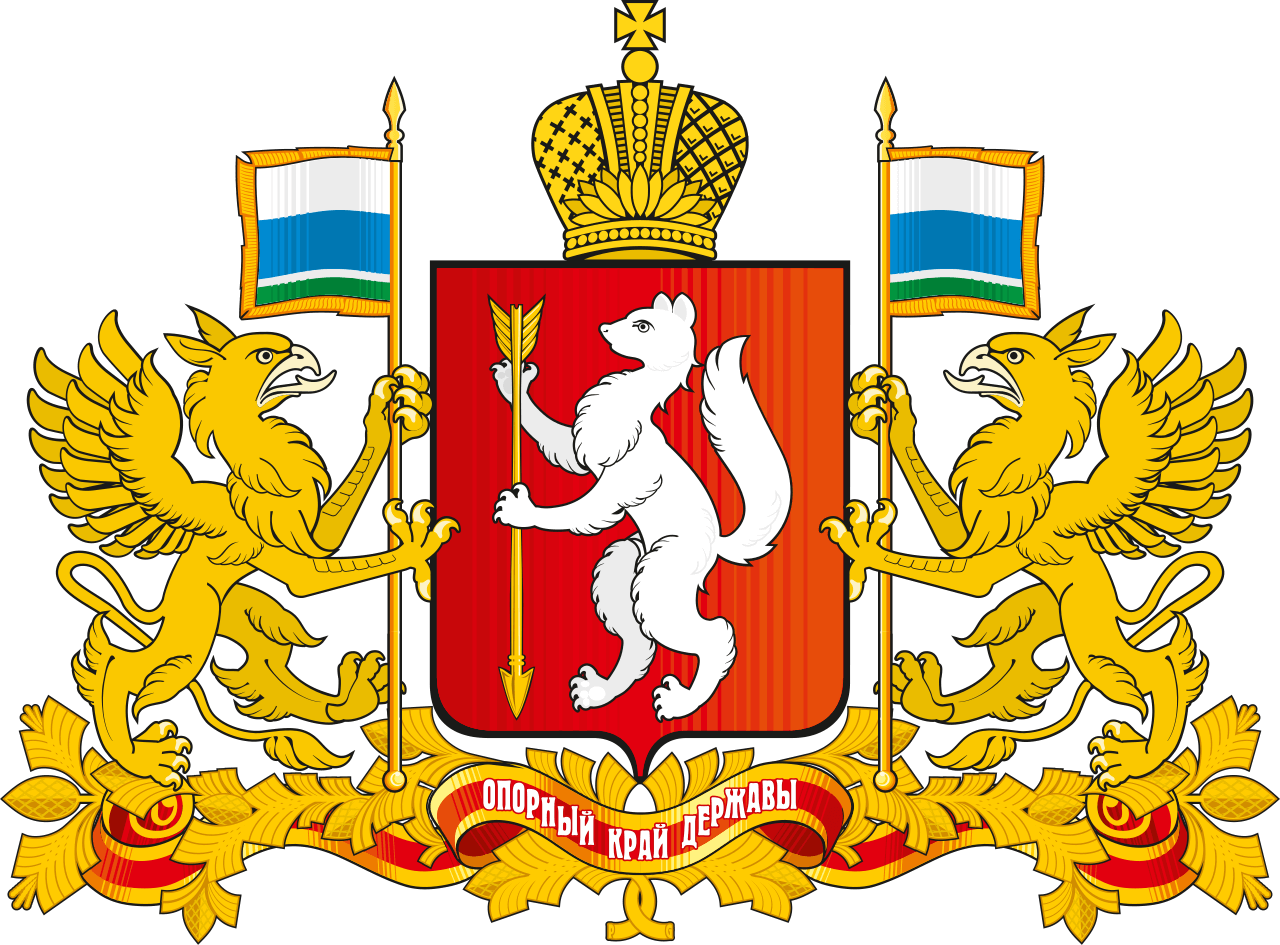
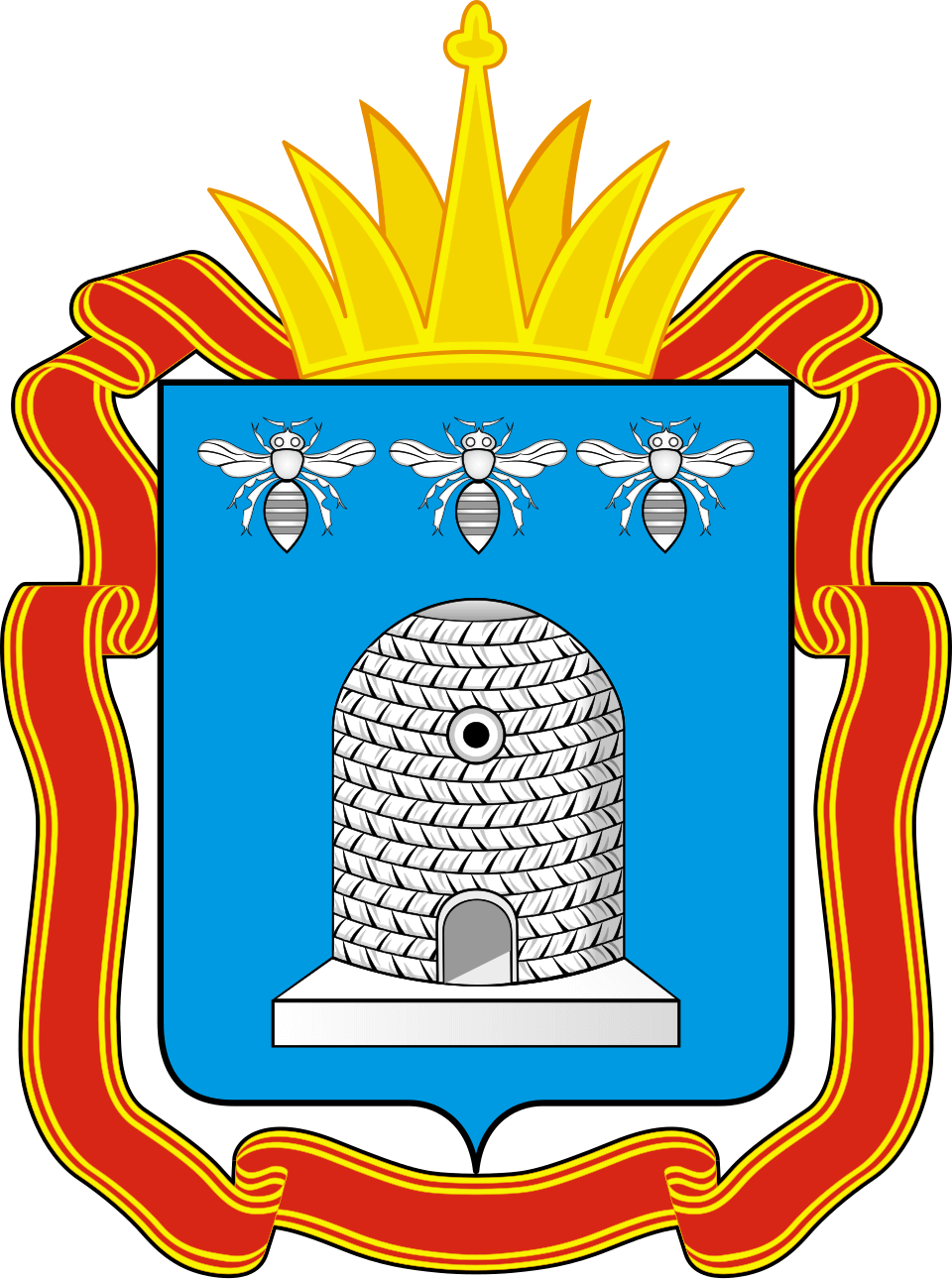
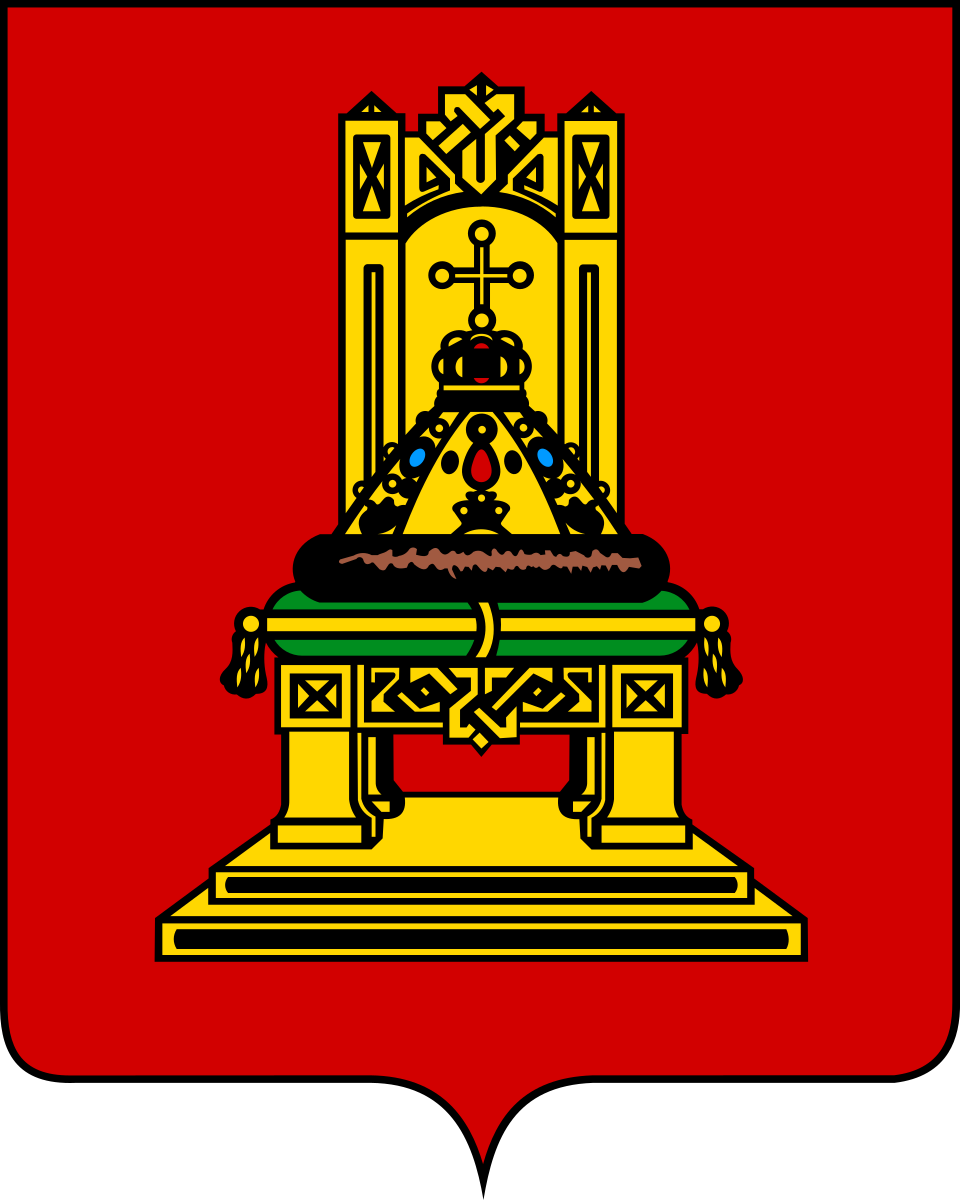
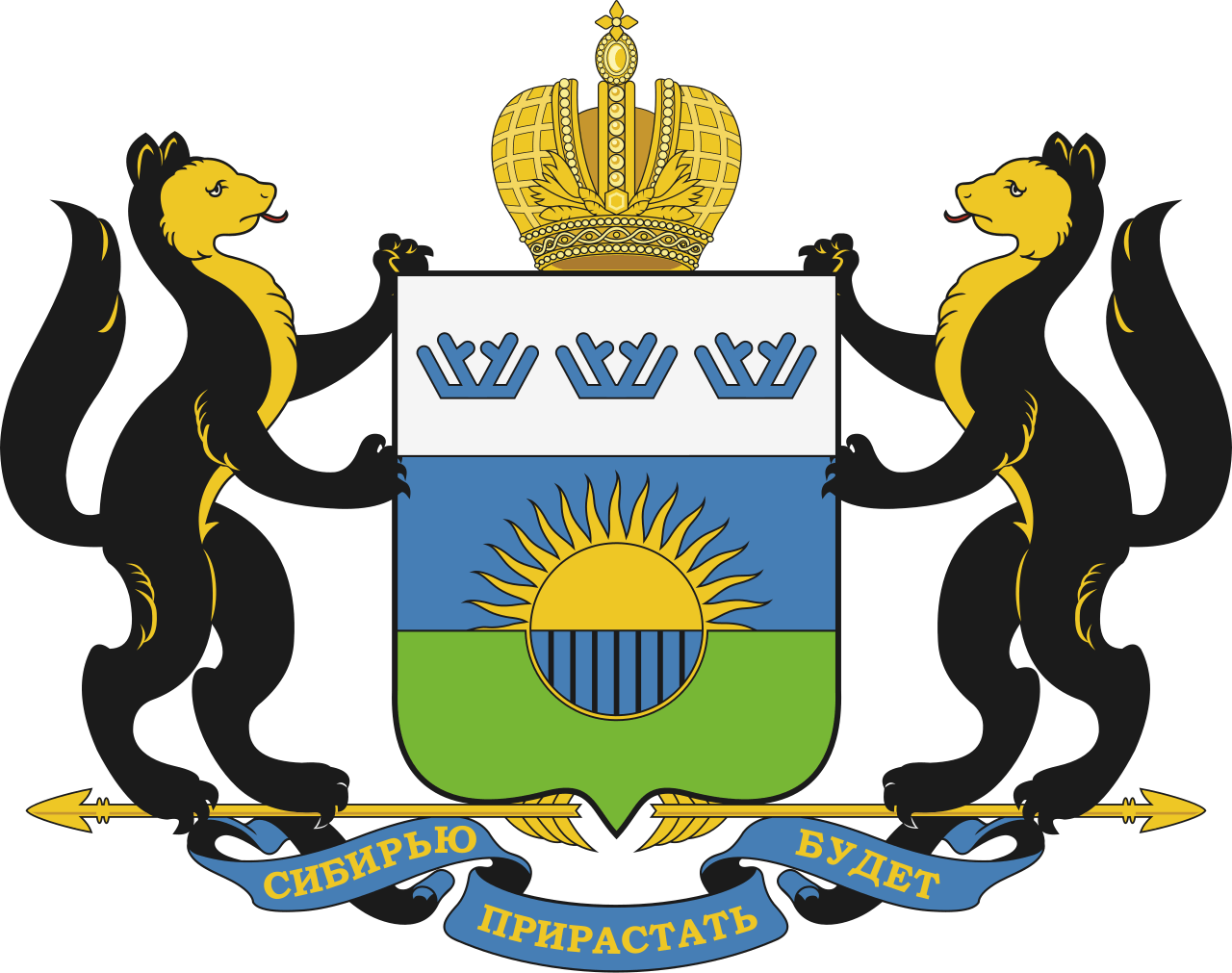
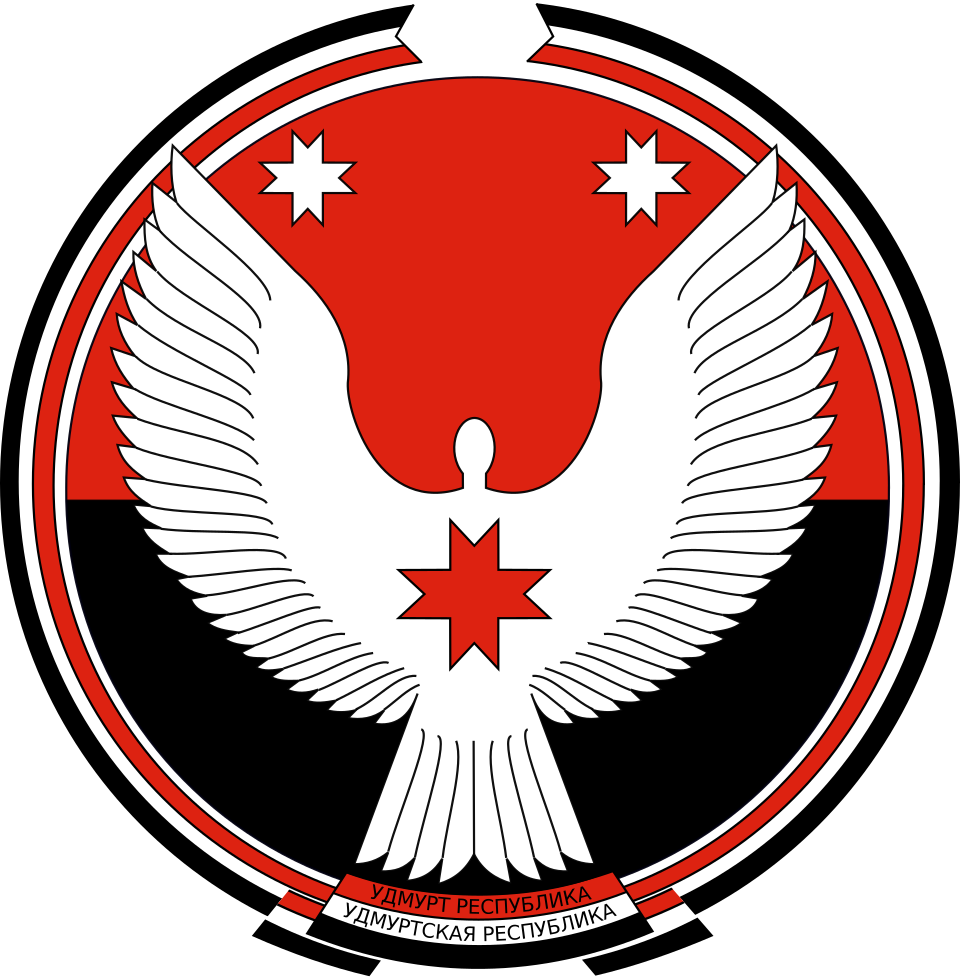
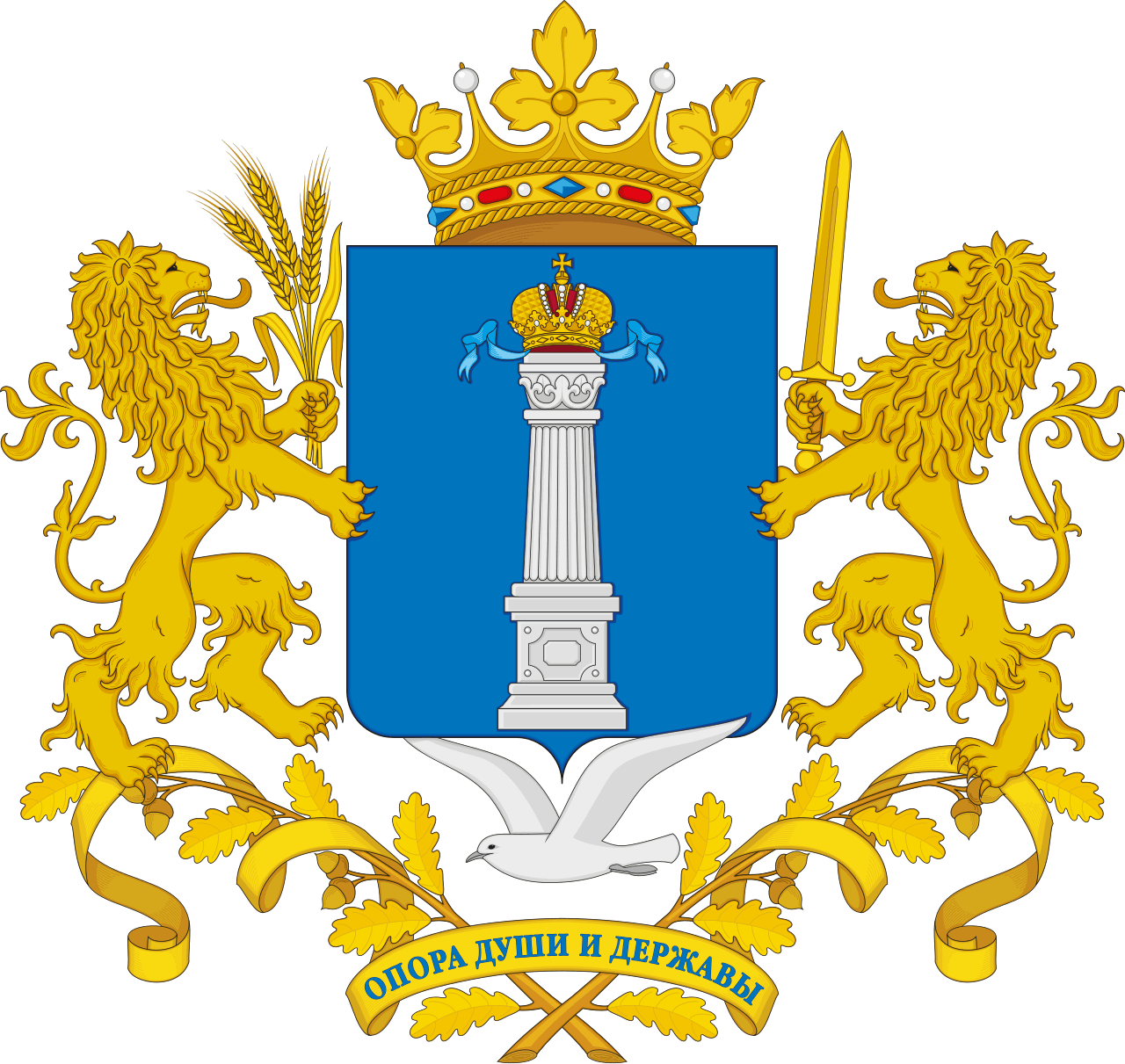
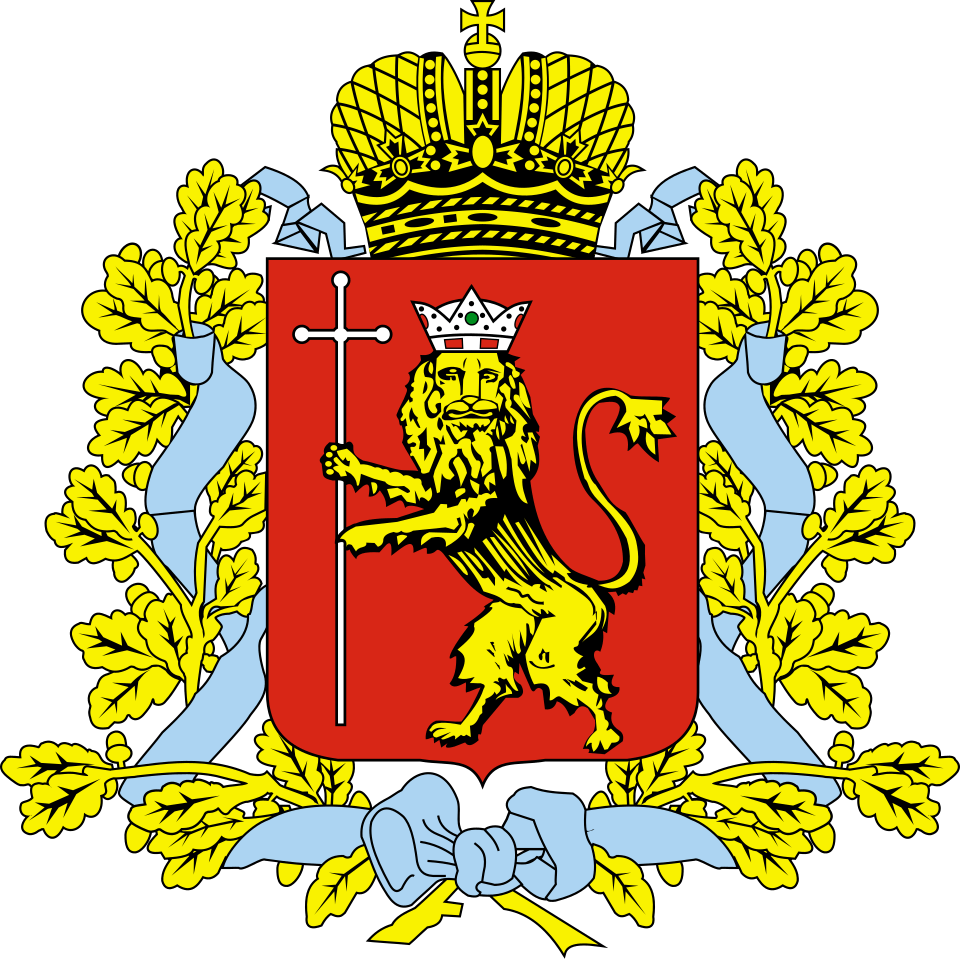
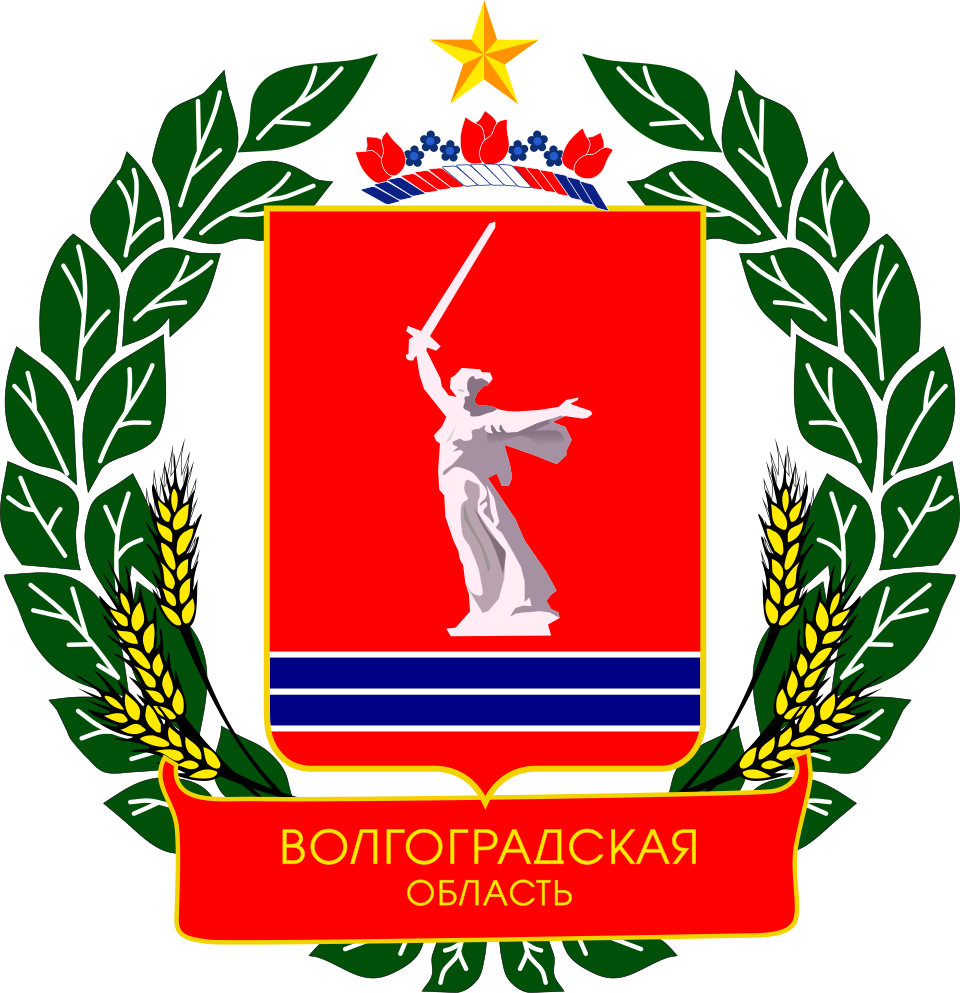
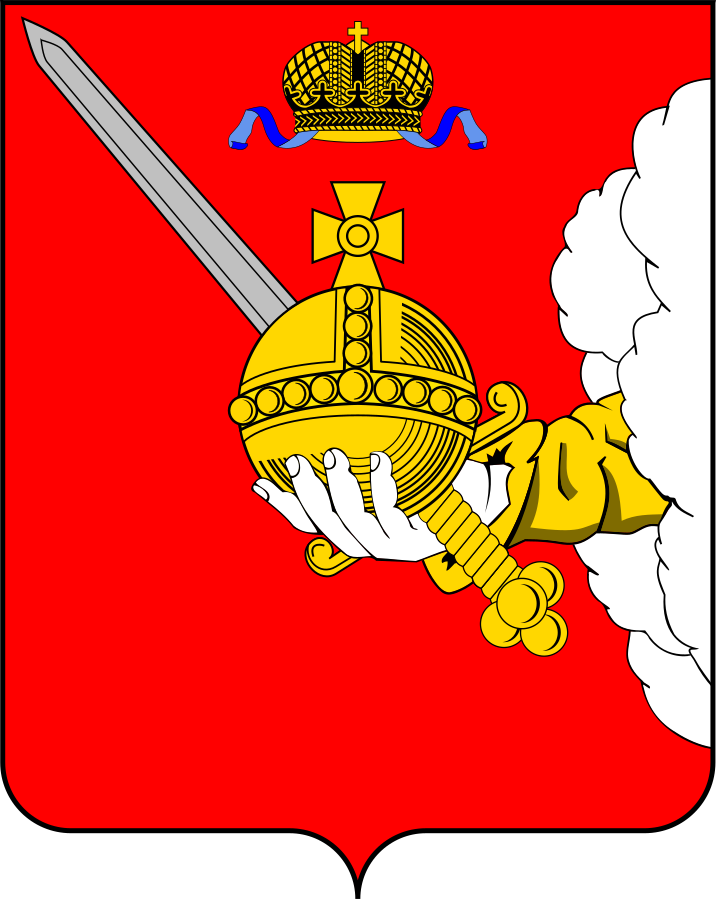
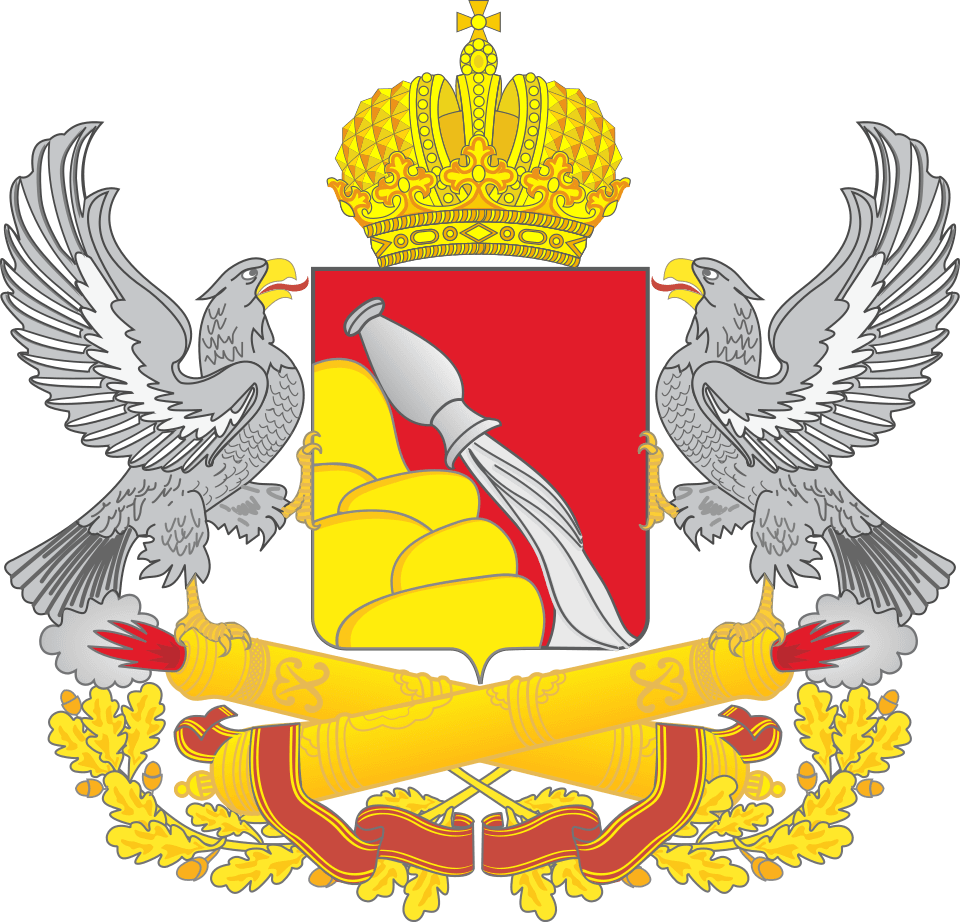
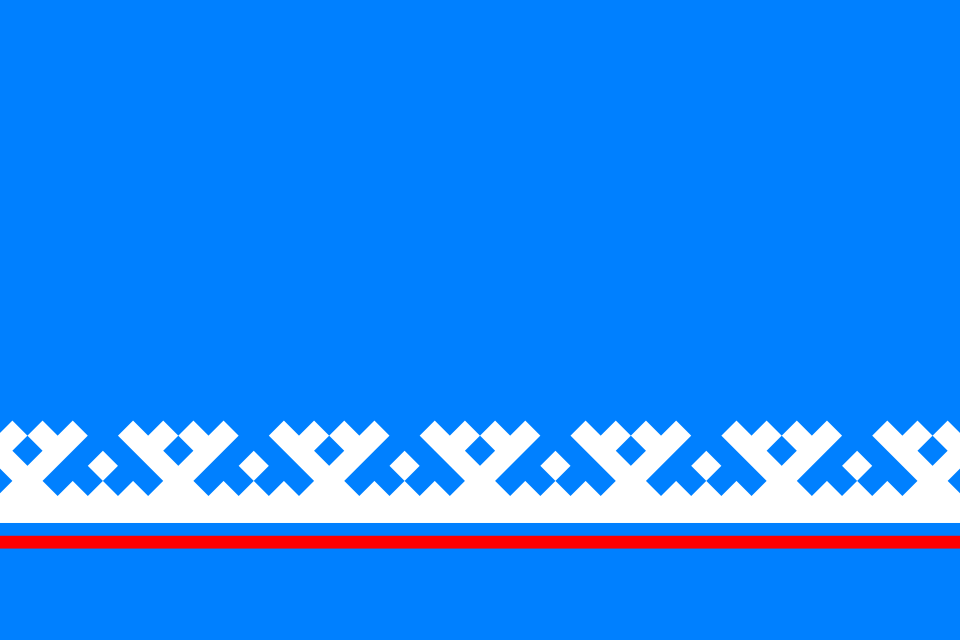
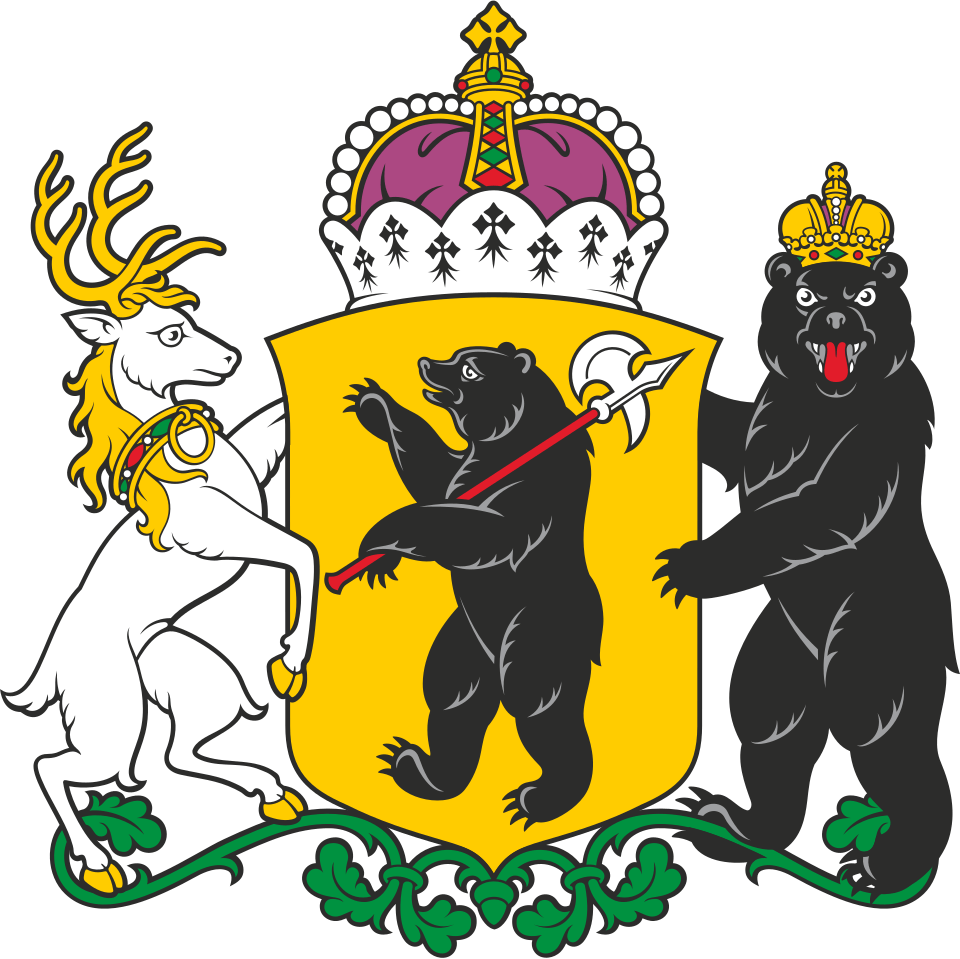
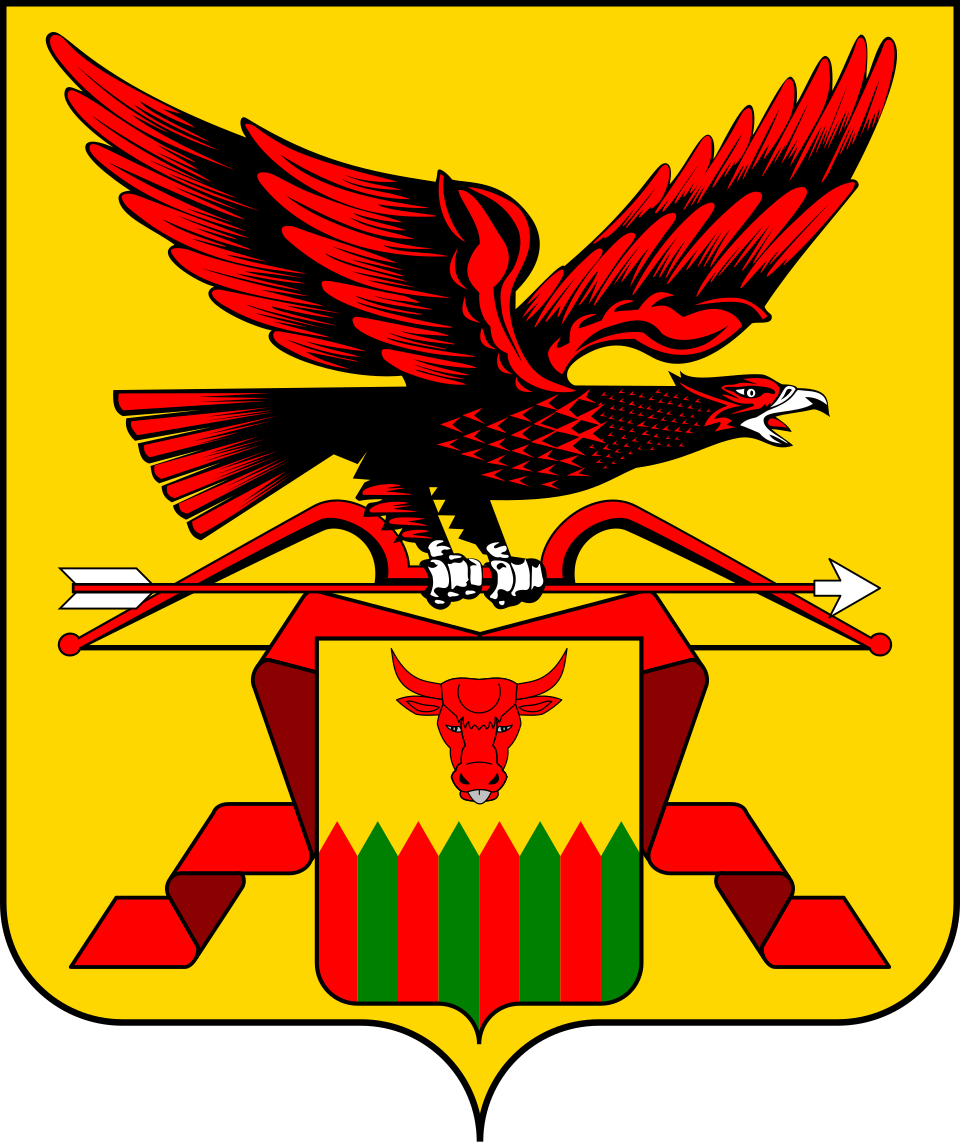
The federal arms umbrella 85 subjects of the federation, each with its own coat of arms. Click on Russia on the interactive map above to explore the administrative subdivisions, or jump directly to a few notable examples:
Explore the coat of arms of each of Russia’s 85 federal subjects.
Because it was adopted in 1497 under Ivan III as a deliberate visual claim to Byzantine succession, following his marriage to Sophia Palaiologina, niece of the last East Roman emperor. The two heads symbolise the dual gaze of empire over East and West.
Originally the three tsardoms conquered or claimed by Moscow: Kazan, Astrakhan, and Siberia, codified in 1667. Since 1993, the federal law no longer attaches them to specific territories; they signify the sovereignty and unity of the Federation.
Not in the constitutional text. Federal Constitutional Law No. 2-FKZ (2000) describes him only as “a silver horseman in a blue cloak slaying with a silver lance a black dragon overturned.” The identification with Saint George is traditional and ecclesiastical, not statutory.
Pyotr Velikiy chose the sequence in 1696 on the model of Dutch maritime ensigns, which he had studied in Zaandam. The order was confirmed in 1883 and again in 1991.
A globe wreathed in wheat, surmounted by the hammer and sickle and a red star, with the motto “Workers of the world, unite!” in the languages of the Soviet republics. The red field of the imperial arms was preserved as the field of the Soviet flag.
Last reviewed by the Emblema Mundi editorial team on 29 June 2026.