Country
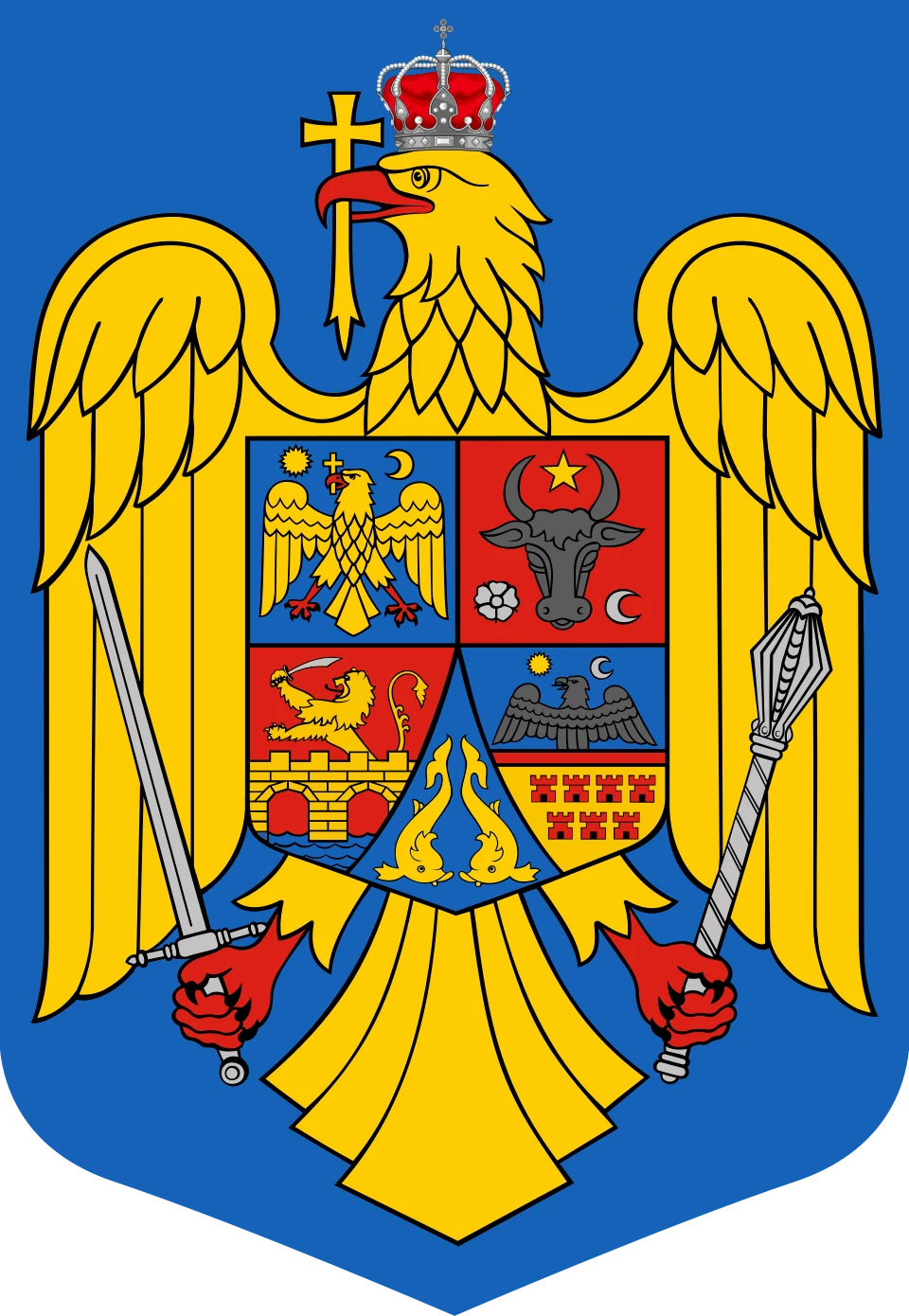
Romania’s coat of arms tells the story of a nation assembled from five historic lands. A golden aquila — clutching a cross, a mace, and a sword — bears on its chest a shield divided into fields for Wallachia, Moldavia, Transylvania, Banat-Oltenia, and Dobrogea. Crowned since 2016 with the Steel Crown of King Carol I, forged from a cannon captured at Plevna in 1877, the arms bridge the mediaeval principalities and the modern republic. The national flag — a blue-yellow-red tricolour — was born of the 1848 Wallachian Revolution, carrying the ideals of Libertate, Dreptate, Frãþie (Liberty, Justice, Fraternity) from Bucureşti to the unification of all Romanian-speaking lands.
Flag
Not available
Coat of Arms
Not available
| Official name | România |
|---|---|
| Coat of arms | Golden aquila with cross, mace, sword; shield of five historic provinces; Steel Crown |
| Arms adopted | 10 September 1992; Steel Crown added 11 July 2016 |
| Designer | József Sebestyén (1921, for King Ferdinand I); redesigned by Victor Dima |
| National flag | Vertical tricolour — blue, yellow, red (2:3 ratio) |
| Flag adopted | 26 June 1848 (Wallachian Revolution); formalised in 1866 Constitution |
| Capital | Bucureşti |
| Government | Unitary semi-presidential republic |
| Head of State | Nicuşor Dan (since 2025) |
| Historic provinces | Wallachia, Moldavia, Transylvania, Banat-Oltenia, Dobrogea |
Coat of Arms of Romania — Golden aquila, five provincial shields, Steel Crown
The Romanian coat of arms centres on a golden aquila (eagle) displayed, holding an Orthodox cross in its beak, a mace in its right talon, and a sword in its left. On its chest sits a shield divided into five fields, each representing a historic Romanian province. Since 2016, the Steel Crown surmounts the composition.
The current coat of arms is based on the lesser arms of the interwar Kingdom of Romania (1922–1947), designed in 1921 by Transylvanian Hungarian heraldist József Sebestyén from Cluj, at the request of King Ferdinand I. After the fall of communism, the arms were redesigned by Victor Dima and adopted by the Romanian Parliament on 10 September 1992.
On 11 July 2016, the coat of arms was augmented with the Steel Crown (Coroana de Oþel), the crown of King Carol I. Forged from steel of a cannon captured at the Battle of Plevna during the War of Independence (1877–1878), the Steel Crown is a powerful symbol of national sovereignty and sacrifice. Its addition honours Romania’s monarchical period (1881–1947) and connects the modern republic to its royal past.
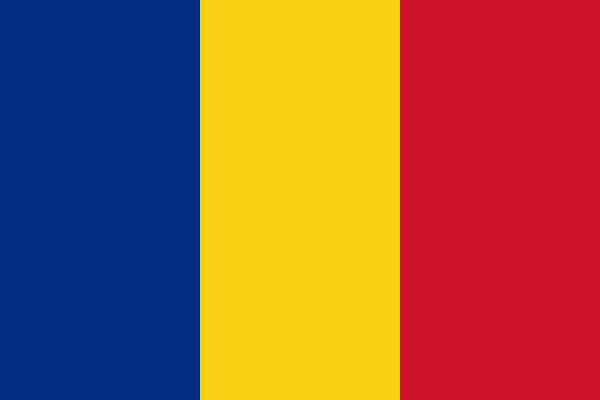
Flag of Romania — Blue, yellow, red — born of the 1848 Revolution
The Romanian flag is a vertical tricolour of blue (hoist), yellow (centre), and red (fly), in a 2:3 width-to-length ratio. Its roots reach deep into the history of the Romanian principalities.
Blue, yellow, and red appeared on late 16th-century royal grants of Mihai Viteazul (Michael the Brave), the prince who briefly united Wallachia, Moldavia, and Transylvania in 1600. The three colours were used on military uniforms, seals, and banners across the principalities for centuries before their formal adoption.
During the Wallachian Revolution of 1848, the provisional government adopted the tricolour as the national flag on 26 June 1848. Decree No. 252 of 13/25 July 1848 specified vertical stripes of dark blue, light yellow, and carmine red, influenced by the French model. The colours carried the meaning: Liberty (sky-blue), Justice (field yellow), and Fraternity (blood red).
Article 124 of the 1866 Constitution formalised the colours for the United Principalities: “The colours of the United Principalities will be Blue, Yellow and Red.” The Assembly of Deputies confirmed the vertical order and placement on 26 March 1867. Under the communist regime (1947–1989), the flag bore a state emblem in the centre; the December 1989 Revolution famously saw Romanians cut the emblem from the flag, restoring the plain tricolour.
Romanian heraldry draws from three distinct traditions: the Byzantine-influenced arms of the Danubian principalities (Wallachia and Moldavia), the Central European heraldry of Transylvania (shaped by Hungarian, Saxon, and Székely influences), and the Western European practices introduced during the 19th-century modernisation.
The Wallachian eagle and the Moldavian aurochs are among the oldest heraldic charges in the Balkans, documented since the 14th century. Transylvanian heraldry is rich with municipal arms from the fortified Saxon towns — Sibiu, Braşov, Cluj, Sighişoara — and the Székely civic emblems of the eastern counties.
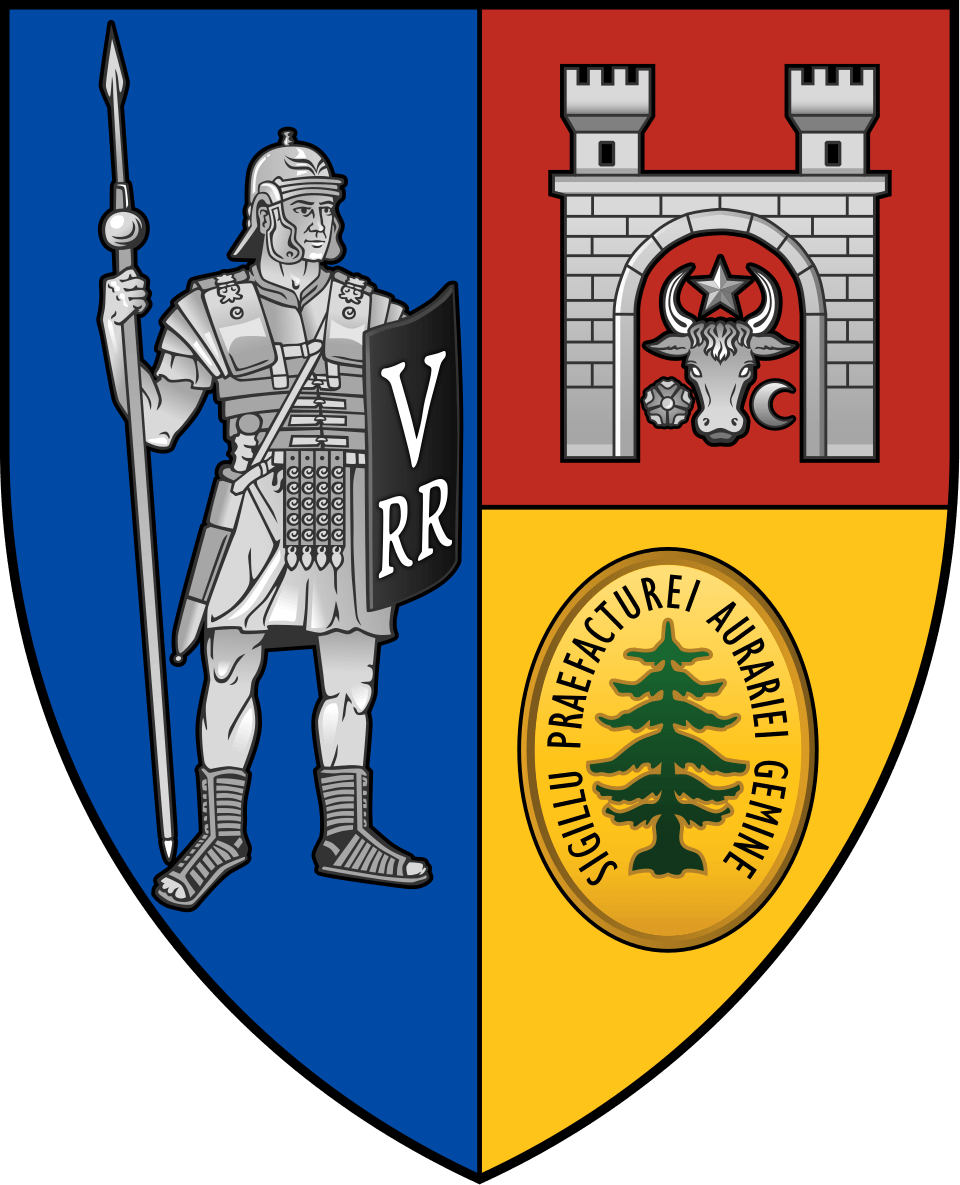
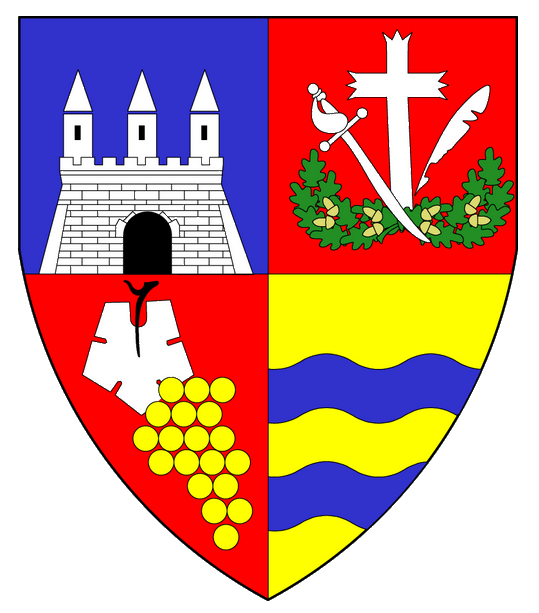
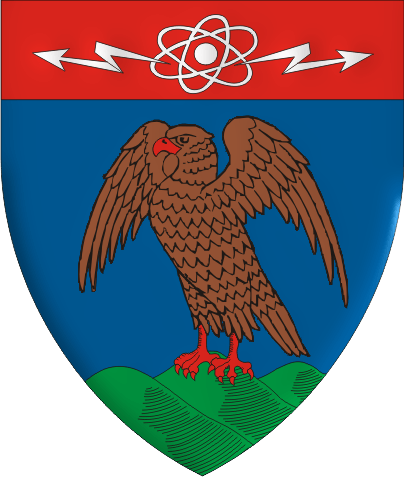
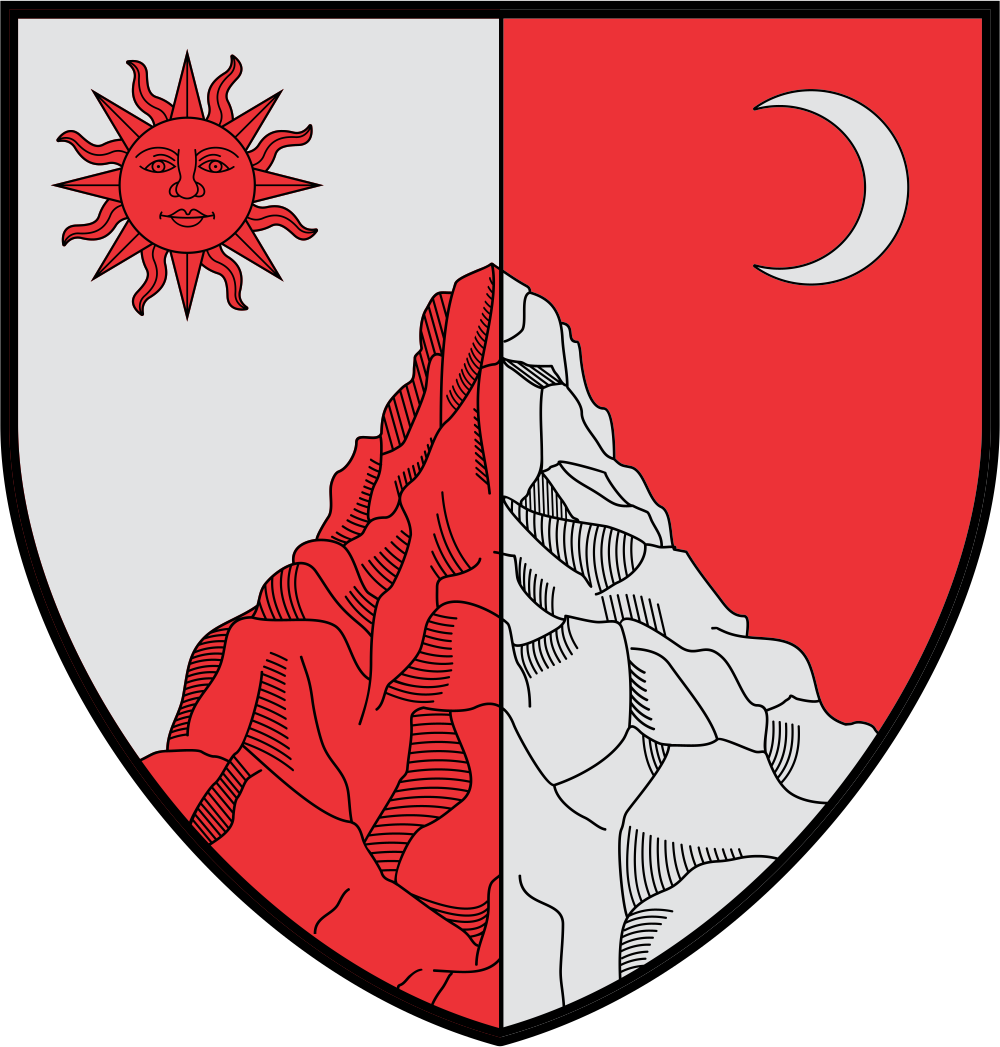
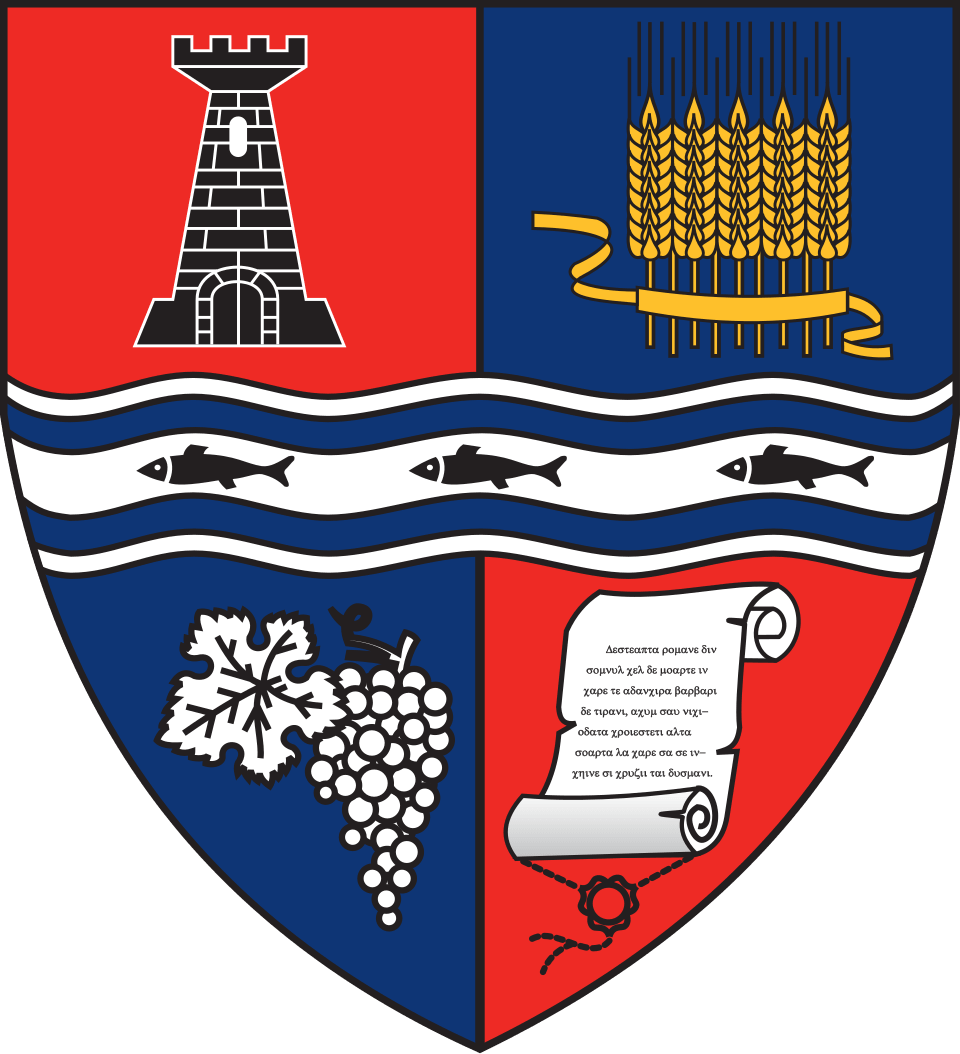
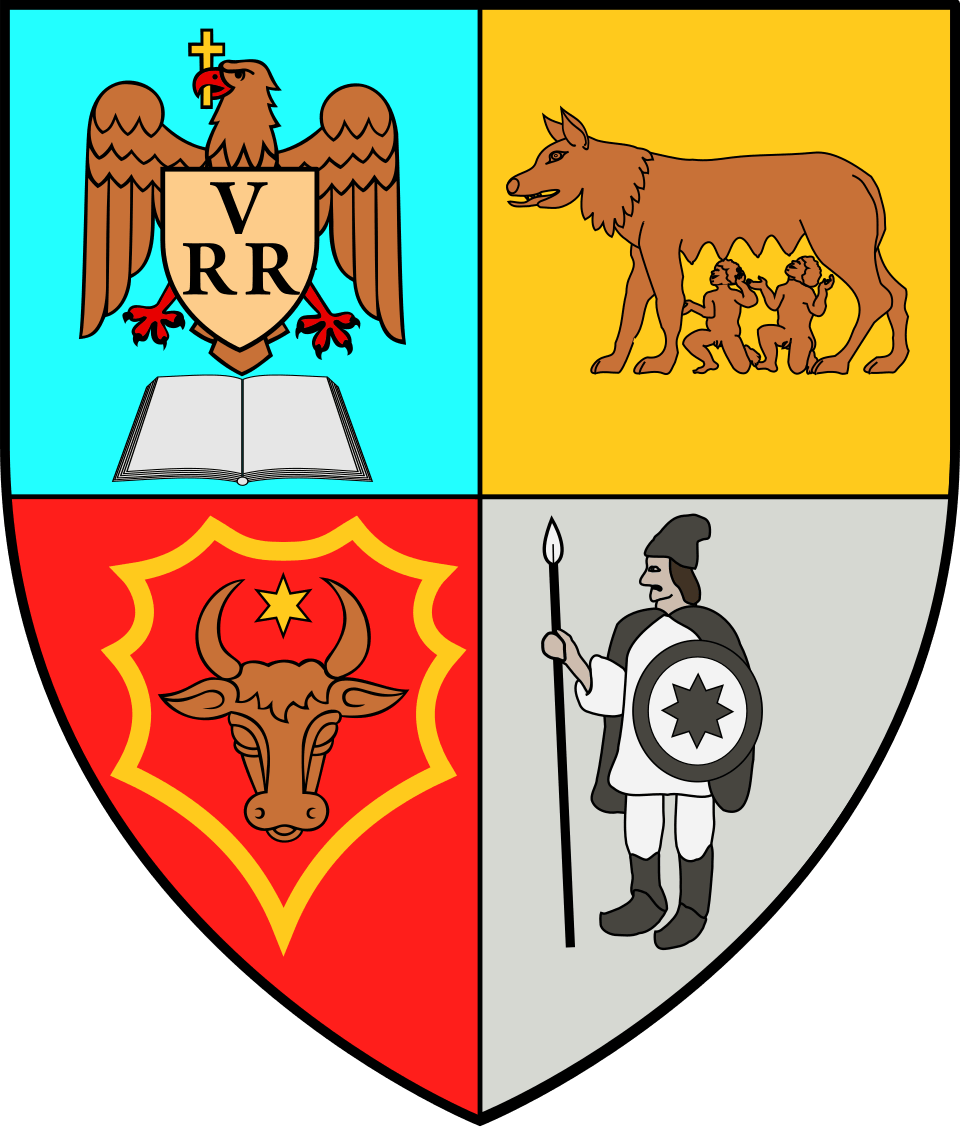
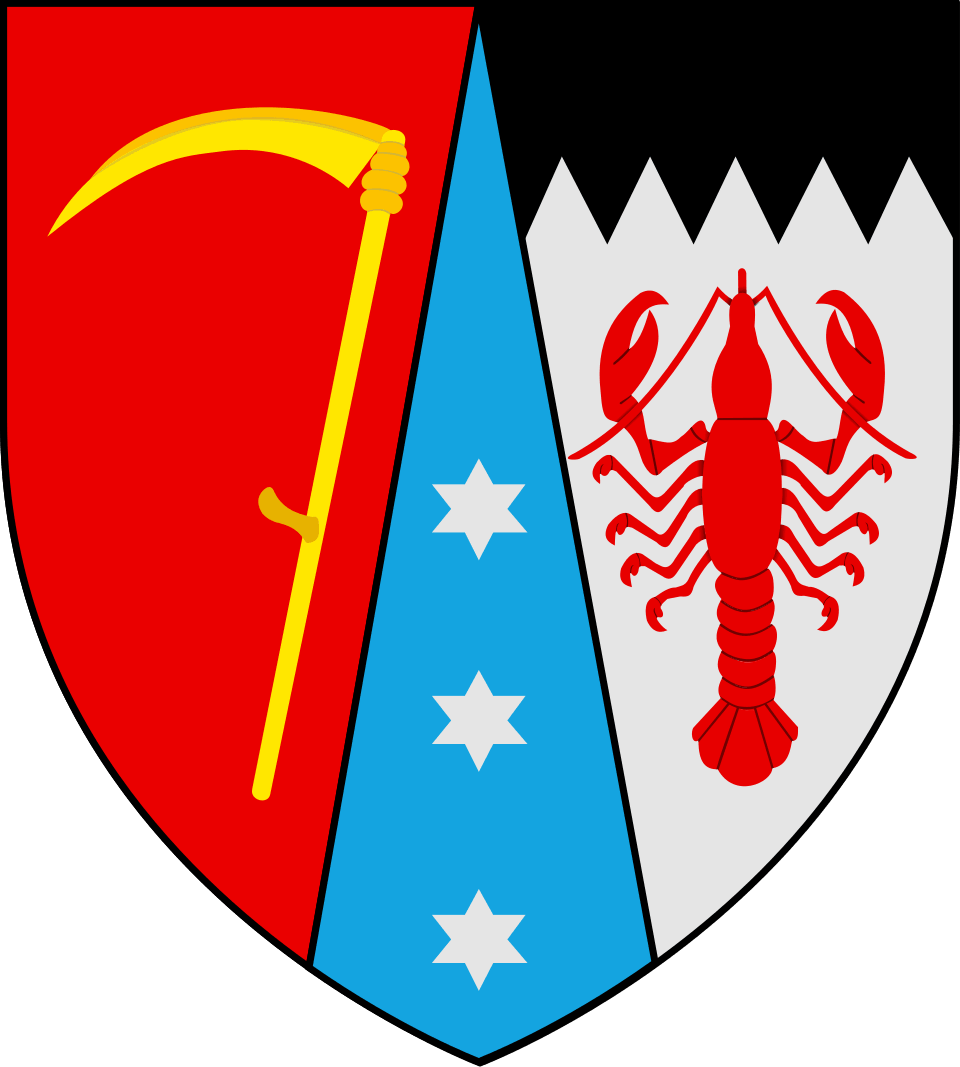
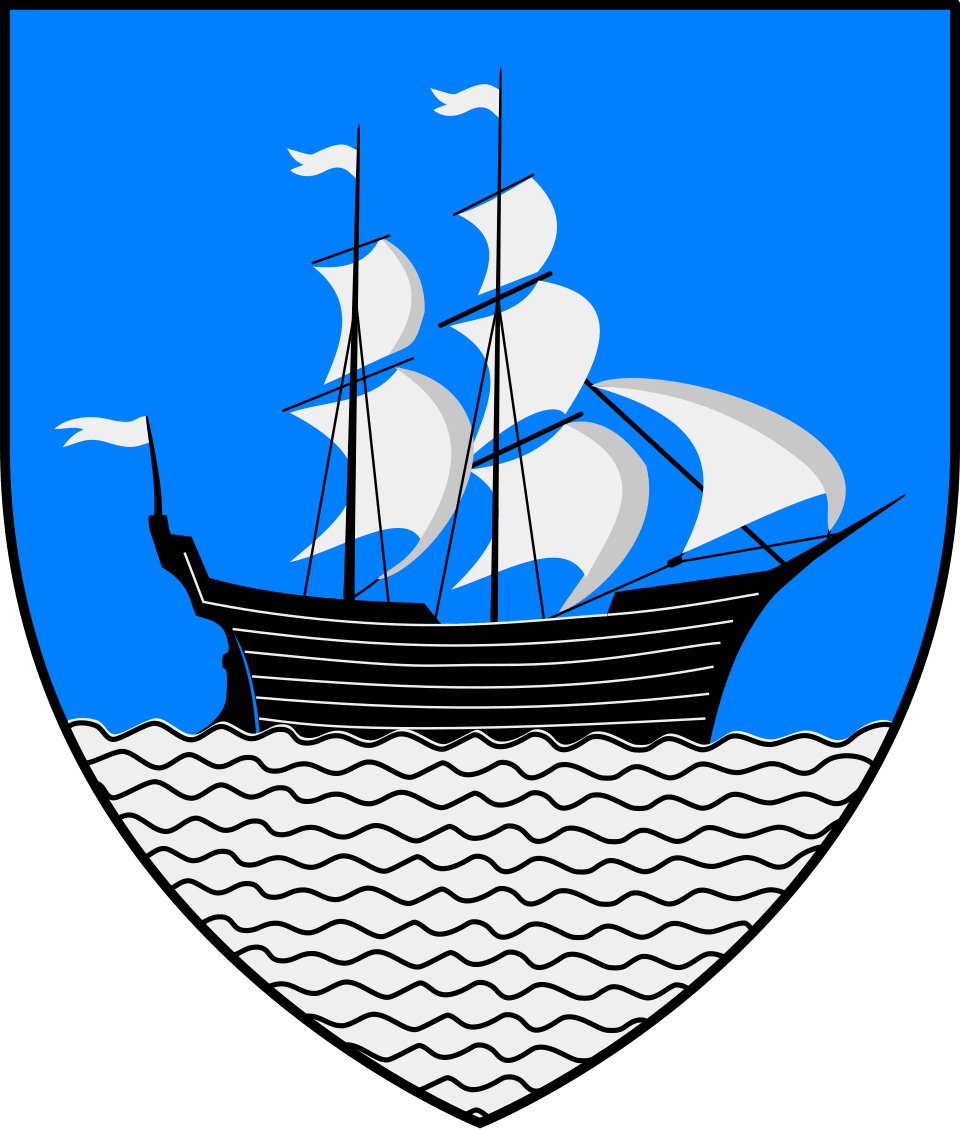
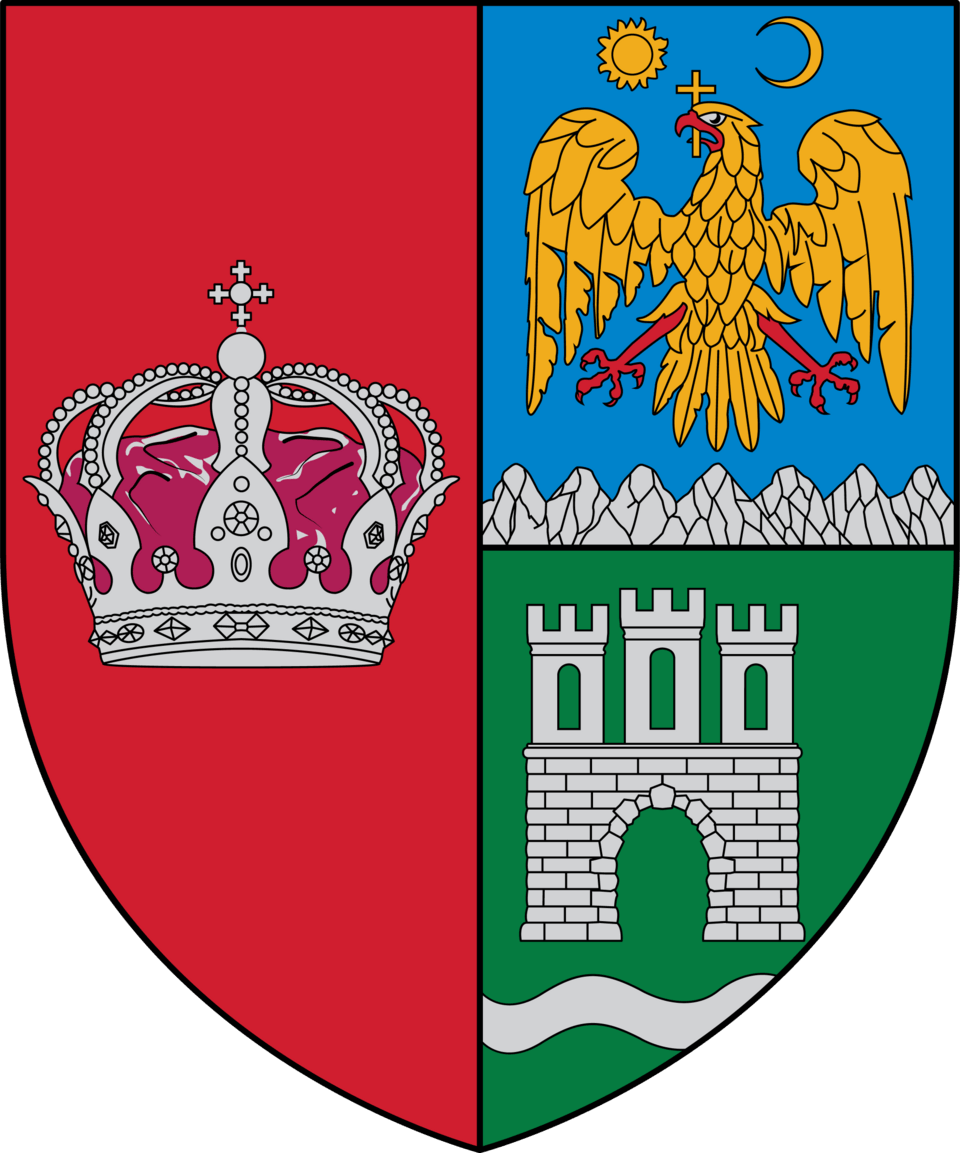
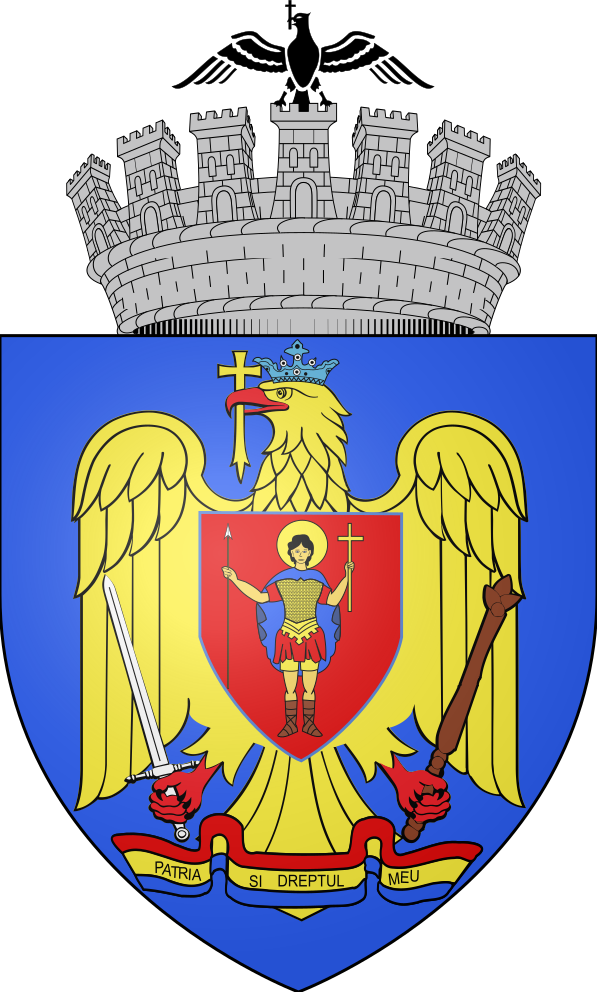
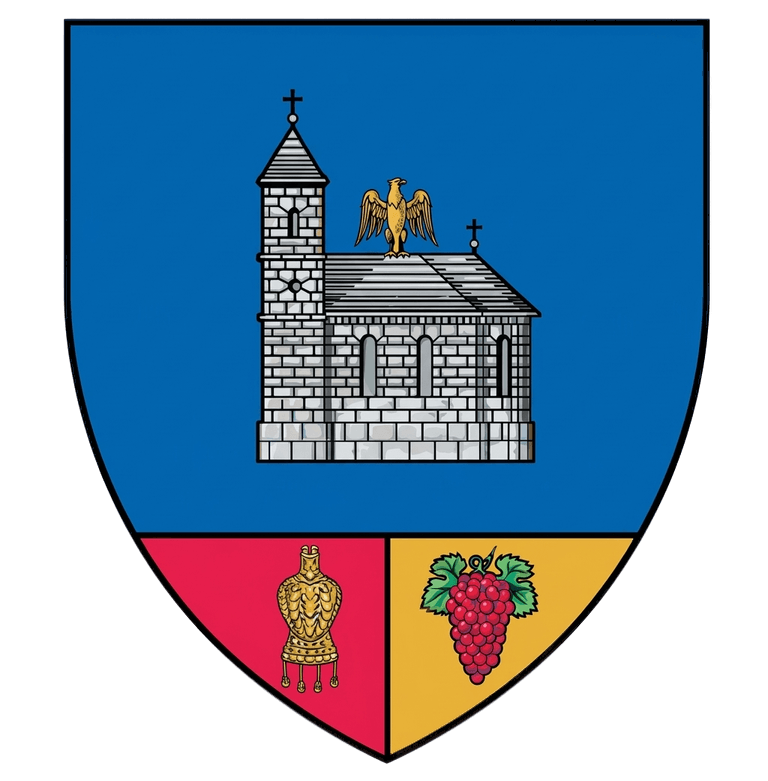
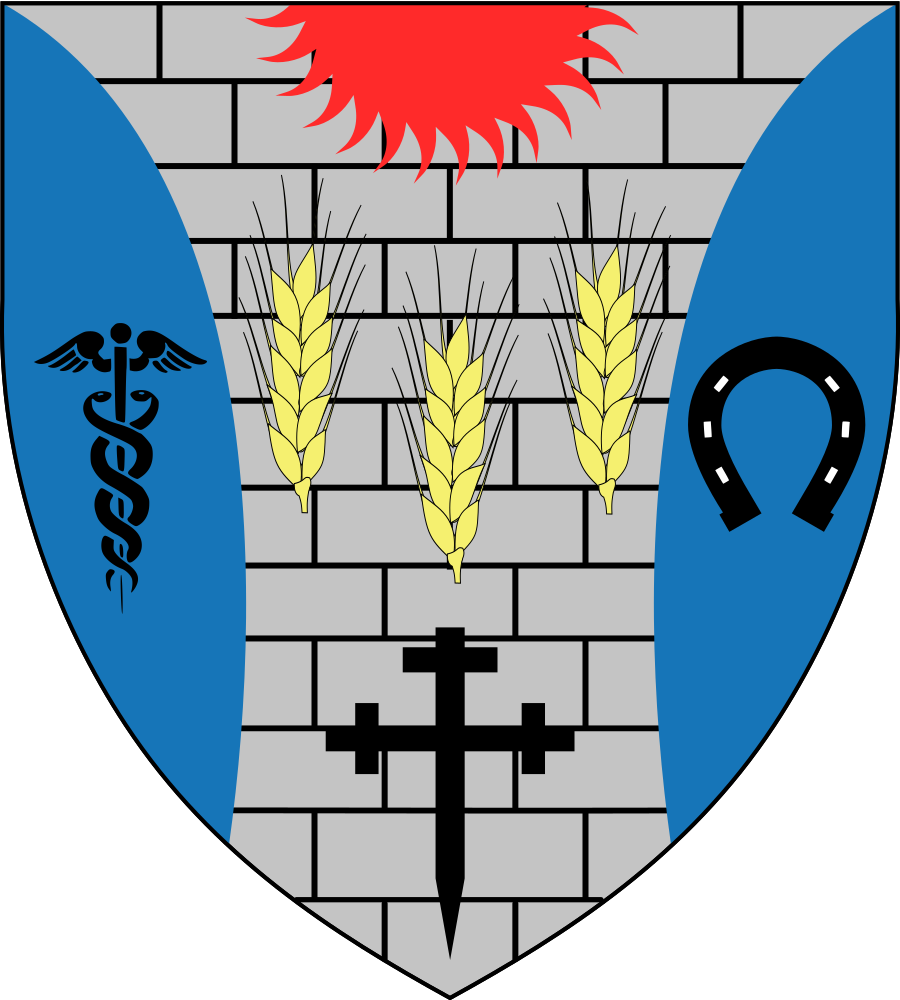
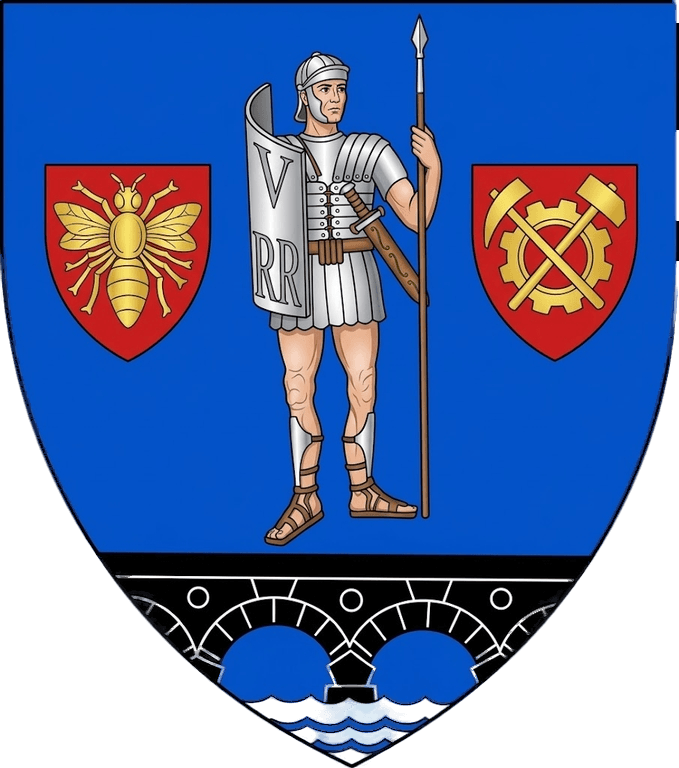
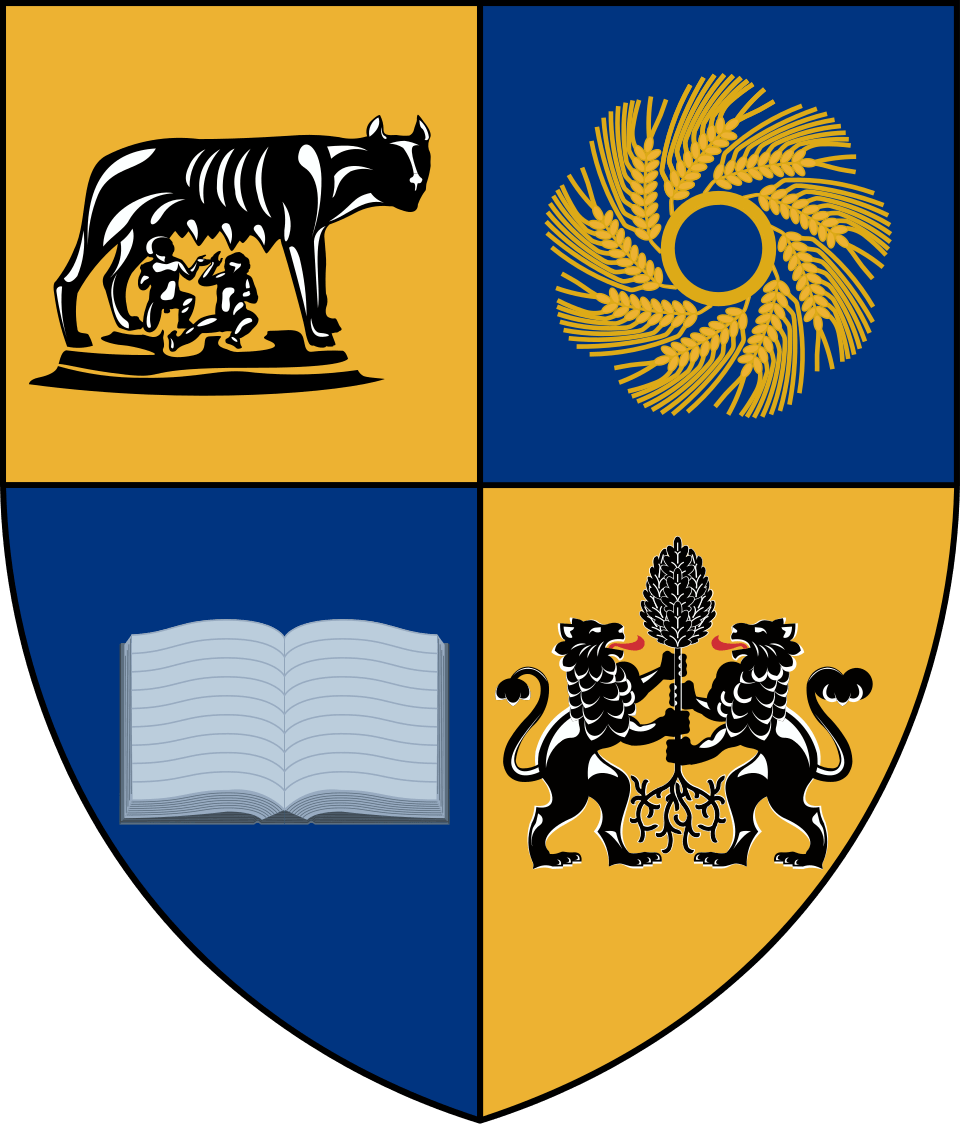
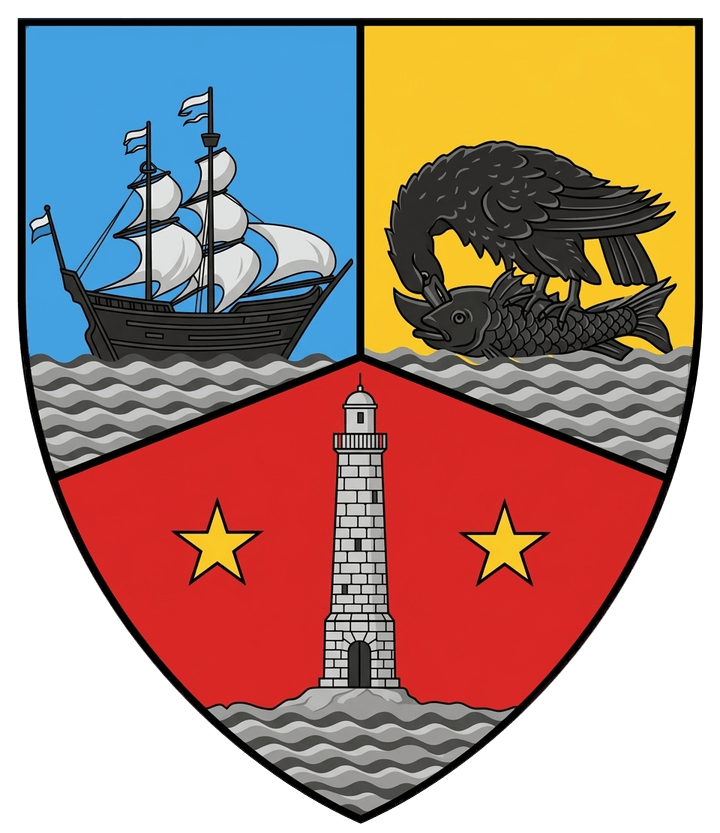
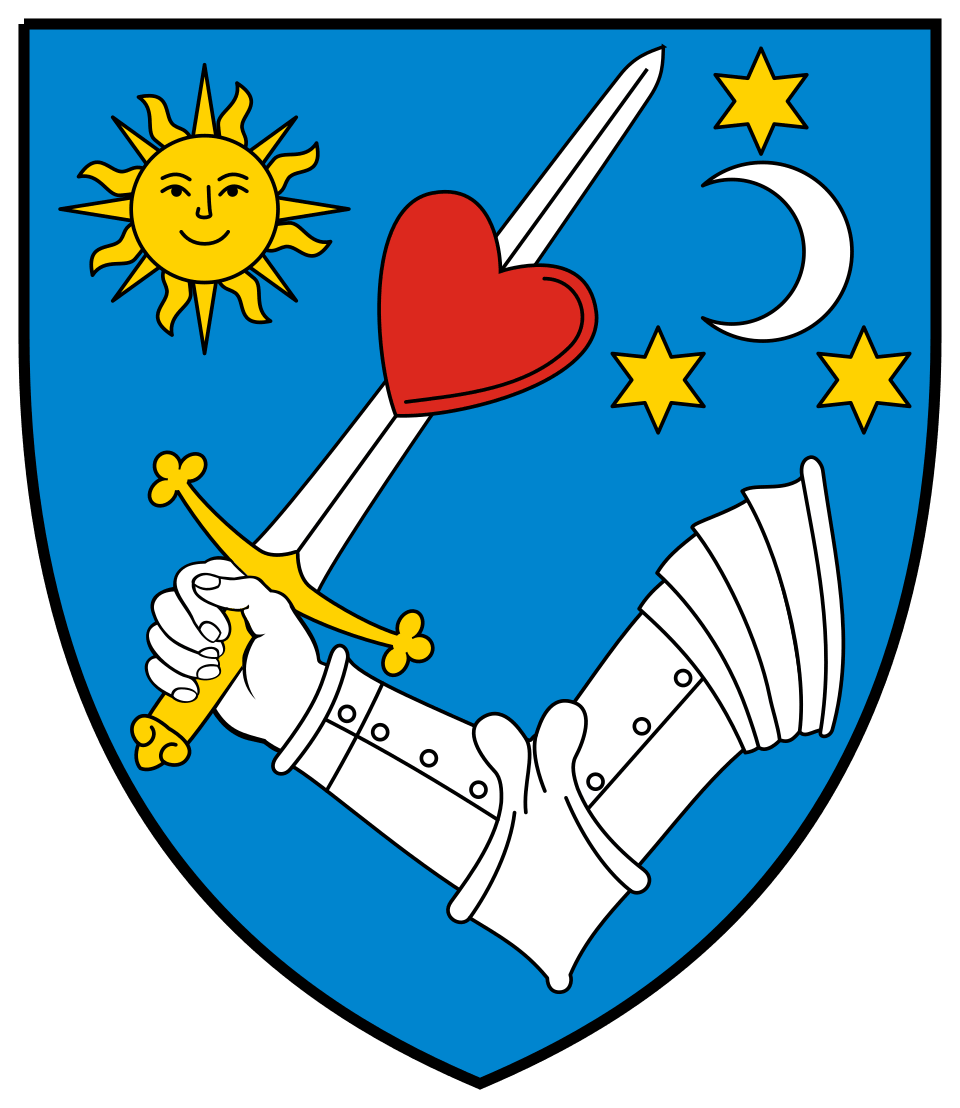
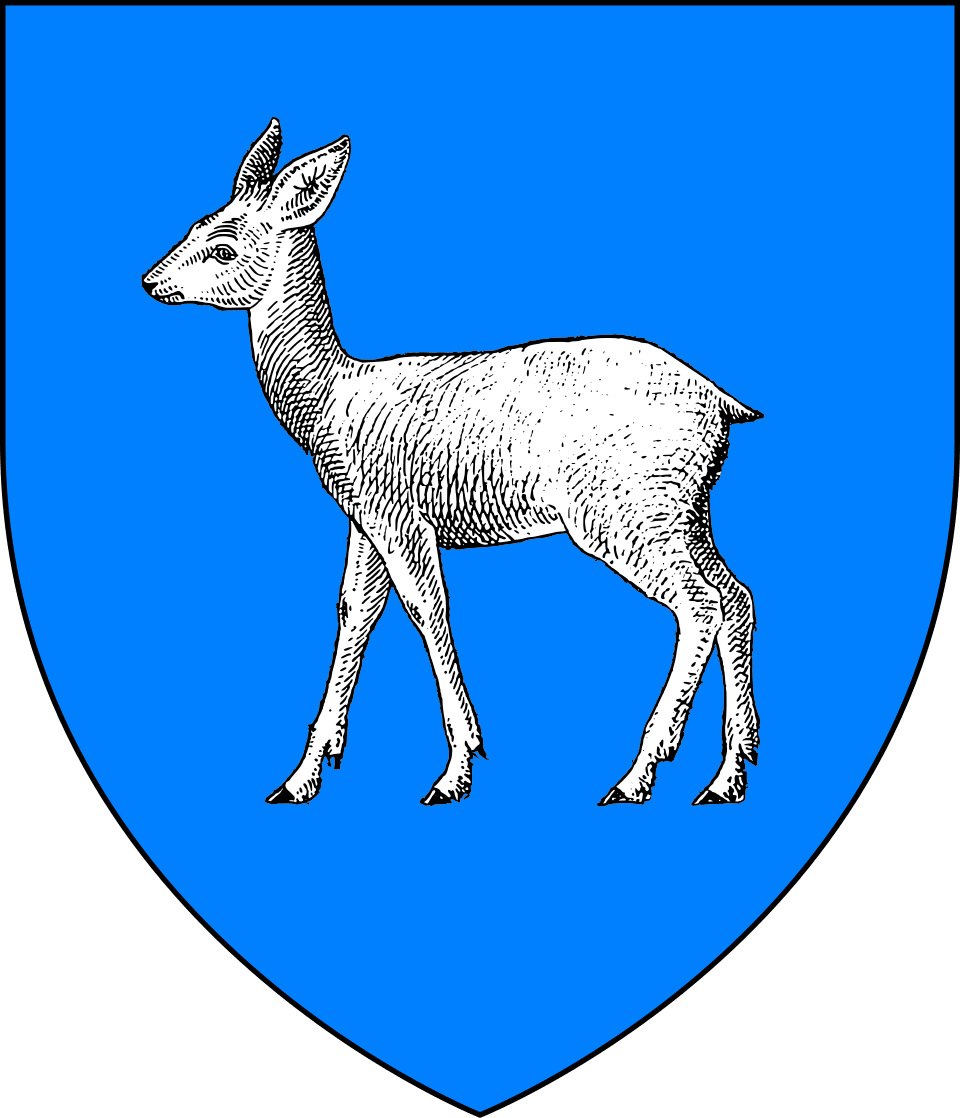
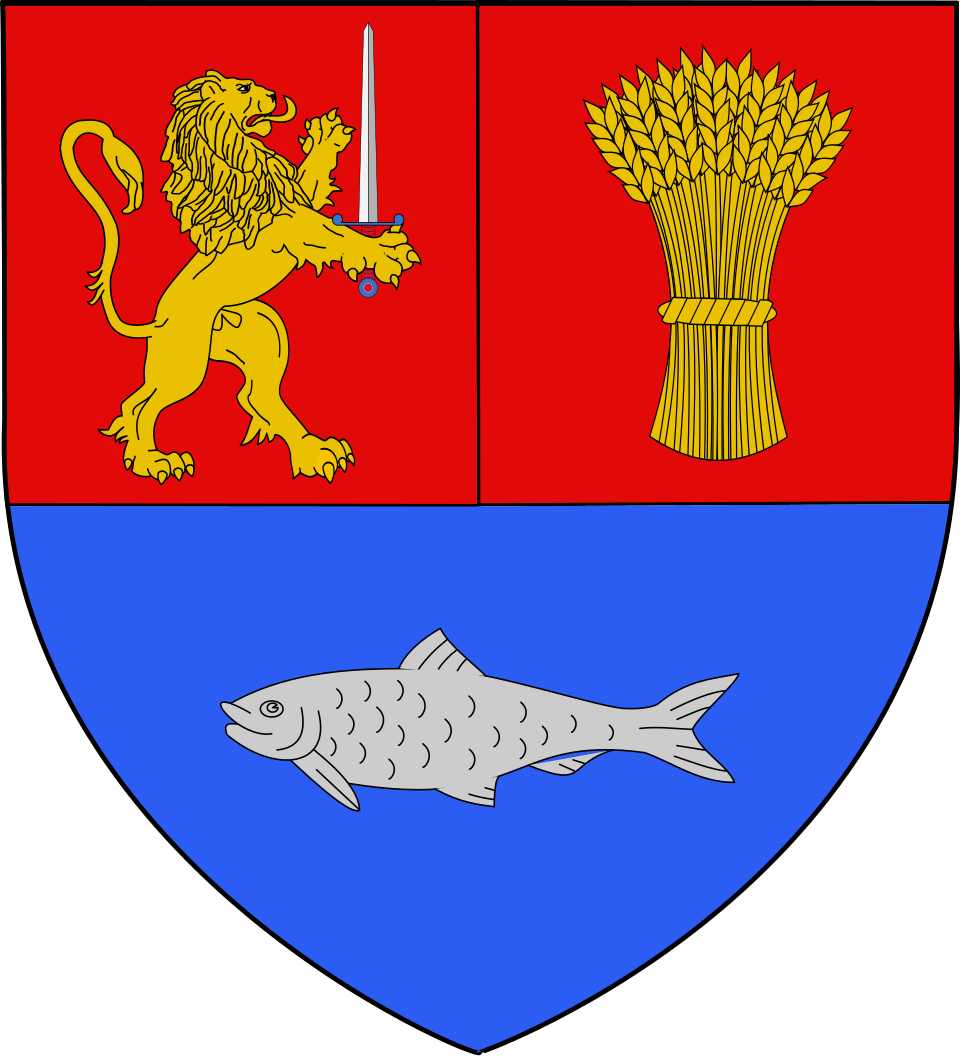
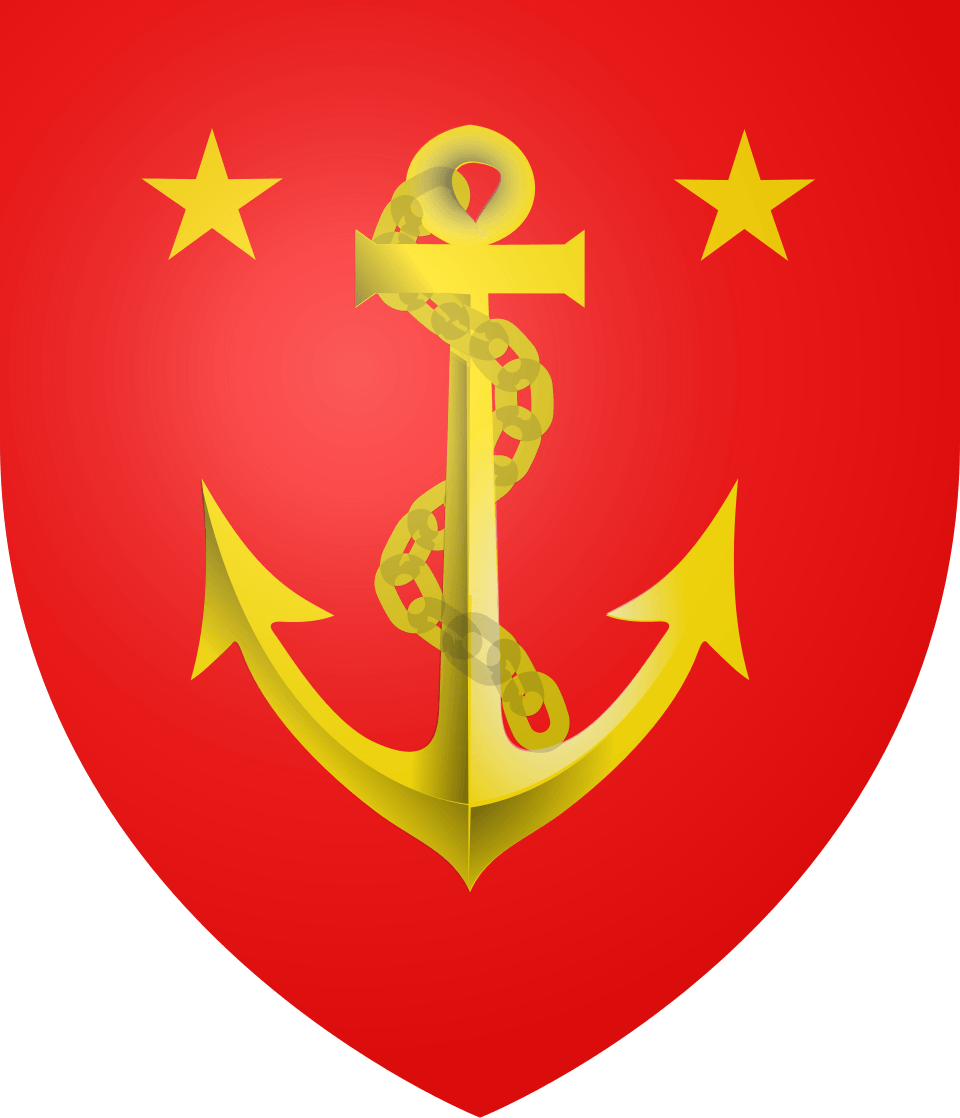
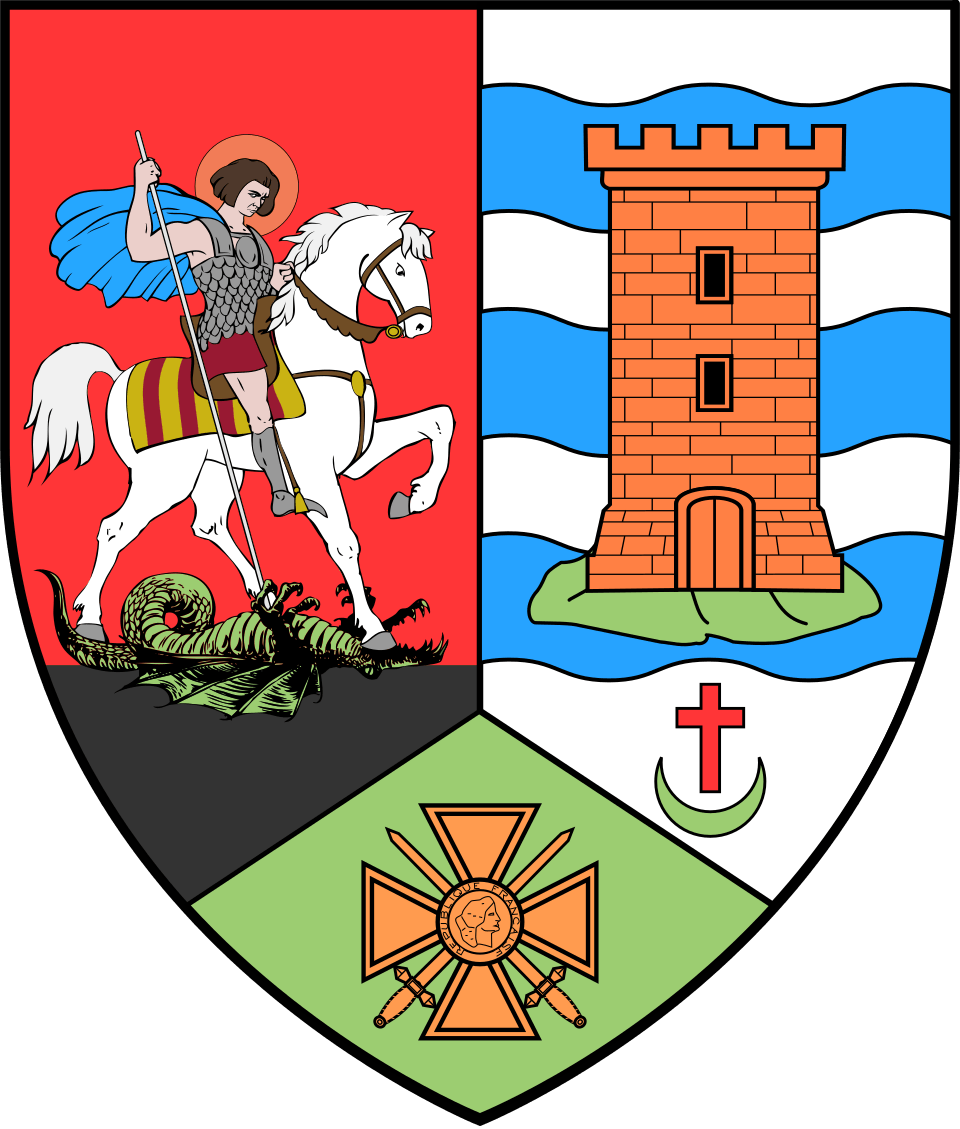
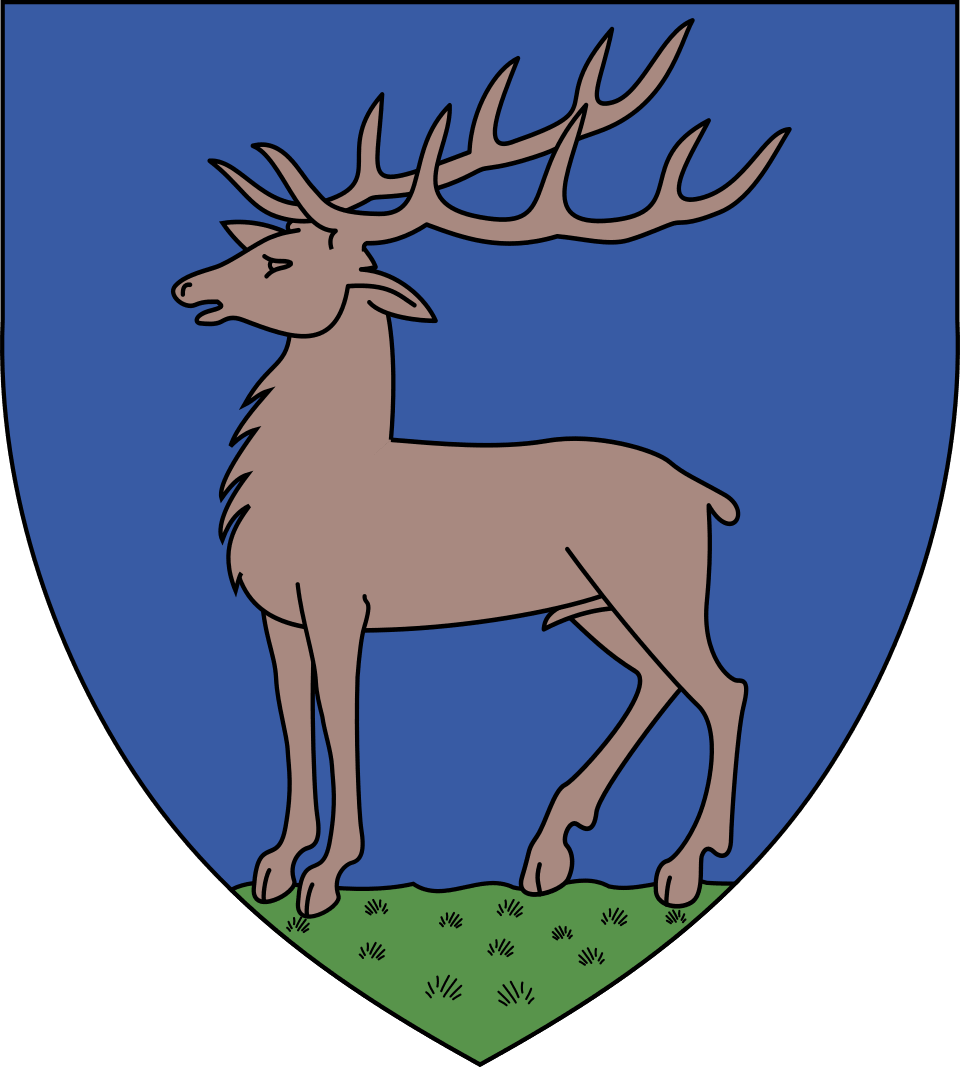
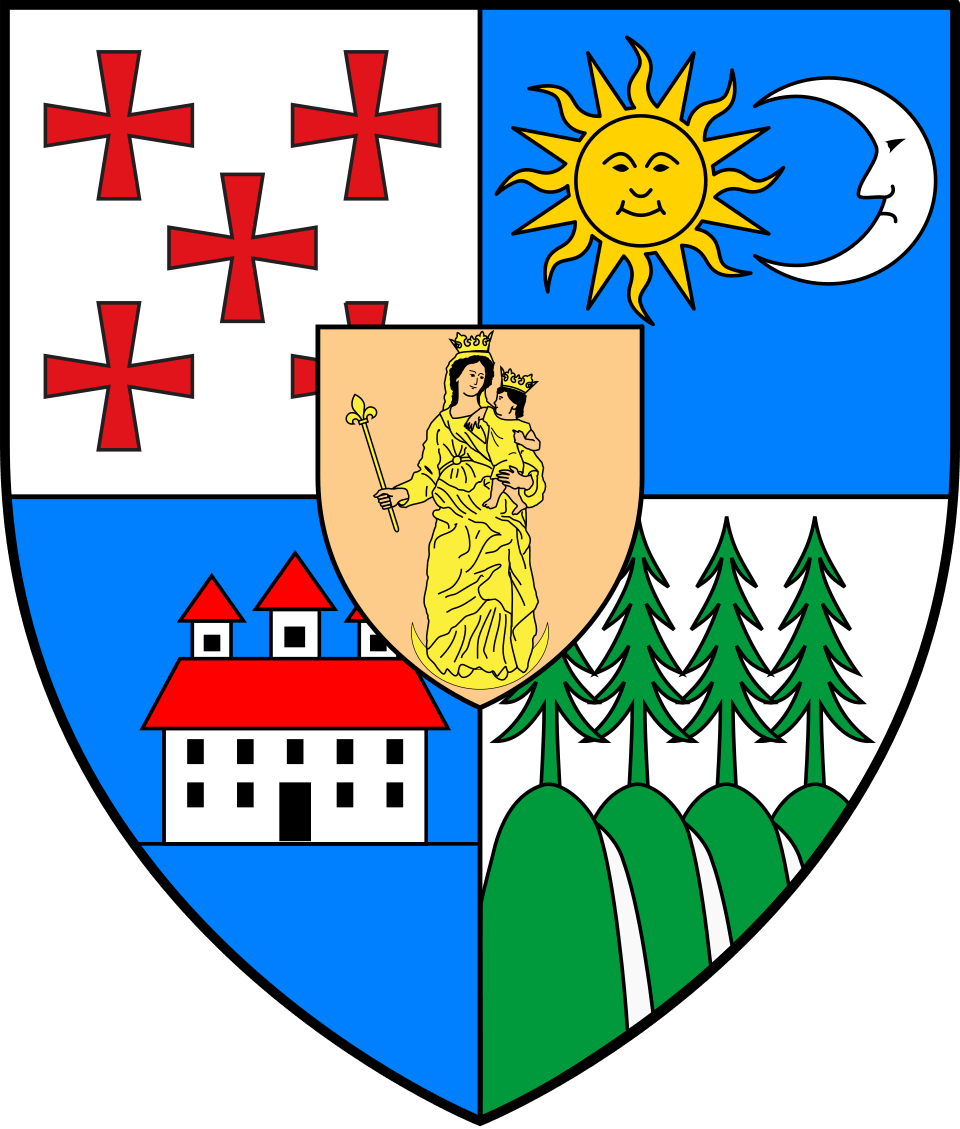
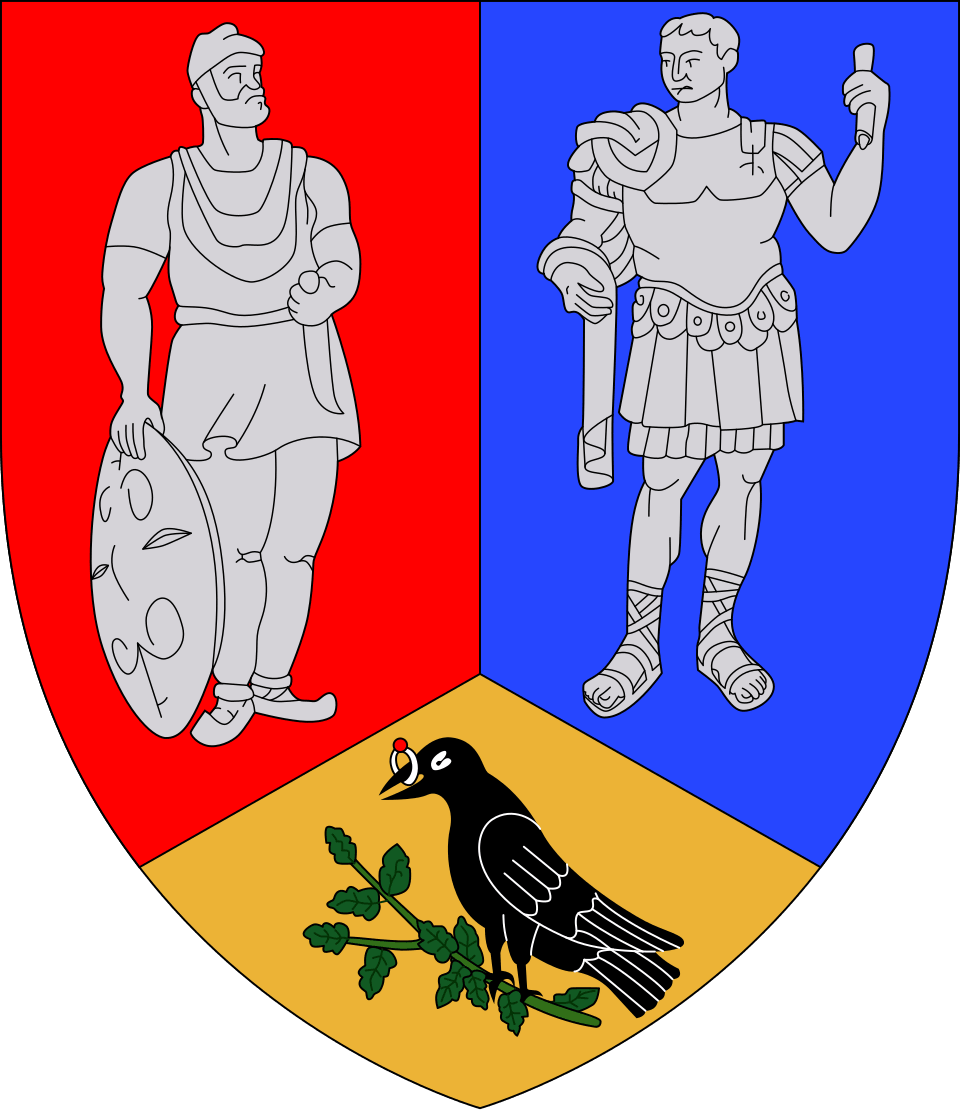
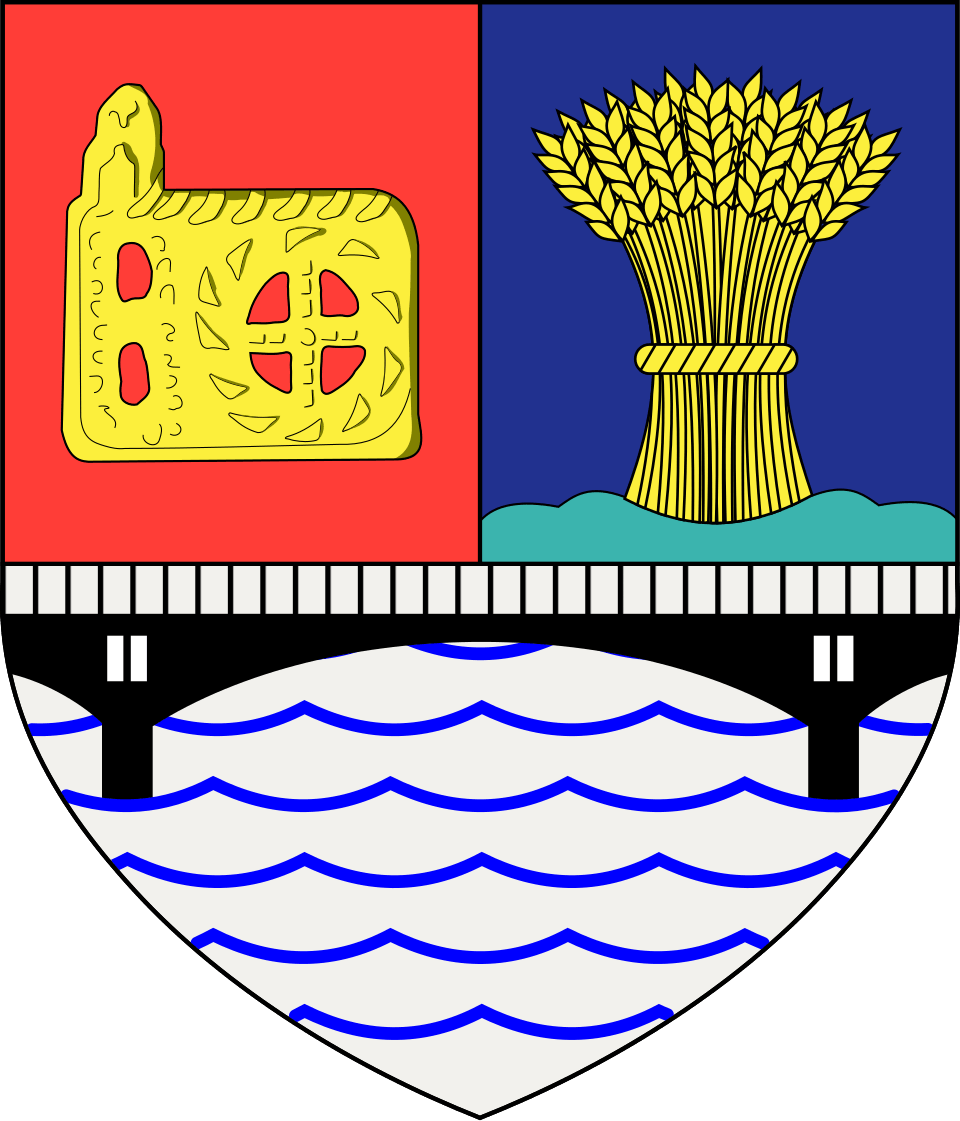
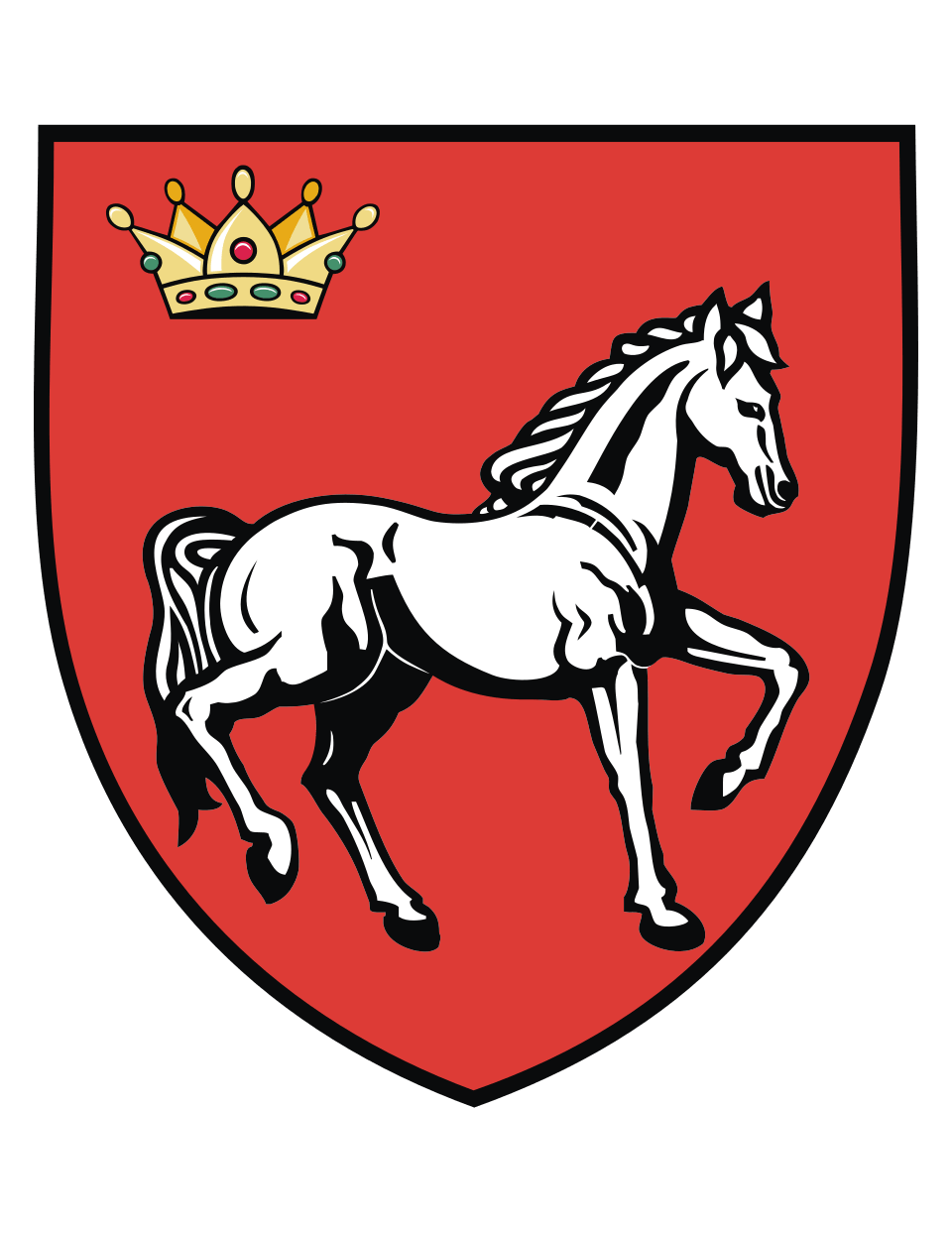
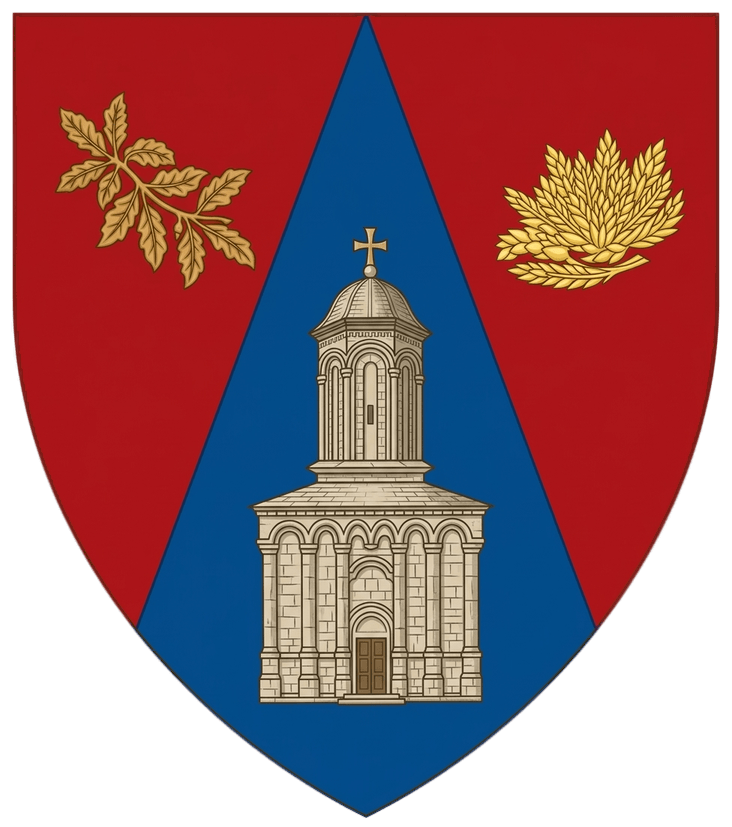
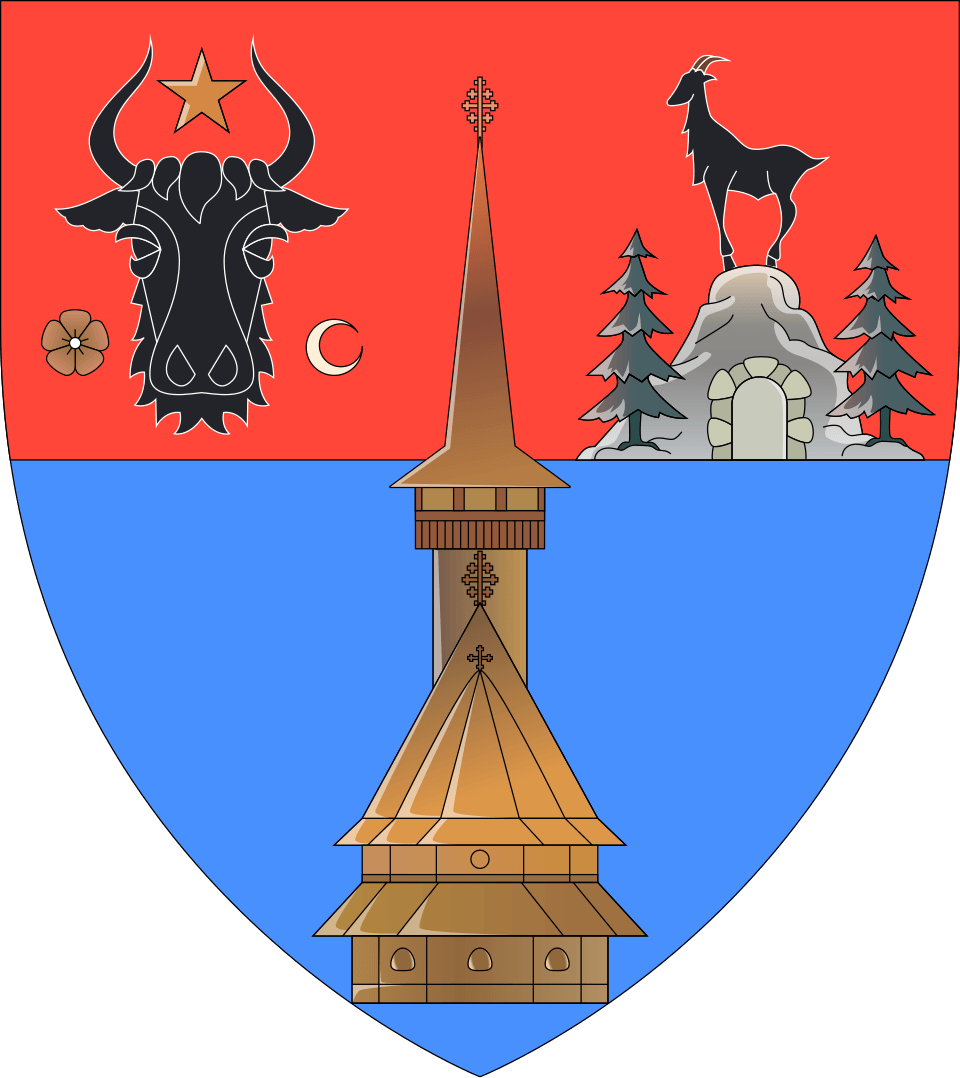
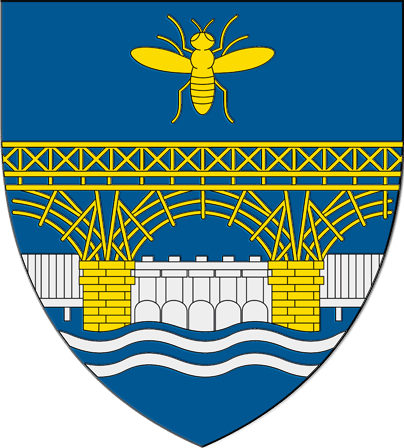
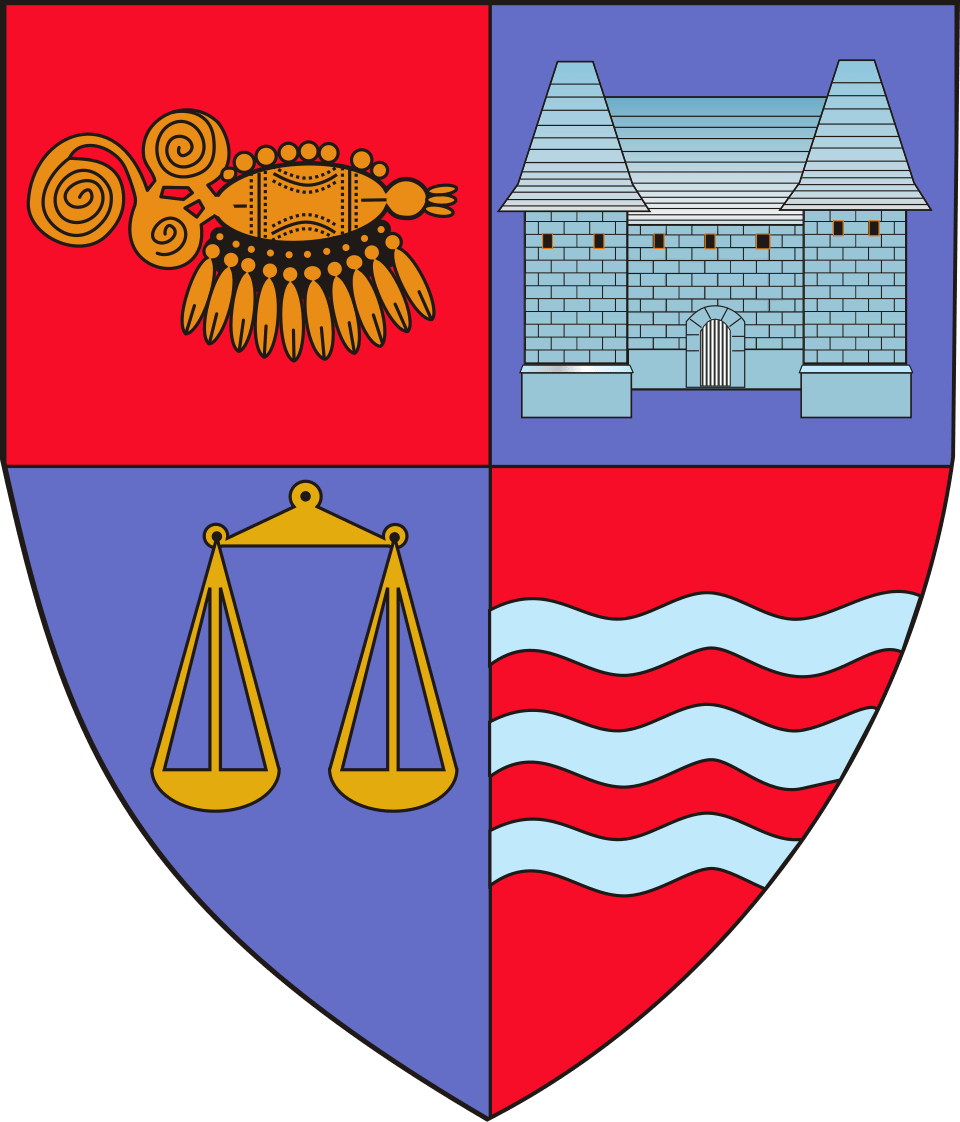
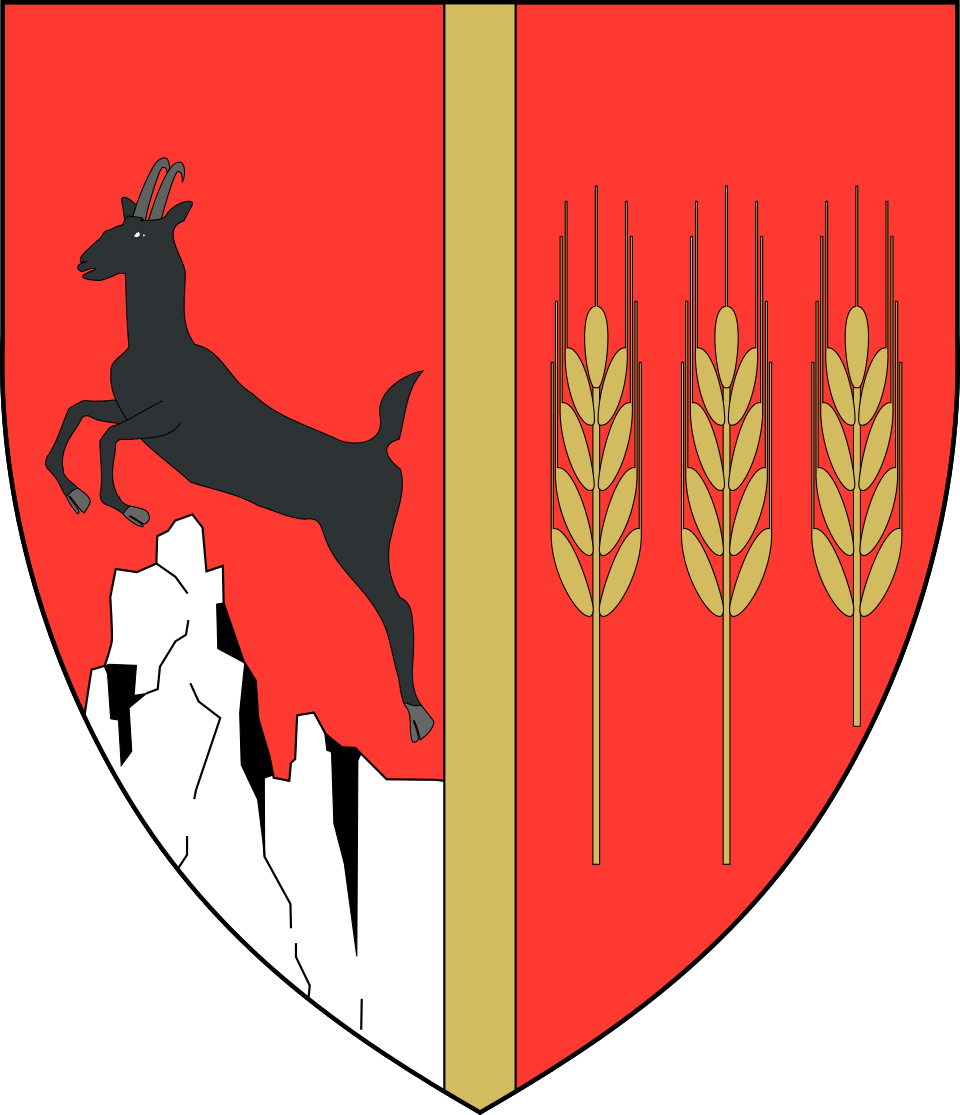
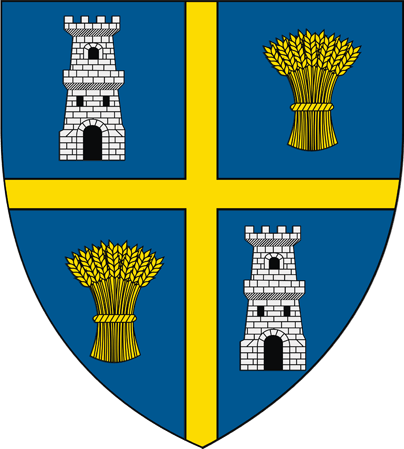
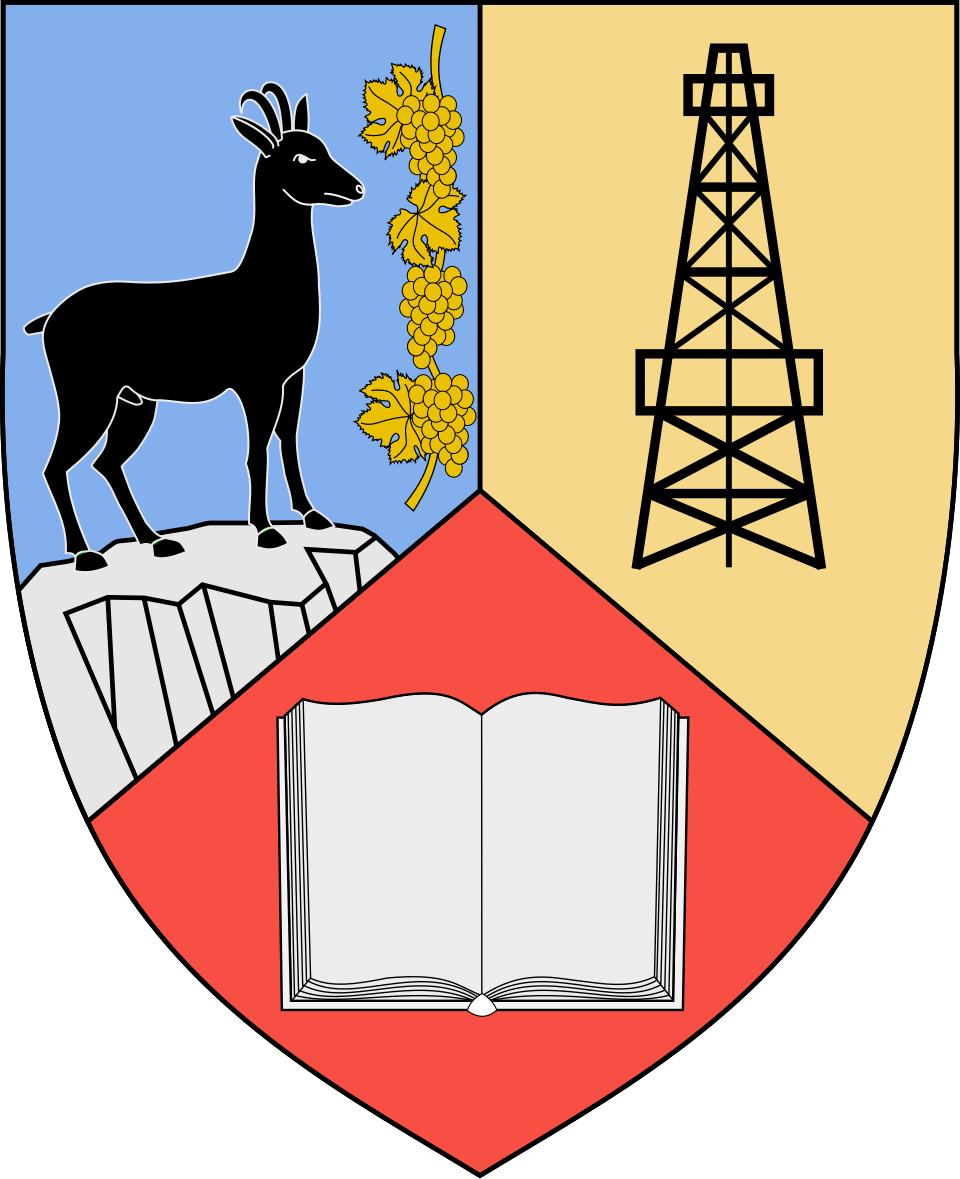
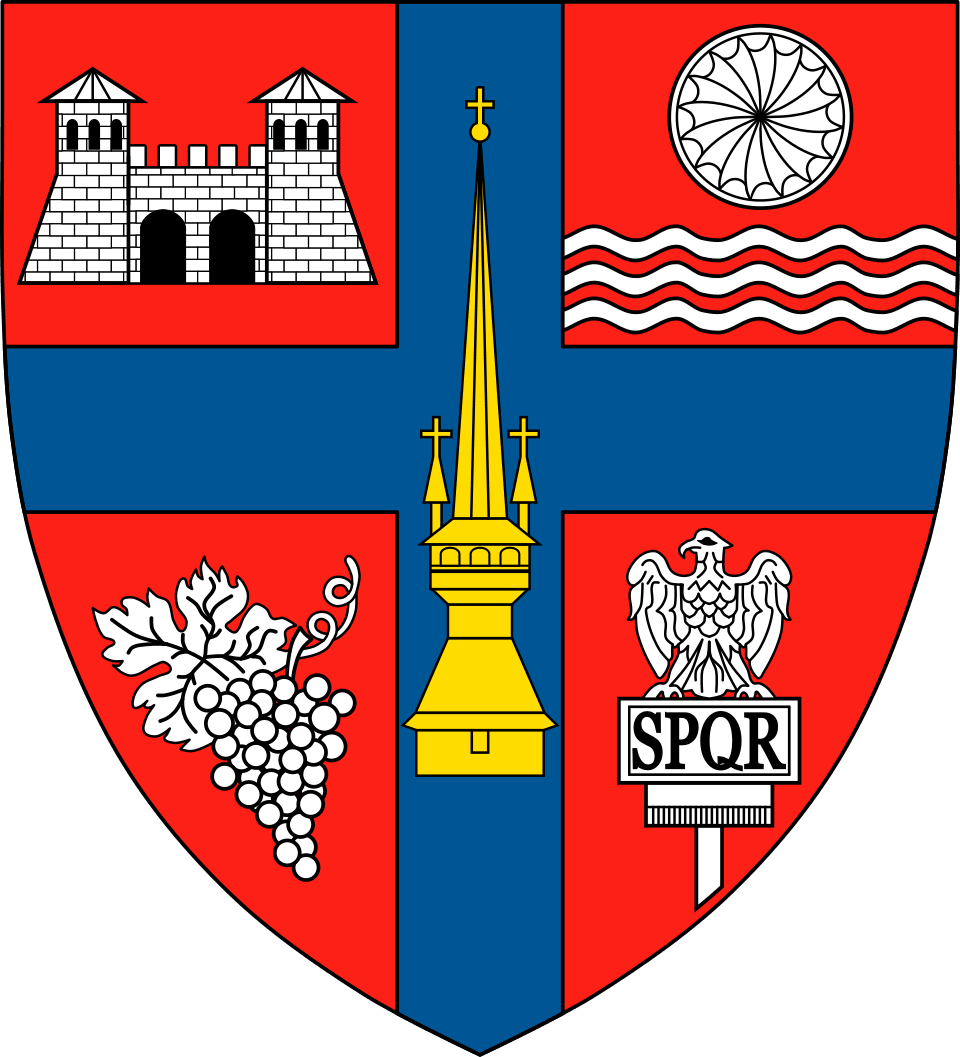
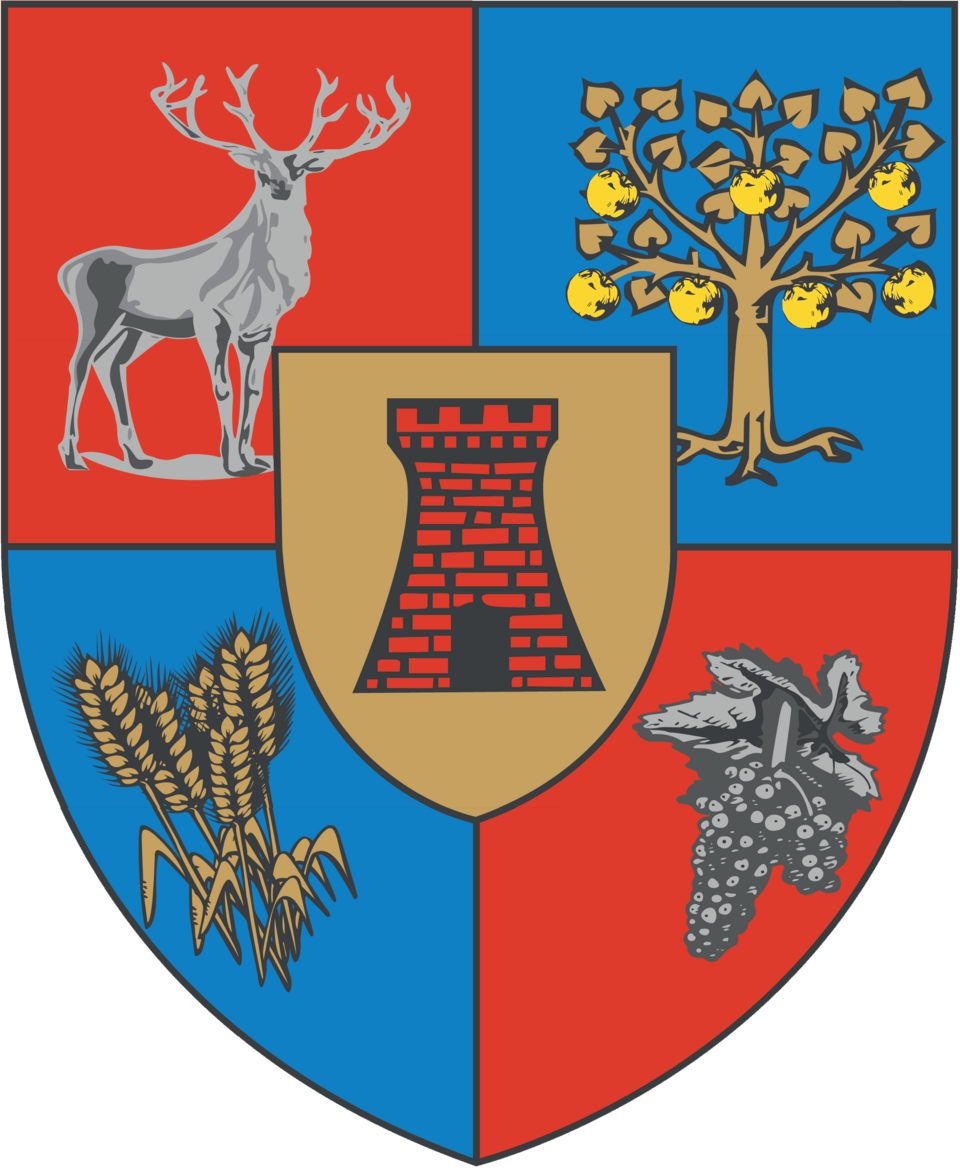
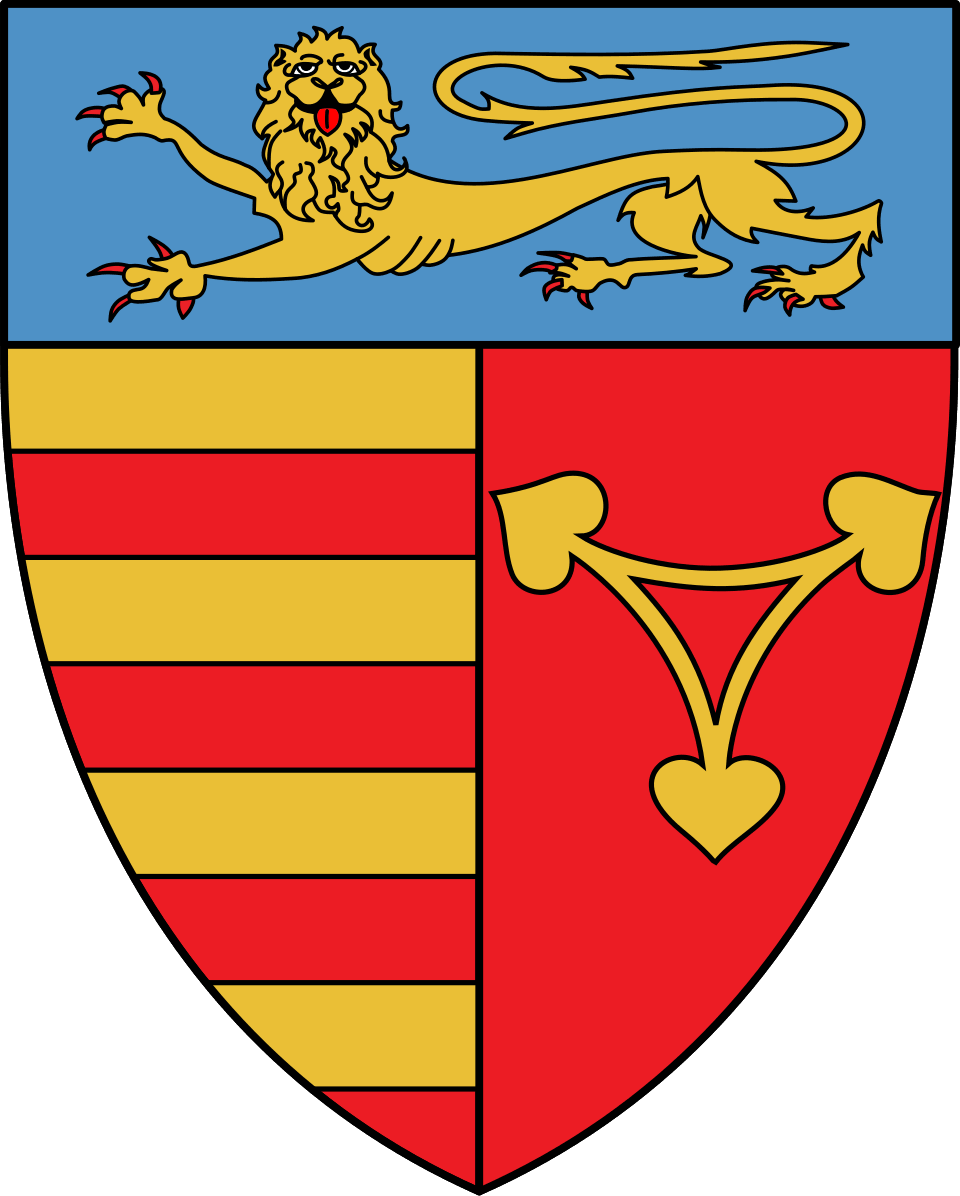
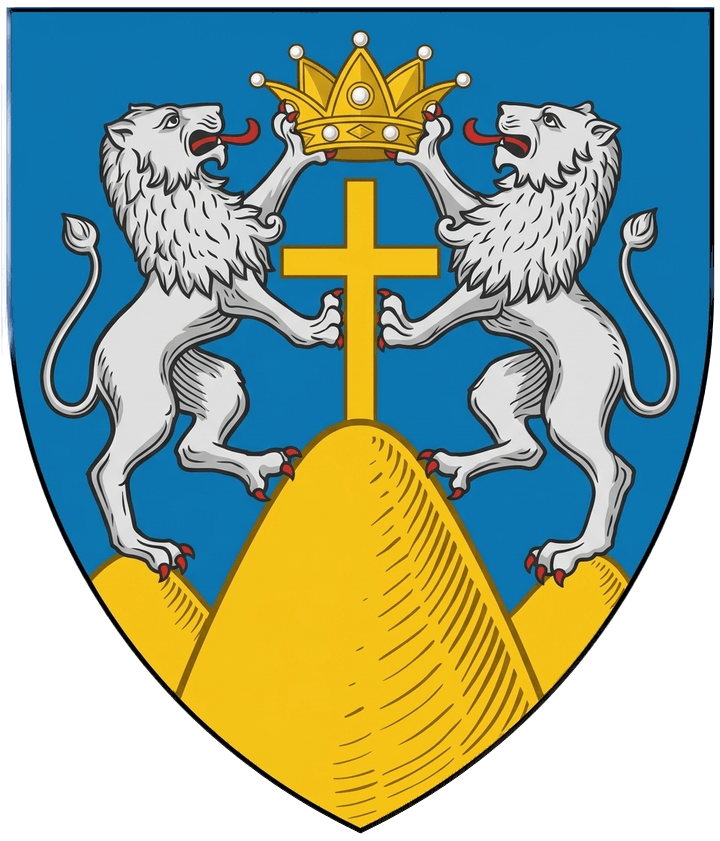
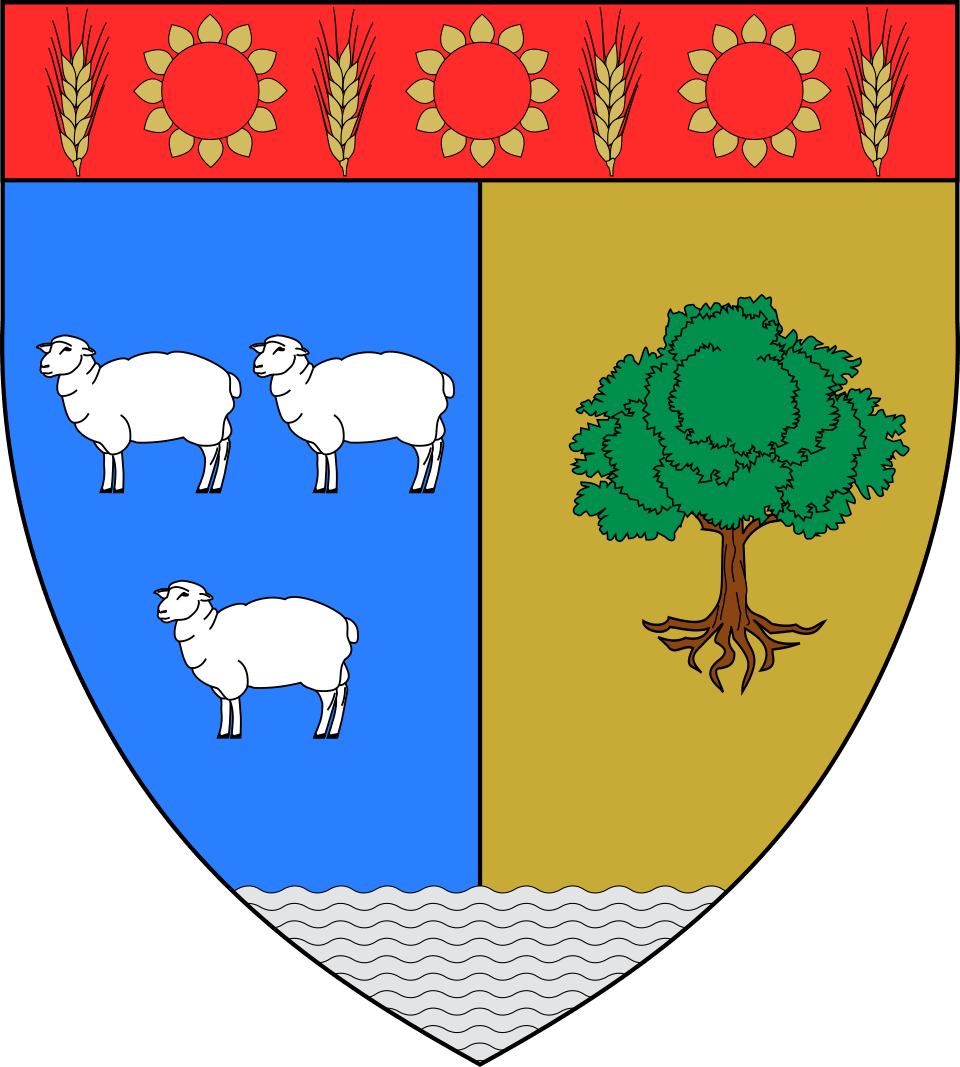
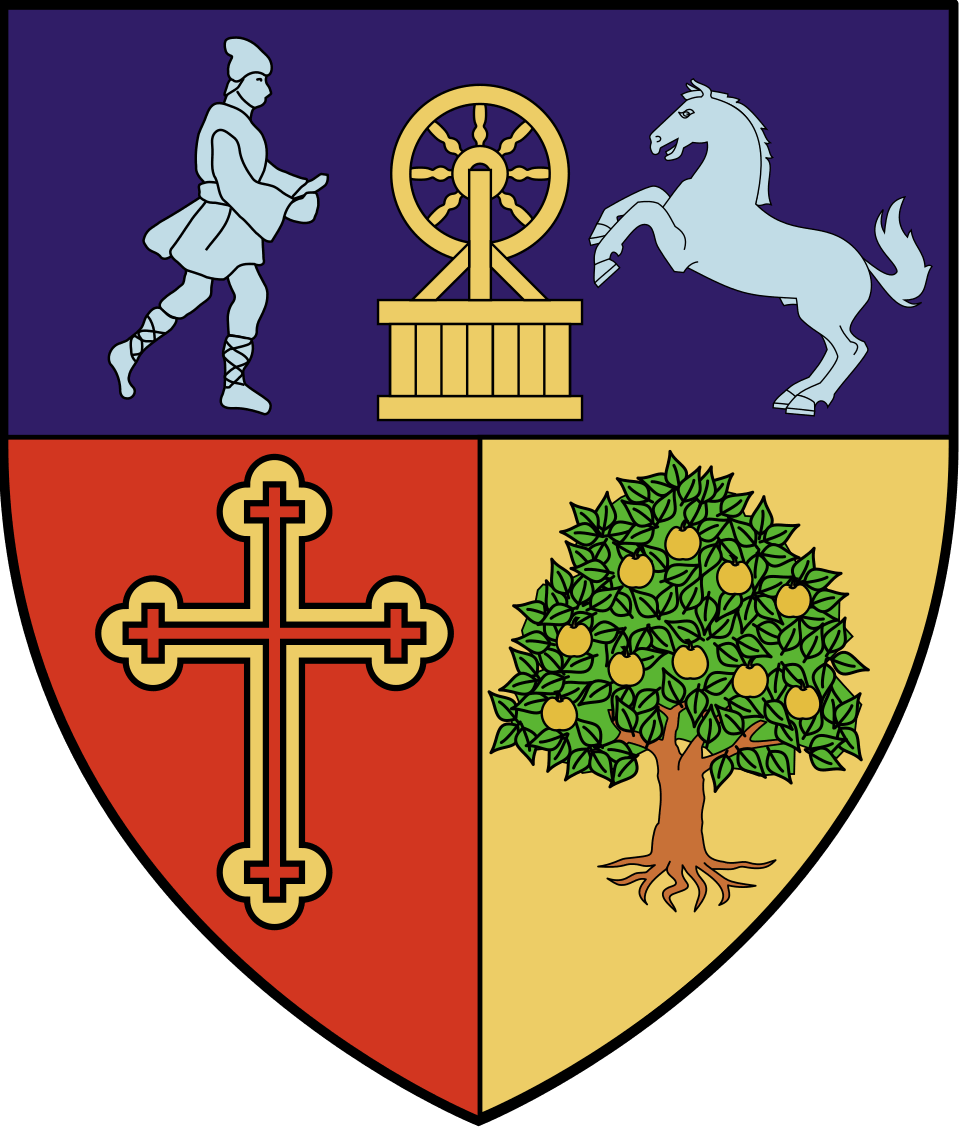
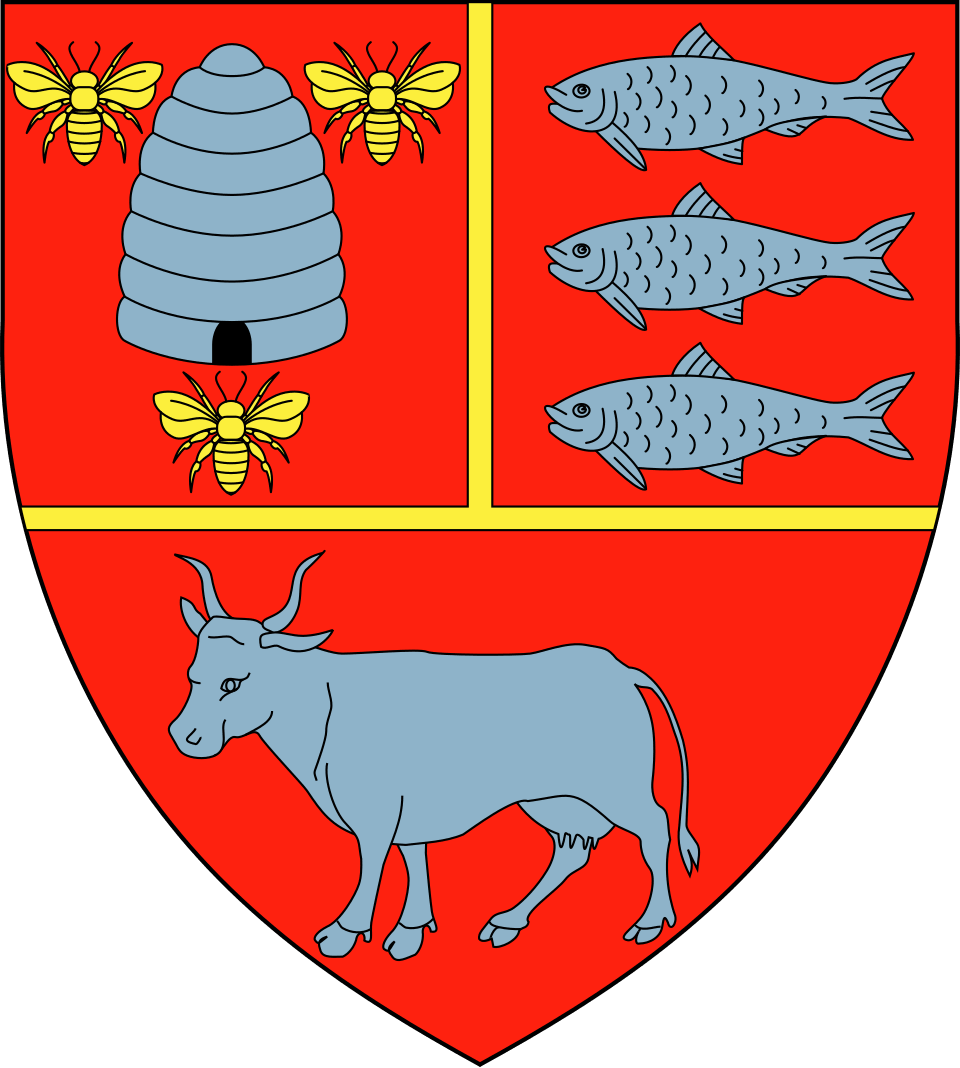
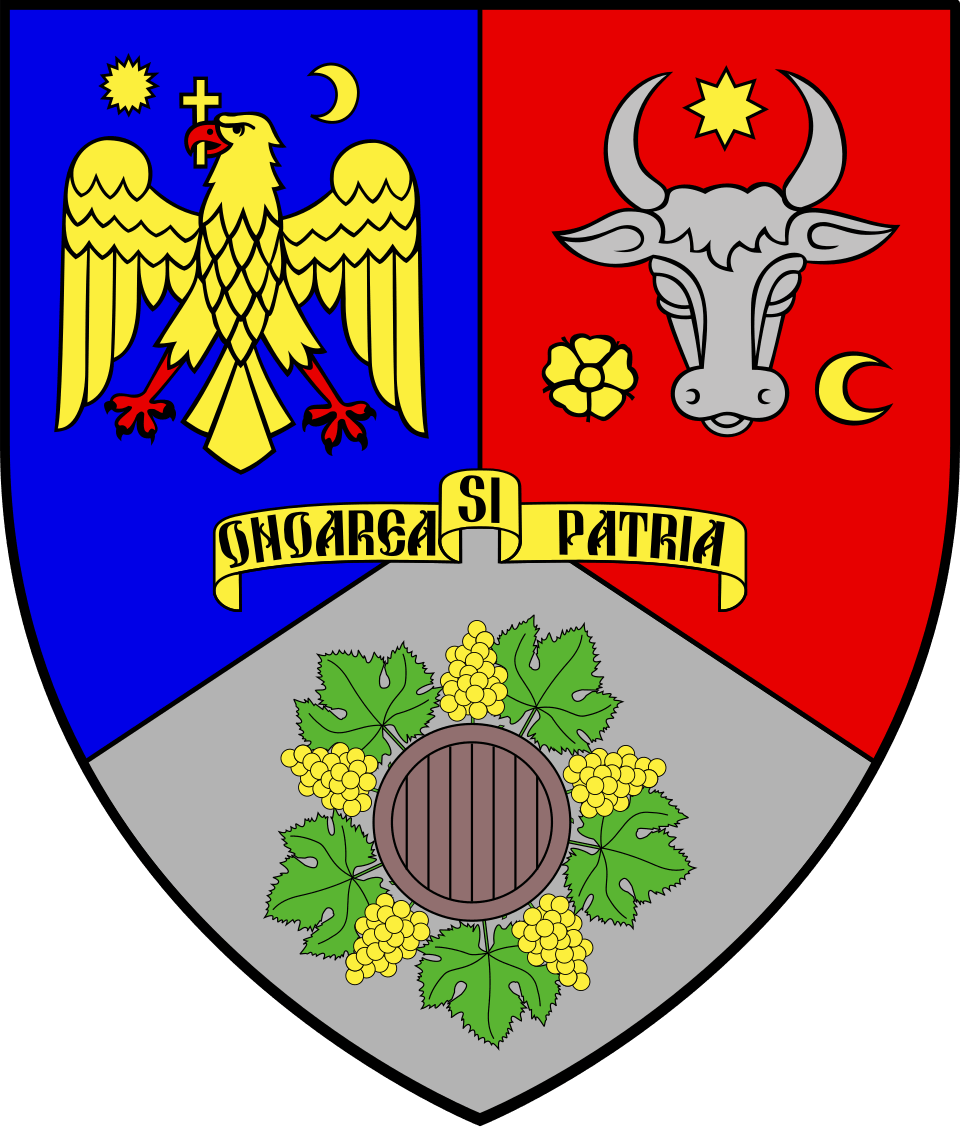
Today, Romania’s 42 judeþe (counties) and the municipality of Bucureşti each bear official coats of arms, many of which incorporate historic provincial charges. The Comisia Naþionalã de Heraldicã (National Heraldic Commission), established in 2002, advises on the grant and registration of arms for administrative units.
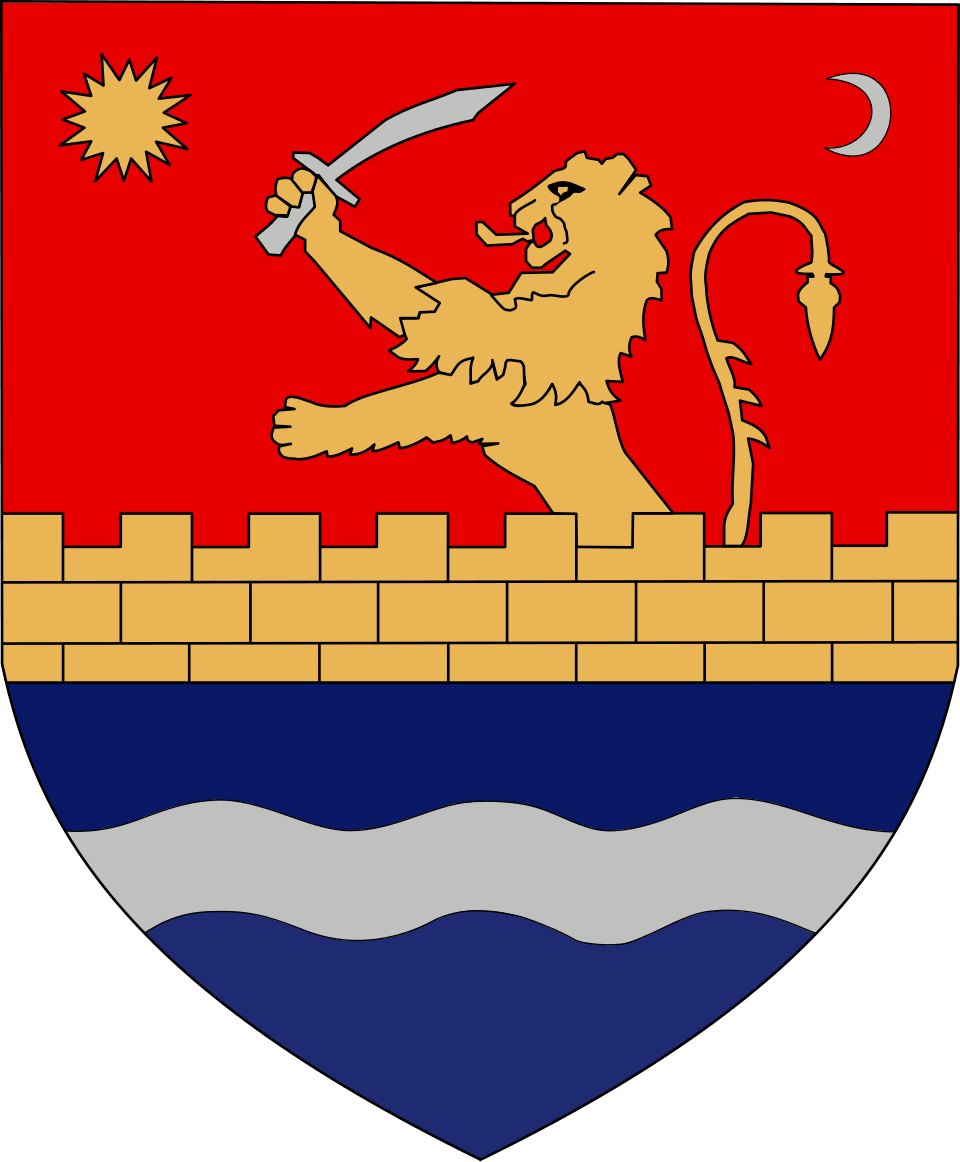
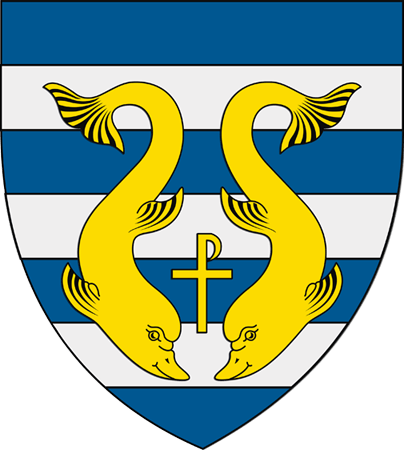
The shield on the eagle’s chest is divided into five fields, each representing a historic Romanian province: Wallachia (golden eagle), Moldavia (aurochs head with star), Banat and Oltenia (lion on a bridge over the Danube), Transylvania (eagle, sun, moon, and seven towers), and Dobrogea (two dolphins). Together they symbolise the territorial unity of modern Romania.
On 11 July 2016, Romania augmented its coat of arms with a representation of the Steel Crown, the crown of King Carol I forged from steel captured at the Battle of Plevna (1877). The addition honours Romania’s royal period (1881–1947) and the Steel Crown’s role as a symbol of national sovereignty and sacrifice in the War of Independence.
The blue, yellow, and red vertical bands carry the symbolic meaning assigned during the 1848 Revolution: Liberty (sky-blue), Justice (field yellow), and Fraternity (blood red). The three colours also appeared on late 16th-century royal grants of Mihai Viteazul (Michael the Brave) and were used by the principalities of Wallachia, Moldavia, and Transylvania.
The tricolour was adopted as Wallachia’s national flag on 26 June 1848, during the Wallachian Revolution. Decree 252 of 13/25 July 1848 specified vertical stripes of dark blue, light yellow, and carmine red. Article 124 of the 1866 Constitution formalised the blue-yellow-red order for the United Principalities.
The coat of arms is based on the lesser arms of the interwar Kingdom, designed in 1921 by Transylvanian Hungarian heraldist József Sebestyén from Cluj at the request of King Ferdinand I. It was later redesigned by Victor Dima and adopted by Parliament on 10 September 1992. The Steel Crown was added on 11 July 2016.
Explore the coat of arms of each of Romania’s 41 judeþe (counties) and the municipality of Bucureşti.
Last reviewed by the Emblema Mundi editorial team on 2026-06-22.