Country
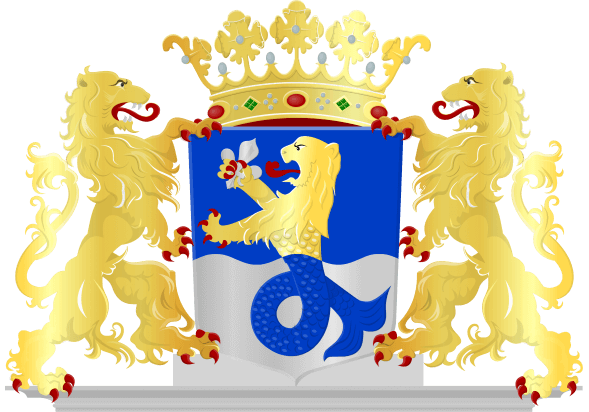
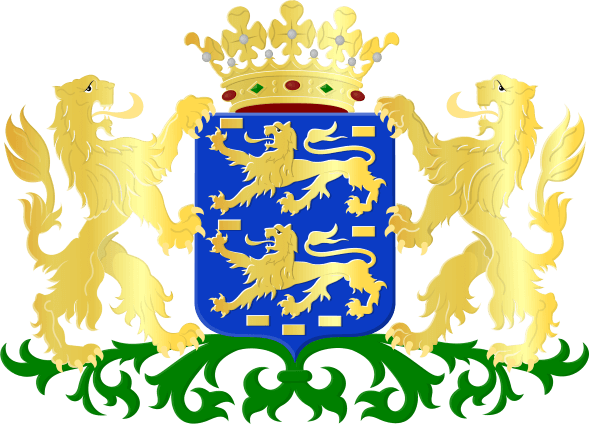
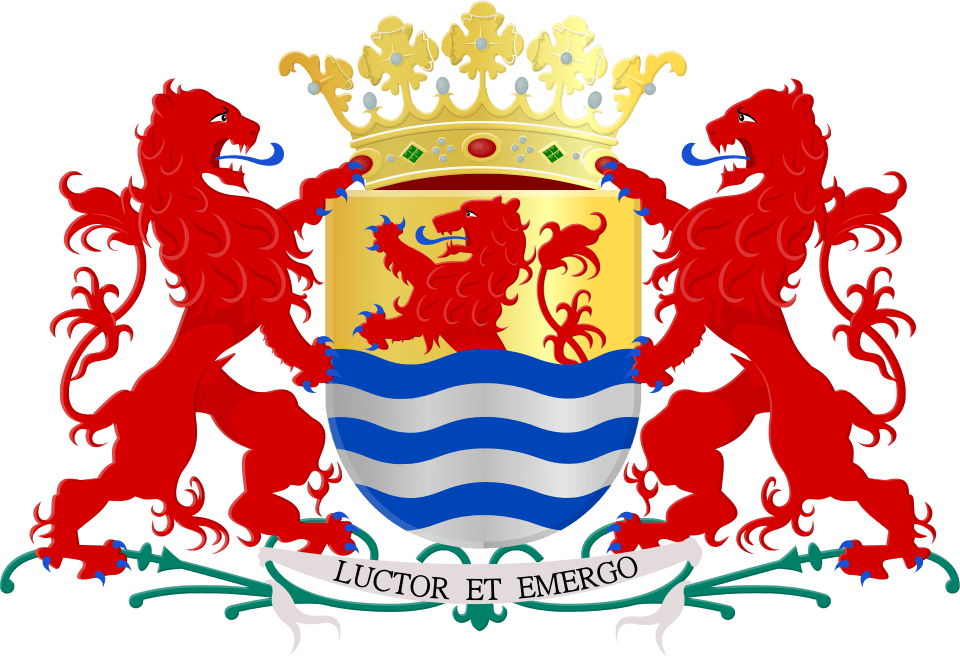
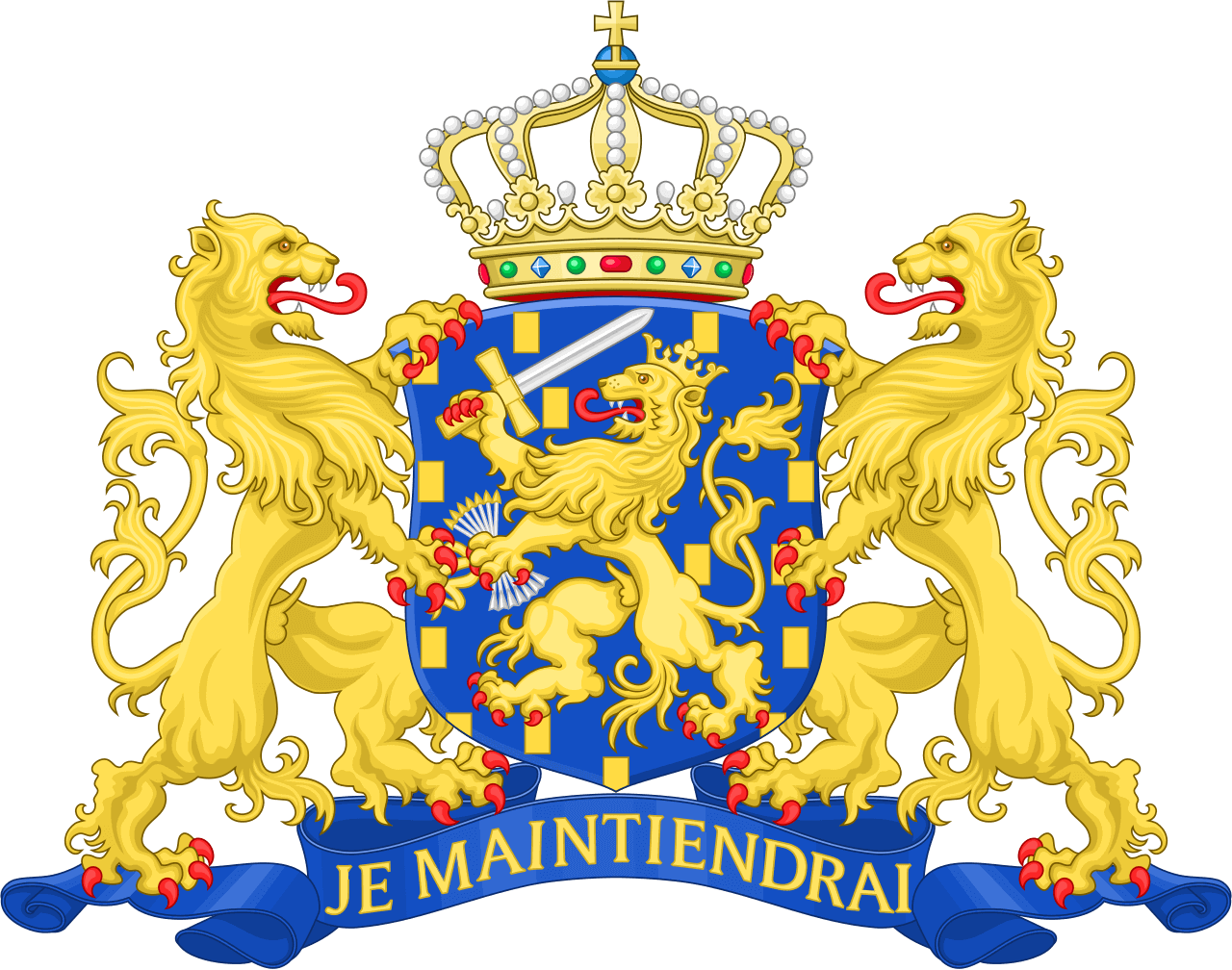
The Netherlands flies the oldest tricolour in continuous use and bears a coat of arms that fuses two centuries of republican and royal heritage. The Nassau lion, crowned and rampant on a blue field strewn with gold billets, grips a sword of determination and seven arrows — one for each province of the Union of Utrecht (1579). Below the shield, the motto Je Maintiendrai (“I shall maintain”) proclaims the resolve of the House of Orange-Nassau. The flag itself evolved from the orange-white-blue Prinsenvlag of Willem van Oranje into the red-white-blue Statenvlag that would inspire the flags of Russia, France, and dozens of nations beyond. Beneath this national identity, 12 provinces — from Friesland’s pompeblêden to Zeeland’s half-drowned lion — carry some of the richest provincial heraldry in Europe.
Flag
Not available
Coat of Arms
Not available
| Official name | Koninkrijk der Nederlanden |
|---|---|
| Coat of arms | Nassau lion with sword & seven arrows, royal crown, two lion supporters |
| Blazon | Azure billetty Or, a lion rampant Or crowned, armed and langued Gules, holding a sword Argent hilted Or and seven arrows Argent bound Or |
| Arms adopted | 1815 (Willem I); current form regulated 10 July 1907 |
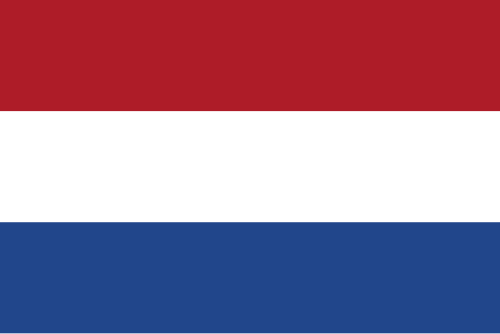
| National flag | Horizontal tricolour — red, white, blue |
| Flag confirmed | 19 February 1937 (royal decree) |
| Motto | Je Maintiendrai (“I shall maintain”) |
| Capital | Amsterdam (constitutional) / Den Haag (seat of government) |
| Head of State | Willem-Alexander (since 2013) |
| Provinces | 12 |
Coat of Arms of the Netherlands — Azure billetty Or, a lion rampant Or, sword and seven arrows
The royal coat of arms of the Kingdom of the Netherlands merges the heraldic traditions of two eras: the Dutch Republic (1581–1795) and the House of Orange-Nassau. Its full blazon reads:
Azure billetty Or, a lion rampant Or crowned of the same, armed and langued Gules, holding in dexter paw a sword Argent hilted Or, and in sinister paw seven arrows Argent pointed and bound together Or.
When Willem I became the first king of the United Kingdom of the Netherlands after the Congress of Vienna in 1815, he combined the Republic’s lion-with-sword-and-arrows with his family’s Nassau heraldry. The current version was regulated by Queen Wilhelmina in a royal decree of 10 July 1907 and reaffirmed by Queen Juliana on 23 April 1980. The monarch uses a full achievement with a royal mantle; the government uses a smaller version without the mantle.
Flag of the Netherlands — The oldest tricolour in continuous use
The Dutch flag — a horizontal tricolour of red, white, and blue — is the oldest tricolour in continuous use, and one of the most influential flags in world history.
The original flag was the Prinsenvlag (Prince’s Flag): orange, white, and blue, honouring Willem van Oranje (William the Silent, 1533–1584), leader of the Dutch Revolt against Spain. Willem is recorded using these colours as early as 1577, during his procession entering Ghent. The orange-white-blue flew over the Republic during its formative decades.
Red gradually replaced orange during the mid-17th century. The reasons were both practical and political: the orange dye was unstable and faded to red over time, and the shift also signalled growing republican dissociation from the House of Orange. The new Statenvlag (“States’ Flag”) was named as such in 1664 and became the naval flag of the States-General.
During the 1920s and 1930s, the old Prinsenvlag enjoyed a revival among Orangists and nationalist movements, creating confusion. To settle the matter, the red-white-blue was officially confirmed as the national flag by royal decree on 19 February 1937.
The Dutch tricolour inspired the Russian flag adopted by Peter the Great after his visit to the Netherlands, and indirectly the French tricolore after 1789 — both of which in turn spawned dozens of derivative flags worldwide.
The Netherlands possesses one of the most active and well-documented heraldic traditions in Europe. The Hoge Raad van Adel (High Council of Nobility), established in 1814, serves as the advisory body on heraldic matters, reviewing grants of arms to municipalities, provinces, and water boards (waterschappen).
Dutch heraldry is distinguished by its civic richness: virtually every gemeente (municipality) bears a registered coat of arms, many dating to the Middle Ages. Characteristic features include the widespread use of wavy bars and fesses representing water and rivers, reflecting the country’s intimate relationship with the sea. The Nassau lion, the Bavarian lozenges (in Holland’s arms), and the Frisian eagle are among the most recognisable provincial charges.
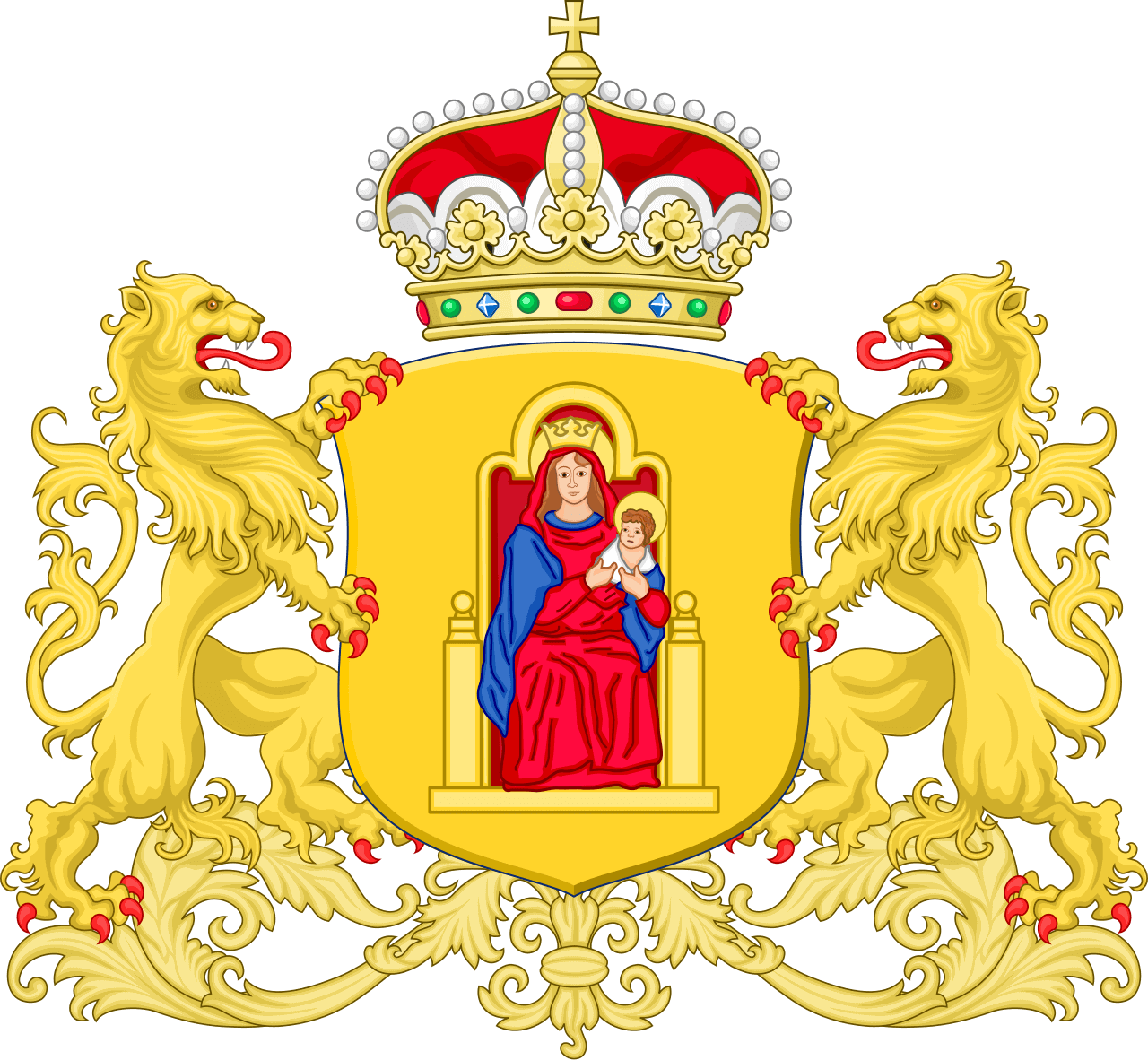
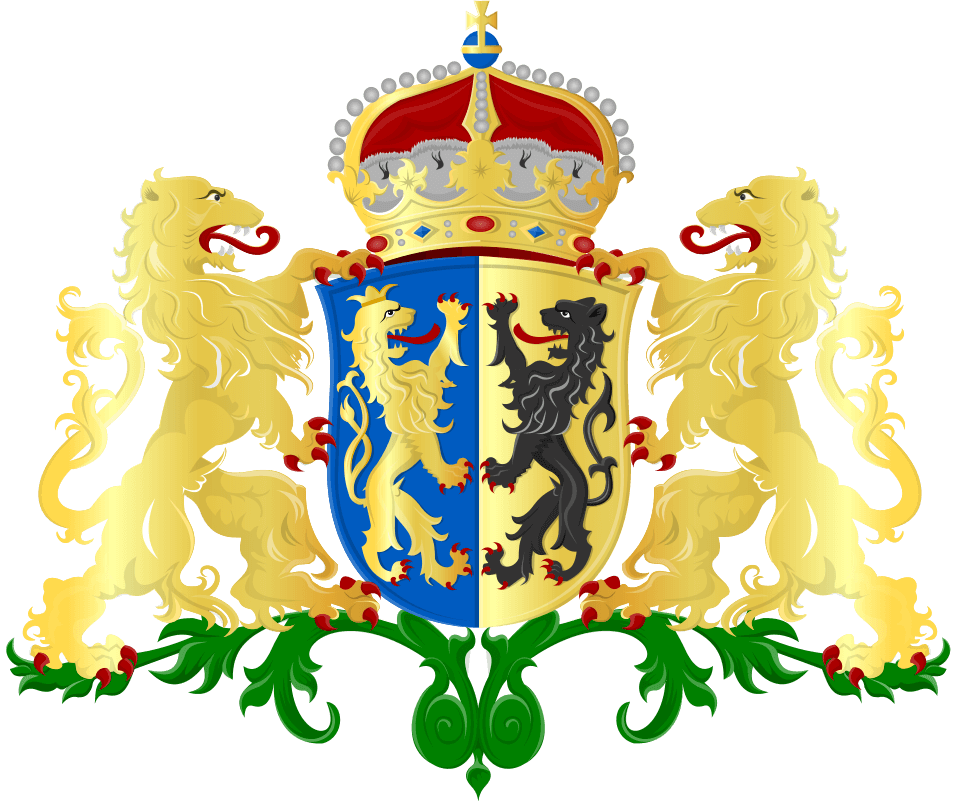
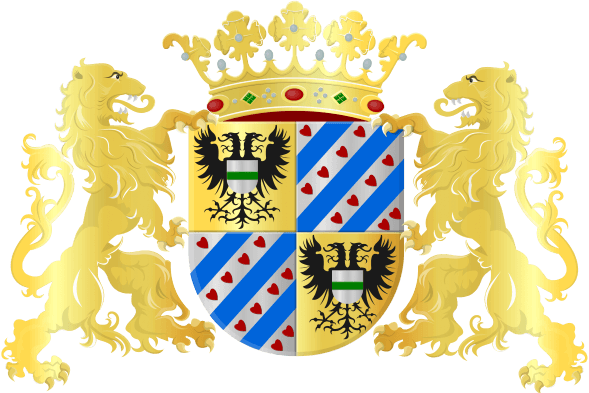
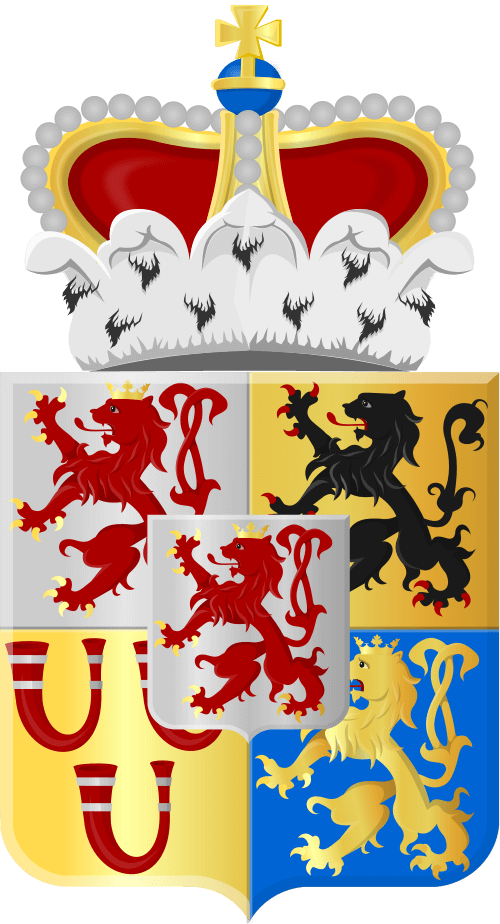
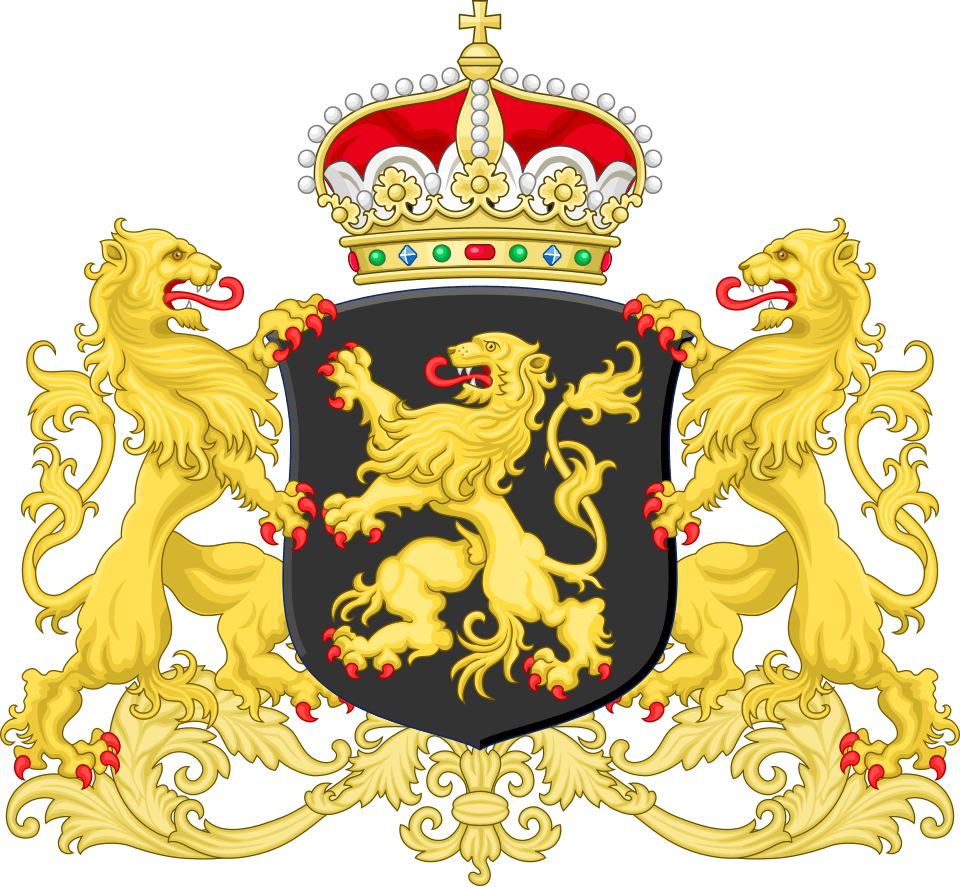
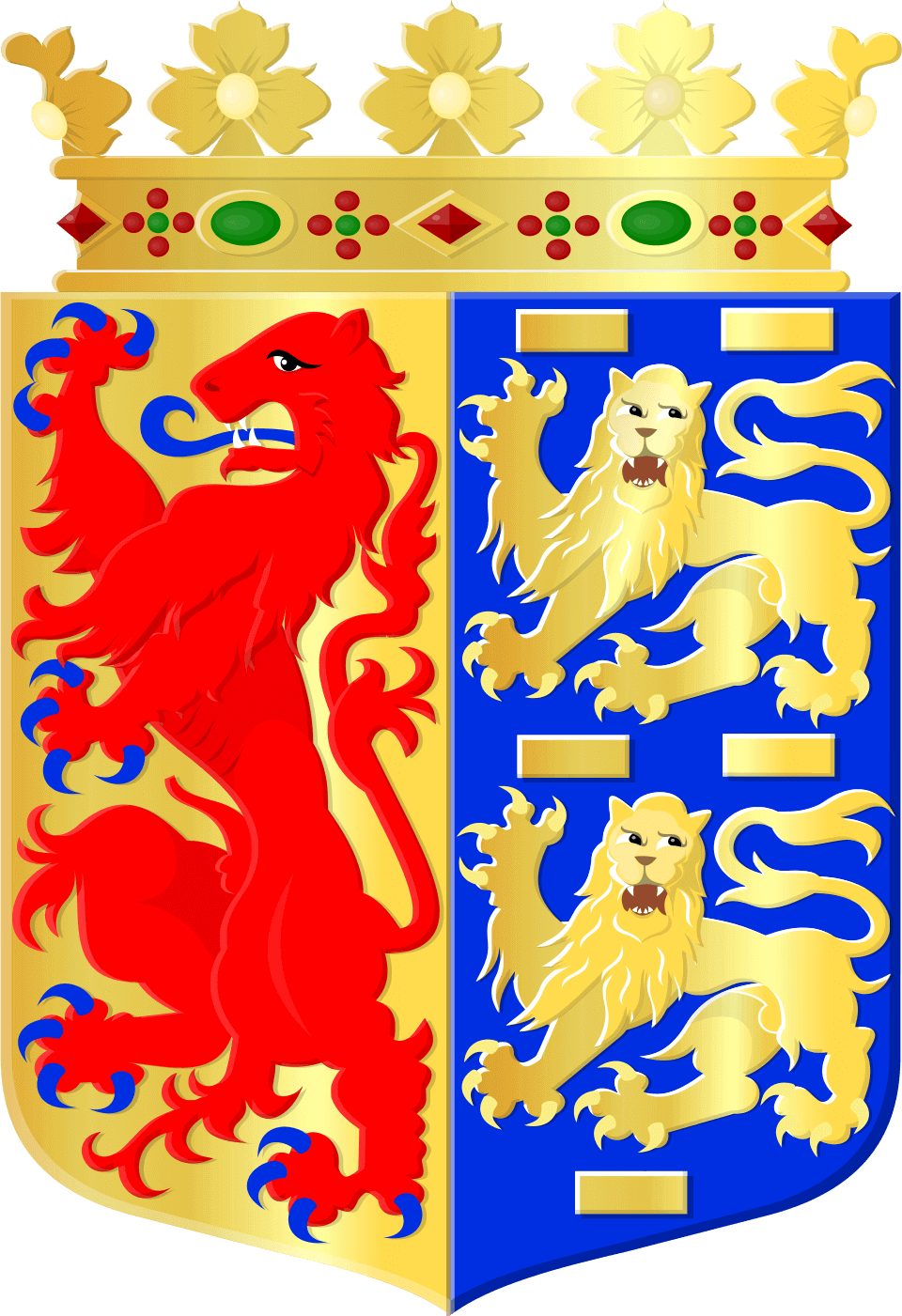
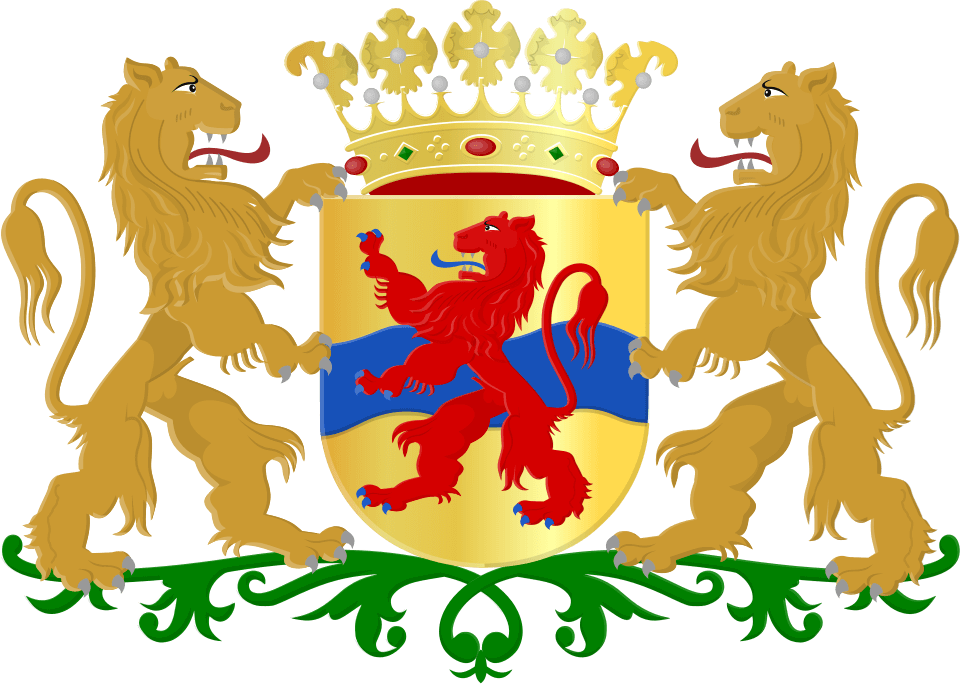
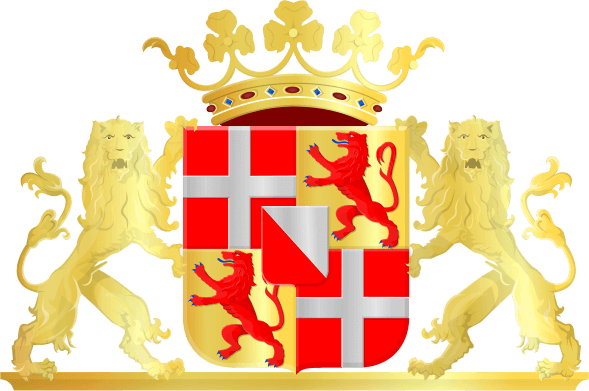
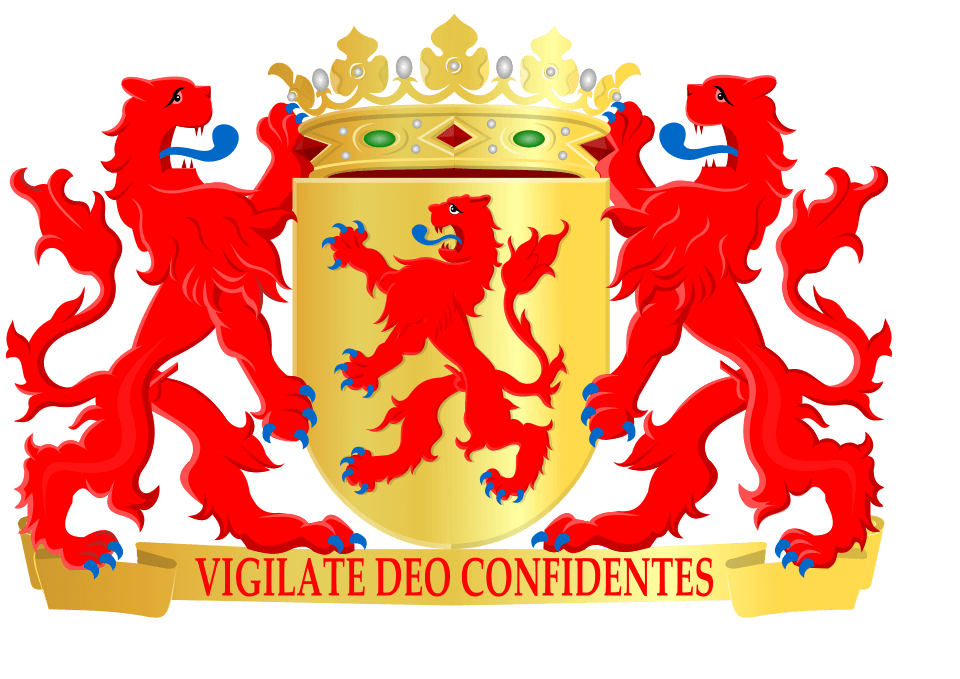
Provincial heraldry is remarkably diverse: from the rampant lion of Holland and Gelderland to the pompeblêden (water-lily leaves) of Friesland, each province maintains a distinct identity rooted in centuries of autonomy within the Republic and the Kingdom.
Each of the 12 Dutch provinces carries its own coat of arms, often among the oldest in continuous use in Europe. Here are eight notable examples:
The seven arrows represent the seven provinces that formed the Union of Utrecht in 1579, which became the Republic of the Seven United Netherlands. The arrows symbolise unity — bound together they cannot be broken — while the sword in the lion’s other paw represents the determination to defend liberty.
The original Prinsenvlag (Prince’s Flag) was orange-white-blue, honouring Willem van Oranje. Red gradually replaced orange between the 1630s and 1660s, partly because the orange dye was unstable and faded to red, and partly as a political statement of growing republican independence from the House of Orange. The red-white-blue was officially confirmed by royal decree on 19 February 1937.
Je Maintiendrai is French for “I shall maintain”. It is the motto of the House of Orange-Nassau and of the Netherlands, inscribed on a blue scroll beneath the royal coat of arms. It expresses the determination of the Dutch sovereign — and by extension the nation — to uphold its values and independence.
Yes. The Dutch flag is the oldest tricolour in continuous use, originating as the orange-white-blue Prinsenvlag in the late 16th century and evolving into the red-white-blue Statenvlag by the mid-17th century. It inspired the Russian flag adopted by Peter the Great and, indirectly, the French tricolore after the Revolution of 1789.
The royal coat of arms was adopted in 1815 by King Willem I after the Congress of Vienna, combining elements of the Dutch Republic’s arms (the lion with sword and arrows) and the House of Nassau’s heraldry. The current version was regulated by Queen Wilhelmina in a royal decree of 10 July 1907 and reaffirmed by Queen Juliana on 23 April 1980.
Explore the coat of arms of each of the 12 Dutch provinces.
Last reviewed by the Emblema Mundi editorial team on 2026-06-22.