Cultural region · Six nations
The Celtic Nations — Flags and Emblems of the Six
The Celtic nations are the six lands of north-western Europe where a Celtic language has survived into modern times: Scotland (Alba), Wales (Cymru), Ireland (Éire), Brittany (Breizh), Cornwall (Kernow) and the Isle of Man (Mannin). Five look out on the Atlantic edge of the British Isles; one, Brittany, lies across the Channel in France. Each carries a flag and an emblem of its own — a saltire, a red dragon, a golden harp, an ermine field, a white cross on black, a triskelion — yet together they form one of the most recognisable families of symbols in Europe. This page gathers the six and links to the full emblem of each.
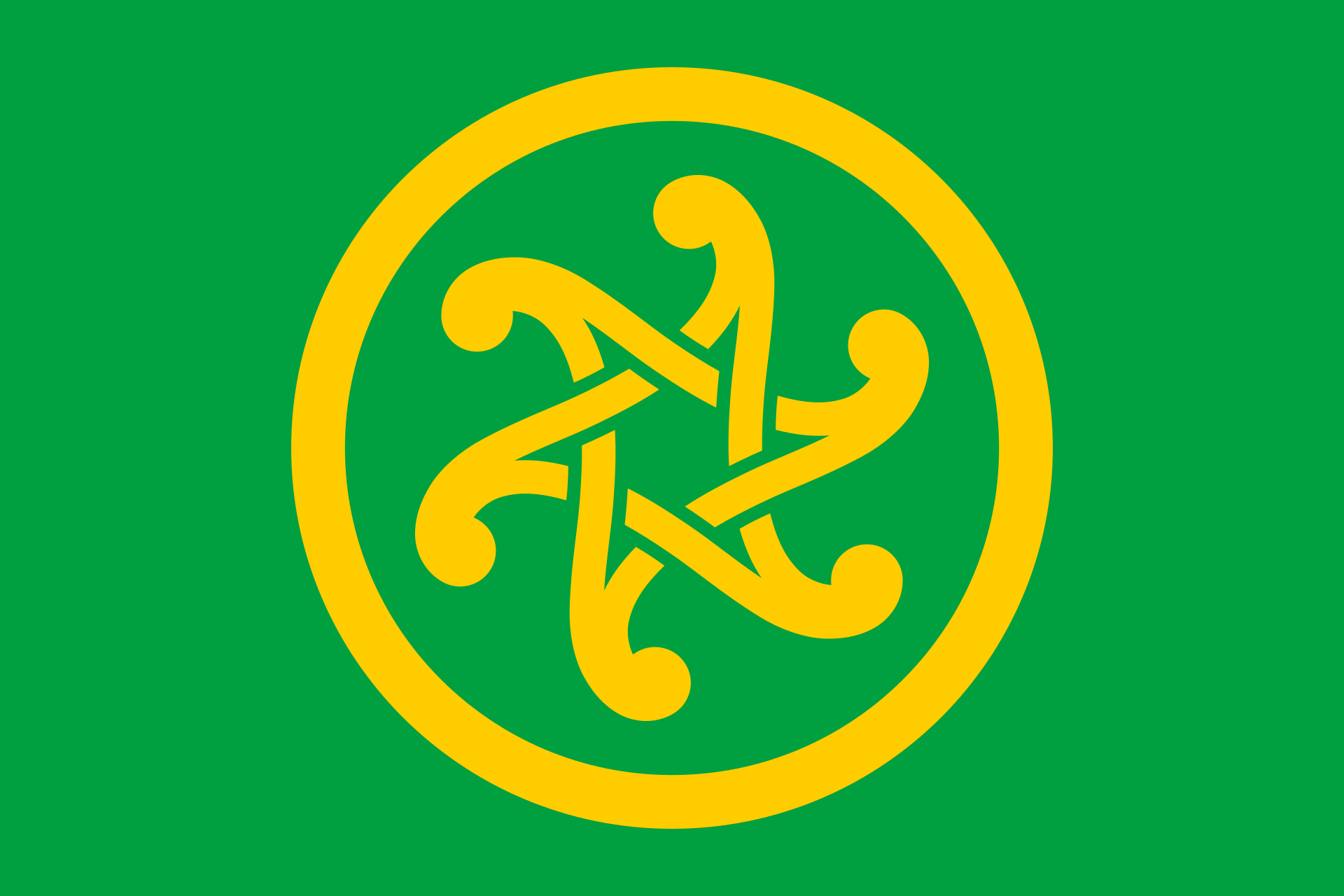
The Pan-Celtic Flag — a green field with two interlaced gold triskeles: one for the Gaelic nations (Scotland, Ireland, the Isle of Man), one for the Brittonic (Wales, Cornwall, Brittany). Designed by the Breton Robert Berthelier, c. 1950.
The Six at a Glance
| Nation | Native name | Language (branch) | Flag | Chief emblem |
|---|---|---|---|---|
| Scotland | Alba | Scottish Gaelic (Goidelic) | 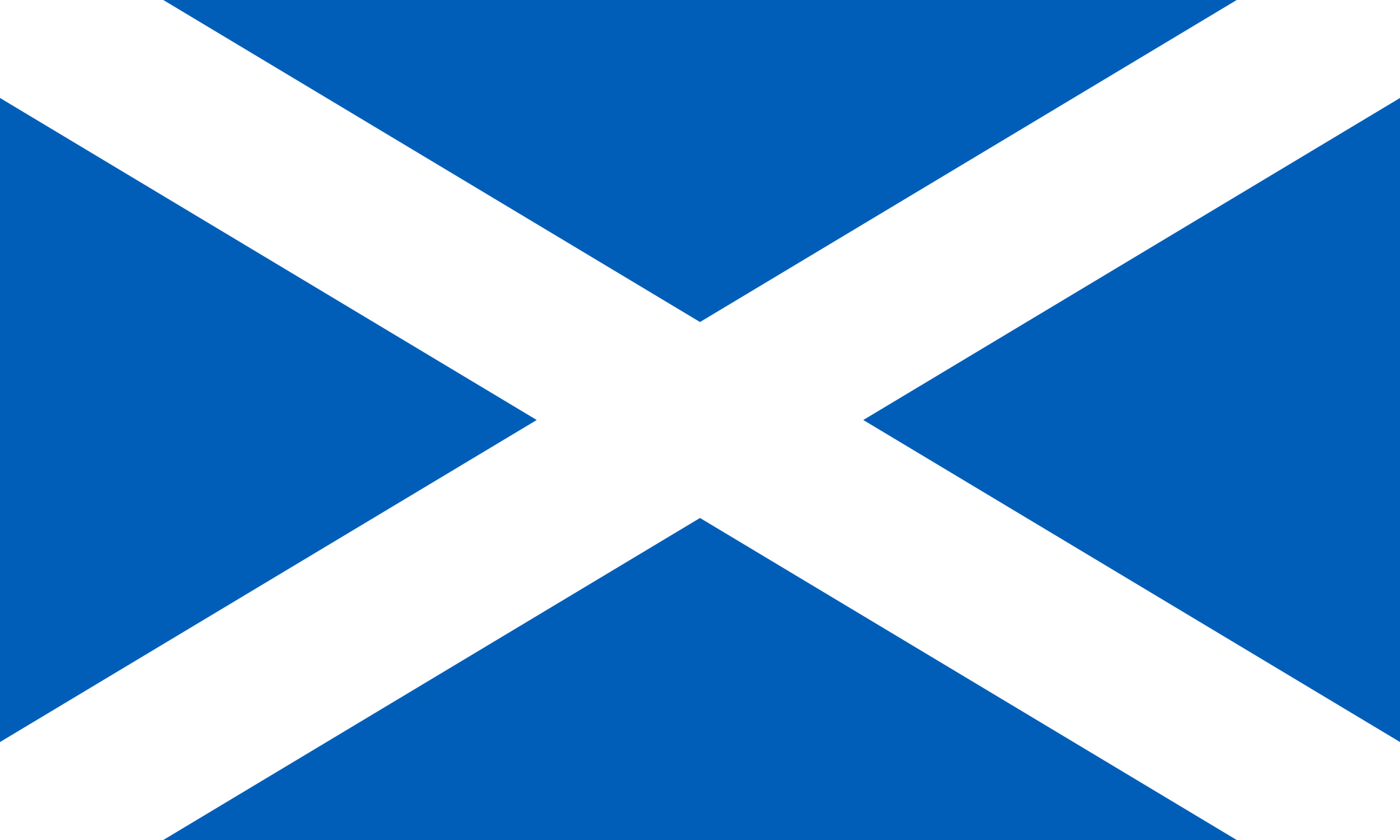 The Saltire (St Andrew’s cross) The Saltire (St Andrew’s cross) | Red lion rampant |
| Wales | Cymru | Welsh (Brittonic) | 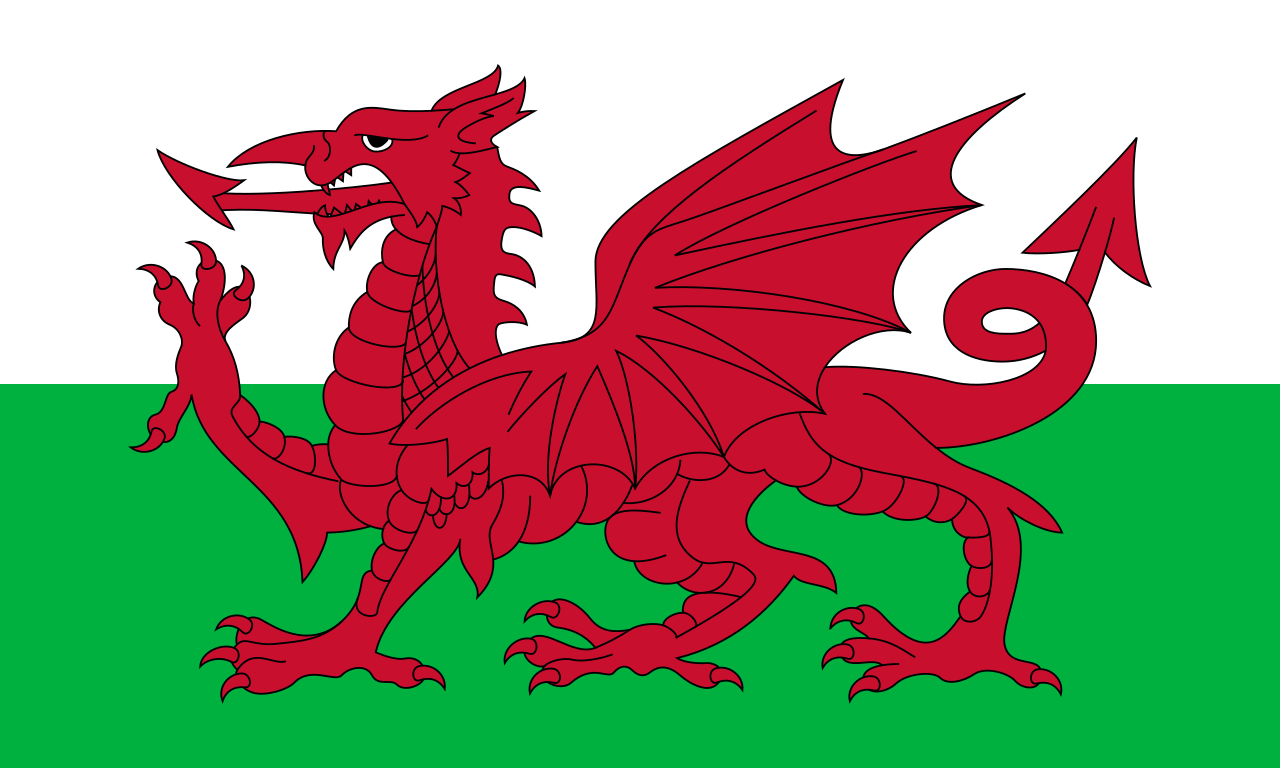 Y Ddraig Goch (red dragon) Y Ddraig Goch (red dragon) | Four lions of Llywelyn |
| Ireland | Éire | Irish (Goidelic) | 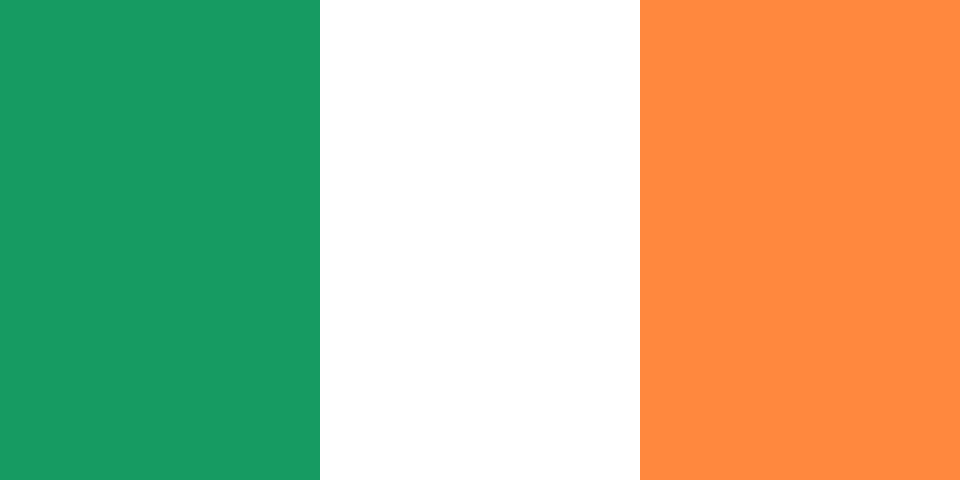 Green-white-orange tricolour Green-white-orange tricolour | The golden harp; the shamrock |
| Brittany | Breizh | Breton (Brittonic) | 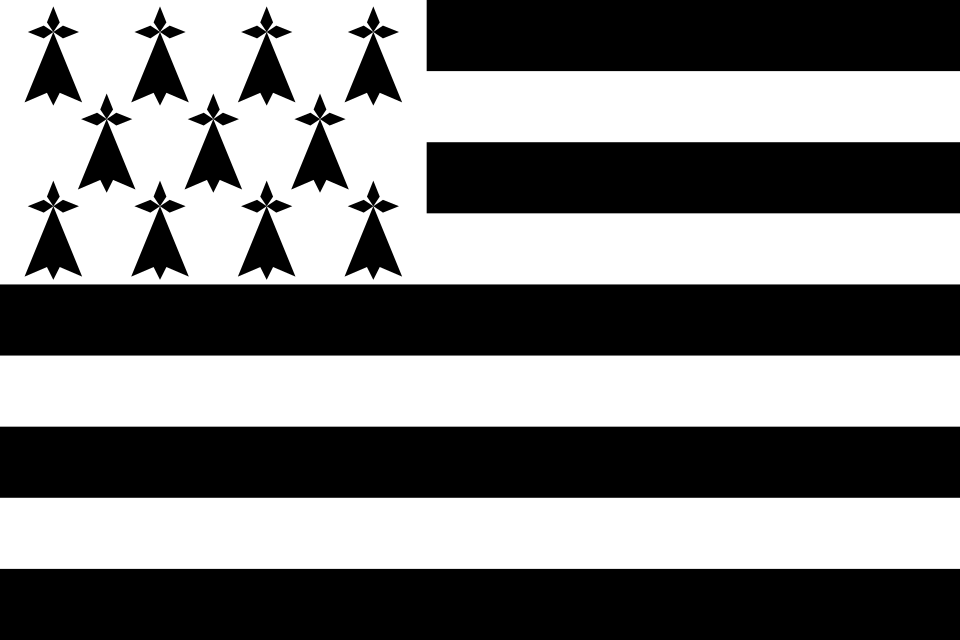 Gwenn ha du (nine stripes) Gwenn ha du (nine stripes) | The ermine (hermine) |
| Cornwall | Kernow | Cornish (Brittonic) | 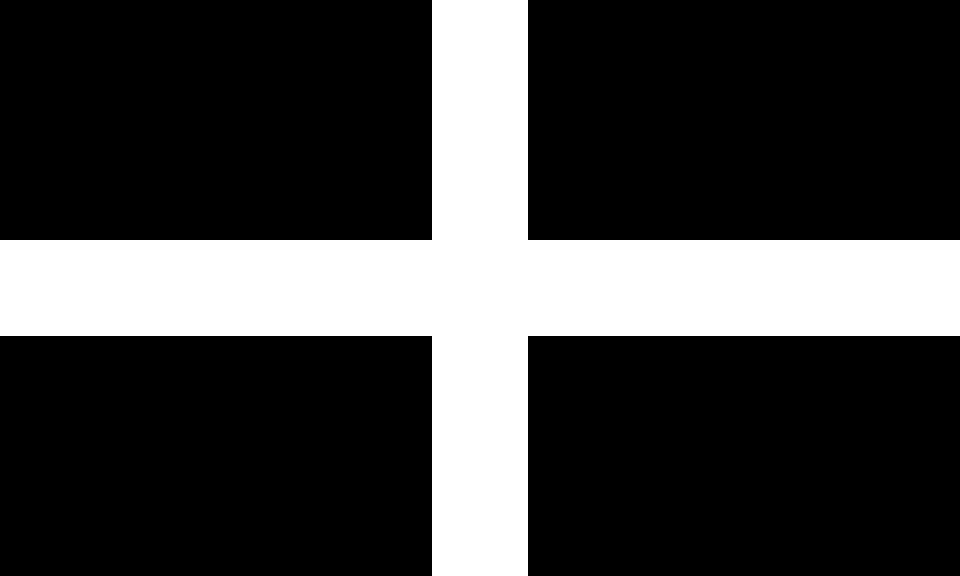 Saint Piran’s cross Saint Piran’s cross | Fifteen gold bezants |
| Isle of Man | Mannin | Manx (Goidelic) | 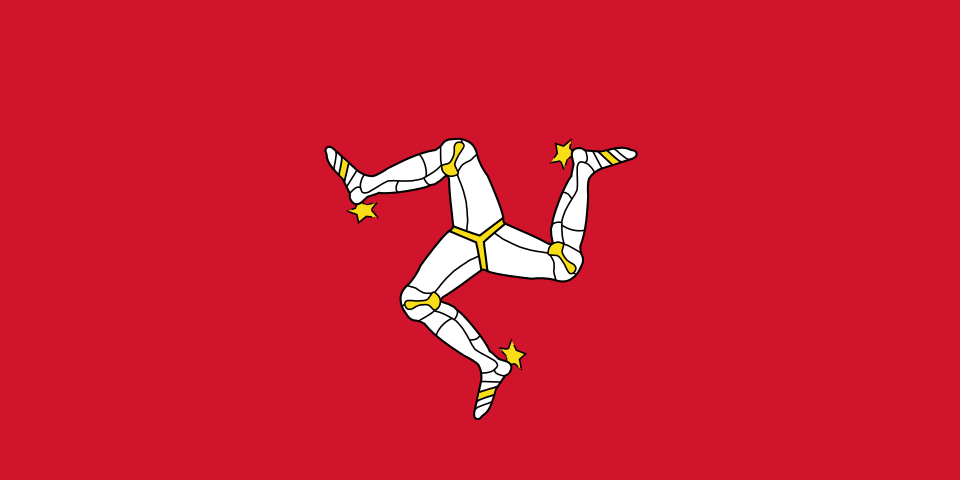 The triskelion The triskelion | The three legs (ny tree cassyn) |
The Six Nations and Their Emblems
Scotland — Alba
Scotland flies the Saltire, the white diagonal cross of Saint Andrew on a blue field — by tradition one of the oldest national flags in the world, tied to a legend of white clouds forming a cross before a Pictish victory. Its royal arms bear the fierce red lion rampant within a double border of fleurs-de-lis. Scottish Gaelic (Gàidhlig) is its Celtic tongue, of the Goidelic branch. Its capital is Edinburgh.
Wales — Cymru
Wales carries Y Ddraig Goch, the red dragon of the Britons, on a field of white over green; official since 1959, it is often called the oldest national flag still flown. Its coat of arms is the four lions of Llywelyn, revived in the 2008 Royal Badge. Welsh (Cymraeg) is a living Brittonic language, spoken by around a fifth of the population. Its capital is Cardiff.
Ireland — Éire
Ireland’s green-white-orange tricolour sets the green of the Gaelic tradition beside the orange of the Protestant, with white for peace between them. Its state emblem is unique in Europe: a golden harp (an chláirseach) on blue, the only country with a musical instrument for arms; the shamrock is its informal badge. Irish (Gaeilge) is Goidelic. Its capital is Dublin.
Brittany — Breizh
The only Celtic nation outside the British Isles, Brittany flies the Gwenn ha du (“white and black”) — nine stripes for its historic pays and a canton of ermine, designed by Morvan Marchal in 1923. The plain ermine field is the ancient arms of the Duchy of Brittany. Breton (Brezhoneg) is Brittonic, cousin to Welsh and Cornish, brought by Britons who crossed from Great Britain. Its historic capital is Nantes, seat of the Dukes of Brittany.
Cornwall — Kernow
Cornwall’s Saint Piran’s Flag — a white cross on black — is the banner of the tin miners and the exact colour-negative of the old Breton Kroaz Du. Its historic arms are the fifteen gold bezants of the Duchy. Cornish (Kernewek) is a revived Brittonic language; in 2014 the Cornish were recognised as a national minority. Its capital and only city is Truro.
Isle of Man — Mannin
The Isle of Man — a Crown Dependency, not part of the United Kingdom — bears the triskelion, three armoured legs joined at the thigh (ny tree cassyn), with the motto Quocunque Jeceris Stabit (“whichever way you throw it, it will stand”). Manx (Gaelg) is a Goidelic language, revived after its last native speaker died in the 20th century. Its capital is Douglas.
What Makes a Celtic Nation
The Celts once spread across much of Europe, but by the early Middle Ages Celtic language and culture had been pushed to the western and northern fringes of the continent. What defines the six modern Celtic nations is not ancient DNA but the survival of a Celtic language into recent centuries — whether spoken unbroken to the present, as in Wales, or lost and then revived, as in Cornwall and the Isle of Man.
The grouping was given organised form by the Celtic League, founded in 1961 at the National Eisteddfod of Wales at Rhosllannerchrugog, near Wrexham. It recognises six nations — Ireland, Scotland, Wales, Brittany, Cornwall and the Isle of Man — and promotes their languages and self-government. An older body, the Celtic Congress, and cultural gatherings such as the Festival Interceltique de Lorient in Brittany, keep the connections alive.
Patron Saints of the Celtic Nations
Each Celtic nation keeps its own patron saint, and in most of them the saint’s feast has become the national day. Several saints even gave their nation a flag — a saint’s cross flown on the feast day:
| Nation | Patron saint | Feast day | Saint’s flag |
|---|---|---|---|
| Scotland | Saint Andrew (Naomh Anndra) | 30 November | The Saltire (= national flag) |
| Wales | Dewi Sant (Saint David) | 1 March | 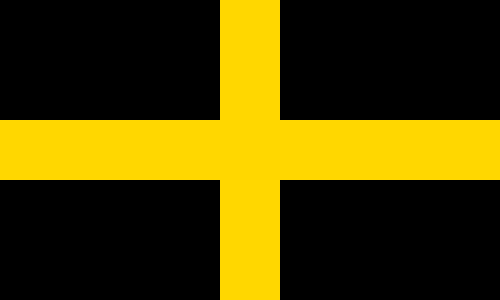 Gold cross on black Gold cross on black |
| Ireland | Naomh Pádraig (Saint Patrick) | 17 March | 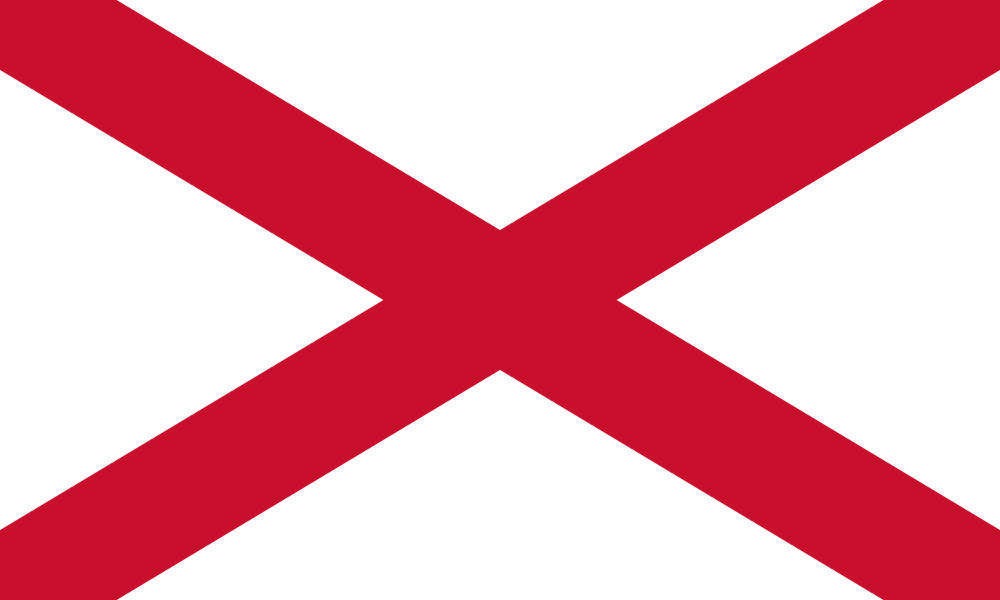 Red saltire on white Red saltire on white |
| Brittany | Sant Erwan (Saint Yves) | 19 May | 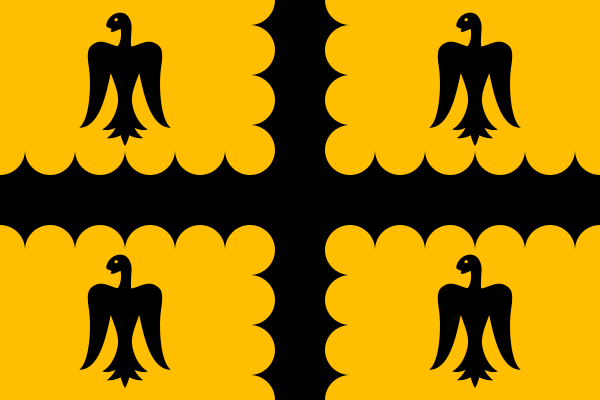 Gold, black cross & alerions Gold, black cross & alerions |
| Cornwall | Saint Piran (Peran) | 5 March | White cross on black (= national flag) |
| Isle of Man | Saint Maughold (Maghold) | 25 April | — no saint’s flag (the triskelion serves) |
In four of the six, the patron’s feast is also the national day (Andrew, David, Patrick, Piran). Two sit slightly apart: in Brittany, Saint Anne is also honoured as patroness of the Bretons (feast 26 July, with the great pilgrimage to Sainte-Anne-d’Auray), and the Isle of Man’s national day is not a saint’s feast but Tynwald Day (5 July), the meeting of its ancient parliament.
Flag of Saint Erwan: Ec.Domnowall, CC BY 3.0, via Wikimedia Commons.
Two Language Families: Brittonic and Goidelic
The living Celtic languages split into two branches that parted more than two thousand years ago:
- Brittonic (or Brythonic, “P-Celtic”) — Welsh, Cornish and Breton. These three descend from the language of the Britons of Great Britain; Brittany was settled from Britain, which is why Breton stands with its island cousins rather than with its French neighbours.
- Goidelic (or Gaelic, “Q-Celtic”) — Irish, Scottish Gaelic and Manx. These spread from Ireland to western Scotland and to the Isle of Man.
The old nickname “P-Celtic / Q-Celtic” comes from how each branch treated an ancient sound: where Goidelic kept a k (later c/q) sound, Brittonic turned it into a p — so “head” is pen in Welsh but ceann in Irish.
Shared Threads and the Pan-Celtic Movement
For all their differences, the six share a visual vocabulary that keeps recurring: saints’ crosses (Andrew in Scotland, Piran in Cornwall), beasts of sovereignty (the Welsh dragon, the Scottish lion, the Manx legs), and a fondness for black-and-white and gold-on-colour designs. The kinship of the Cornish and Breton flags — mirror images of one another — is the clearest single sign of the family tie.
Since the 19th century a pan-Celtic movement has drawn the nations together: the Celtic Congress (cultural) and the Celtic League (political), inter-Celtic festivals, and a shared interest in reviving endangered languages. Its best-known symbol is the pan-Celtic flag shown at the top of this page — a green field bearing two interlaced gold triskeles, one for the three Gaelic nations and one for the three Brittonic — designed by the Breton Robert Berthelier around 1950 and flown at inter-Celtic gatherings, though none of the six has abandoned its own banner.
Frequently Asked Questions
What are the six Celtic nations?
They are Scotland (Alba), Wales (Cymru), Ireland (Éire), Brittany (Breizh), Cornwall (Kernow) and the Isle of Man (Mannin) — the territories where a Celtic language has survived into modern times, recognised as such by the Celtic League (founded 1961).
What is the difference between Brittonic and Goidelic nations?
The living Celtic languages fall into two branches. Brittonic (“P-Celtic”) is spoken in Wales, Cornwall and Brittany; Goidelic (“Q-Celtic”) in Ireland, Scotland and the Isle of Man. The two split from a common Celtic ancestor over two thousand years ago.
Which flags represent the Celtic nations?
Scotland flies the Saltire (St Andrew’s cross); Wales the red dragon Y Ddraig Goch; Ireland the green-white-orange tricolour, with the golden harp as state emblem; Brittany the Gwenn ha du; Cornwall Saint Piran’s white cross on black; and the Isle of Man the triskelion of three legs.
Is Brittany really a Celtic nation?
Yes — Brittany (Breizh) is the only Celtic nation outside the British Isles. It was settled by Britons crossing from Great Britain in the early Middle Ages, and its language, Breton, is Brittonic, close to Welsh and Cornish.
Why do the Cornish and Breton flags look like opposites?
Cornwall’s Saint Piran’s Flag (white cross on black) is the colour negative of the old Breton Kroaz Du (black cross on white) — a visible sign of the shared Brittonic origin of the two peoples, whose lands face each other across the Channel.
Sources & Further Reading
- The Celtic League — the six Celtic nations and the pan-Celtic movement (founded 1961)
- Koch, J. T. (ed.), Celtic Culture: A Historical Encyclopedia, Santa Barbara, 2006
- Cunliffe, B., The Celts: A Very Short Introduction, Oxford, 2003 — Brittonic and Goidelic branches
- The Flag Institute, UK Flag Registry — Scotland, Wales, Cornwall, Isle of Man
- Individual nation pages on Emblema Mundi for full blazons and histories
Last reviewed by the Emblema Mundi editorial team on 12 July 2026.