Country
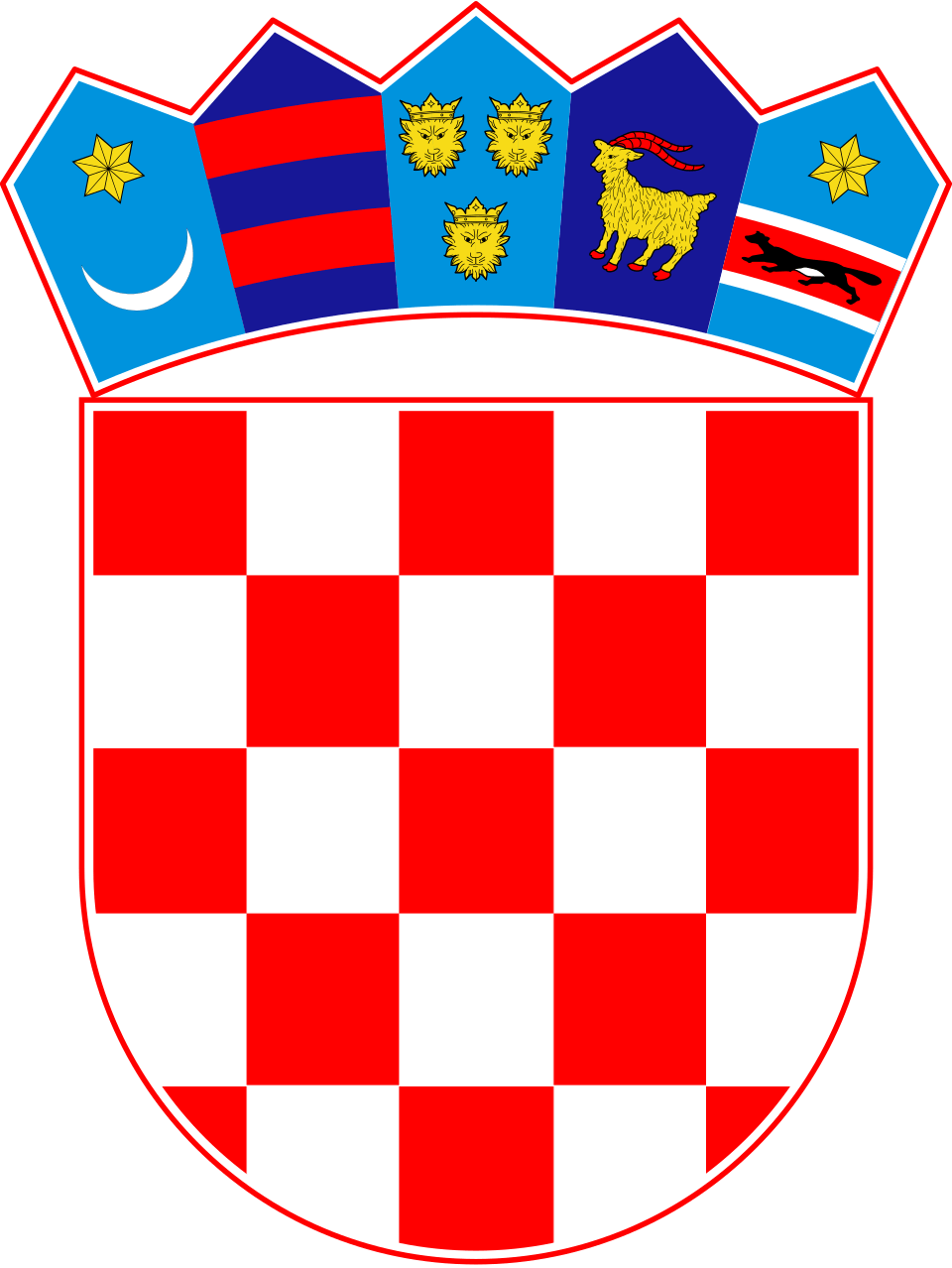
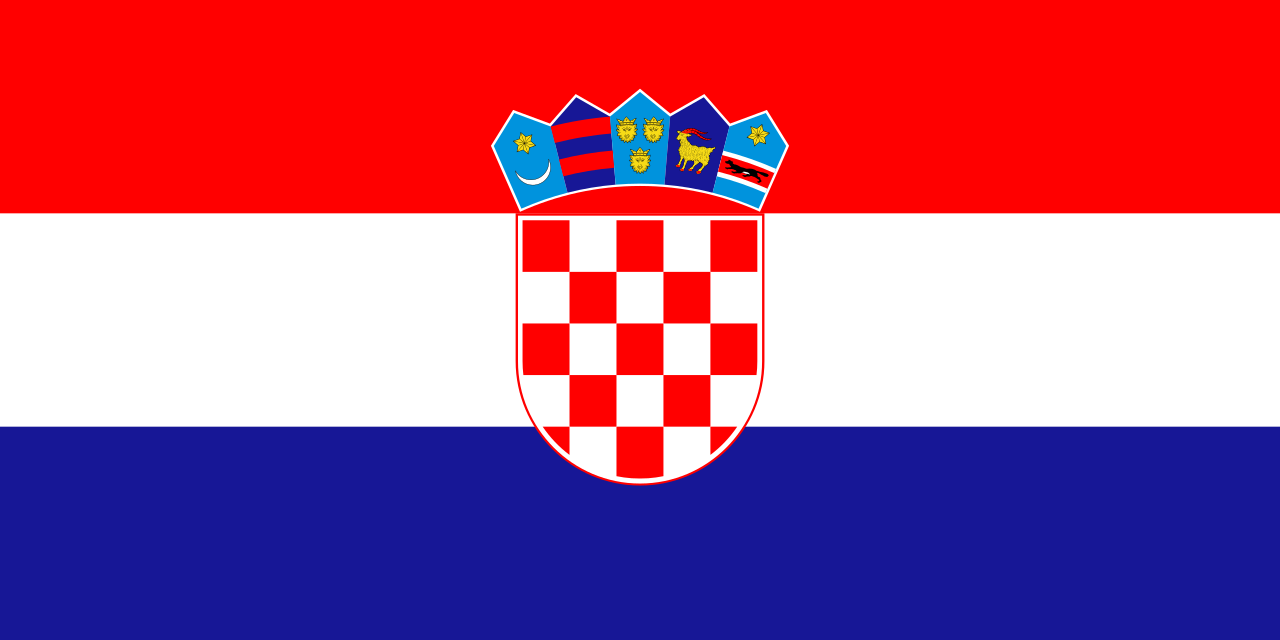
The coat of arms of Croatia centres on the šahovnica, a red-and-white checkerboard of 25 fields that has symbolised the Croatian lands since the late fifteenth century. Above it, a crown of five smaller shields represents the historic regions of Croatia, Dubrovnik, Dalmatia, Istria and Slavonia. The Croatian flag — a red-white-blue tricolour first raised at the inauguration of Ban Josip Jelaçić on 5 June 1848 — was officially adopted in its current form on 21 December 1990, the eve of Croatian independence.
Flag
Not available
Coat of Arms
Not available
| Official name | Republika Hrvatska (Republic of Croatia) |
|---|---|
| Capital | Zagreb |
| Government | Unitary parliamentary republic |
| Head of State | President of the Republic |
| Population | ≈ 3.9 million |
| Area | 56,594 km² |
| Coat of arms adopted | 21 December 1990 (designed by Miroslav Šutej) |
| Flag adopted | Tricolour 1848; current form 21 December 1990 |
| Counties | 20 županije + Grad Zagreb = 21 |
| EU member since | 2013 |
Coat of Arms — Chequy of twenty-five Gules and Argent (šahovnica), crowned by five historic shields
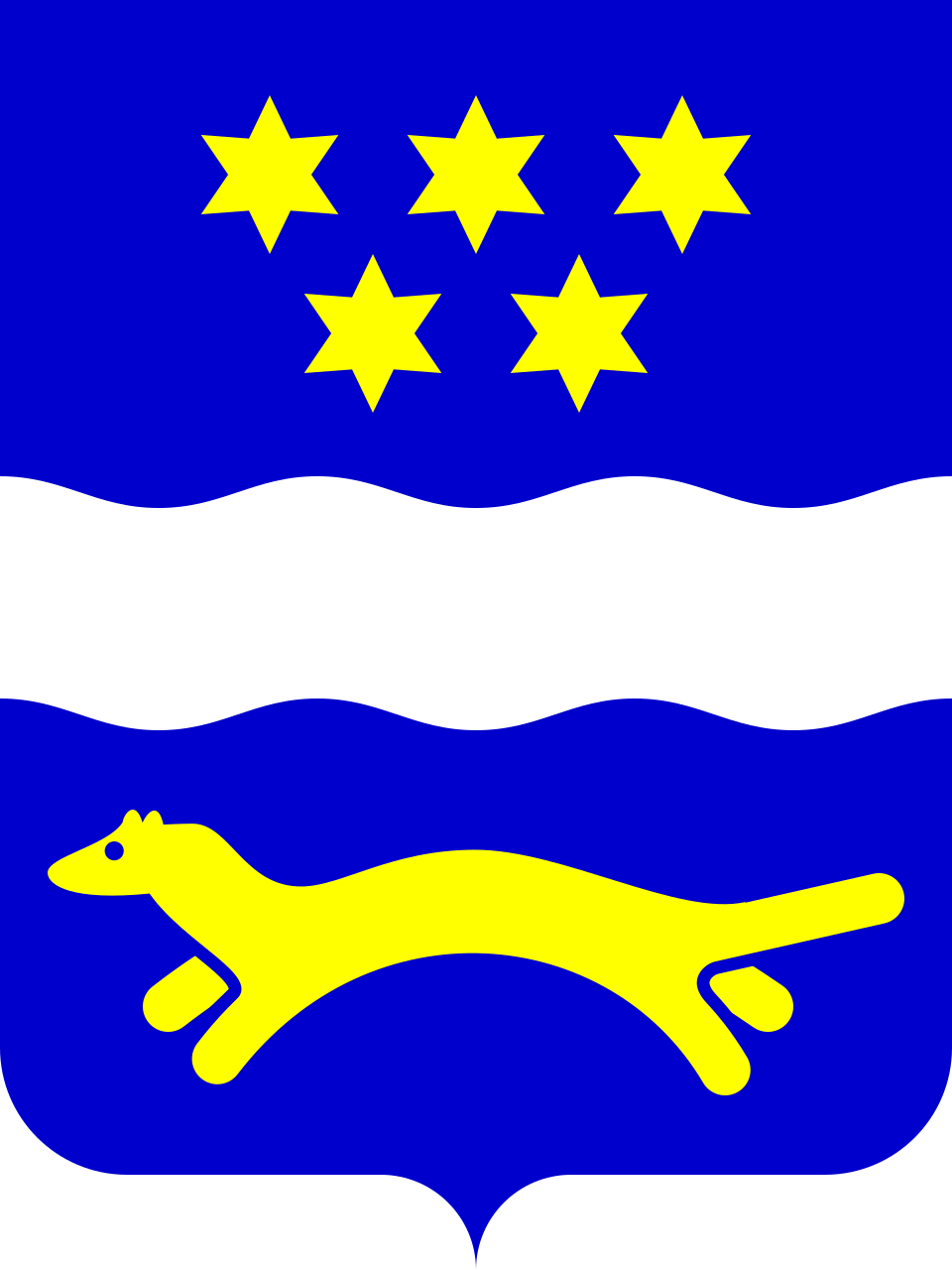
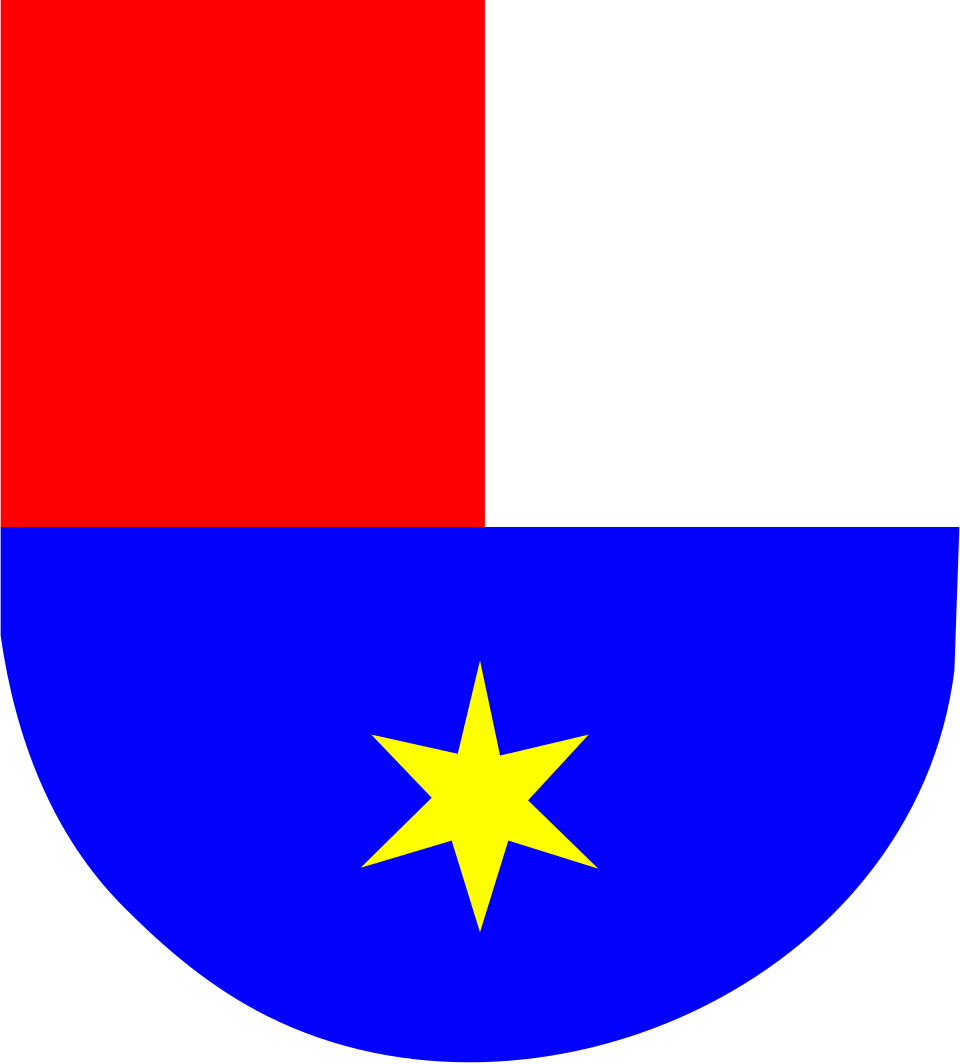
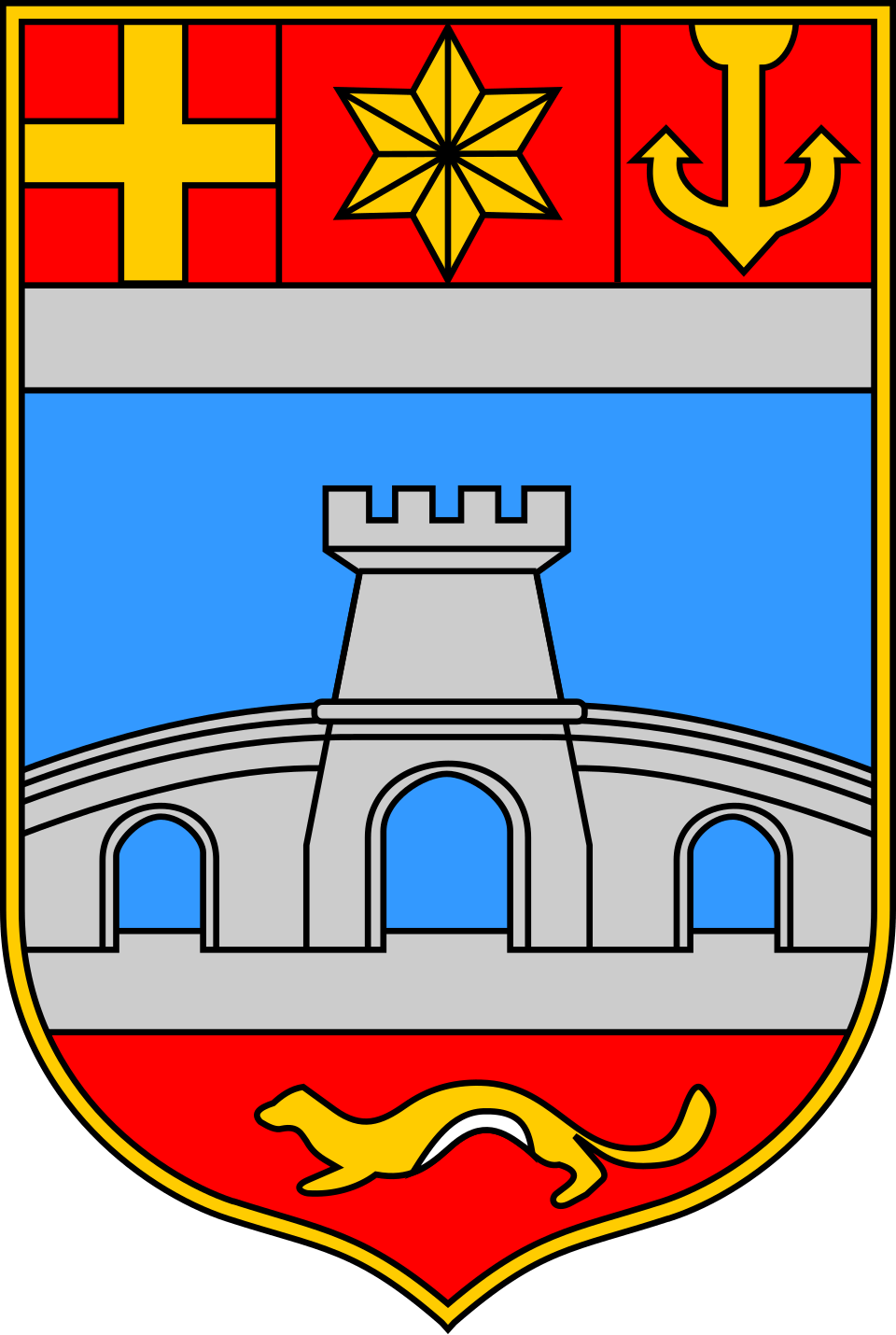
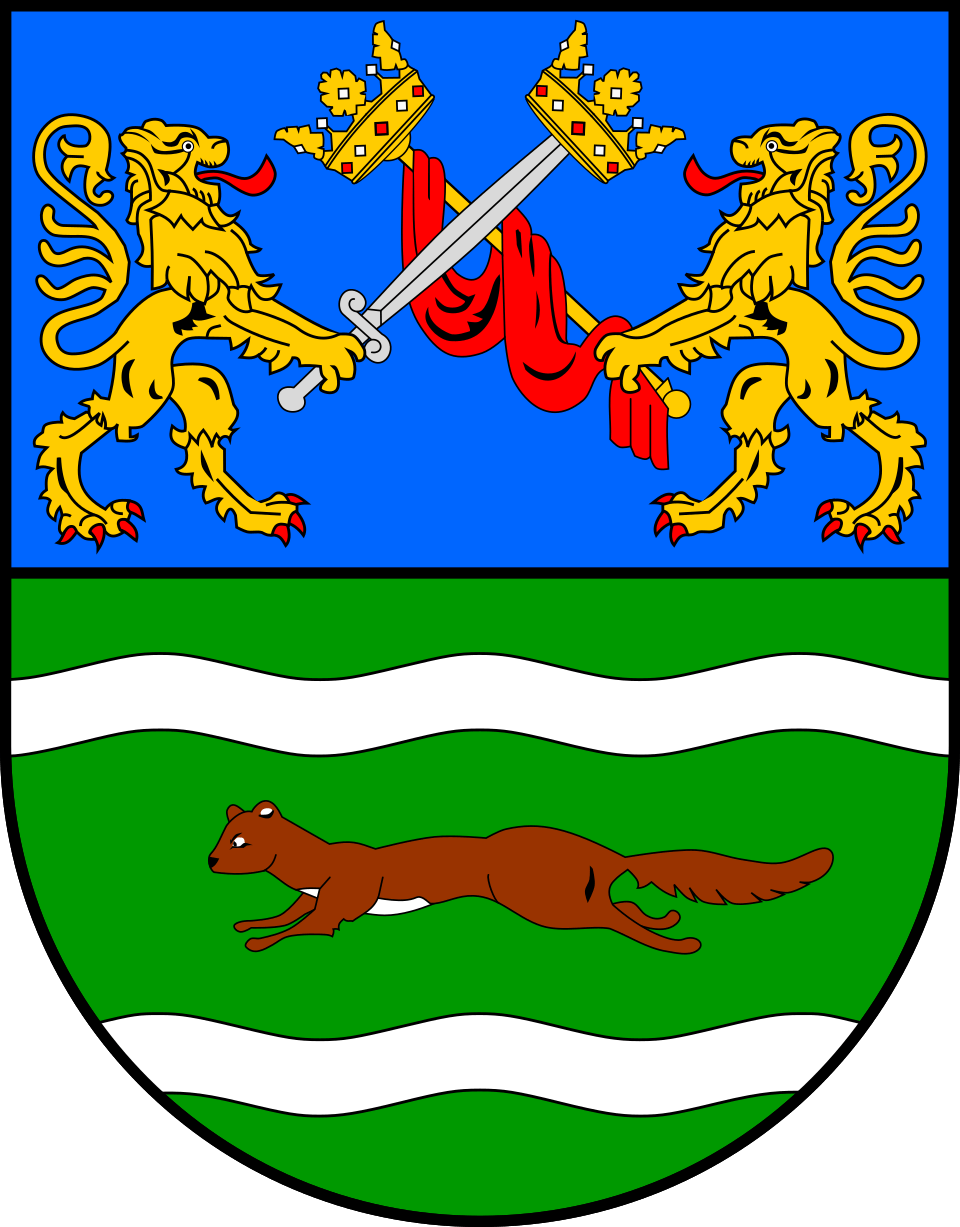
Chequy of twenty-five, Gules and Argent (five by five), the first square Gules. Above the shield, a crown of five lesser shields: (1) Azure, a mullet of six Or above a crescent Argent; (2) Azure, two bars Gules; (3) Azure, three leopard heads affronted Or, crowned Or; (4) Azure, a goat passant Or, hoofed and horned Gules; (5) Azure, between two bars Argent a fess Gules charged with a marten courant proper, a mullet of six Or in chief.
The šahovnica (šah = chess) is a checkerboard of 13 red and 12 white fields arranged in a 5×5 grid. Its use as a Croatian heraldic device dates to the late fifteenth century, and it was officially adopted at the 1527 election in Cetin, when Croatian nobles chose Ferdinand I of Habsburg as king and replaced the earlier arms of the Kingdom of Croatia and Dalmatia. The first square is red — a deliberate choice for the 1990 design to distinguish it from the white-first variant used during the NDH era (1941–1945).
Above the šahovnica, five smaller shields form a heraldic crown representing historic Croatian lands:
Late 15th c. — The checkerboard first appears as a Croatian heraldic device.
1527 — The šahovnica is officially adopted at the election of Cetin.
1848 — Ban Josip Jelaçić incorporates the šahovnica into the new tricolour flag.
1941–1945 — The NDH regime uses a white-first šahovnica; the symbol becomes politically contested.
1945–1990 — Socialist Croatia retains the šahovnica but adds a communist red star.
21 December 1990 — The modern coat of arms, designed by Miroslav Šutej under a commission chaired by Nikša Stançić, is officially adopted with the red-first šahovnica and the five-shield crown.
Flag — Red-white-blue tricolour with the crowned šahovnica centred on the white stripe
The Croatian tricolour (Trobojnica) of red, white and blue was first ordered on 2 May 1848, announced in the newspaper Narodnih novina. Ban Josip Jelaçić and his colleagues drew the three colours from the historic arms of the Kingdom of Croatia (red and white), the Kingdom of Slavonia (blue and white) and the Kingdom of Dalmatia (blue and gold). The flag was first publicly displayed at Jelaçić’s inauguration as Ban on 5 June 1848.
Under the Kingdom of Yugoslavia, the tricolour was used without a distinct Croatian emblem. During the NDH (1941–1945), the white-first šahovnica was placed on the flag. In socialist Yugoslavia (1945–1990), a red star with a yellow border replaced the šahovnica at the centre of the tricolour.
The current flag was officially adopted on 21 December 1990, one day before the Constitution of Croatia (22 December 1990). The red star was removed and the crowned šahovnica with five historic shields was placed at the centre of the white stripe. The flag’s proportions are 1:2.
Croatia’s heraldic heritage is shaped by its position at the crossroads of Central European, Mediterranean and Ottoman-frontier traditions. The šahovnica itself is one of the most distinctive national heraldic devices in Europe — a simple checkerboard that has survived centuries of political change. Croatian municipal heraldry is exceptionally rich: cities like Dubrovnik, Split, Zadar and Osijek bear arms rooted in their medieval charters.
The Croatian Heraldic and Vexillological Association (Hrvatsko grboslovno i zastavoslovno društvo) promotes the study and proper use of heraldic symbols across the country’s 21 counties and over 550 municipalities.
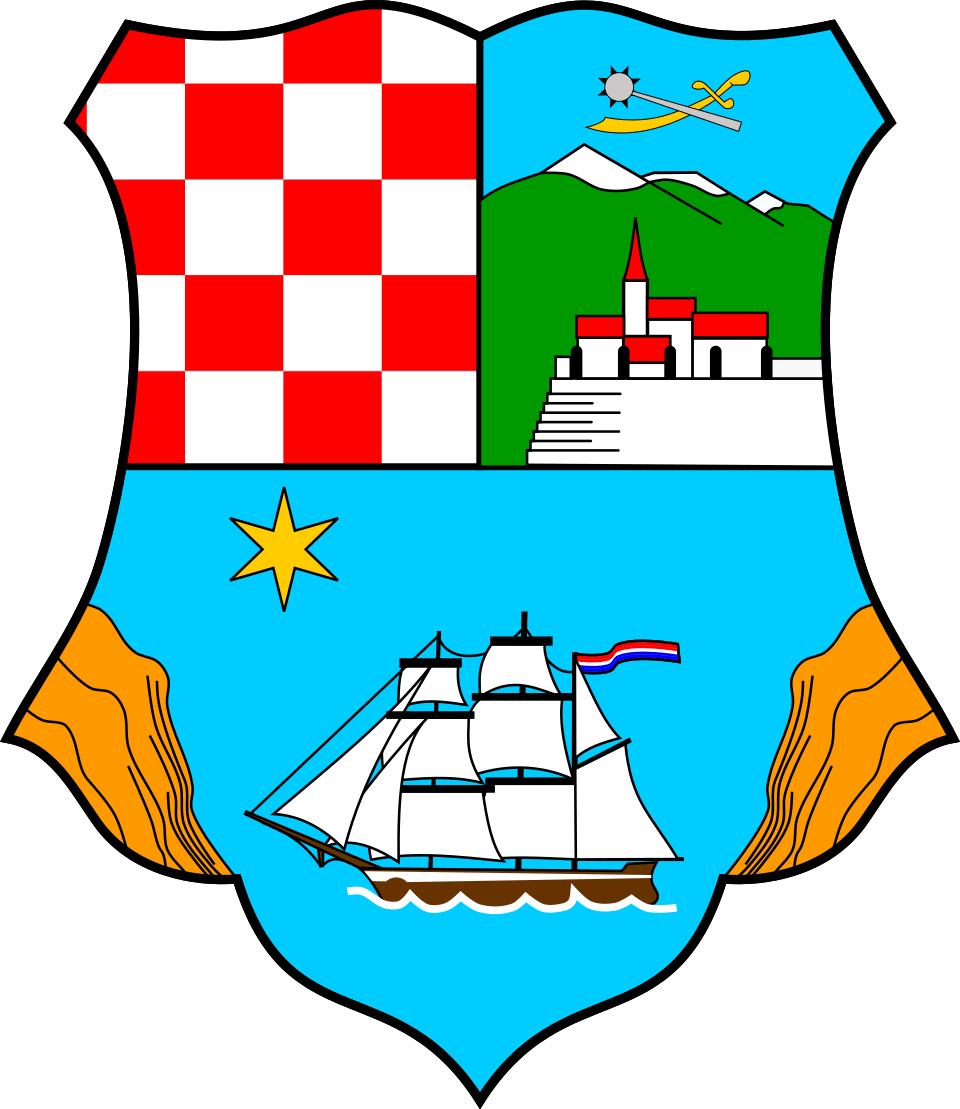
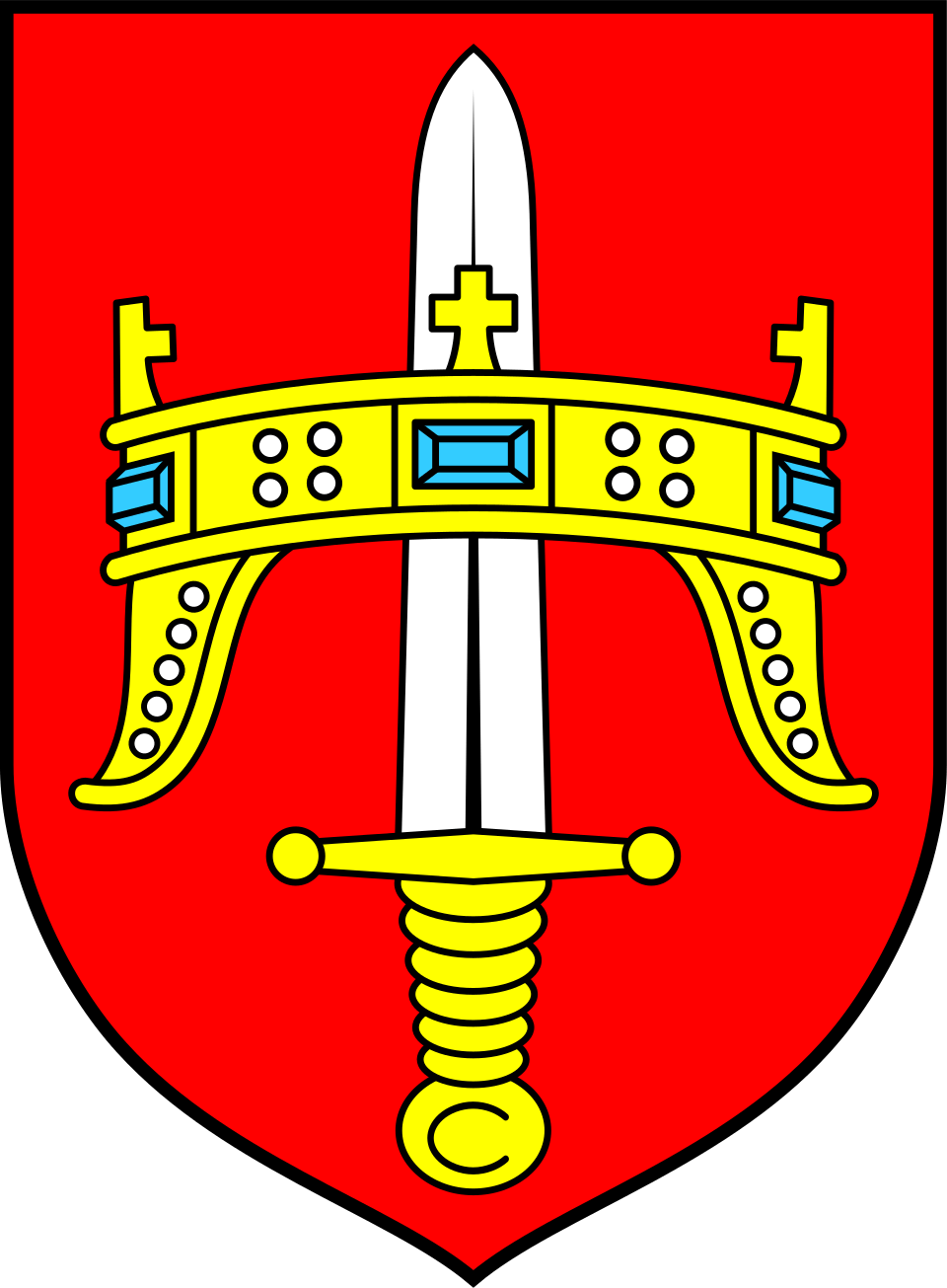
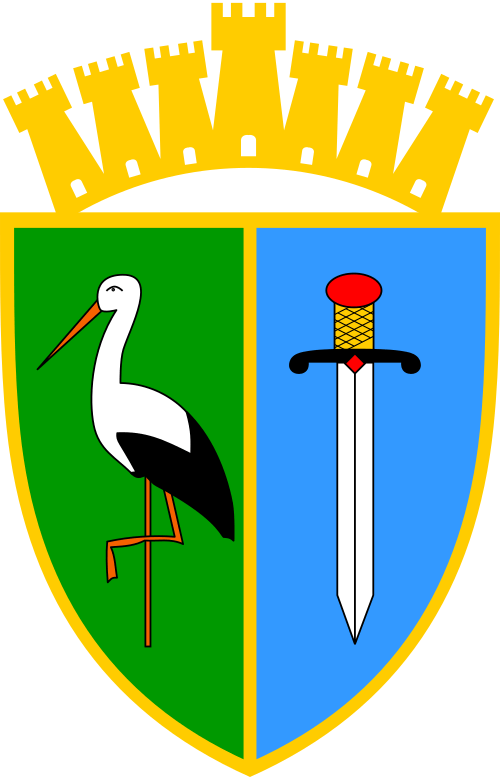
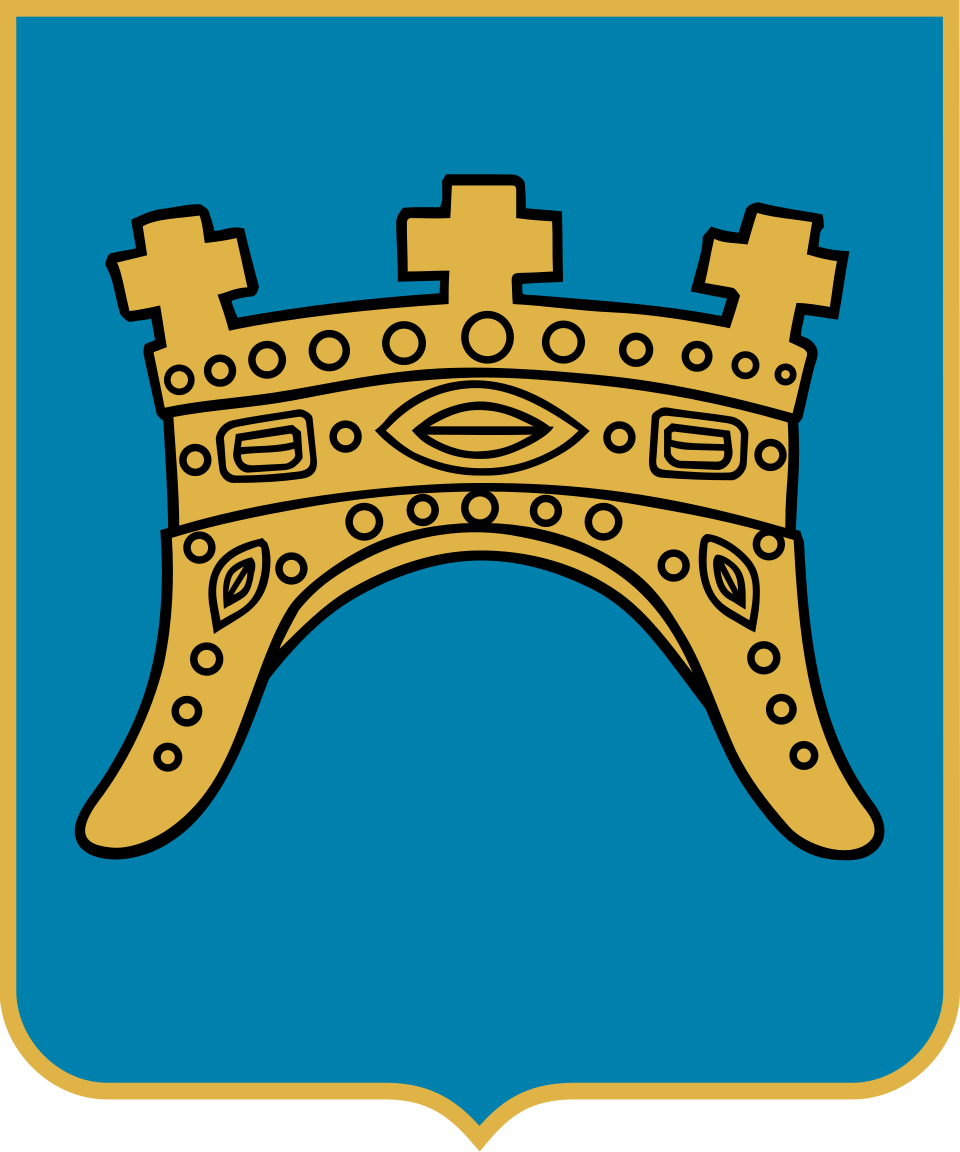
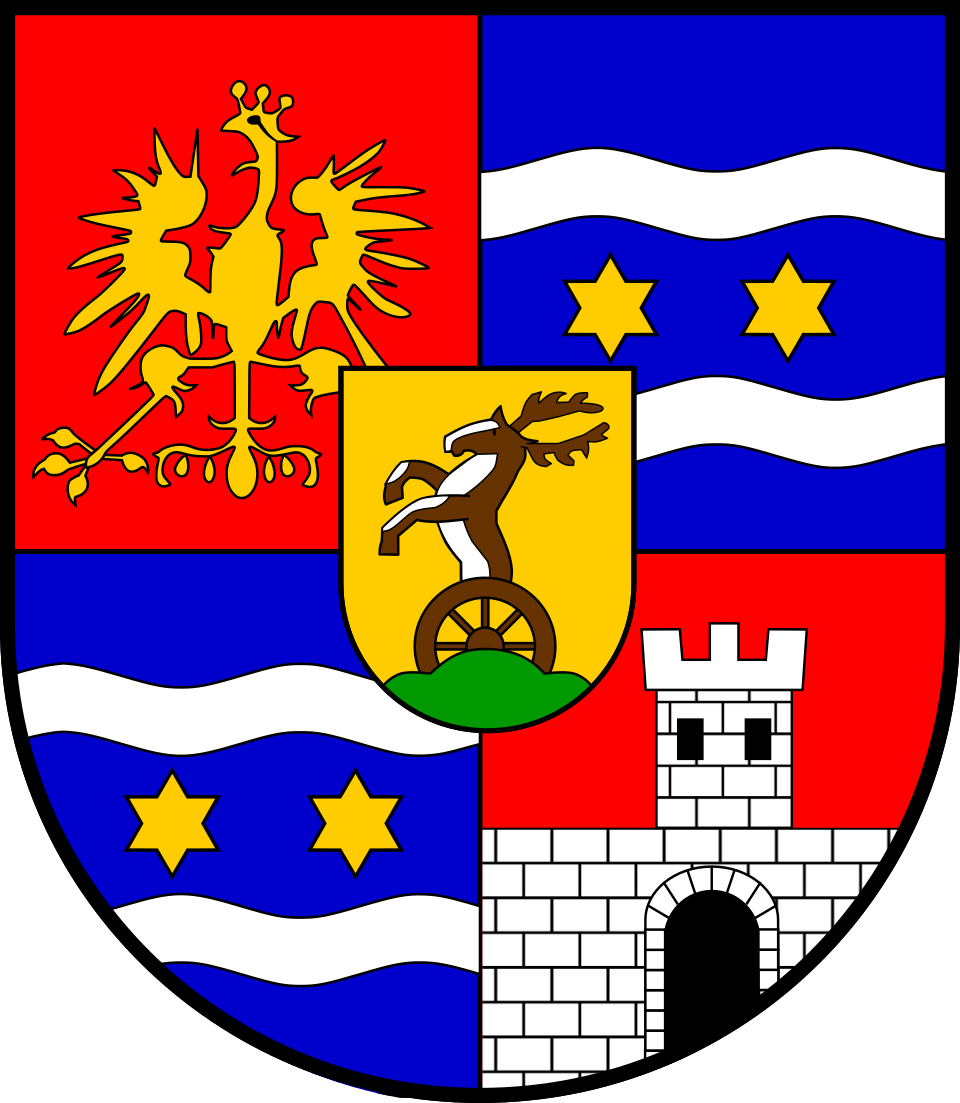
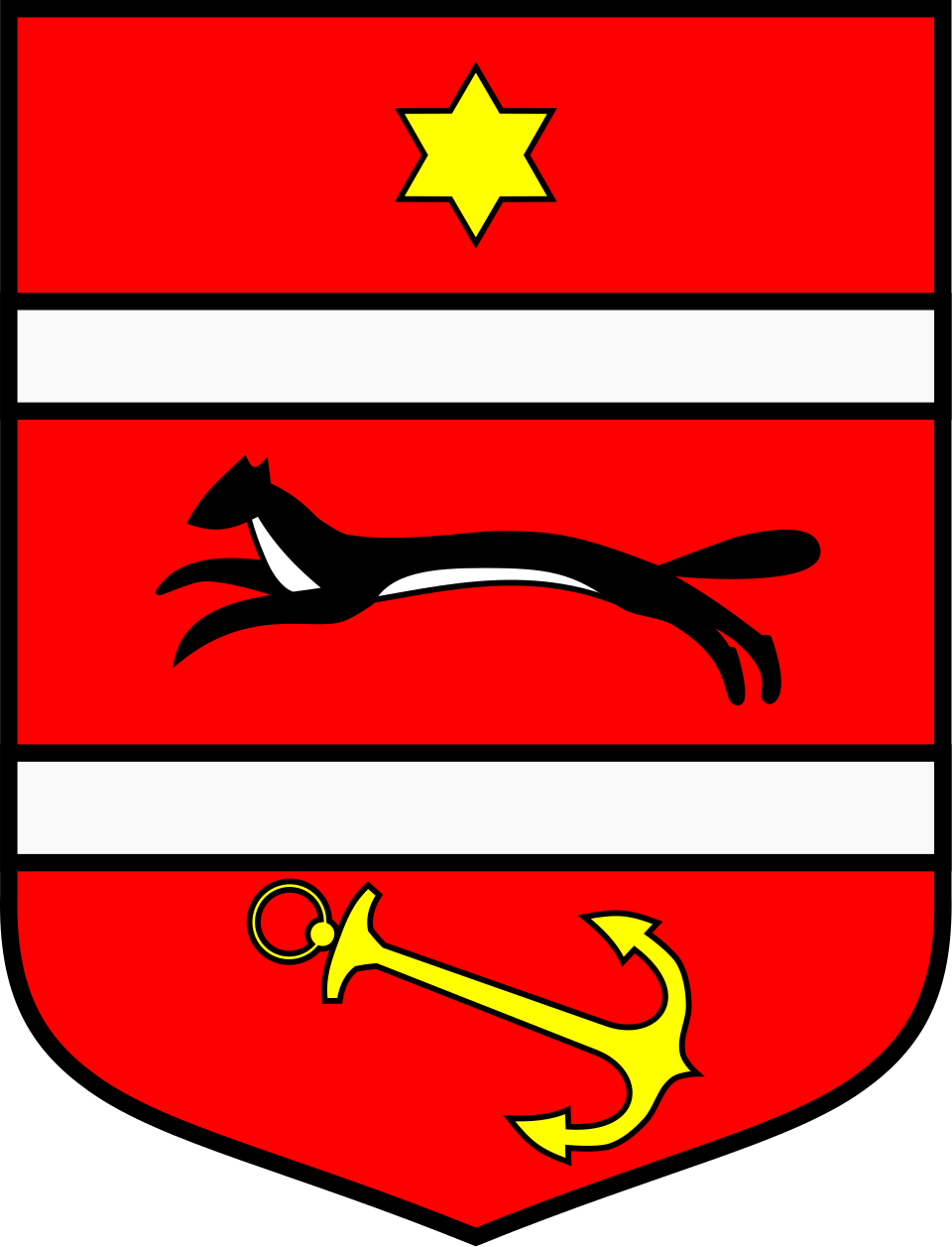
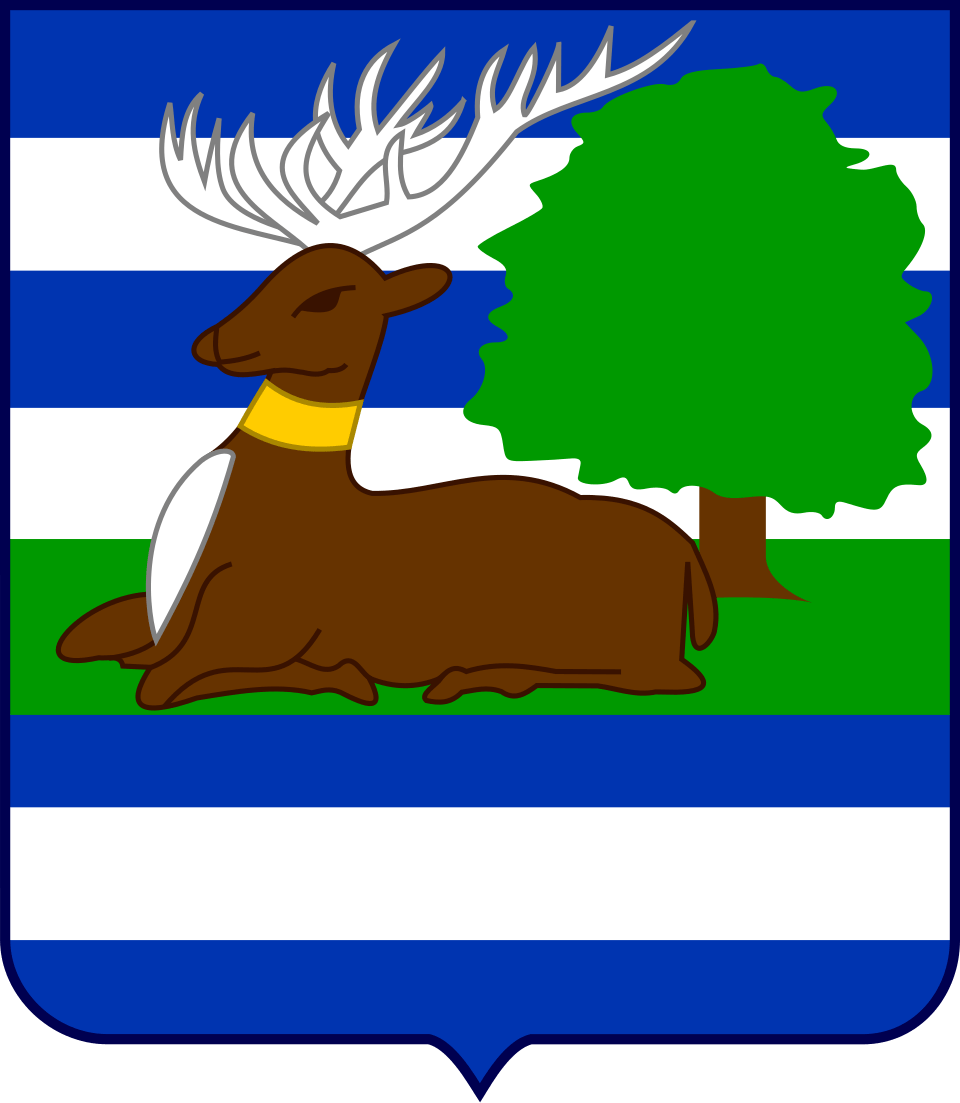
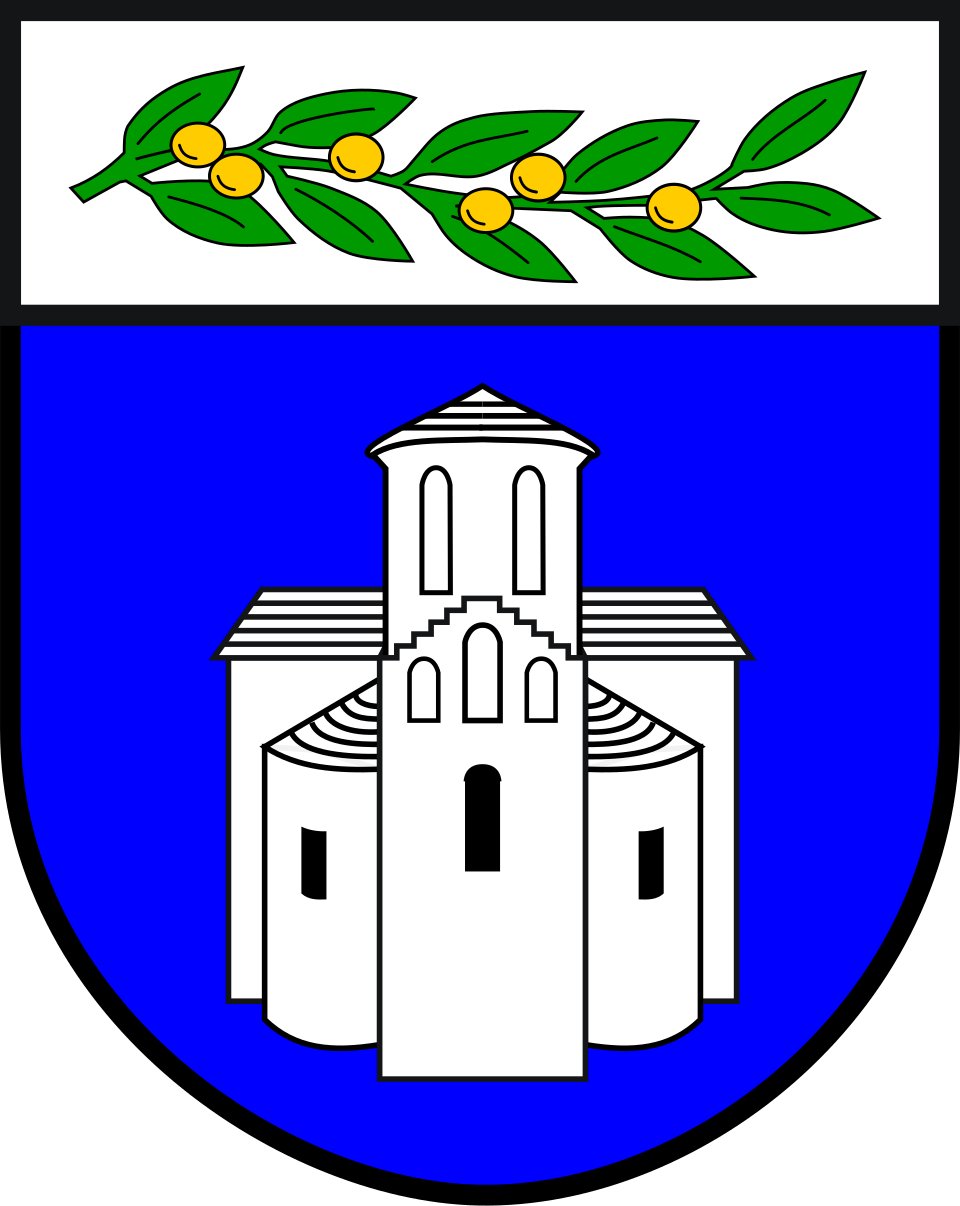
Croatia’s 20 counties (županije) and the City of Zagreb each carry distinctive arms:
The šahovnica (“chessboard”) is a red-and-white checkerboard of 25 fields (13 red, 12 white) that has served as the heraldic symbol of Croatia since the late fifteenth century. It was officially adopted as the royal arms at the 1527 election in Cetin, replacing the earlier arms of the Kingdom of Croatia and Dalmatia.
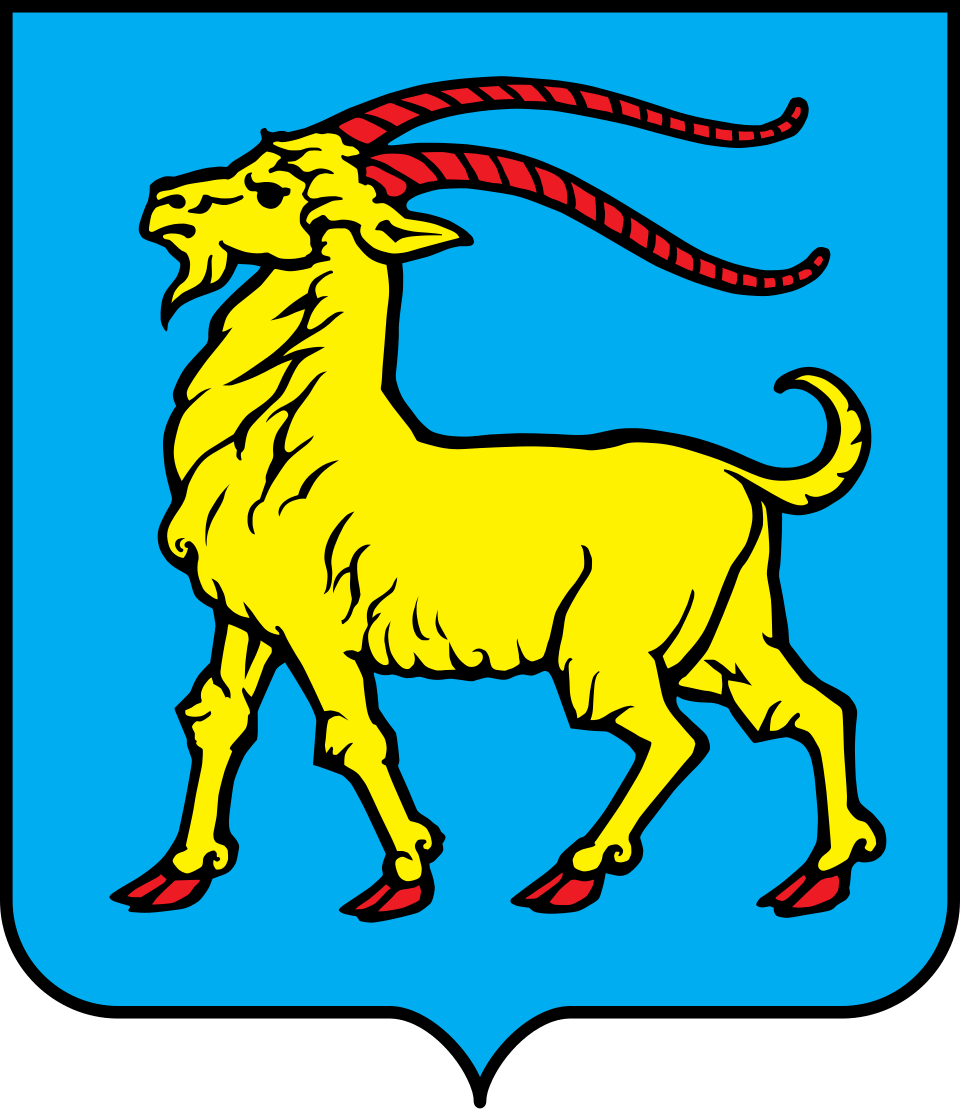
The five shields forming a crown above the šahovnica represent historic Croatian lands: (1) the oldest known Croatian coat of arms (a golden star and silver crescent on blue), (2) the Republic of Dubrovnik (two red bars on blue), (3) Dalmatia (three golden crowned lion heads on blue), (4) Istria (a golden goat on blue), and (5) Slavonia (a marten between two silver bars on blue).
The Croatian tricolour of red, white and blue was first ordered on 2 May 1848 and publicly displayed at the ceremony of Ban Josip Jelaçić’s inauguration on 5 June 1848. The current flag with the crowned šahovnica was officially adopted on 21 December 1990.
On the current official coat of arms adopted in 1990, the first (upper-left) square is red. During the NDH period (1941–1945), the first square was white, which is why the starting colour carried political significance during the independence debates. The red-first arrangement was chosen for the modern republic to mark a clear break with that era.
Croatia is divided into 20 counties (županije) plus the City of Zagreb (Grad Zagreb), which holds county-level status, for a total of 21 administrative units. Each has its own coat of arms and flag.
Explore the coat of arms and flag of every Croatian županija.
Last reviewed by the Emblema Mundi editorial team on 2026-06-21.