Country
The coat of arms of Switzerland is among the simplest and most iconic in Europe: a white cross on a red field, first attested as a field sign at the Battle of Laupen on 21 June 1339. The Swiss flag is one of only two square national flags in the world (alongside Vatican City), formally adopted in 1841 and protected since 2017 by the Wappenschutzgesetz. Each of Switzerland’s 26 cantons maintains its own arms and flag, many predating the Confederation itself.


Coat of Arms
Not available
| Official name | Schweizerische Eidgenossenschaft / Confédération suisse / Confederazione Svizzera / Confederaziun svizra |
|---|---|
| Capital | Bern (de facto; federal city) |
| Government | Federal directorial republic |
| Head of State | Federal Council (7 members, rotating presidency) |
| Population | ≈ 9 million |
| Area | 41,285 km² |
| National languages | German, French, Italian, Romansh |
| Coat of arms | Gules, a cross couped Argent |
| Flag adopted | 1841 (Tagsatzung); protected by WSchG since 2017 |
| Cantons | 26 |
Coat of Arms — Gules, a cross couped Argent
Gules, a cross couped Argent.
The Swiss coat of arms is remarkable for its extreme simplicity: a white (silver) cross with arms of equal length, not touching the edges of the shield, on a red field. The cross is “couped” — its limbs stop short of the shield’s border — distinguishing it from the crosses of Denmark or the Order of St John.
The earliest recorded use of the white cross as a Confederate emblem dates to the Battle of Laupen (21 June 1339), when soldiers of the Old Swiss Confederacy sewed two white strips of cloth onto their garments to distinguish themselves from Habsburg troops, who wore the red Cross of St George. Over the following two centuries, the white cross on red became the shared rallying mark of the confederate cantons, appearing on banners, seals and military standards.
1339 — White cross first used as a field sign at the Battle of Laupen.
1470s — The cross increasingly standardised on cantonal war banners during the Burgundian Wars.
1798–1803 — The Helvetic Republic briefly replaces cantonal arms with a tricolour; the white cross is suppressed.
1815 — The Restored Confederacy formally adopts the white cross on red as the federal coat of arms.
1889 — The Federal Council specifies the proportions of the cross arms (ratio 7:6).
2013/2017 — The Wappenschutzgesetz (WSchG, SR 232.21), adopted 21 June 2013 and in force since 1 January 2017, defines the coat of arms as “a Swiss cross in a triangular shield” and restricts its commercial use.
Flag — A white cross on a square red field
The Swiss flag is one of only two square sovereign-state flags in the world, the other being that of Vatican City. Its square shape descends directly from the military banners (Fahnen) of the Old Swiss Confederacy, which were traditionally square. When the Tagsatzung formally adopted the white cross on red as the federal emblem on 11 October 1841, it preserved this format. The design adopted was a proposal by Carl Stauffer.
Although the white cross had been a Confederate field sign since 1339, it was not a “national flag” in the modern sense until the nineteenth century. The Federal Constitution of 1848 prescribed its use for all federal troops, cementing its role. In 1889, the Federal Council officially set the proportions of the cross, specifying that each arm should be one-sixth longer than it is wide.
The Wappenschutzgesetz (SR 232.21), in force since 1 January 2017, defines the Swiss flag as “a Swiss cross on a square background” and provides an authoritative image as an annex to the law. Commercial use of the Swiss cross is now restricted to Swiss goods and services.
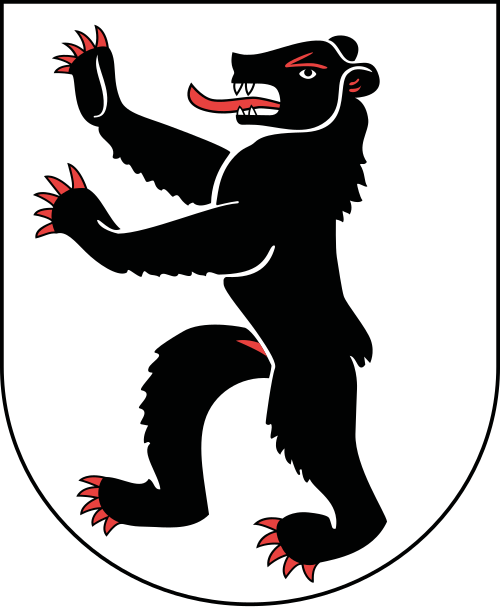
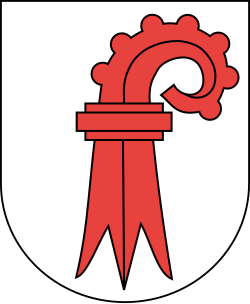
Switzerland has a remarkably rich heraldic tradition, shaped by its federalist structure and the deep autonomy of its cantons. Unlike centralised monarchies such as France or England, the Confederation never developed a single heraldic authority. Instead, each canton and each commune maintains its own arms — Switzerland’s roughly 2,100 municipalities nearly all bear official coats of arms, many dating to the Middle Ages.
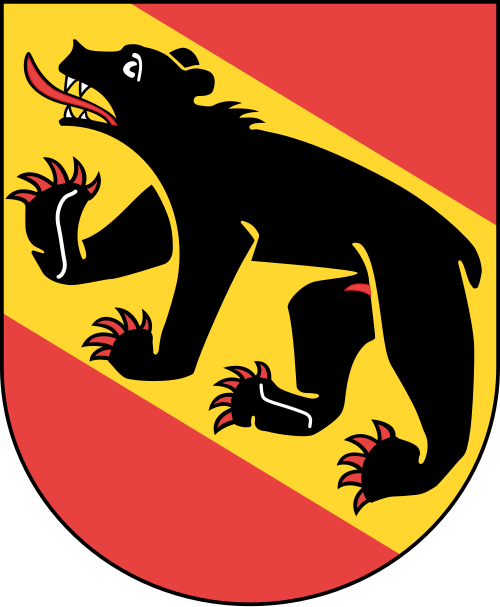
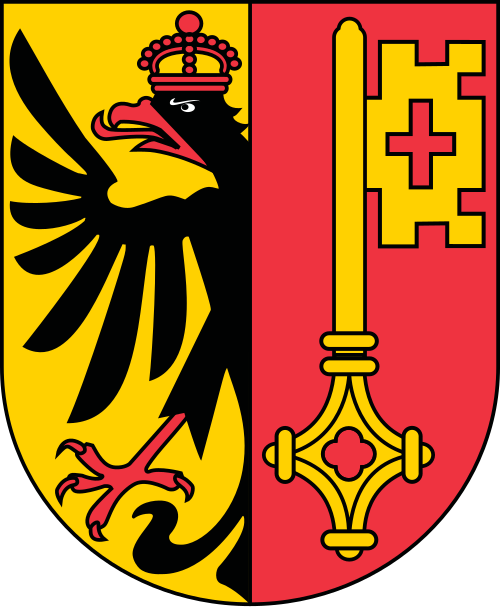
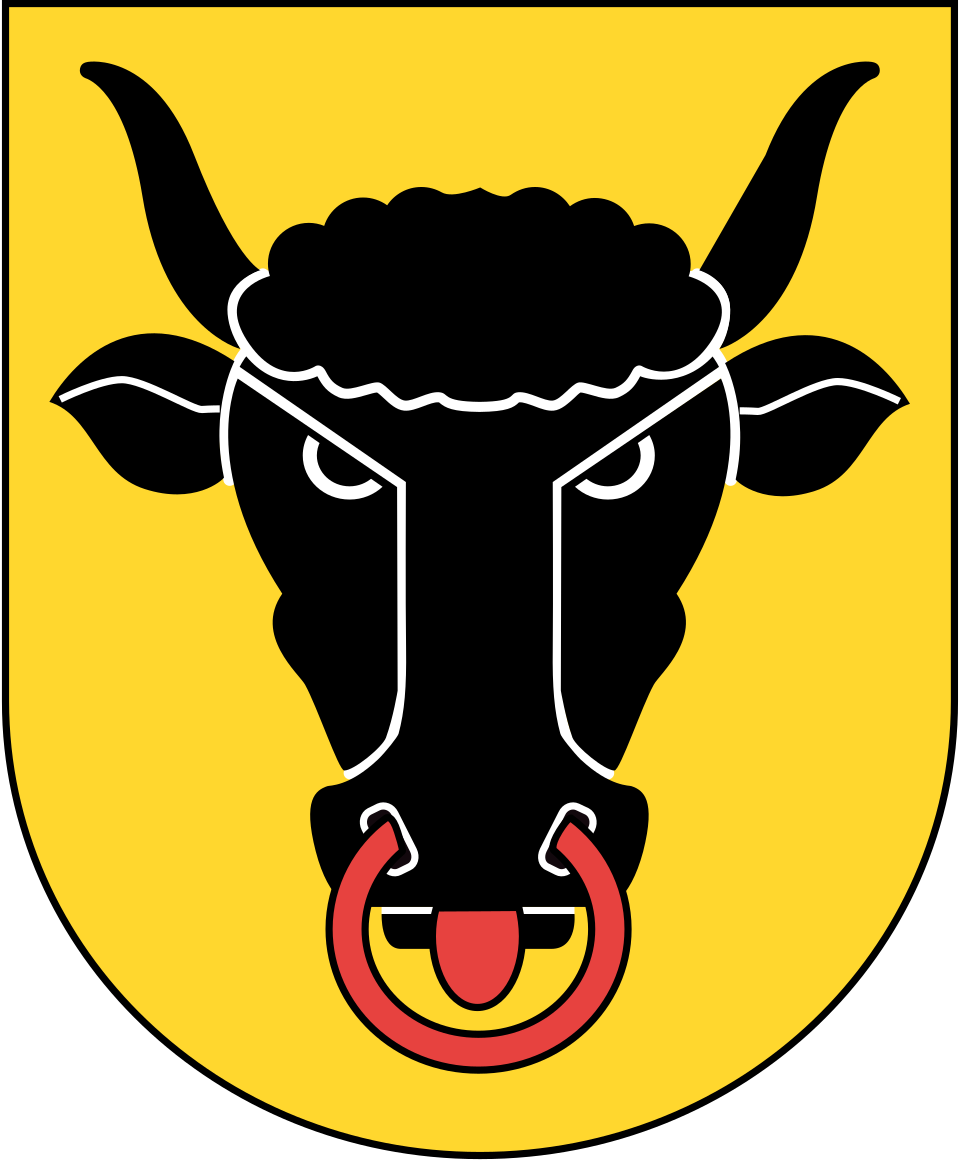
Cantonal arms often predate the Confederation itself. The bear of Bern, for example, appears on seals from the 1220s. The bull of Uri is attested from the thirteenth century. The heraldic tradition of the Swiss-German cantons is closely linked to the imperial heraldry of the Holy Roman Empire, while the Romand cantons (Vaud, Genève, Neuchâtel) show Burgundian and Savoyard influences.
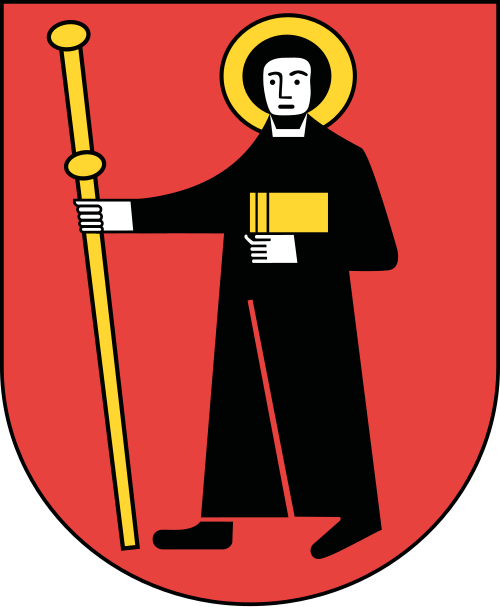
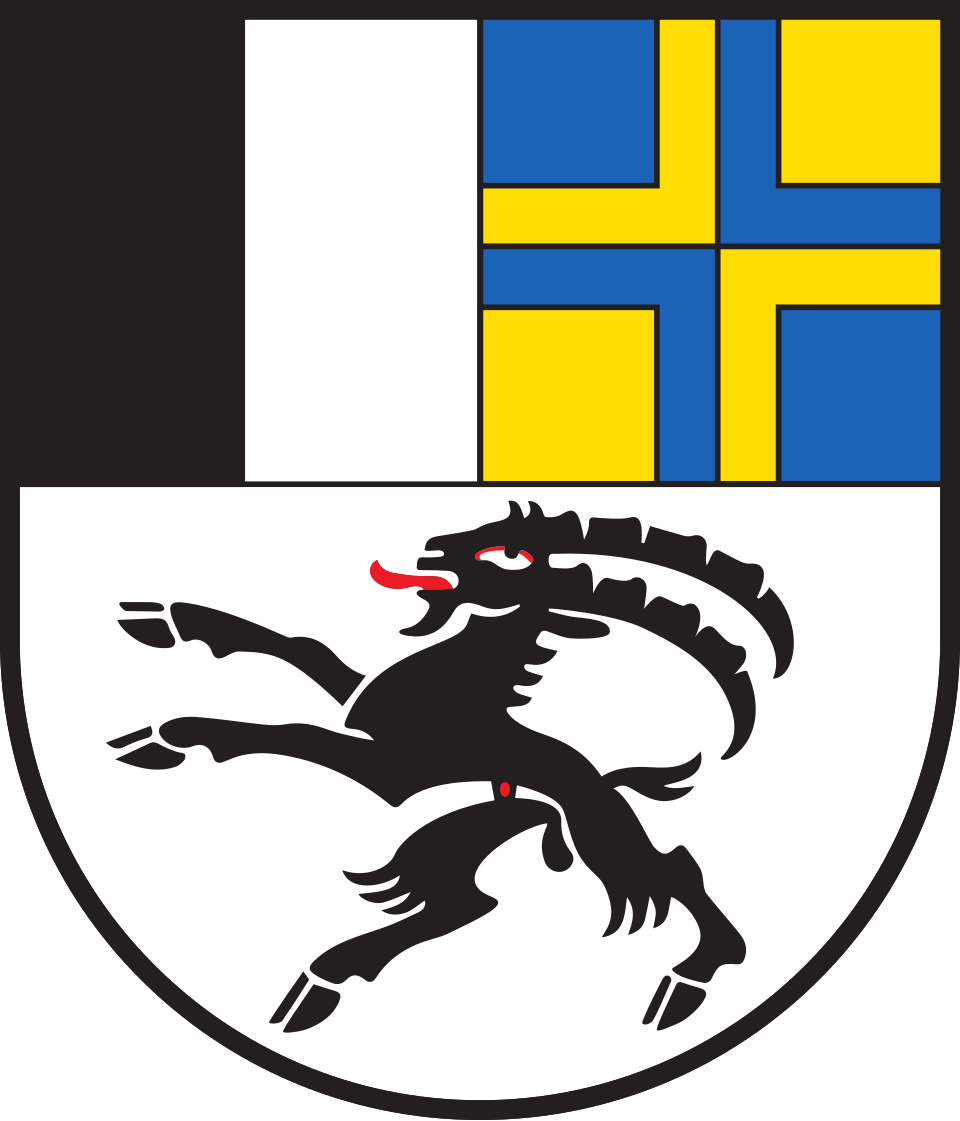
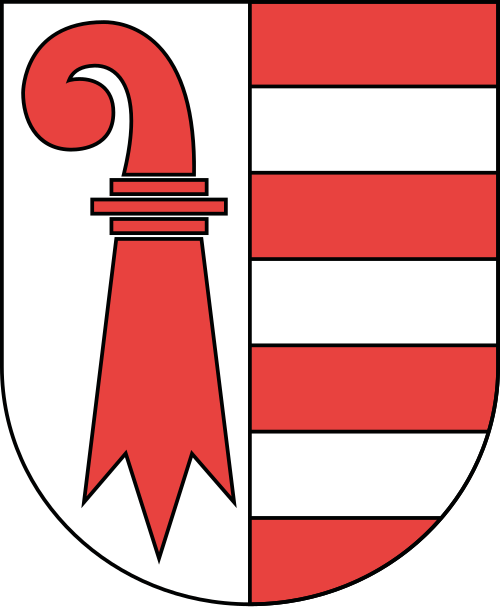
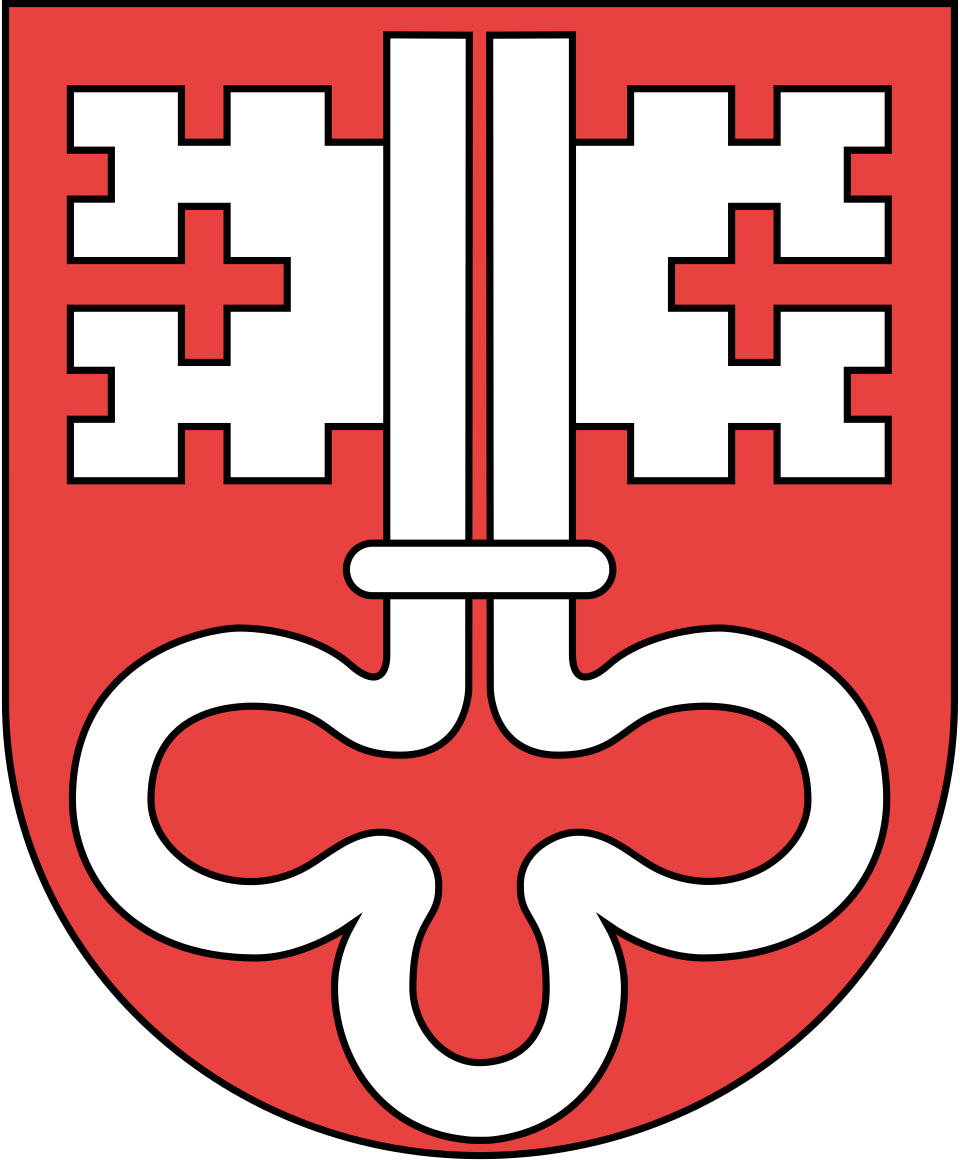
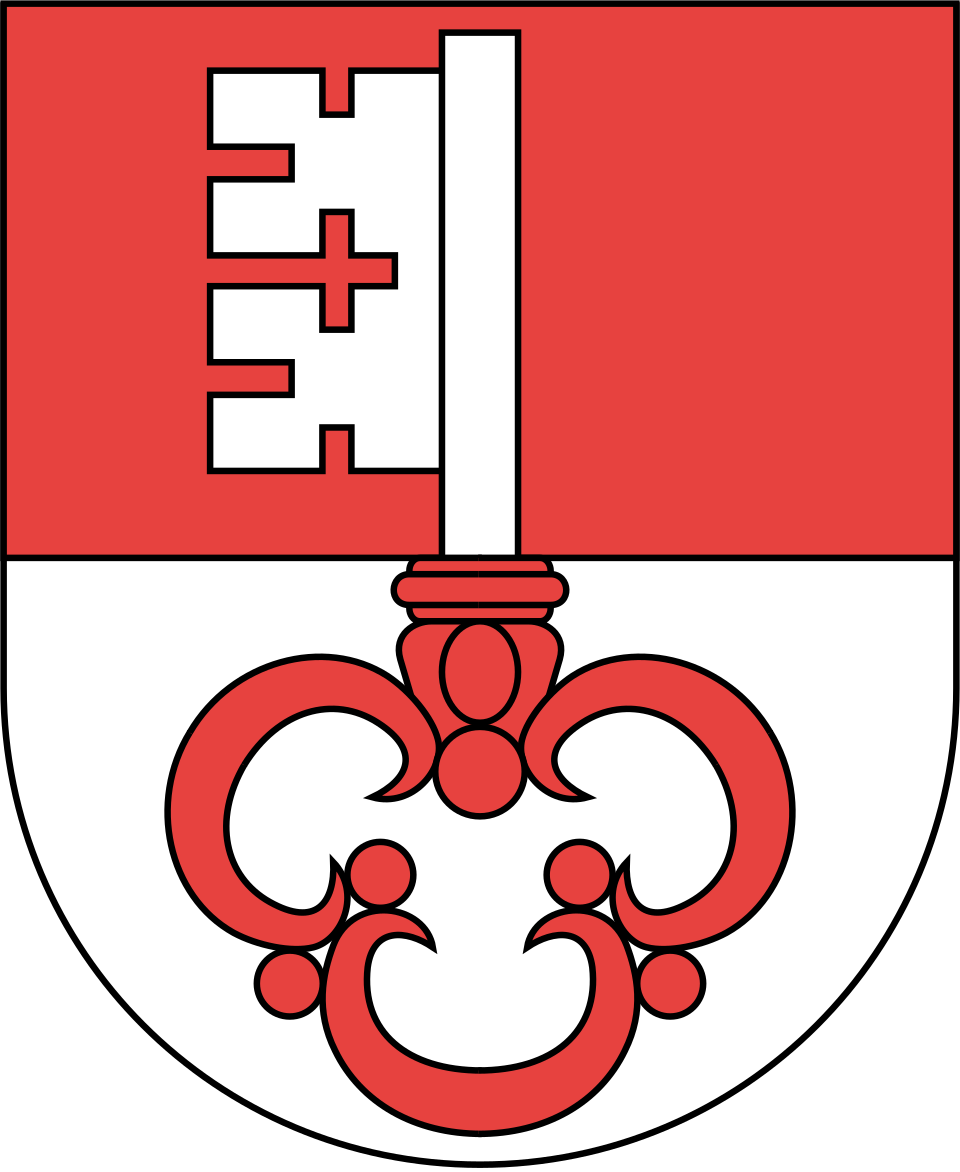
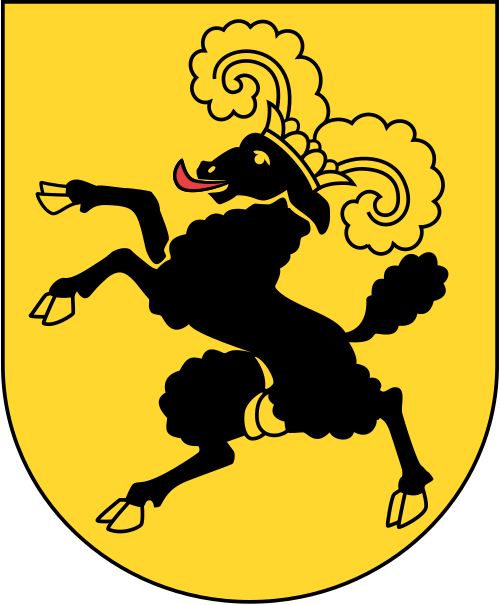
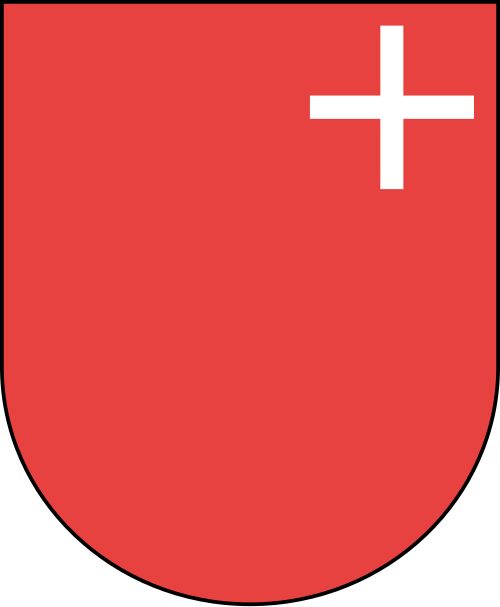
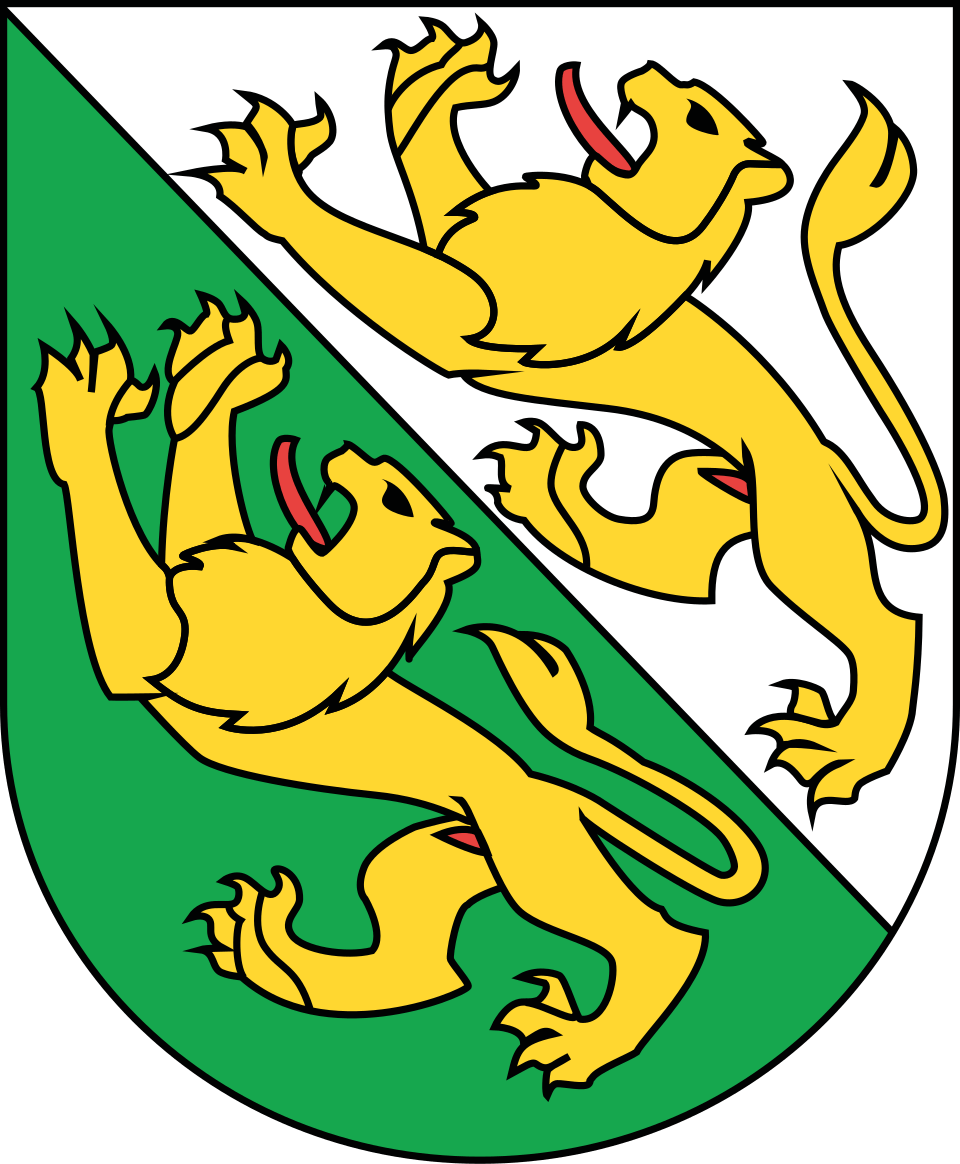
Each of Switzerland’s 26 cantons has its own official coat of arms, often rooted in medieval or early modern tradition:
The Swiss flag’s square shape derives from the military banners (Fahnen) of the Old Swiss Confederacy, which were traditionally square. When the Tagsatzung formally adopted the white cross on red as the federal flag in 1841, it retained this format. Switzerland and Vatican City are the only two sovereign states with square national flags.
The white cross was first used as a field sign at the Battle of Laupen on 21 June 1339, when Confederate soldiers sewed two white strips of cloth onto their clothing to distinguish themselves from their Habsburg opponents, who wore the red cross of St George. Over the following centuries the white cross on red became the recognised emblem of the Eidgenossenschaft.
Switzerland has 26 cantons, each with its own official coat of arms and flag. These cantonal arms often predate the Confederation itself — some, like the bear of Bern or the bull of Uri, have been in use since the thirteenth century.
The Wappenschutzgesetz (WSchG, SR 232.21), adopted on 21 June 2013 and in force since 1 January 2017, defines the official forms of the Swiss coat of arms (white cross on a triangular shield) and the Swiss flag (white cross on a square red field), and restricts their commercial use.
The blazon is simply: Gules, a cross couped Argent. This means a white (silver) cross with arms of equal length, not touching the edges, on a red field. Its simplicity is unique among European state arms.
Explore the coat of arms and flag of every Swiss canton.
Last reviewed by the Emblema Mundi editorial team on 2026-06-21.