Country
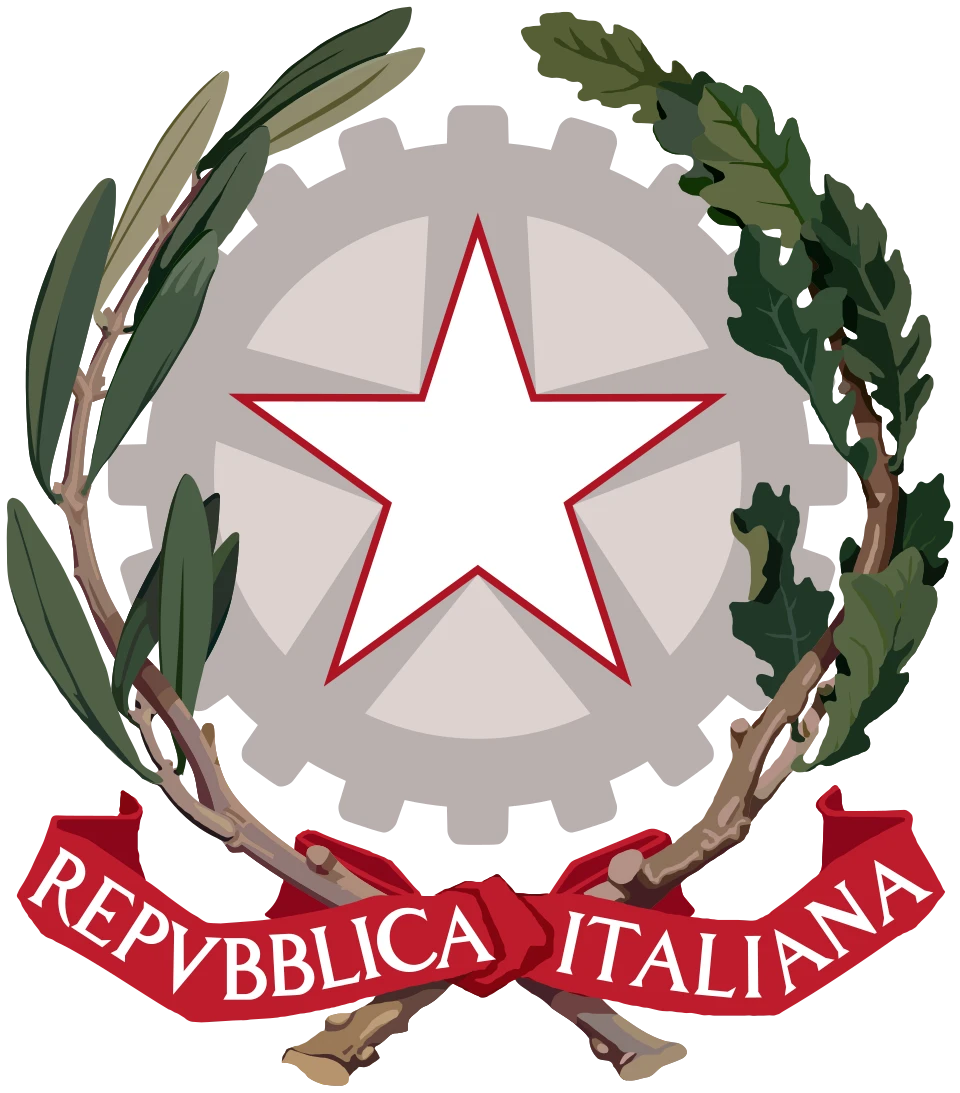
Italy carries an emblem, not a coat of arms. Adopted on 5 May 1948 by the newly born Republic, the design by Paolo Paschetto centres on the Stella d’Italia — a white five-pointed star that has symbolised the Italian peninsula since antiquity — set upon a cogwheel and framed by olive and oak. Before the Republic, the House of Savoy bore one of Europe’s simplest and oldest blazons: Gules, a cross Argent. The national flag, the beloved tricolore, was born on 7 January 1797 in Reggio Emilia, when the Cispadane Republic adopted the green, white, and red that would accompany the Risorgimento and unite the peninsula. Below this national story, 21 regions — from the Trinacria of Sicilia to the Four Moors of Sardegna — carry their own heraldic identities.
Flag
Not available
Coat of Arms
Not available
| Official name | Repubblica Italiana |
|---|---|
| National emblem | Stella d’Italia on cogwheel, olive & oak branches (1948) |
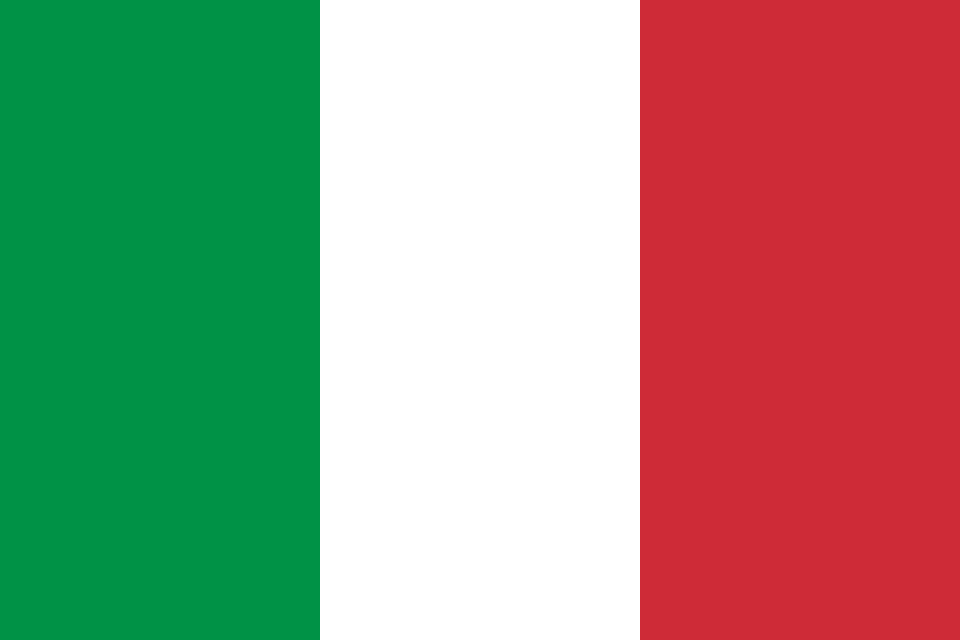
| National flag | Tricolore — green, white, red vertical bands |
| Flag adopted | 7 January 1797 (Cispadane Republic, Reggio Emilia) |
| Motto | None official; L’Italia è una Repubblica democratica, fondata sul lavoro (Art. 1) |
| Capital | Roma |
| Government | Unitary parliamentary republic |
| Head of State | Sergio Mattarella (since 2015) |
| Former royal arms | Gules, a cross Argent (House of Savoy) |
| Regions shown | 21 (NUTS 2 administrative regions) |
Emblem of Italy — Stella d’Italia on a cogwheel, olive and oak, REPVBBLICA ITALIANA
The emblem of the Italian Republic is not a coat of arms in the heraldic sense — it was deliberately designed outside traditional blazon rules. Its composition carries rich republican symbolism:
In 1946 the provisional government launched a public competition to design an emblem for the new Republic. Paolo Paschetto, Professor at the Istituto di Belle Arti in Rome, won the first round in 1947, but his initial design was met with criticism. A second competition followed, again won by Paschetto. The revised emblem was approved by the Assemblea Costituente in February 1948 and formally adopted by President Enrico De Nicola on 5 May 1948.
Before the Republic, the Kingdom of Italy (1861–1946) used the arms of the House of Savoy, one of the oldest and simplest blazons in European heraldry:
Gules, a cross Argent.
A white cross on a red field — a design attested since the 13th century. The full royal achievement added the collar of the Ordine Supremo della Santissima Annunziata and the royal crown. The Savoy cross remains embedded in countless Italian municipal arms.
Flag of Italy — The tricolore, born in Reggio Emilia, 7 January 1797
The Italian tricolore — three vertical bands of green, white, and red — is one of the defining symbols of the Risorgimento and of modern Italy.
In 1796, Napoleon’s Italian campaign swept the peninsula. The newly formed Lombard Legion adopted military banners of white, red, and green — colours deeply rooted in Milanese tradition. White and red came from the municipal coat of arms of Milano (a red cross on a white field), while green was taken from the uniforms of the city’s Guardia Civica, green since 1782.
On that date, the Cispadane Republic — uniting Reggio Emilia, Modena, Bologna, and Ferrara — formally adopted the tricolore at the proposal of deputy Giuseppe Compagnoni. The decree stated: “che lo Stendardo, o Bandiera Cispadana di Tre Colori, Verde, Bianco, e Rosso, sia fatta Universale.” The original flag bore horizontal stripes with a quiver of four arrows at the centre.
The tricolore became the rallying symbol of Italian unification. The Kingdom of Sardinia placed the Savoy arms at the centre of the flag in 1848, a design inherited by the Kingdom of Italy in 1861. With the birth of the Republic in 1946, the Savoy shield was removed, leaving the plain tricolore. Article 12 of the Constitution of 1948 declares: “La bandiera della Repubblica è il tricolore italiano: verde, bianco e rosso, a tre bande verticali di eguali dimensioni.”
Italy’s heraldic heritage is among the richest in Europe, shaped by centuries of independent city-states, maritime republics, papal territories, and feudal kingdoms. Italian heraldry developed distinctive features: the capo dell’Impero (chief of the Empire, a golden eagle on black) granted by Holy Roman Emperors, the capo d’Angiò (Angevin chief) marking Guelph allegiance, and the widespread use of the gonfalon as a municipal emblem.
Unlike France or England, Italy never had a single centralised heraldic authority. The Consulta Araldica del Regno (1869–1948) regulated noble arms under the monarchy, but was abolished with the Republic. Today, municipal and regional heraldry is governed by presidential decree, with the Ufficio Araldico of the Presidenza del Consiglio advising on new grants.
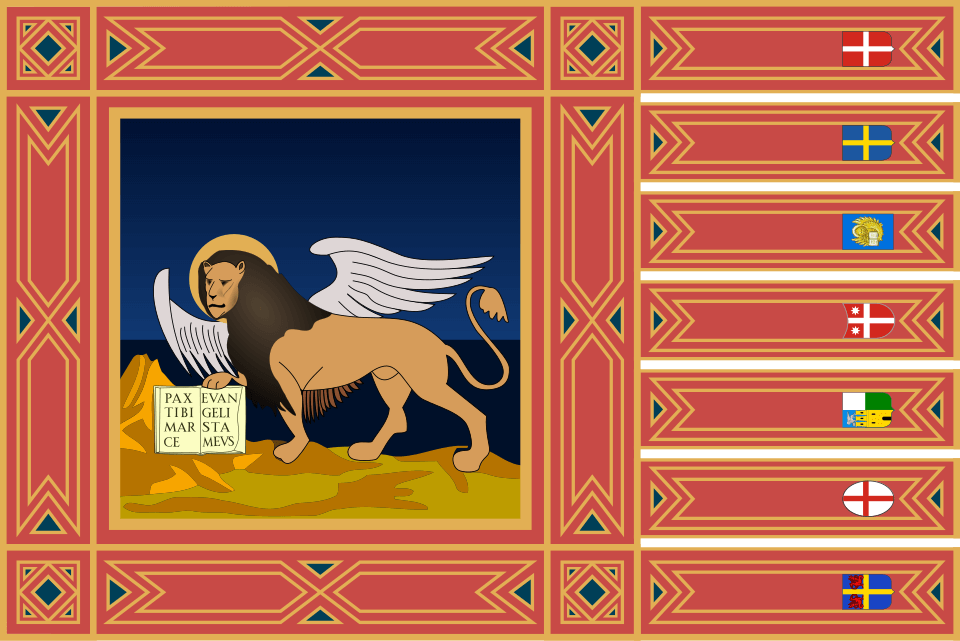
Italian civic heraldry is remarkably vibrant: thousands of comuni display arms that often date to the Middle Ages. The biscione (serpent) of Milano, the giglio (lily) of Firenze, the winged lion of Venezia, and the lupa (she-wolf) of Roma rank among the most iconic charges in world heraldry.
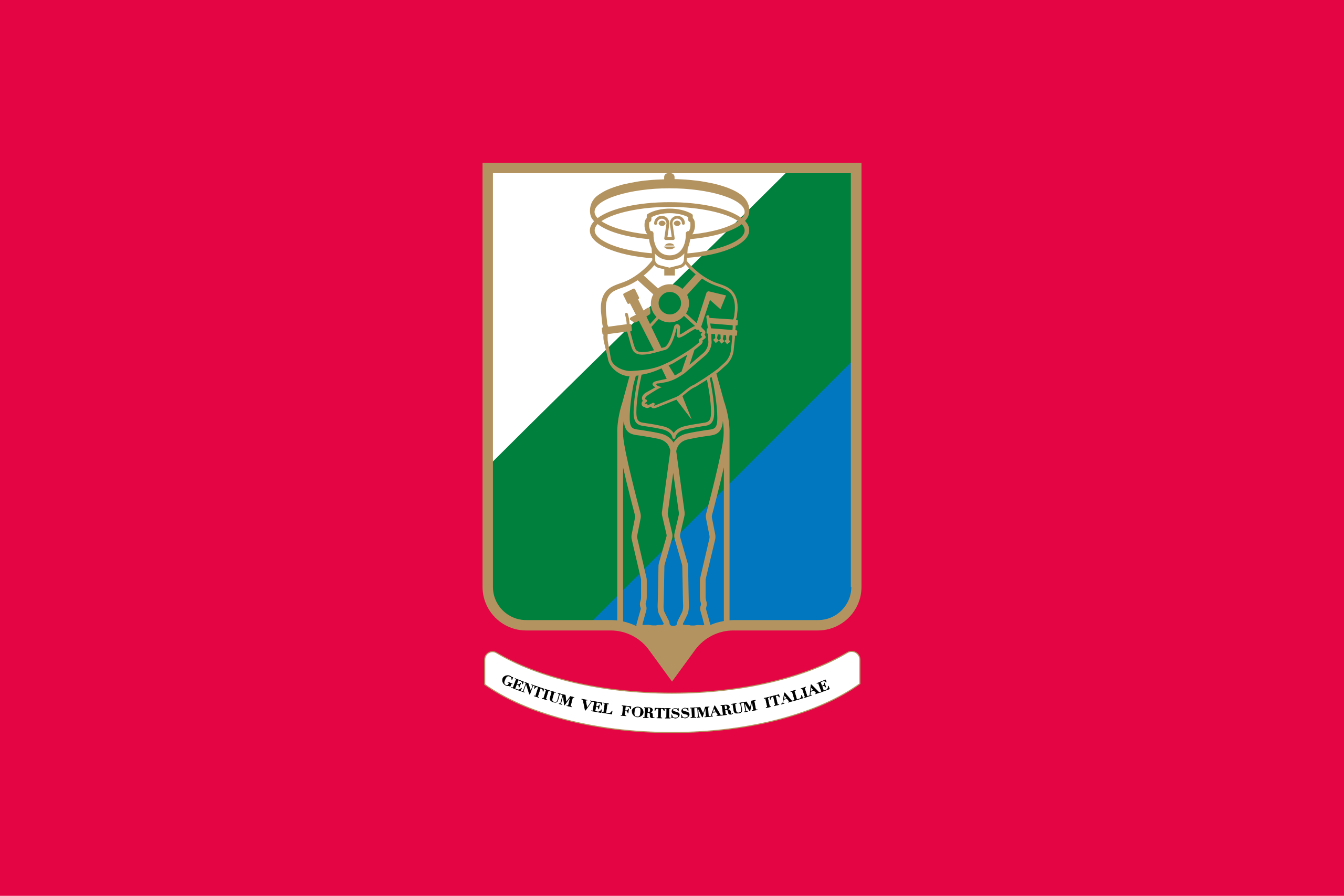
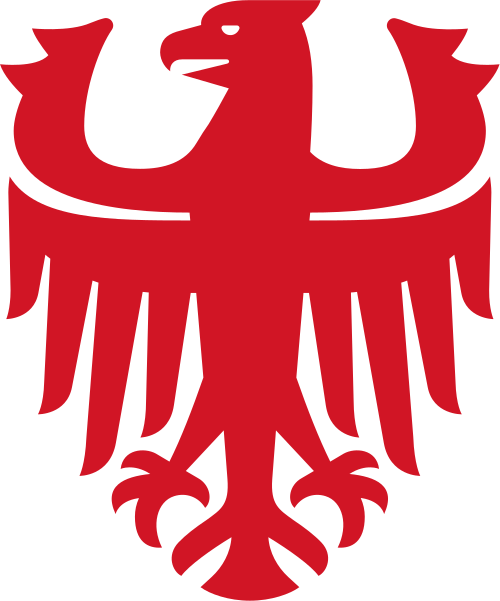
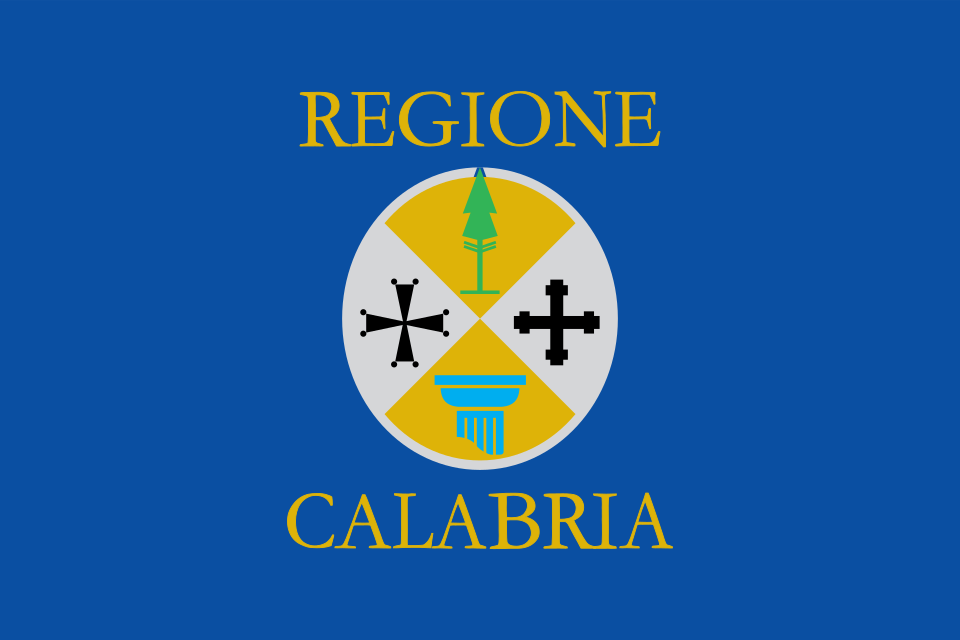
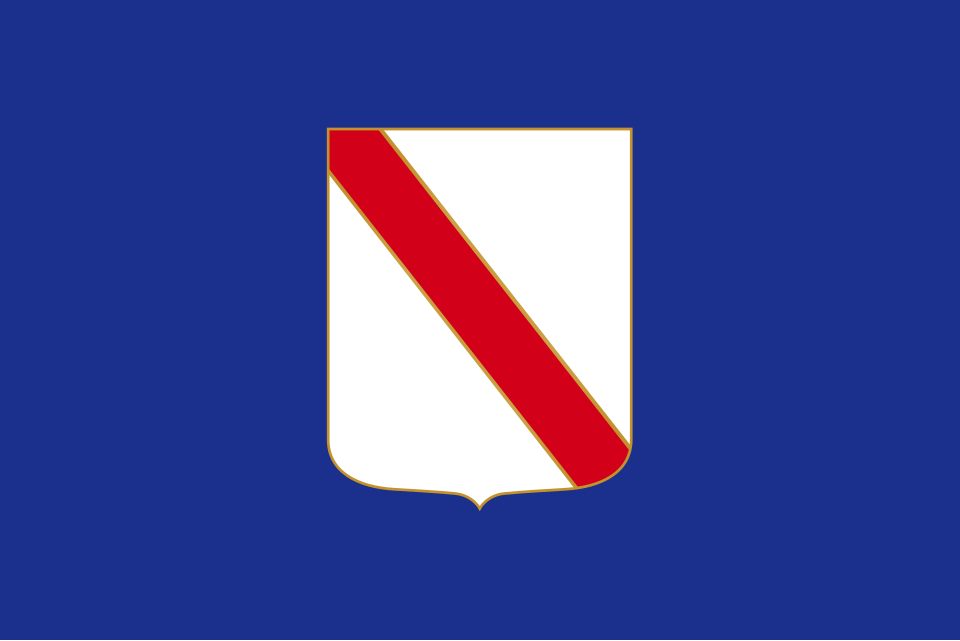
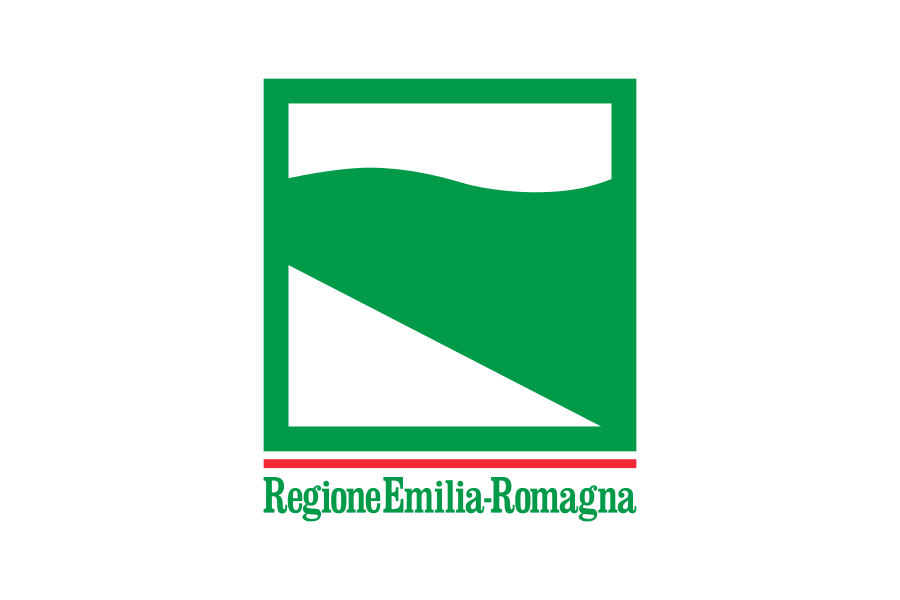
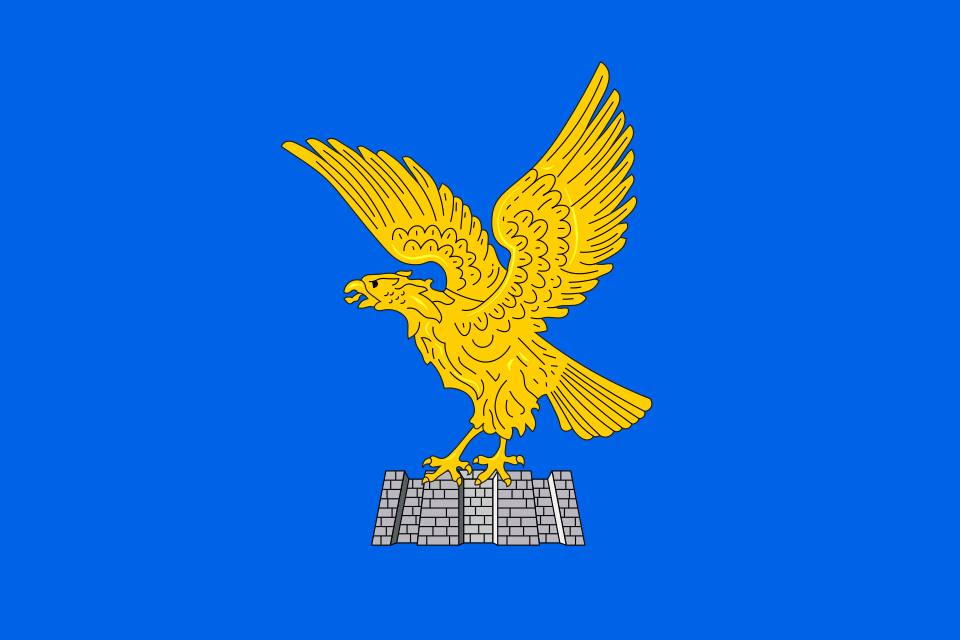
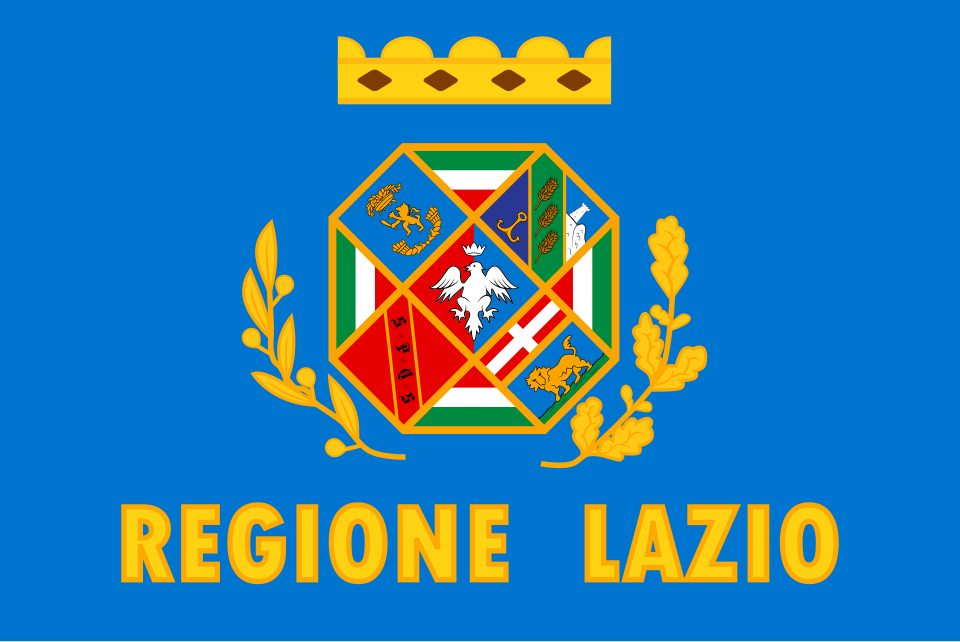
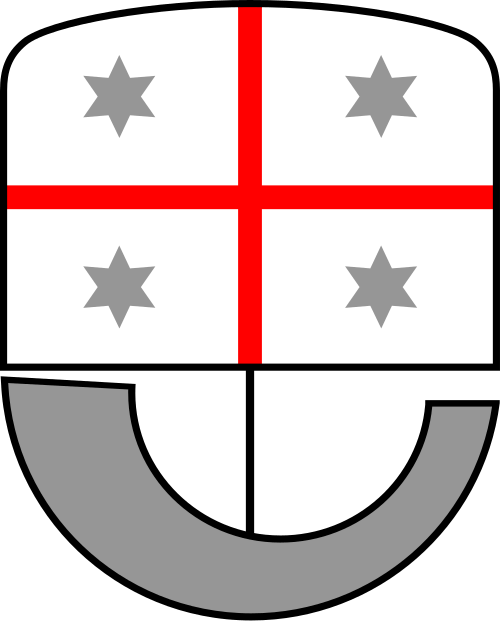
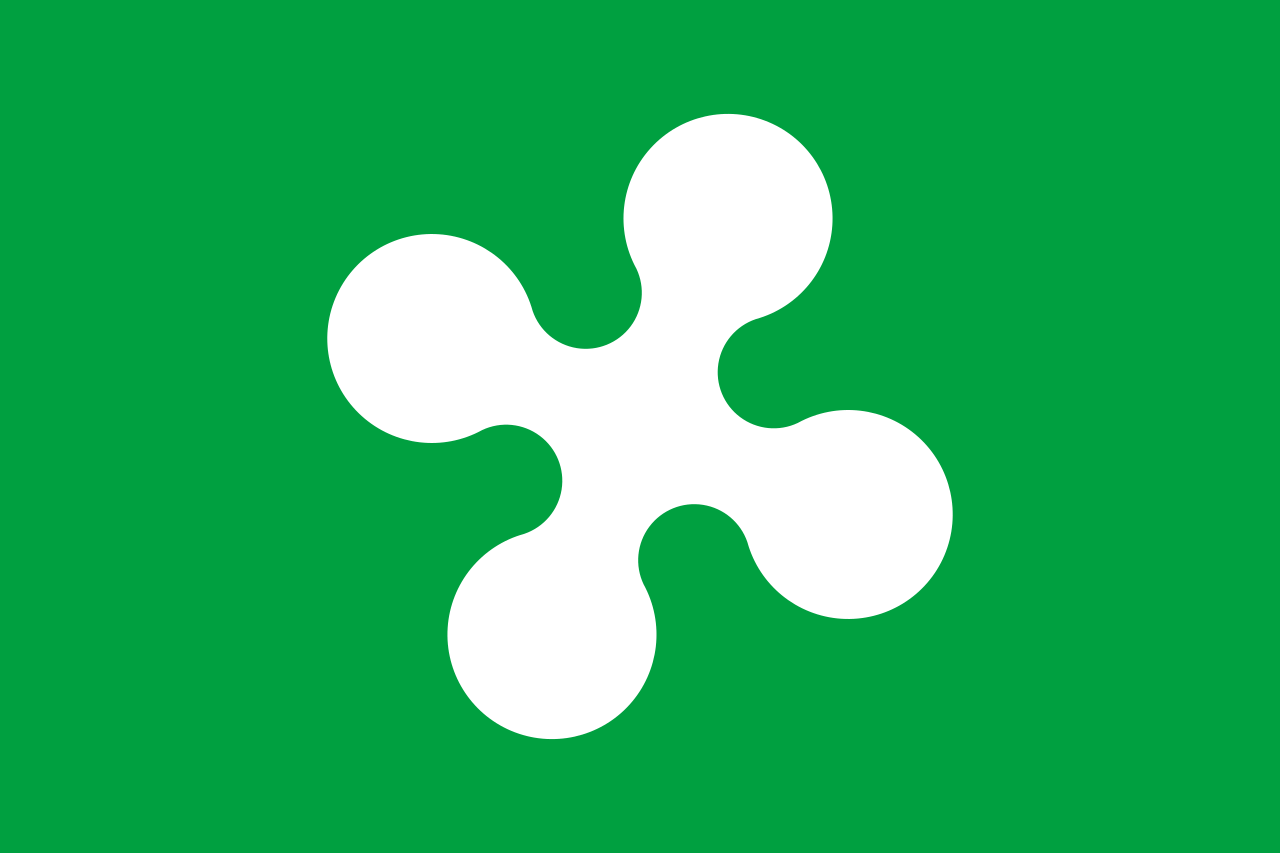
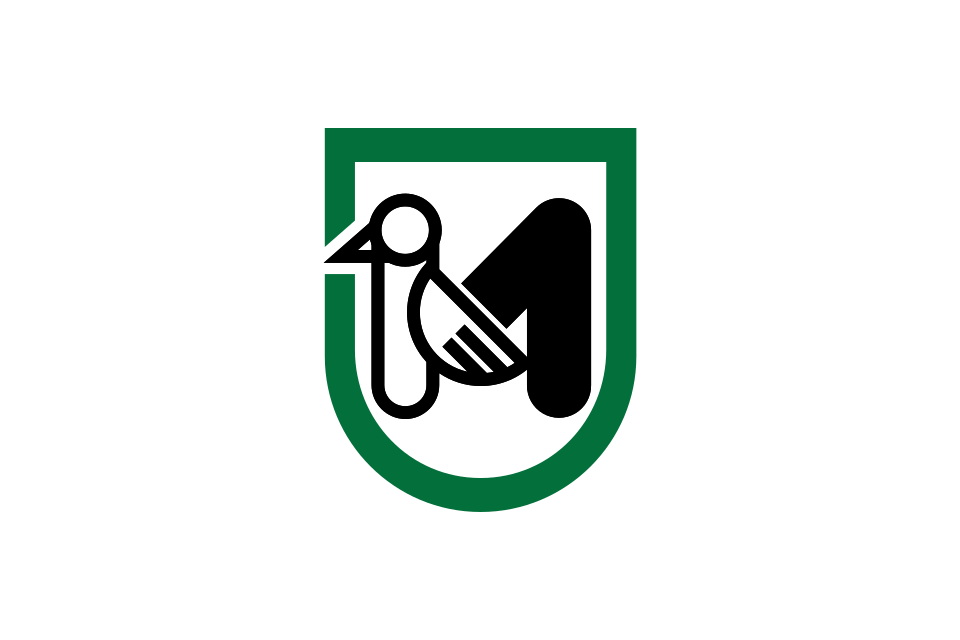
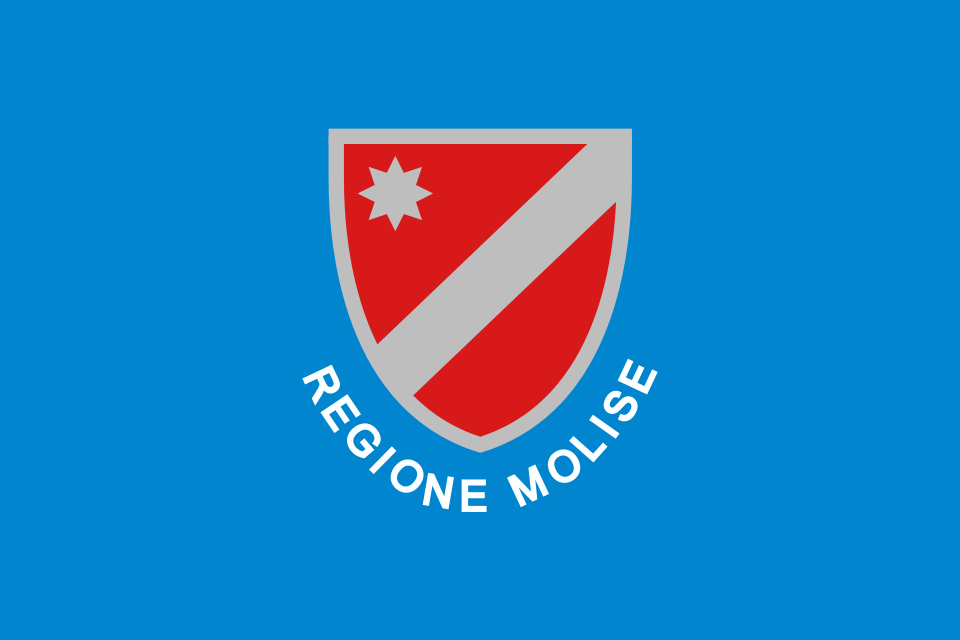
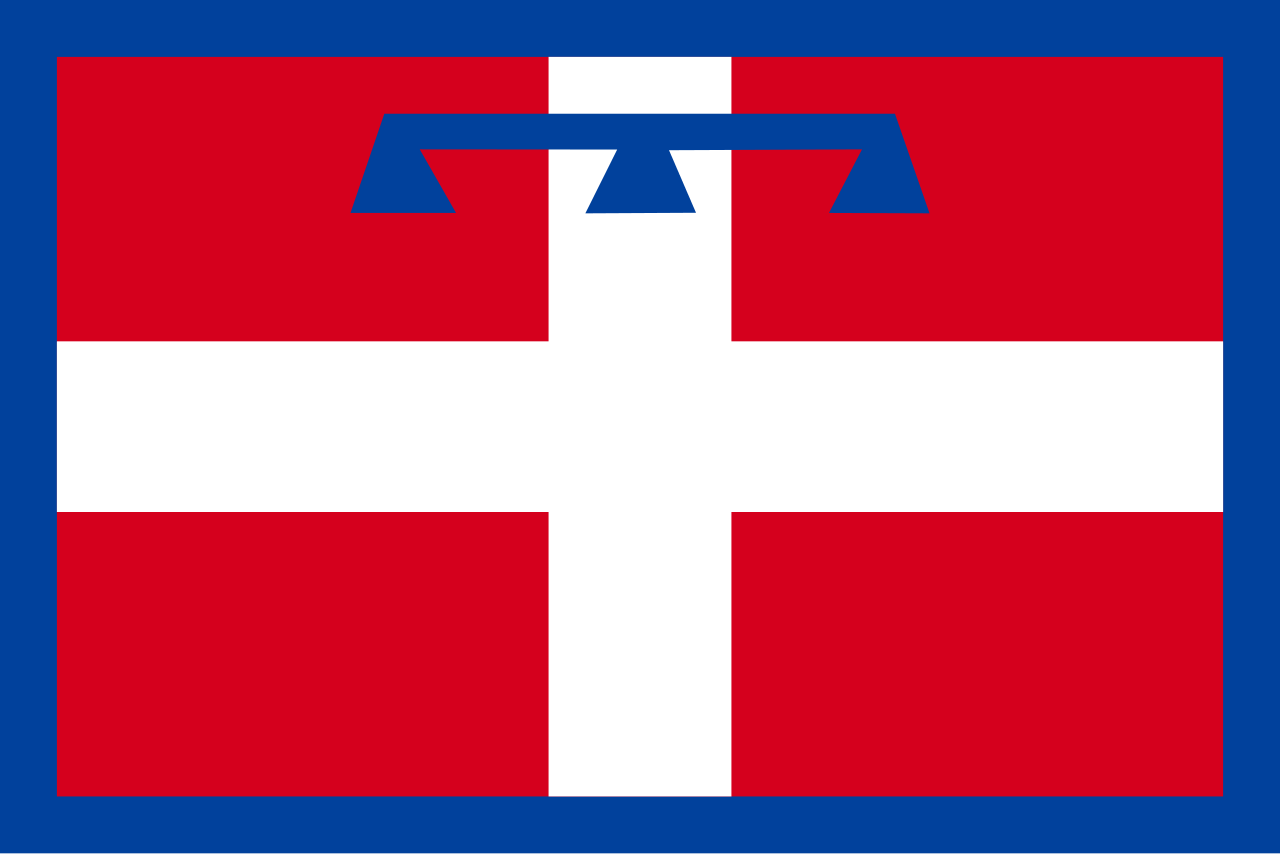
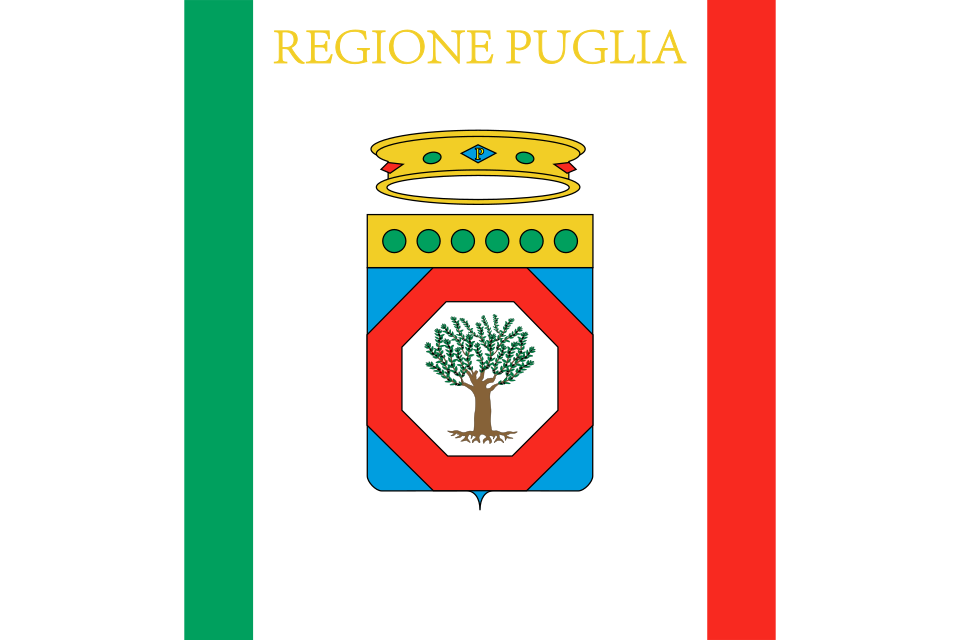
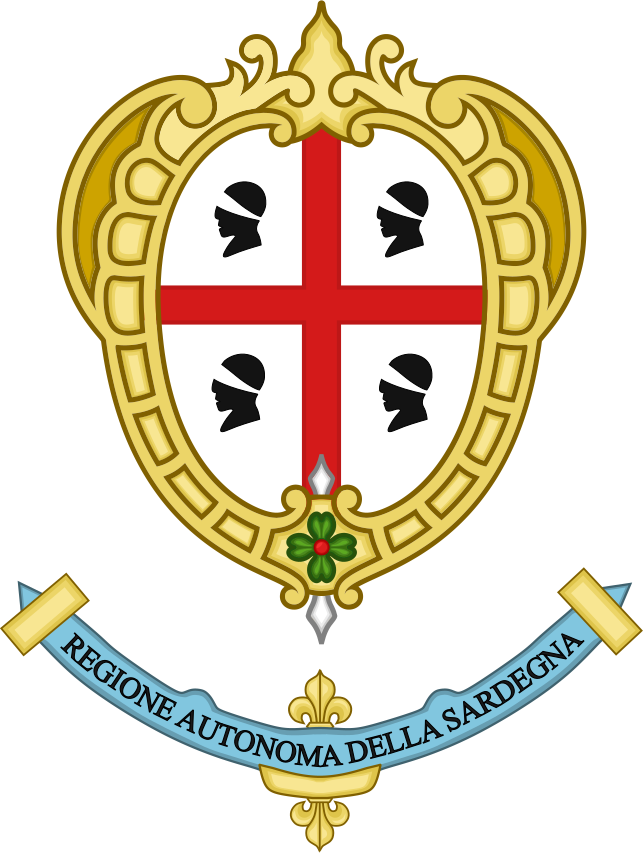
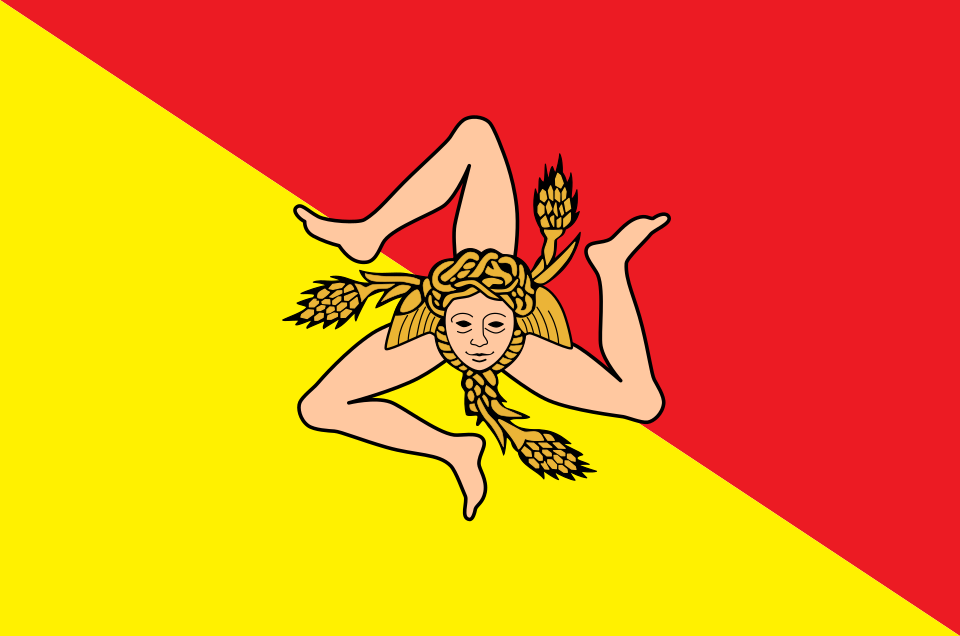
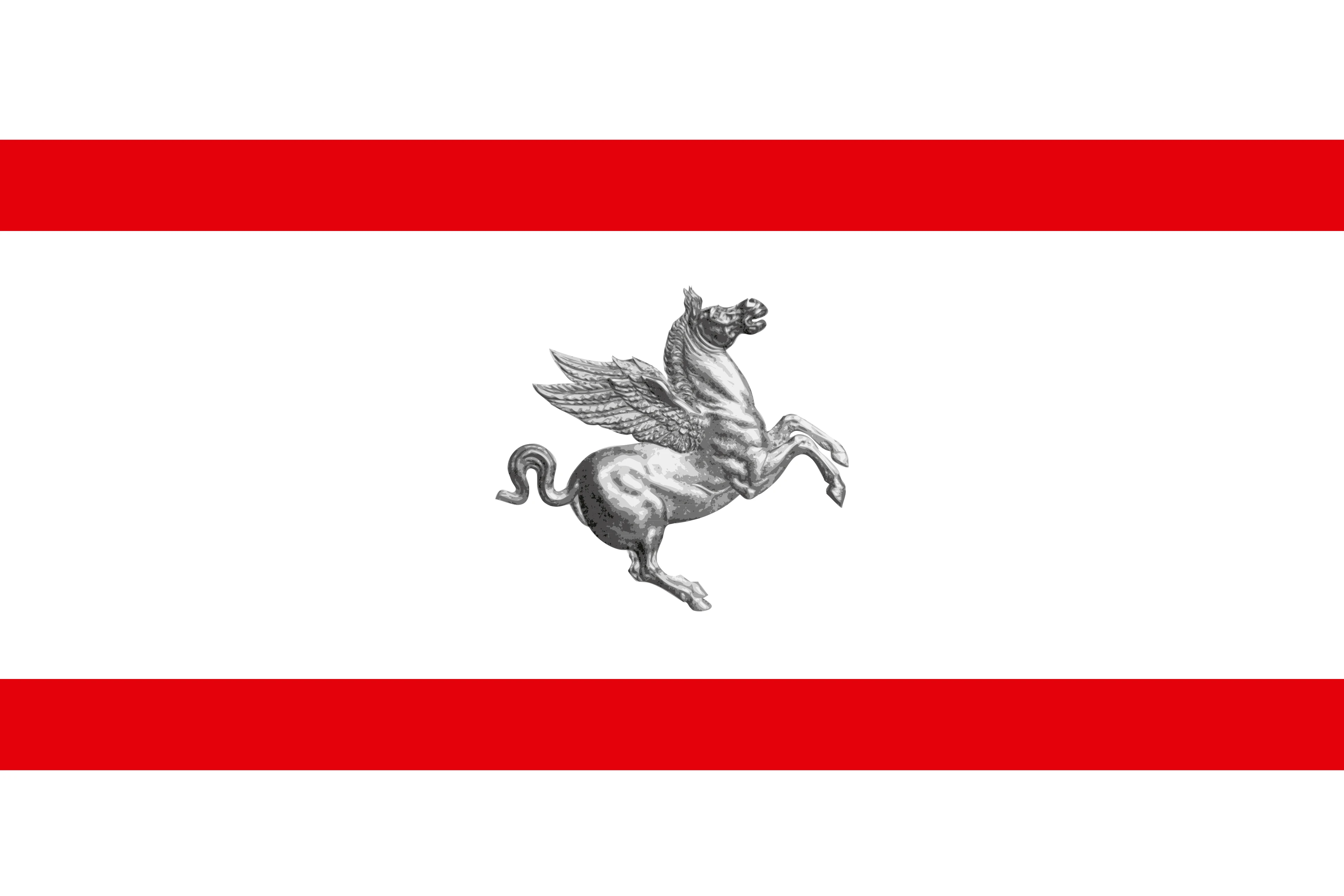
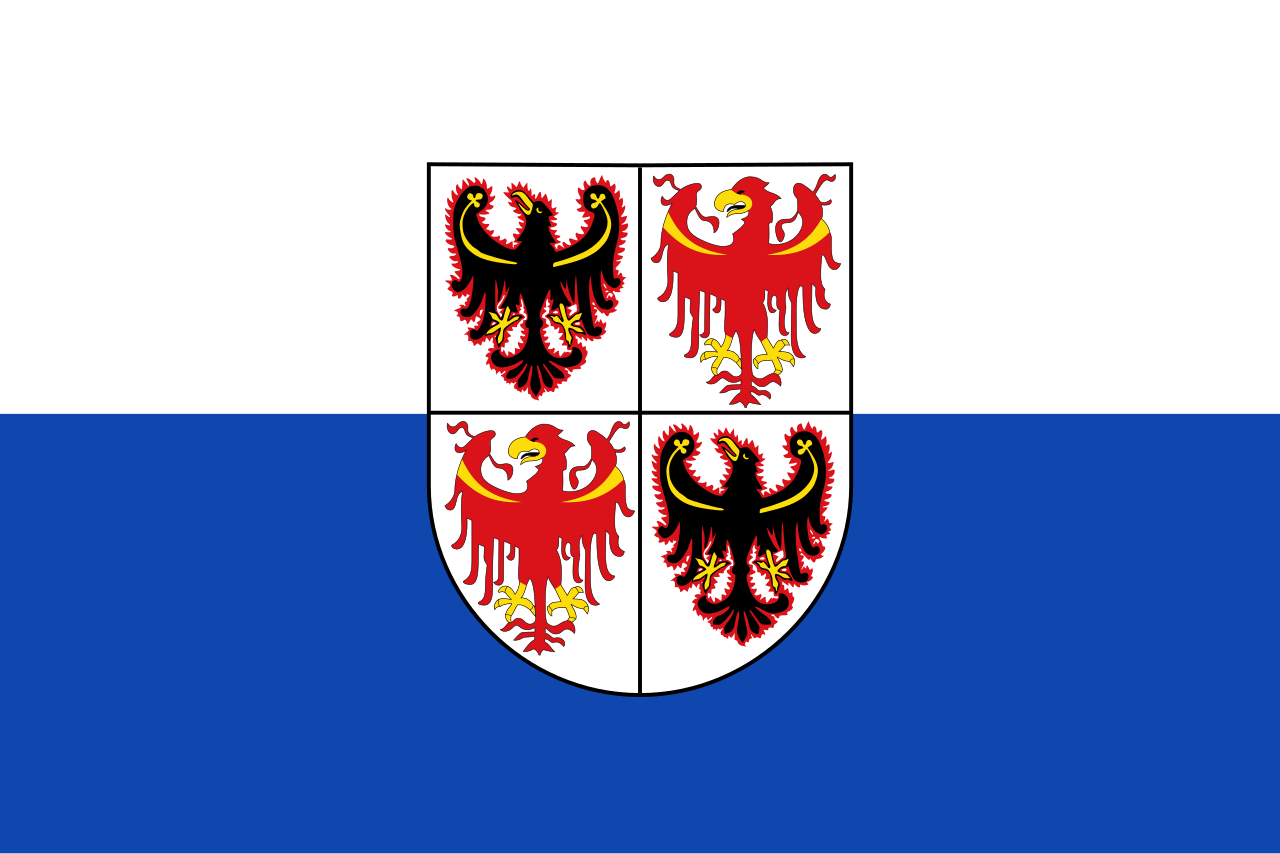
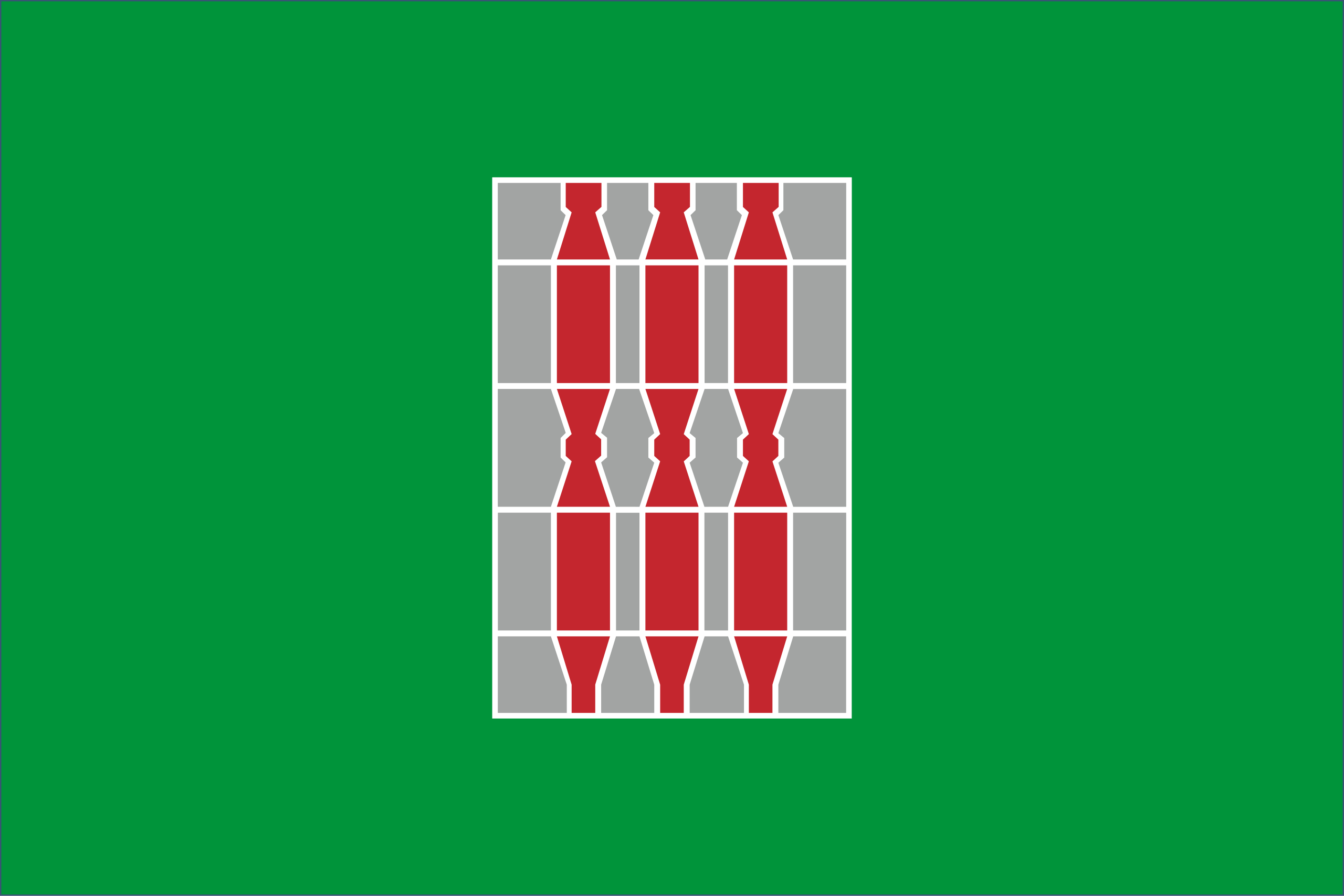
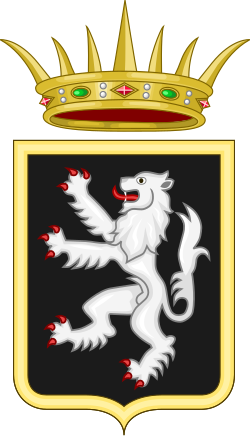
Each of Italy’s 21 regions carries a distinctive emblem or coat of arms. Here are eight notable examples:
The emblem of the Italian Republic, adopted on 5 May 1948, features a white five-pointed star (Stella d’Italia) with a thin red border, superimposed on a five-spoked cogwheel representing industry, flanked by an olive branch (peace) and an oak branch (dignity). A red ribbon inscribed REPVBBLICA ITALIANA binds the composition. It was designed by Paolo Paschetto.
The colours derive from the Lombard Legion’s military banners of 1796: white and red come from the municipal coat of arms of Milano (a red cross on a white field), while green was taken from the uniforms of Milano’s Guardia Civica, green since 1782. The tricolore was formally adopted on 7 January 1797 by the Cispadane Republic in Reggio Emilia.
Paolo Paschetto, Professor at the Istituto di Belle Arti in Rome, won two successive design competitions (1947 and 1948). His final design was approved by the Assemblea Costituente in February 1948 and formally adopted by President Enrico De Nicola on 5 May 1948.
The tricolore was first adopted on 7 January 1797 in Reggio Emilia, when the Cispadane Republic decreed — at the proposal of Giuseppe Compagnoni — that “the Cispadane Standard or Flag of Three Colours, Green, White and Red shall become universal.” It has remained Italy’s flag through the Risorgimento, the Kingdom, and the Republic.
Yes. The Kingdom of Italy (1861–1946) used the arms of the House of Savoy: Gules, a cross Argent — a white cross on a red field. This simple blazon, one of the oldest in European heraldry, was surrounded by the collar of the Ordine Supremo della Santissima Annunziata and topped by the royal crown.
Explore the coat of arms or emblem of each of Italy’s 21 administrative regions.
Last reviewed by the Emblema Mundi editorial team on 2026-06-22.