Country
Japan has no single national coat of arms in the European sense. Instead, three official emblems share the role: the Hinomaru (the white-and-red flag of the sun), the Kiku no Gomon (the imperial chrysanthemum seal), and the Go-shichi no kiri (the paulownia seal of the Cabinet). Beneath the State, an extraordinarily rich tradition of mon — monochrome circular family crests born from the Heian-period court — survives in 47 prefectural emblems and thousands of corporate logos still in use today.
Click on a country to learn more
| Country | Japan (Nippon · Nihon · 日本国) |
|---|---|
| National flag | Hinomaru (日の丸); proportions 2:3; sun disc Ø ⅗ of hoist |
| Flag adopted | Merchant ensign 1870; national flag formalised 13 August 1999 (Act on National Flag and Anthem) |
| Imperial Seal | Kiku no Gomon (菊の御紋) — sixteen-petal golden chrysanthemum; exclusive to the Emperor and Imperial Family since 1869 |
| Government Seal | Go-shichi no kiri (五七桐) — five-seven Paulownia; used by the Prime Minister and Cabinet |
| Prefectures | 47 (1 to, 1 dō, 2 fu, 43 ken) — established 1871 by haihan-chiken |
| Anthem | Kimigayo (君が代), text from the Kokin Wakashū (10th c.); melody credited to Hayashi Hiromori, 1880, arranged by Franz Eckert |
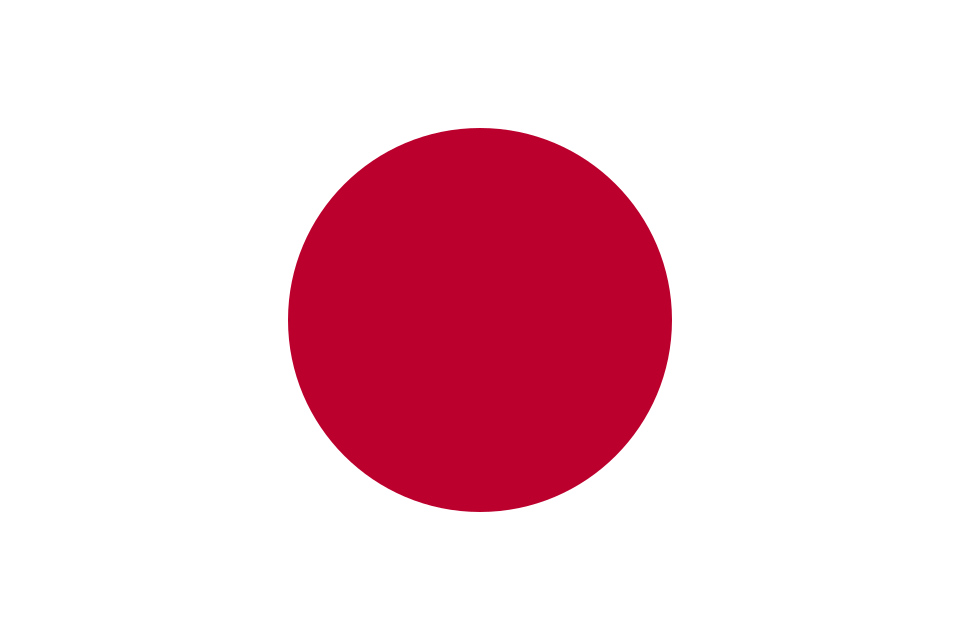
National Flag — Hinomaru — A crimson red disc on a white field, proportions 2:3.
The Hinomaru (日の丸, "circle of the sun") is a rectangular white field bearing a single crimson red disc at its centre. Official proportions are 2:3 (hoist:fly), with the disc's diameter exactly three-fifths of the hoist height. The disc is rendered in the precise hue beniiro (紅色), a deep saturated red often likened to Pantone 186 C, though no Pantone reference is officially specified by law.
The name Hinomaru is descriptive, not historical: the formal name is Nisshōki (日章旗, "sun-mark flag"). The design refers directly to Japan's name Nihon (日本, "origin of the sun"), the term Prince Shōtoku reportedly used in a 7th-century letter to the Sui Court of China.
12th century — Genpei War. Red discs on white banners appear on shogunate war standards during the Minamoto-vs-Taira conflicts (1180–1185), used as field identification.
16th century — Sengoku period. Warlords (daimyō) commonly use sun-disc banners. Tokugawa Ieyasu, founder of the Edo shogunate, employs them as a personal standard.
1854 — Bakufu ensign decree. Months after the Treaty of Kanagawa (31 March 1854) — signed under pressure from Commodore Perry's "Black Ships" — the shogunate separately orders, around August 1854, that Japanese ships fly the Hinomaru to distinguish them from foreign vessels newly allowed in Japanese waters. The treaty itself says nothing about flags; the decision was a later, unrelated administrative measure by Senior Councilor Abe Masahiro.
27 February 1870 — Proclamation 57. The Meiji government formally codifies the Hinomaru as the merchant ensign, fixing proportions at 7:10 and the position of the disc slightly off-centre toward the hoist (both later revised — ratio changed to 2:3, offset dropped — in 1999).
1945–1947 — Occupation. SCAP authorities under General MacArthur restrict the use of the Hinomaru, fearing its militarist associations. Restrictions are progressively lifted from 1948.
13 August 1999 — Act on National Flag and Anthem. Diet Law No. 127 formally designates the Hinomaru as the kokki (国旗, national flag) and Kimigayo as the national anthem, ending more than a century of legal ambiguity. The disc is fixed exactly at the geometric centre.
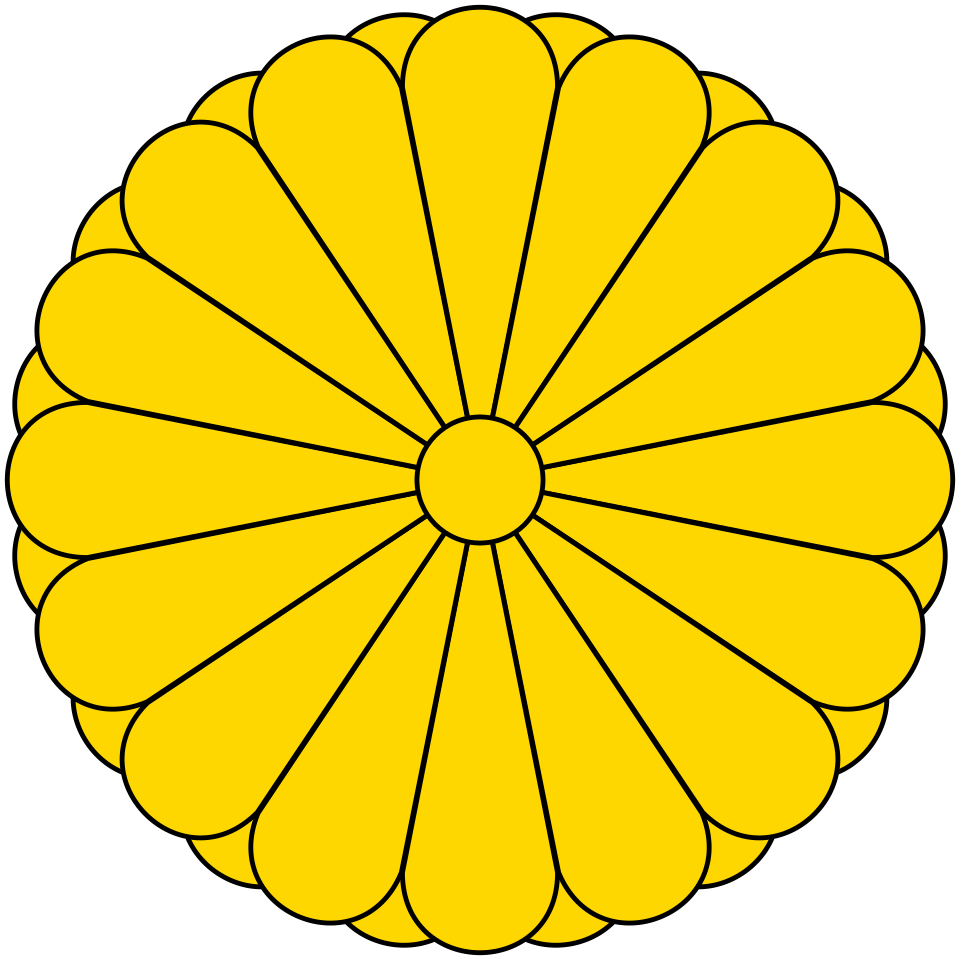
Imperial Seal — Kiku no Gomon — A golden chrysanthemum with sixteen petals visible, a second row of sixteen behind.
The Kiku no Gomon (菊の御紋, "honourable chrysanthemum crest") is the personal emblem of the Emperor of Japan and the Imperial House. It depicts a stylised chrysanthemum flower with sixteen petals visible in the front row and a partial second row of sixteen tips emerging from behind, all in gold. The overall outline is perfectly circular and twofold-symmetric.
The chrysanthemum (kiku) had been a noble flower in the Heian-period court, associated with longevity and imperial dignity. Its adoption as the imperial emblem began with Emperor Go-Toba (r. 1183–1198), who reportedly favoured the flower so much that it featured on his personal sword and clothing. Subsequent emperors continued the association.
For seven centuries the chrysanthemum was a courtly emblem with no exclusive status — branches of the imperial family, court nobles, and even some warrior houses used variants. The Meiji Restoration of 1868 changed this.
A Dajōkan (Grand Council of State) proclamation of 1869 restricted the sixteen-petal chrysanthemum to the Emperor and the Imperial Family. A fourteen-petal variant for collateral imperial branches was only formally codified later, in the 1926 Imperial House Ceremonial Regulations. By the 1870s the seal was in use on imperial standards and government documents; it was added to Japanese passport covers around 1920, following an international convention on standardising passport design.
1947 — Post-war Constitution. The new Constitution, drafted under the Occupation, redefines the Emperor as "the symbol of the State and of the unity of the People" without executive authority. The Kiku no Gomon remains the Imperial Seal but cannot serve as the seal of the State — a deliberate constitutional separation.
The Kiku no Gomon is borne by:
The Go-shichi no kiri (五七桐, "five-seven Paulownia") is the official emblem of the Japanese government and the Cabinet. It depicts the flowers and leaves of the Paulownia tree (kiri 桐, Paulownia tomentosa) arranged in a distinctive 5-7-5 cluster of upright flower stalks above three large leaves. The name reflects this count: five flowers on the outer stalks, seven on the central stalk, five again on the other outer stalk.
The Paulownia was originally a secondary emblem of the Imperial family, paired with the chrysanthemum since at least the Heian period — accounts of the exact century vary. Emperors granted it as a mark of favour to military commanders and court nobles:
When the Meiji government created a modern Cabinet in 1885, it inherited the Paulownia as the official seal of the Prime Minister — by then naturally associated with high executive office rather than with the Emperor personally. Today the Go-shichi no kiri appears on:
A mon (紋) — also monshō (紋章) or, for family crests specifically, kamon (家紋) — is a Japanese identifying emblem. The aesthetic principles are the precise opposite of European heraldry:
| Aspect | European Heraldry | Japanese Mon |
|---|---|---|
| Composition | Layered (field + ordinaries + charges + supporters + motto) | Single motif within a circle |
| Colour | Multiple tinctures, rule of tincture | Monochrome: black on white, or white on black (negative) |
| Form | Heraldic shield (escutcheon) | Circular, square, fan, or floating |
| Subject | Animals, ordinaries, geometric charges | Plants, natural forms, geometric abstractions, kanji |
| Reading | Blasonné in formalised language | Named descriptively (e.g. maru ni mitsu-aoi, "three hollyhocks in a circle") |
Heian period (794–1185) — Court origin. Aristocratic families begin using simple plant motifs on their ox-carts (gissha), kimono linings, and ceremonial objects. The Fujiwara use wisteria (fuji); the Sugawara use plum blossom (ume); the Tachibana use the mandarin orange flower.
Kamakura and Muromachi periods (1185–1573) — Samurai adoption. Warriors adopt mon as battlefield identification. By the Sengoku period (15th-16th c.), nearly every daimyō house has a recognisable mon: the Tokugawa aoi (hollyhock), the Oda mokkō (gourd flower), the Takeda hishi (four diamonds), the Uesugi take ni suzume (sparrows in bamboo).
Edo period (1603–1868) — Codification. Mon become hereditary and formal. Books cataloguing them are published — the Bukan (武鑑) lists the crests of every daimyō house. Even commoners adopt mon for ceremonial wear (formal kimono have five mon, displayed at chest, shoulders, and back).
Meiji era to today. The mon survives the modernisation: it migrates onto company logos (Mitsubishi's three diamonds, combining the Iwasaki family kamon with the three-oak-leaf crest of the Yamauchi clan of Tosa), department store emblems, hotel brands, and most strikingly onto prefectural emblems standardised in the 20th century.
Approximately 20,000 distinct mon are recorded in modern catalogues. Most Japanese families today do not actively use them, but ceremonial occasions (weddings, funerals, traditional theatre) maintain the tradition. Mon appear on noren (shop curtains), corporate stationery, train station signage, and packaging.
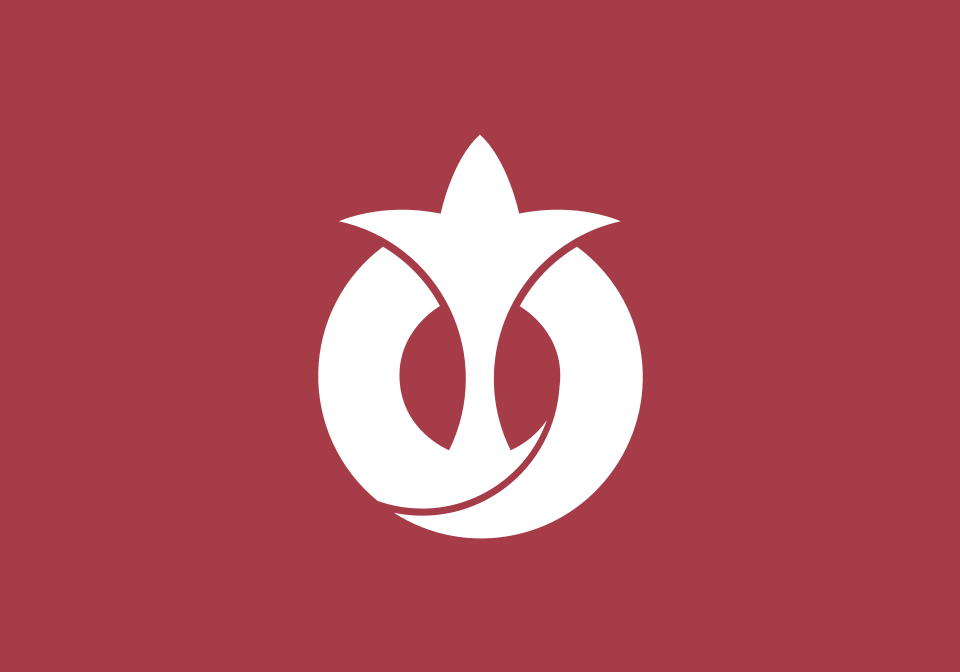
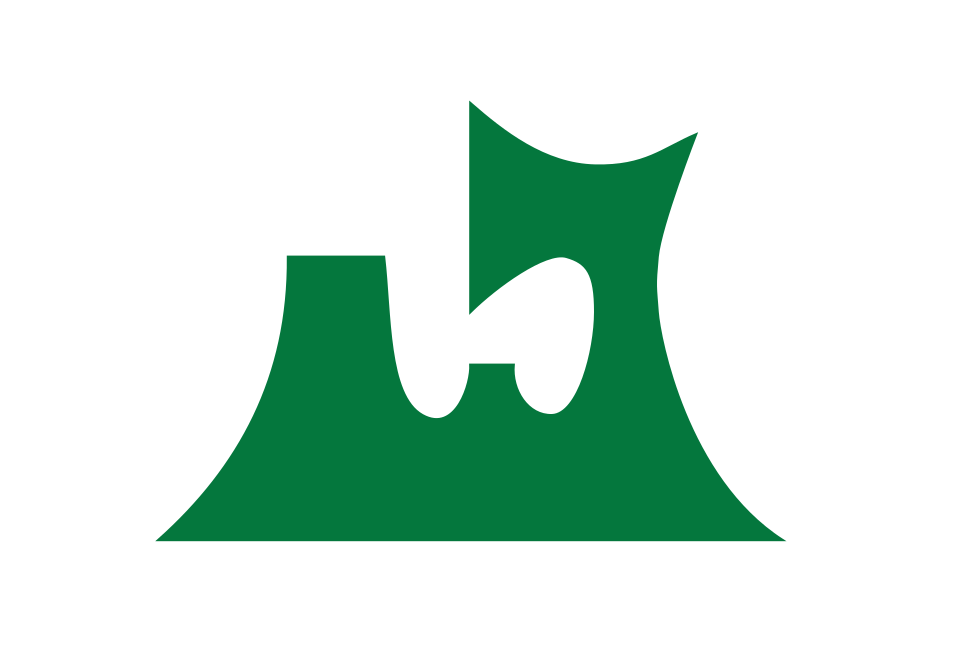
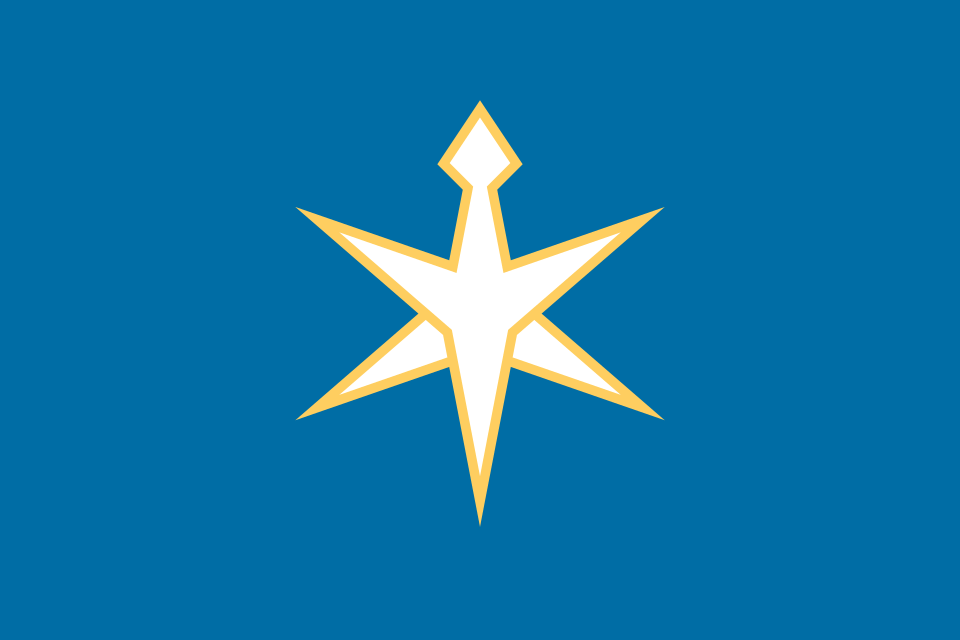
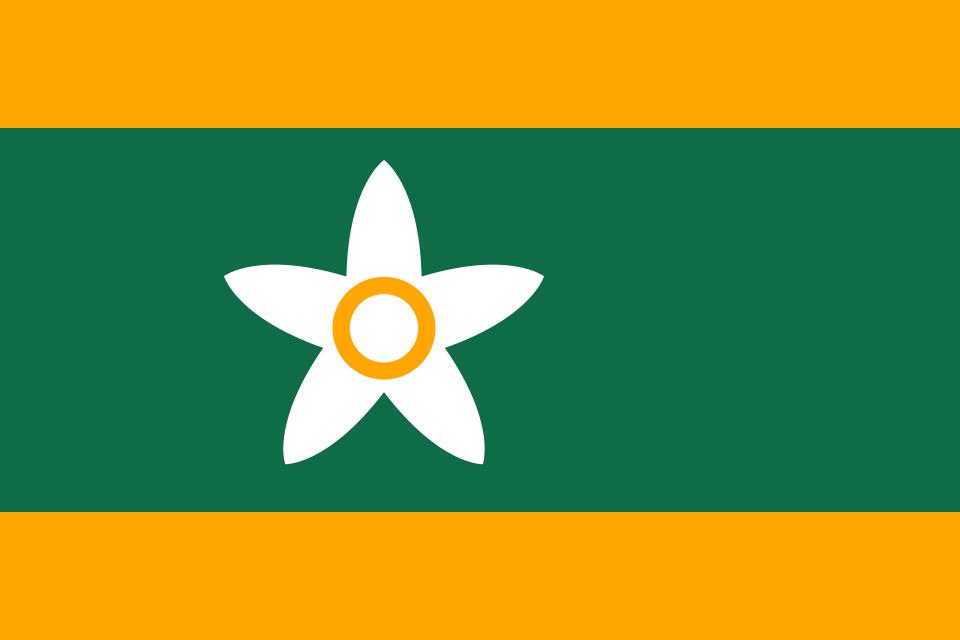
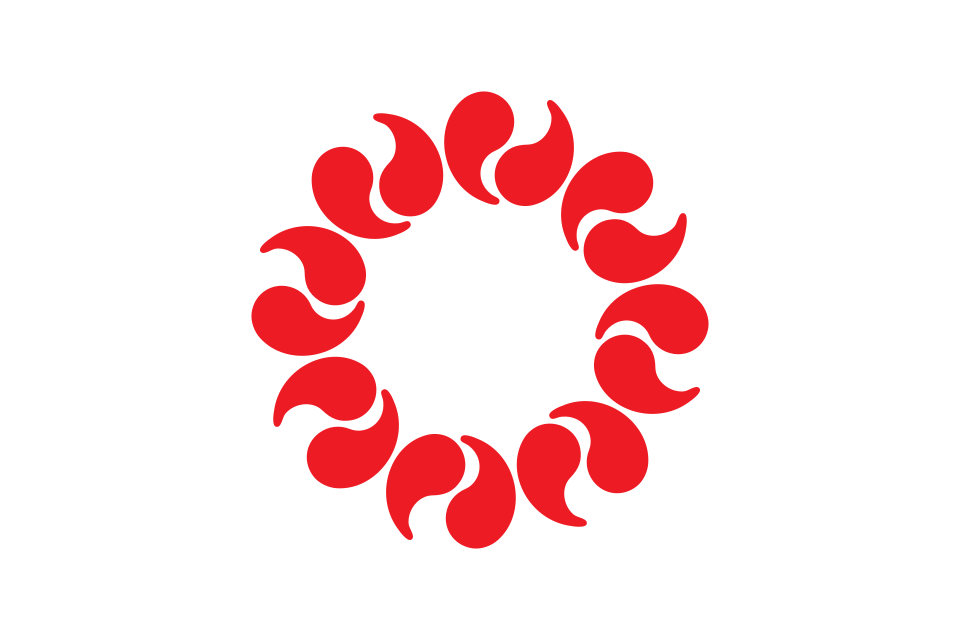
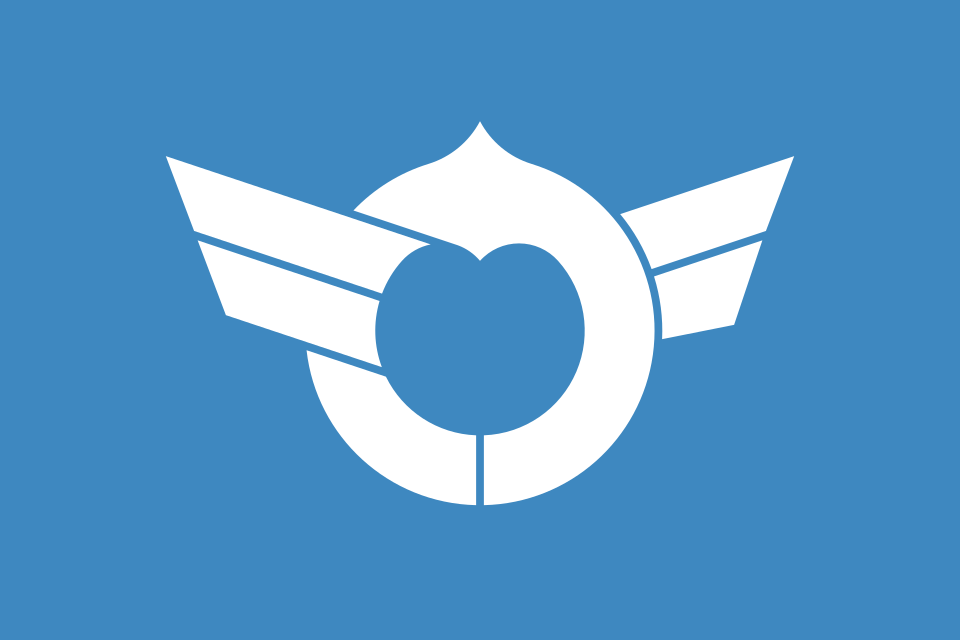
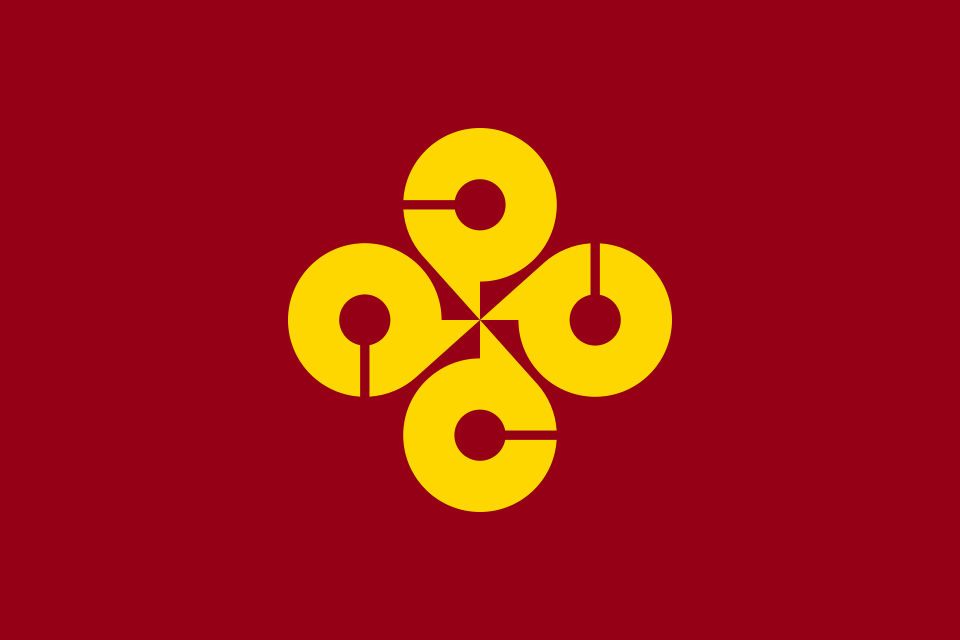
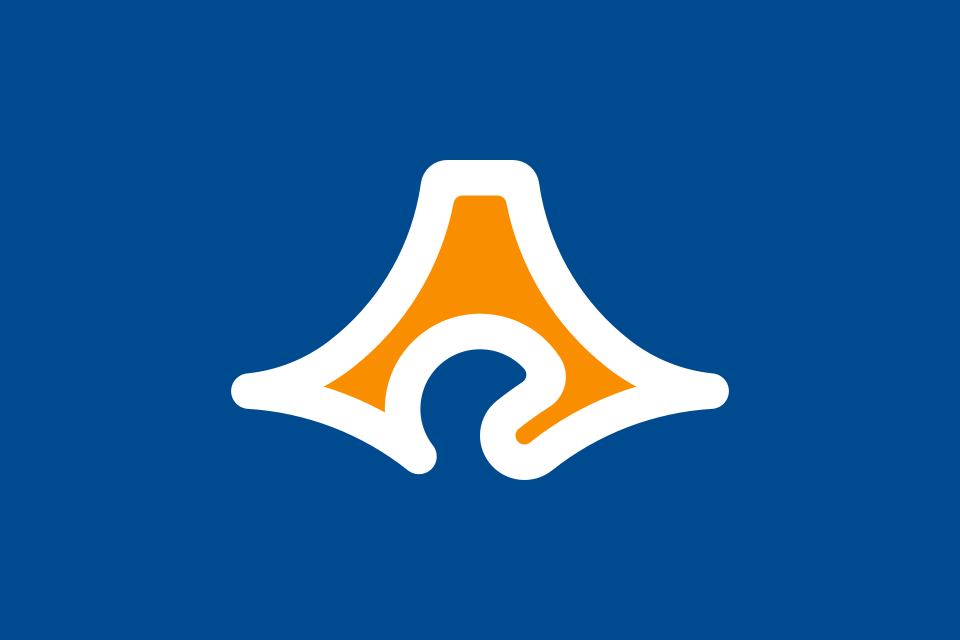
Japan's modern administrative subdivisions were established by the Haihan-chiken ("abolition of domains and establishment of prefectures") of 14 July 1871, which replaced the feudal han domains of the Edo period with centralised prefectures. The current 47 consist of four legal categories:
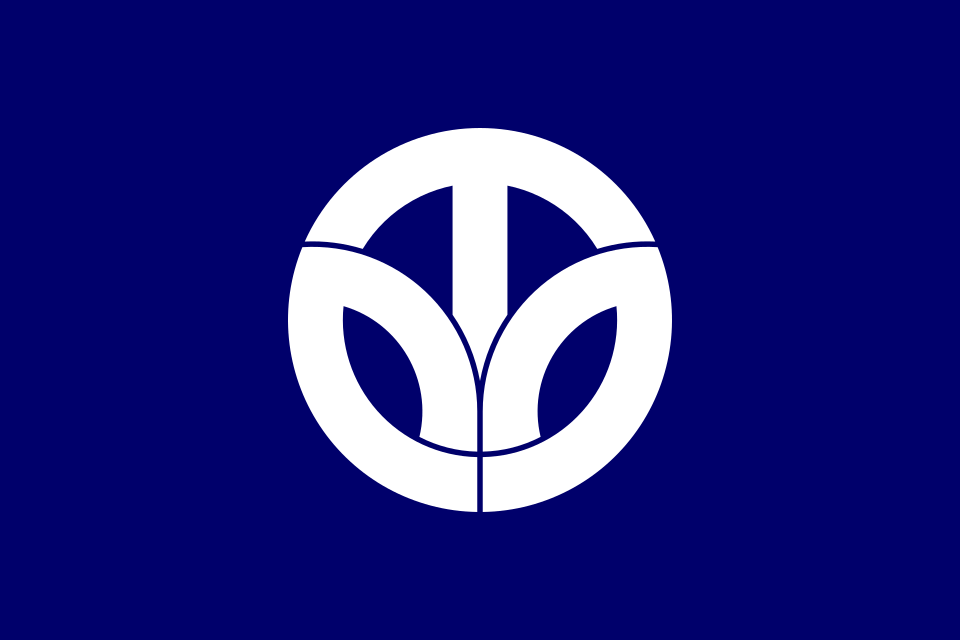
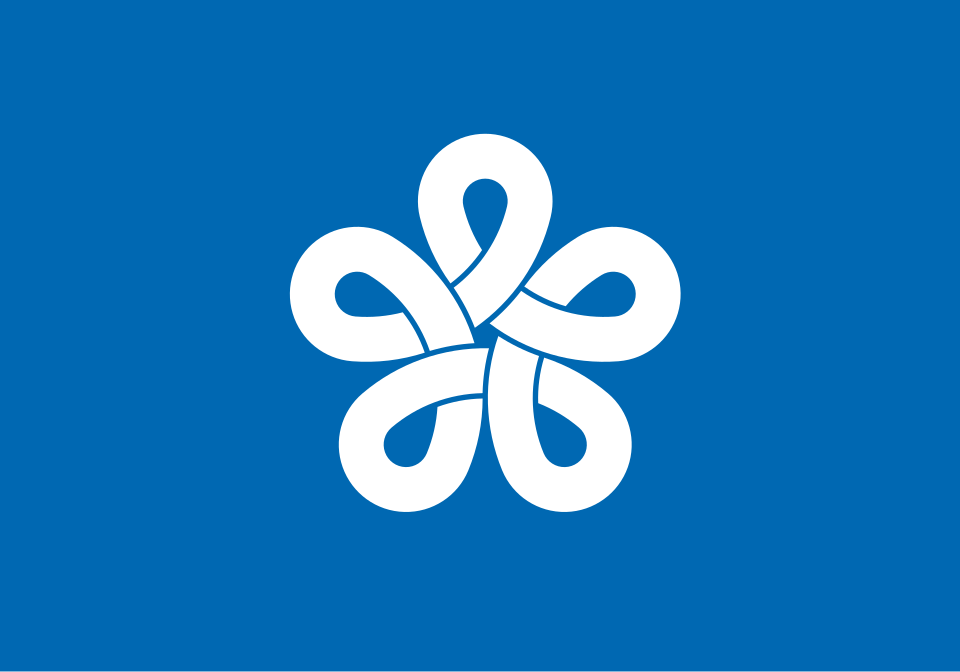
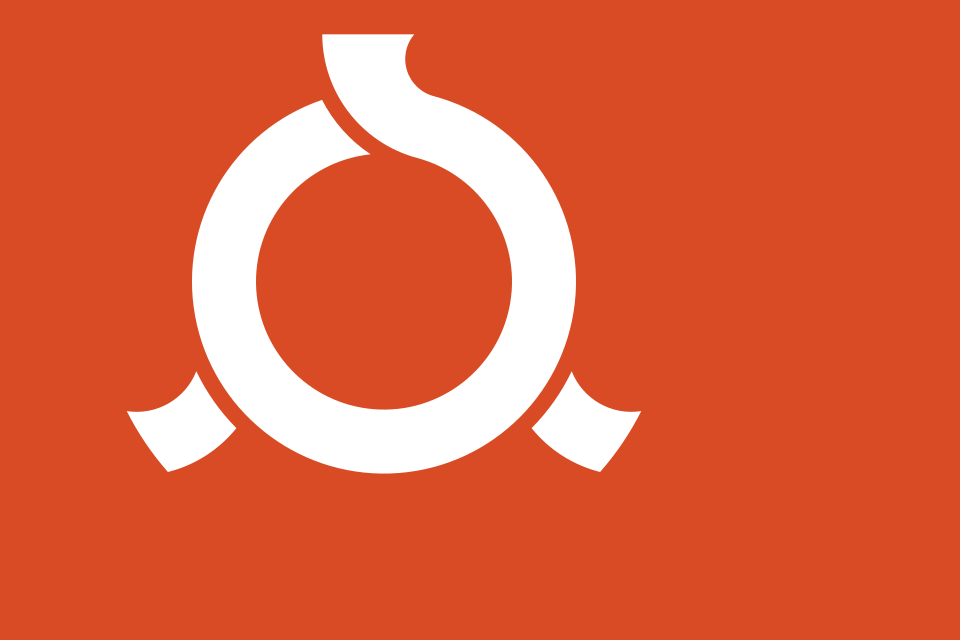
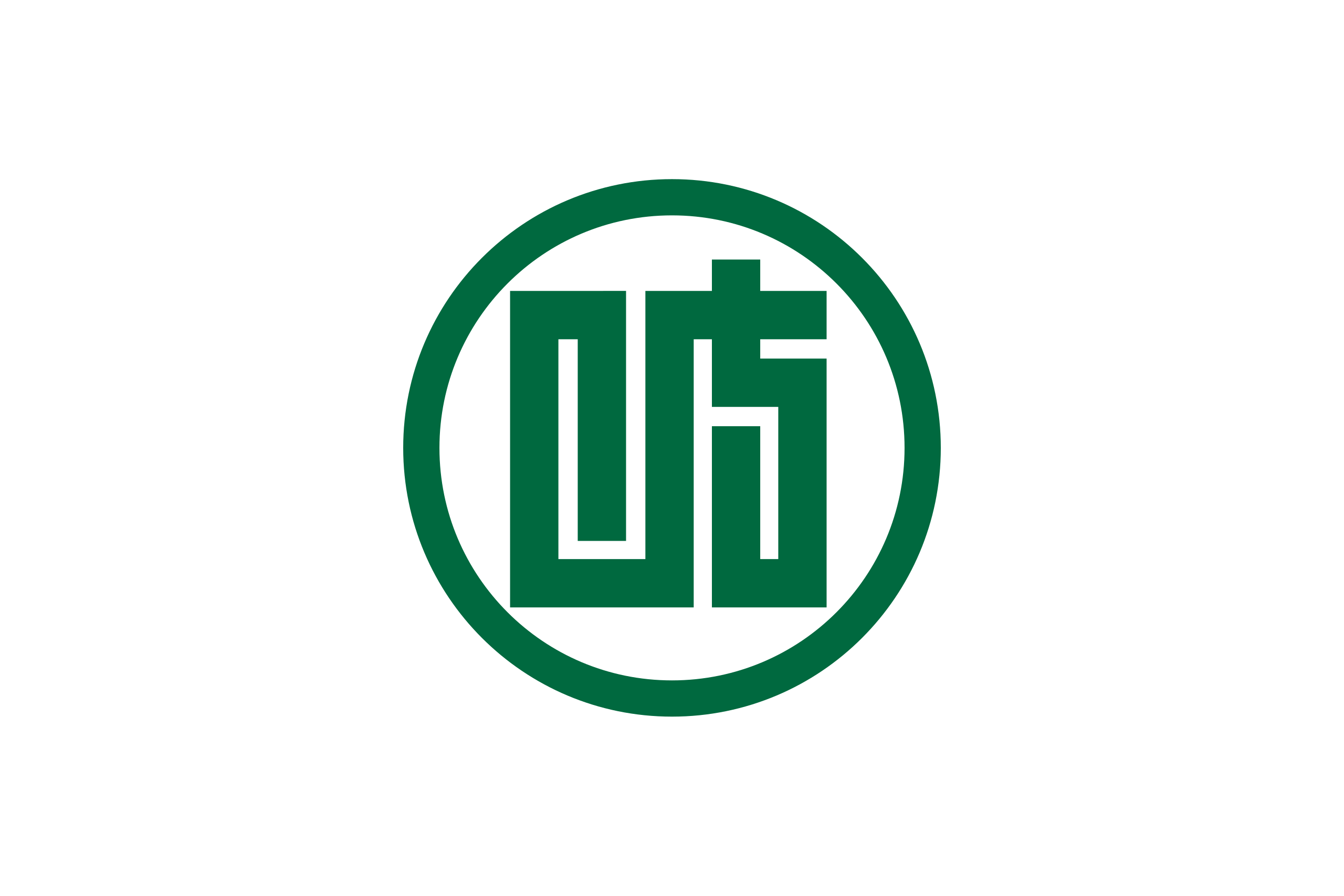
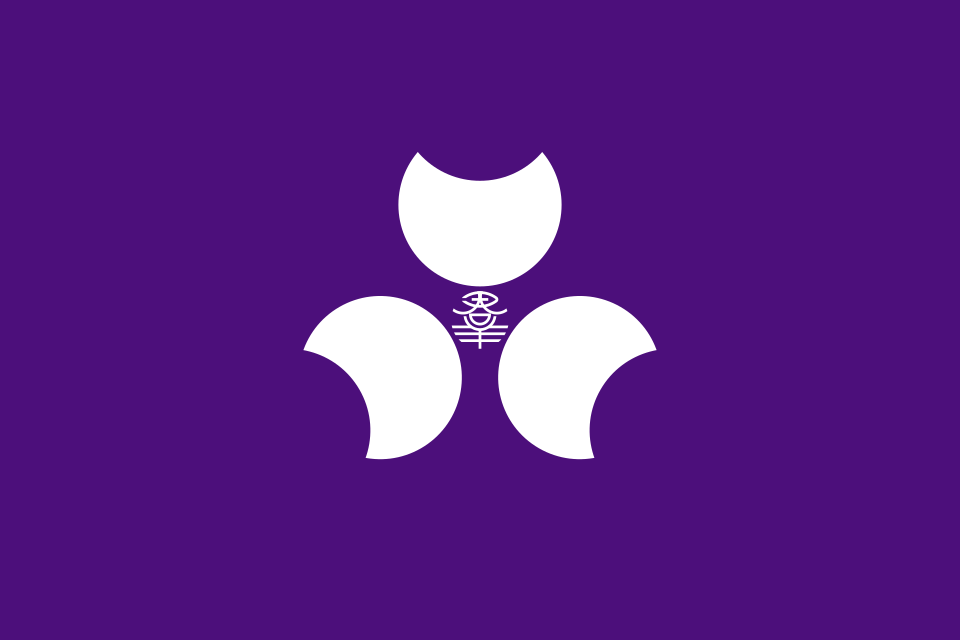
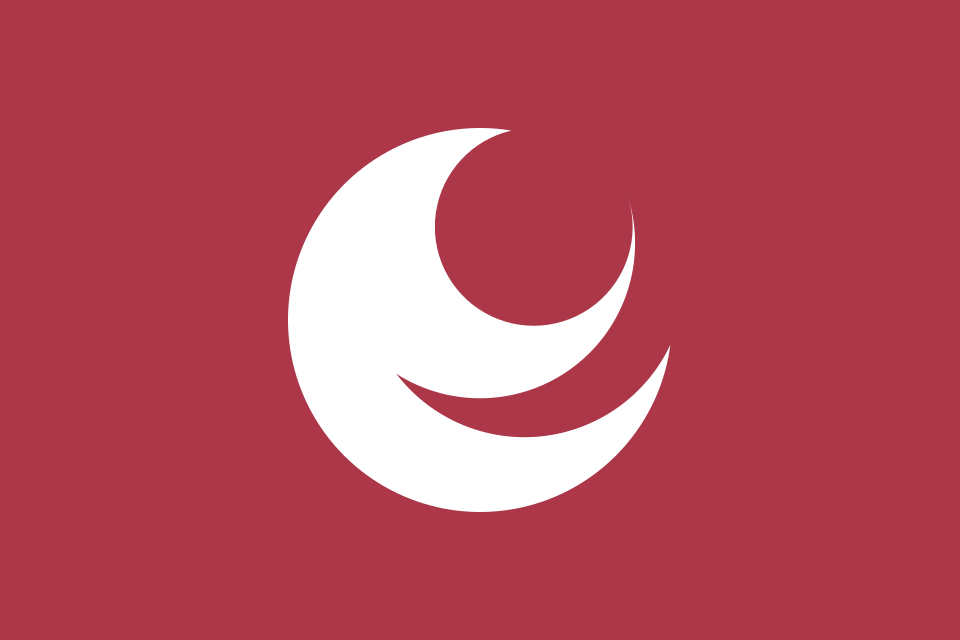
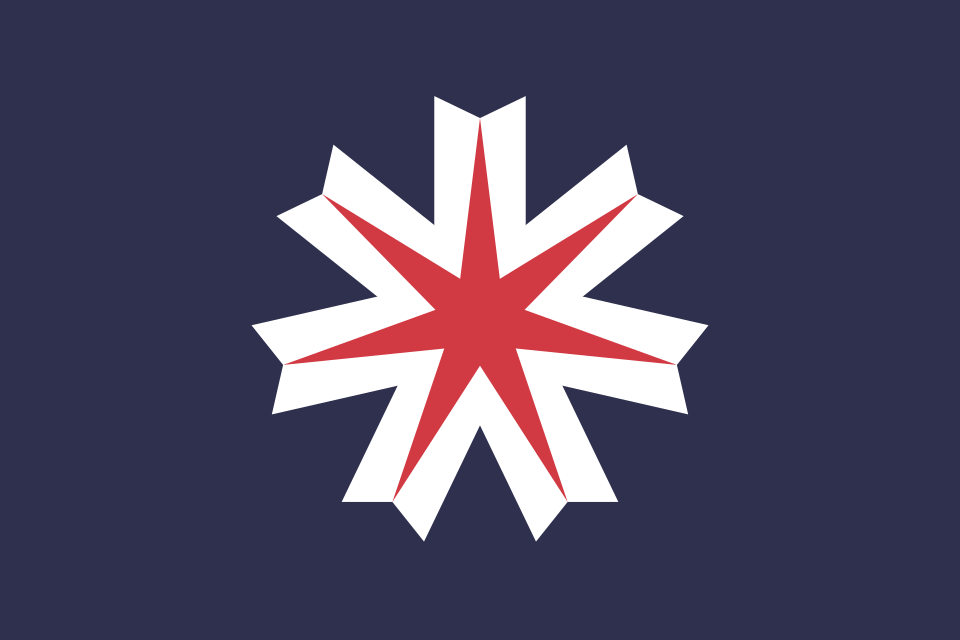
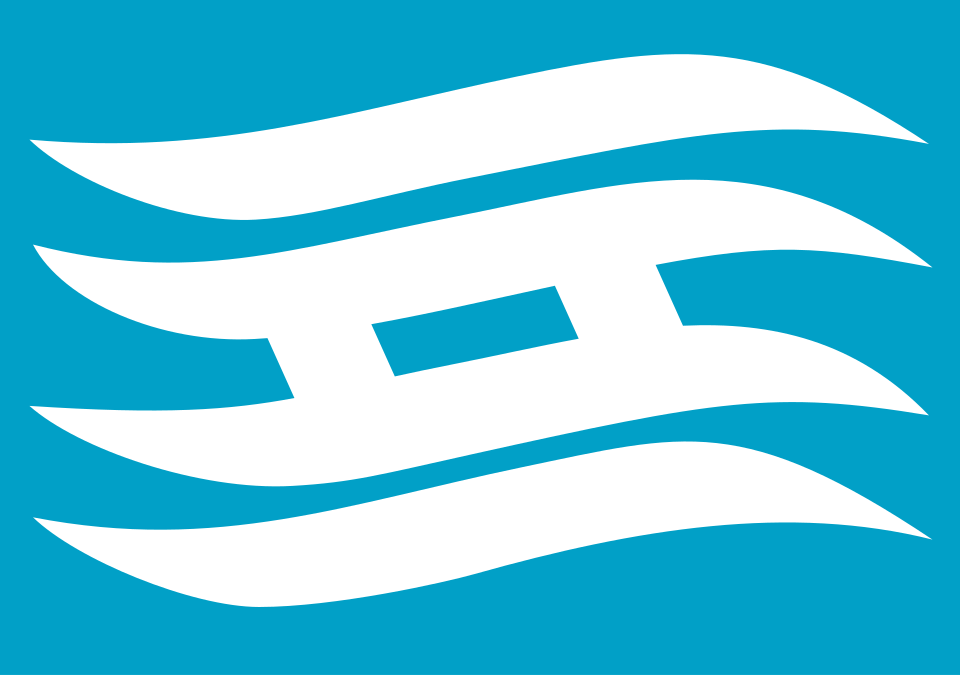
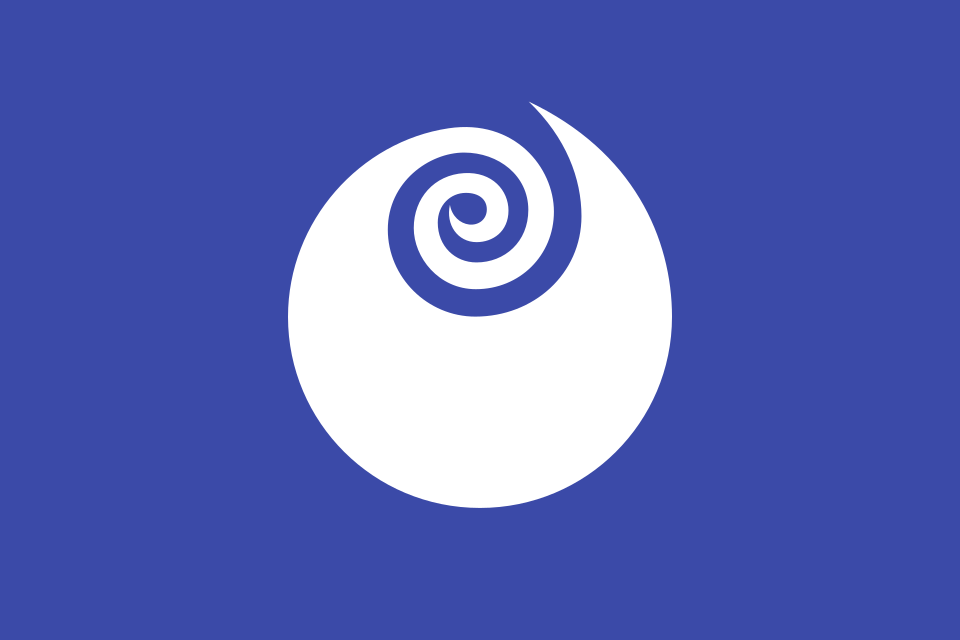
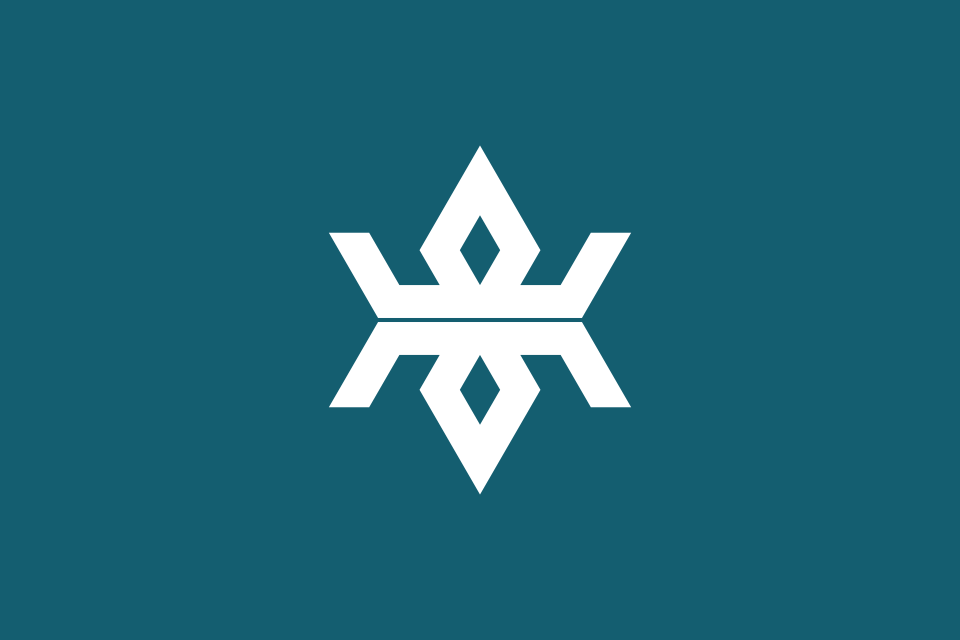
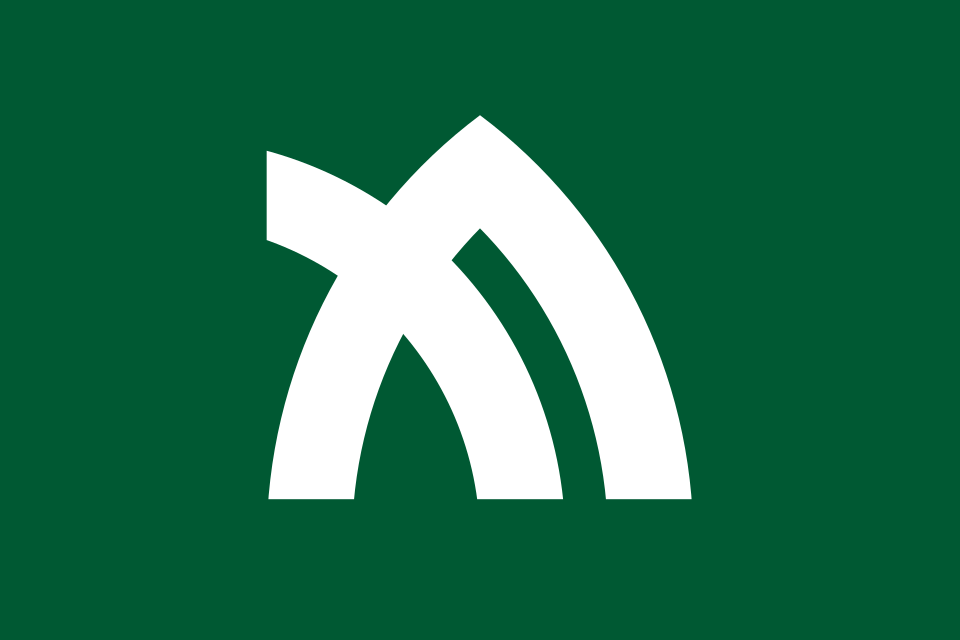
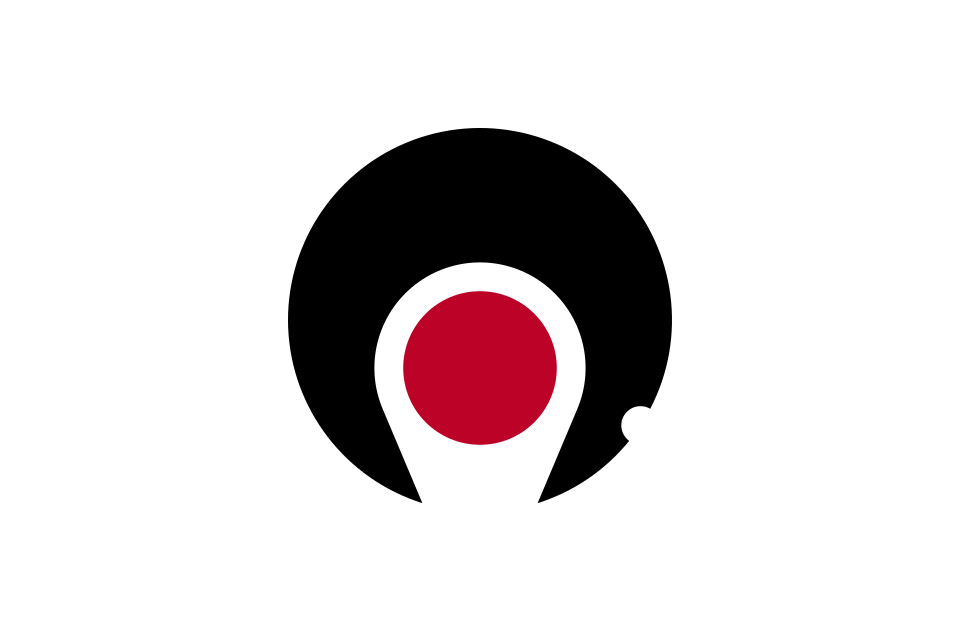
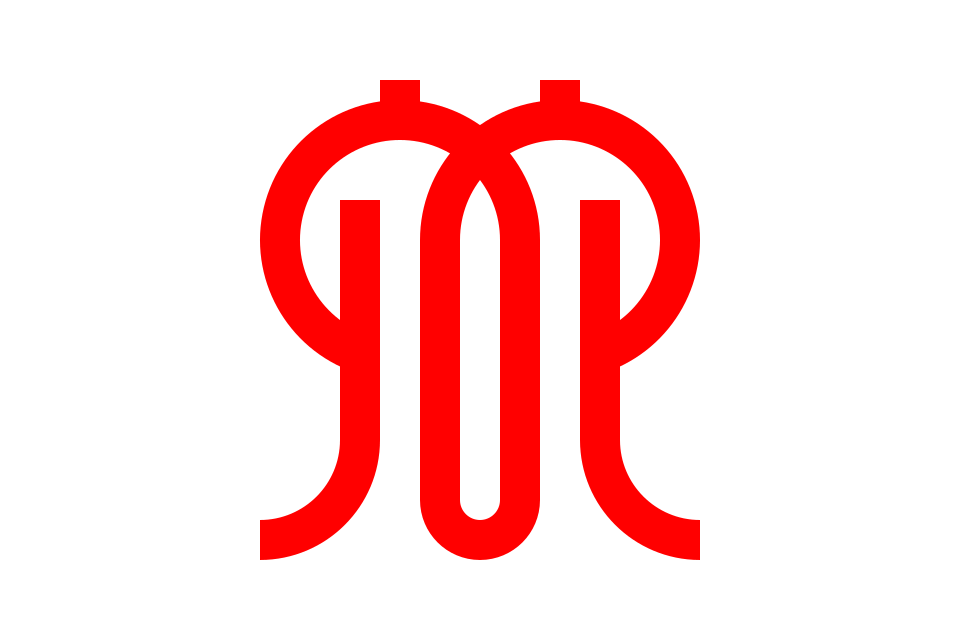
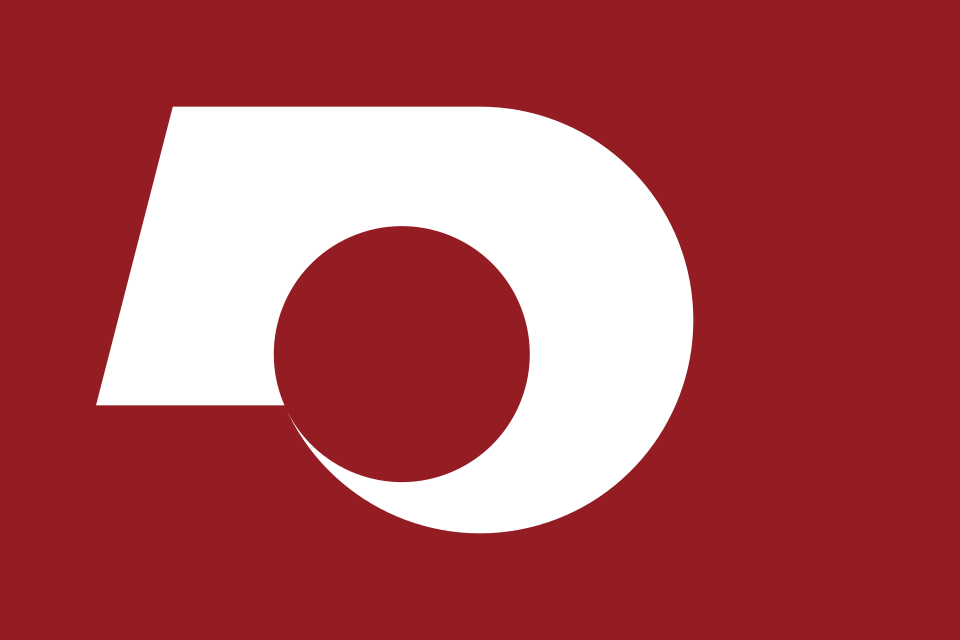
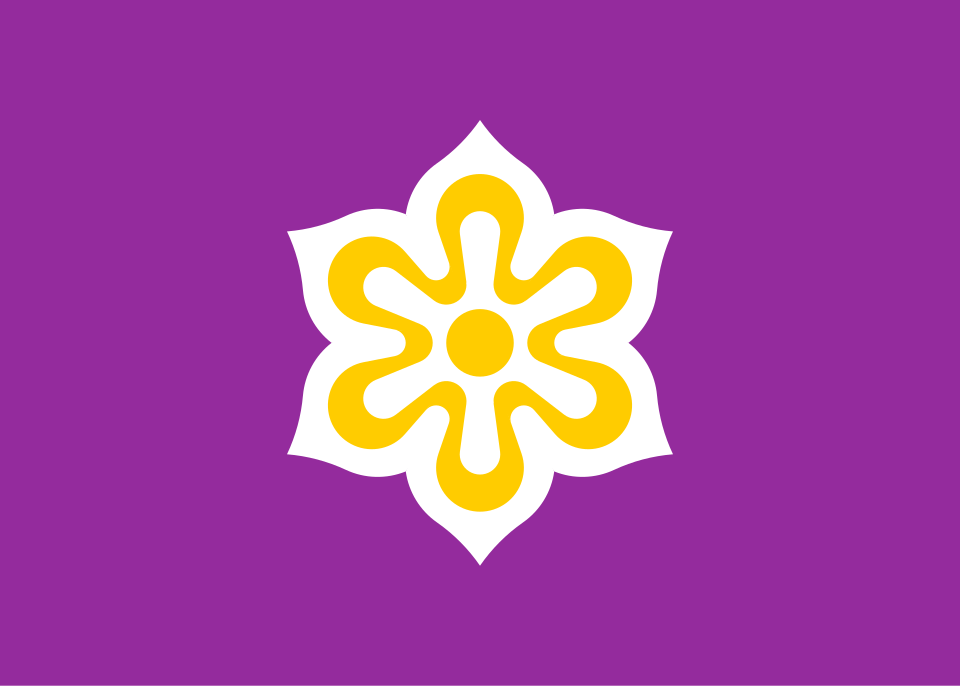
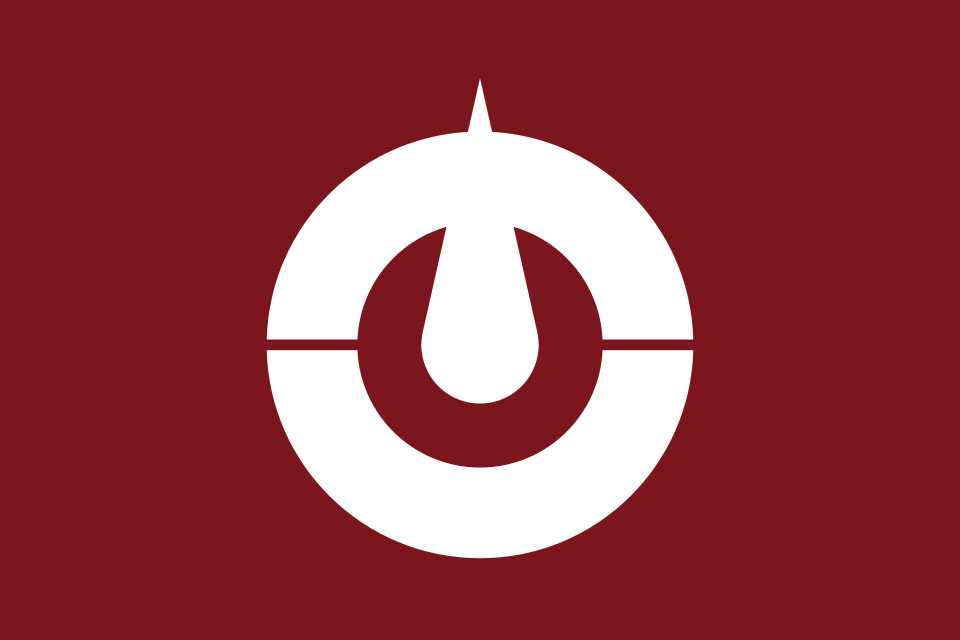
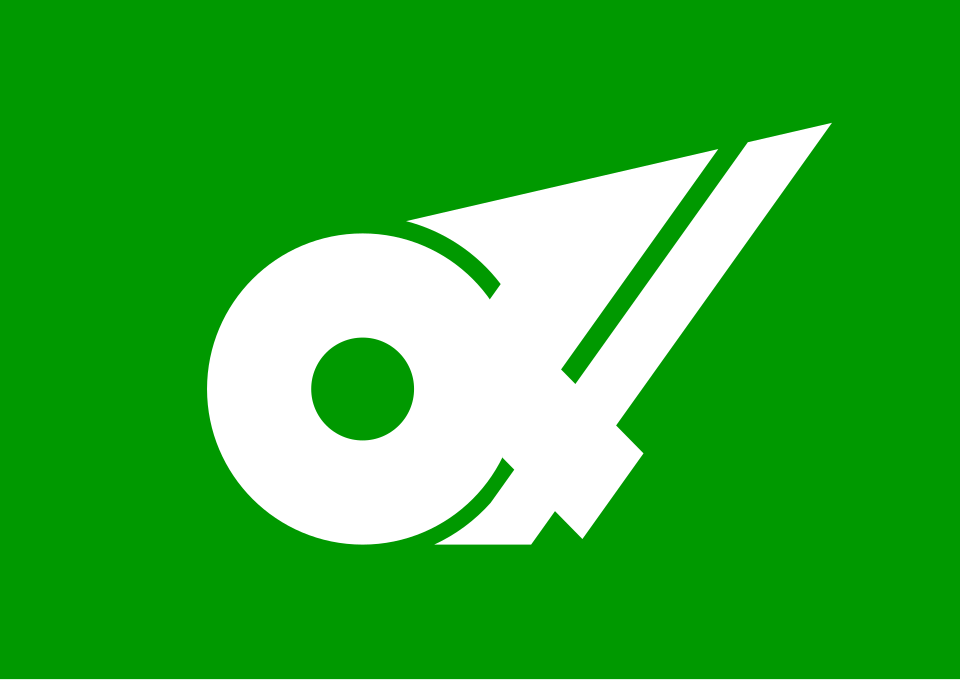
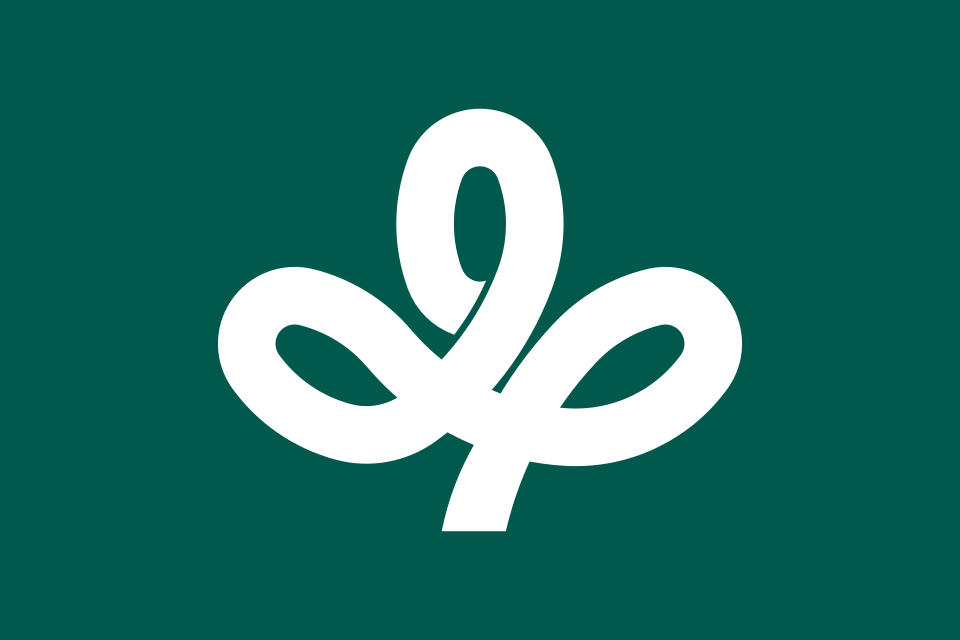
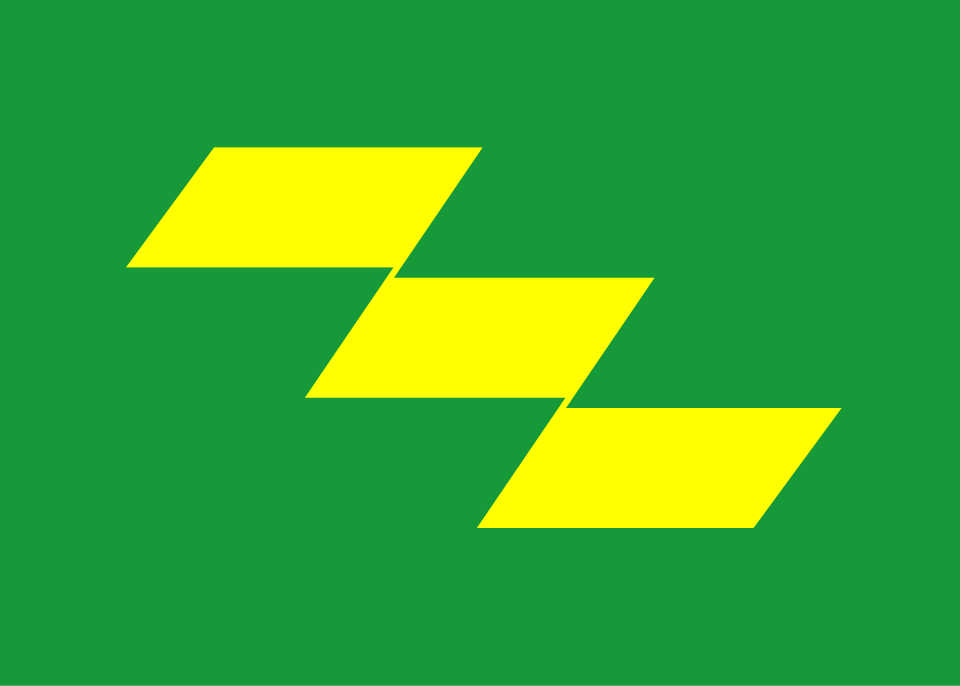
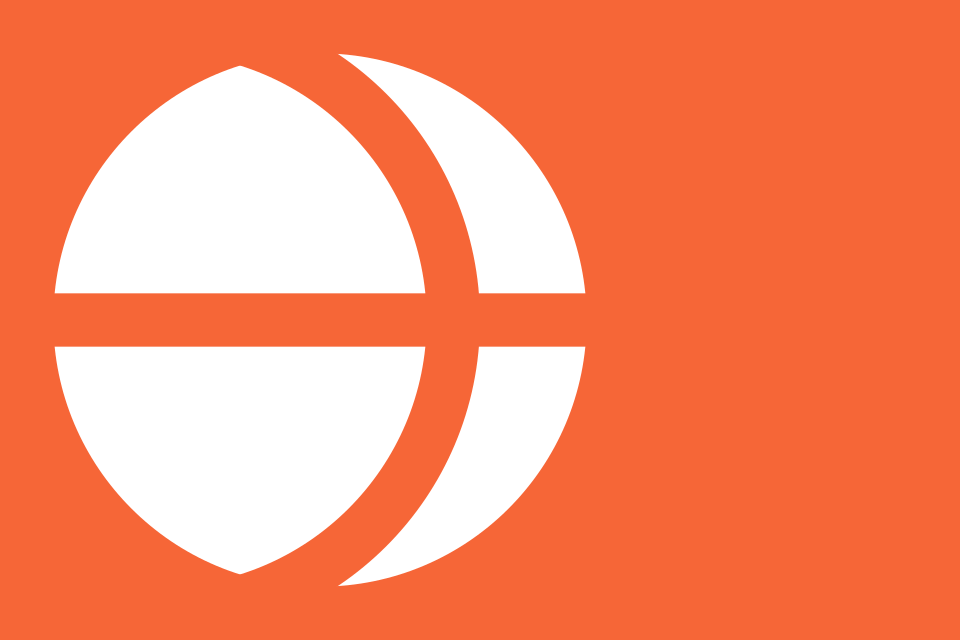
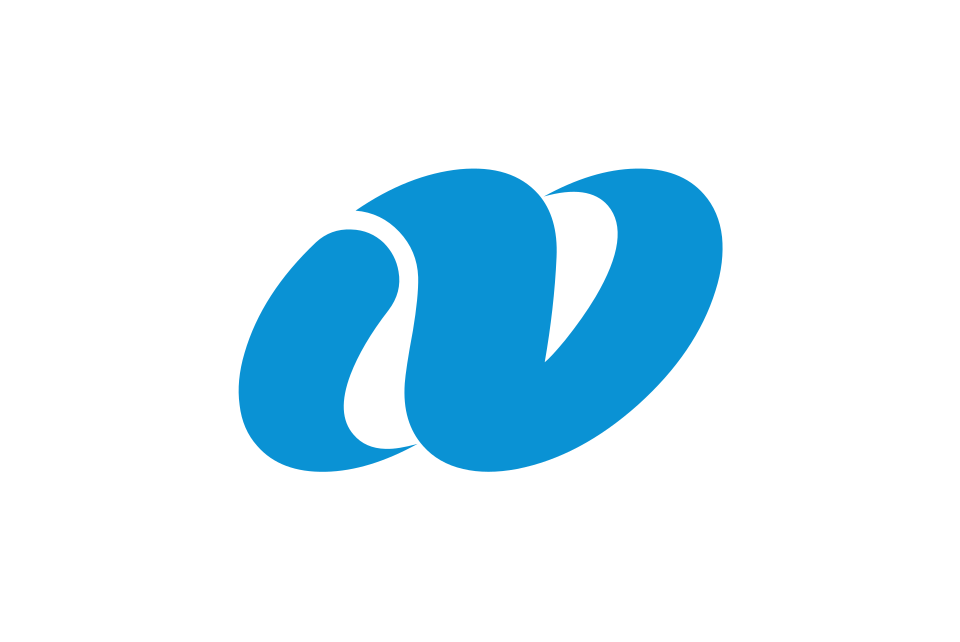
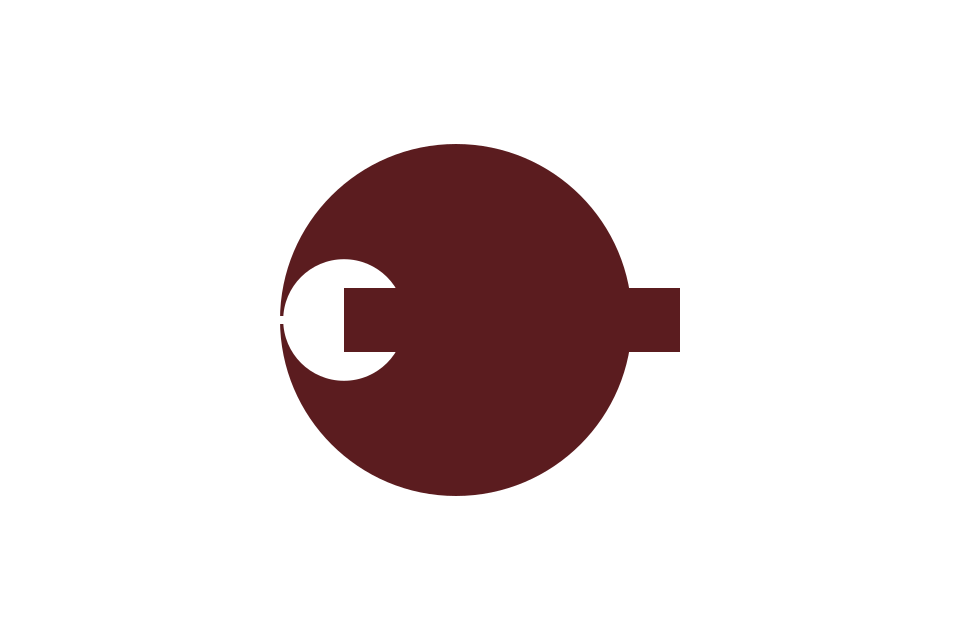
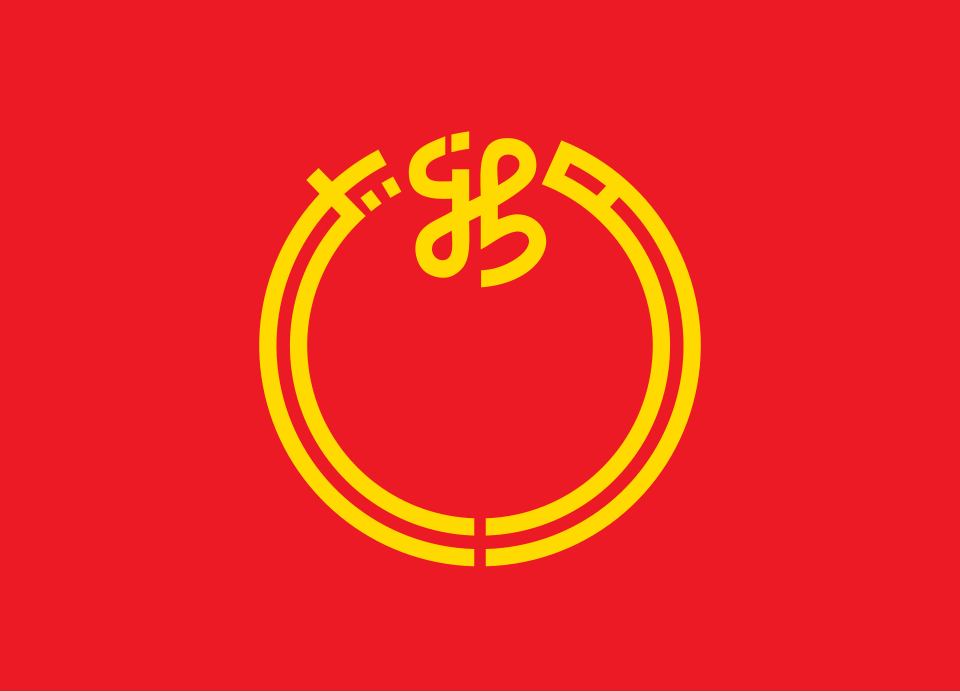
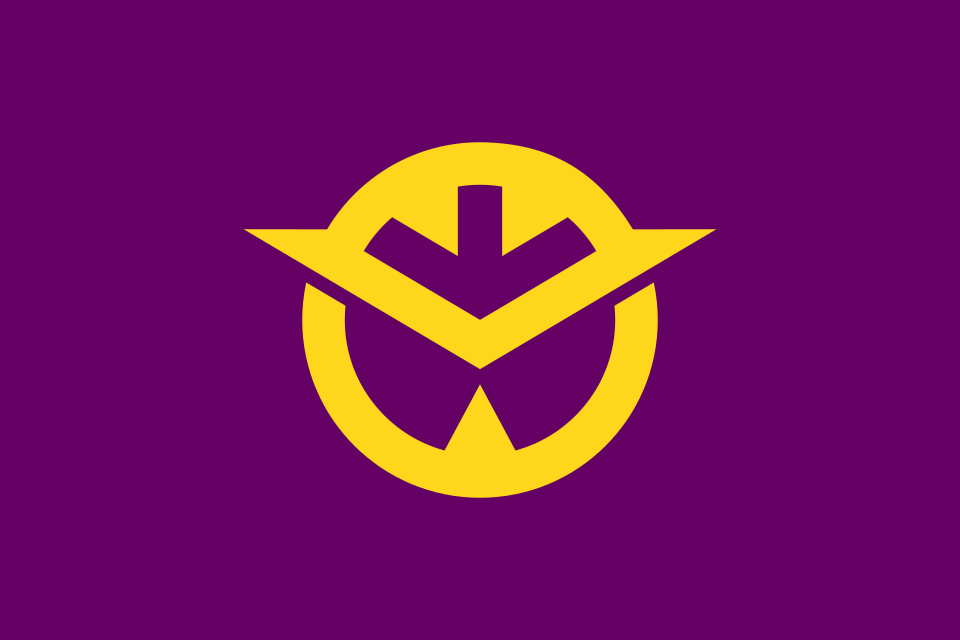
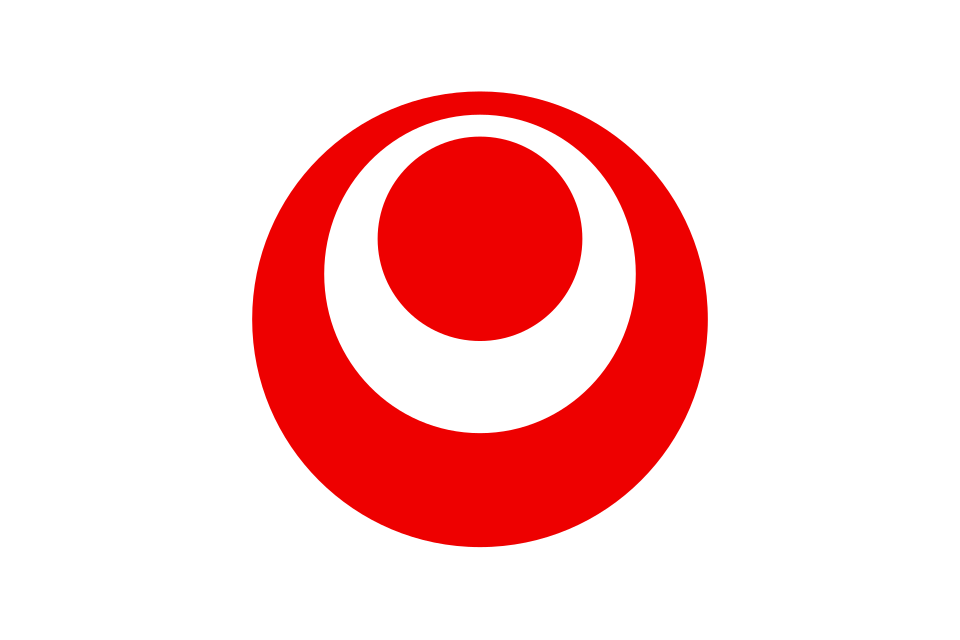
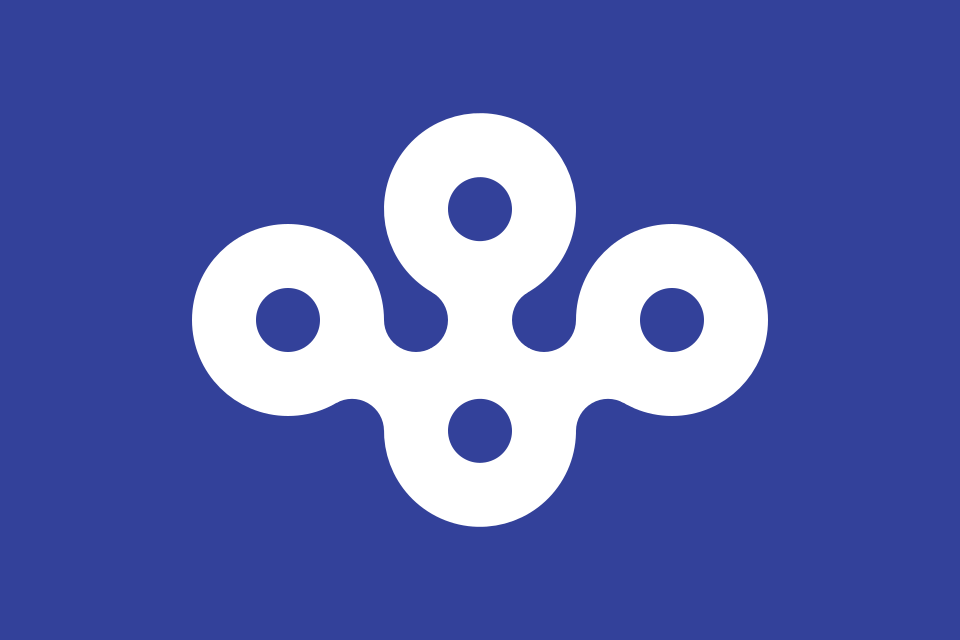
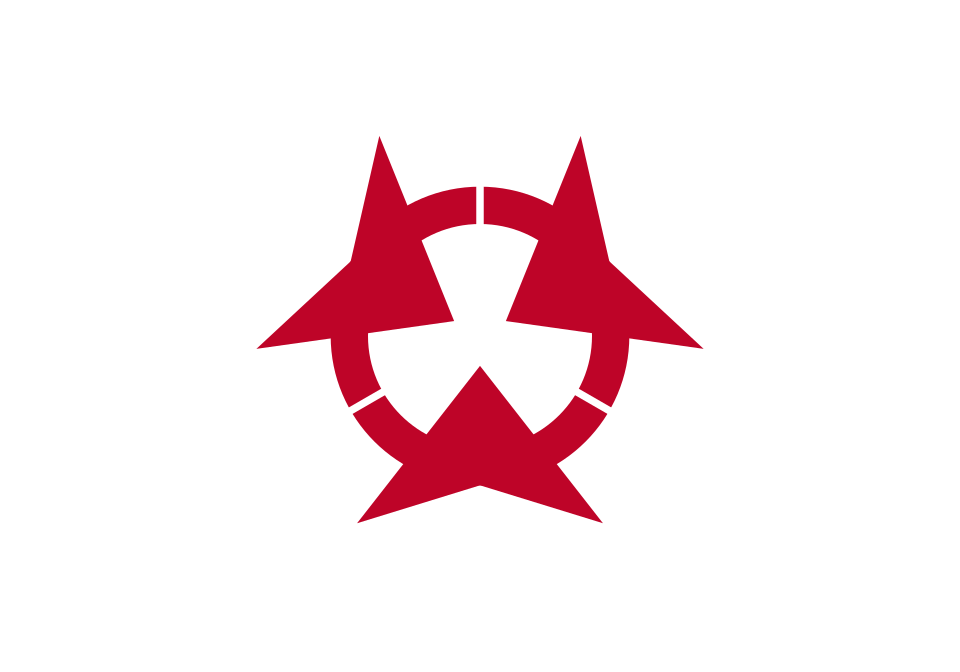
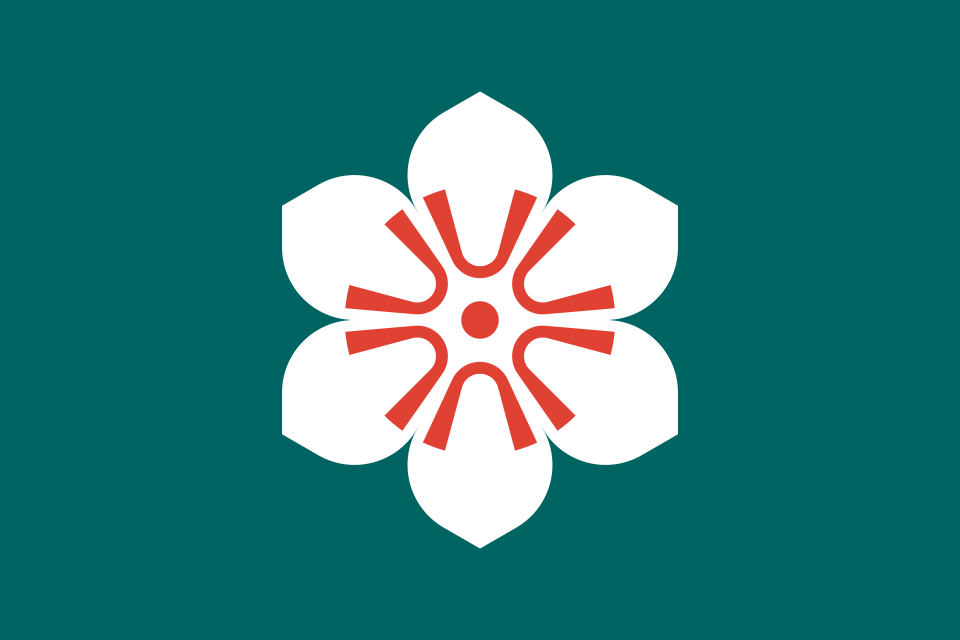
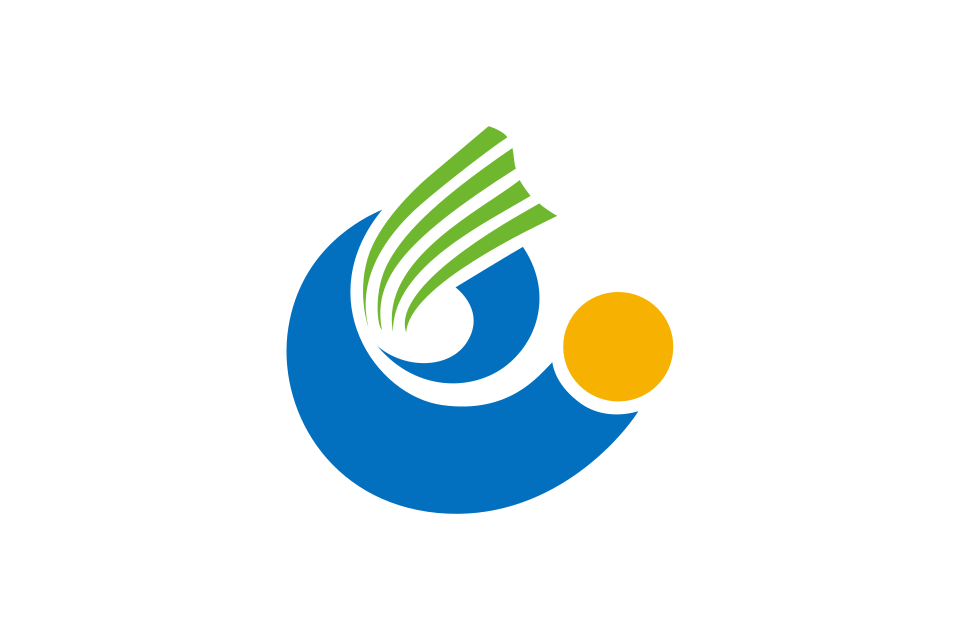
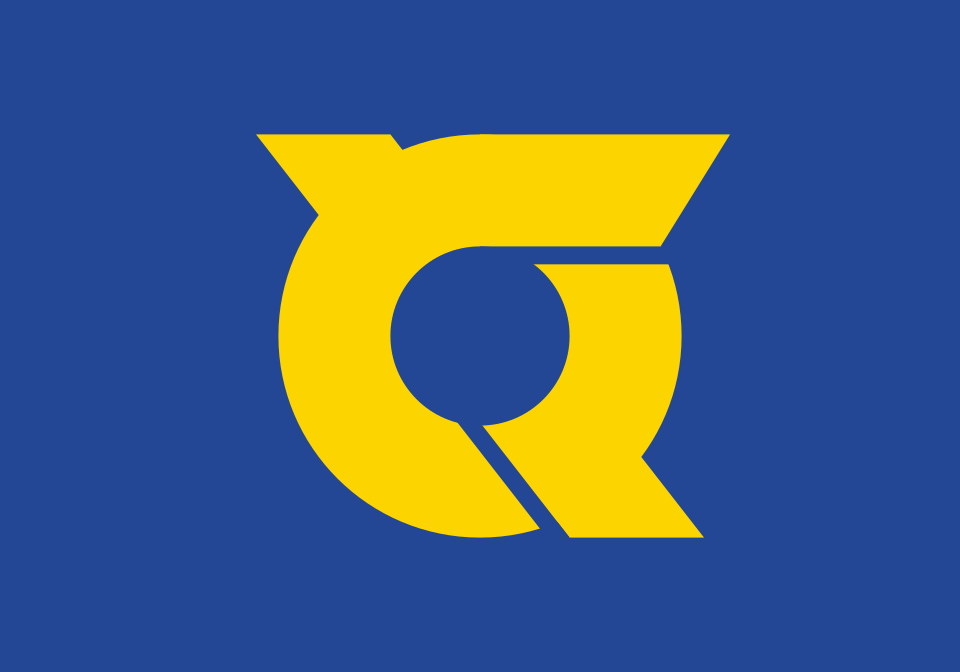
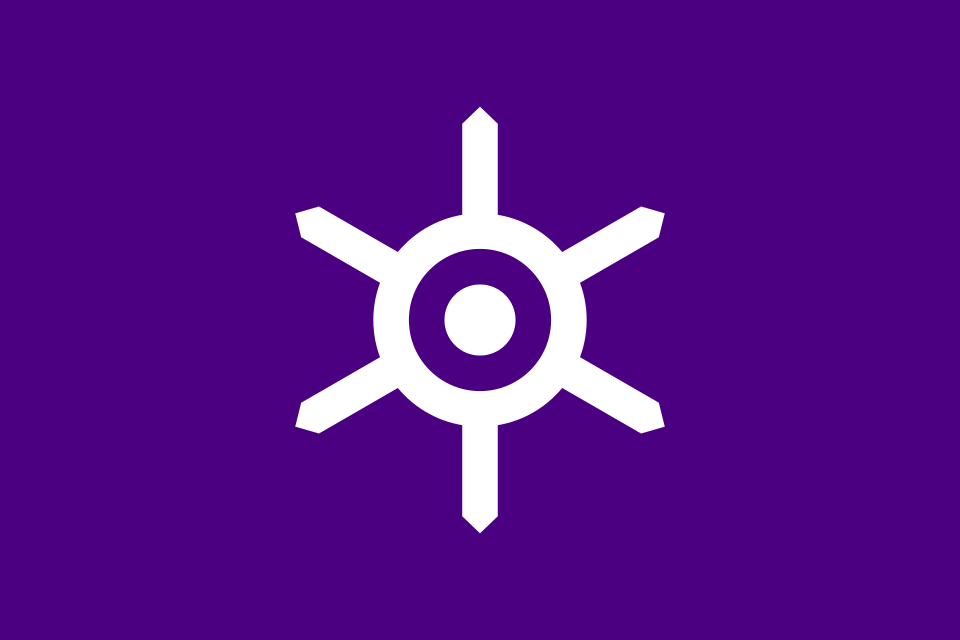
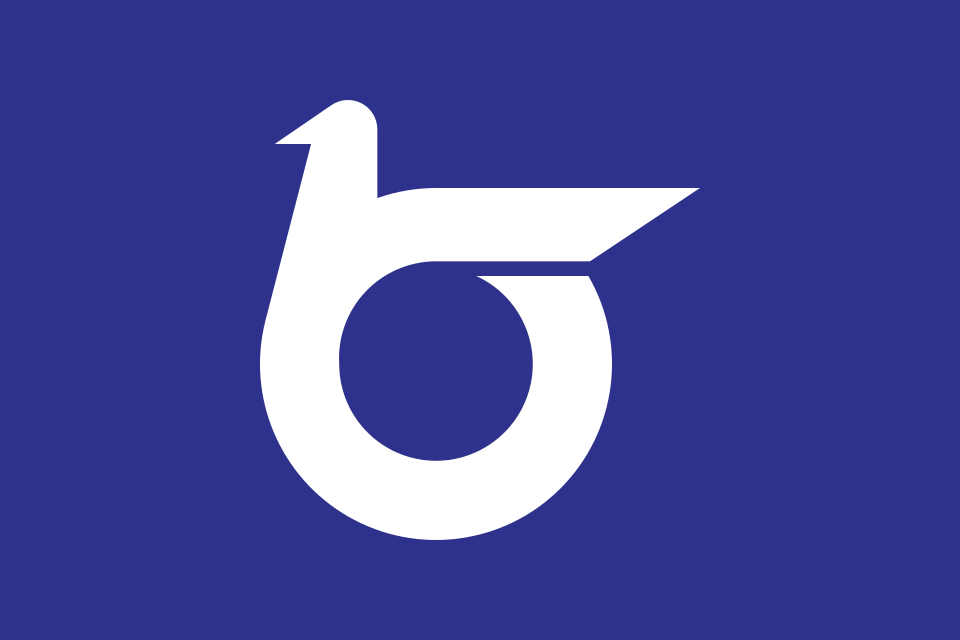
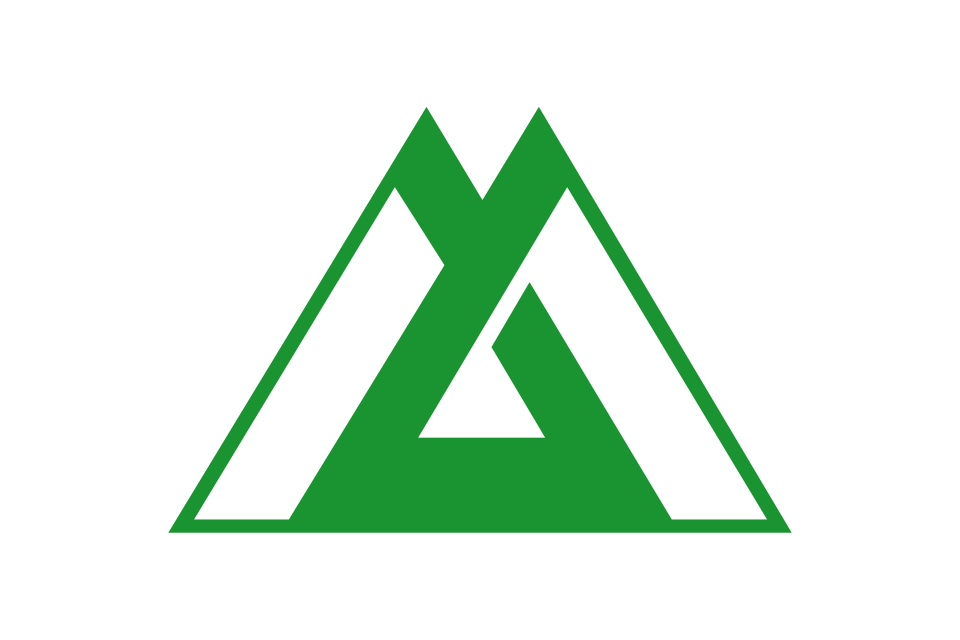
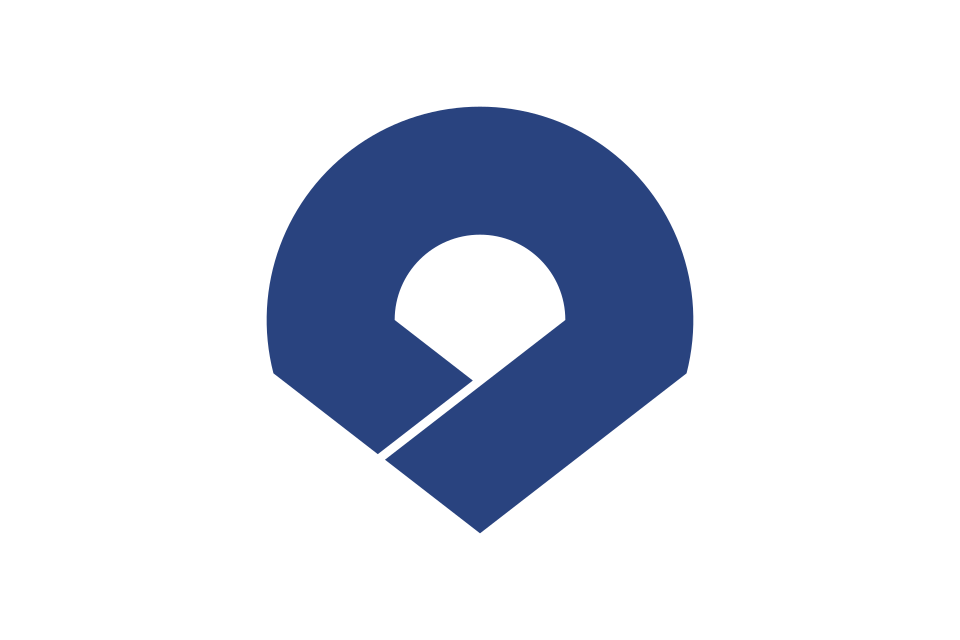
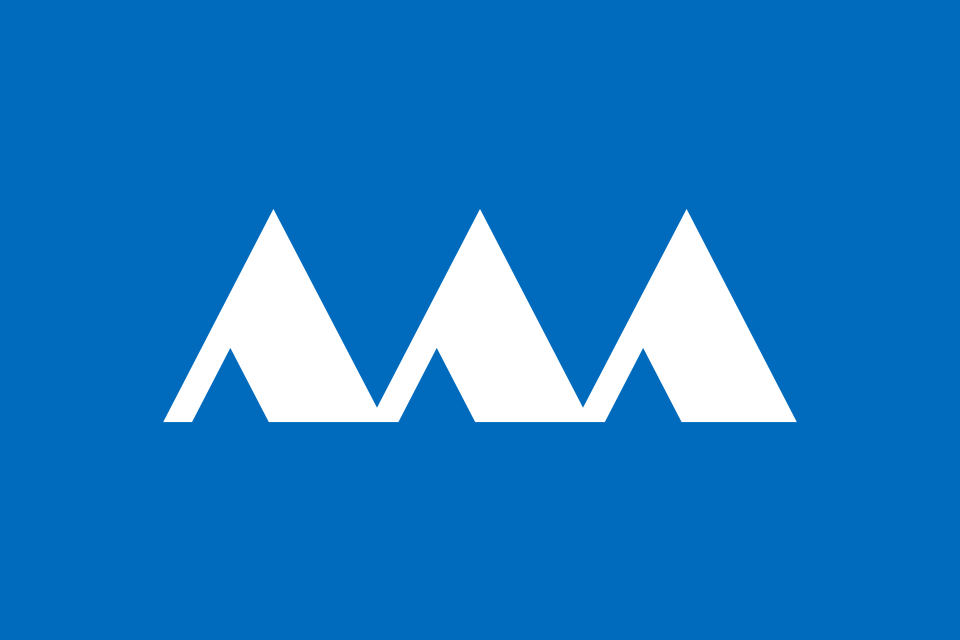
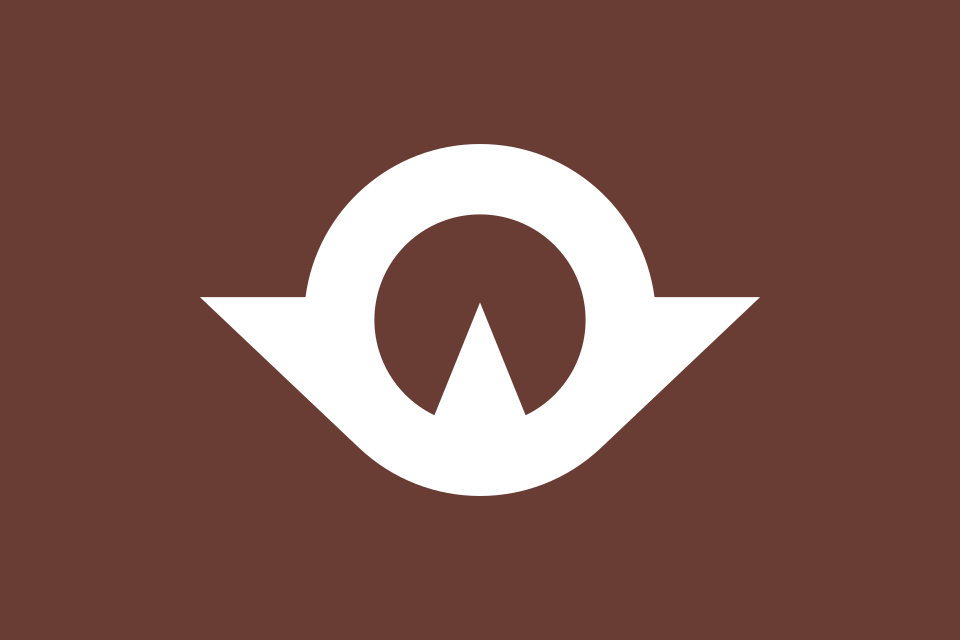
Each prefecture adopted an official emblem during the 20th century (most between 1950 and 1970, after post-war reorganisation). The designs draw from the mon vocabulary but typically belong to one of three families:
The red disc represents the sun, in direct reference to Japan's name Nihon (日本, "origin of the sun"). The design dates from at least the twelfth century, when shogunate war banners bore red discs on white. It was codified for civilian merchant ships in 1870 and formally adopted as the national flag by the Act on National Flag and Anthem of 13 August 1999.
Not in the European heraldic sense. Three official symbols share the role: the Hinomaru (national flag), the Kiku no Gomon (Imperial Seal — golden chrysanthemum, used by the Emperor and Imperial Household), and the Go-shichi no kiri (Paulownia Seal — used by the Cabinet and Prime Minister).
A mon (紋) or kamon (家紋, "family crest") is a Japanese emblem identifying a family, institution or place. Unlike European heraldry, mon are typically monochrome silhouettes within a circle, using a single motif drawn from nature (plants, flowers, geometric shapes). The tradition began with the Heian-period court aristocracy (9th–12th centuries) and spread to samurai families in the Kamakura period.
The Kiku no Gomon is the personal emblem of the Imperial Family, not of the State. After the Meiji Restoration (1868), strict laws restricted its use to the Emperor, the imperial princes, and Imperial Household institutions. Putting it on the national flag would conflate the monarchy with the State — something the post-1947 Constitution explicitly avoids by defining the Emperor as "the symbol of the State and of the unity of the People".
The Go-shichi no kiri (五七桐) is the official emblem of the Japanese government, used by the Prime Minister and the Cabinet. Originally a secondary Imperial emblem granted to favoured shogunal figures (Ashikaga Takauji, Toyotomi Hideyoshi), it has been associated with executive authority for seven centuries and was naturally inherited by the modern Cabinet in 1885.
Modern catalogues record approximately 20,000 distinct mon, though most are now rarely used. Many large Japanese corporations preserve their founders' family kamon as logos — most famously the three diamonds of Mitsubishi (a fusion of the Iwasaki family crest and a navigation symbol), the Mitsui mitsui-shōgon, and the Sumitomo igeta.
Each of the 47 Japanese prefectures has its own official emblem (todōfuken-shō) and flag, most adopted in the mid-20th century. Click any prefecture below to explore its symbol in detail.
Last reviewed by the Emblema Mundi editorial team on 4 July 2026.