Country
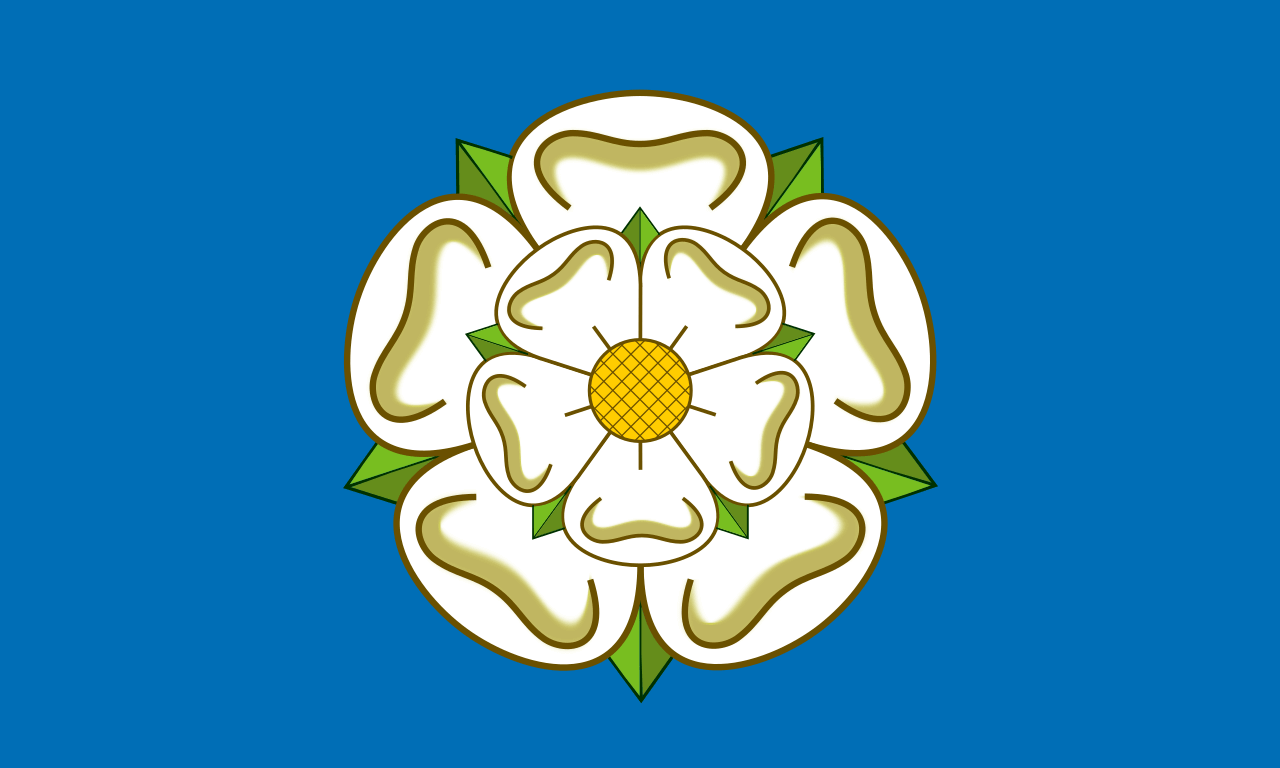
England’s coat of arms — Gules, three lions passant guardant in pale Or — is one of the most iconic heraldic designs ever created. Borne since Richard I (the Lionheart) first sealed it on his Great Seal of 1198, the Three Lions have survived eight centuries of dynastic upheaval without alteration. The national flag — the St George’s Cross, a red cross on white — has represented England since the Crusades and forms the dominant element of the Union Jack. Below these national symbols, 39 historic counties carry their own flags and heraldic identities, from the white rose of Yorkshire to the St Piran’s Cross of Cornwall.
Flag
Not available
Coat of Arms
Not available
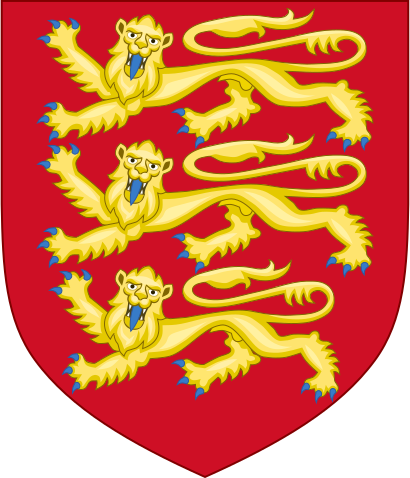
Coat of Arms of England — Gules, three lions passant guardant in pale Or
The arms of England are among the most celebrated in world heraldry:
Gules, three lions passant guardant in pale Or, armed and langued Azure.
Three golden lions striding to the right with their heads turned to face the viewer, on a red field, with blue claws and tongues.
The three lions took their fixed form under Richard I (1189–1199). The earliest surviving representation appears on his second Great Seal, with the first impression dating to 1198. Earlier Plantagenet rulers used varying numbers of lions: Henry II may have used a single lion, and Richard himself initially bore two lions rampant combatant. The adoption of three lions passant guardant — and their arrangement “in pale” (one above the other) — became permanent under Richard and has never been altered since.
In early French blazon, a “lion” faced sideways (rampant profile) while a beast walking with its head turned to the viewer was called a léopard. Technically, the English charges are leopards in mediaeval French heraldic terminology. The English, however, have always called them lions — and the usage stuck.
The Football Association adopted the royal arms in 1872, making the Three Lions one of the oldest and most iconic sports emblems in the world. The crest is worn by the England football, cricket, and rugby league teams, and has become a global symbol of English sporting identity.
Flag of England — The St George’s Cross
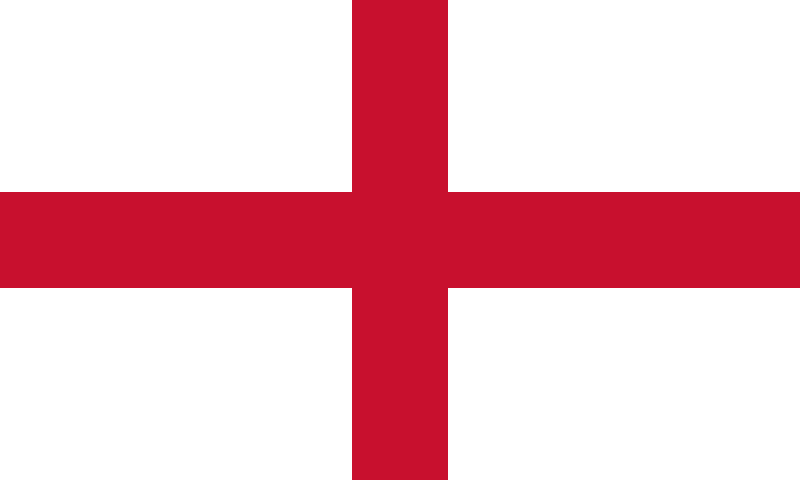
The St George’s Cross — Argent, a cross Gules — is the flag of England: a red cross on a white field.
St George became England’s patron saint in the 14th century under Edward III, who founded the Order of the Garter in his honour. The red cross was adopted by English crusaders in the 12th–13th centuries and became the national symbol under Edward I. When James VI & I united the crowns in 1603, St George’s Cross was combined with St Andrew’s saltire to form the Union Flag — later augmented with St Patrick’s saltire in 1801 to create the Union Jack.
England is the birthplace of the College of Arms, founded in 1484 by Richard III and still active today as the authority granting and regulating coats of arms in England, Wales, and Northern Ireland. English heraldry is one of the strictest systems in Europe: arms are personal property, not freely adoptable, and each grant is unique.
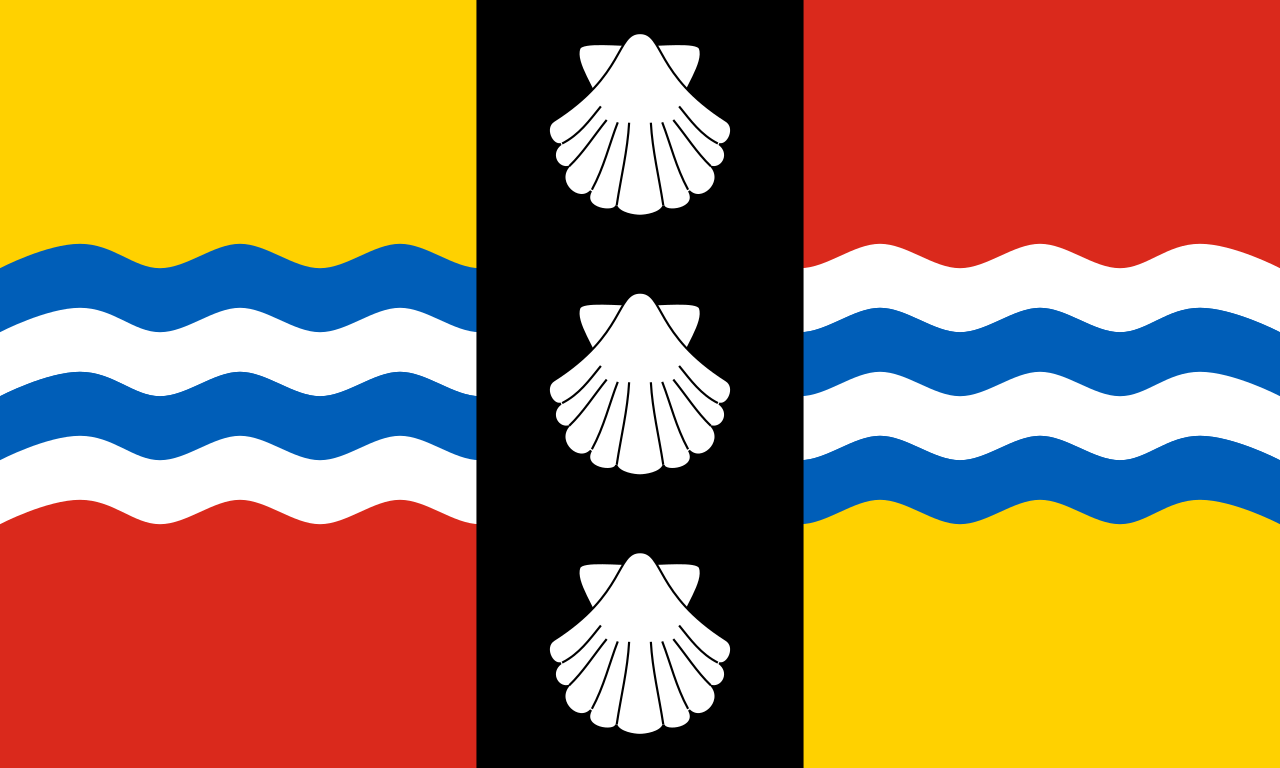
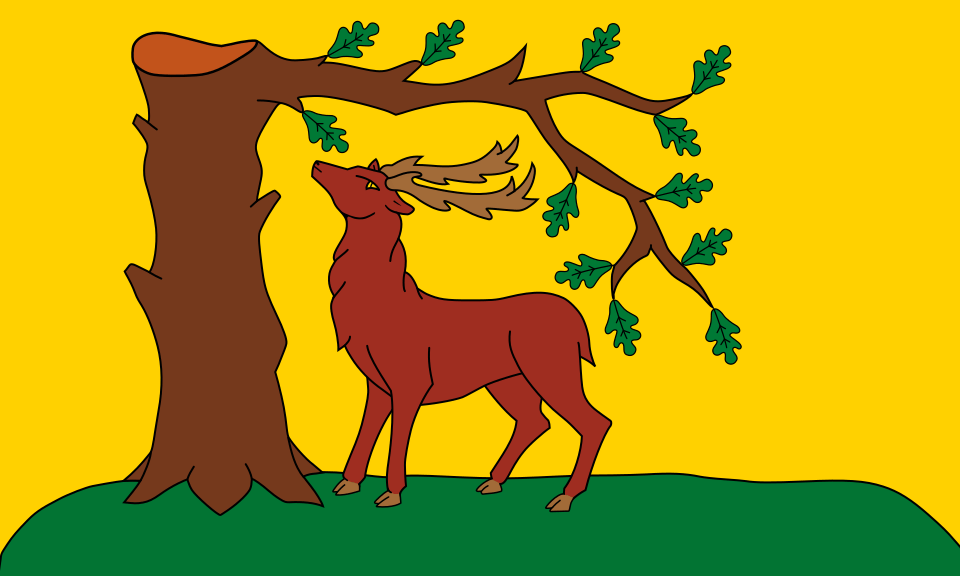
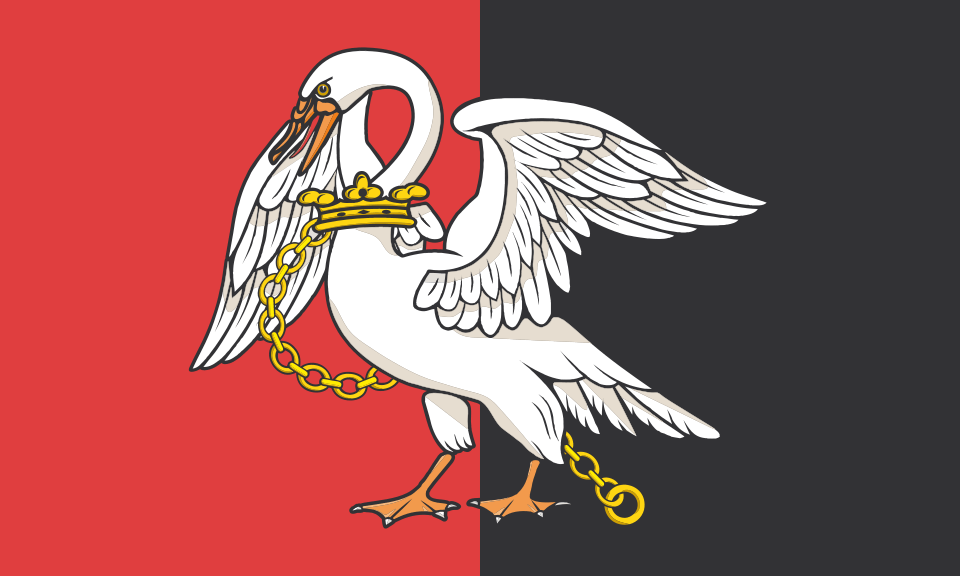
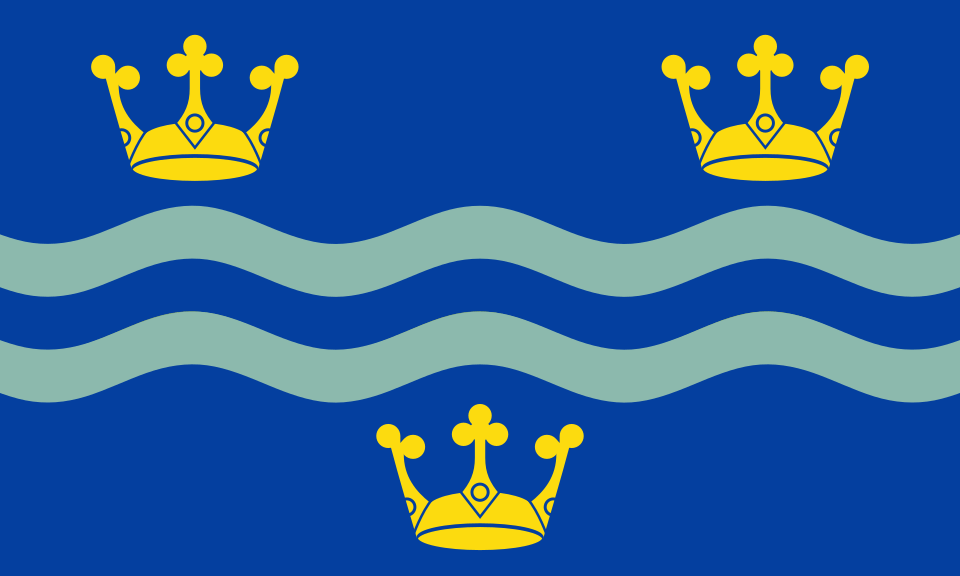
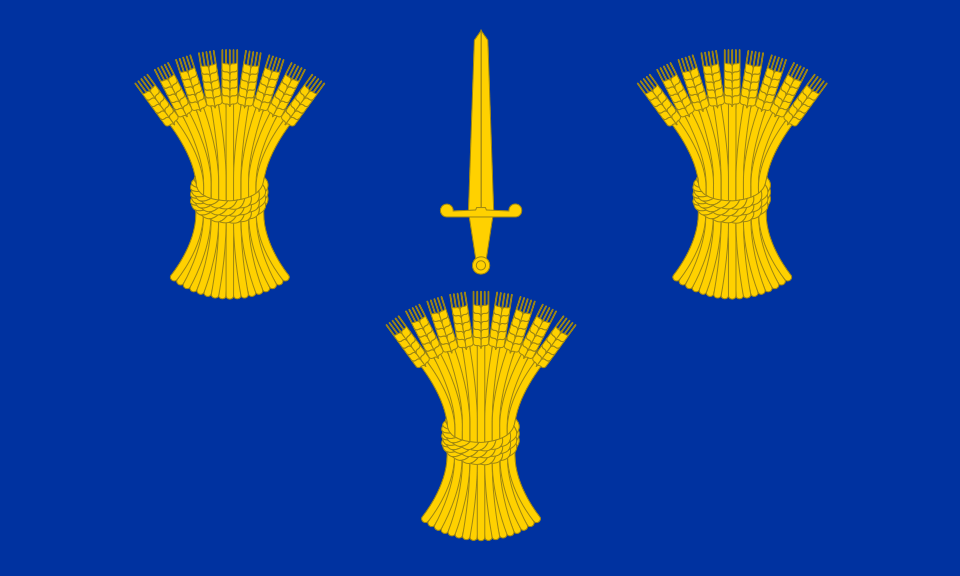
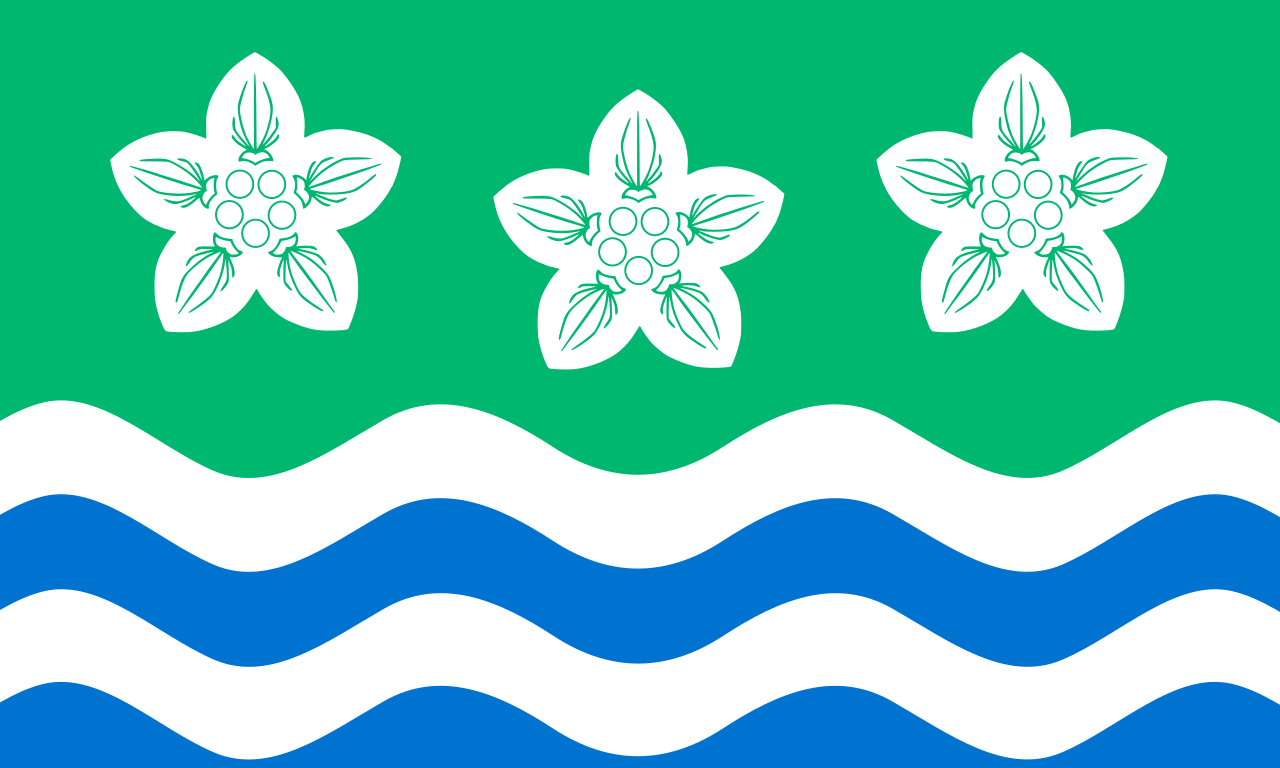
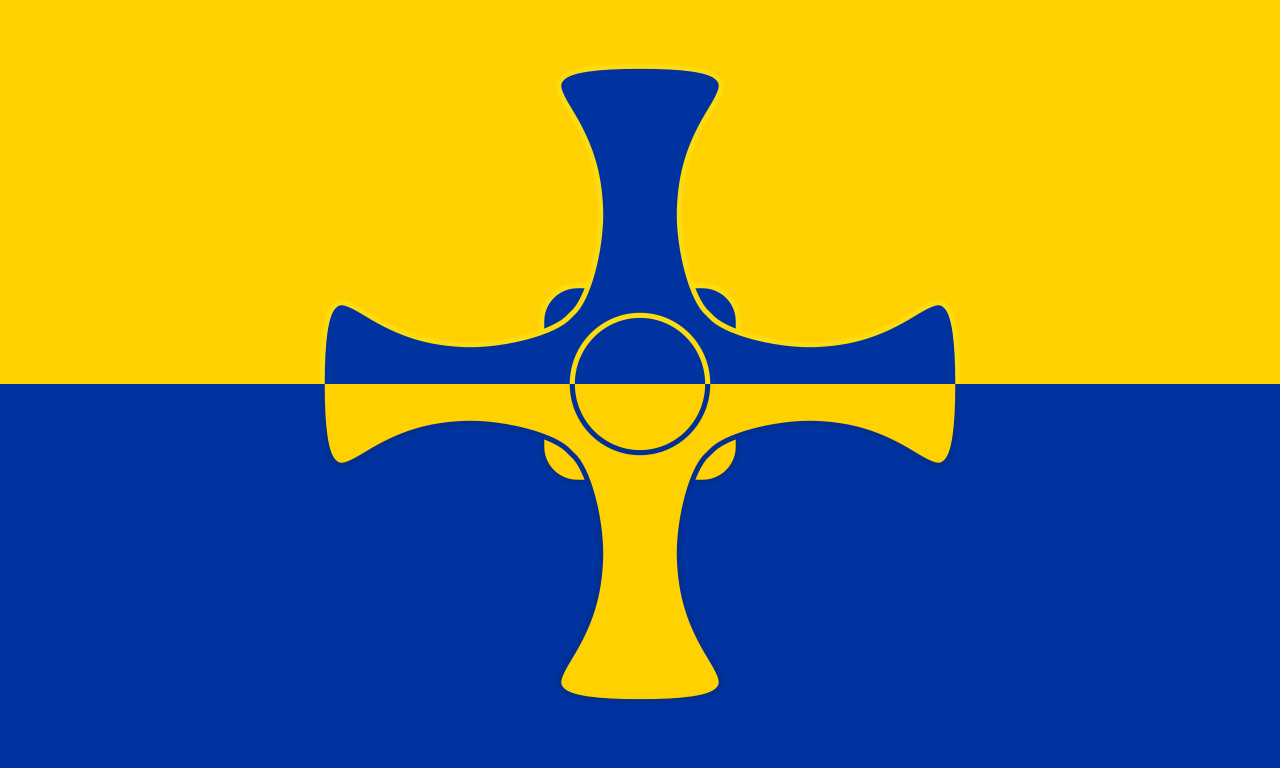
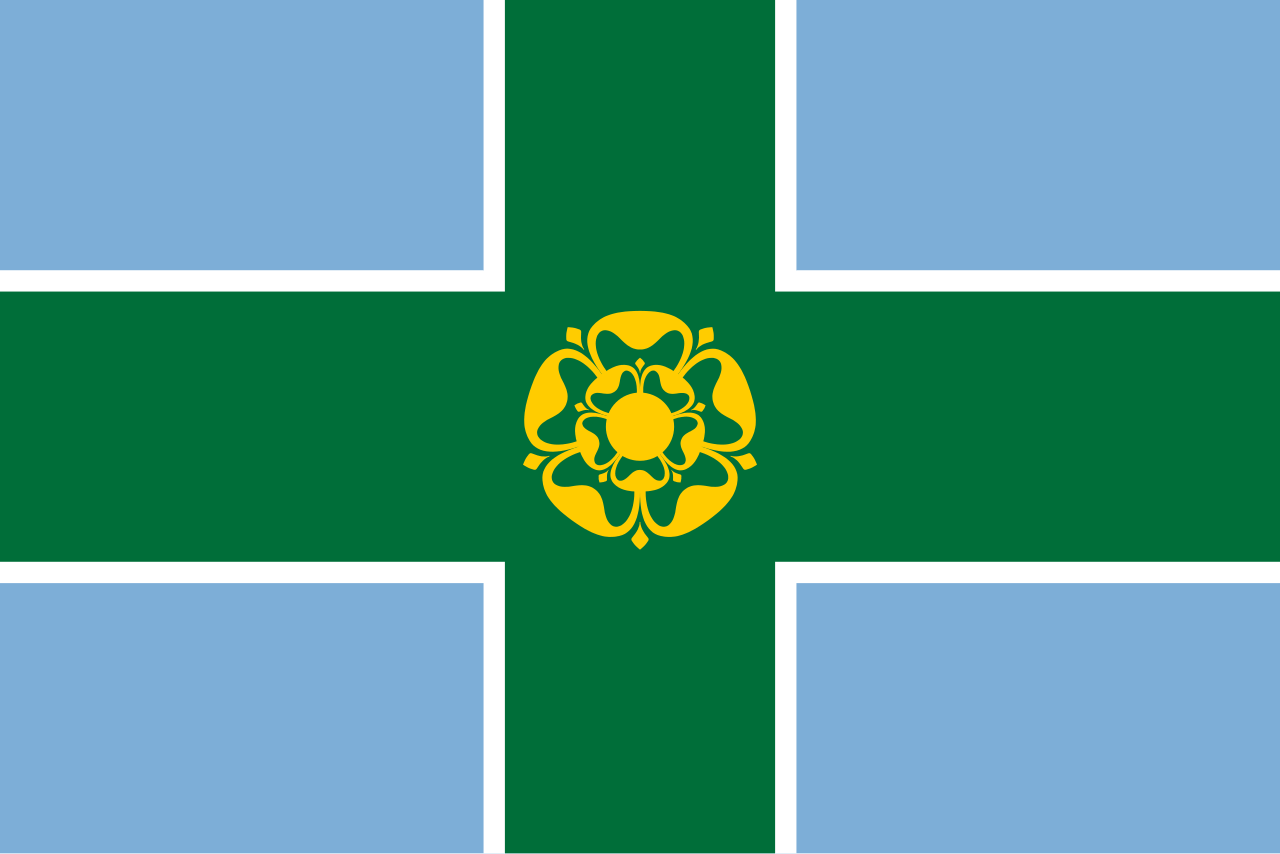
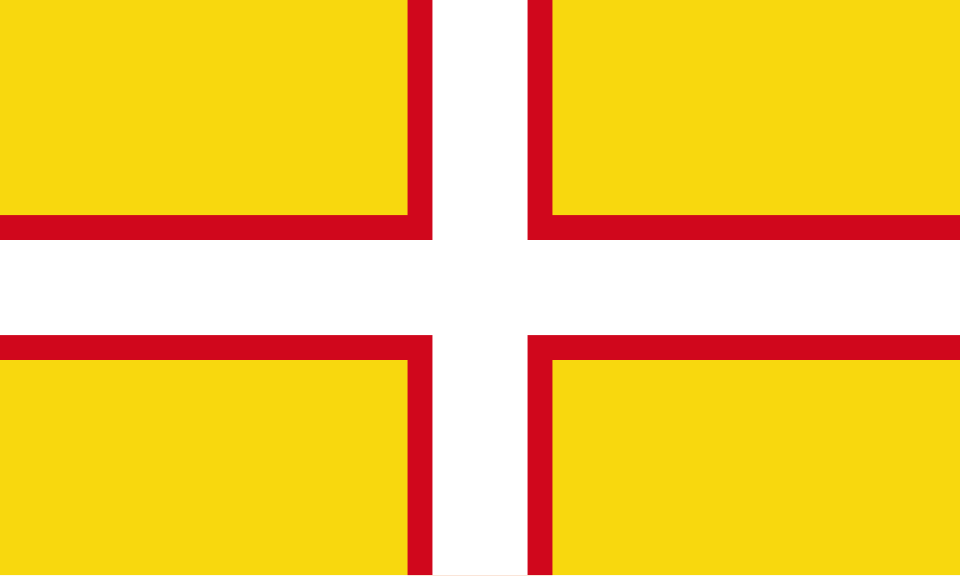
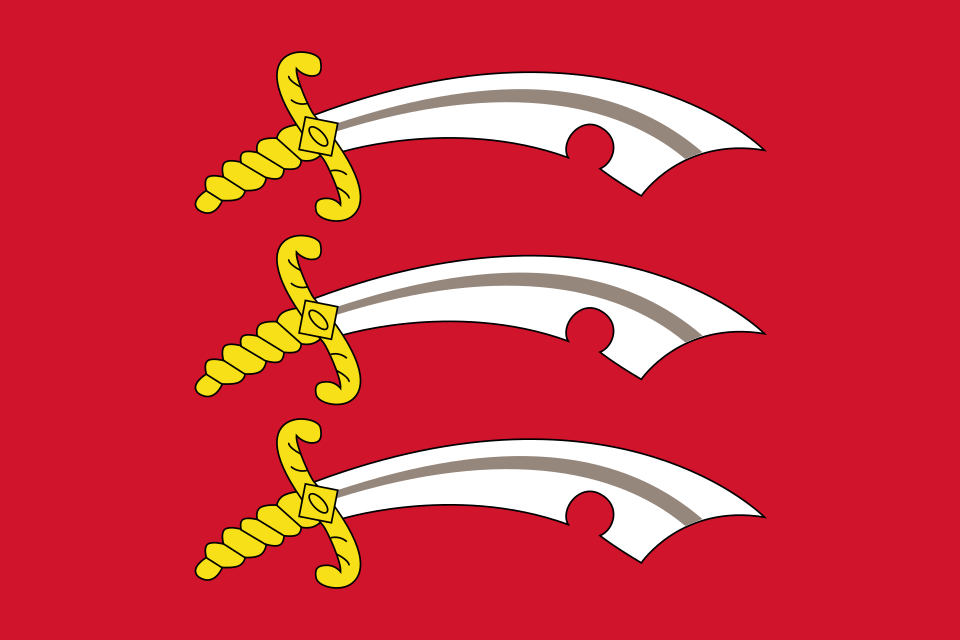
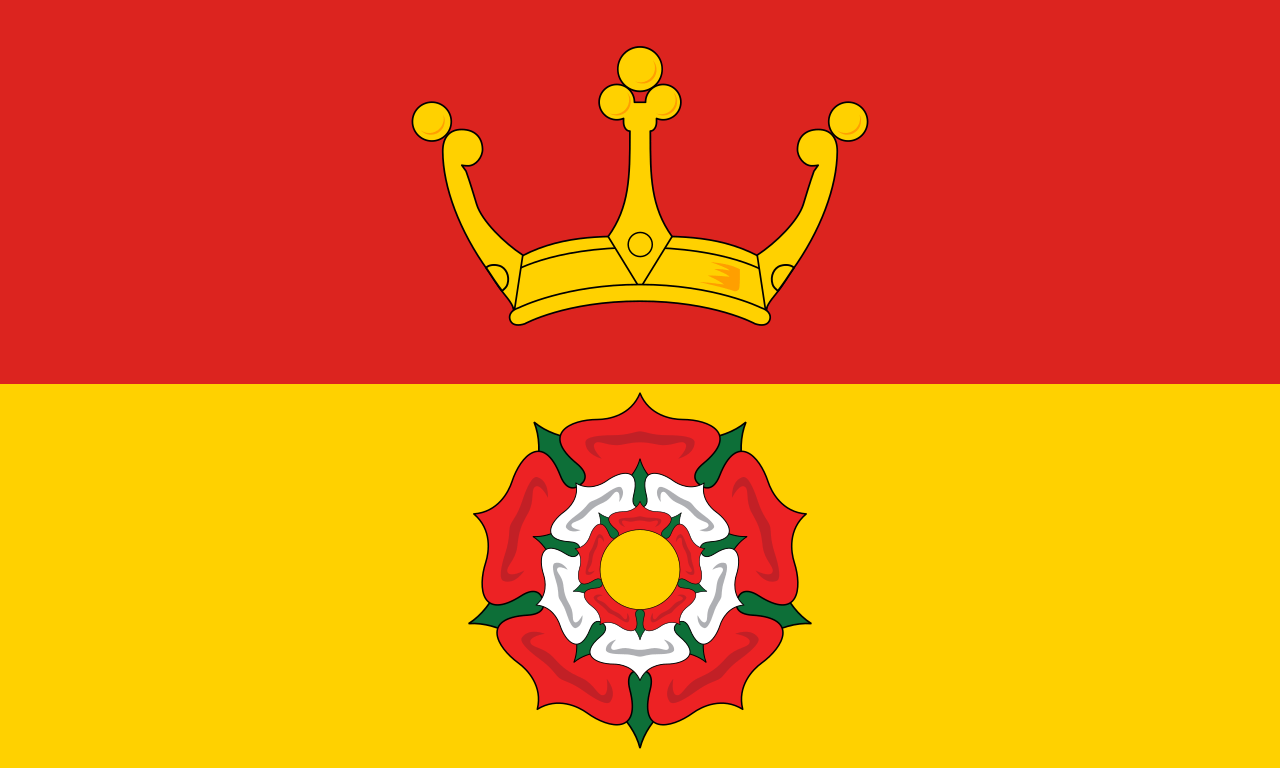
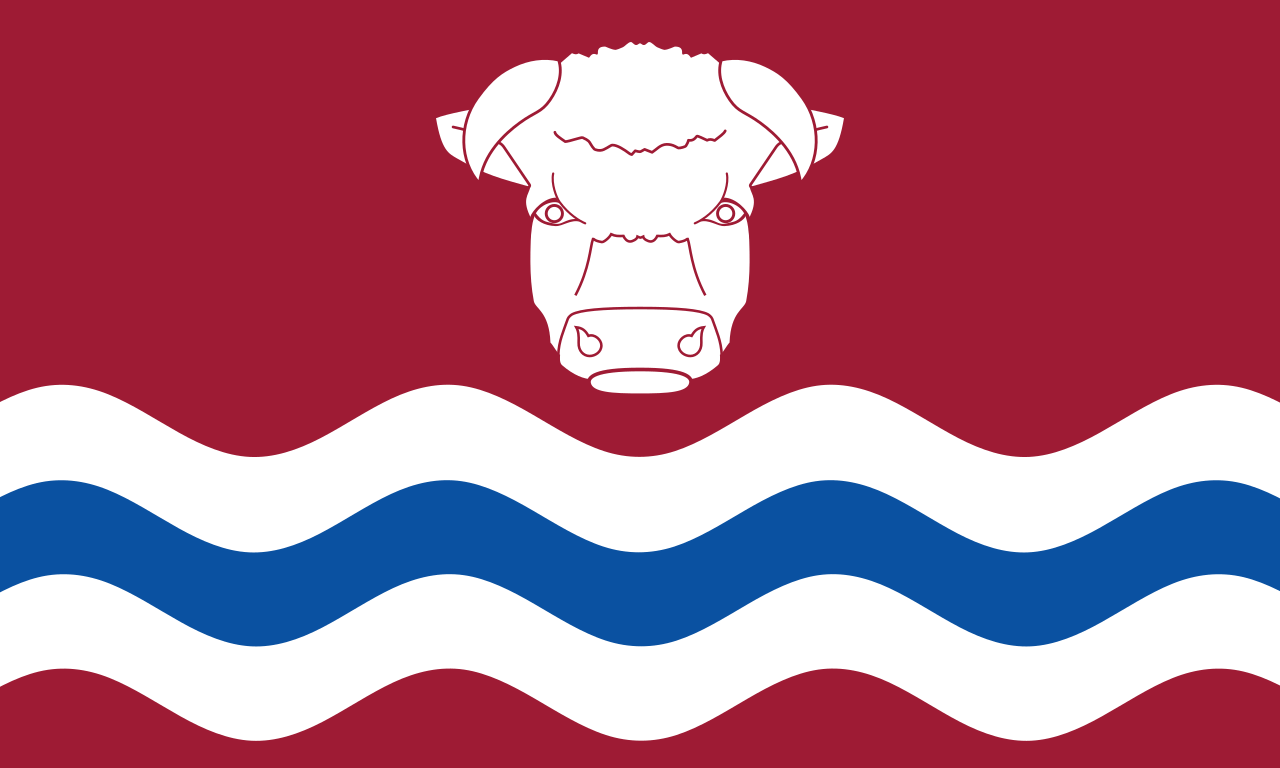
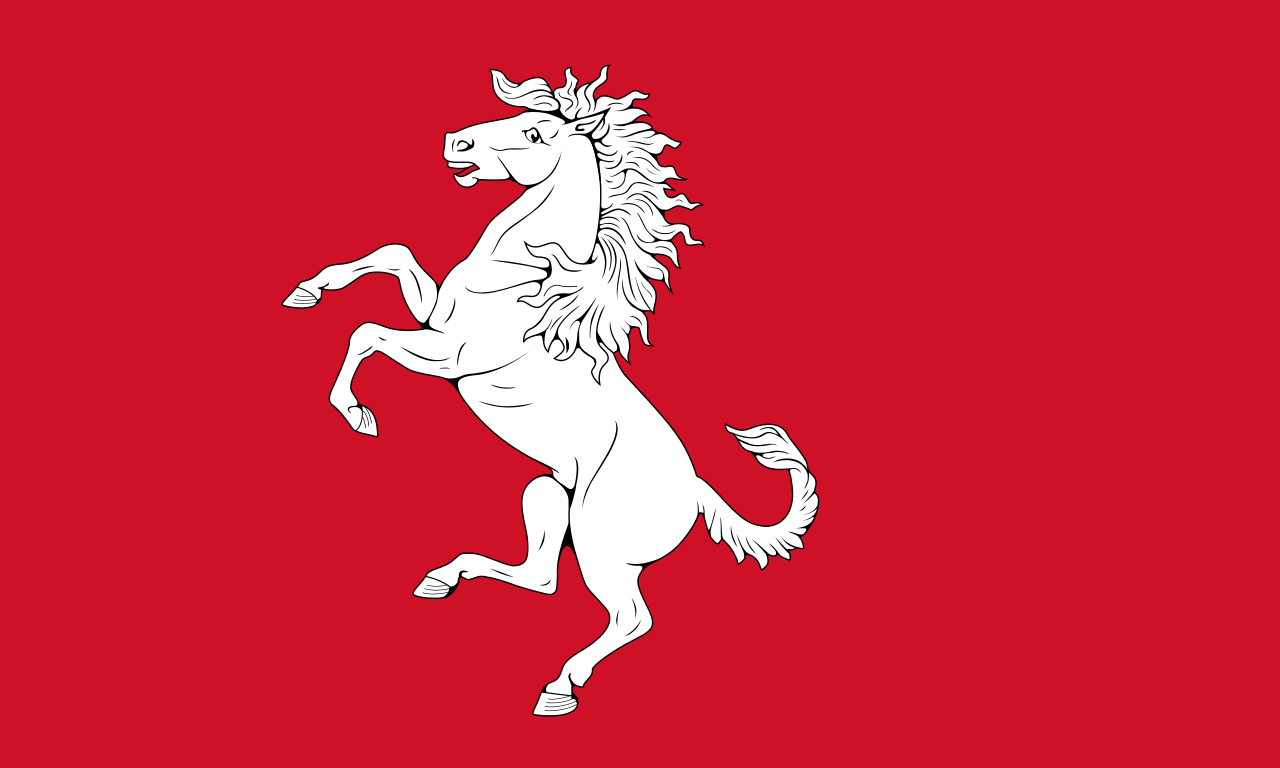
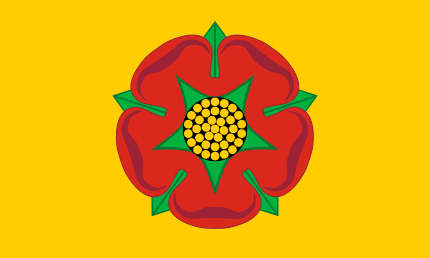
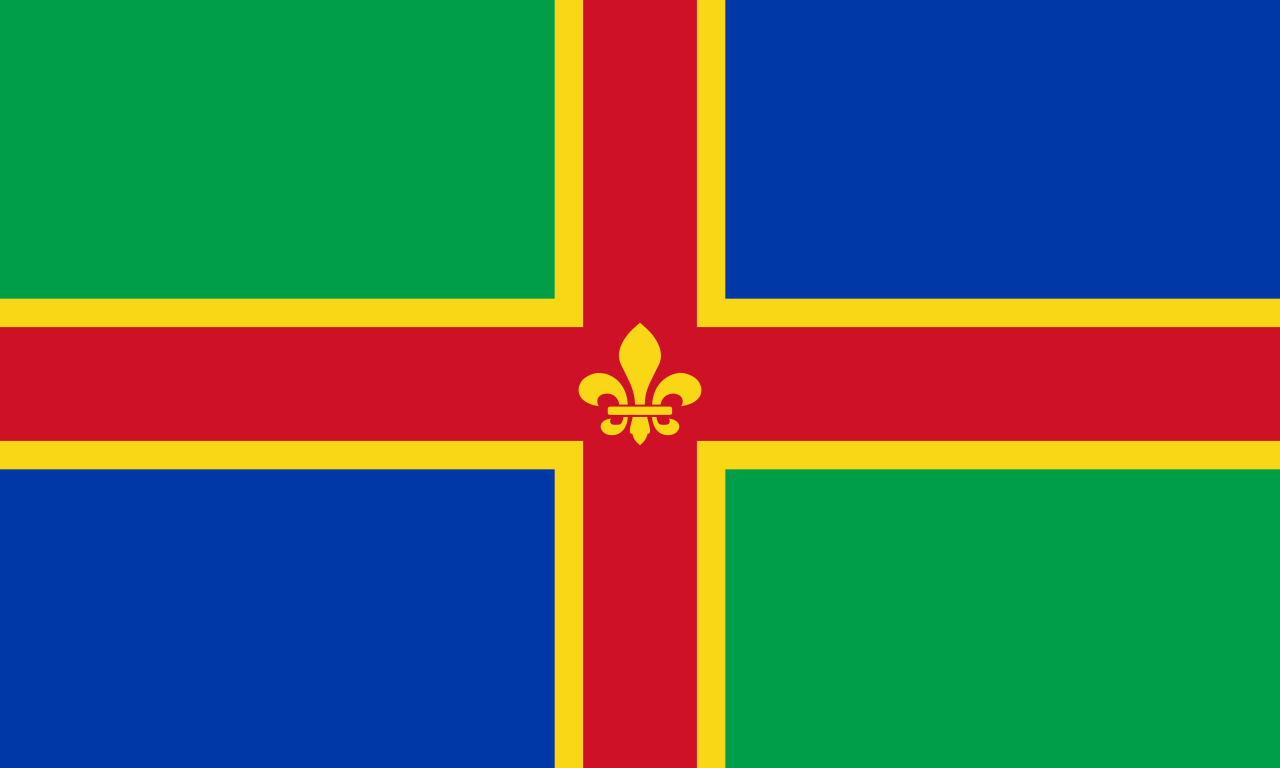
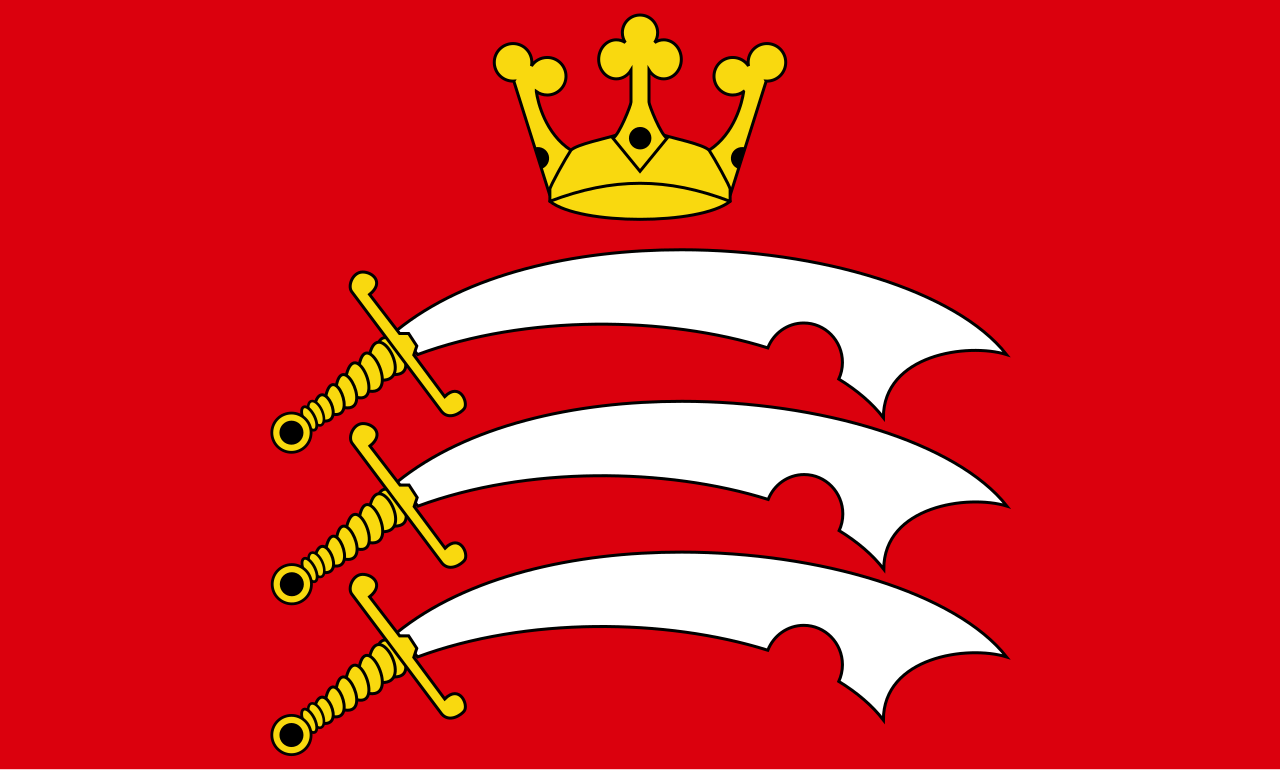
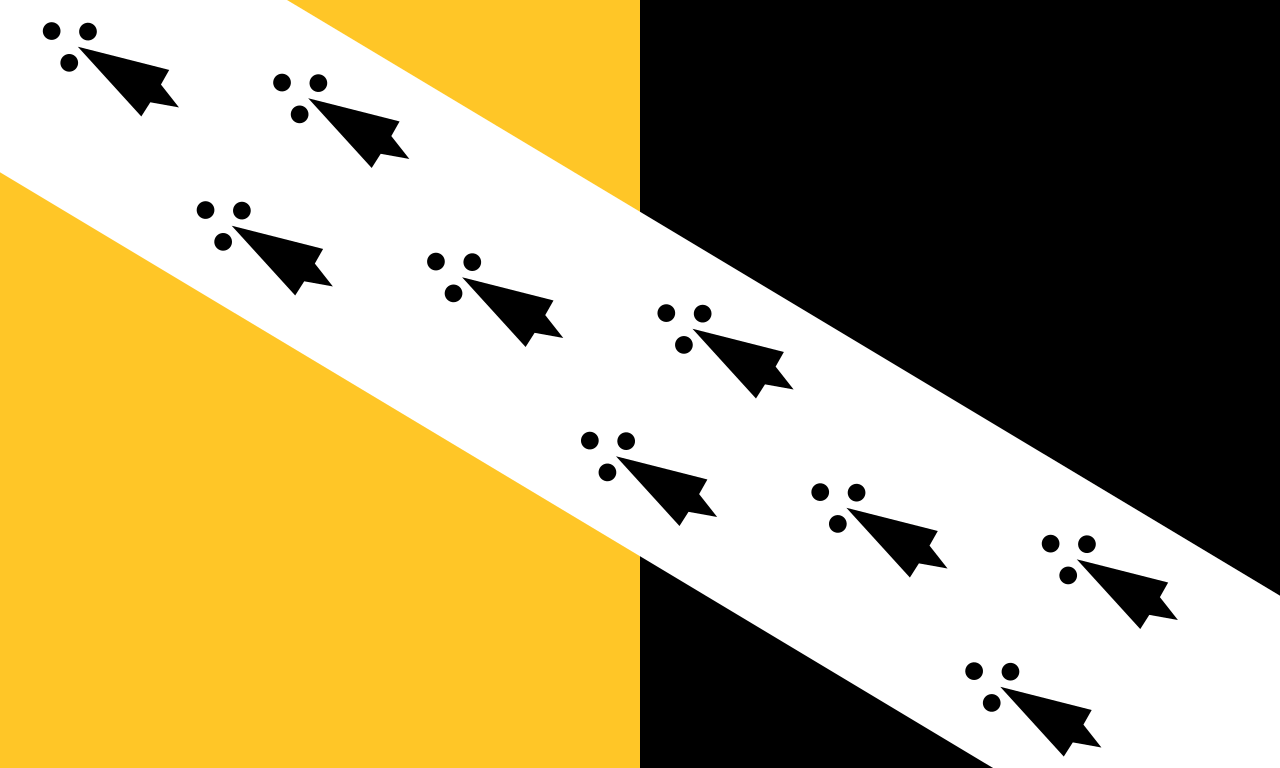
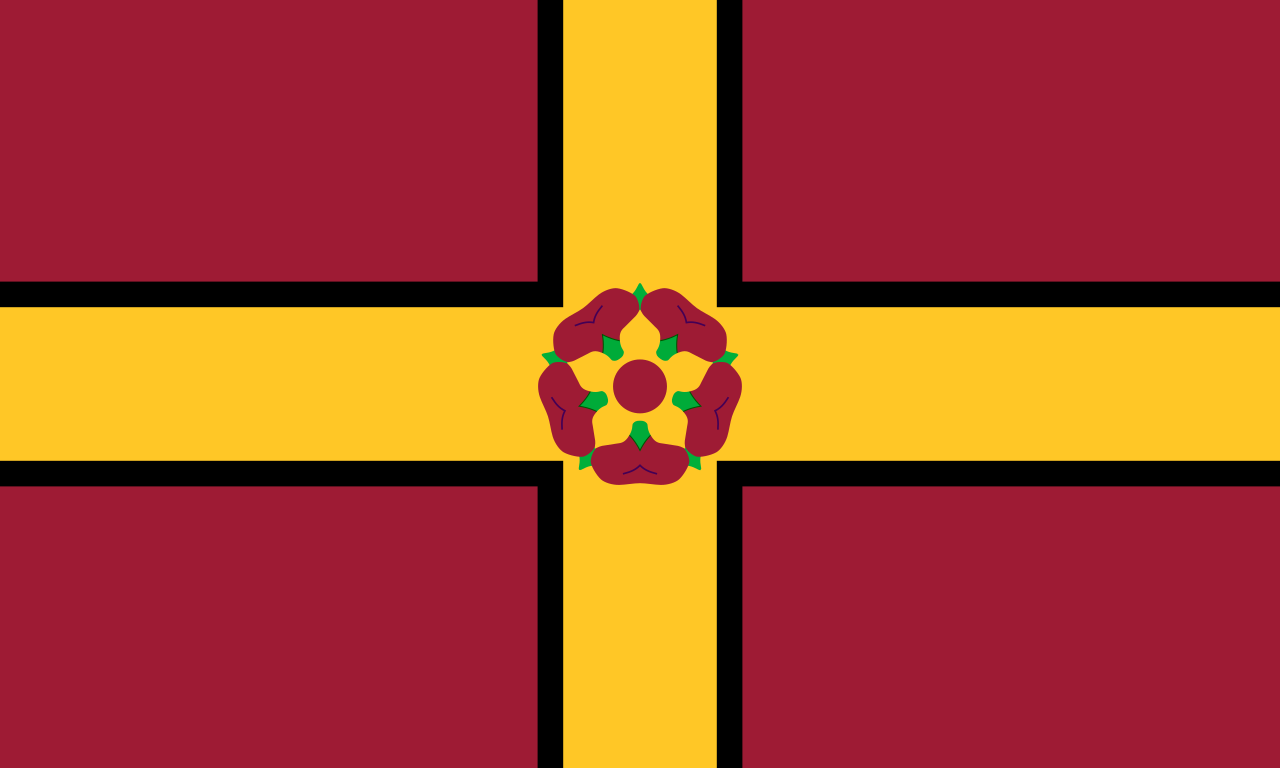
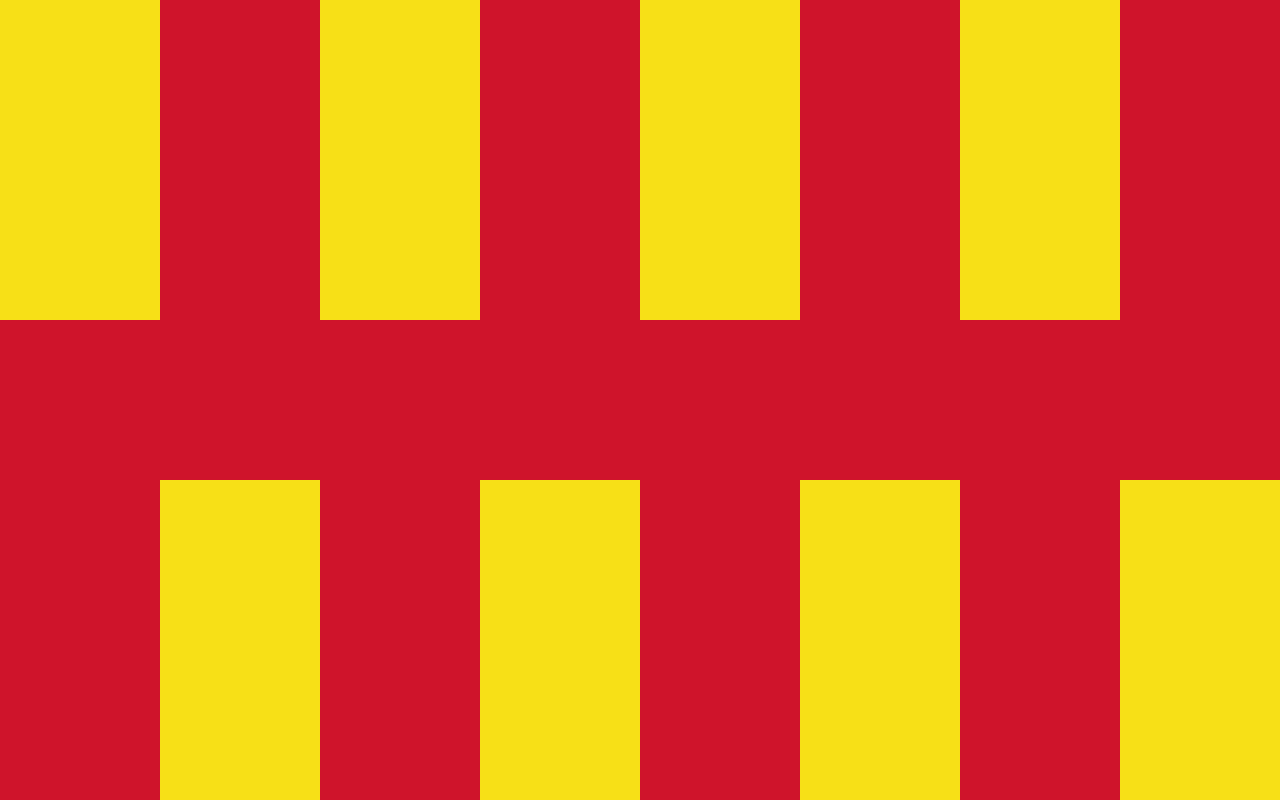
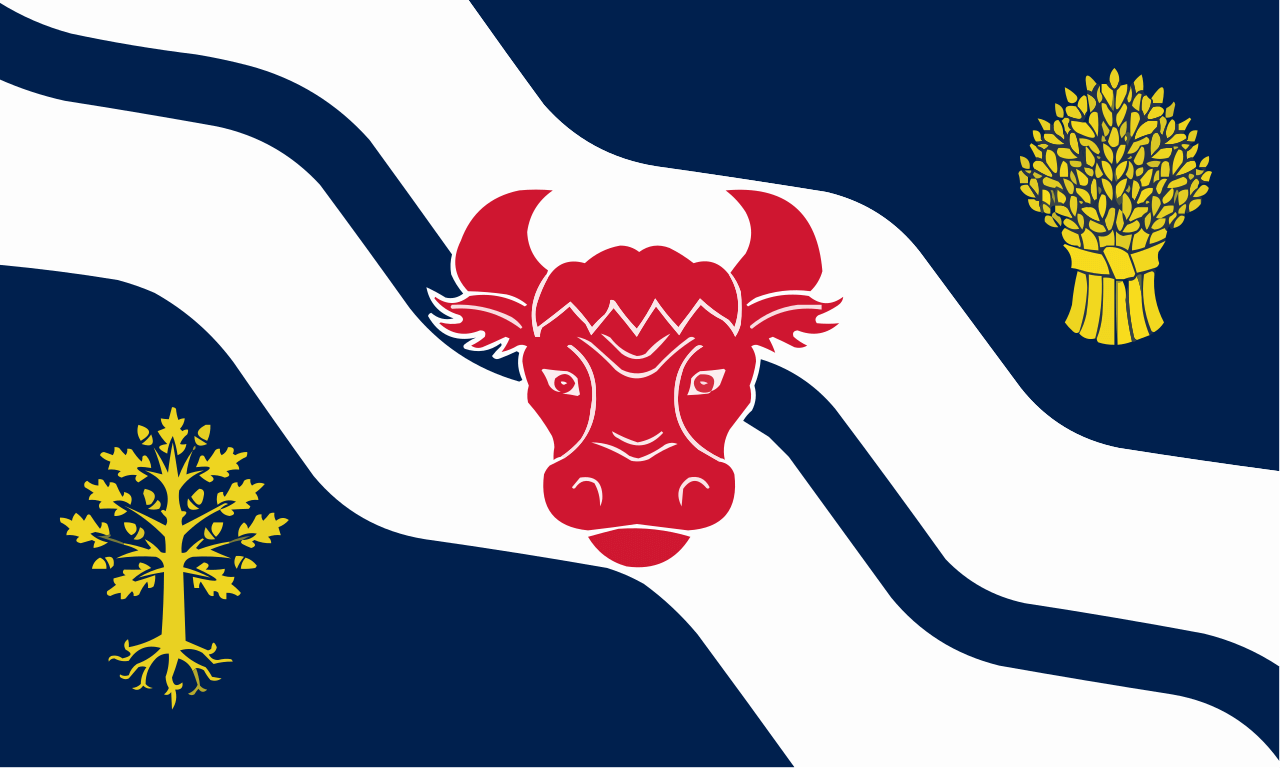
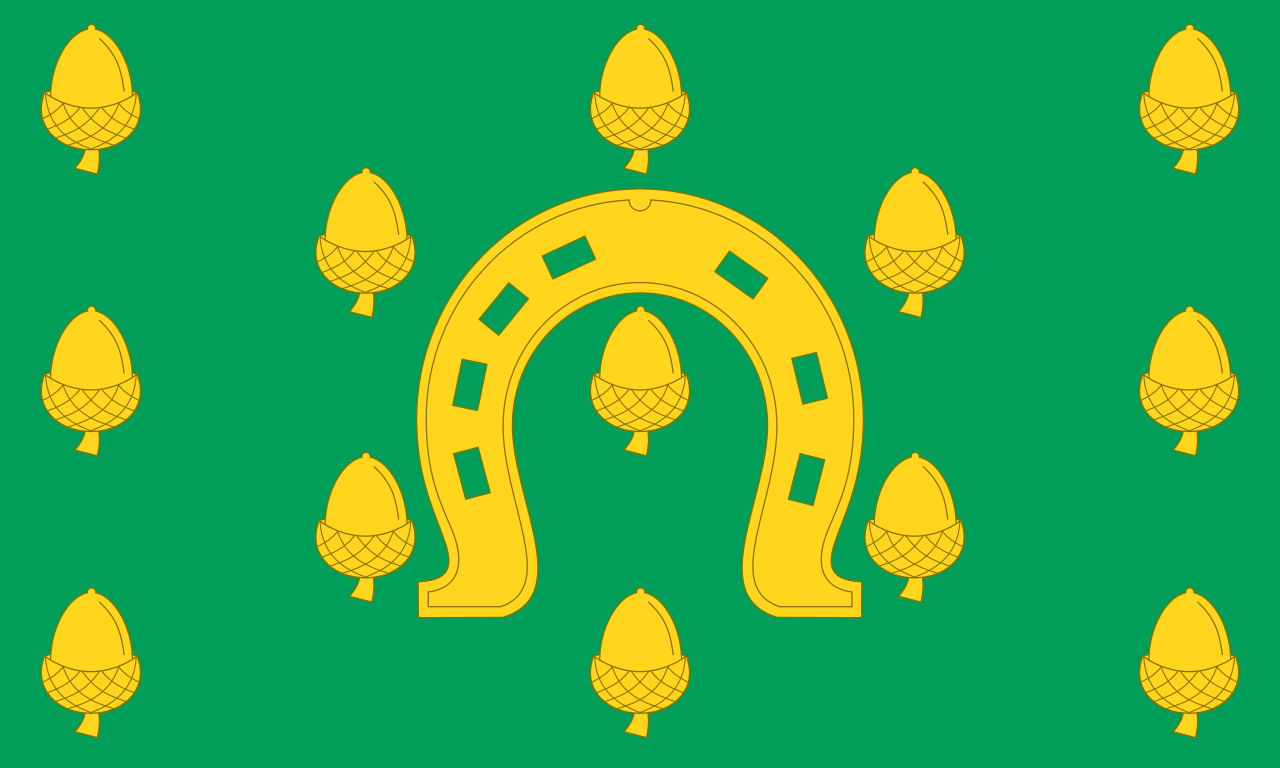
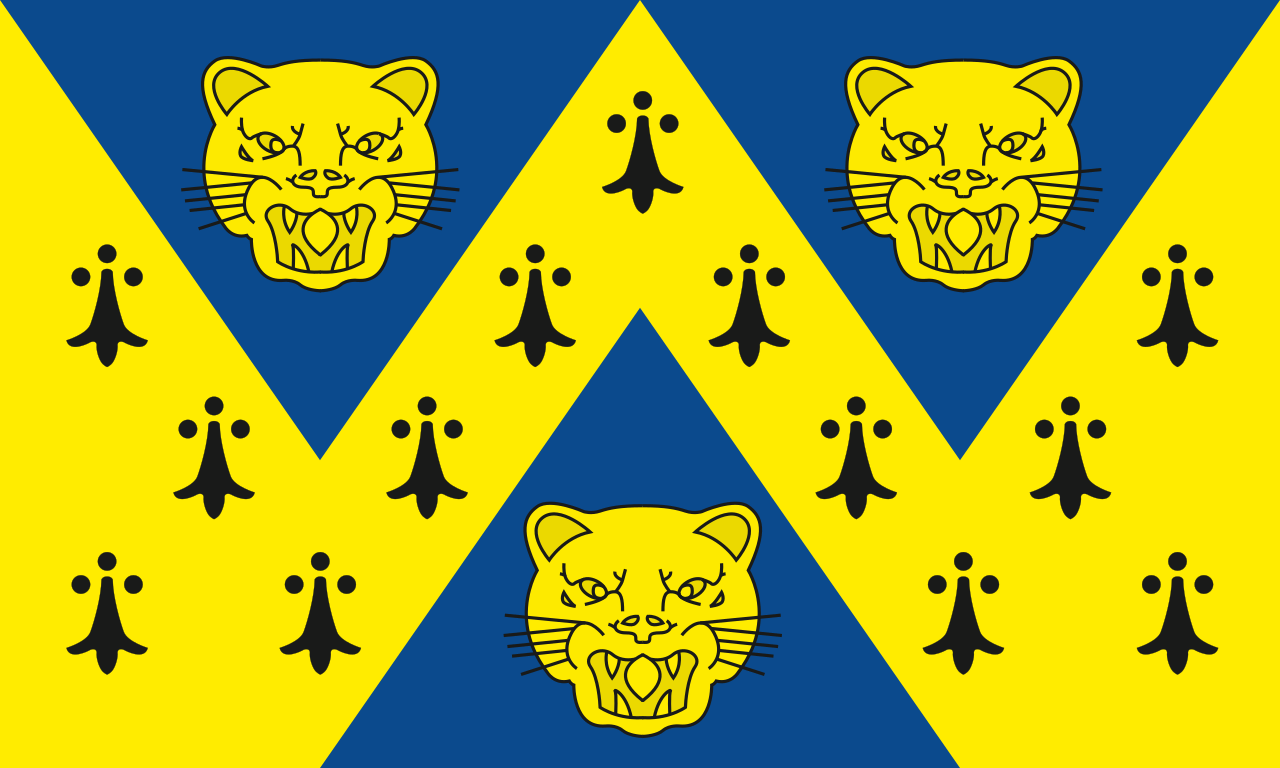
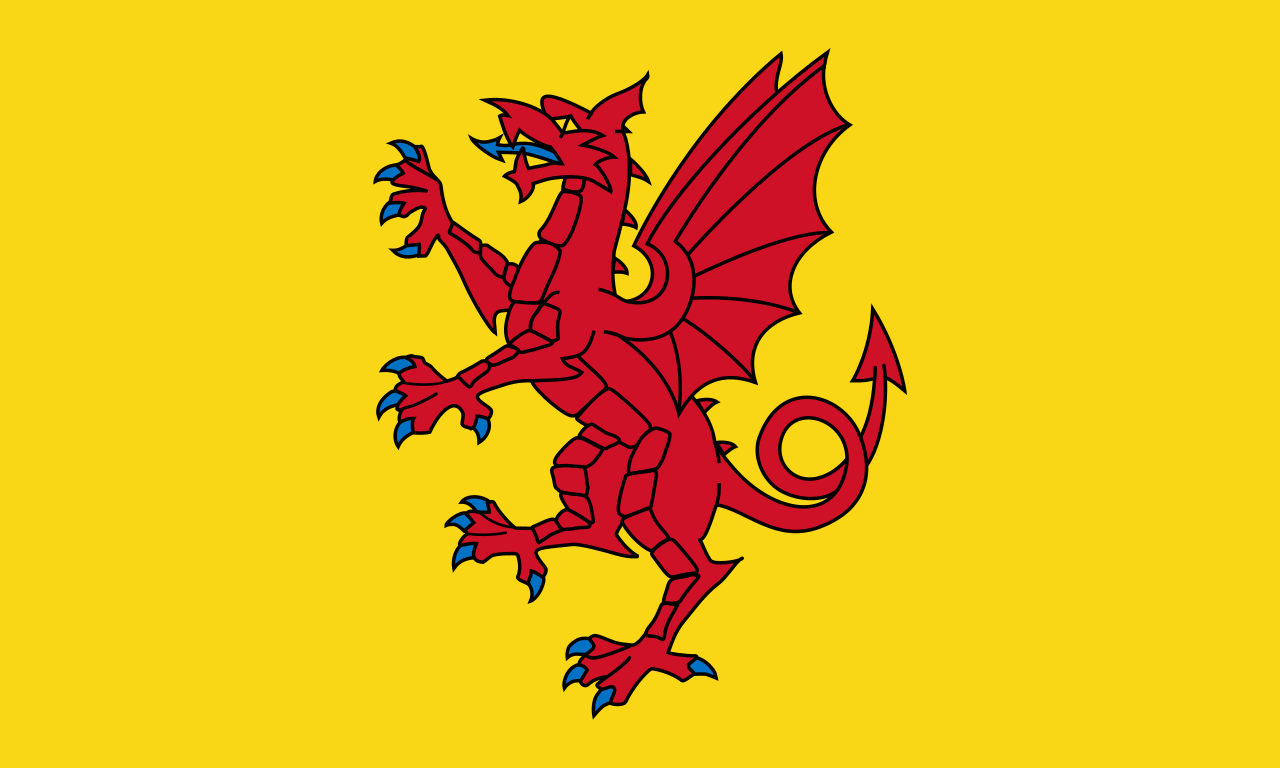
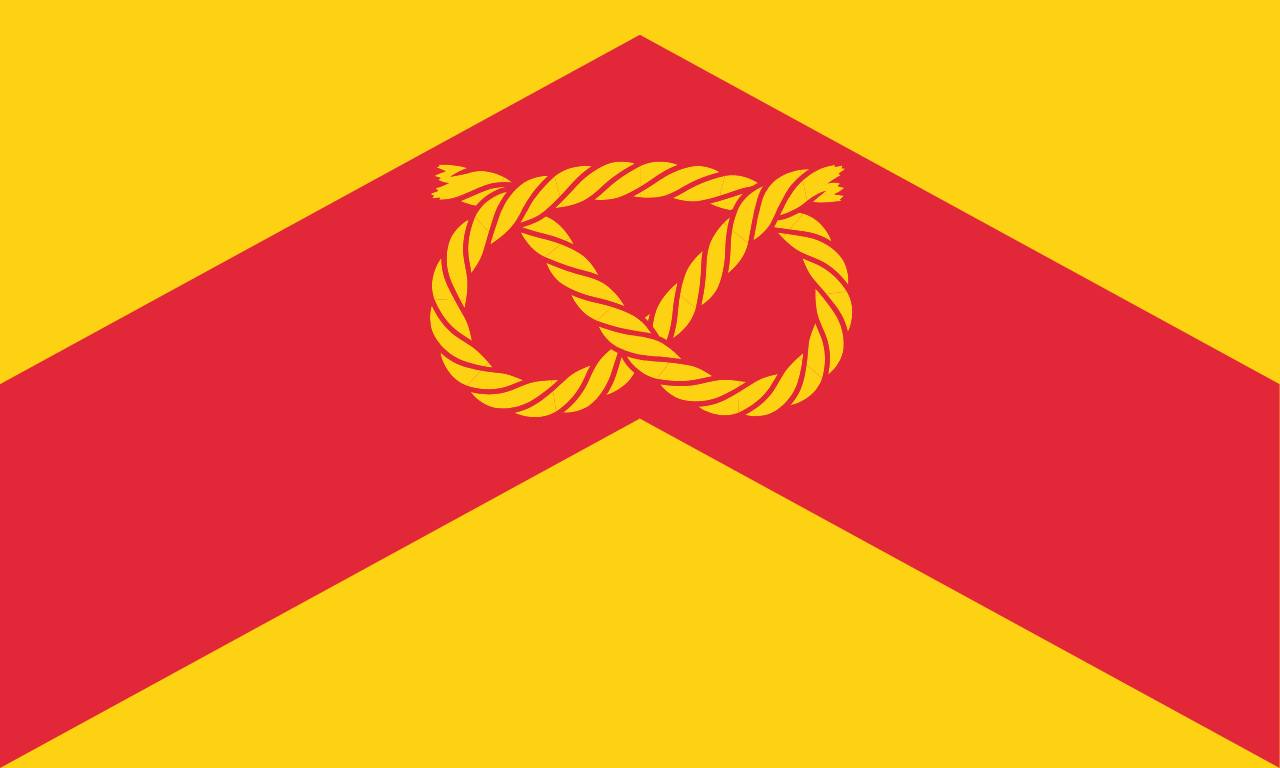
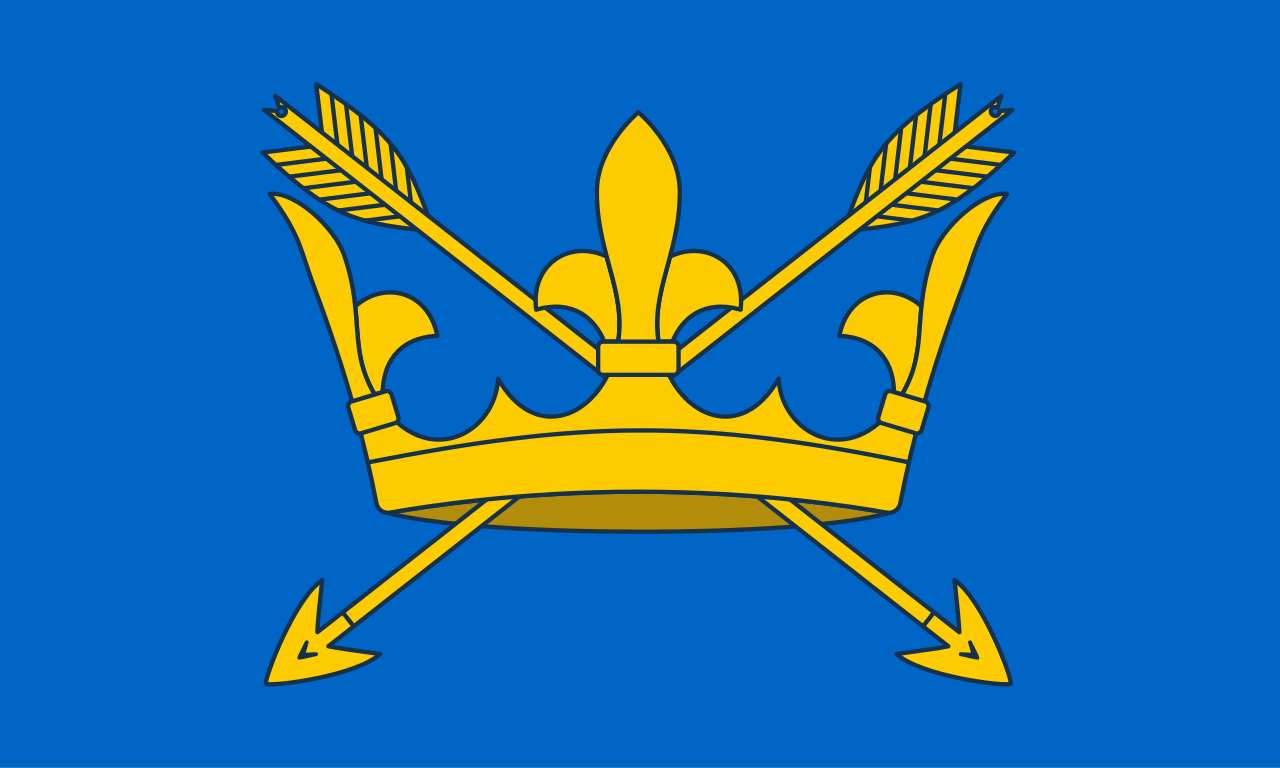
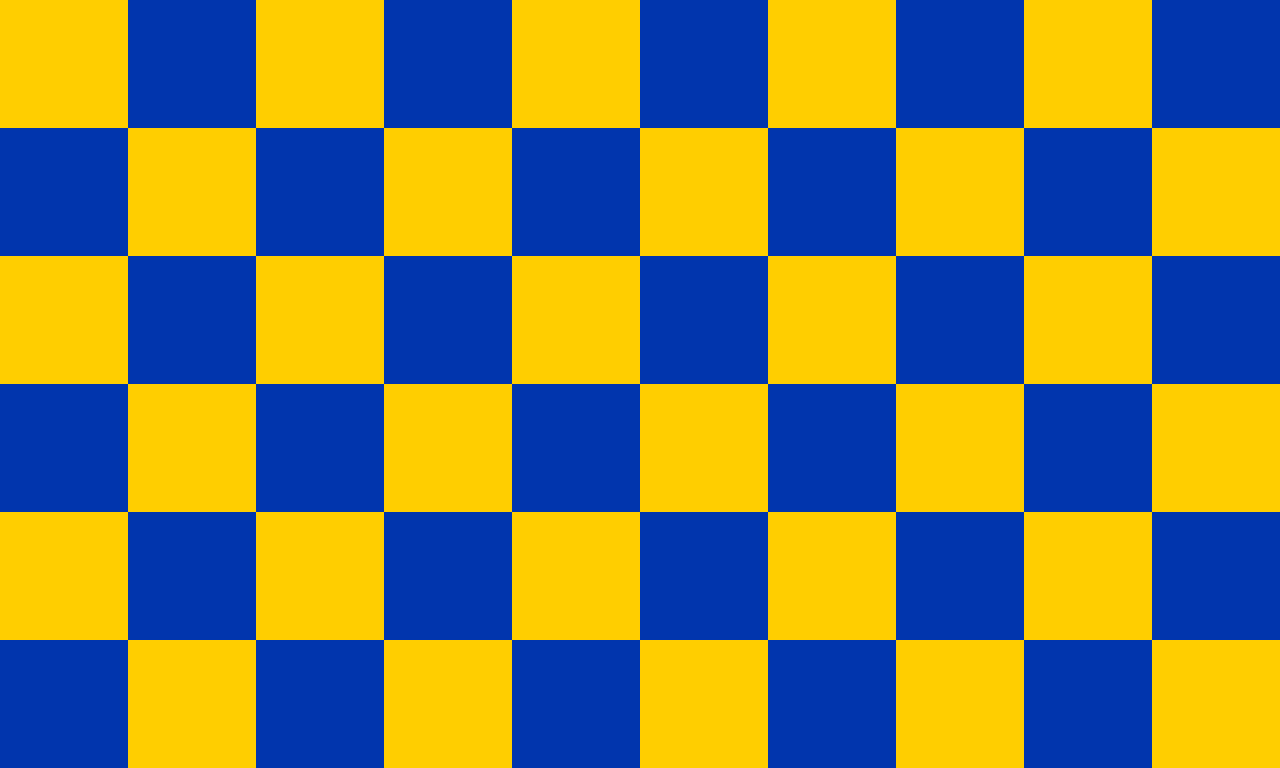
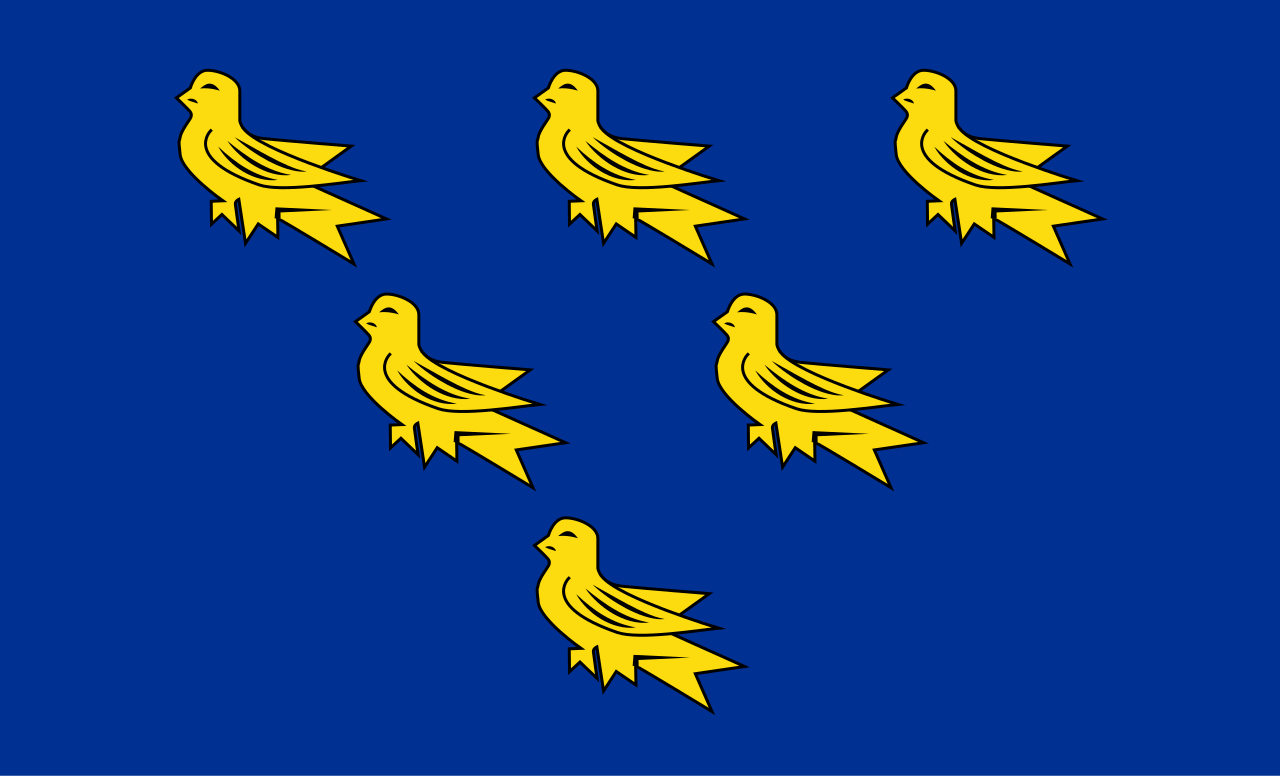
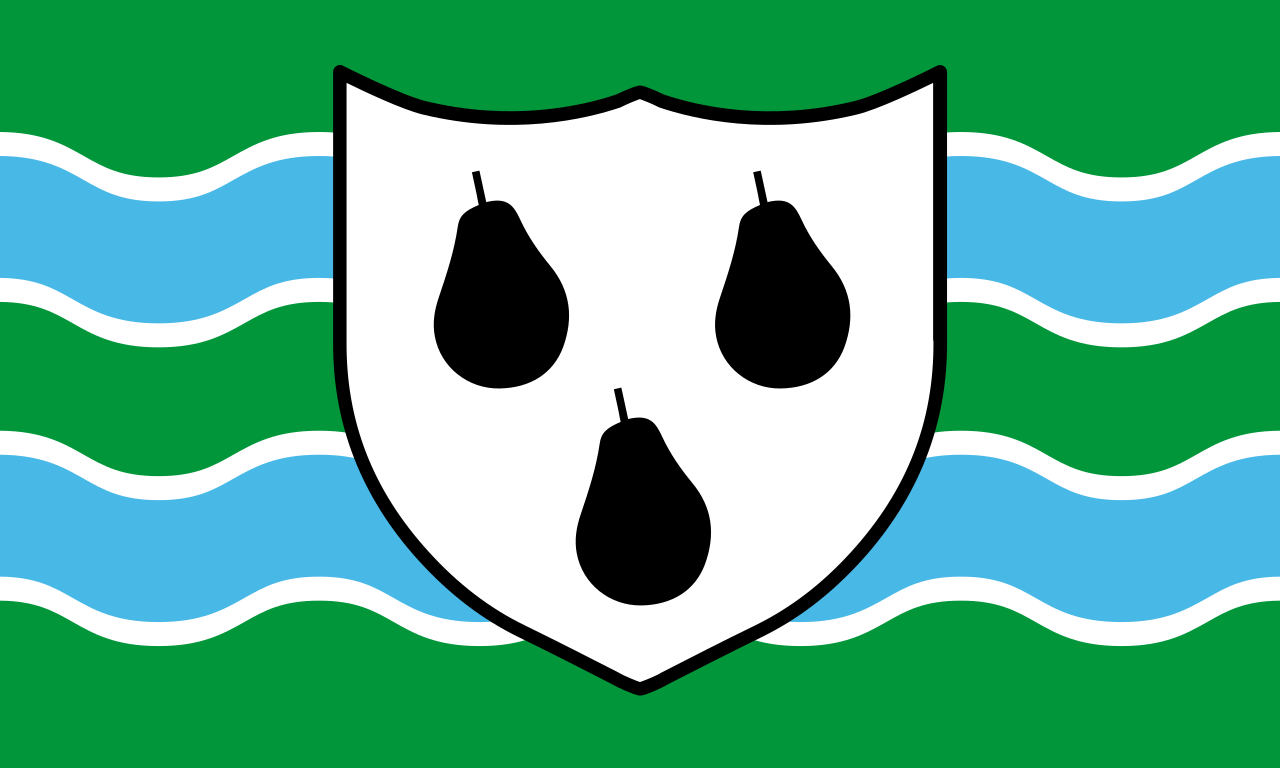
Beyond the national Three Lions, England’s historic counties each maintain their own flag — a tradition revived since the early 2000s by the Flag Institute. From the white rose of Yorkshire (House of York) to the red rose of Lancashire (House of Lancaster), from the white horse of Kent (Saxon emblem of Hengist) to the St Piran’s Cross of Cornwall and the six martlets of Sussex, these banners carry centuries of regional identity.
The arms of England are blazoned Gules, three lions passant guardant in pale Or armed and langued Azure — three golden lions striding to the right with heads turned to face the viewer, on a red field. They have been the arms of England since the reign of Richard I (1189–1199), with the earliest surviving impression dating to his second Great Seal of 1198.
Richard I (the Lionheart) is credited with adopting the three lions as the arms of England around 1198. Earlier Plantagenet rulers used varying numbers of lions. The three lions passant guardant became fixed under Richard I and have remained unchanged for over 800 years.
The St George’s Cross is the flag of England: a red cross on a white field (Argent, a cross Gules). St George became England’s patron saint in the 14th century under Edward III. The red cross was adopted by English crusaders and became the national flag under Edward I. It forms the dominant element of the Union Jack.
Yes. The Football Association adopted the royal arms in 1872, making the Three Lions one of the oldest and most iconic sports emblems in the world.
Yes. England’s historic counties each maintain their own flag, many officially registered with the Flag Institute since the early 2000s. Famous examples include the white rose of Yorkshire, the red rose of Lancashire, the white horse of Kent, and the St Piran’s Cross of Cornwall.
Explore the flag of each of England’s historic counties.
Last reviewed by the Emblema Mundi editorial team on 2026-06-23.