Country
The national emblems of Mexico are among the oldest continuously used symbols in the Americas. The coat of arms — a golden eagle standing on a nopal cactus and devouring a serpent — reaches back to the Aztec founding of Tenochtitlan in 1325, while the green-white-red flag was born of the 1821 struggle for independence. Below them stretches one of the richest regional traditions on the continent: the coats of arms and seals of Mexico's 32 federal entities.
Click on a country to learn more
| Country | Mexico (Estados Unidos Mexicanos) |
|---|---|
| Coat of arms | Golden eagle on a nopal cactus devouring a rattlesnake |
| Current design | Presented 16 September 1968 — by Francisco Eppens Helguera |
| Governing law | Ley sobre el Escudo, la Bandera y el Himno Nacionales (8 February 1984) |
| Flag | Vertical tricolour — green, white, red — arms centred on white |
| Flag ratio | 4 : 7 |
| Flag Day | 24 February (Día de la Bandera) |
| Federal entities | 32 (31 states + Mexico City) |
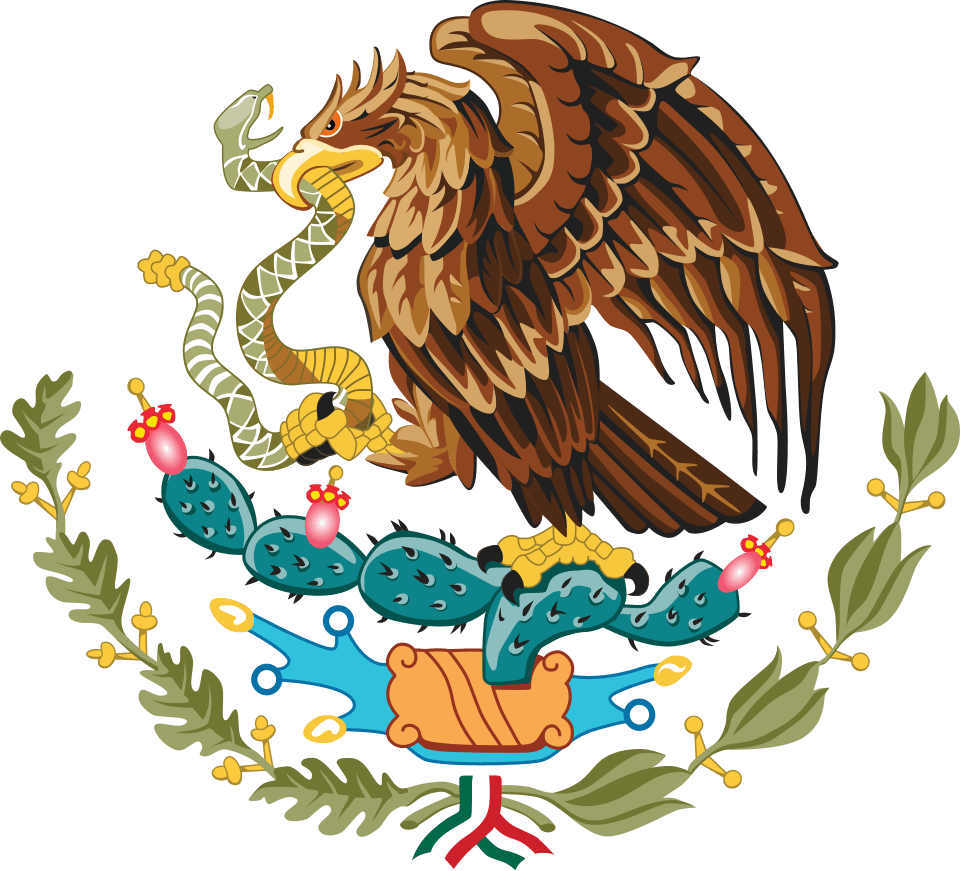
Coat of Arms — a Mexican golden eagle perched on a nopal, devouring a rattlesnake, over oak and laurel branches.
The Escudo Nacional shows a Mexican golden eagle (águila real) shown in profile, its left talon and beak seizing a rattlesnake, while it stands on a nopal (prickly-pear cactus) growing from a rock that rises out of a lake. Beneath the cactus, a branch of oak (encino) and one of laurel are tied together by a ribbon in the national colours of green, white and red — oak for strength, laurel for victory.
The image is drawn directly from the Mexica (Aztec) foundation myth. According to tradition, the god Huitzilopochtli told the wandering Mexica to build their city where they found an eagle perched on a nopal. They saw the sign on an islet of Lake Texcoco and founded México-Tenochtitlan there in 1325 — the site of modern Mexico City. The serpent-devouring detail is famous, though some early Nahua sources describe the eagle over the cactus without a snake; the eagle-and-serpent has nonetheless been the canonical national image since independence.
1325 — the Aztec sign. The eagle on the nopal appears in pre-Columbian codices such as the Codex Mendoza as the emblem of Tenochtitlan.
1821–1823 — independence. After independence the eagle was crowned under the First Mexican Empire, then republicanised — shown facing left, with oak and laurel — once the republic was proclaimed.
1968 — the modern design. The version in use today was created by the artist Francisco Eppens Helguera, with the architect Pedro Moctezuma Díaz Infante. It was presented on 16 September 1968 and regulated from 17 August 1968, returning to a profile eagle closer to the sixteenth-century codices.
1984 — the current law. Use of the arms, flag and anthem is now governed by the Ley sobre el Escudo, la Bandera y el Himno Nacionales, published on 8 February 1984.
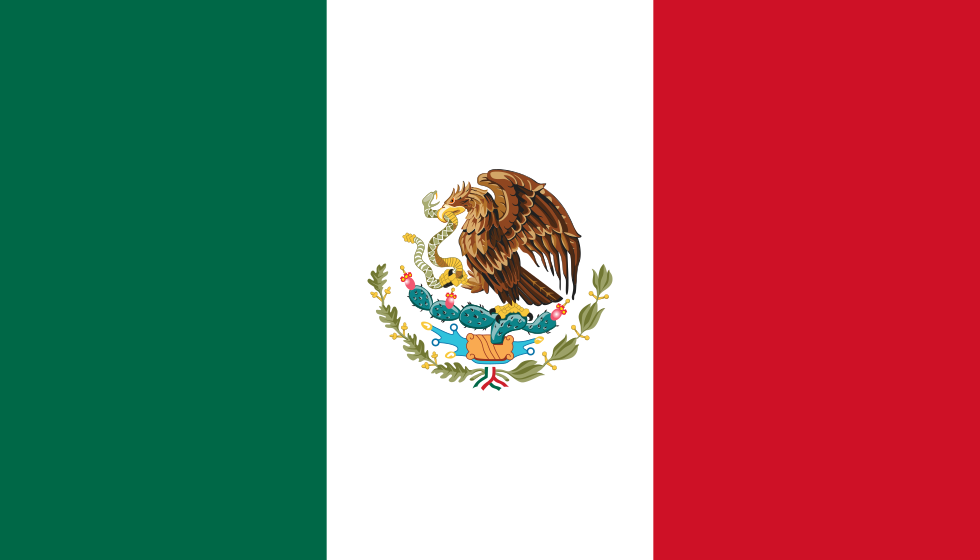
Flag — green, white and red vertical bands, with the Escudo Nacional at the centre of the white.
The flag is a vertical tricolour of green, white and red — read from the hoist — in the proportion 4 : 7, with the national coat of arms centred on the white band. Only the flag that bears the arms is the official national flag; the plain tricolour is a civil variant.
The three colours come from the Bandera Trigarante (Flag of the Three Guarantees), created for the Ejército Trigarante under Agustín de Iturbide's Plan de Iguala of 24 February 1821 and sewn in Iguala by the tailor José Magdaleno Ocampo. Its three "guarantees" gave the colours their first meaning: green for independence from Spain, white for the Catholic religion, and red for union between Mexicans and Spaniards.
The modern Mexican state assigns no official meaning to the colours — the 1821 reading is historical. The present arrangement of flag and arms was fixed in 1968, and 24 February is celebrated each year as Día de la Bandera (Flag Day), the only national symbol with its own commemorative date.
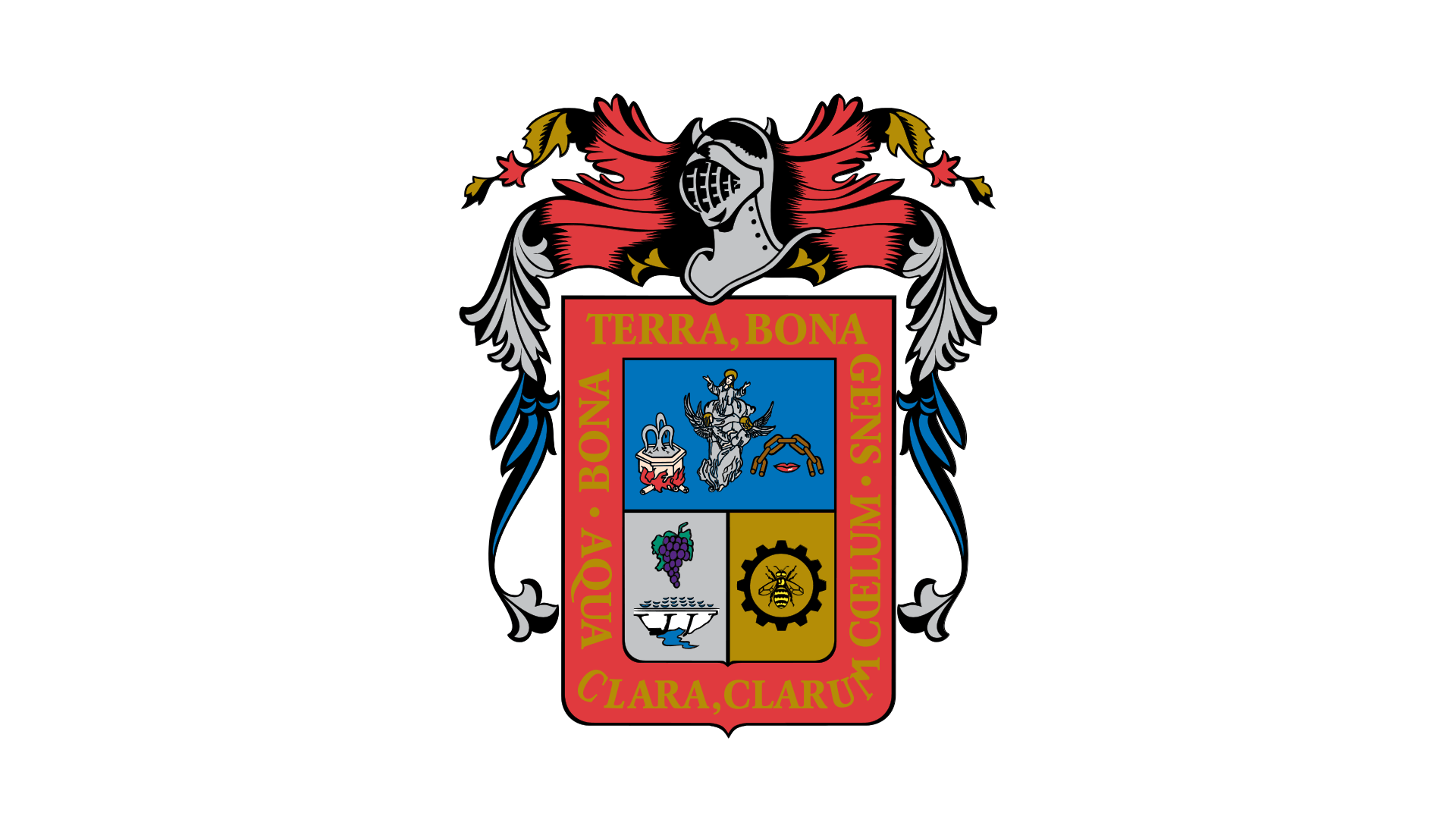
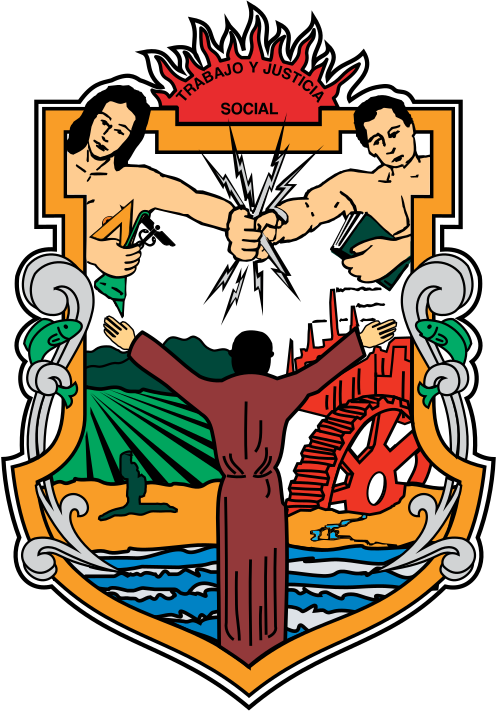
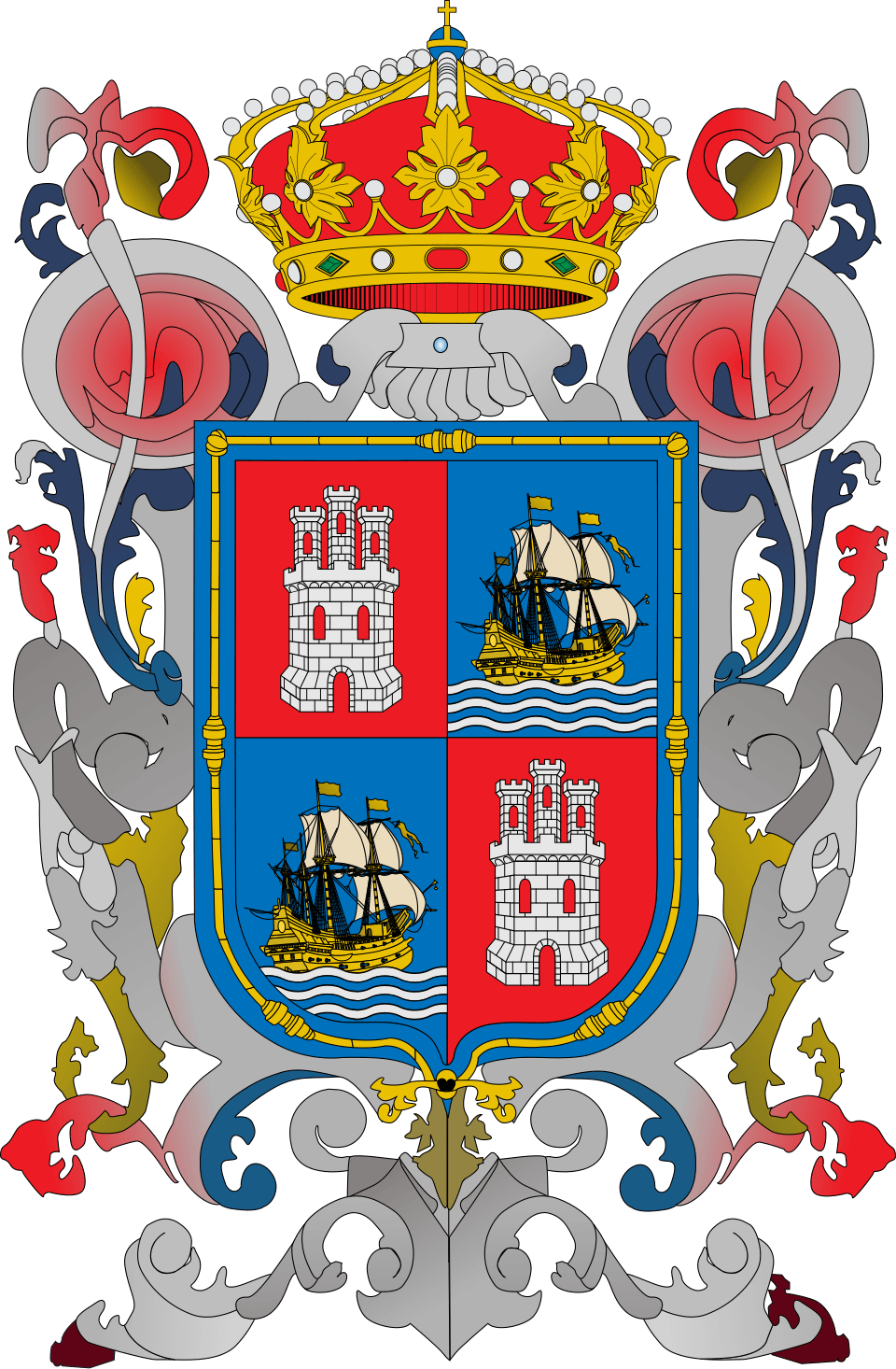
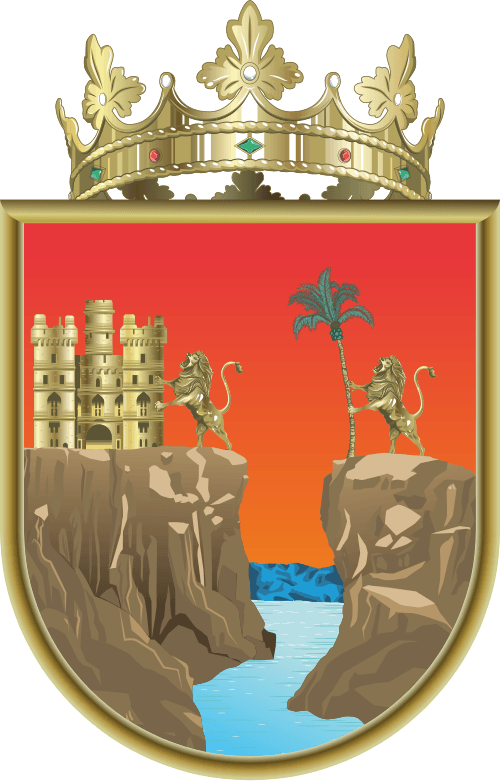
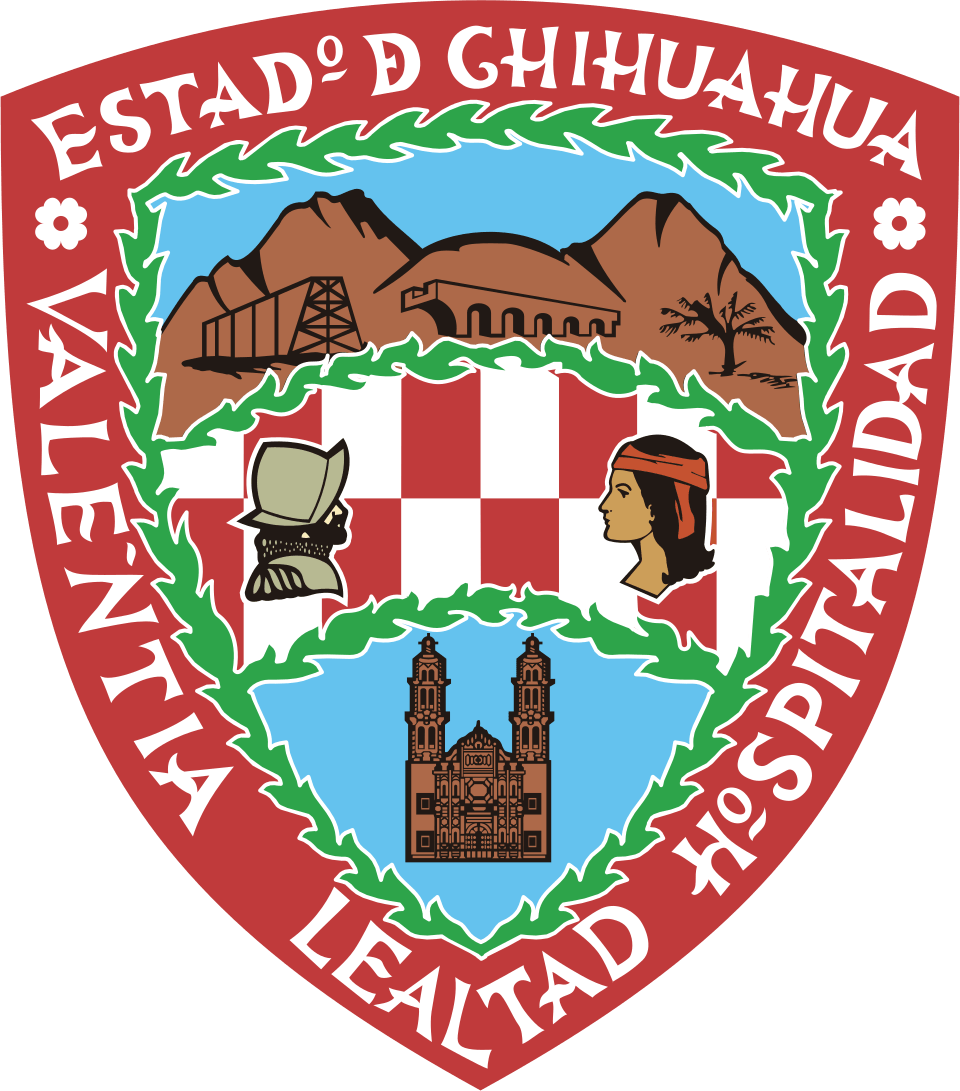
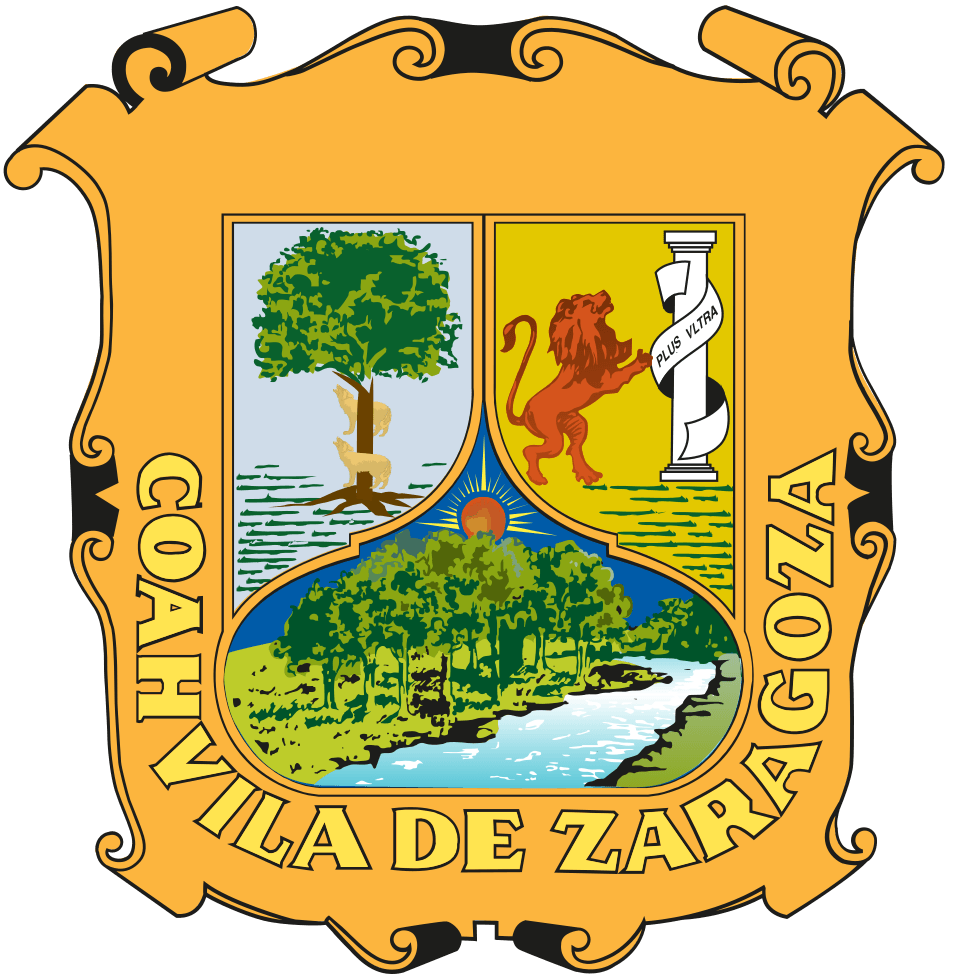
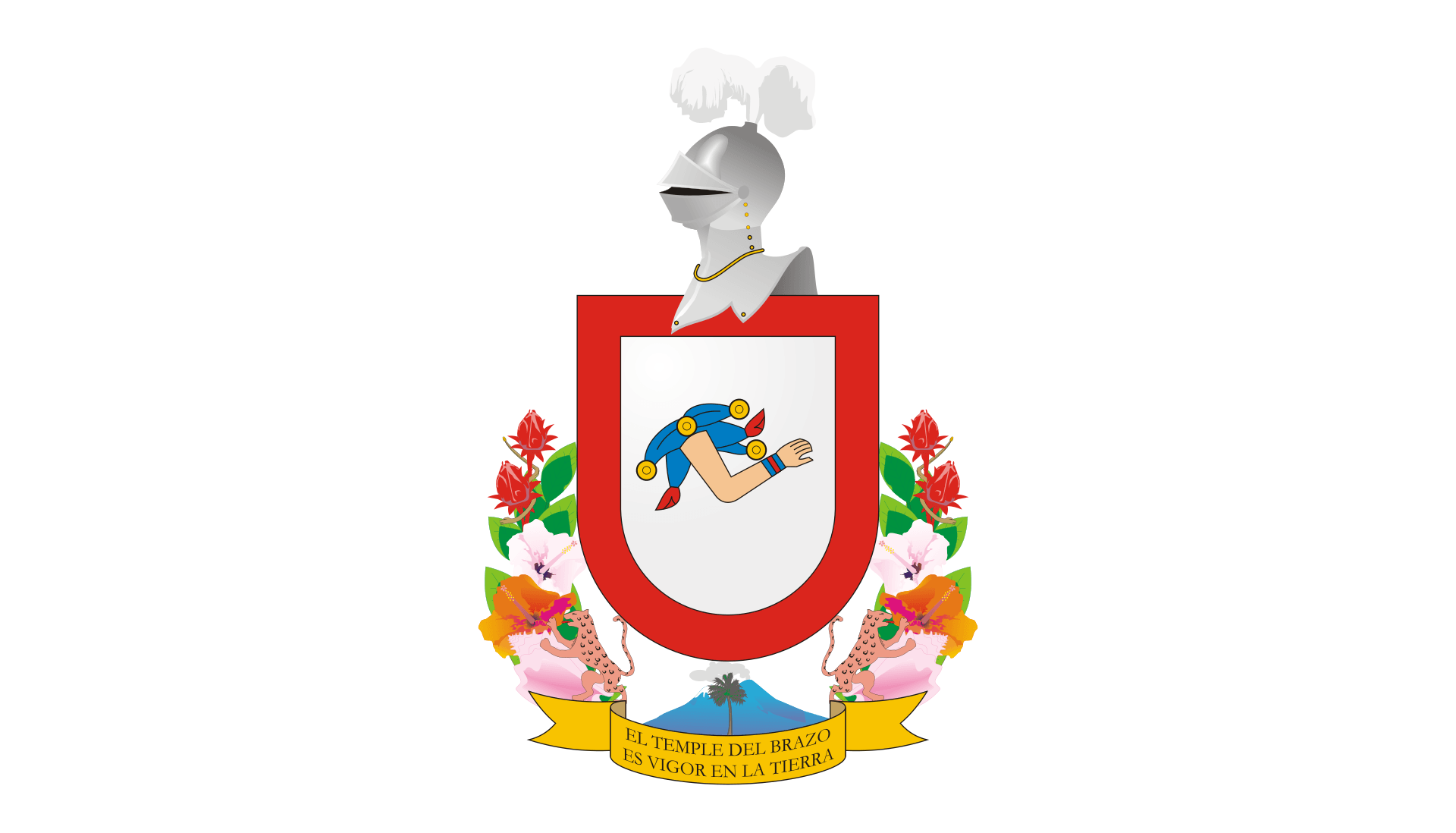
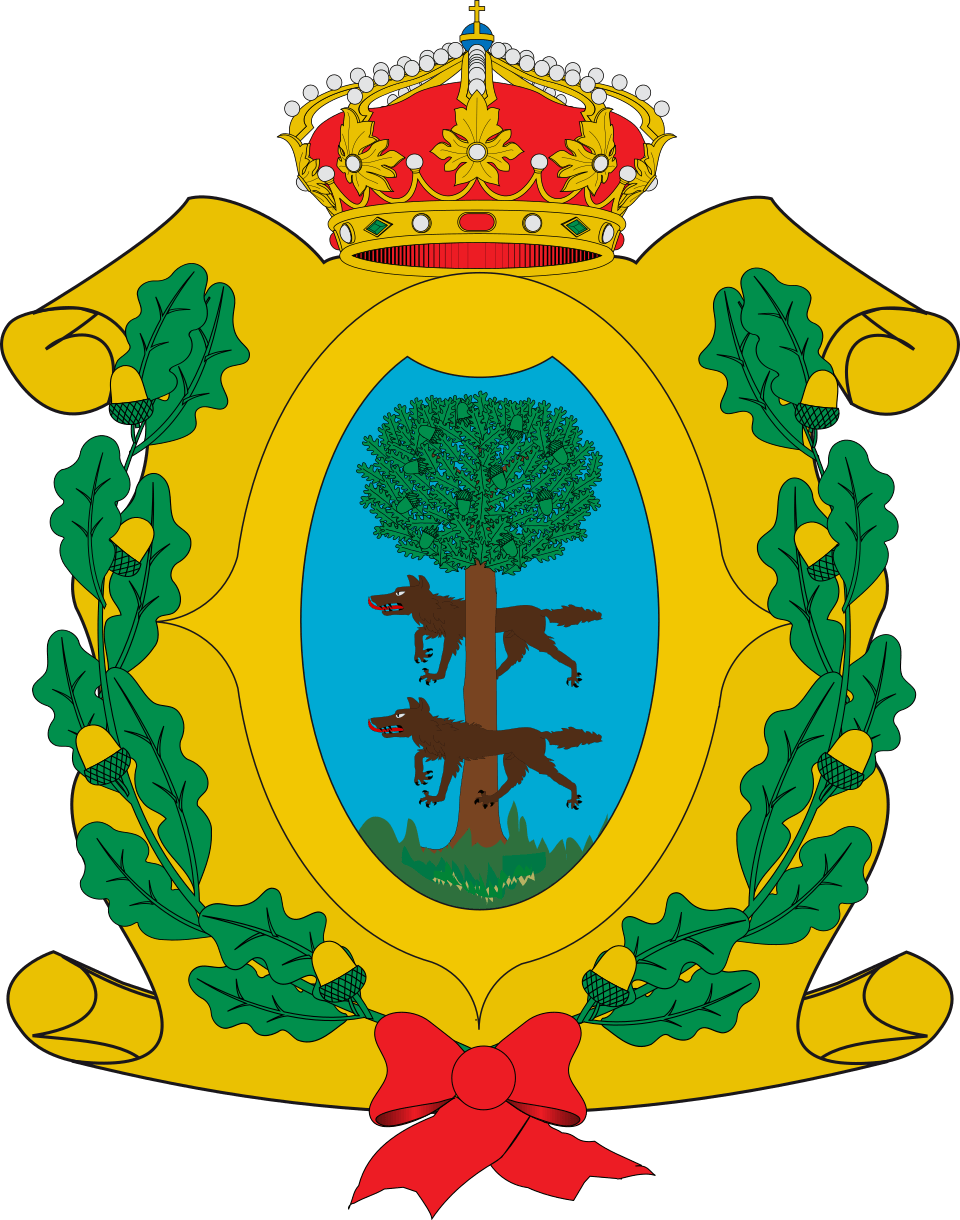
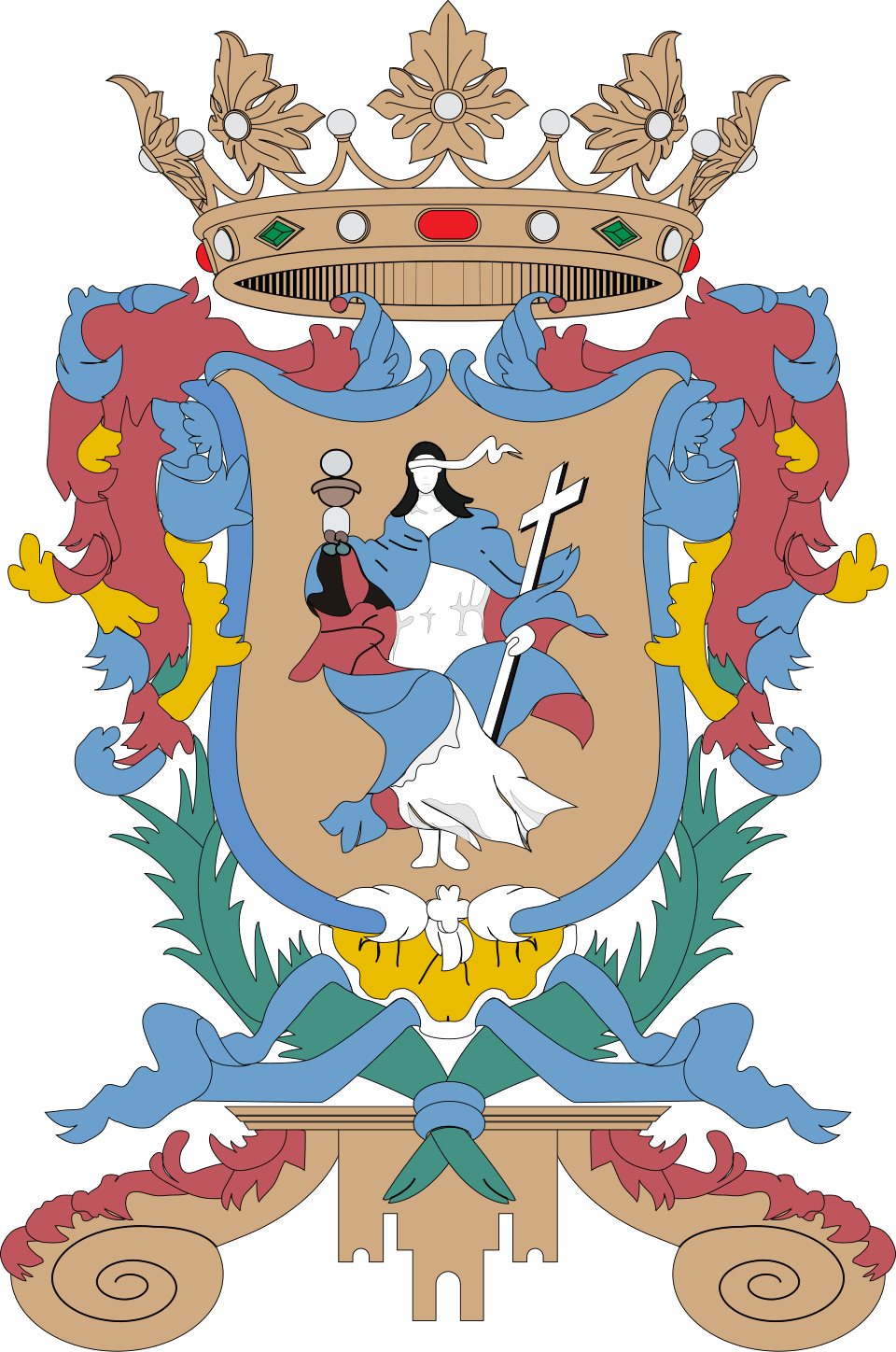
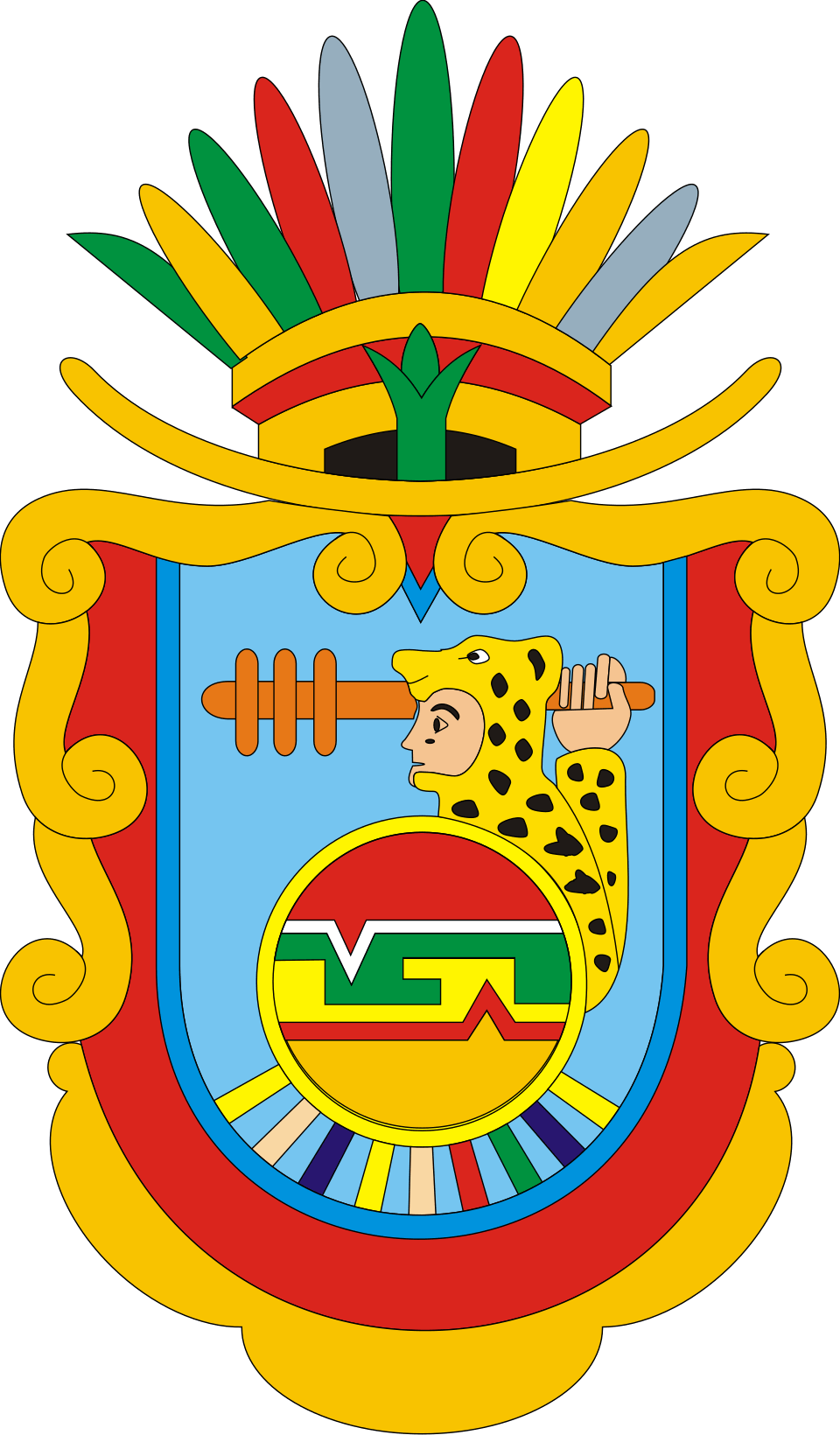
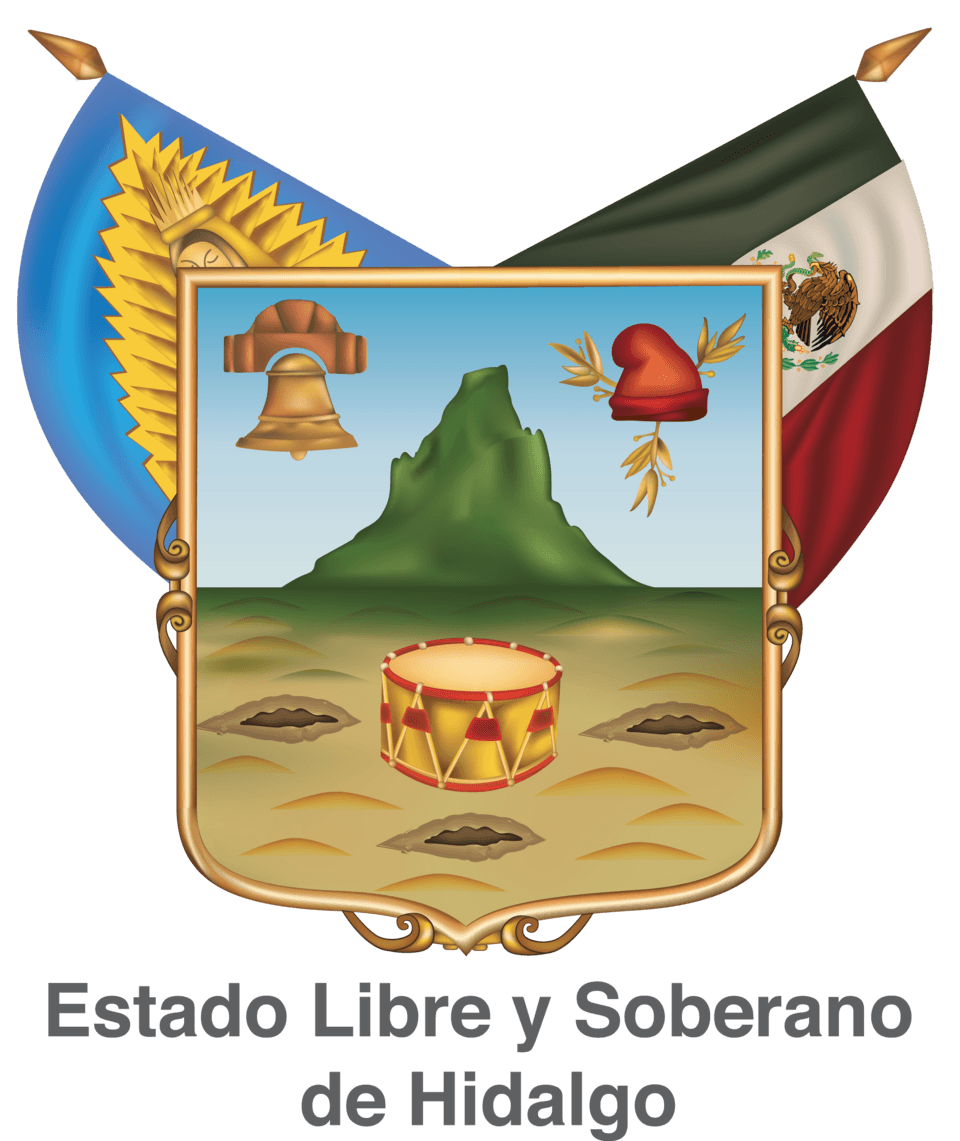
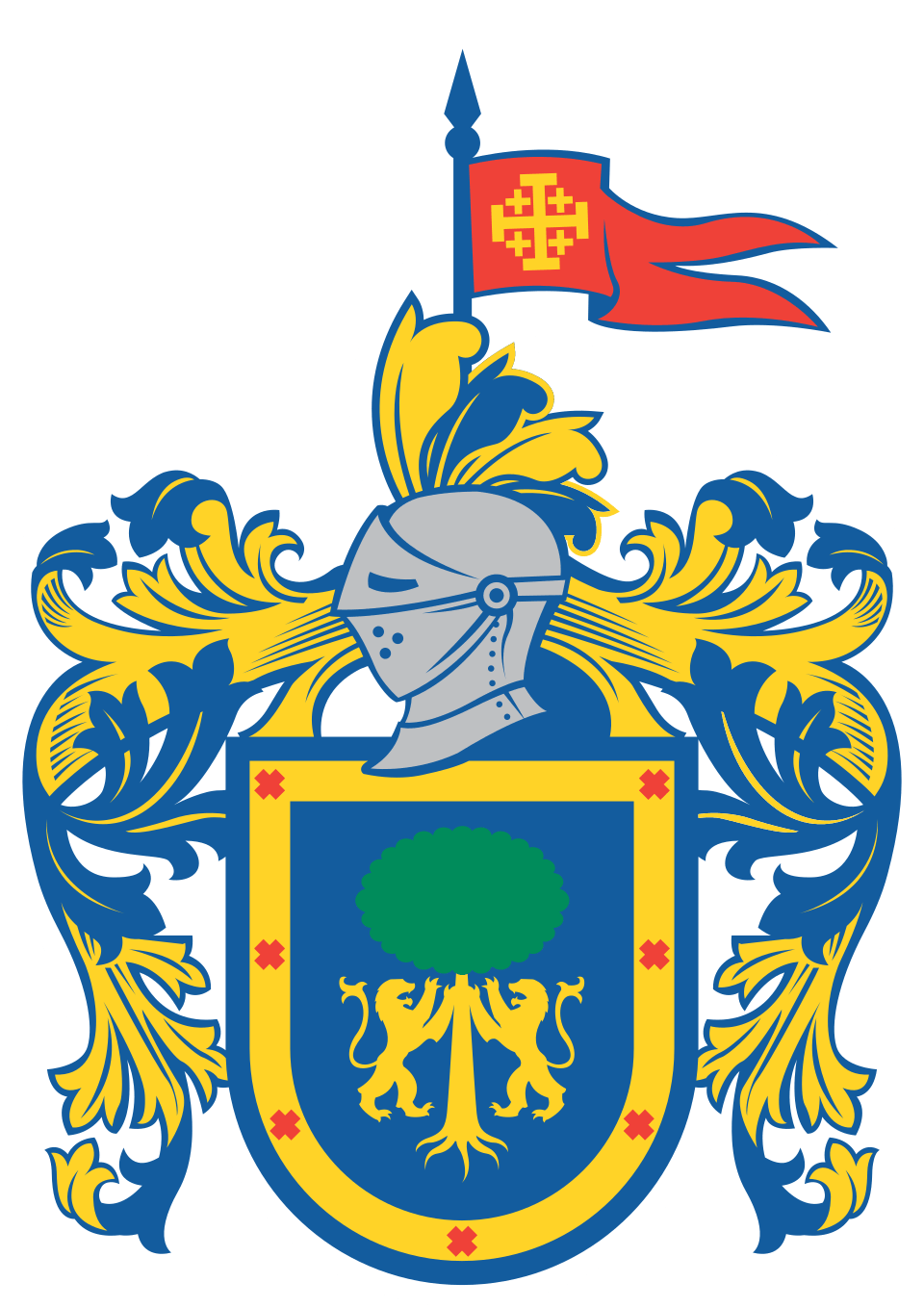
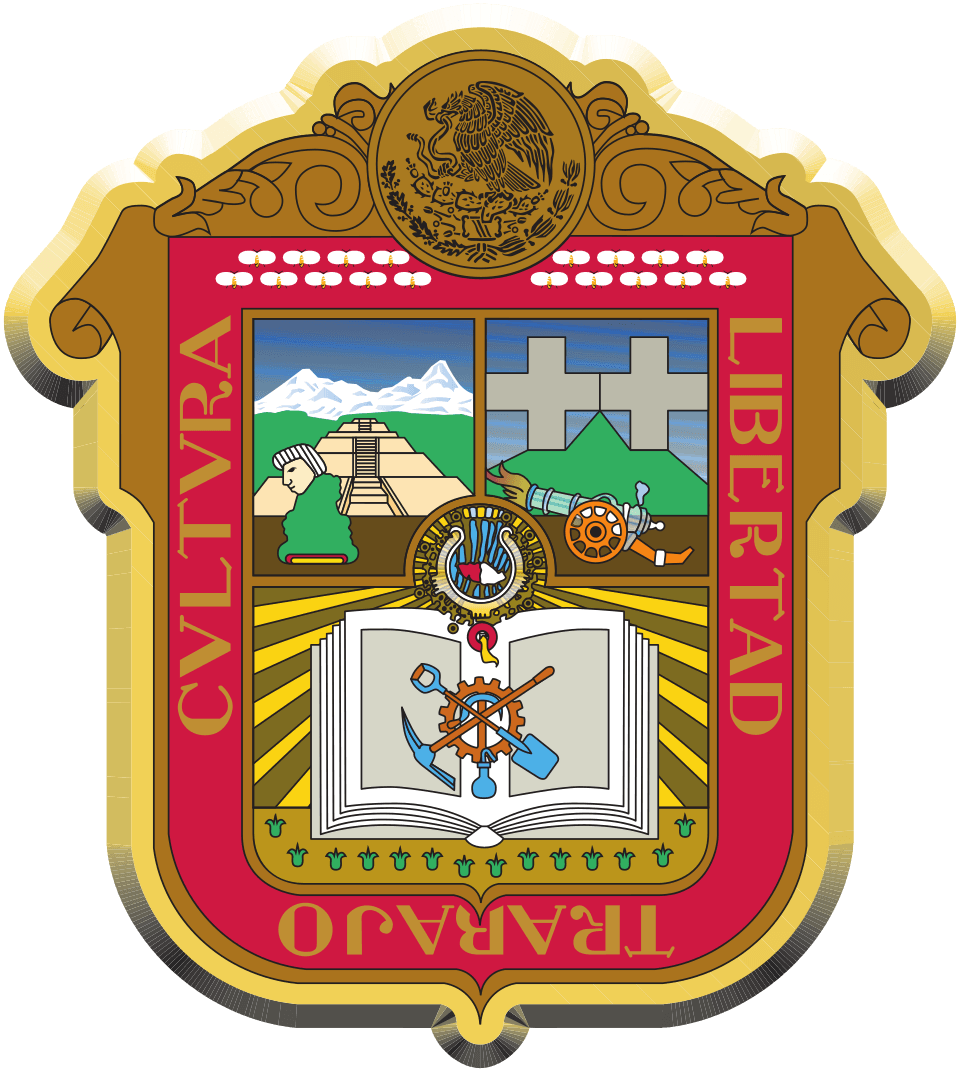
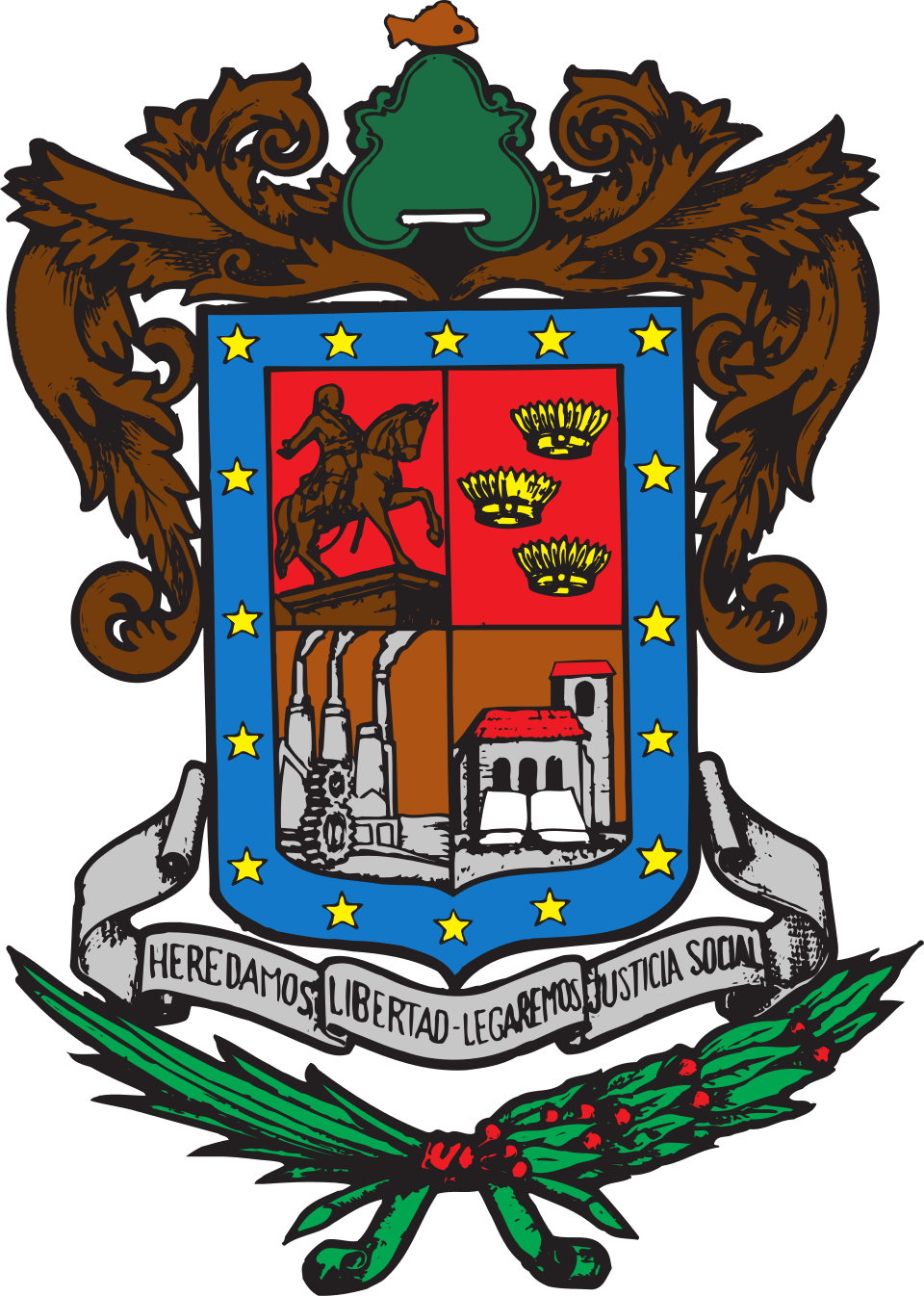
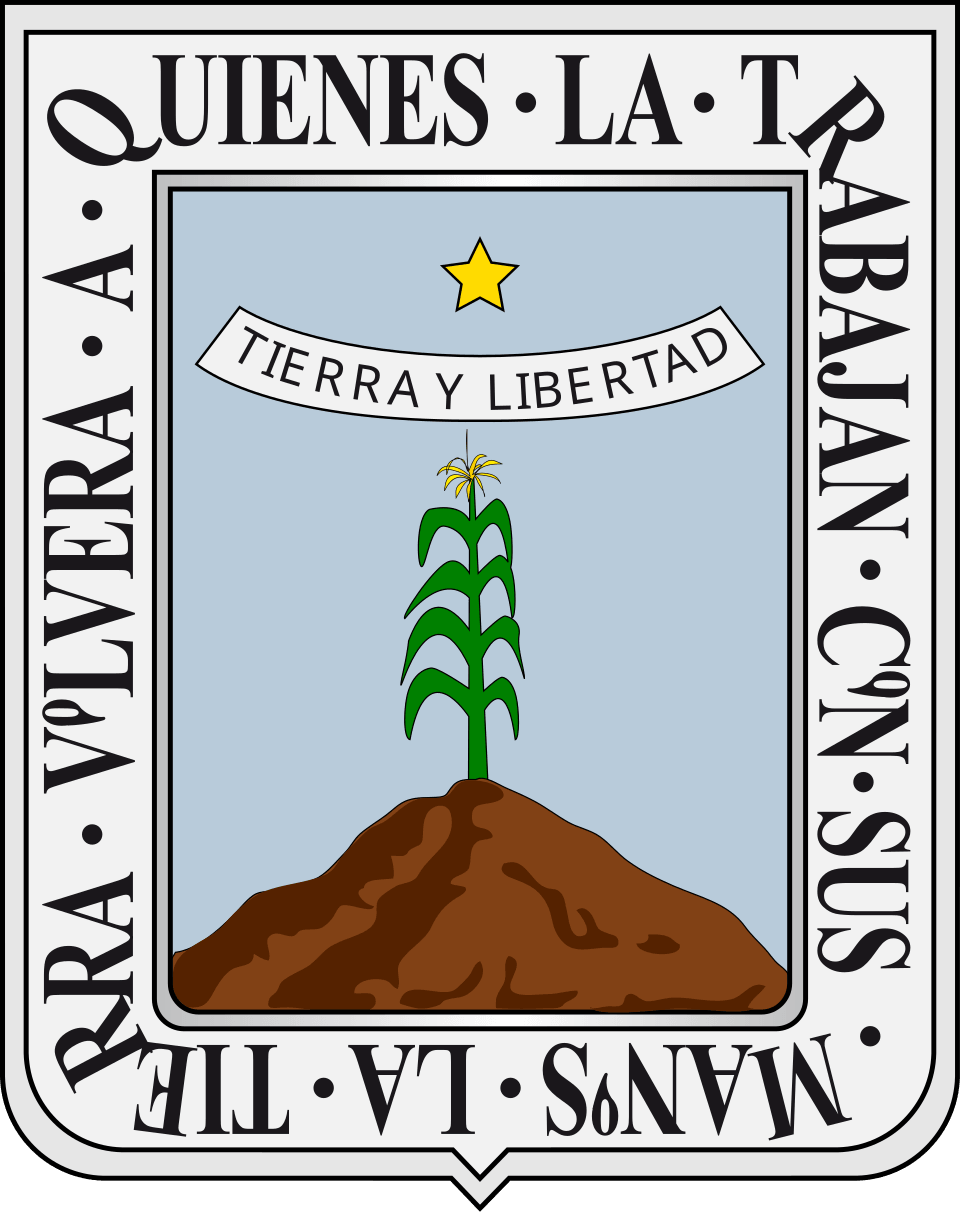
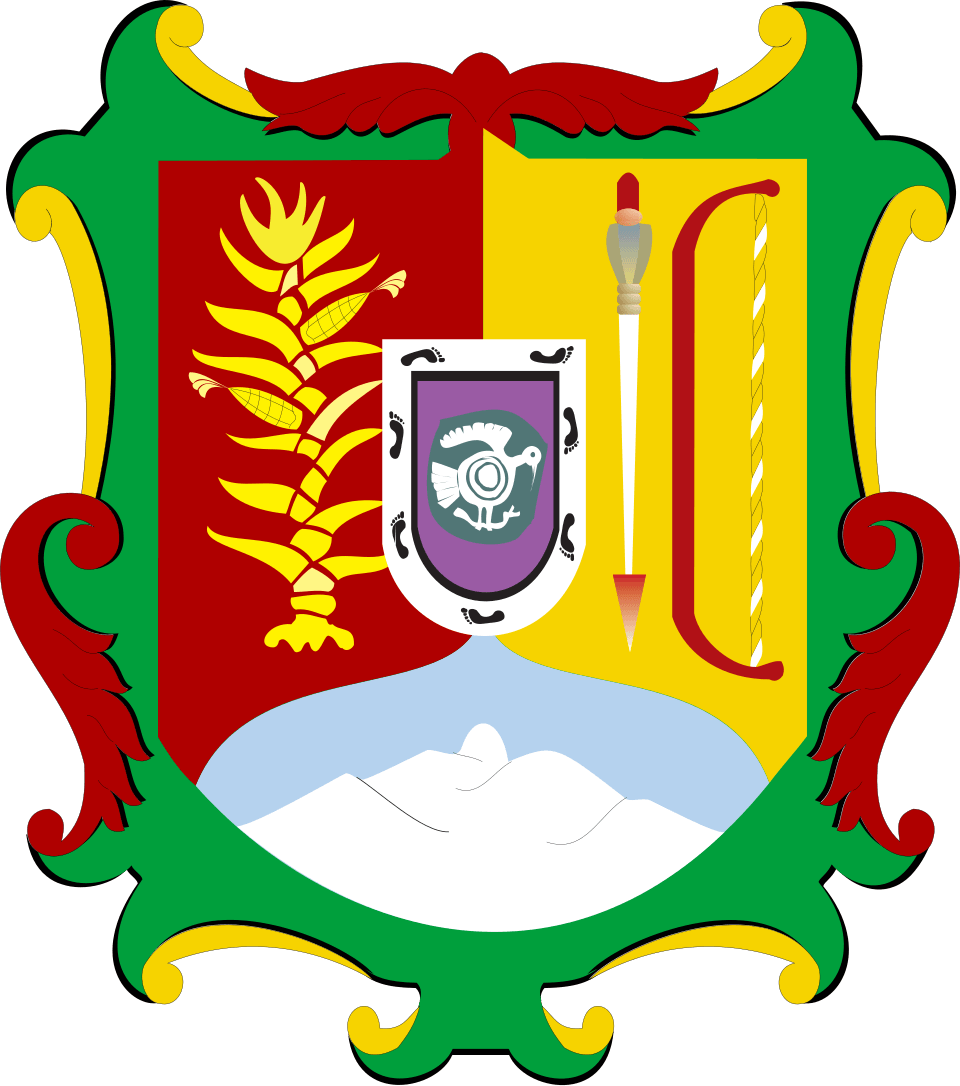
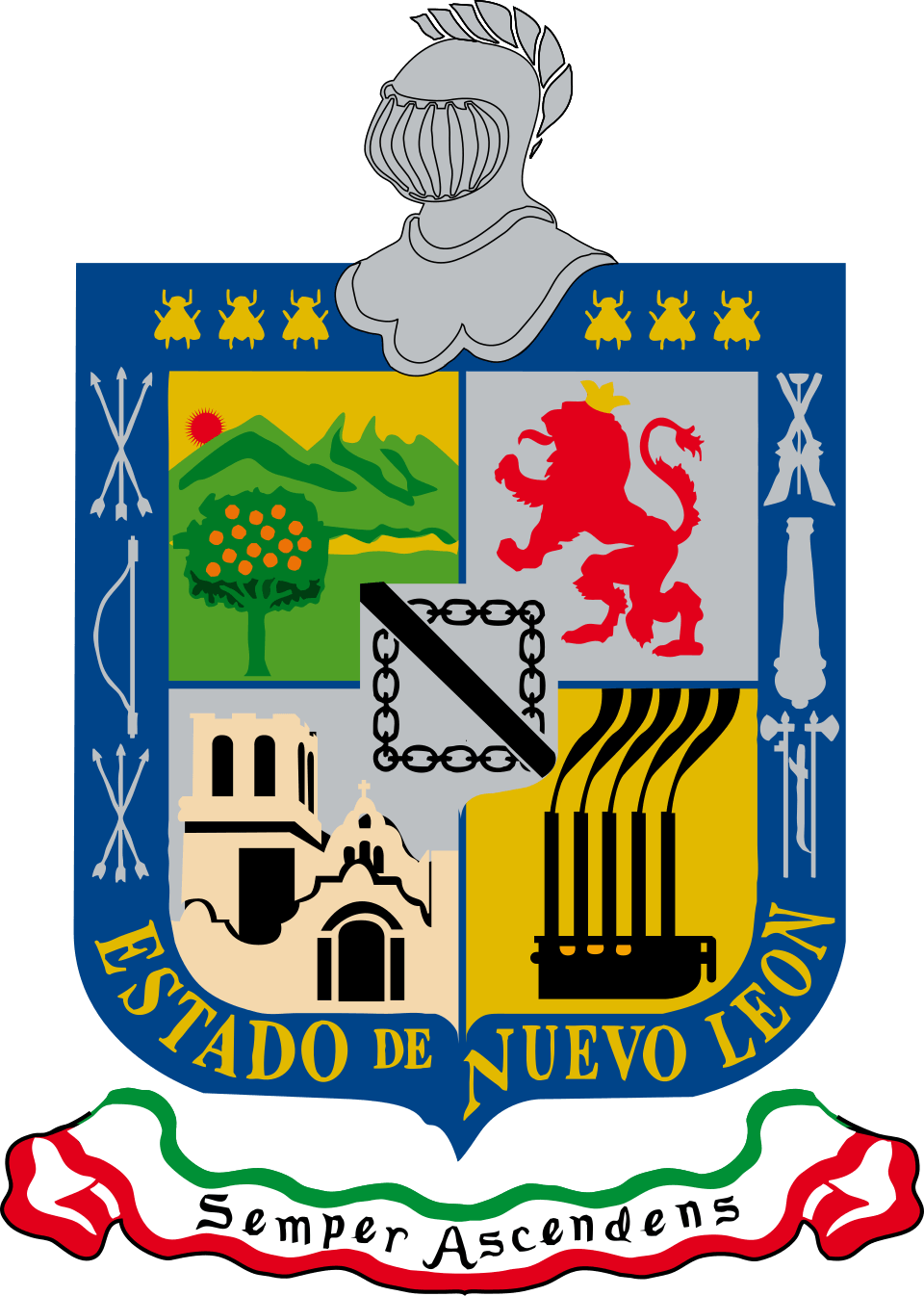
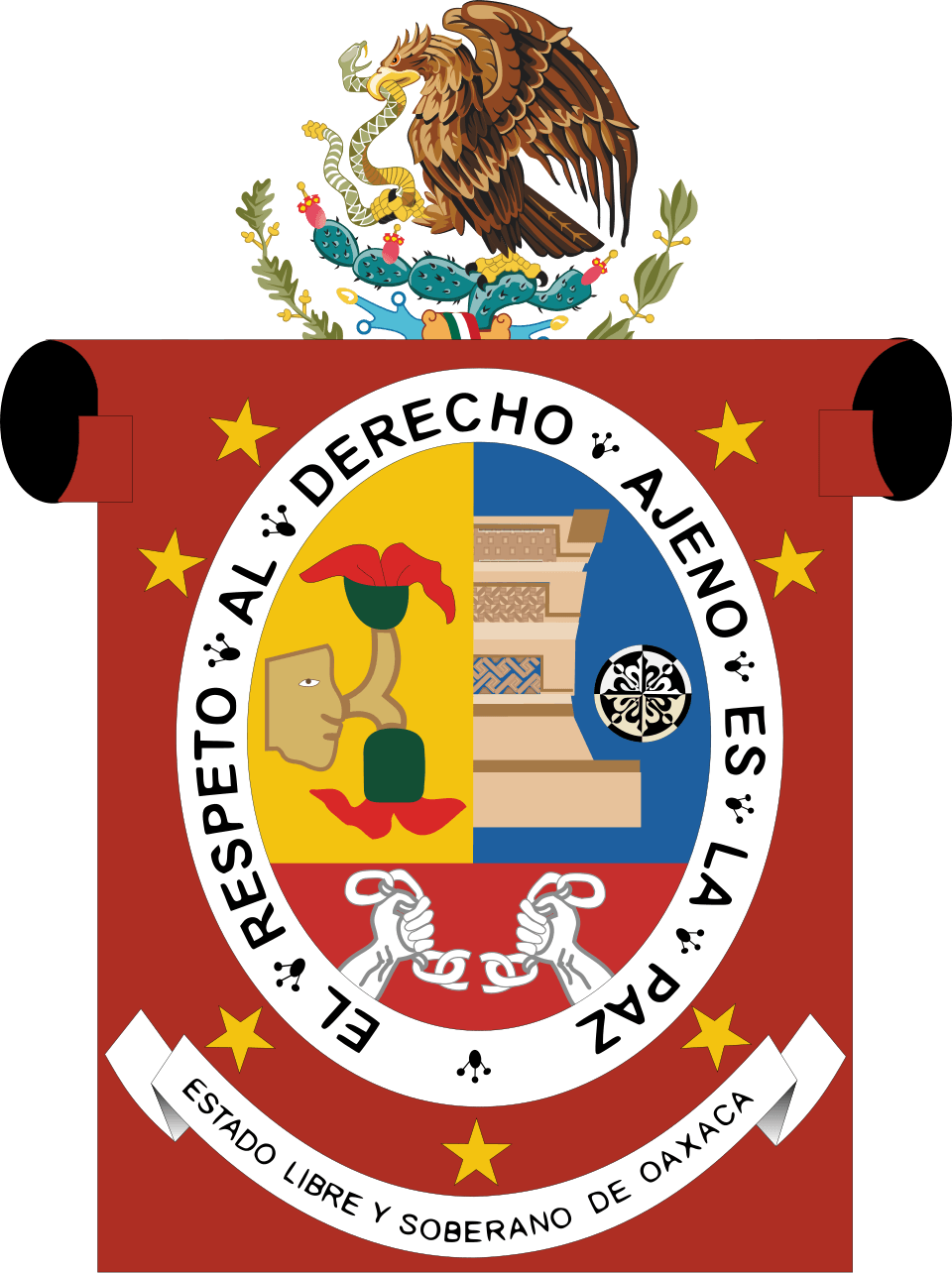
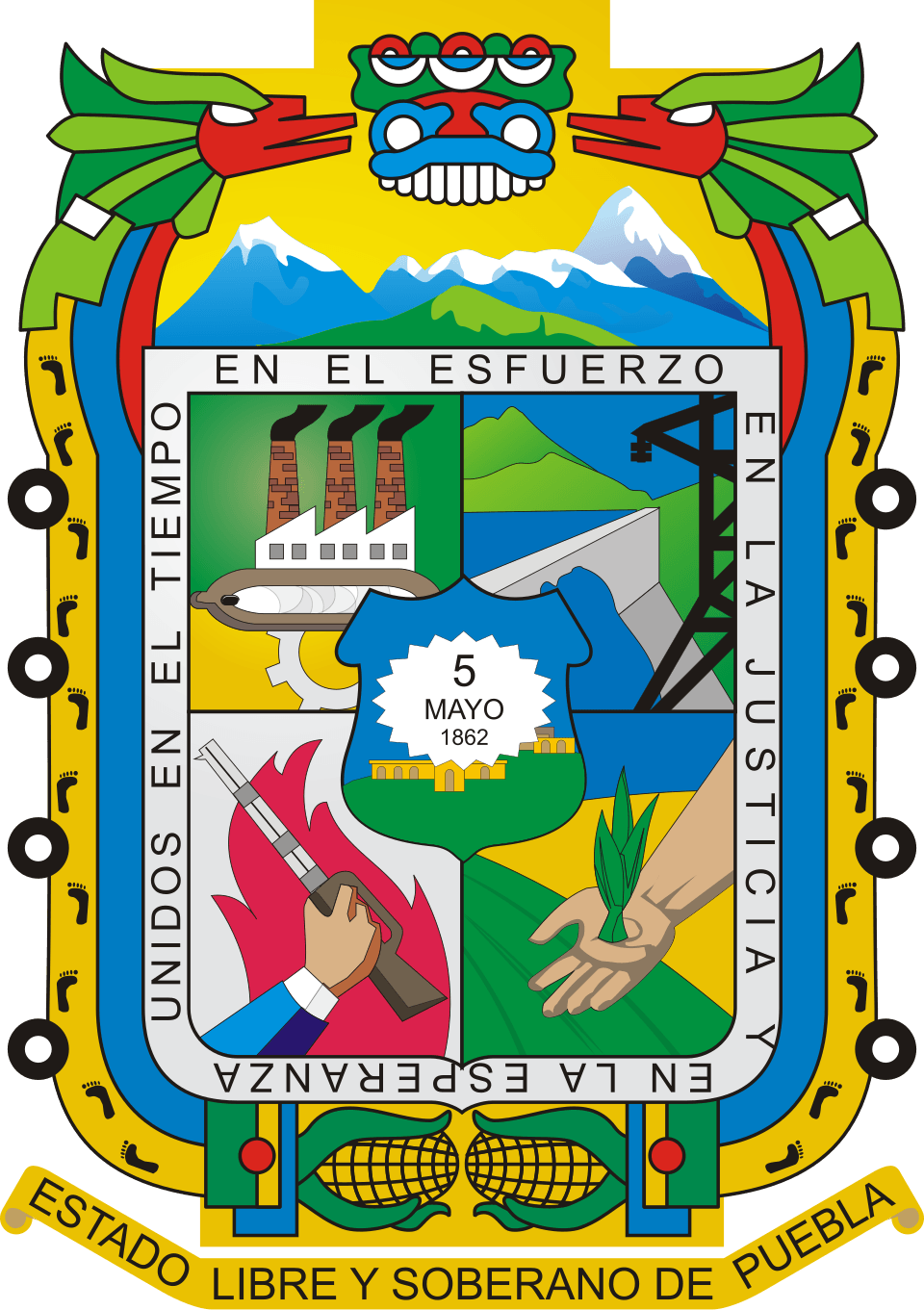
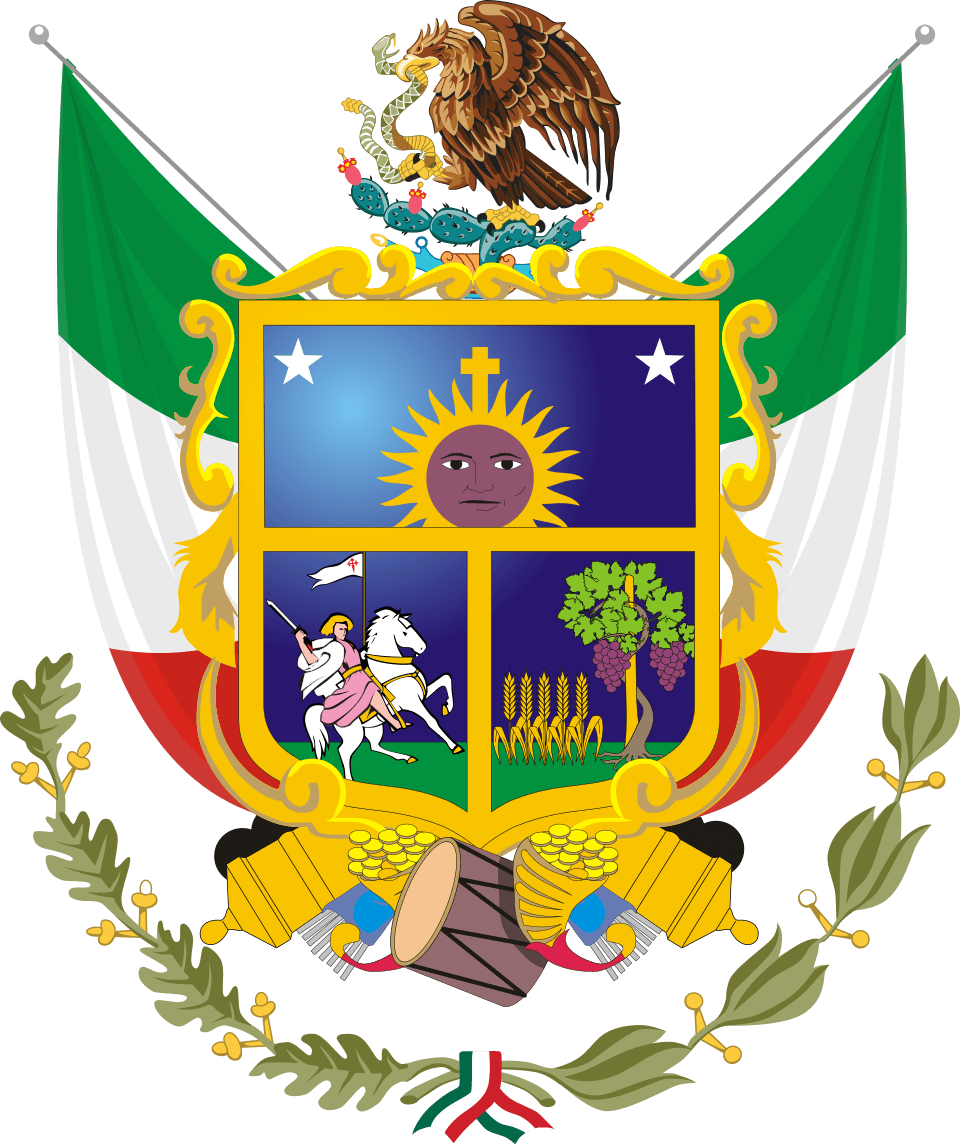
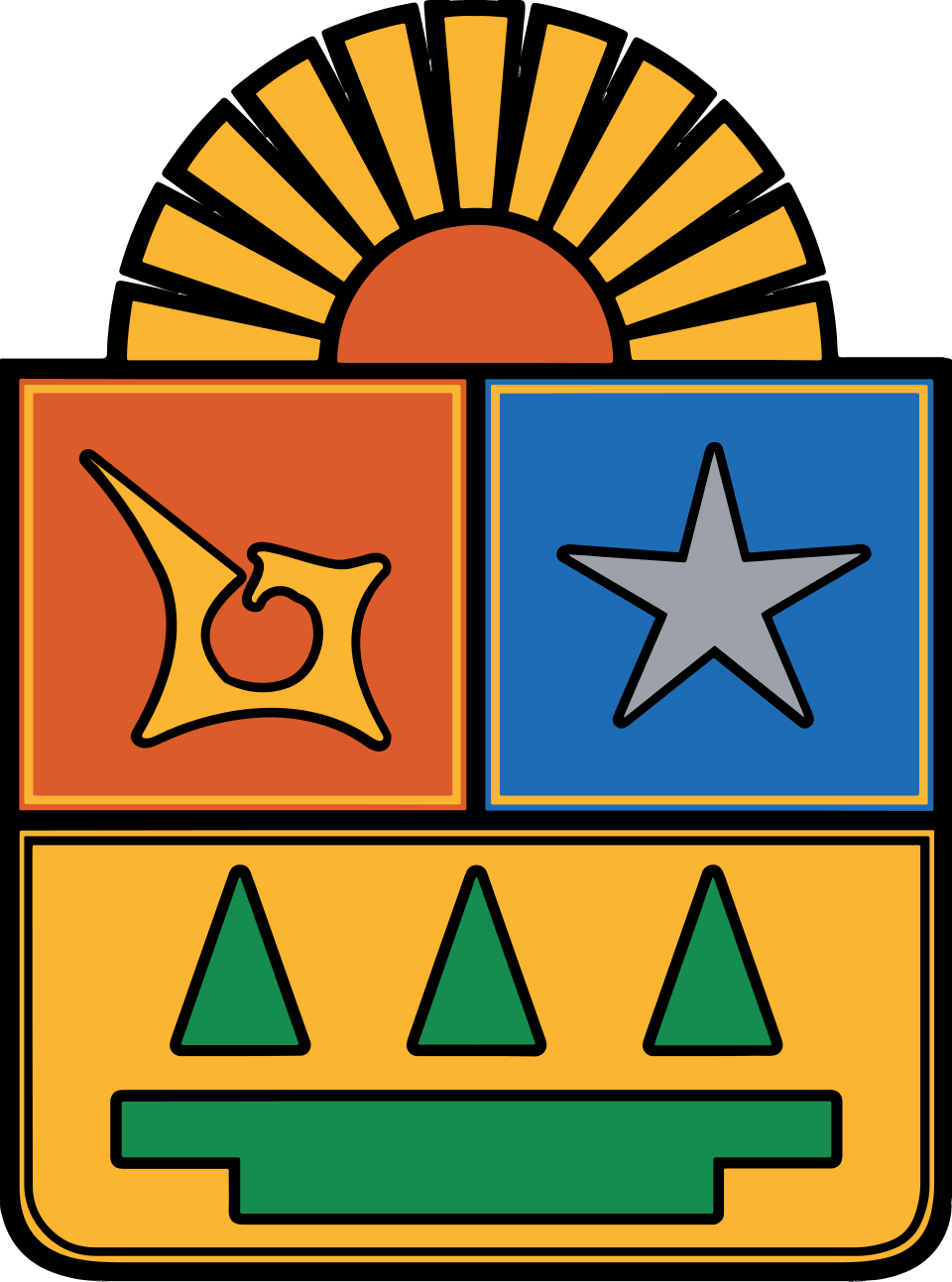
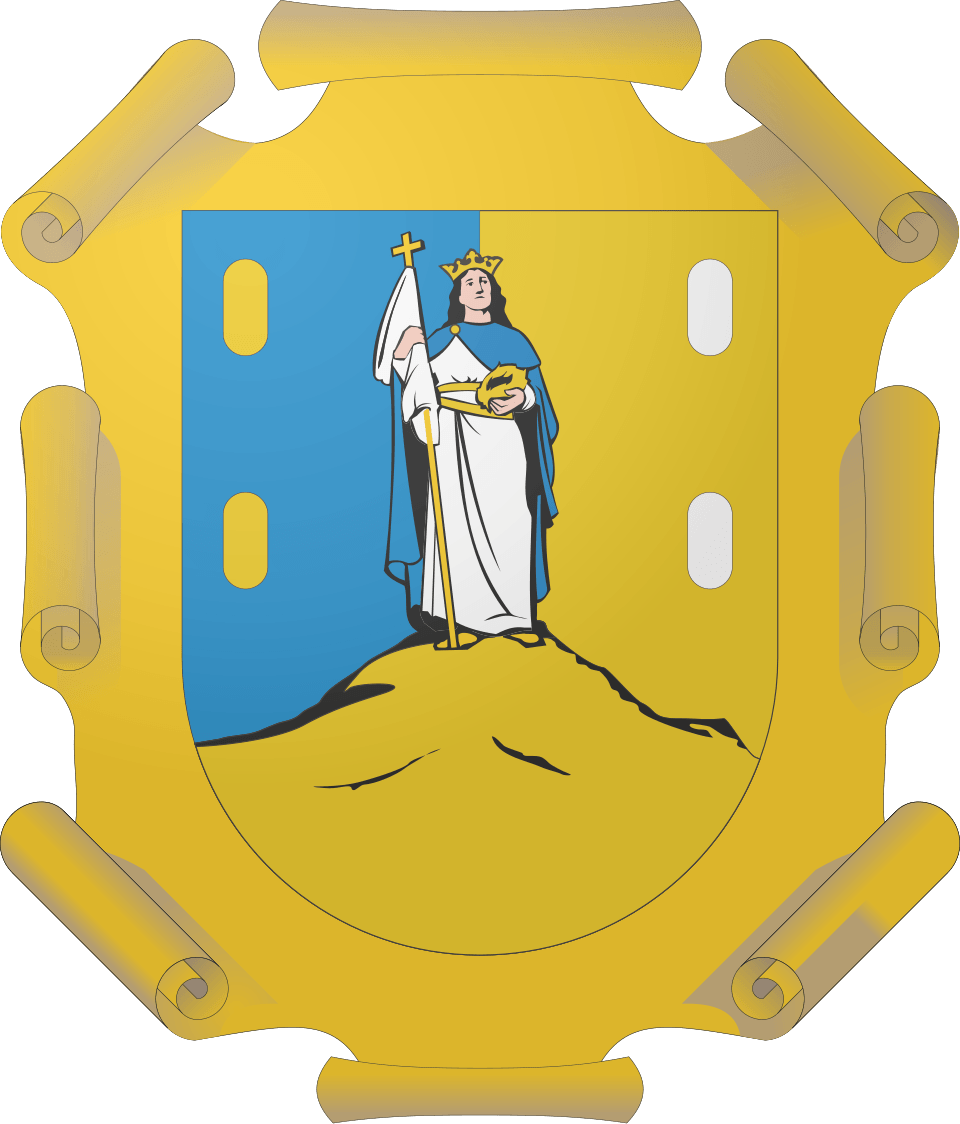
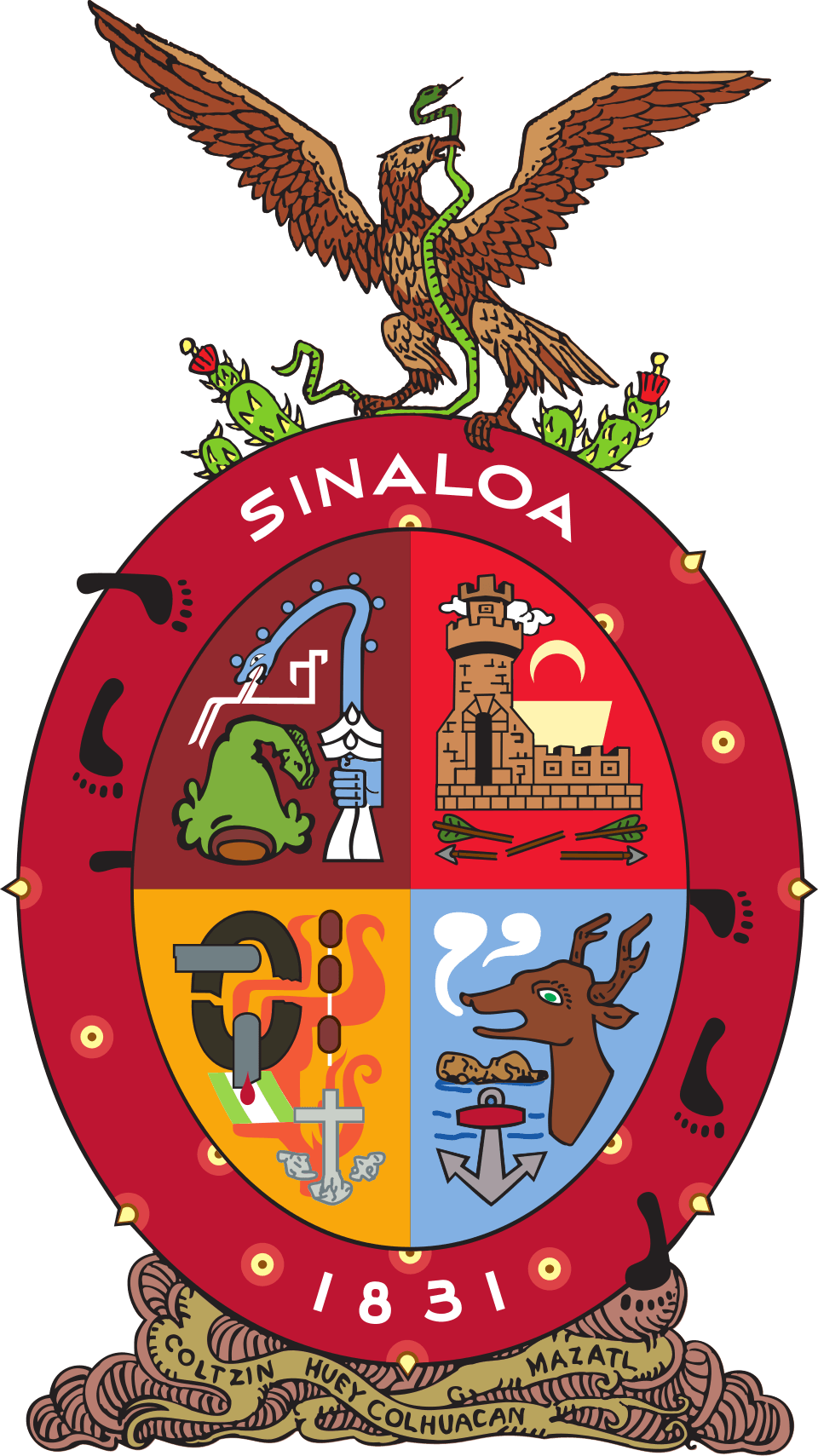
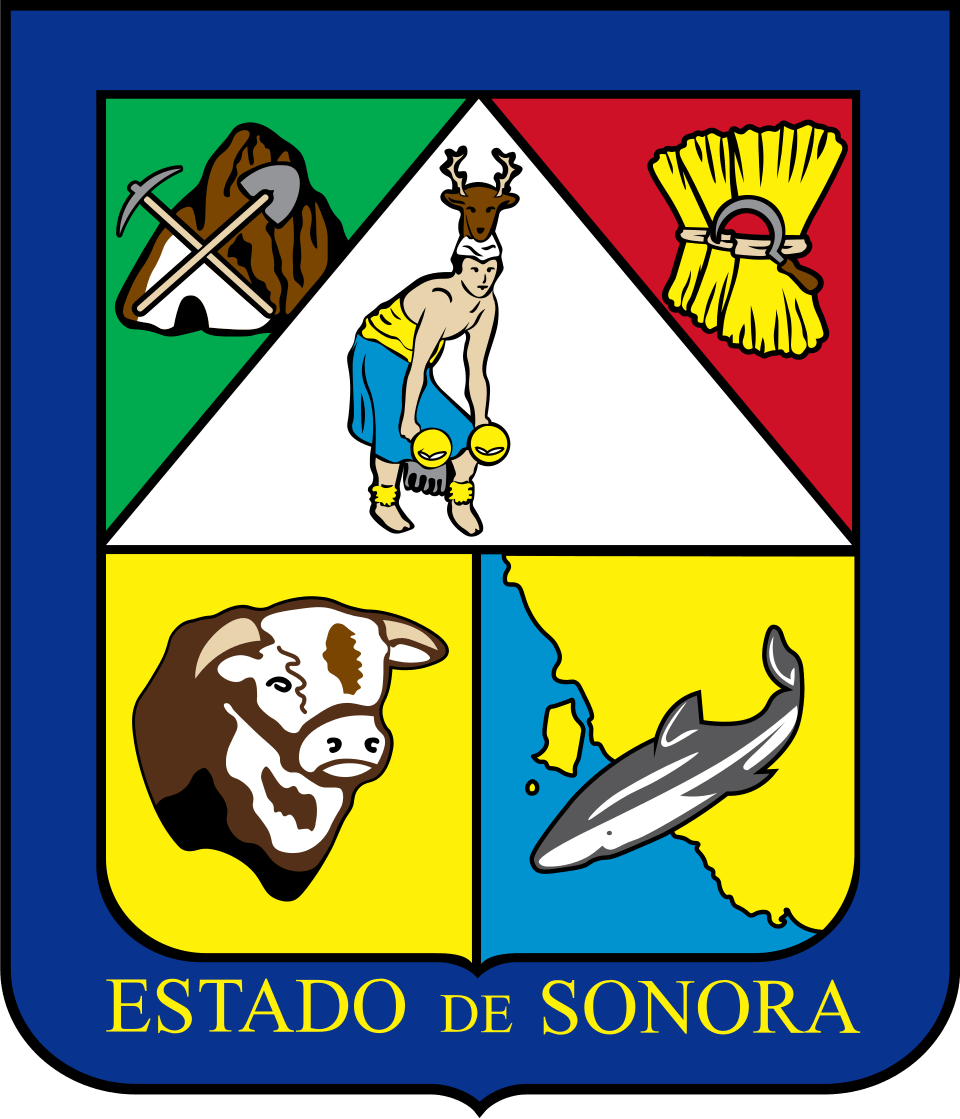
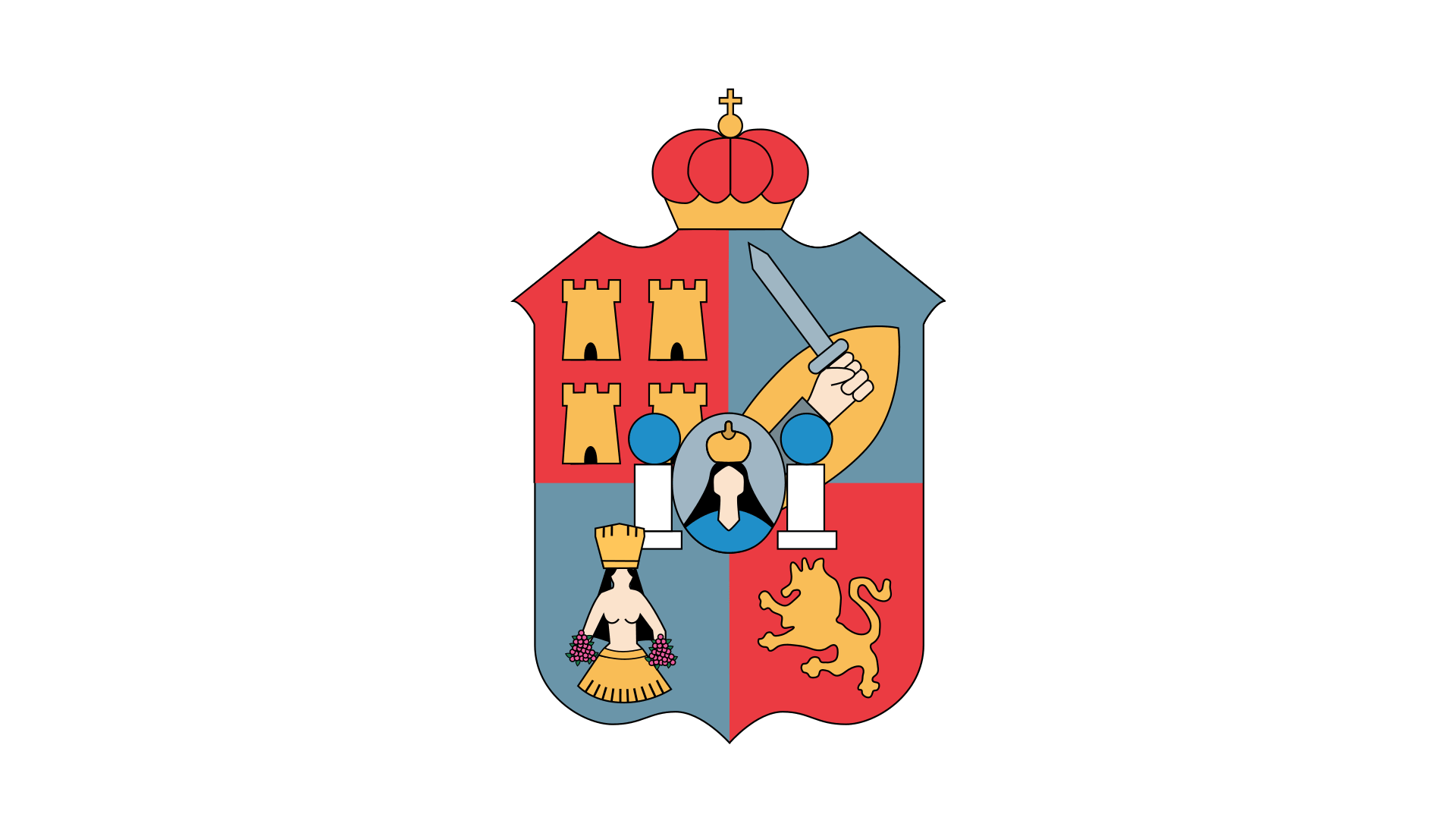
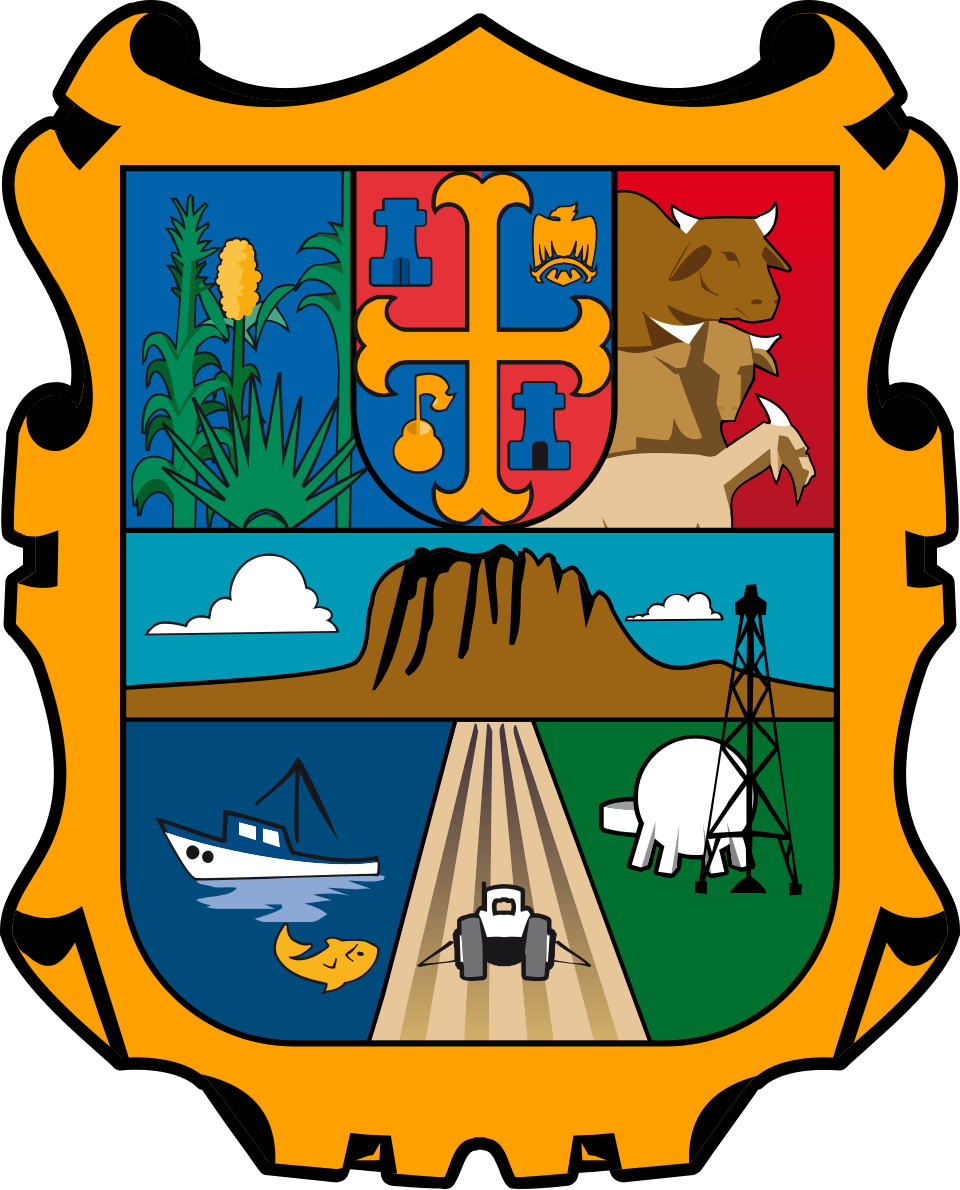
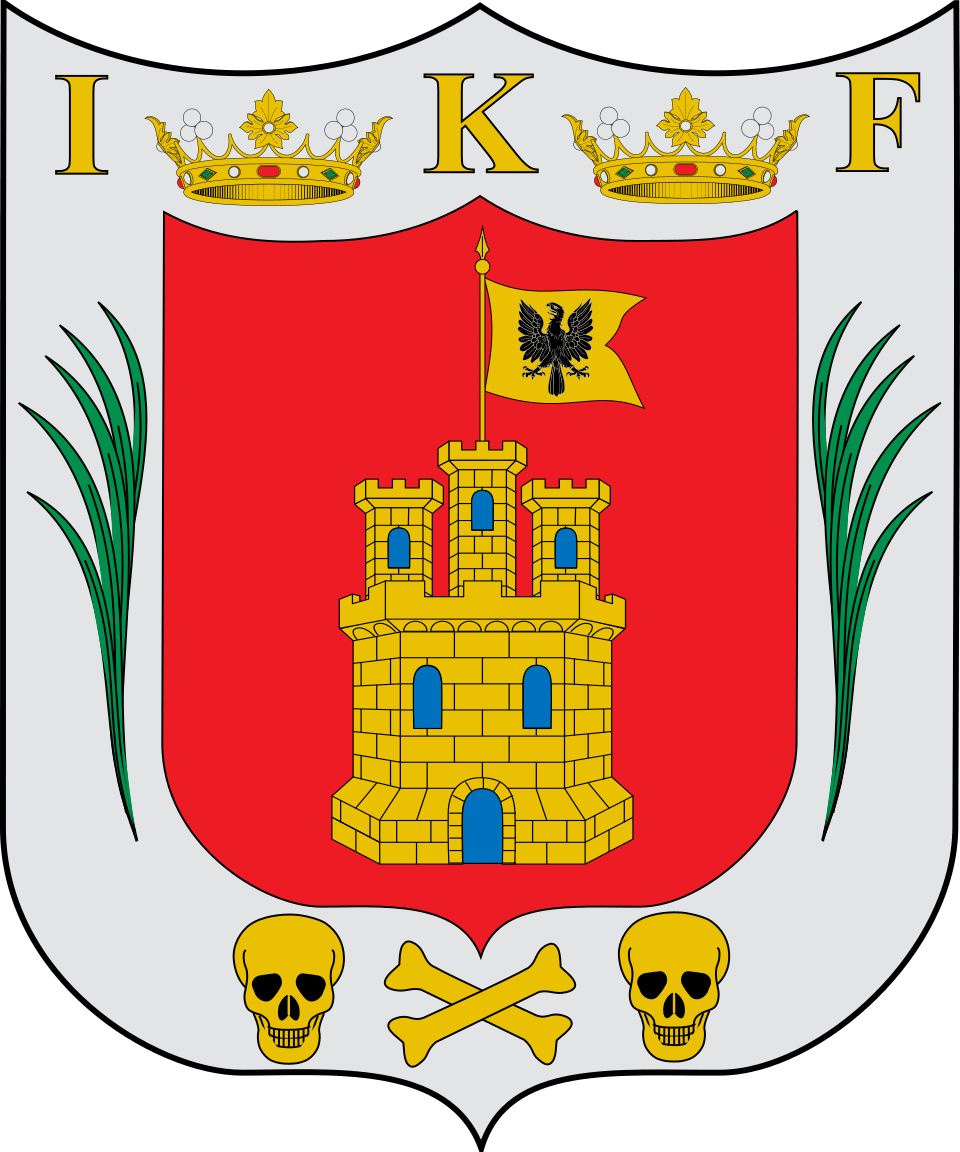
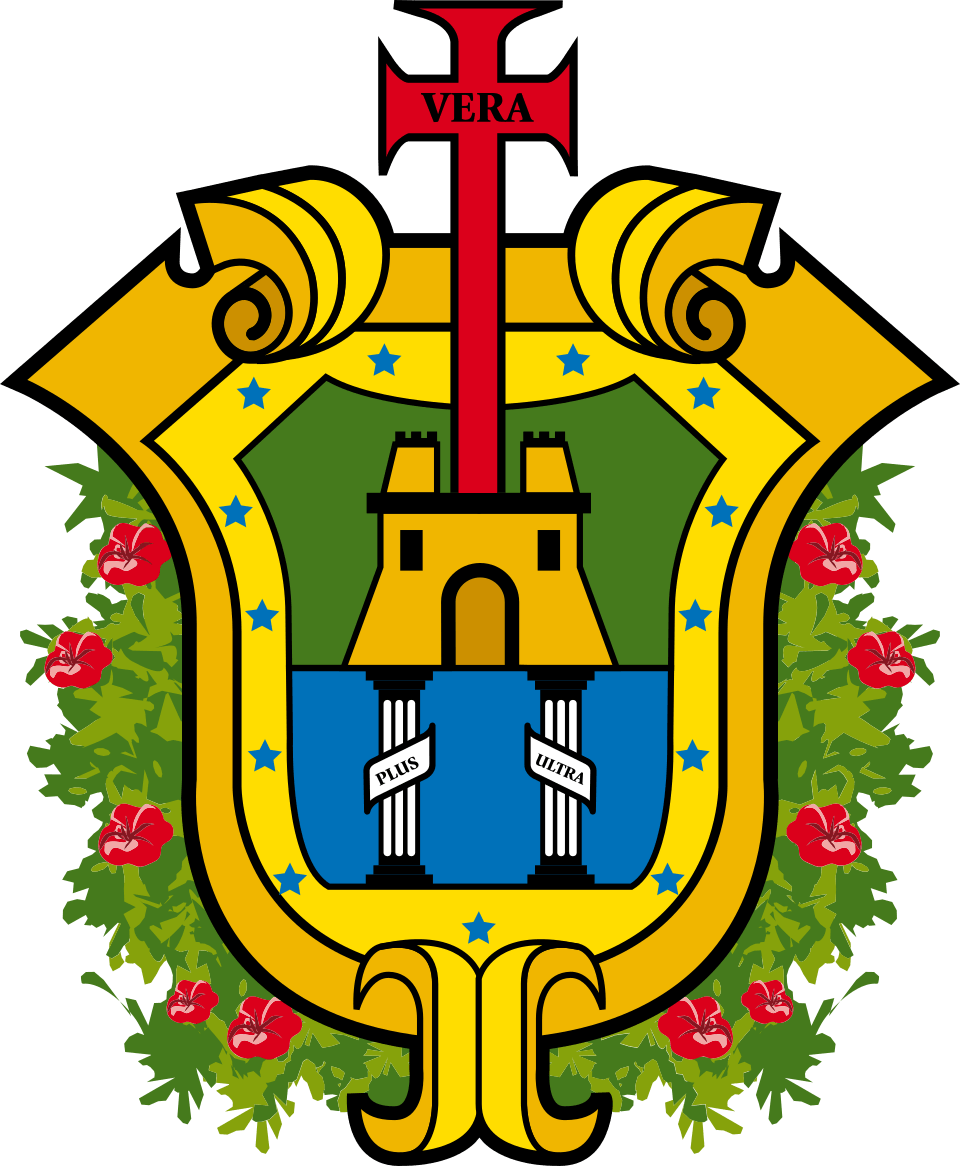
Below the national emblems lies one of the most diverse regional traditions in the Americas. Mexico's 32 federal entities — 31 states and Mexico City — each carry a coat of arms or state seal (escudo) that blends three layers of history: pre-Columbian symbols (Aztec, Maya, Zapotec and others), Spanish colonial heraldry, and republican imagery from the wars of independence and revolution. Jalisco's lions and pines, Puebla's colonial arms, Oaxaca's indigenous motifs and Chihuahua's frontier symbols are all examples of this mixture. Browse every entity below.
It shows a golden eagle perched on a nopal cactus devouring a rattlesnake — the sign that, according to Mexica (Aztec) legend, marked the place where the god Huitzilopochtli told the people to settle. They saw it on an islet of Lake Texcoco and founded México-Tenochtitlan there in 1325.
The eagle-and-serpent is the national coat of arms, placed at the centre of the white stripe of the flag. It recalls the Aztec foundation legend of Tenochtitlan, the site of present-day Mexico City.
In the 1821 Flag of the Three Guarantees, green stood for independence from Spain, white for the Catholic religion, and red for union between Mexicans and Spaniards. The modern state assigns no official meaning to the colours; the 1821 reading is historical.
The current design was presented on 16 September 1968 and regulated from 17 August 1968. It is now governed by the Ley sobre el Escudo, la Bandera y el Himno Nacionales, published on 8 February 1984.
The current coat of arms was designed by the artist Francisco Eppens Helguera, together with the architect Pedro Moctezuma Díaz Infante, and adopted in 1968.
Mexico is a federation of 32 entities: 31 states plus Mexico City (Ciudad de México). Each has its own coat of arms or seal.
Click any entity to explore its coat of arms and flag.
Last reviewed by the Emblema Mundi editorial team on 12 July 2026.