Country
The national emblems of the Republic of India reach directly across twenty-three centuries. The State Emblem is a two-dimensional adaptation of the Lion Capital of Aśoka, sculpted around 250 BCE for the top of the Mauryan pillar at Sarnath, the site of the Buddha’s first sermon. The flag, the Tiranga (three-coloured), combines saffron, white and green with the Aśoka Chakra — the 24-spoked wheel drawn from the same Mauryan capital. Both were adopted at the very foundation of the Republic: the flag on 22 July 1947, three weeks before Independence, and the emblem on 26 January 1950, the day the Constitution came into force.
Click on a country to learn more
| Country | Republic of India (Bhārat Gaṇarājya) |
|---|---|
| State Emblem adopted | 26 January 1950 — day of the Constitution’s entry into force |
| Flag adopted | 22 July 1947, Constituent Assembly of India |
| Flag ratio | 2:3 |
| Historical root of the emblem | Lion Capital of Aśoka, Sarnath, c. 250 BCE |
| Motto | Satyameva Jayate — “Truth alone triumphs” (Mundaka Upaniṣad, III.1.6) |
| Ashoka Chakra spokes | 24 |
| Flag designer | Pingali Venkayya (Andhra Pradesh) — 1921 draft; 1947 revision |
| Governing laws | Flag Code of India (2002); State Emblem of India (Prohibition of Improper Use) Act, 2005 |
| Subdivisions | 28 States + 8 Union Territories |

State Emblem of India — The Lion Capital of Aśoka (Sarnath, c. 250 BCE), adapted for two-dimensional use. Motto: Satyameva Jayate.
The State Emblem is a direct adaptation of the sandstone Lion Capital of Aśoka, one of the finest surviving pieces of Mauryan sculpture. The original, carved from a single block of Chunar sandstone around 250 BCE and now displayed at the Sarnath Museum, once crowned the pillar erected by Emperor Aśoka to mark the Deer Park at Sarnath, where the Buddha delivered his first sermon (the Dhammacakkappavattana Sutta).
The two-dimensional national version shows:
The lion, the horse, the bull and the elephant (visible on the original but omitted in the two-dimensional emblem) are the four dignified animals that guard the four cardinal directions in Buddhist iconography; the wheels represent the turning of the wheel of the Buddha’s teaching.
| Element | Referent | Reading |
|---|---|---|
| Four lions | Power, courage, confidence, pride | Sovereignty of the Republic; the four cardinal directions |
| Dharmachakra | The wheel of the Law | Turning of the Buddha’s teaching; unbroken order |
| Bull | Hard work, steadiness | Also associated with the zodiac sign Taurus and with the Buddha’s birth in the month of Vaisākha |
| Horse | Loyalty, speed, energy | The horse Kanthaka on which Siddhartha Gautama left his palace |
| Lotus | Purity emerging from the world | The base on which all rests |
| Satyameva Jayate | Mundaka Upaniṣad | “Truth alone triumphs, not falsehood; by truth the divine path is spread out” |
c. 250 BCE — The Sarnath Pillar. Emperor Aśoka the Great (r. c. 268–232 BCE), grandson of Chandragupta Maurya, erects a series of aśokastambhas (Aśokan pillars) across his empire, inscribed with edicts on dhamma. The Sarnath pillar bears the celebrated Lion Capital, along with a schism edict and four lions.
1904 — The capital is discovered by F. O. Oertel of the Archaeological Survey of India during excavations at Sarnath and moved to the on-site museum, where it remains.
Late 1940s — As the Constituent Assembly of India debates the symbols of the new Republic, the Lion Capital is selected in preference to the Bengal Presidency arms (colonial-era heraldry deemed inappropriate) and to figurative options drawn from post-1857 Congress iconography.
26 January 1950 — With the Constitution’s entry into force, the Government of India promulgates the two-dimensional adaptation of the Lion Capital as the State Emblem.
1950 — The Emblems and Names (Prevention of Improper Use) Act prohibits unauthorised use of the emblem and other state marks.
2005 — The State Emblem of India (Prohibition of Improper Use) Act tightens and codifies the regulatory framework, specifying design details and prescribing penalties.
The motto is drawn from the Mundaka Upaniṣad, one of the principal Upaniṣads of the Vedic corpus, composed in the mid-first millennium BCE. The full verse (III.1.6) reads: satyameva jayate nānṛtaṃ satyena panthā vitato devayānaḥ — “Truth alone triumphs, not falsehood; by truth is spread out the path leading to the gods.” The phrase was popularised in the modern period by Pandit Madan Mohan Malaviya, who invoked it repeatedly during the Indian independence movement.
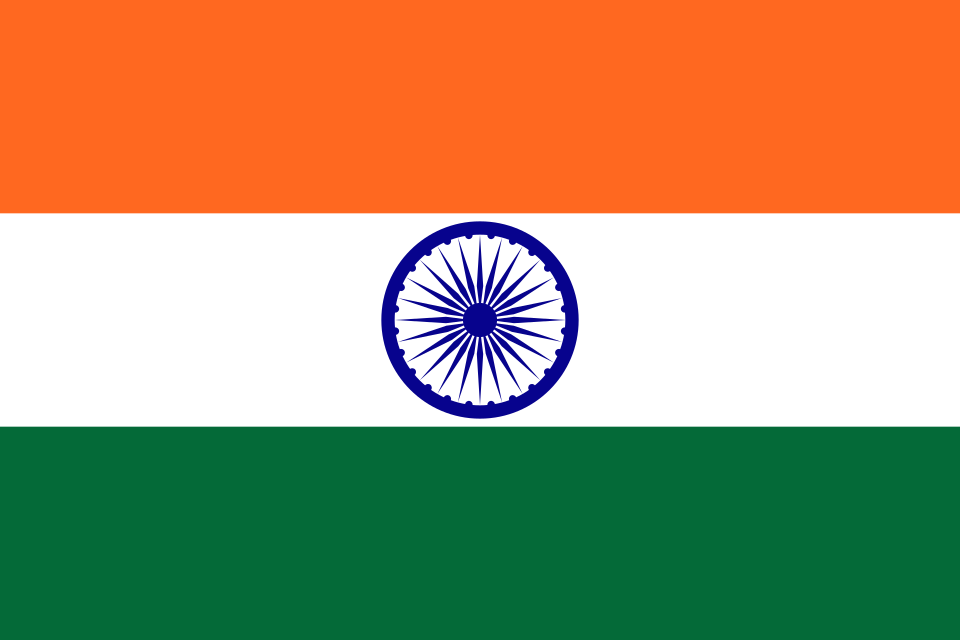
Flag of India (Tiranga) — Saffron, white and green horizontal bands, Ashoka Chakra centred on the white. Adopted 22 July 1947. Designer: Pingali Venkayya.
The Tiranga (“three-coloured”) consists of three equal horizontal bands: India saffron (Kesari) at the top, white in the middle, and India green at the bottom. Centred on the white band is the Ashoka Chakra, a navy-blue 24-spoke wheel drawn directly from the abacus of the Lion Capital of Aśoka. The flag ratio is 2:3.
The official reading was set out by Sarvepalli Radhakrishnan in his address to the Constituent Assembly on 22 July 1947 — the day the design was adopted. Radhakrishnan, later President of India, offered a distinctly civic-philosophical rather than communal reading:
| Colour | Element | Meaning (Radhakrishnan, 1947) |
|---|---|---|
| Saffron (Kesari) | Upper band | Renunciation and disinterestedness; the courage that lets leaders indifferent to material gains |
| White | Middle band | The light of truth, guiding conduct |
| Green | Lower band | The soil, the plants, the country’s relation to the earth on which all life depends |
| Navy Blue | Ashoka Chakra | The eternal wheel of law (dharma); truth, virtue and motion — “India should no longer resist change; it must move and go forward” |
The Ashoka Chakra’s 24 spokes are variously read as the 24 hours of the day, the 24 attributes of an ideal citizen (self-restraint, truthfulness, patience, and so forth) in Buddhist tradition, or, most simply, as the continuous forward motion of dharma.
1904 — Sister Nivedita (Margaret Noble), a disciple of Vivekananda, proposes a red-and-yellow flag with a vajra for the emerging national movement.
1906 — First unfurled flag of an Indian nationalist tradition: green-yellow-red horizontal at Parsi Bagan, Calcutta, on 7 August; a similar design (with variations) is raised by Madam Bhikaji Cama at Stuttgart on 22 August 1907.
1921 — Pingali Venkayya, a freedom-fighter from Machilipatnam in Andhra Pradesh, presents a red-and-green flag with a spinning wheel (charkha) to Mahatma Gandhi at Vijayawada. Gandhi asks him to add a white band in the middle to represent all other communities; the tricolour with the charkha becomes the Swaraj flag of the Indian National Congress.
1931 — The Congress adopts the saffron-white-green order (from the previous red-white-green) at Karachi.
June 1947 — A Constituent Assembly committee under Rajendra Prasad recommends replacing the charkha with the Ashoka Chakra — a symbol older and less associated with a single party.
22 July 1947 — The Constituent Assembly adopts the Tiranga. Radhakrishnan delivers the address setting out its symbolism. Independence follows on 15 August 1947.
1968 — The Bureau of Indian Standards issues IS 1 : 1968, the technical specification for flag manufacture: hand-spun and hand-woven cotton, wool, silk or khadi bunting; strict tolerances on tinctures and chakra design.
2002 — The Flag Code of India, 2002 replaces earlier restrictions and, following the case brought by industrialist Naveen Jindal, allows private citizens to fly the flag on any day, subject to codes of dignity.
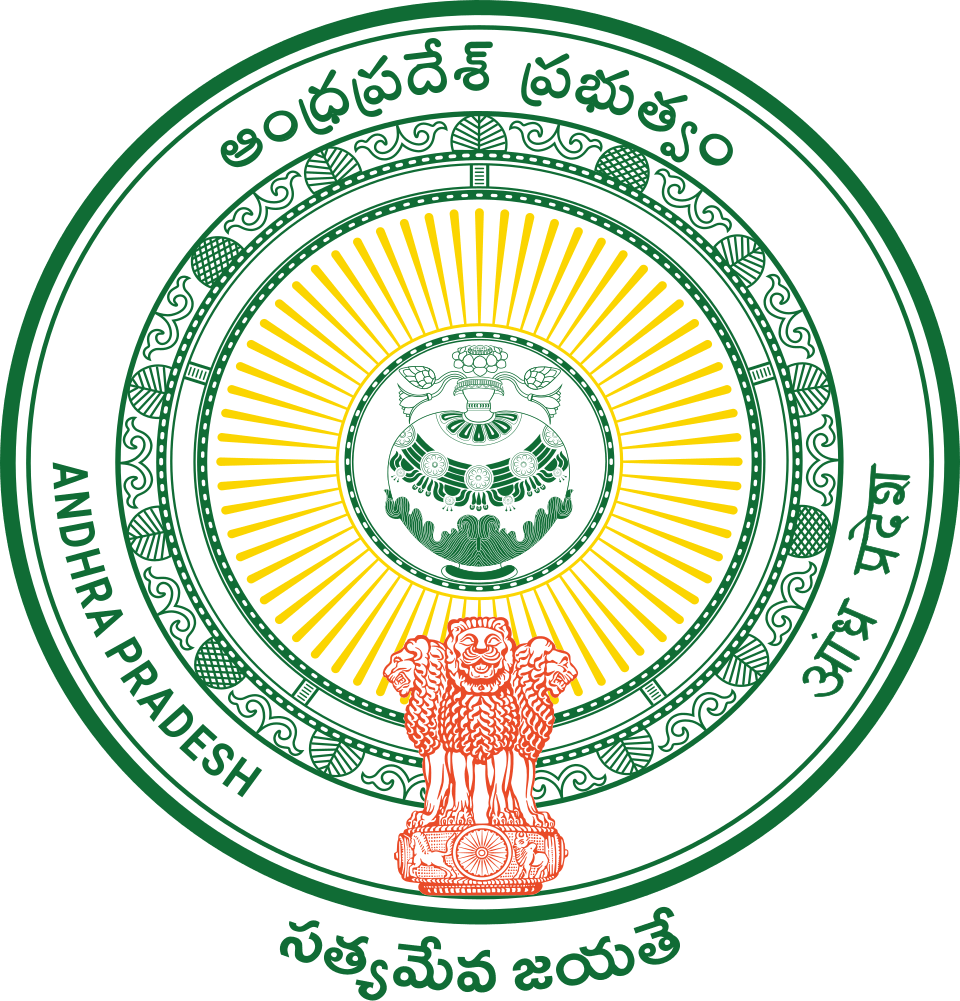
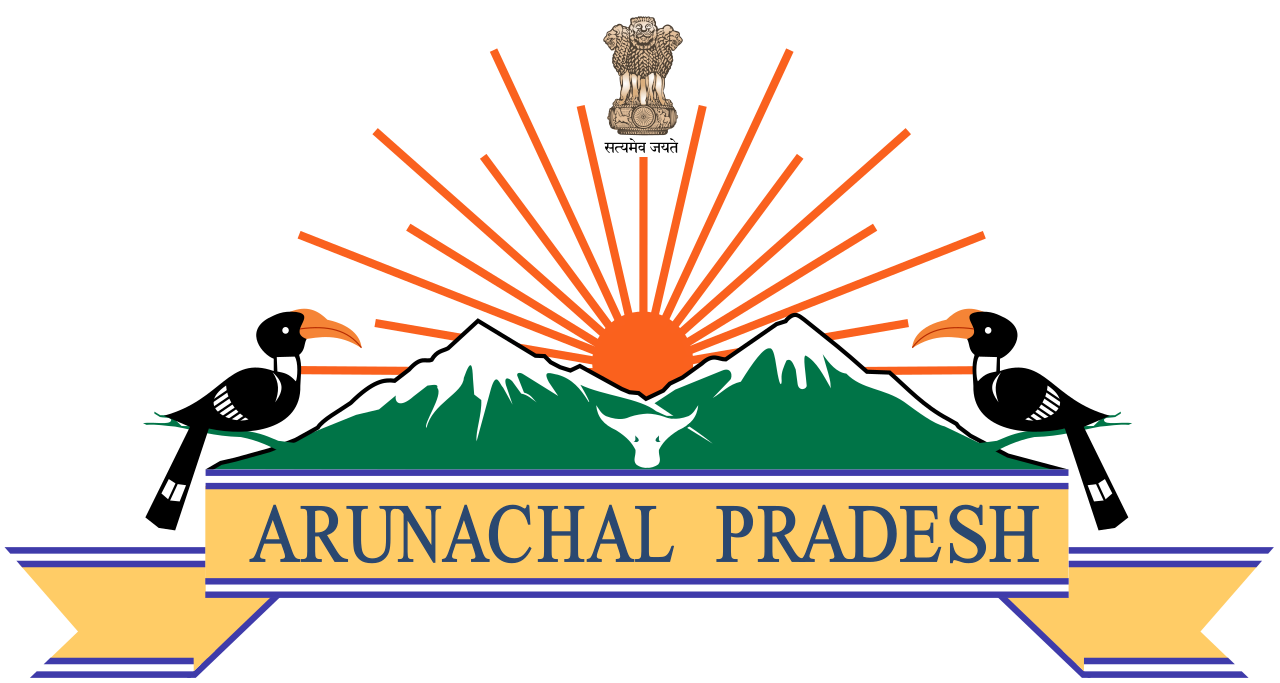
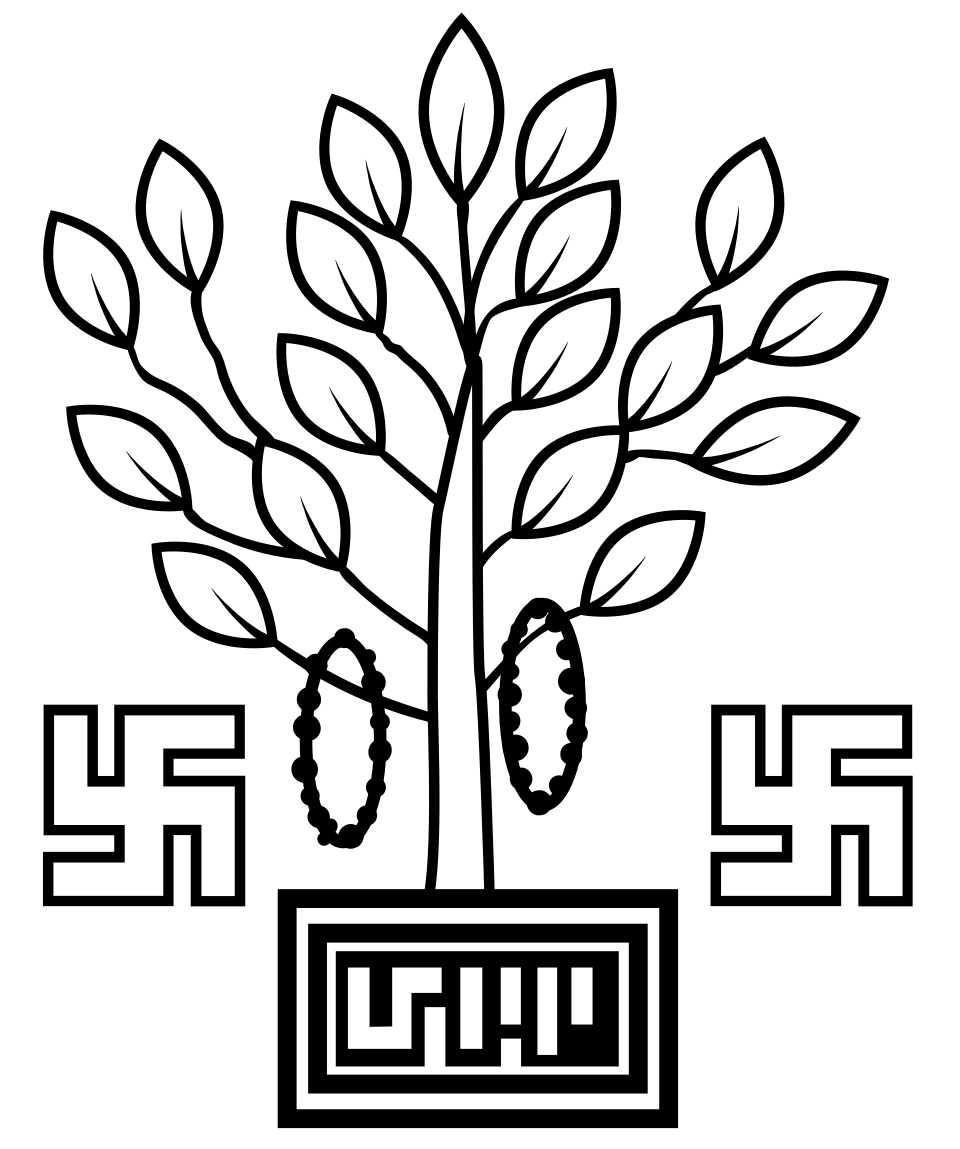
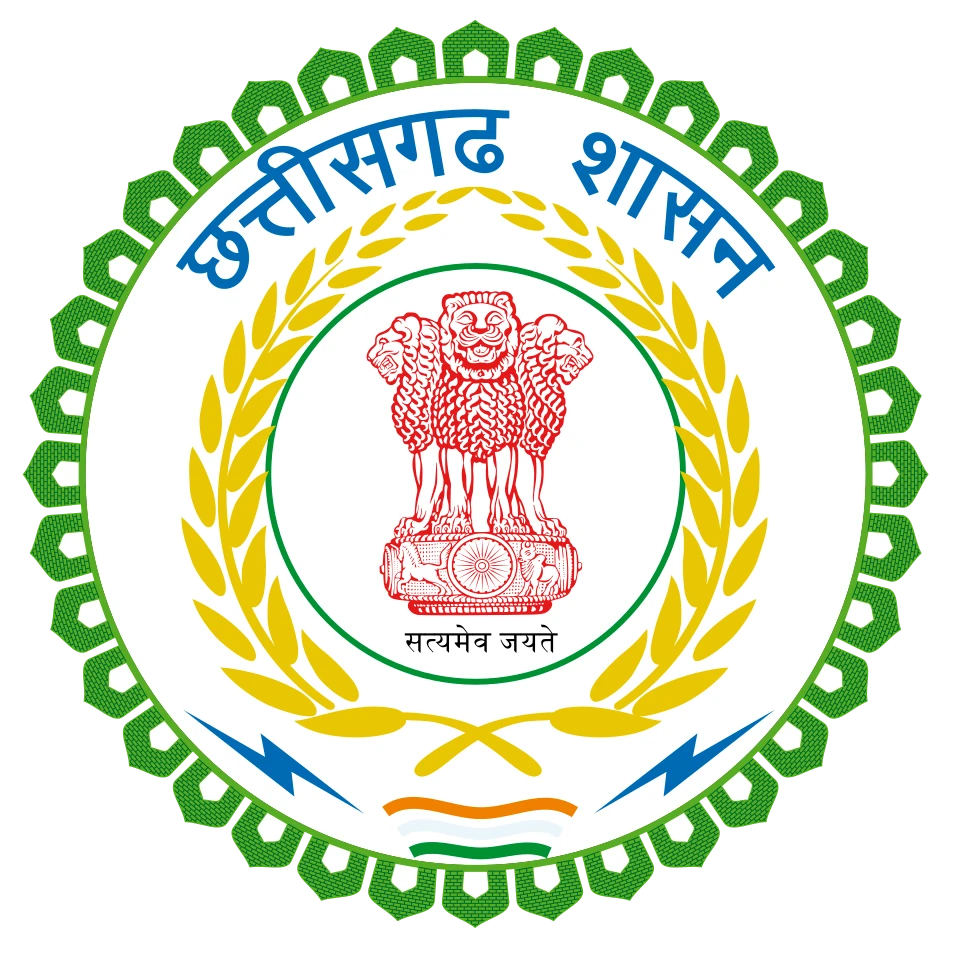
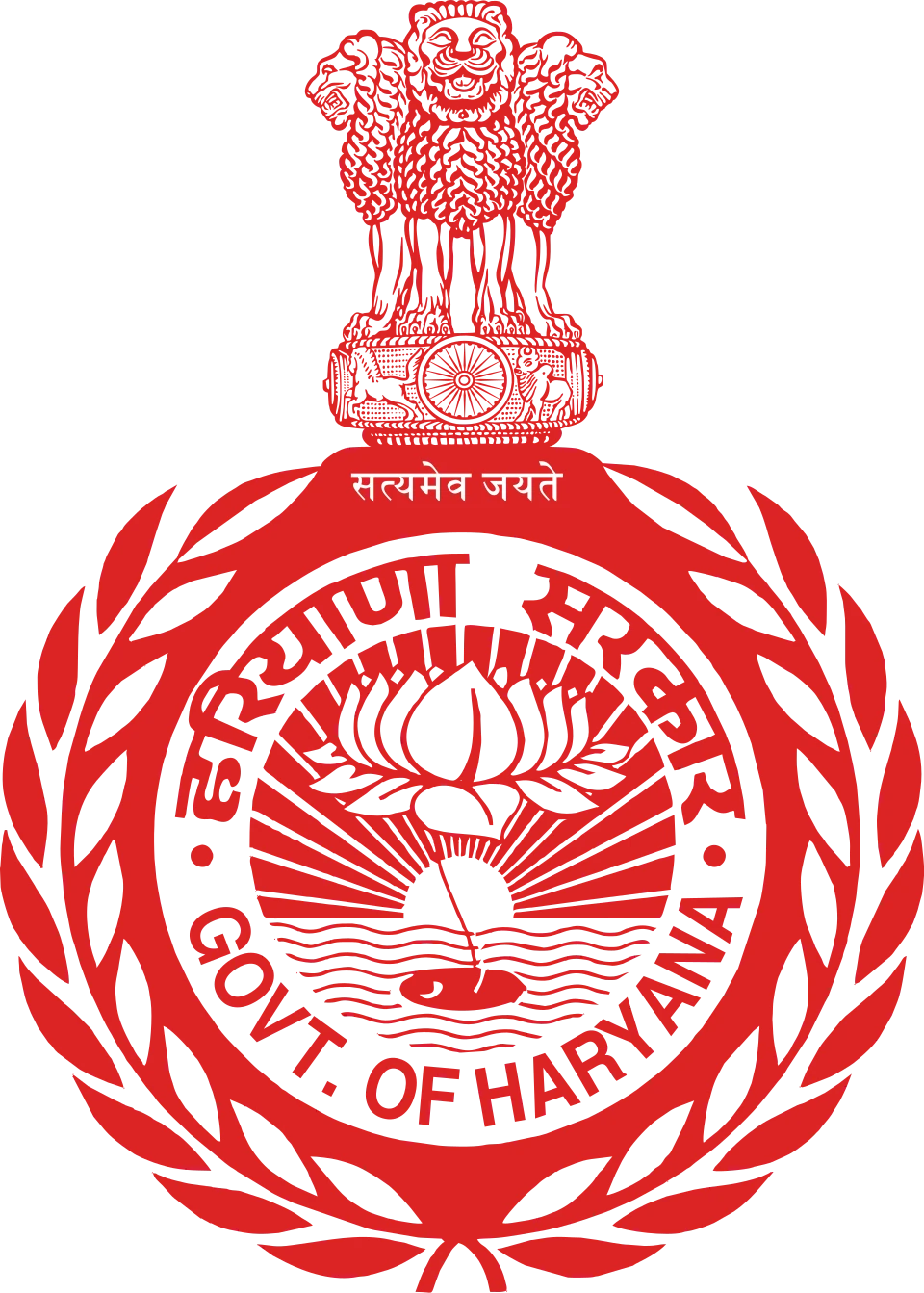
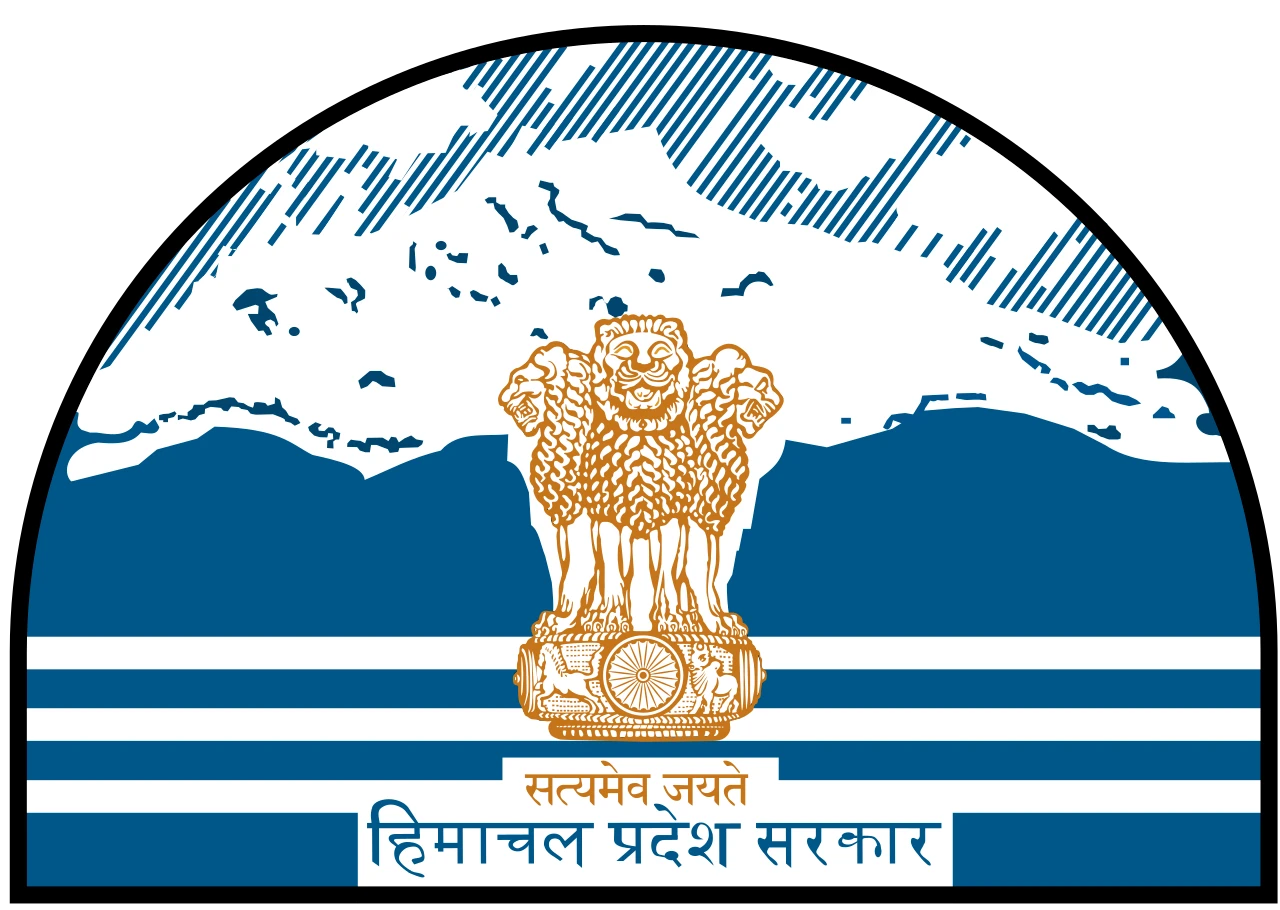
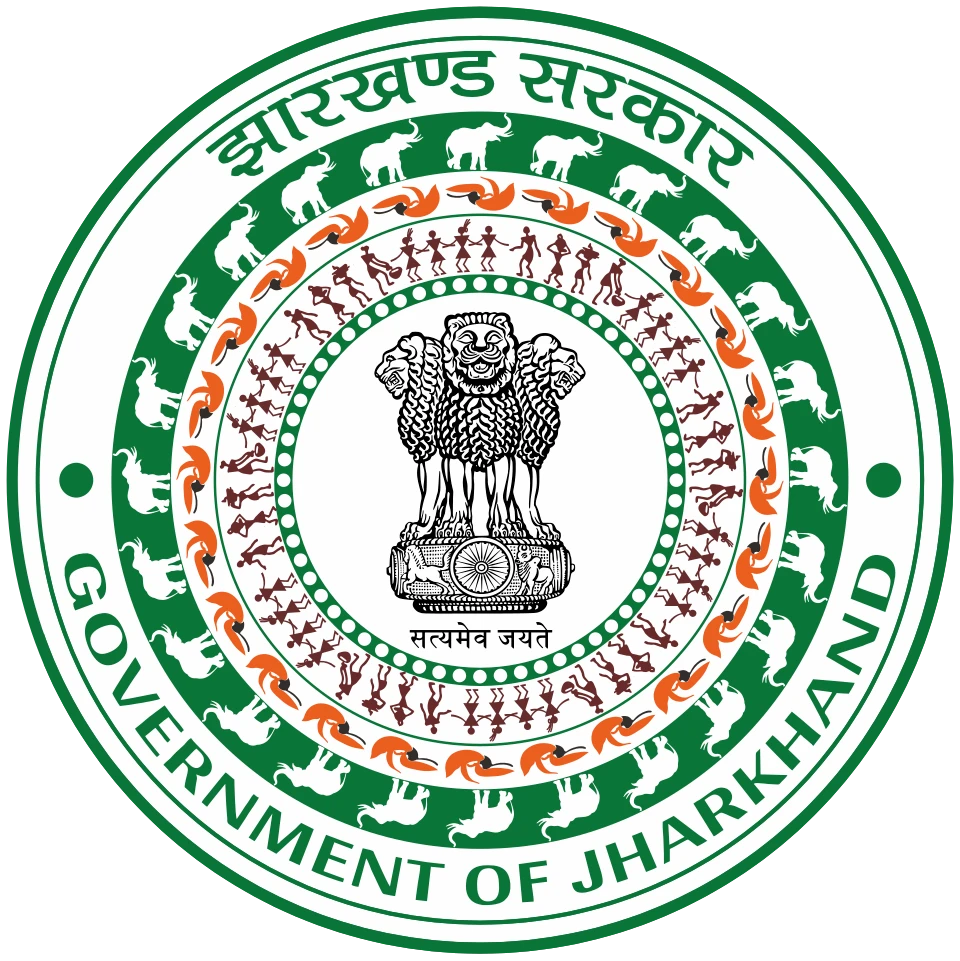
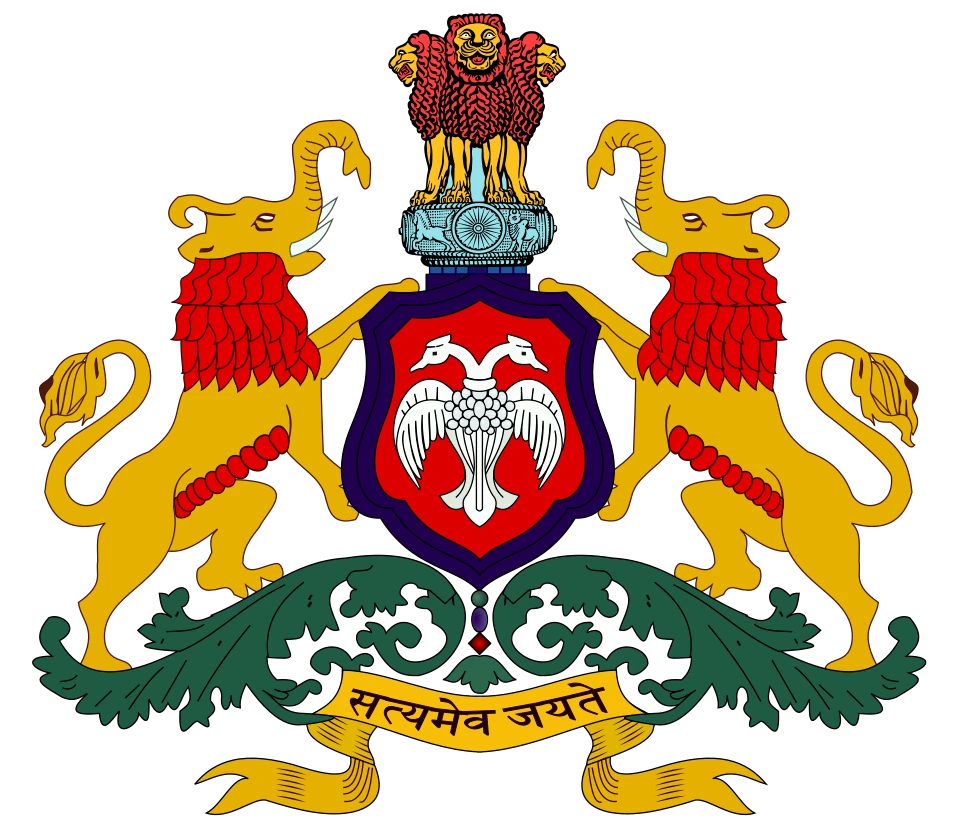
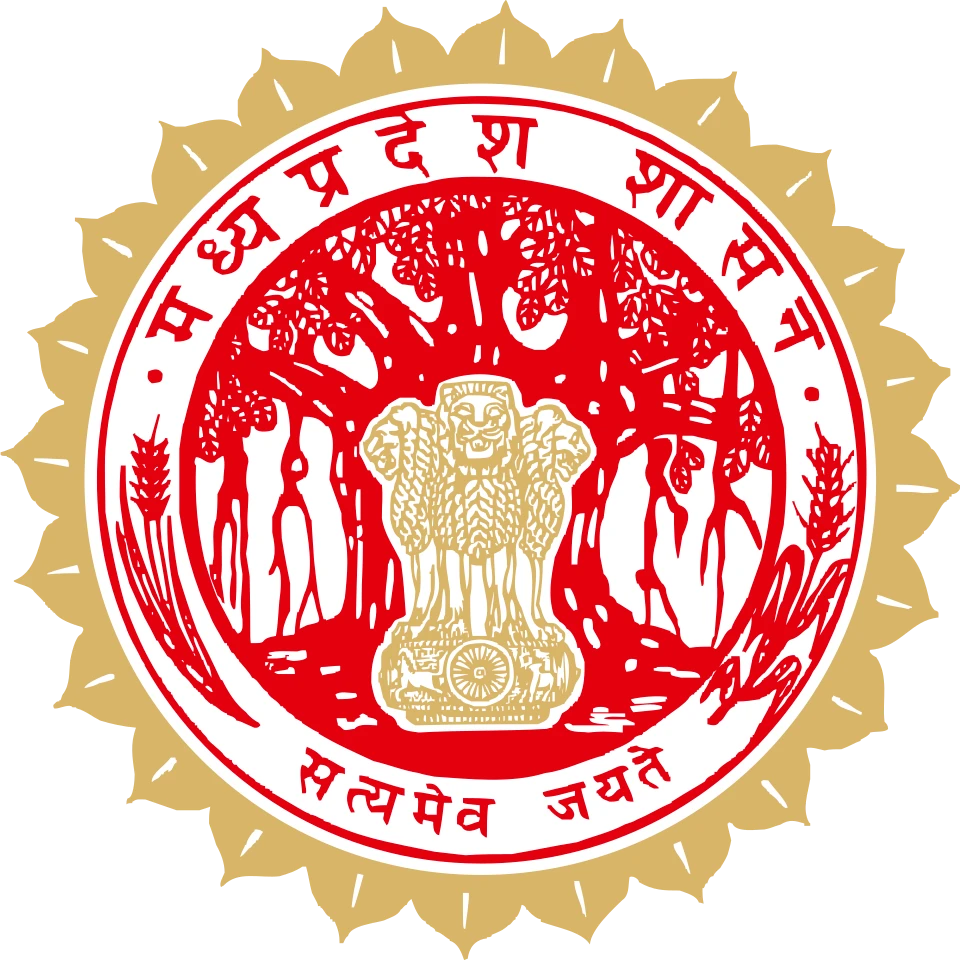
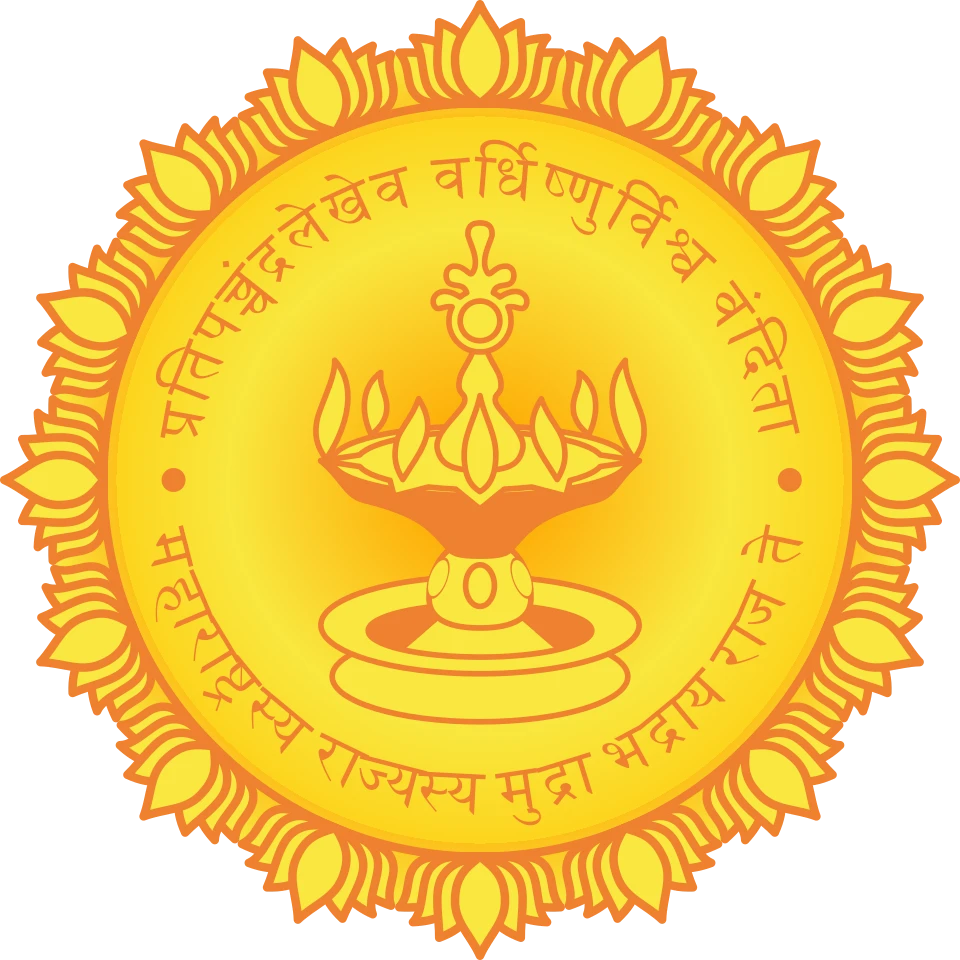
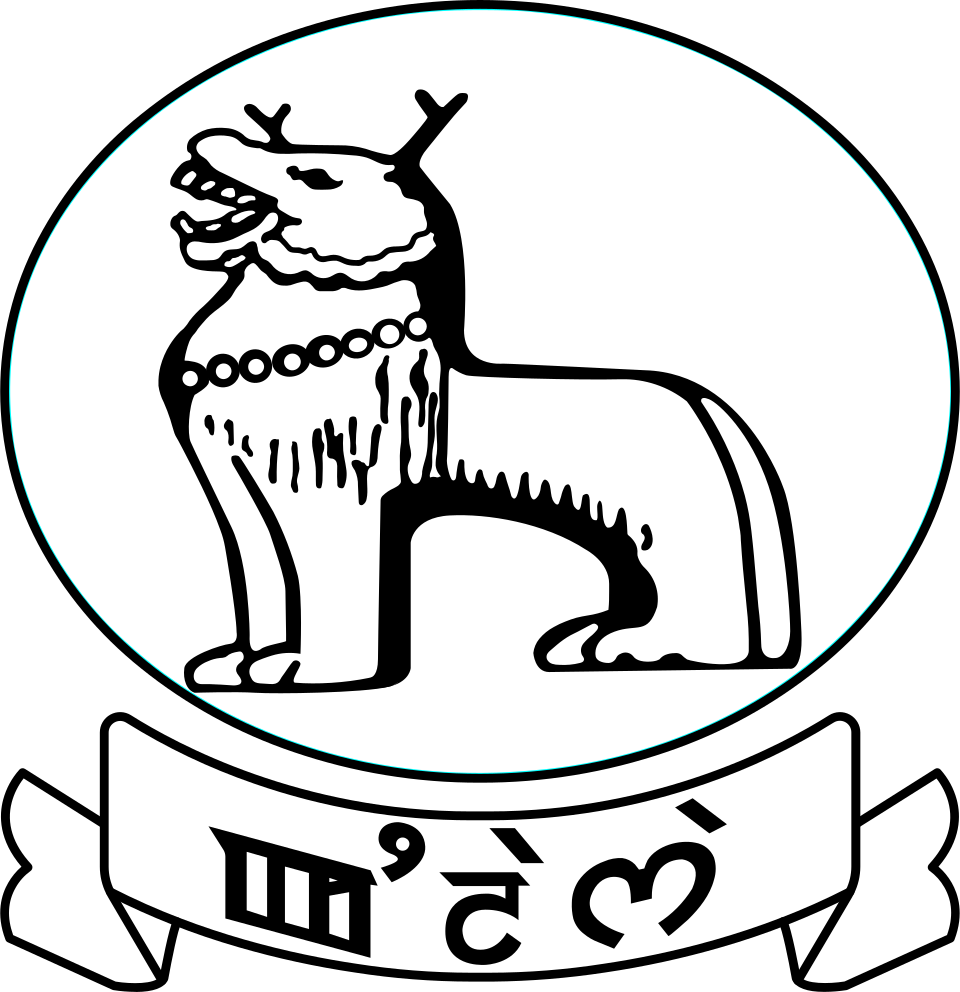
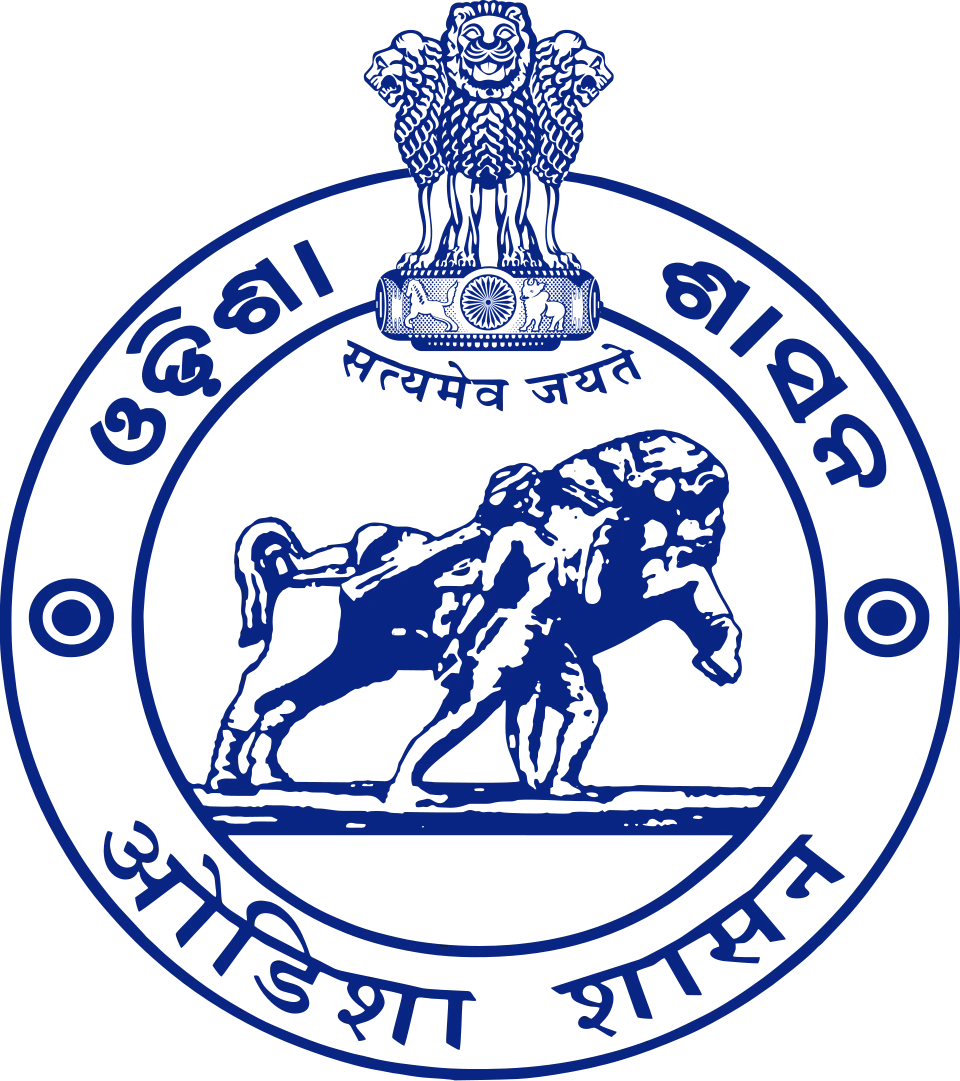
India is a Union of 28 States and 8 Union Territories. Each state carries its own emblem, most drawing on layered visual traditions — Vedic, Buddhist, Jain, medieval Sultanate, Rajput, Marāṭha, Deccan Sultanate, colonial and modern. Common charges include:
Explore the coat of arms of each of India’s 28 states.
It is a two-dimensional adaptation of the Lion Capital of Aśoka, the sculpted sandstone capital erected by Emperor Aśoka the Great around 250 BCE atop the pillar at Sarnath, marking the site of the Buddha’s first sermon. The three visible lions represent power, courage and confidence; the frieze below shows the Dharmachakra between a bull and a horse; the motto Satyameva Jayate — “Truth alone triumphs” — is drawn from the Mundaka Upaniṣad.
On 26 January 1950, the day the Constitution of India came into force and the country became a Republic. Improper use is now regulated by the State Emblem of India (Prohibition of Improper Use) Act, 2005.
In the address given by Sarvepalli Radhakrishnan to the Constituent Assembly on 22 July 1947: saffron stands for renunciation and courage; white for peace and truth guided by the wheel of dharma; green for prosperity and the country’s relationship with the soil. The Ashoka Chakra represents the eternal wheel of law whose 24 spokes are variously read as the 24 hours of the day or as 24 attributes cultivated by an ideal citizen.
The tricolour with the Ashoka Chakra derives from a design by Pingali Venkayya, a freedom-fighter from Machilipatnam (Andhra Pradesh), who had first proposed a national flag to Mahatma Gandhi in 1921. The 1947 form — with the Ashoka Chakra replacing the earlier charkha (spinning wheel) — was approved by the Constituent Assembly on 22 July 1947.
The Ashoka Chakra has 24 spokes. The most widely-cited interpretation identifies them with the 24 hours of the day, symbolising the continuous forward motion of time and dharma. Buddhist tradition also enumerates 24 attributes of an ideal citizen — self-restraint, truthfulness, patience, and so on — that the wheel is said to represent.
Last reviewed by the Emblema Mundi editorial team on 5 July 2026.