US State
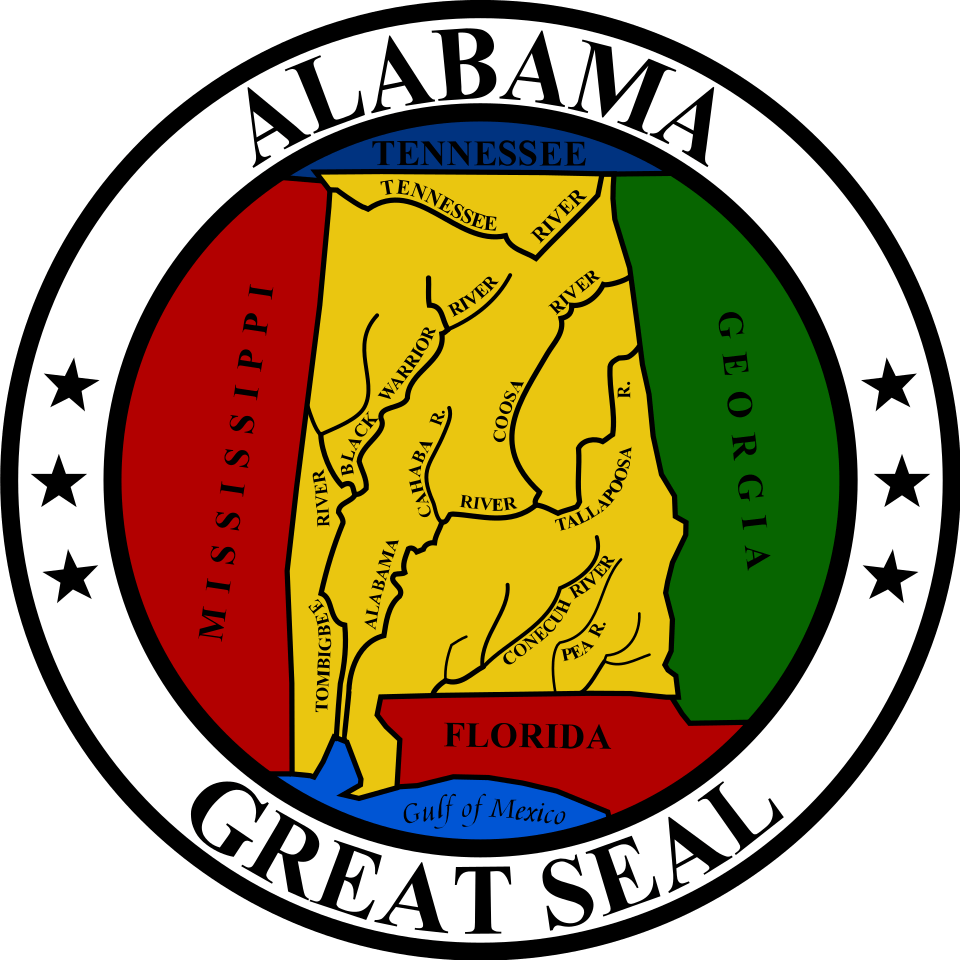
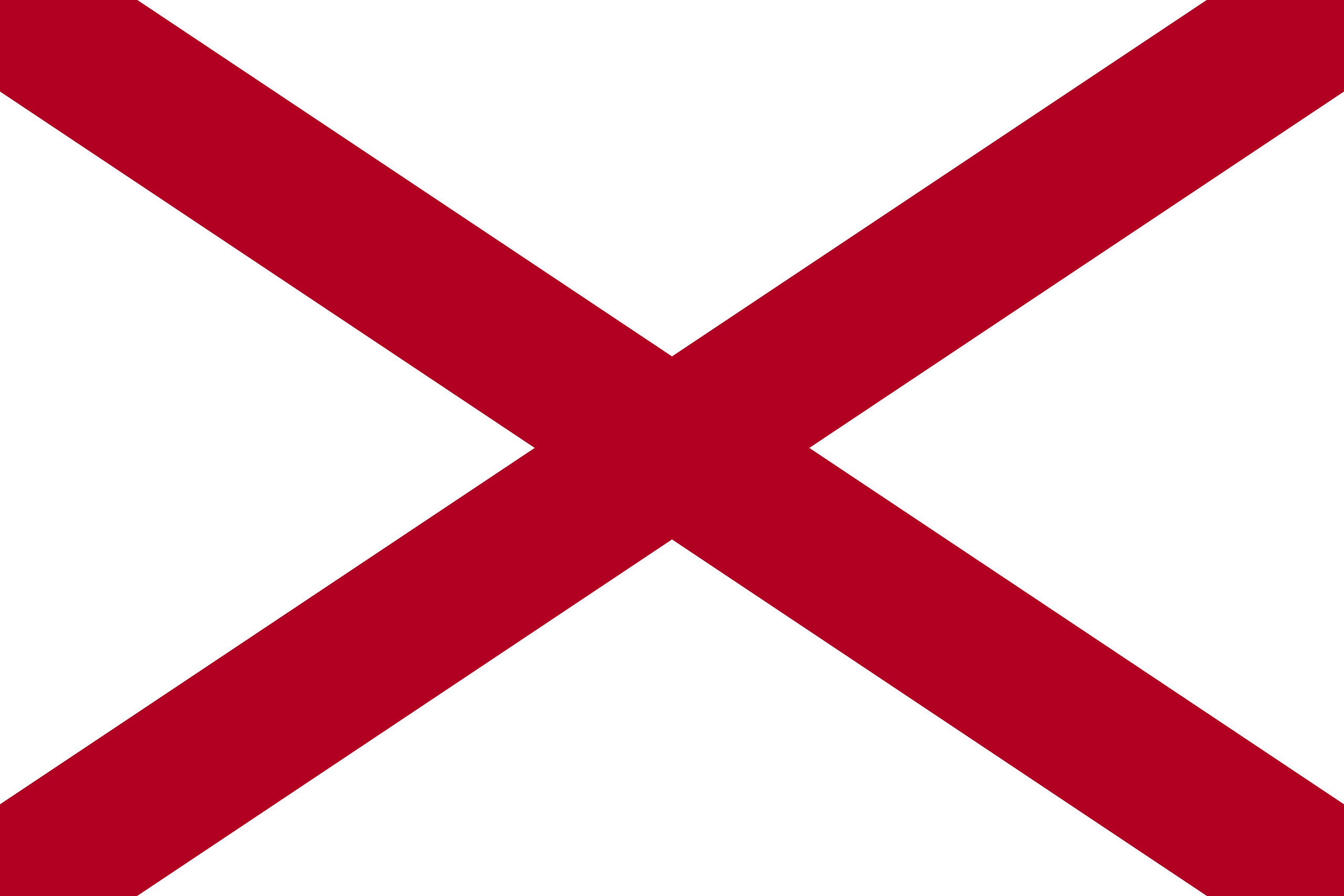
Alabama’s state symbols tell two very different stories. The Great Seal — a map of the state’s rivers with a steamboat navigating the Tennessee — was designed by the first territorial governor William Wyatt Bibb in 1817 and adopted at statehood on 14 December 1819. It is one of the few US state seals that is essentially a geographic document, reflecting the waterways that carried cotton to the port of Mobile and built the state’s antebellum economy. The flag — a crimson cross of St Andrew on a white field — was adopted in 1895 by Representative John W. A. Sanford Jr., whose father served in the Confederate army. It is the only US state flag that consists entirely of a simple saltire on a plain field — and its relationship to the Confederate battle flag remains a subject of historical debate.
Flag
Not available
Seal
Not available
| State | Alabama (22nd state, admitted 14 December 1819) |
|---|---|
| State seal | Map of Alabama with major rivers and steamboat |
| Seal designed | William Wyatt Bibb, 1817; restored 1939 |
| State flag | Crimson cross of St Andrew (saltire) on white |
| Flag adopted | 16 February 1895 (Act 383) |
| Flag designer | Representative John W. A. Sanford Jr. |
| Capital | Montgomery |
| Nickname | The Yellowhammer State |
| Motto | Audemus jura nostra defendere (“We dare defend our rights”) |
| Confederate debate | Thomas M. Owen (1915) confirmed Confederate flag intent |
Flag of Alabama — Crimson saltire on white, adopted 1895
The Alabama flag is a crimson cross of St Andrew (saltire) on a white field — the only US state flag that consists entirely of a simple saltire on a plain background.
The flag was adopted on 16 February 1895 by Act 383 of the Alabama Legislature, introduced by its designer, Representative John W. A. Sanford Jr. The law specifies that the crimson bars forming the cross must be “not less than six inches broad” and extend diagonally across the flag from side to side.
The flag’s relationship to Confederate imagery has been debated for over a century. Sanford’s father served in the Confederate army, and the saltire was a prominent element of Confederate battle flags. In 1915, Thomas M. Owen, the first director of the Alabama Department of Archives and History, wrote that Sanford and the legislature had intended “to preserve, in permanent form, some of the more distinctive features of the Confederate battle flag.” However, no documentation in the original legislative records explicitly states this intent, and the cross of St Andrew has a much older history predating the Confederacy.
The saltire is the cross on which the apostle St Andrew was traditionally martyred — the same cross that appears on the flags of Scotland and the Basque Country. In Alabama’s case, whether the crimson saltire was chosen for its religious symbolism, its Confederate associations, or both, remains a matter of historical interpretation.
Great Seal of Alabama — Map, rivers, steamboat — since 1819
The Great Seal is one of the most unusual in the United States: it is essentially a map.
The seal depicts an outline map of Alabama showing its major rivers — the Tennessee, Coosa, Alabama, Tombigbee, and Mobile — with a steamboat navigating the Tennessee River. The word “Alabama” arcs along one edge and “Great Seal” along the other.
The seal was designed in 1817 by William Wyatt Bibb, the first governor of the Alabama Territory. When Alabama became the 22nd state on 14 December 1819, the territorial seal was adopted as the state seal. The rivers on the seal were not merely decorative — in 1819, steamboats like the Harriet and the Cotton Plant carried 16,000 bales of cotton down the Alabama and Tombigbee rivers to Mobile, the state’s gateway to the world.
During Reconstruction, the original seal was temporarily replaced in 1868 with a design featuring an eagle and stars. The original map-based seal was restored by legislative act in 1939 and has remained in use since.
The Great Seal depicts an outline map of Alabama showing its major rivers — the Tennessee, Coosa, Alabama, Tombigbee, and Mobile — with a steamboat navigating the Tennessee. It was designed by William Wyatt Bibb in 1817 and adopted at statehood on 14 December 1819.
The connection is debated. The flag was designed by John W. A. Sanford Jr. (whose father served in the Confederate army) and adopted in 1895. Thomas M. Owen wrote in 1915 that the legislature intended to preserve Confederate flag features. However, official records contain no explicit statement, and the cross of St Andrew predates the Confederacy by centuries.
Alabama’s rivers were the economic lifelines of the young state. In 1819, steamboats carried 16,000 bales of cotton to the port of Mobile. The seal reflects this waterway-dependent economy.
Yes. During Reconstruction, it was temporarily replaced in 1868 with an eagle-and-stars design. The original map seal was restored in 1939.
The crimson diagonal cross is a cross of St Andrew (saltire). Alabama’s is the only US state flag consisting entirely of a simple saltire on a plain field. The bars must be at least six inches broad and extend diagonally from corner to corner.
Last reviewed by the Emblema Mundi editorial team on 2026-06-24.