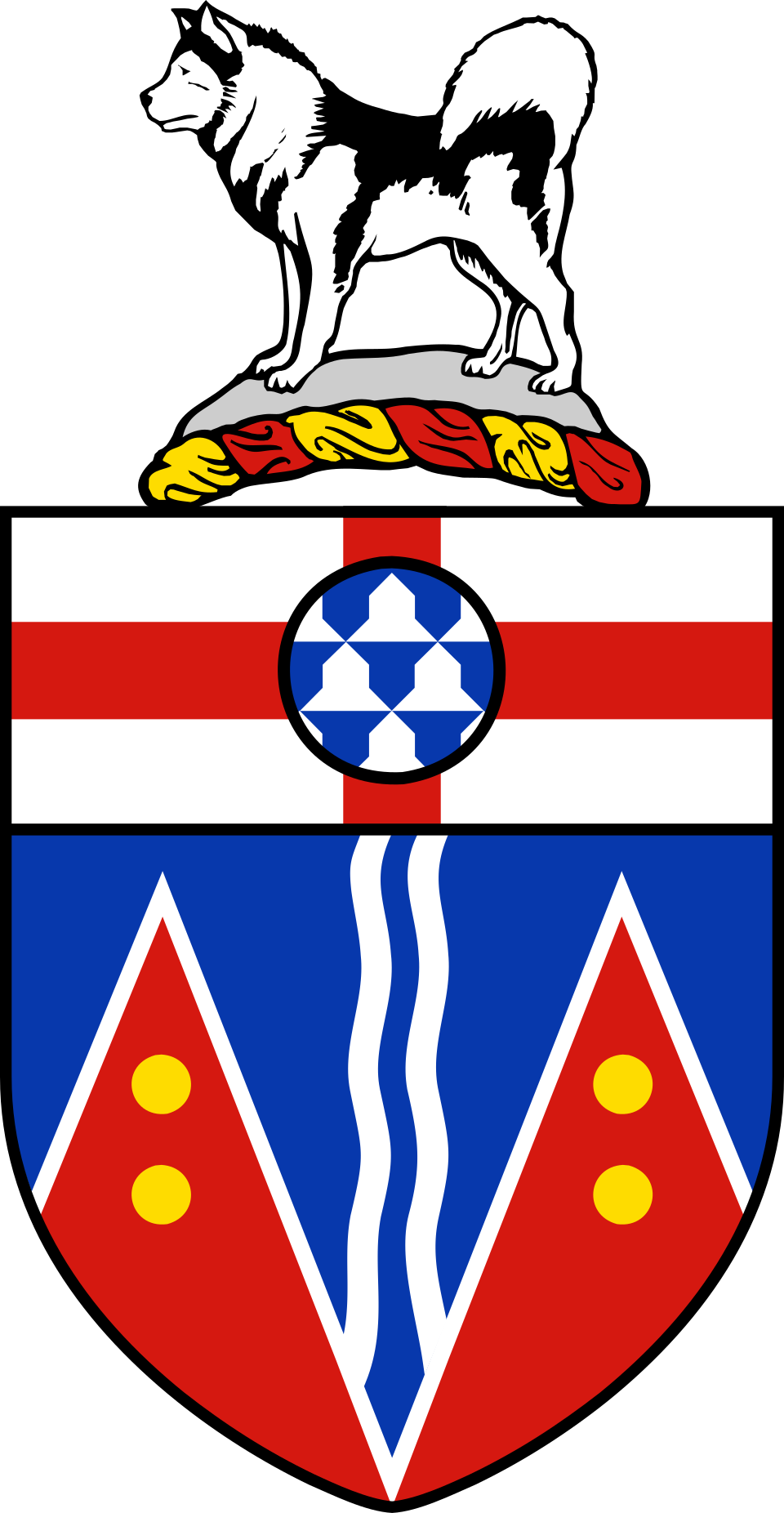
Country
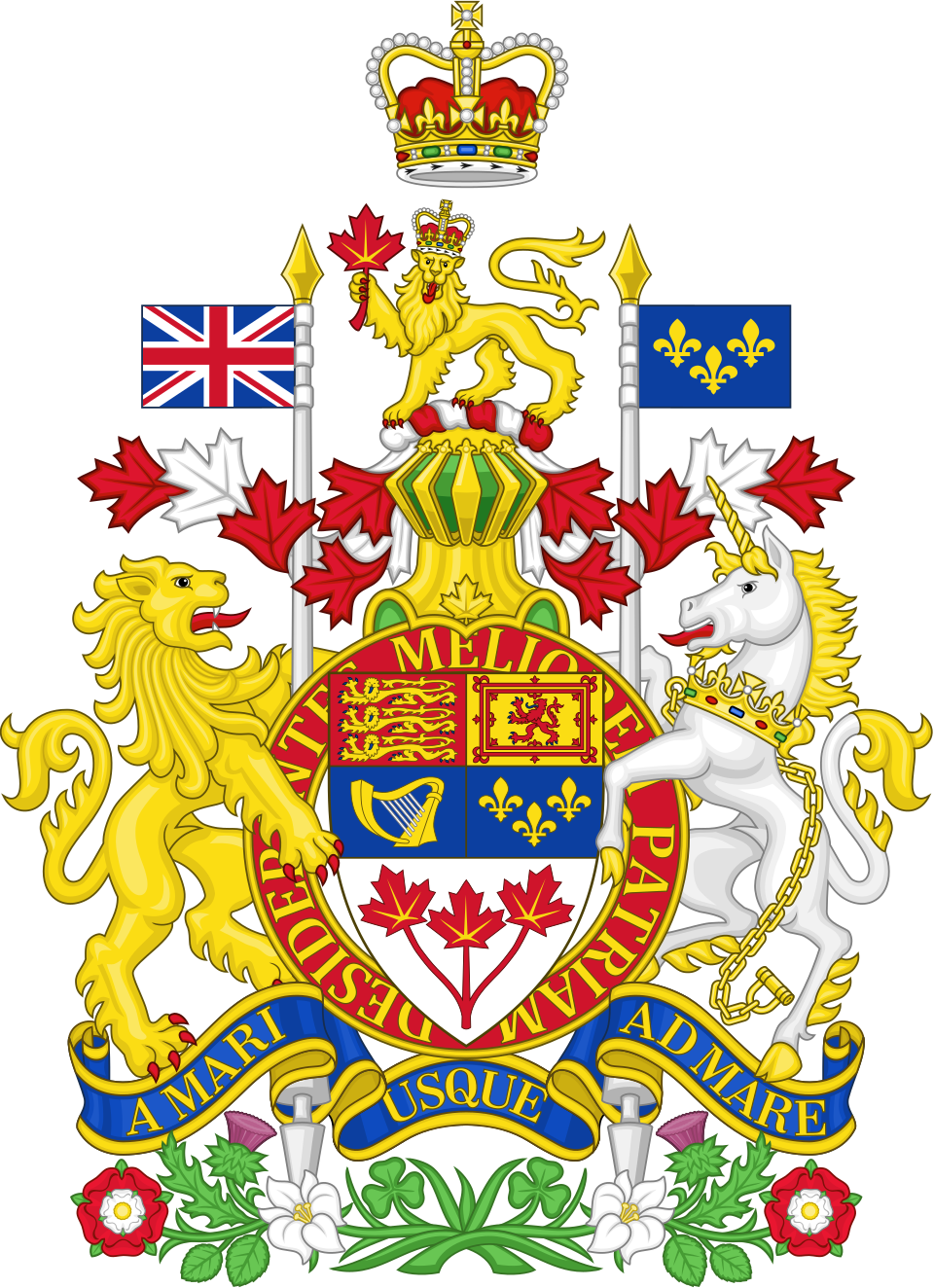
The Royal Arms of Canada, granted by King George V on 21 November 1921, are among the most elaborate in the Commonwealth: a shield quartered with the arms of England, Scotland, Ireland, and France, with three maple leaves in base — supported by the English lion and the Scottish unicorn, beneath the motto A Mari Usque Ad Mare (“From Sea to Sea”). The national flag — the beloved Maple Leaf — was designed by historian George Stanley and raised for the first time on Parliament Hill on 15 February 1965, after the Great Flag Debate of 37 parliamentary days. Below, 13 provinces and territories carry their own arms, blending British crowns, French fleurs-de-lys, and Indigenous traditions into one of the most distinctive heraldic landscapes in the world.
Click on a country to learn more
| Official name | Canada |
|---|---|
| Coat of arms | Royal Arms — quartered shield (England, Scotland, Ireland, France), maple leaves in base |
| Arms granted | 21 November 1921 (George V); maple leaves redrawn red 1957 |
| Motto | A Mari Usque Ad Mare (“From Sea to Sea”) |
| National flag | Maple Leaf — red maple leaf on white between red borders |
| Flag adopted | 15 February 1965 |
| Flag designer | George Stanley |
| Capital | Ottawa |
| Provinces & territories | 10 provinces + 3 territories |
Coat of Arms of Canada — Royal Arms, lion and unicorn, A Mari Usque Ad Mare
The Royal Arms of Canada are closely modelled on the British Royal Arms, with distinctive Canadian elements. The shield is blazoned:
Tierced in fesse: the first and second divisions containing the quarterly coat — 1st Gules three lions passant guardant in pale Or (England), 2nd Or a lion rampant within a double tressure flory-counter-flory Gules (Scotland), 3rd Azure a harp Or stringed Argent (Ireland), 4th Azure three fleurs-de-lys Or (France) — and the third division Argent three maple leaves conjoined on one stem proper.
The arms were requested by an order-in-council on 21 April 1921 and formally proclaimed by King George V on 21 November 1921. The grant reflected Canada’s growing national identity after the First World War, particularly after the decisive Canadian contributions at Vimy Ridge (1917) and the Hundred Days Offensive (1918).
In 1957, the maple leaves on the shield were redrawn from green (vert) to red (gules), aligning with the national colours. In 1994, a ribbon of the Order of Canada was added around the shield and the Desiderantes Meliorem Patriam motto of the Order was incorporated beneath.
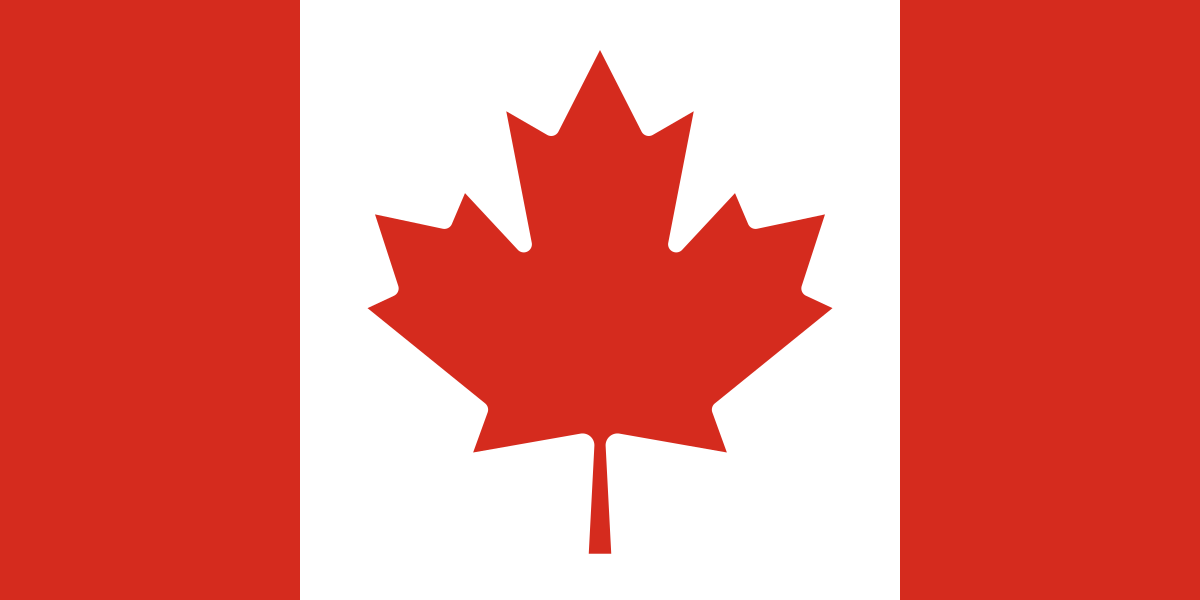
Flag of Canada — The Maple Leaf, raised 15 February 1965
The Maple Leaf flag — a stylised red maple leaf on a white square between two red borders — is one of the most recognised national flags in the world.
In 1964, Prime Minister Lester B. Pearson formed a parliamentary committee to replace the Canadian Red Ensign, which bore the Union Jack. The resulting Great Flag Debate lasted 37 days in the House of Commons — one of the longest and most passionate parliamentary debates in Canadian history. Pearson himself favoured a design with three maple leaves on a white field between blue borders, but it was not selected.
George Stanley, a historian at the Royal Military College of Canada in Kingston, proposed a single red maple leaf on a white square between two red borders. His concept was inspired by the RMC’s own flag. Stanley argued that a single leaf was more distinctive and recognisable than a cluster. The committee selected his design out of three finalists.
The Maple Leaf was officially raised on Parliament Hill in Ottawa on 15 February 1965, in the presence of Governor General Georges Vanier and Prime Minister Pearson. The Red Ensign was lowered at the stroke of noon. February 15 is now celebrated as National Flag of Canada Day.
Canada possesses one of the most active heraldic systems in the world. The Canadian Heraldic Authority (Autorité héraldique du Canada), established in 1988, is the body responsible for granting arms to Canadian citizens, institutions, and municipalities. It operates under the authority of the Governor General as the viceregal representative of the Crown.
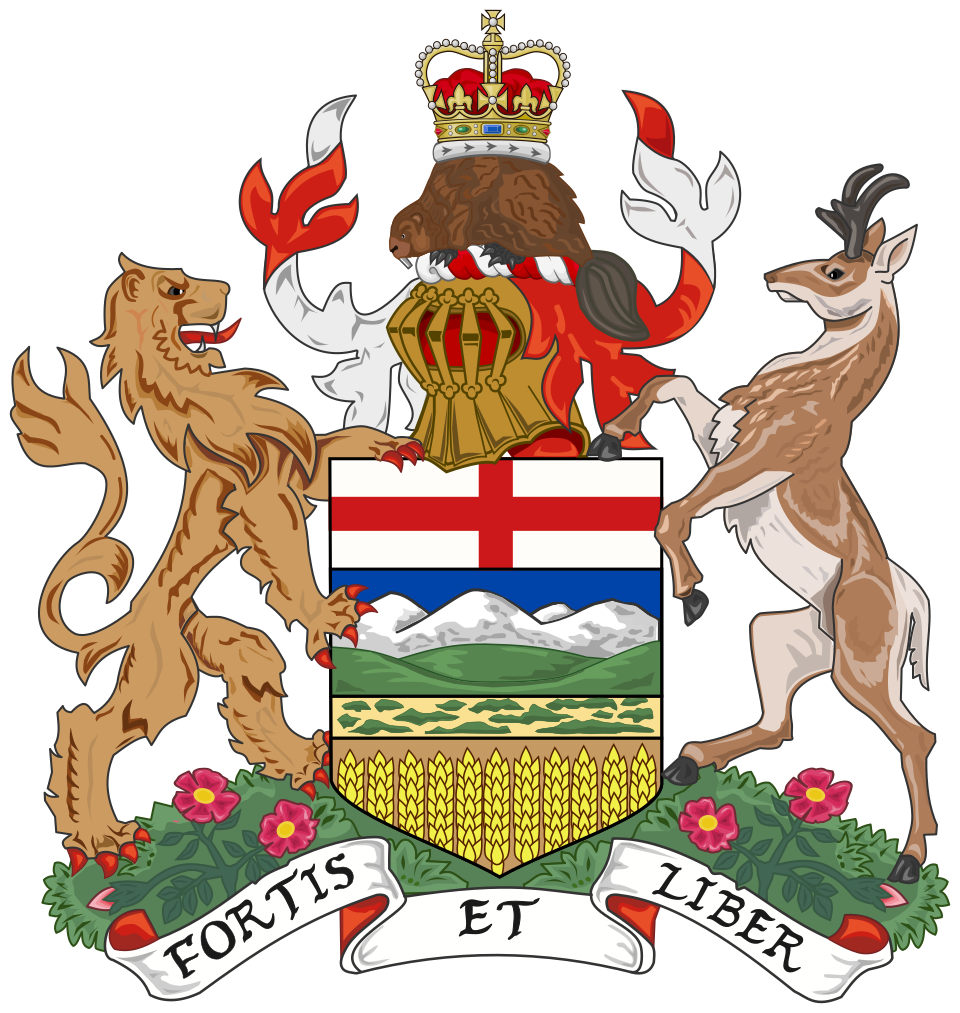
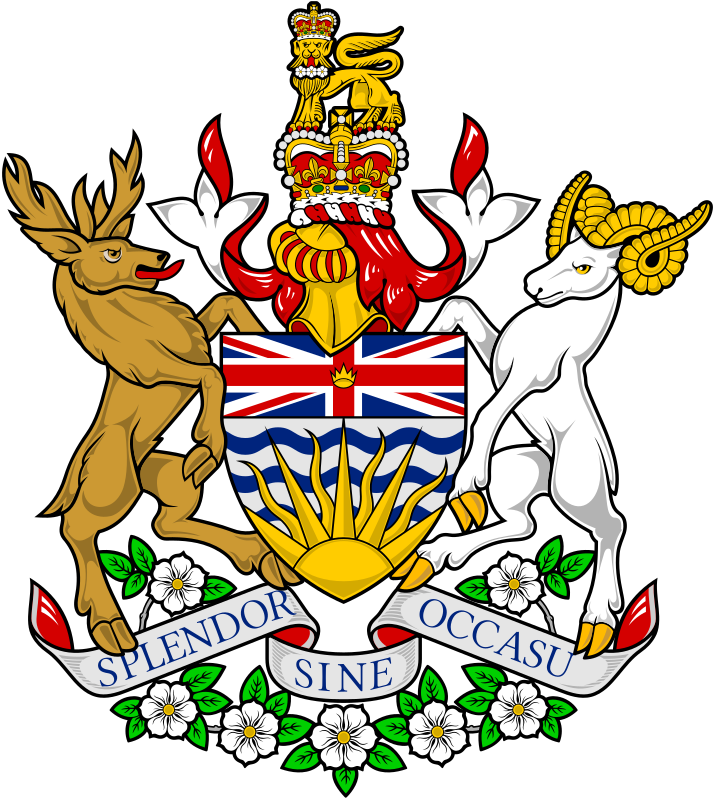
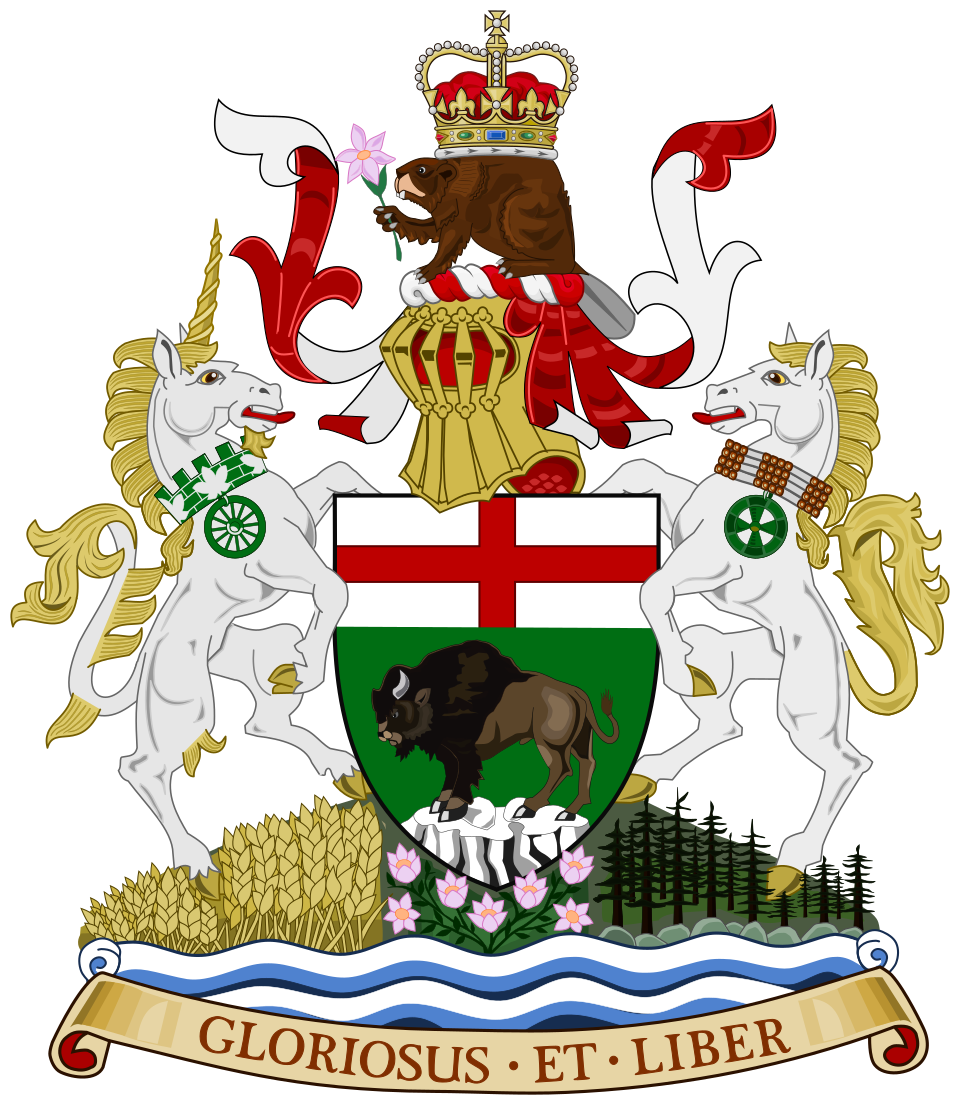
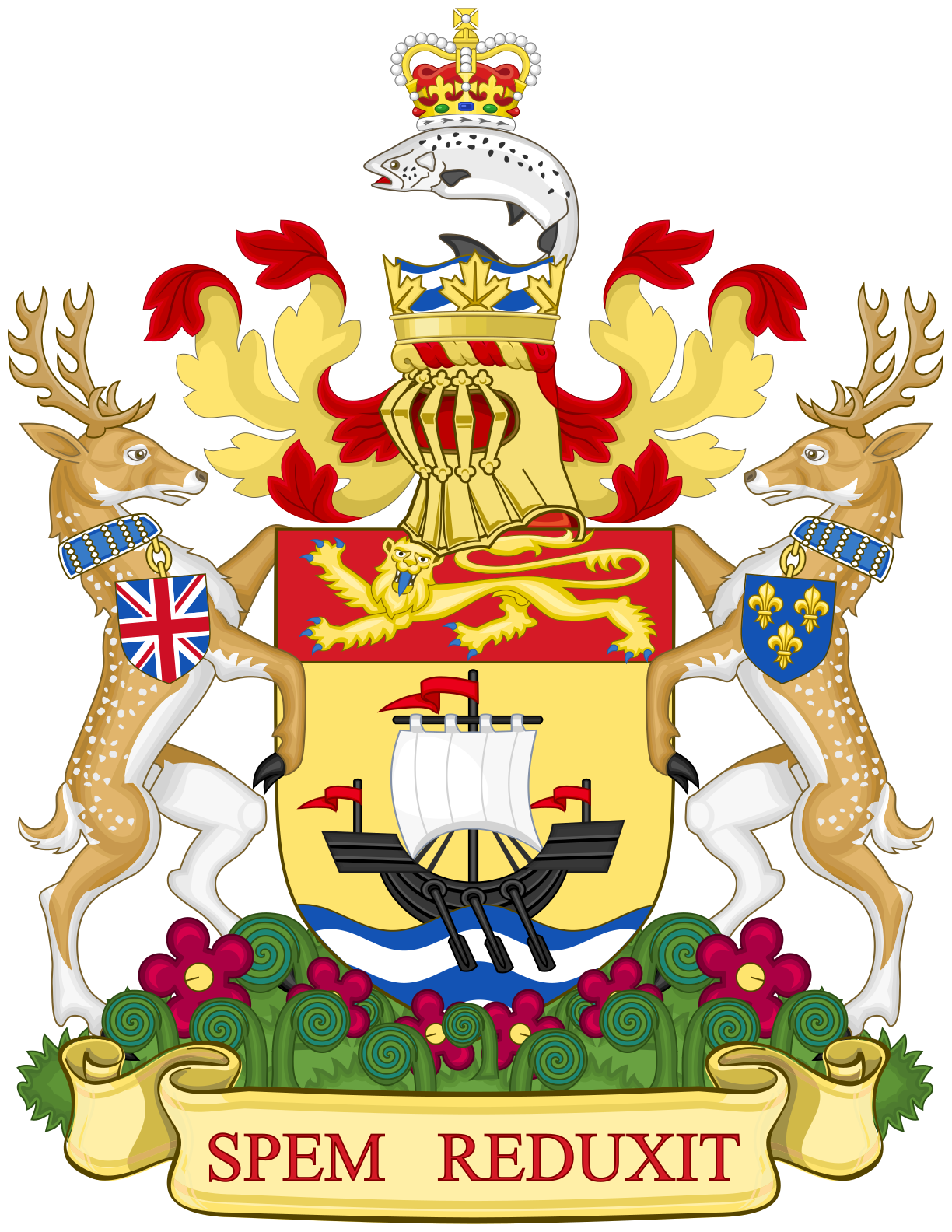
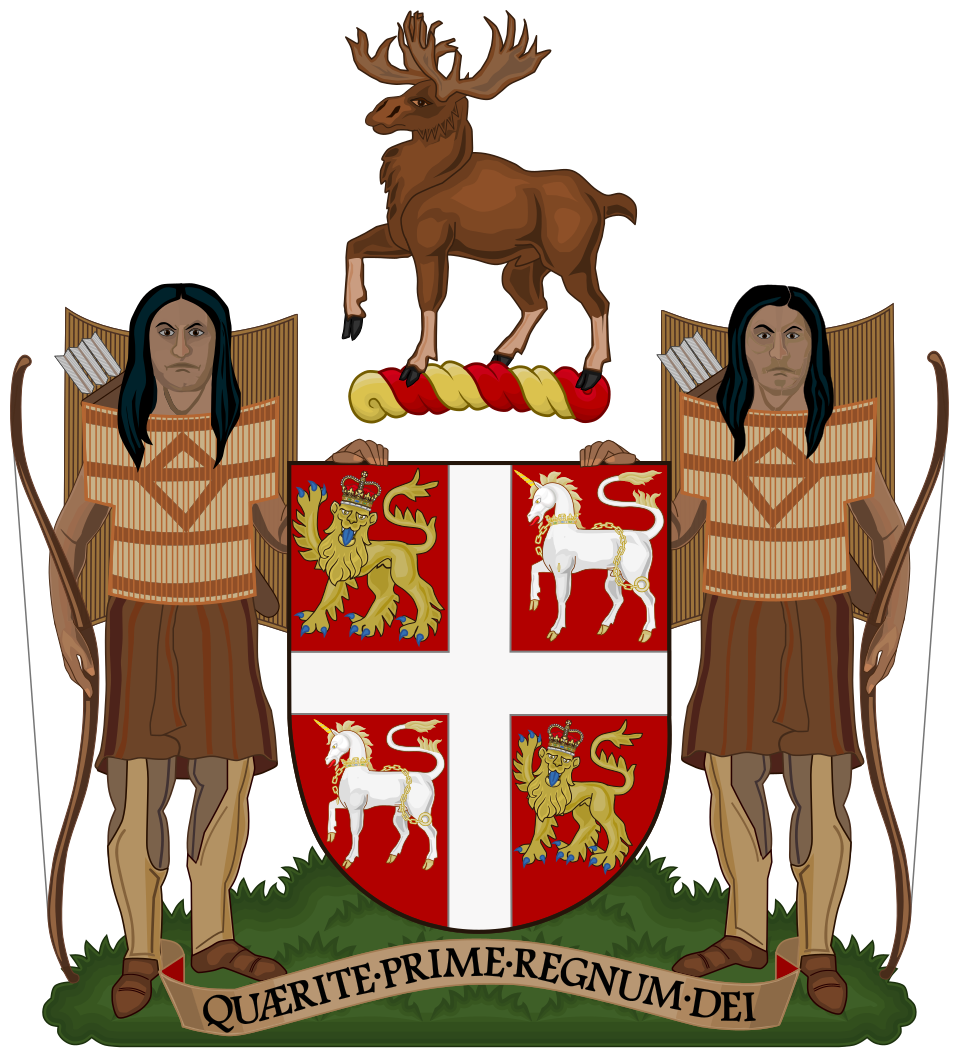
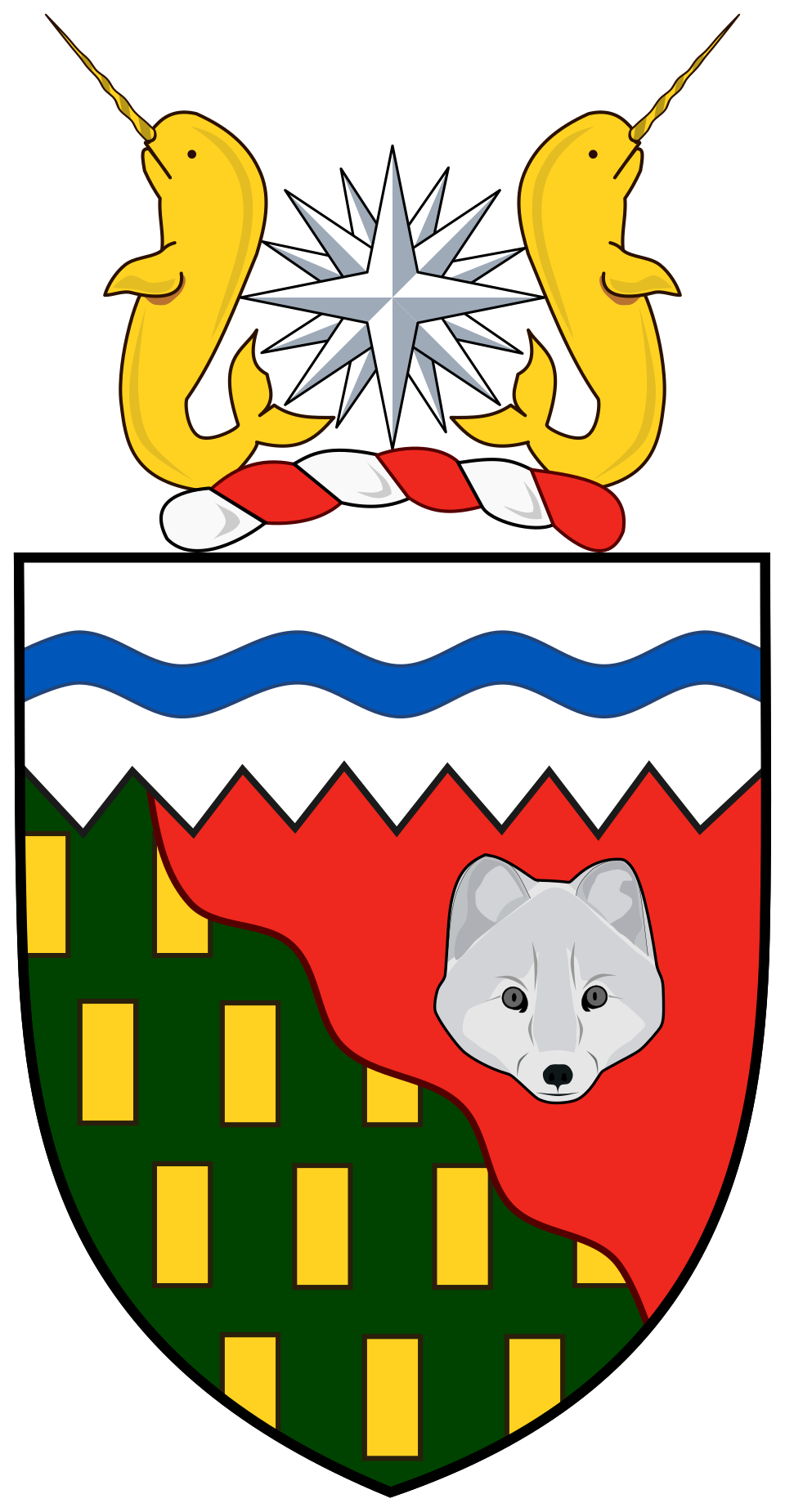
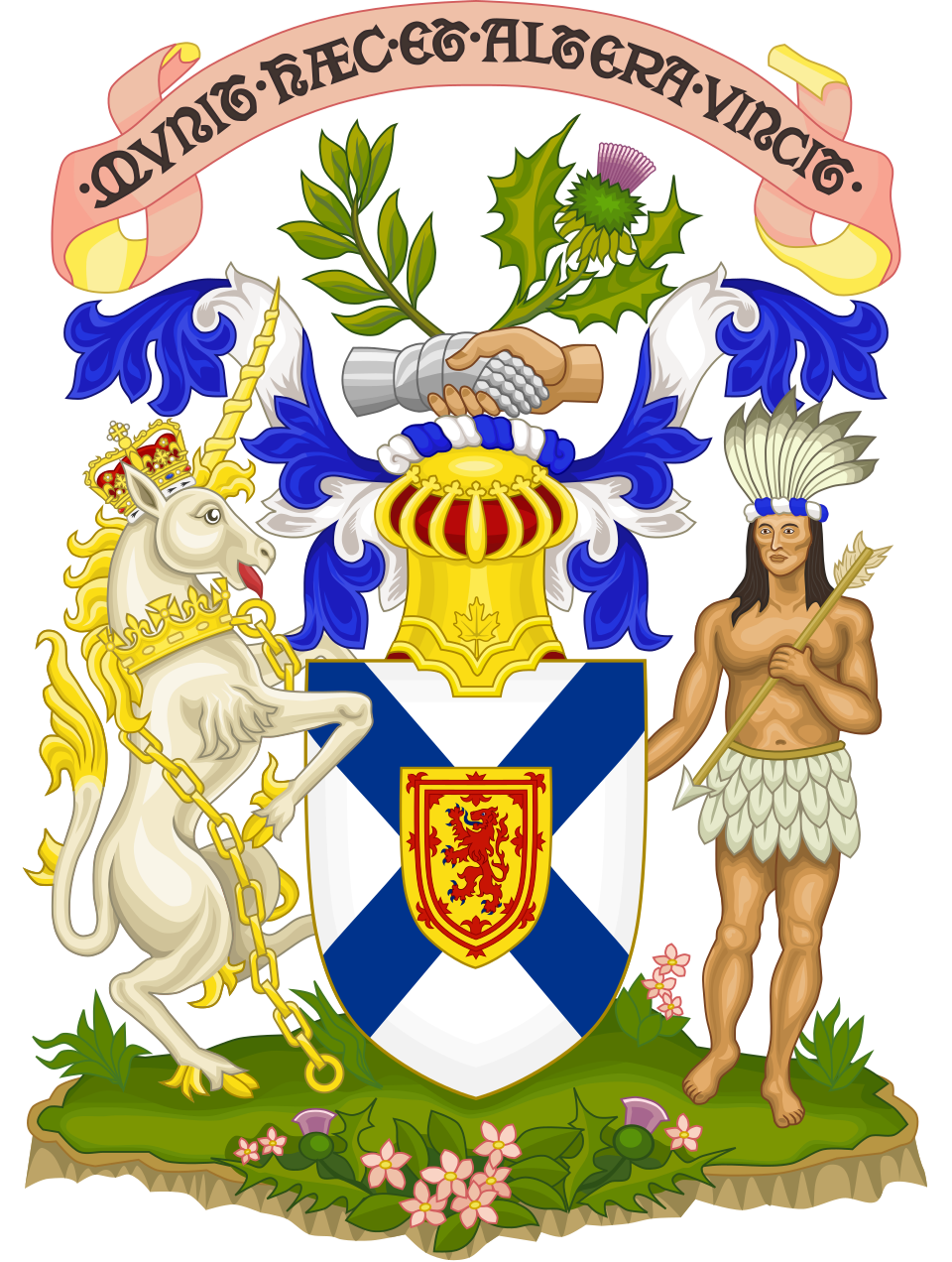
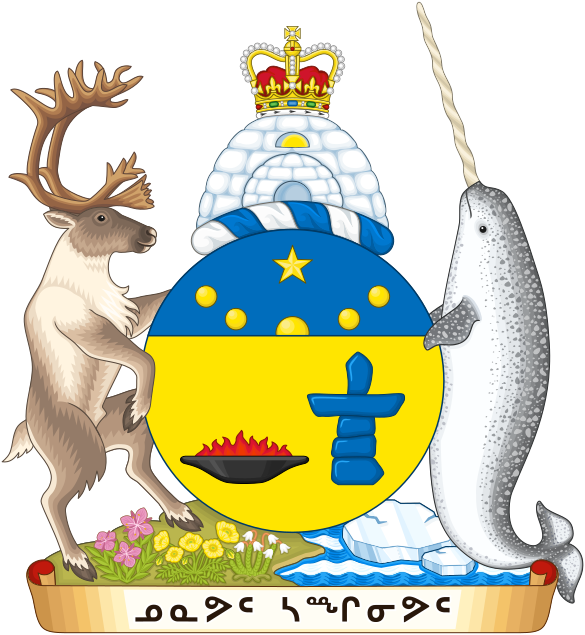
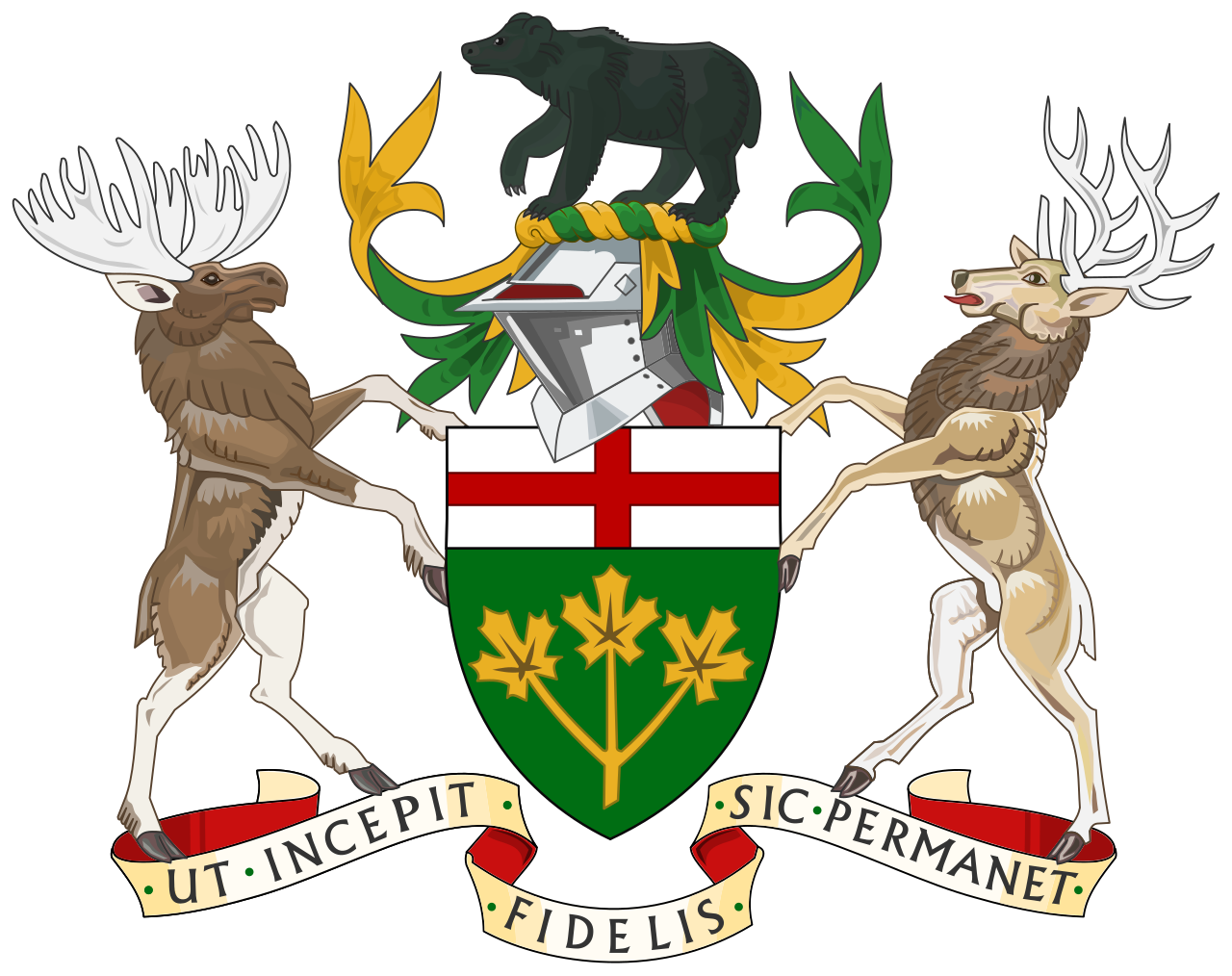
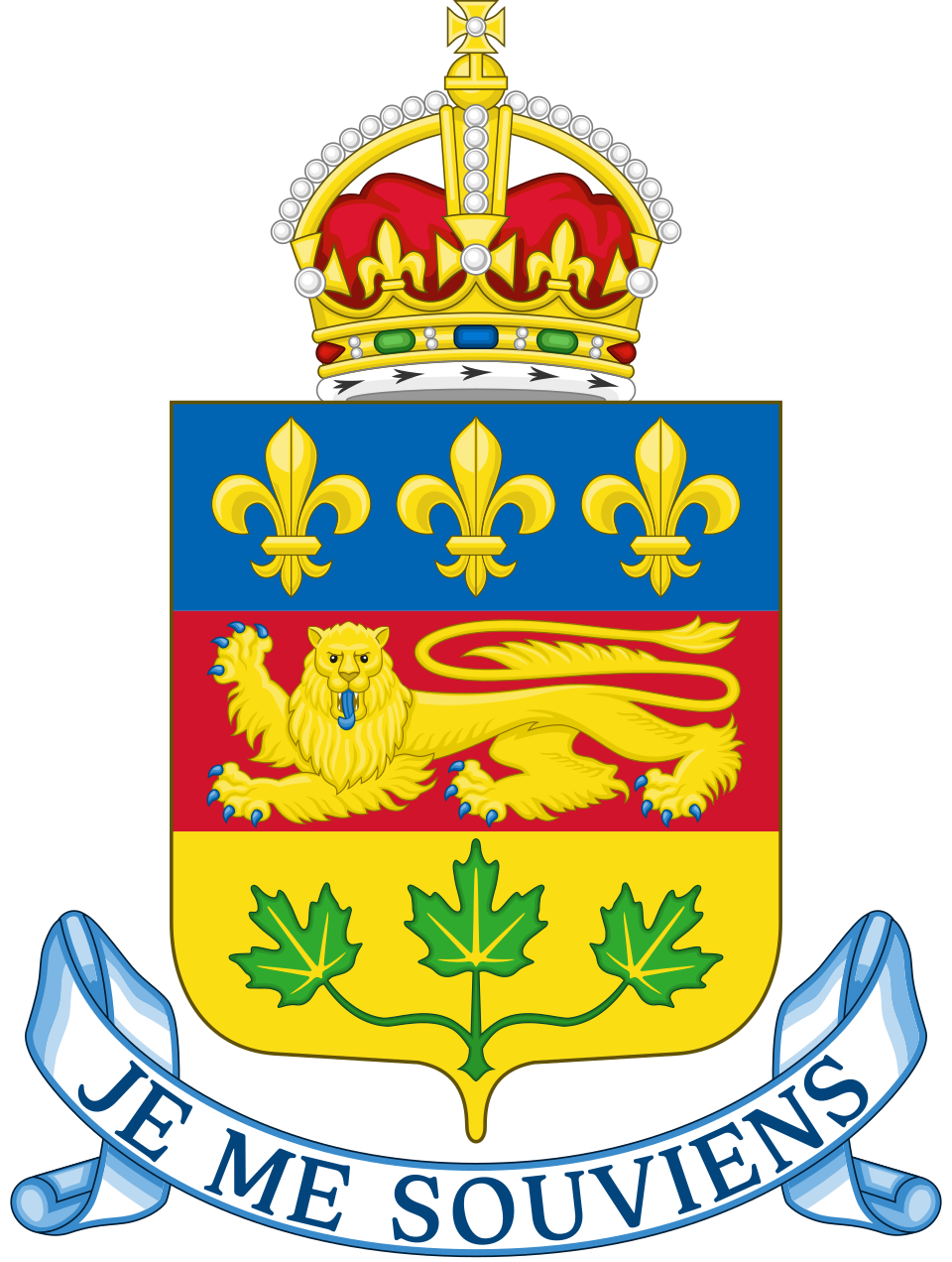
Canadian heraldry uniquely blends British, French, and Indigenous traditions. Provincial arms reflect this diversity: Québec bears fleurs-de-lys and a maple sprig, Nova Scotia carries the arms of Scotland reversed, Ontario features the Cross of St George and maple leaves, and Nunavut incorporates an inuksuk and a qulliq (Inuit oil lamp) — making it one of the few heraldic achievements in the world to draw on Indigenous symbolism.
The shield is quartered: 1st, three lions passant guardant Or (England); 2nd, a lion rampant within a double tressure flory-counter-flory Gules (Scotland); 3rd, a harp Or stringed Argent (Ireland); 4th, three fleurs-de-lys Or (France). In base, Argent three maple leaves conjoined on one stem proper. The shield is supported by an English lion and a Scottish unicorn, with the motto A Mari Usque Ad Mare (From Sea to Sea).
The Royal Arms were formally granted by King George V on 21 November 1921. They were modelled on the British Royal Arms but with distinctive Canadian elements — most notably the maple leaves in base and the French fleurs-de-lys representing New France. The maple leaves were redrawn from green to red in 1957.
The flag was designed by George Stanley, a historian at the Royal Military College of Canada. It was adopted after the Great Flag Debate of 1964 — 37 days of passionate parliamentary debate — and officially raised for the first time on Parliament Hill on 15 February 1965.
A Mari Usque Ad Mare is Latin for “From Sea to Sea”, reflecting Canada’s continental span from the Atlantic to the Pacific. It is taken from Psalm 72:8 and has been the national motto since 1921, inscribed on the scroll beneath the coat of arms.
Canada has 10 provinces and 3 territories, for a total of 13 subdivisions. Each has its own coat of arms granted by royal authority, reflecting a unique blend of British, French, and Indigenous heraldic traditions. The Canadian Heraldic Authority, established in 1988, oversees the granting of new arms.
Explore the coat of arms of each Canadian province and territory.
Last reviewed by the Emblema Mundi editorial team on 2026-06-23.