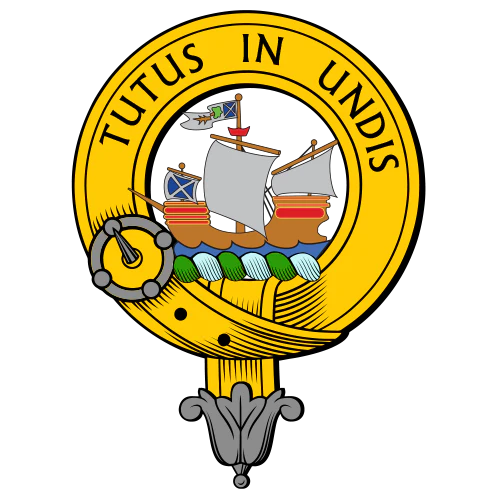
Click on a country to learn more
Heritage Atlas
Scotland boasts one of the world's most distinctive heraldic traditions, where each clan carries a singular blazon, a Latin or Gaelic motto, and a crest worn proudly atop the cap badge. This atlas documents the crests and mottos of 214 Scottish clans, from the great Highland kindreds to the Lowland families of the Borders.
The Scottish clan system emerged in the Middle Ages from a fusion of Gaelic, Norse and Norman traditions. In the Highlands, the clann ("children") referred to the extended kin gathered around a common chief and a shared ancestral land. Lowland families adopted similar structures, though shaped more strongly by feudal tenure and the Crown. By the late medieval period, hundreds of clans and families had crystallised, each with its own territories, allegiances, tartans and heraldic devices.
The catastrophic defeat at Culloden in 1746 marked the end of the clan system as a military and political force. The wearing of Highland dress and clan tartans was banned for nearly four decades, and many chiefs lost their lands and authority. Yet the clans never disappeared. Romantic revivals in the 19th century — driven in part by Walter Scott and the visit of King George IV to Edinburgh in 1822 — restored clan tartans, gatherings and heraldic identities to public life, where they remain a vibrant part of Scottish heritage today.
Scotland is unique in the world for treating heraldry as a strictly regulated branch of law. The Court of the Lord Lyon King of Arms, dating from at least the 14th century, is the oldest heraldic authority still in operation. Unlike in England, arms in Scotland are personal property: every coat of arms is granted to a specific individual, and using arms without authorisation is a criminal offence.
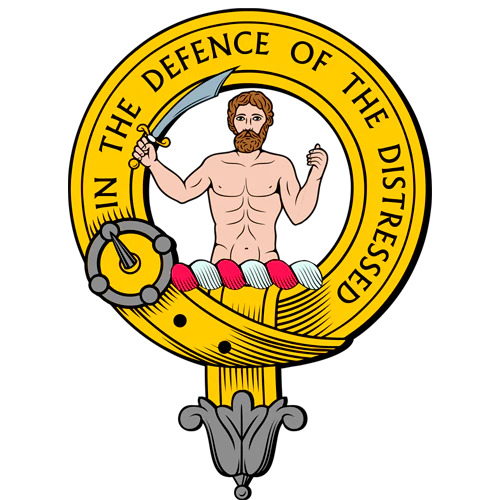
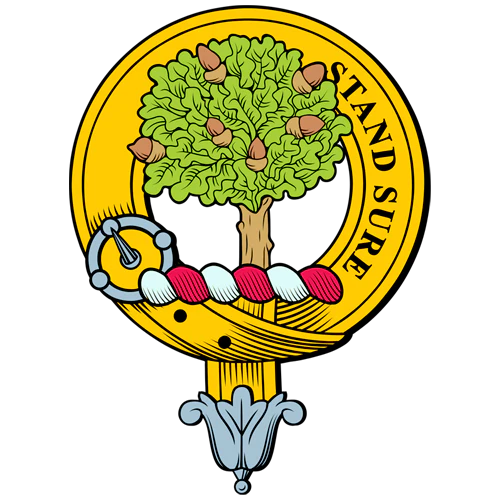
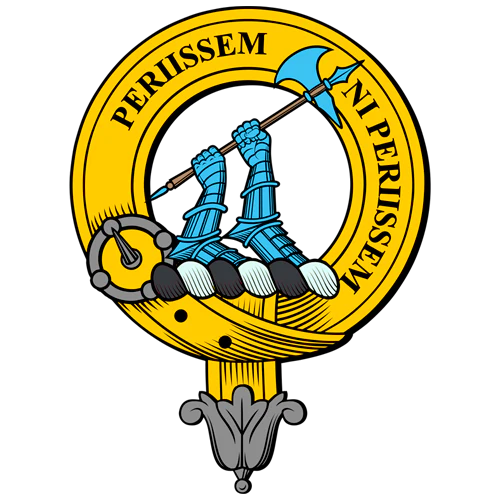
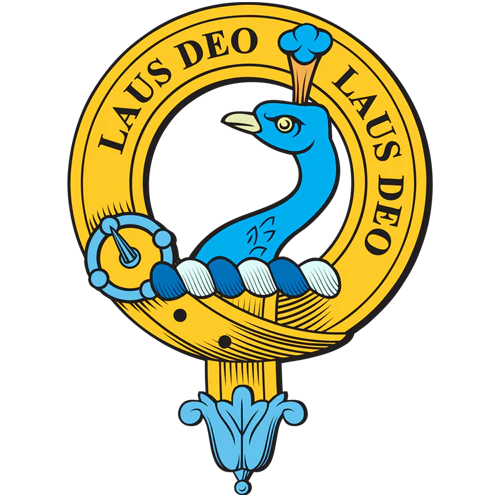
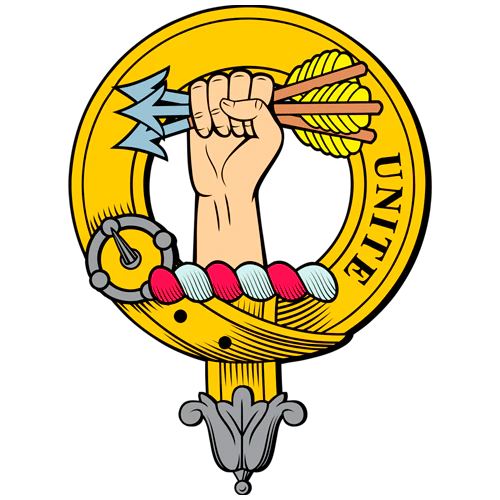
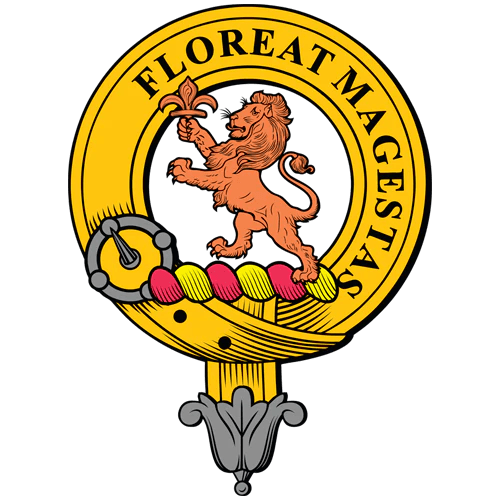
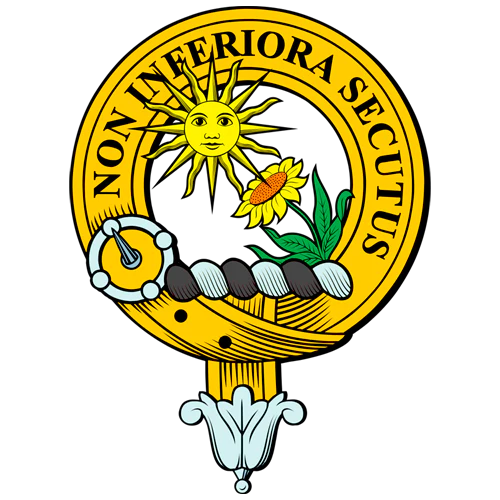
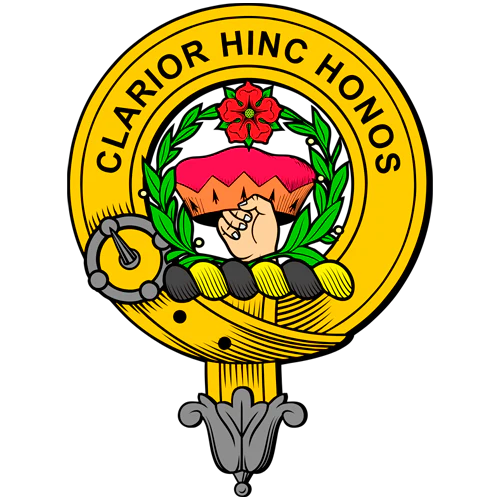
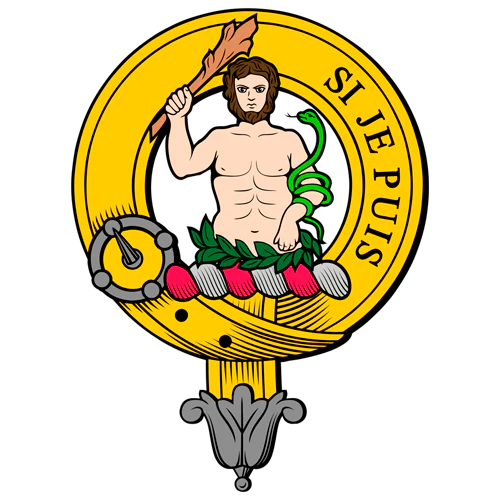
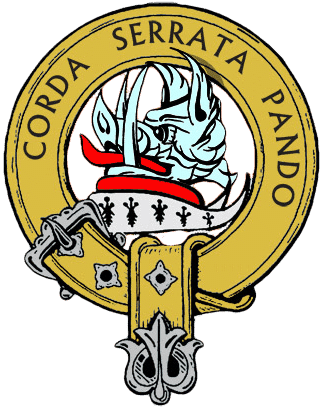
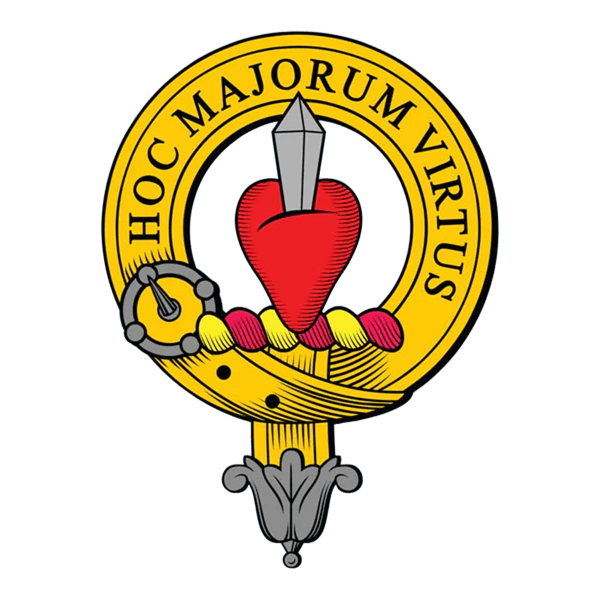
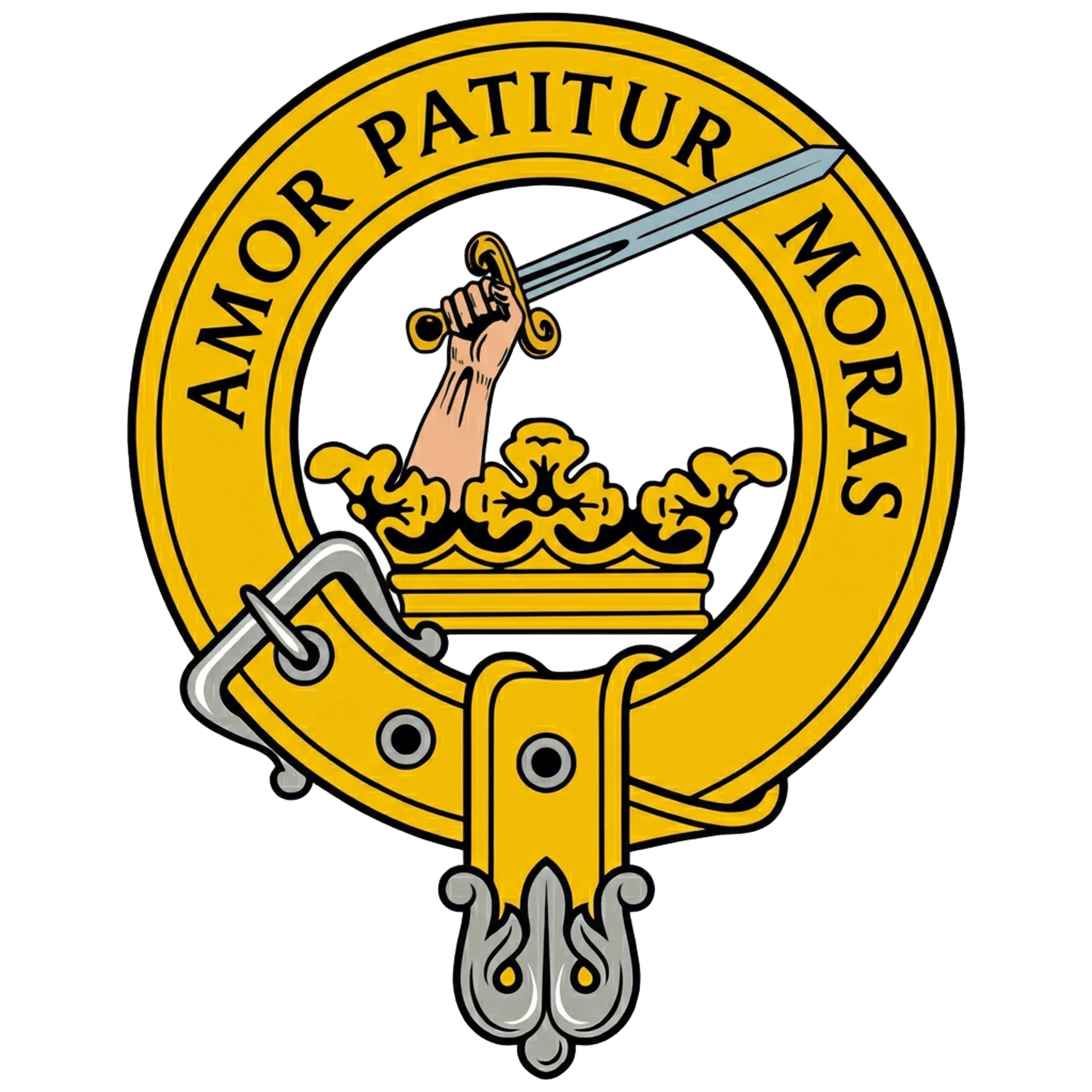
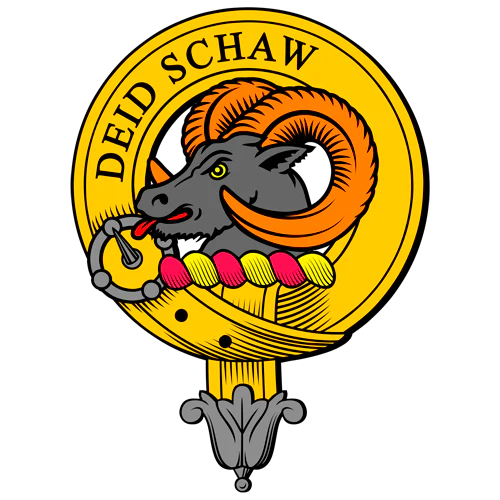
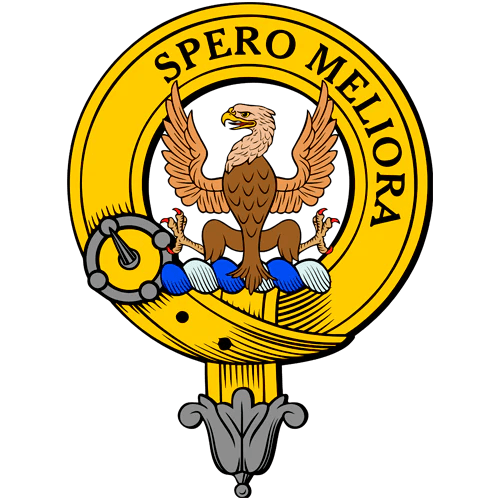
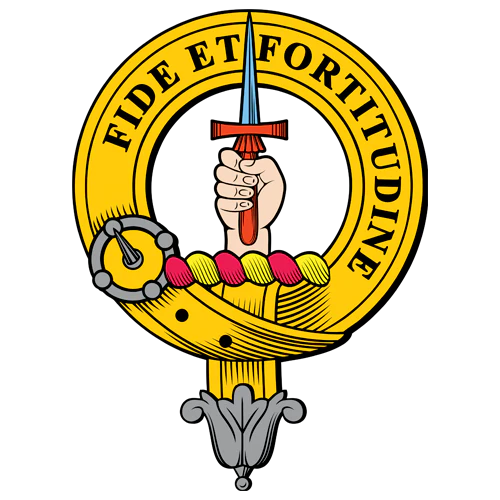
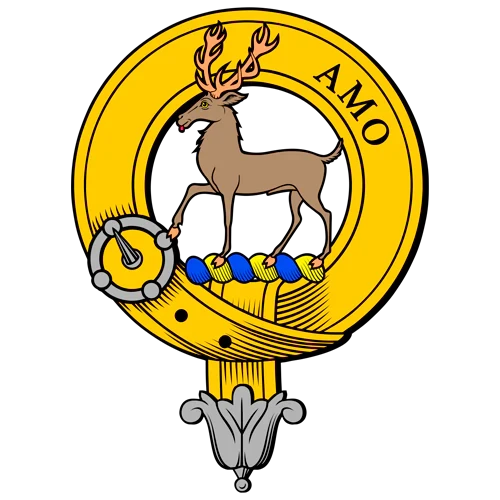
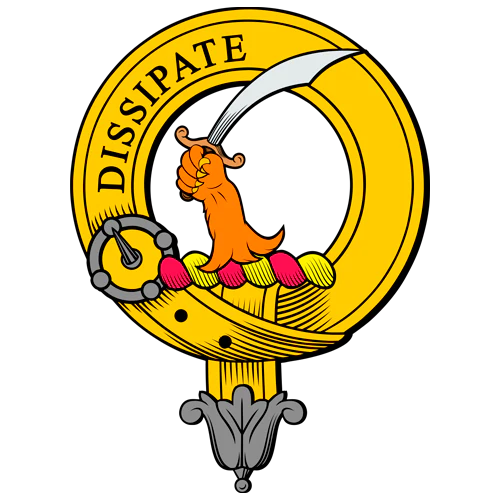
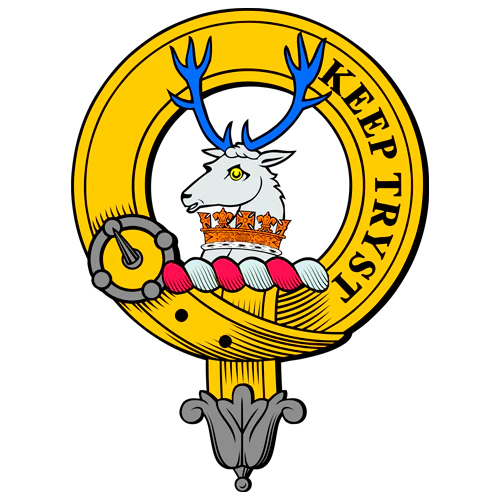
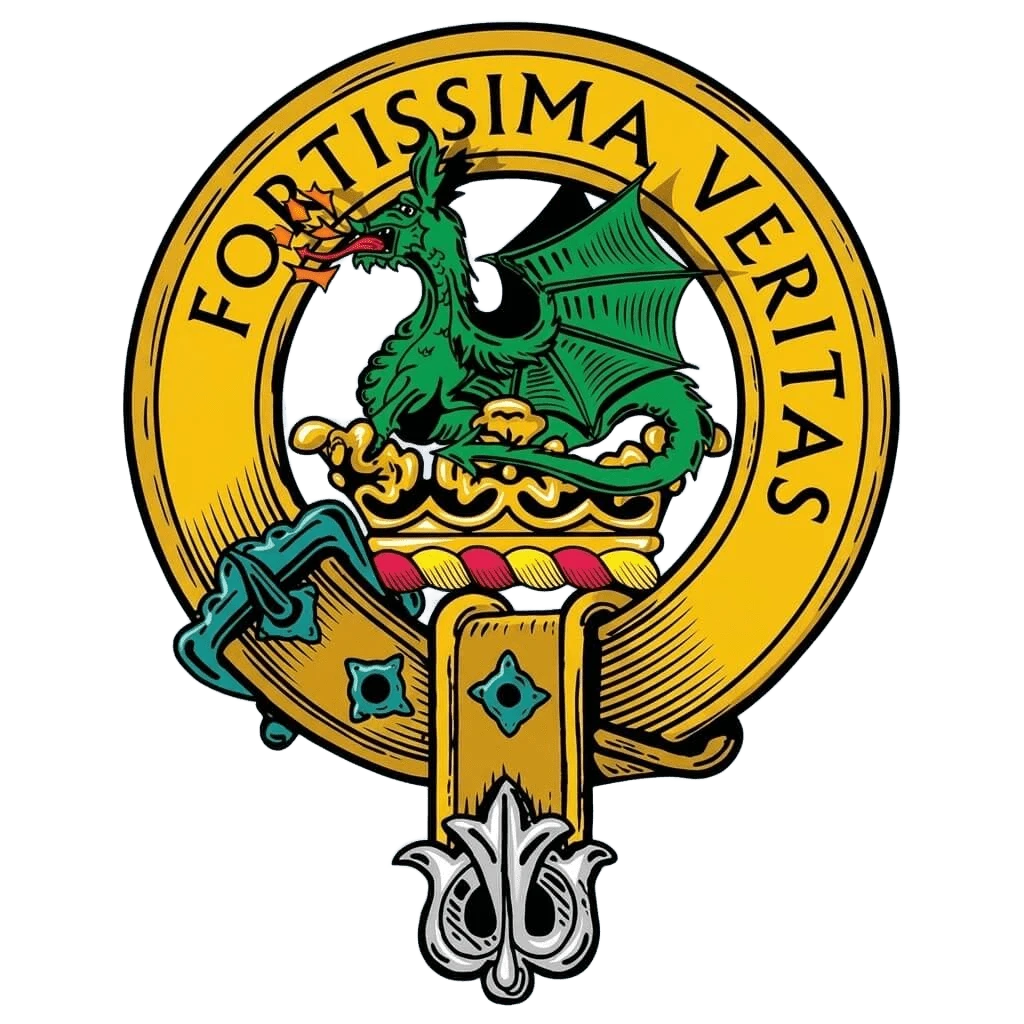
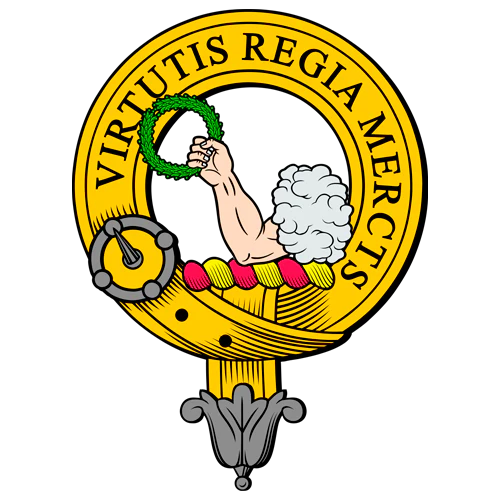
A Scottish clan chief alone bears the undifferenced arms of the clan; members of the clan, the so-called armigers, may bear differenced versions, while ordinary clansfolk display the chief's crest within a belt-and-buckle device — the familiar circular "clan crest badge" worn on the bonnet. This system, known as cadency, ensures that each individual's heraldic identity is unique and traceable.
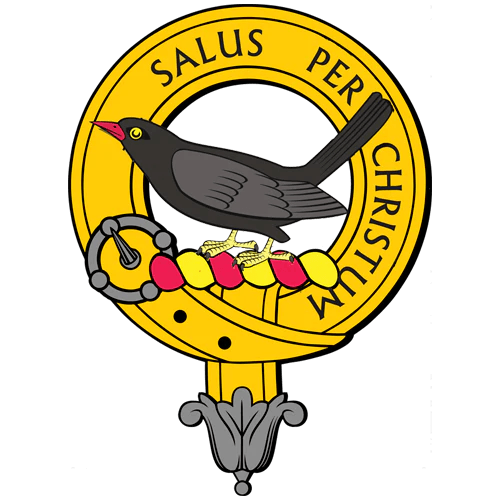
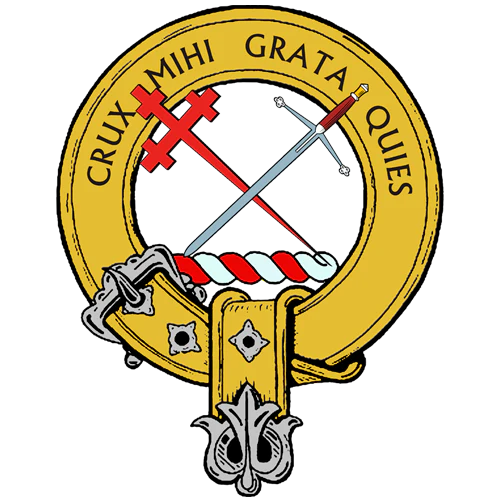
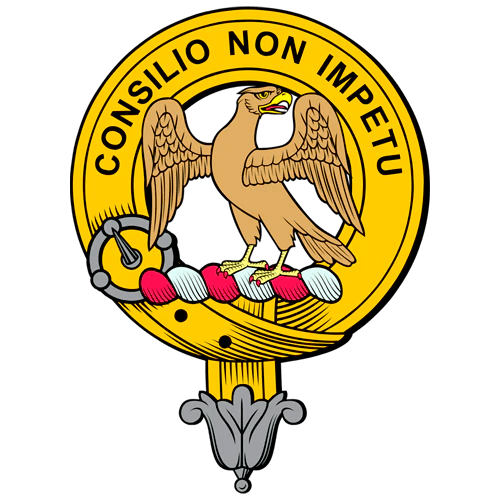
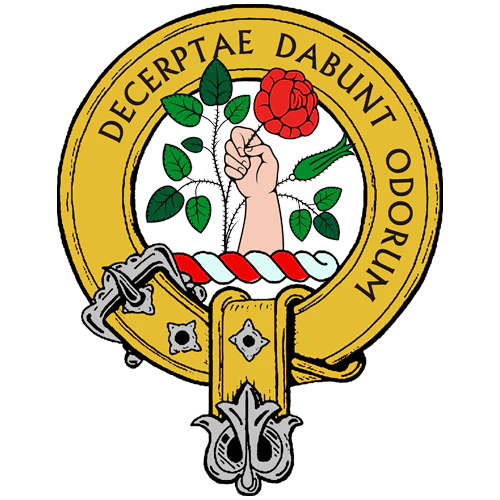
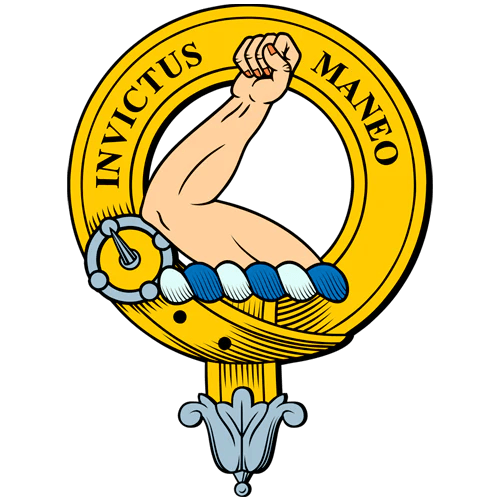
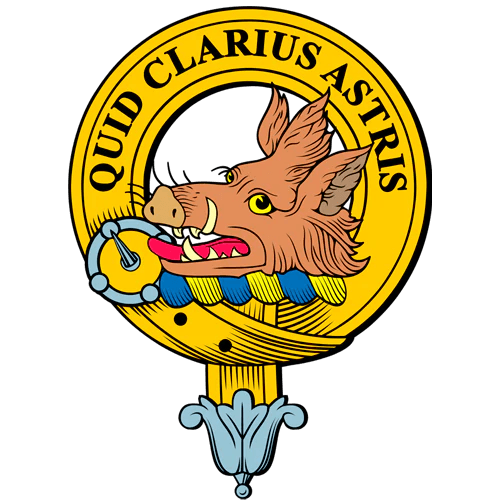
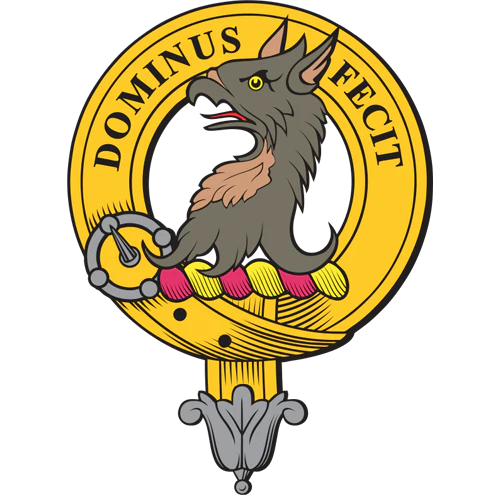
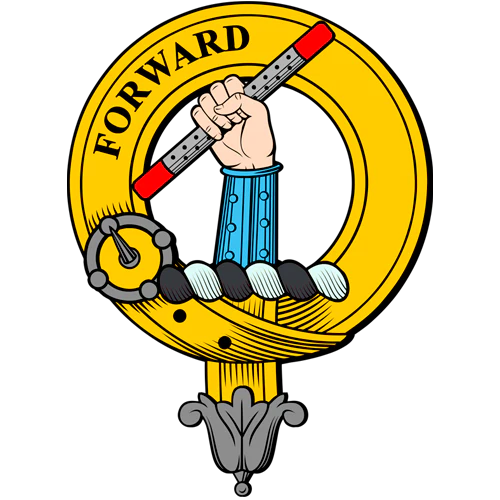
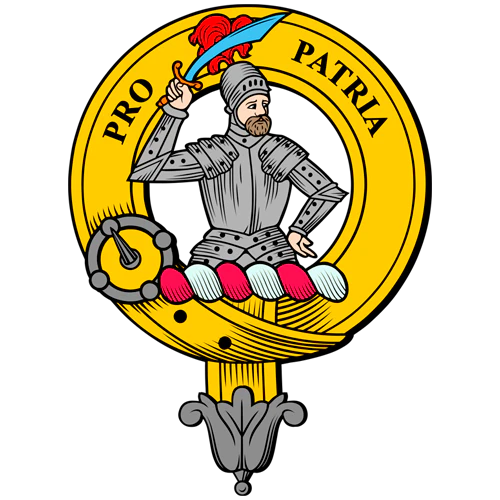
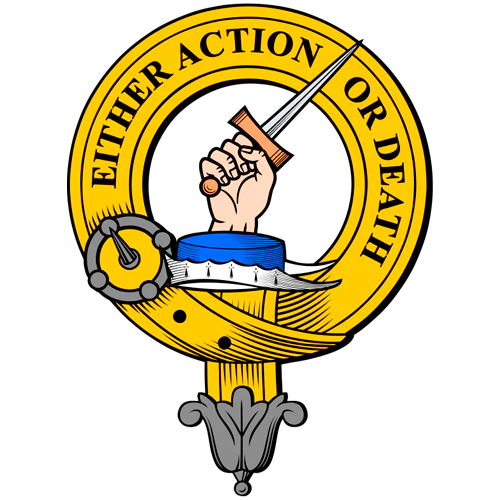
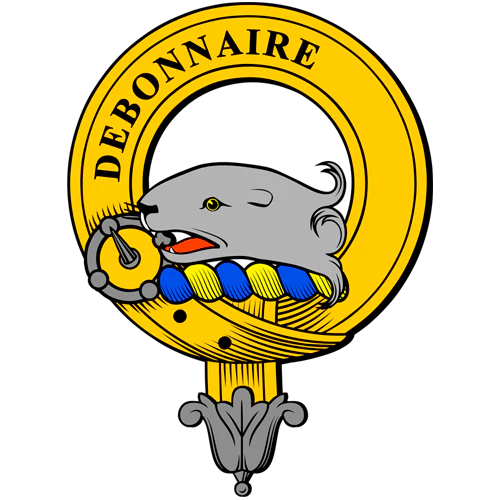
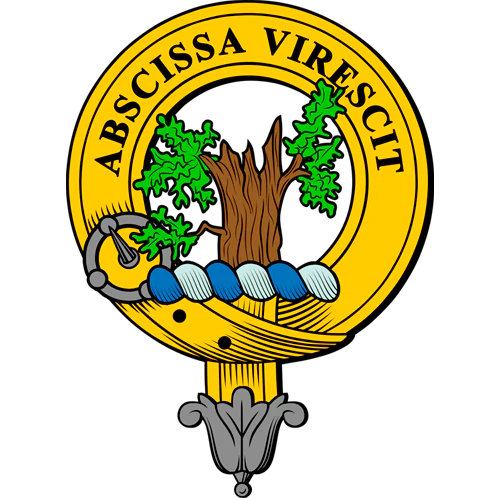
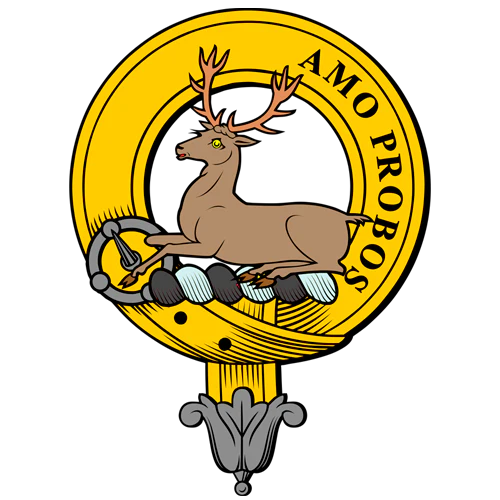
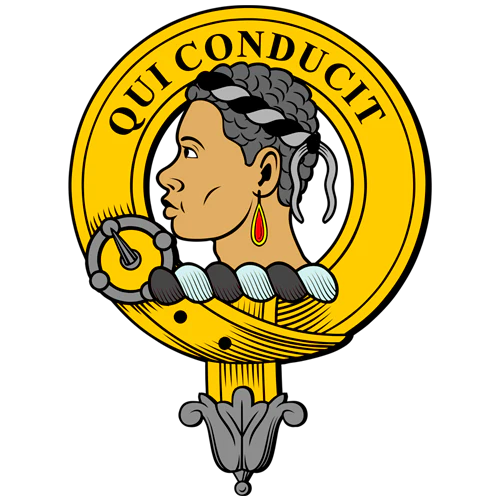
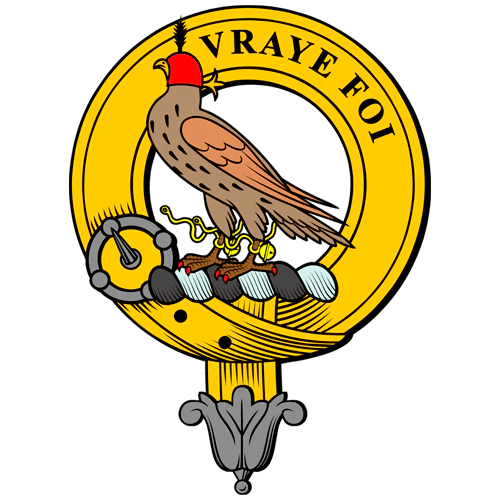
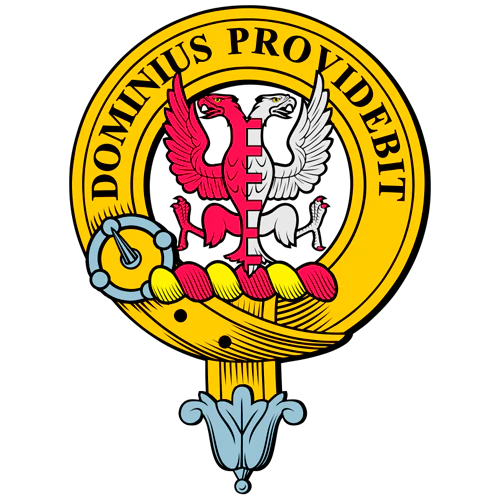
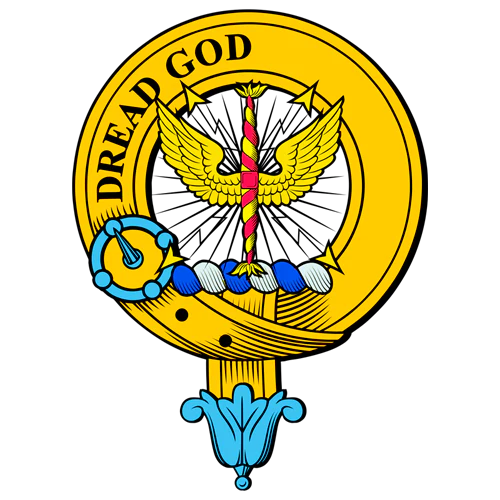
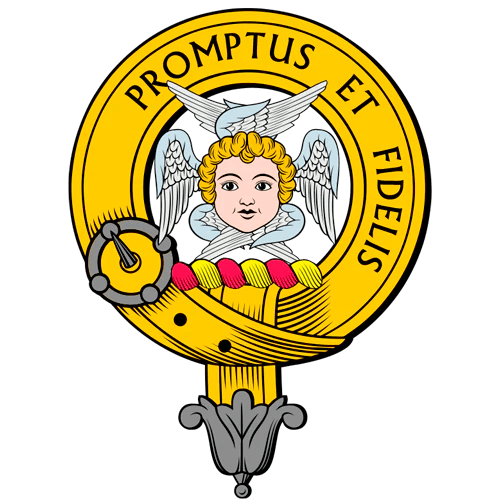
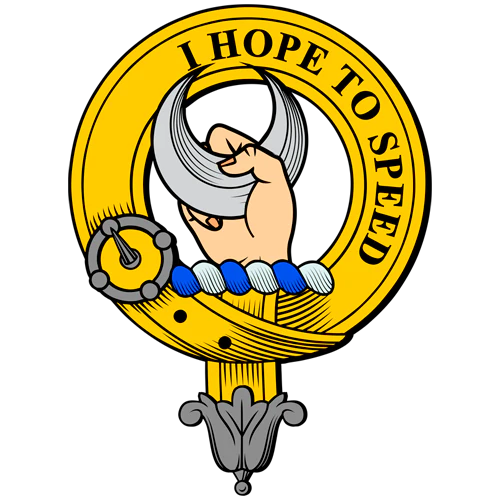
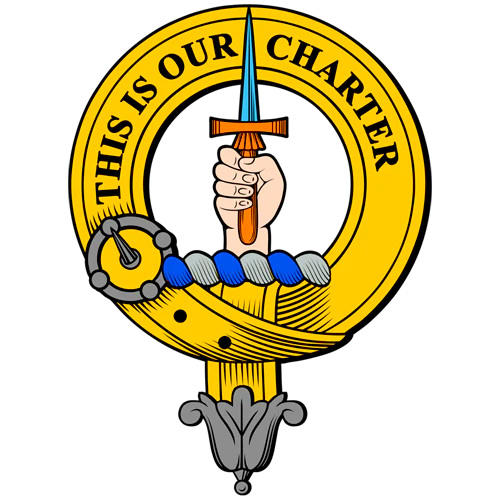
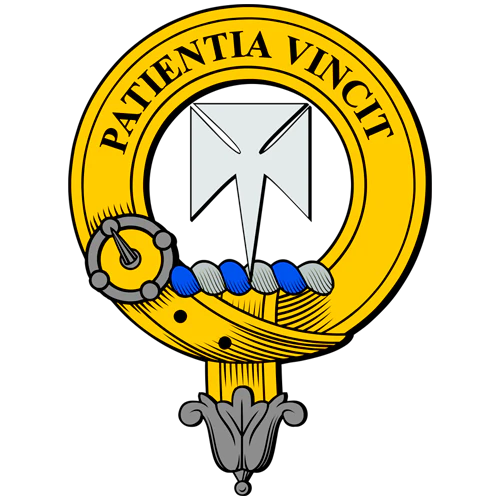
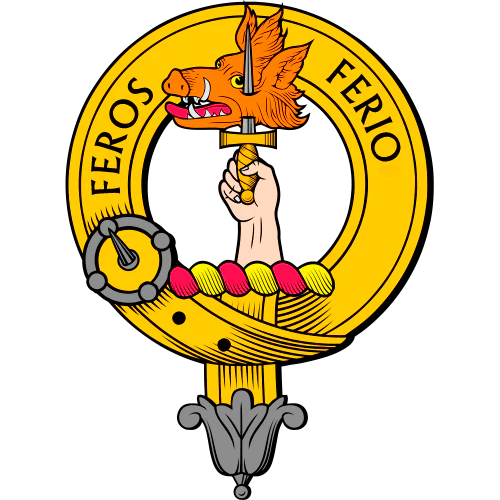
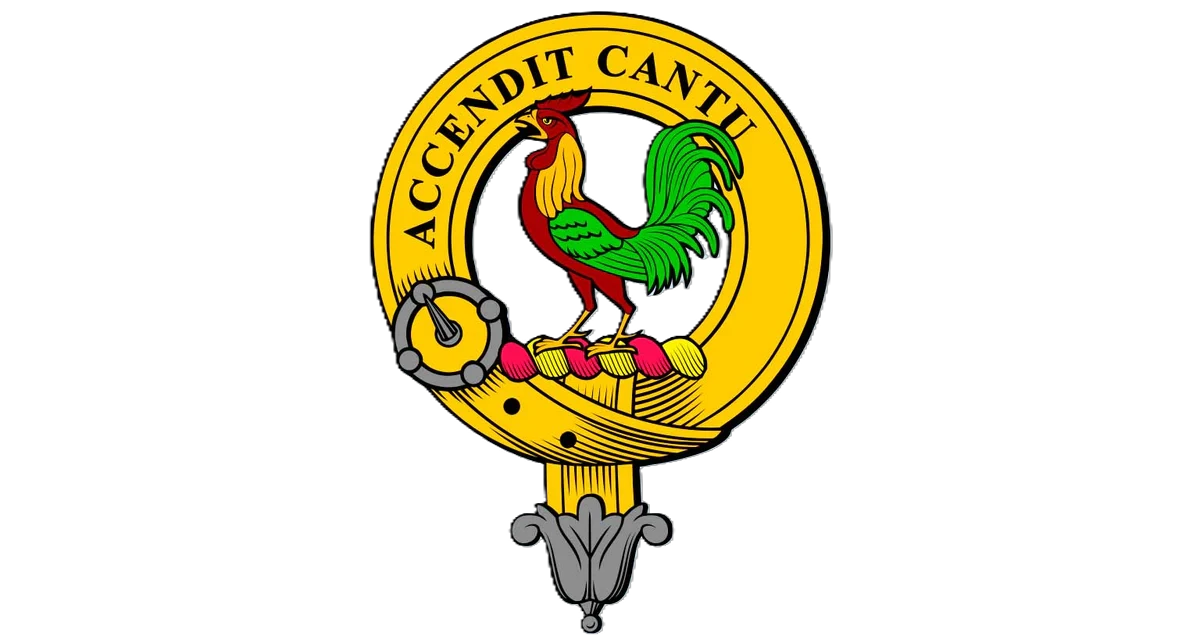
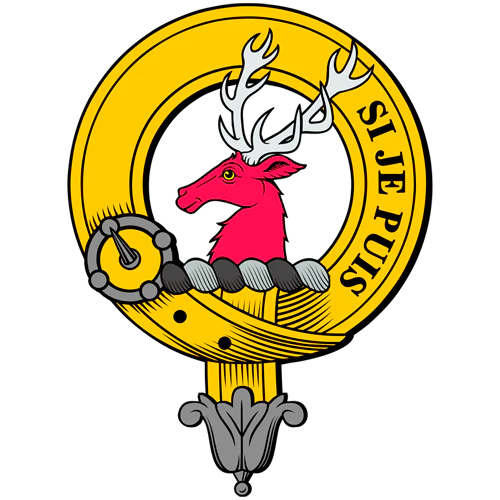
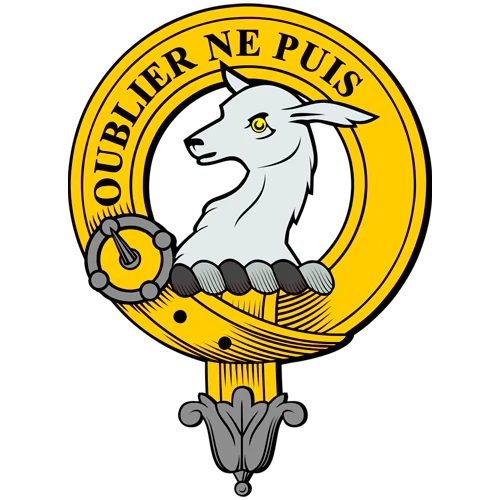
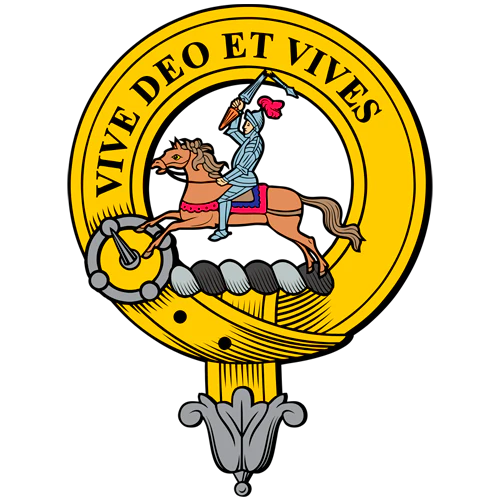
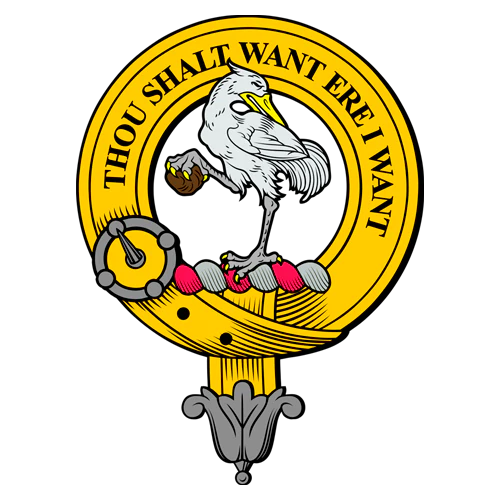
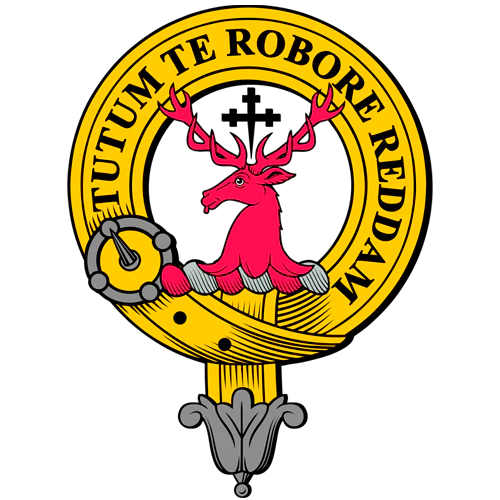
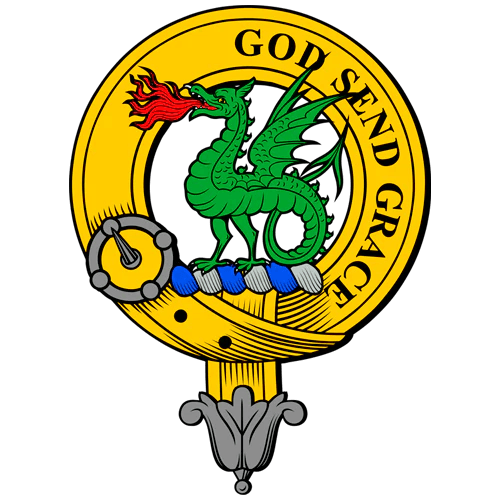
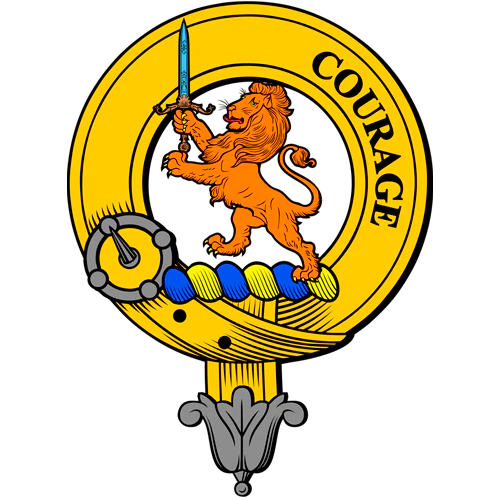
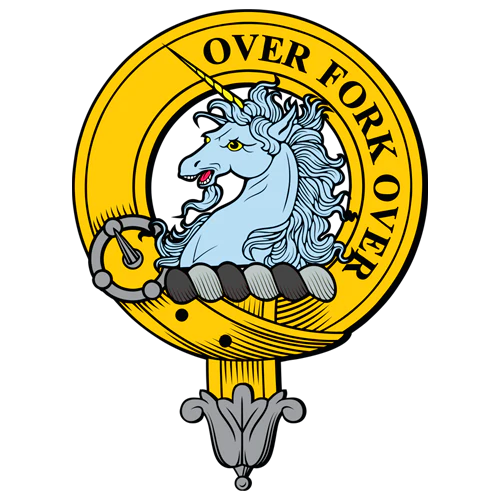
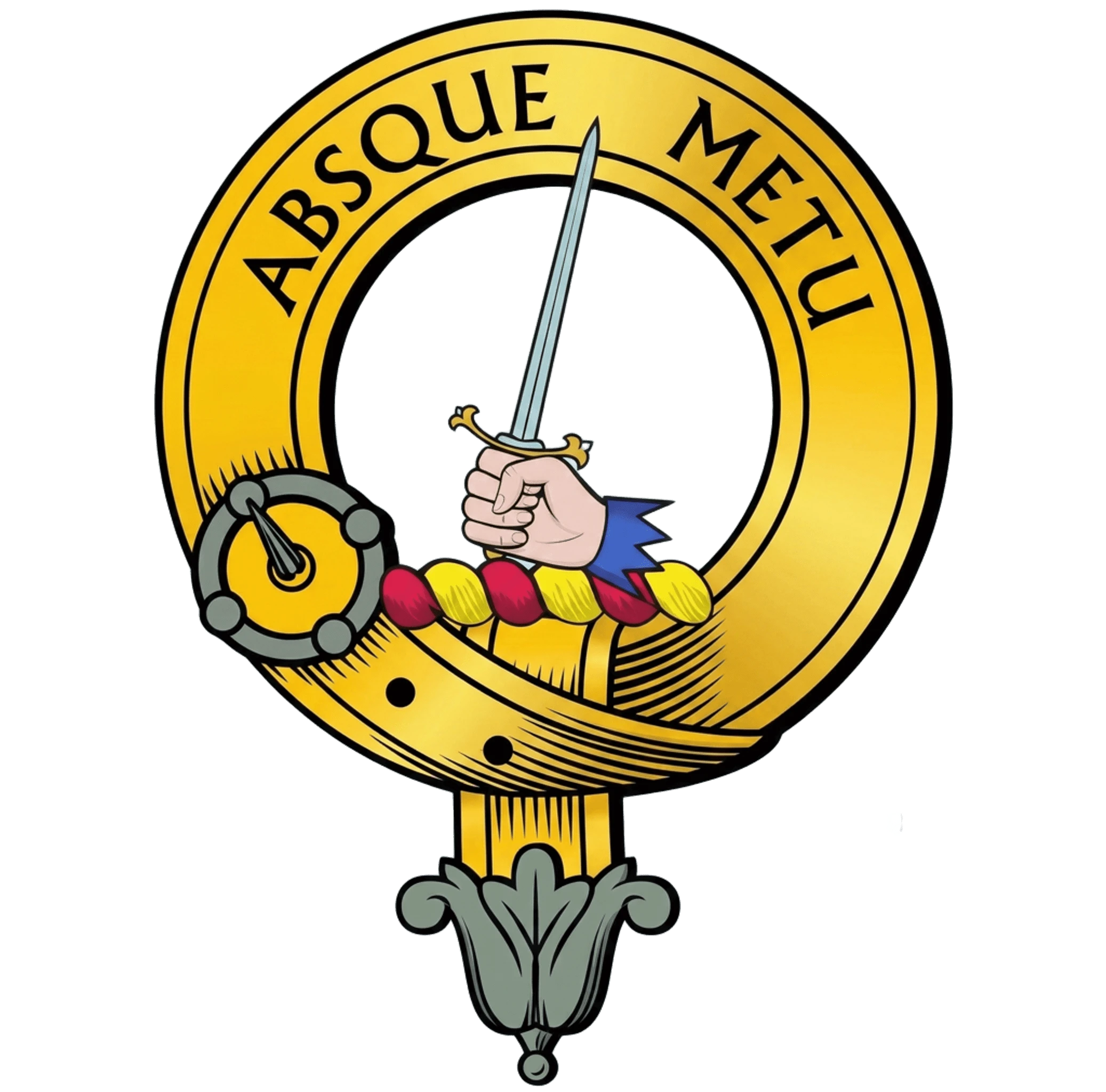
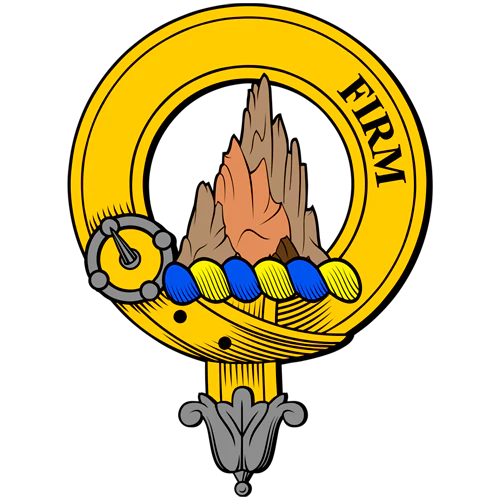
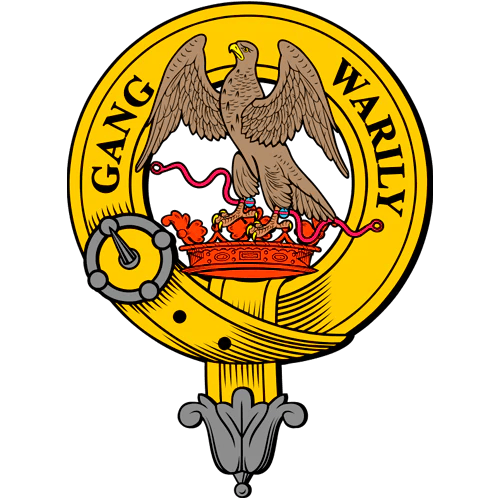
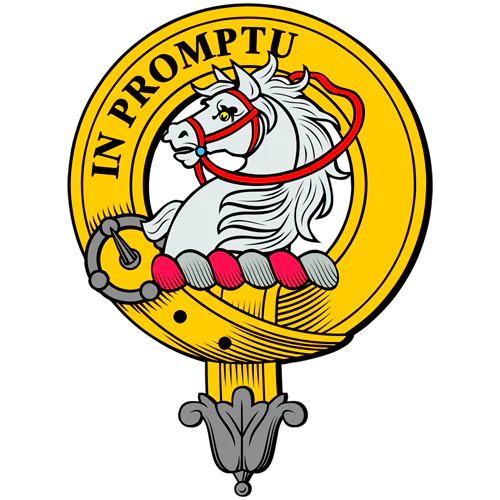
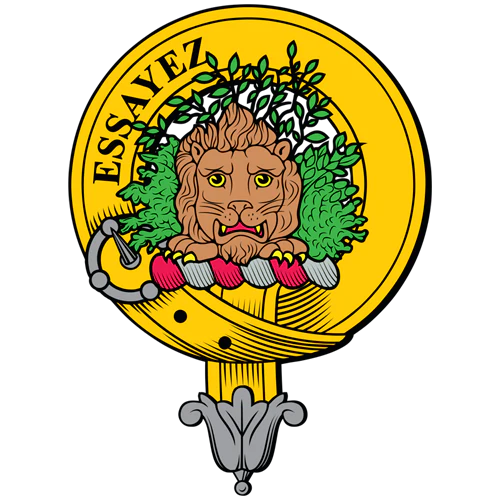
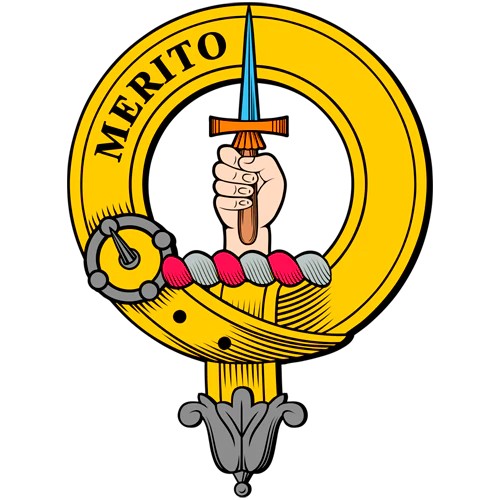
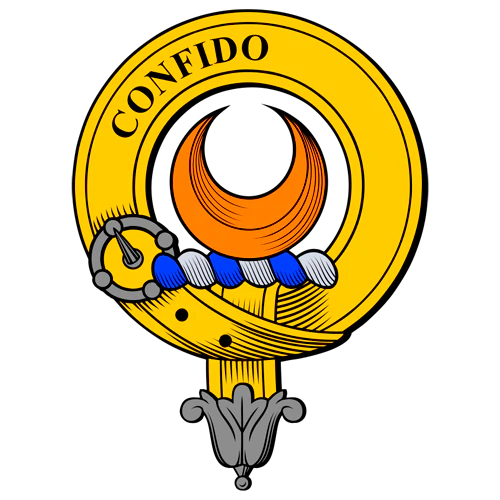
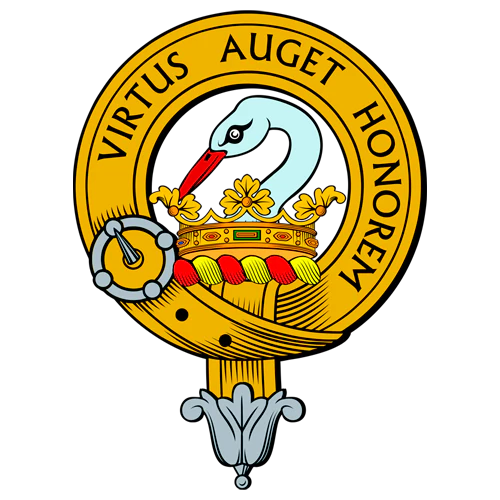
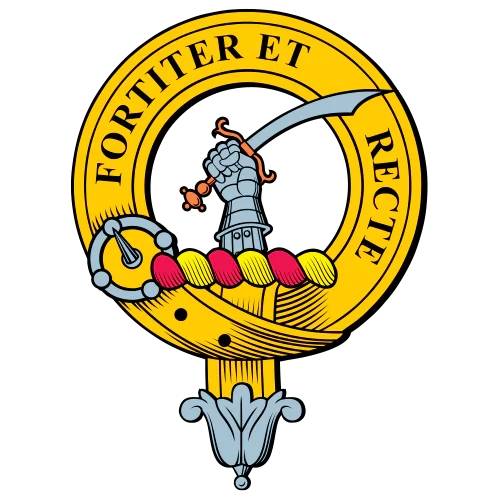
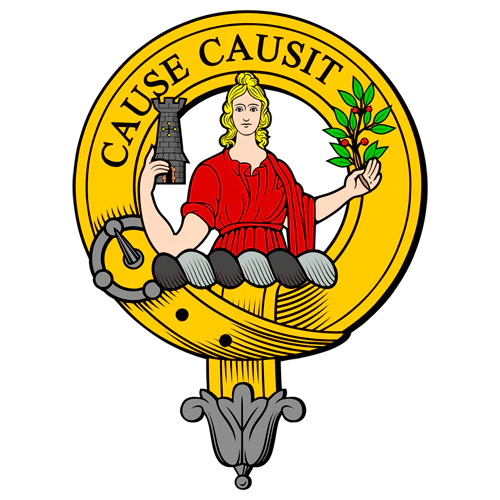
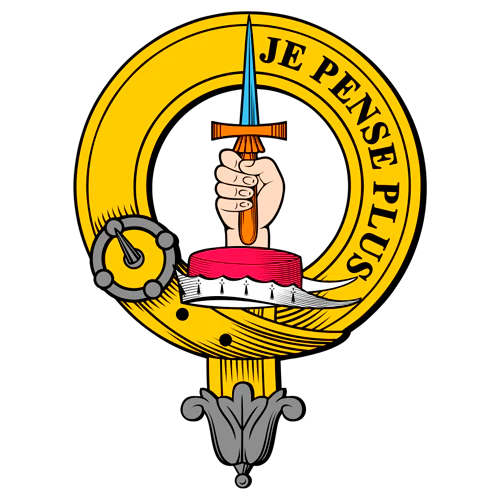
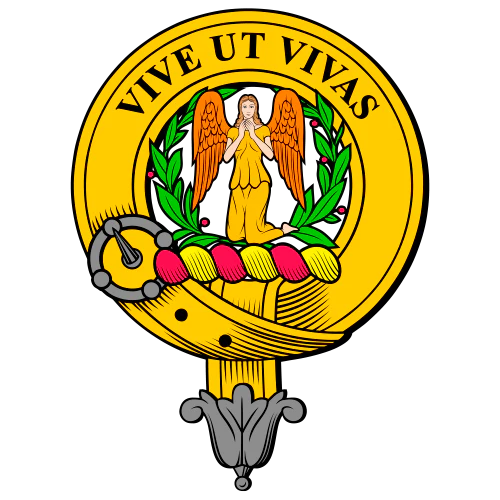
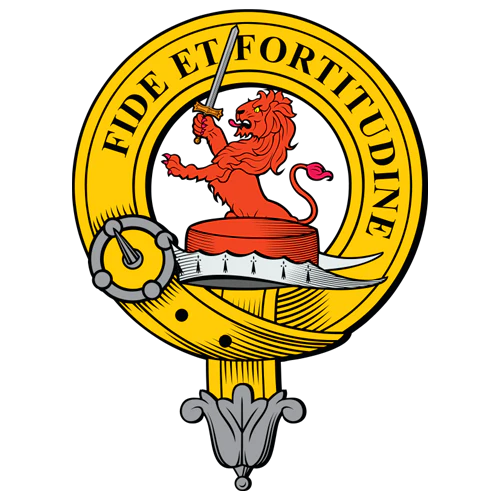
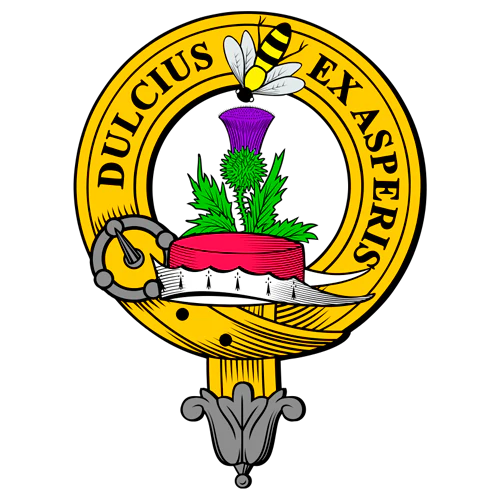
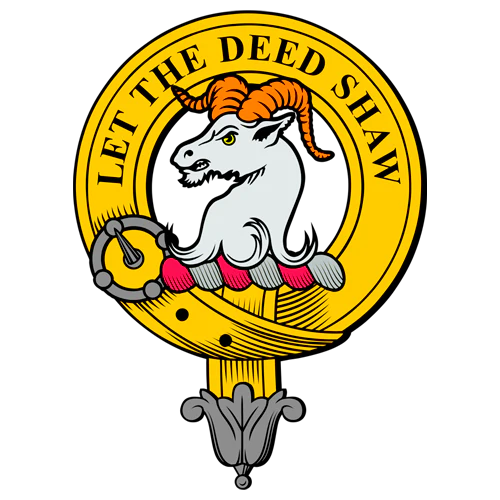
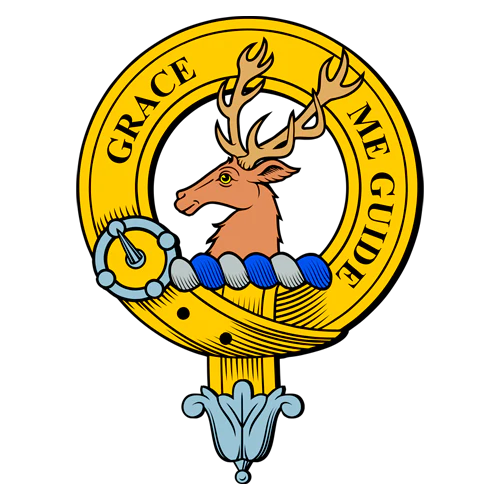
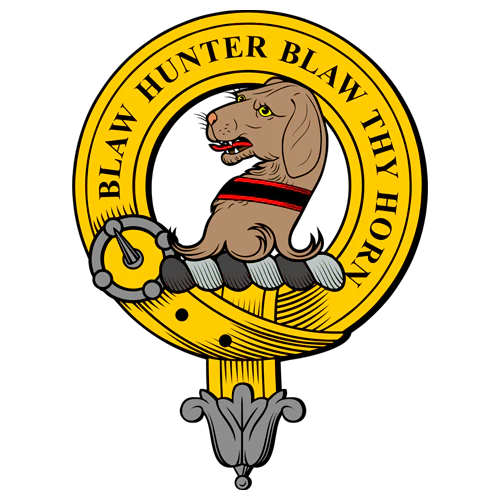
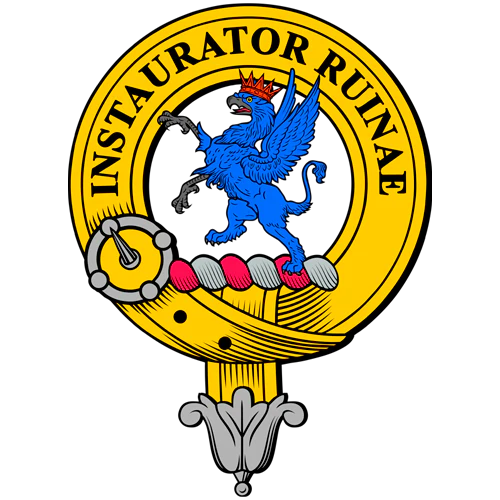
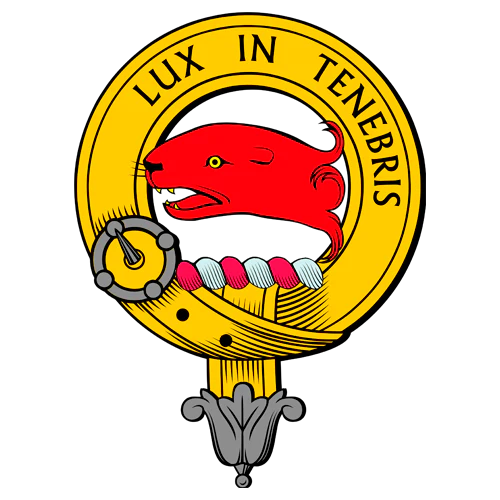
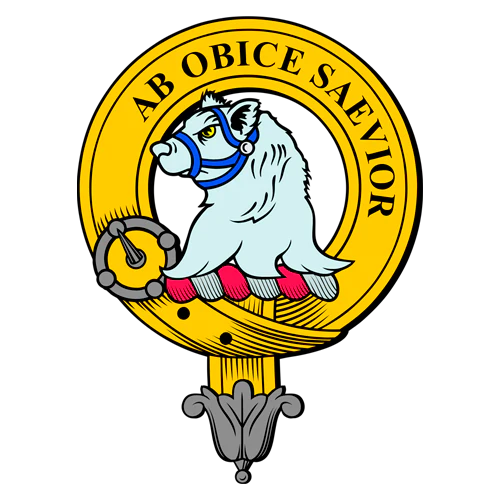
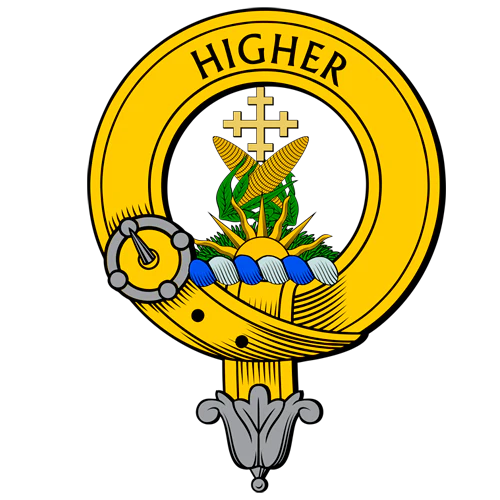
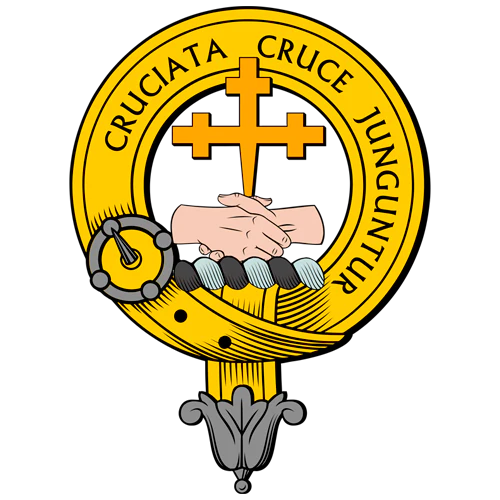
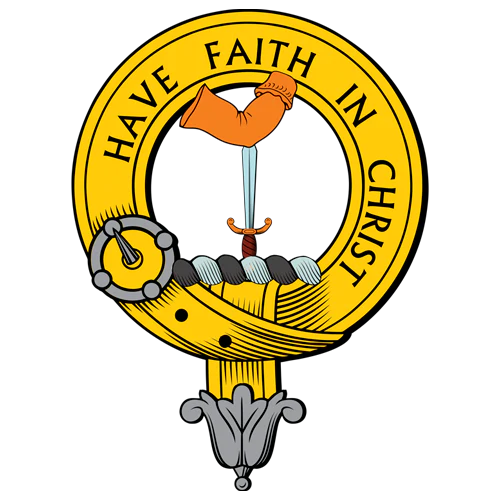
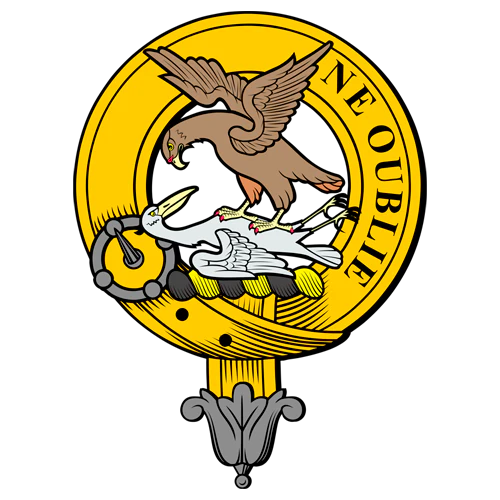
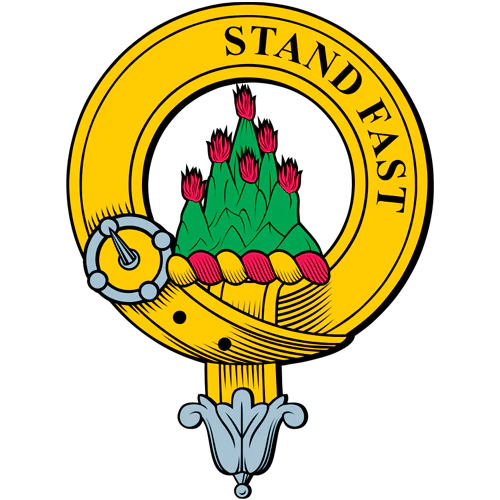
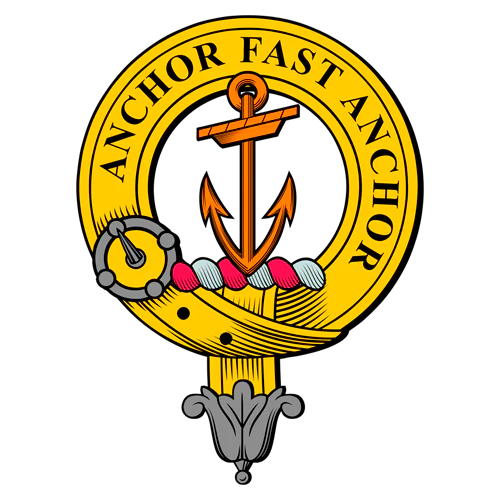
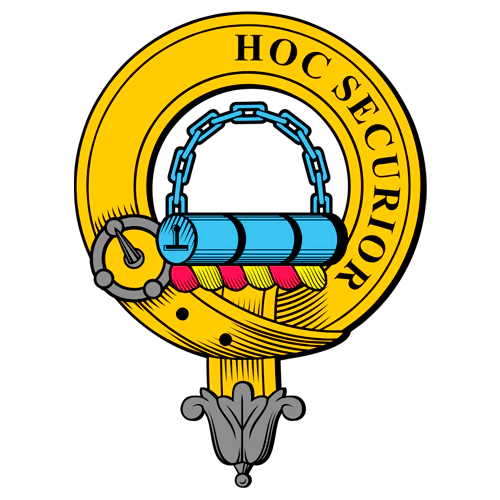
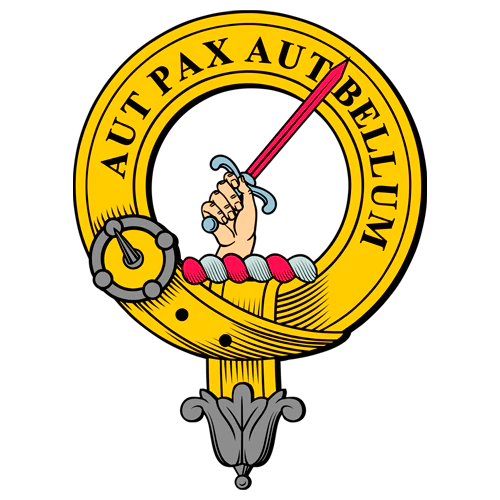
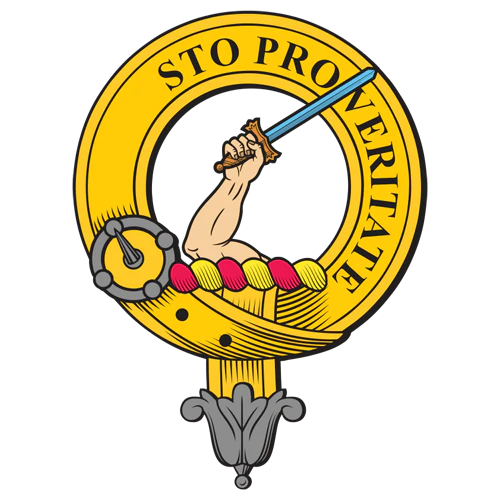
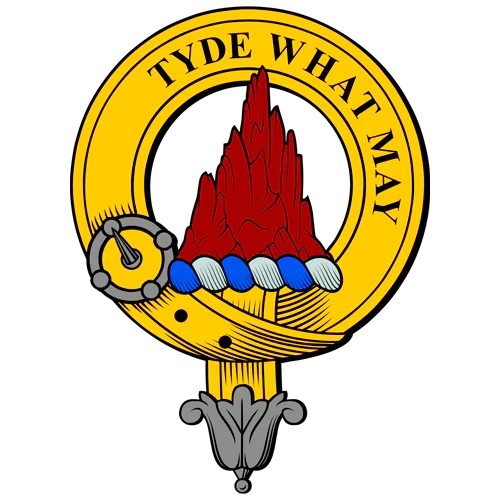
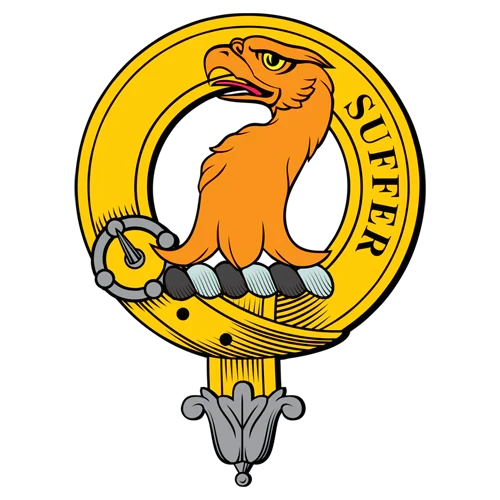
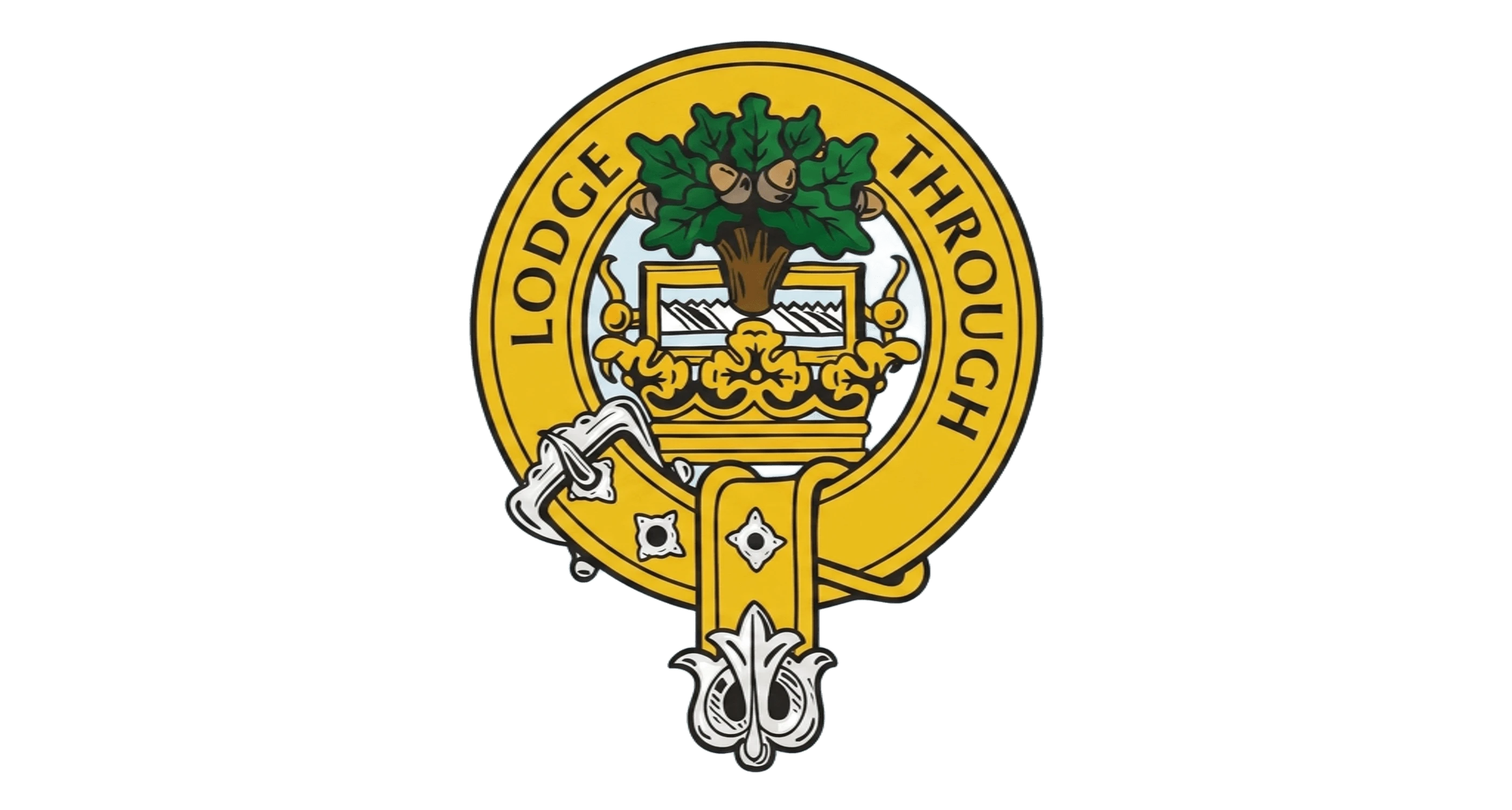
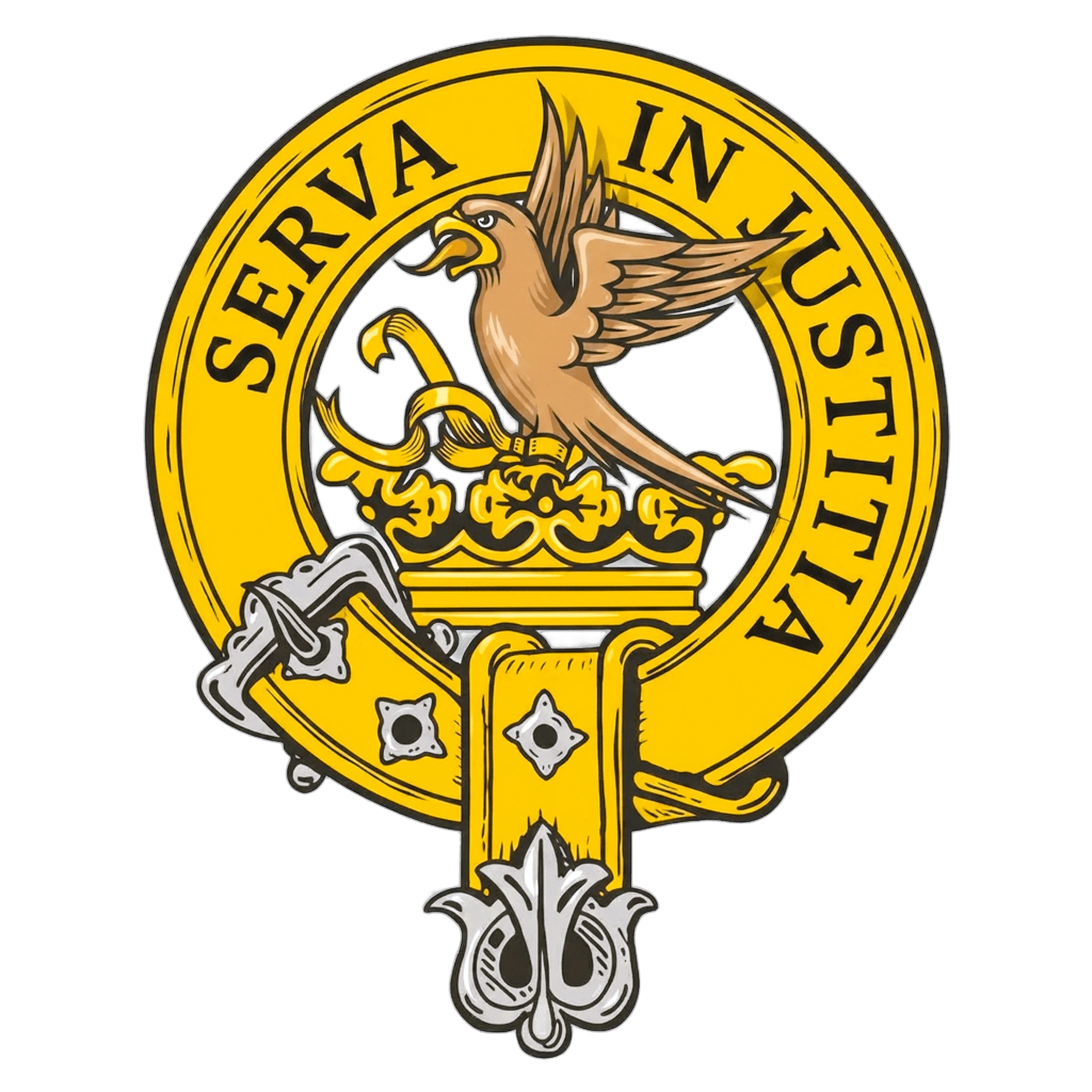
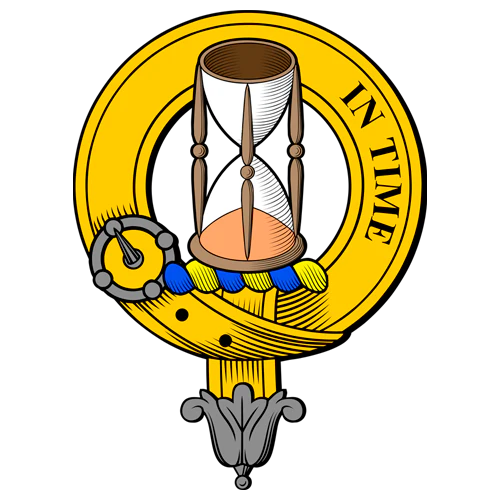
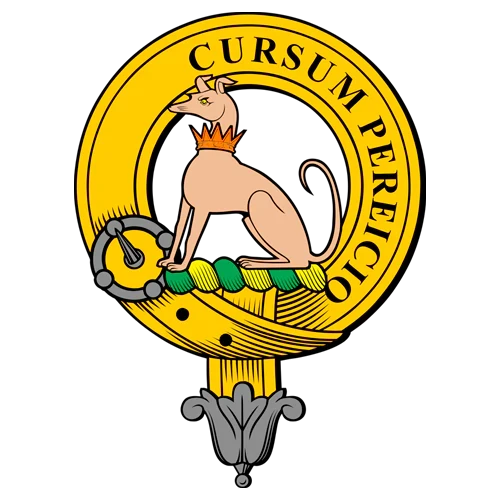
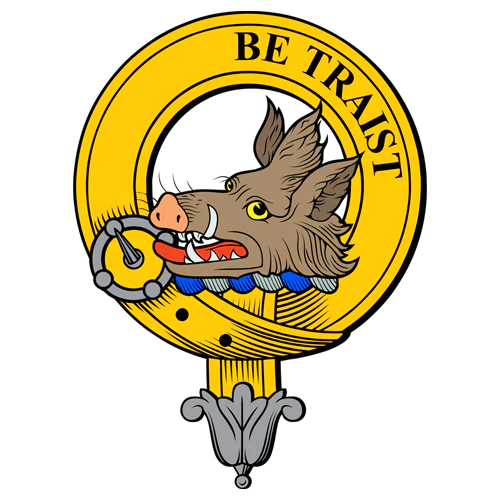
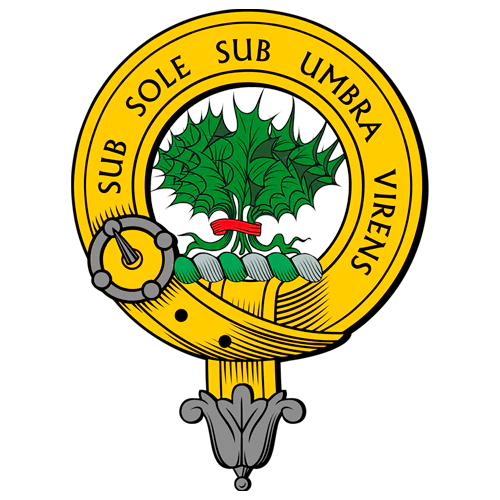
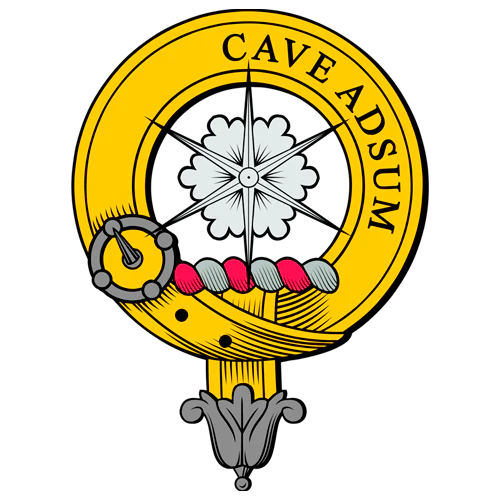
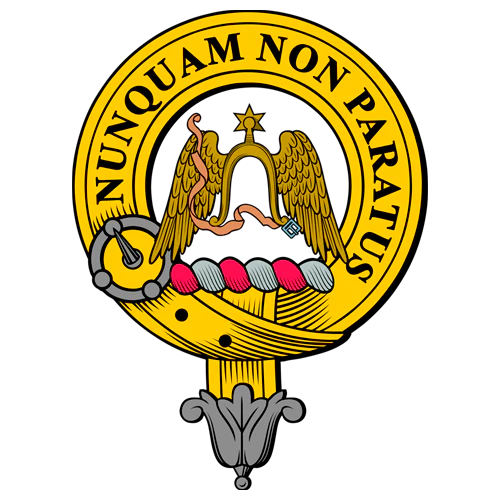
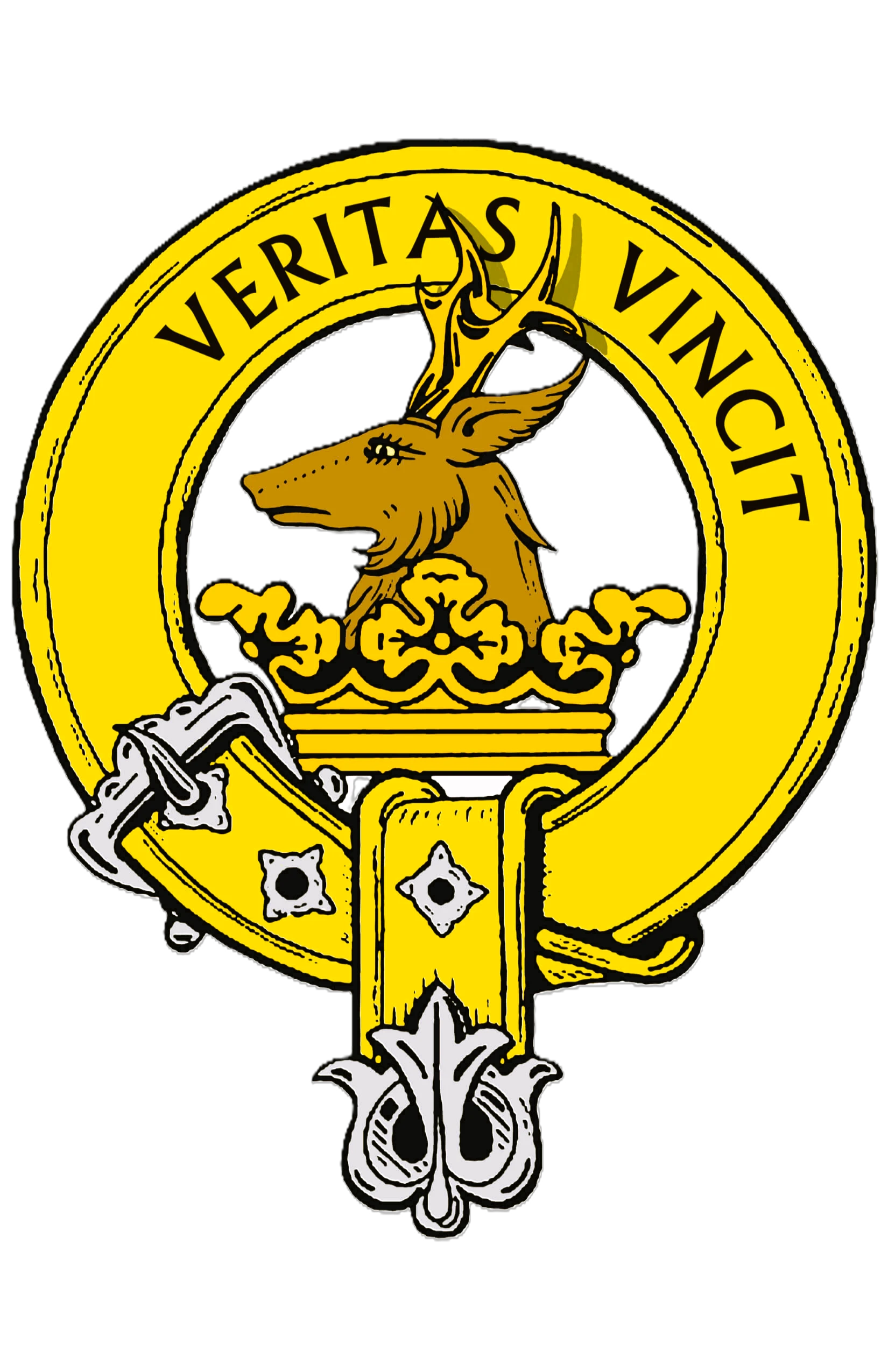
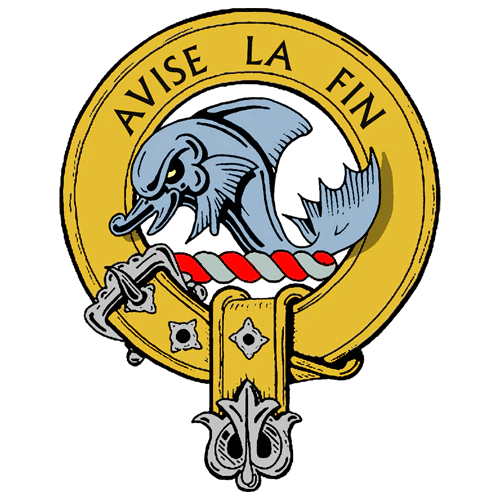
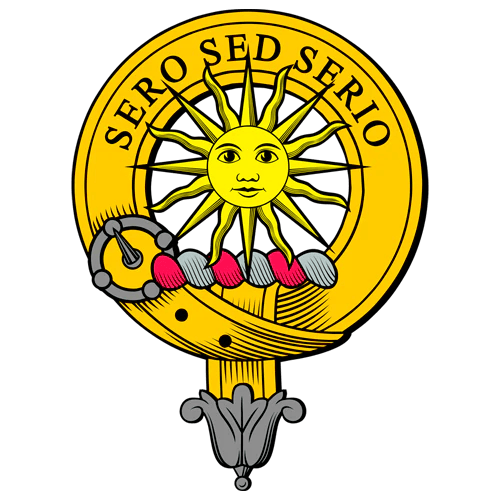
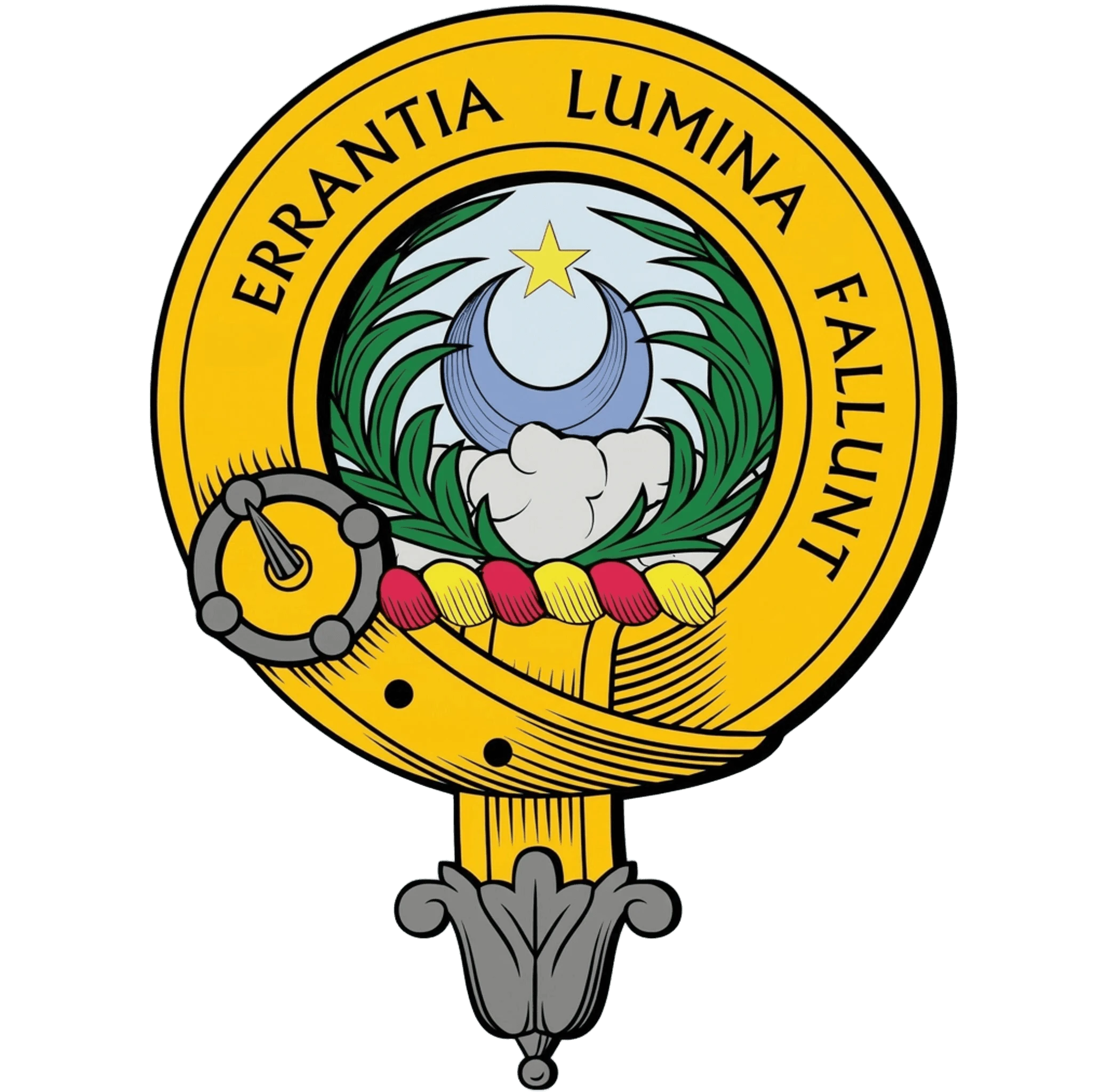
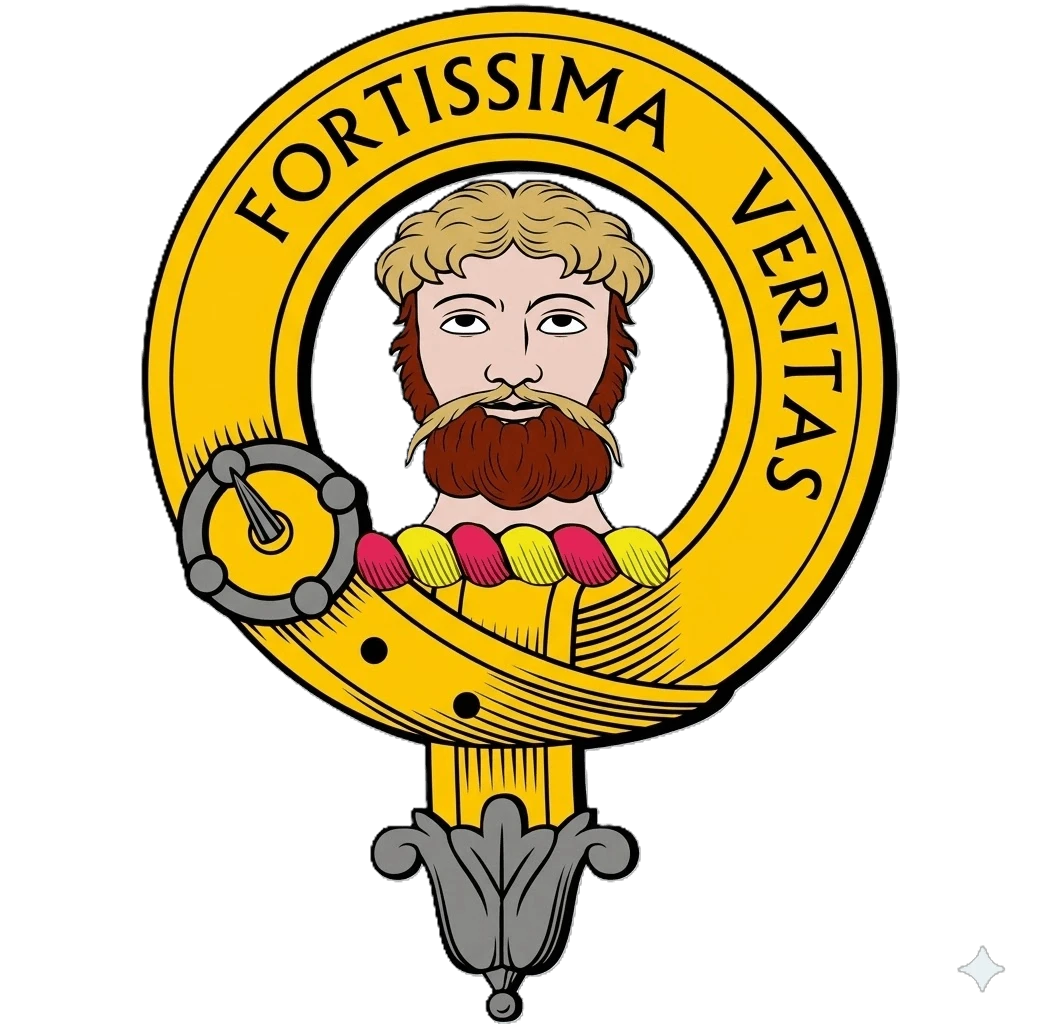
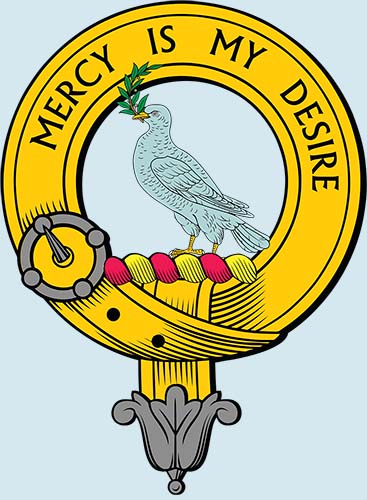
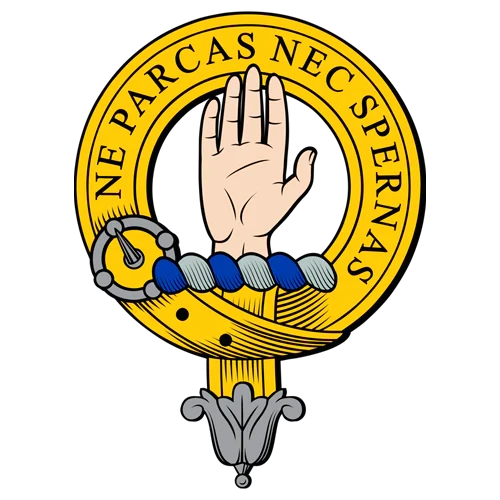
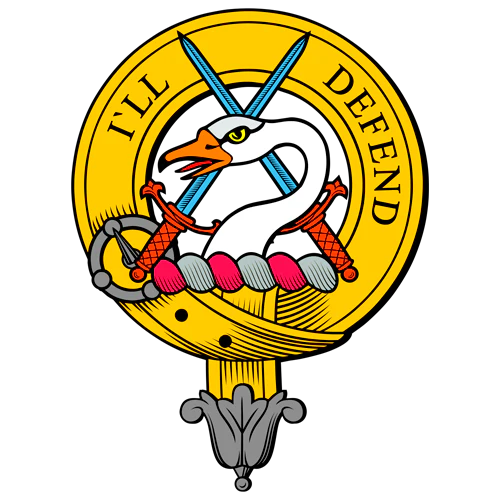
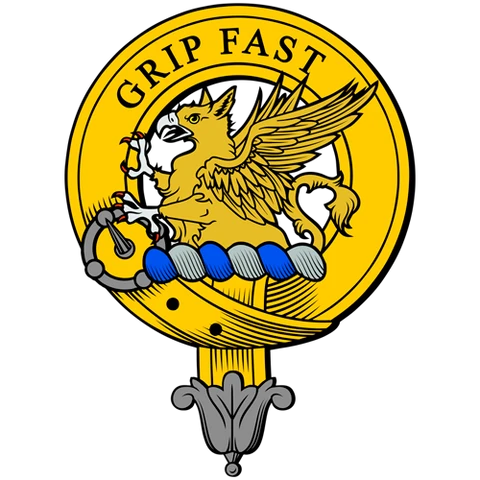
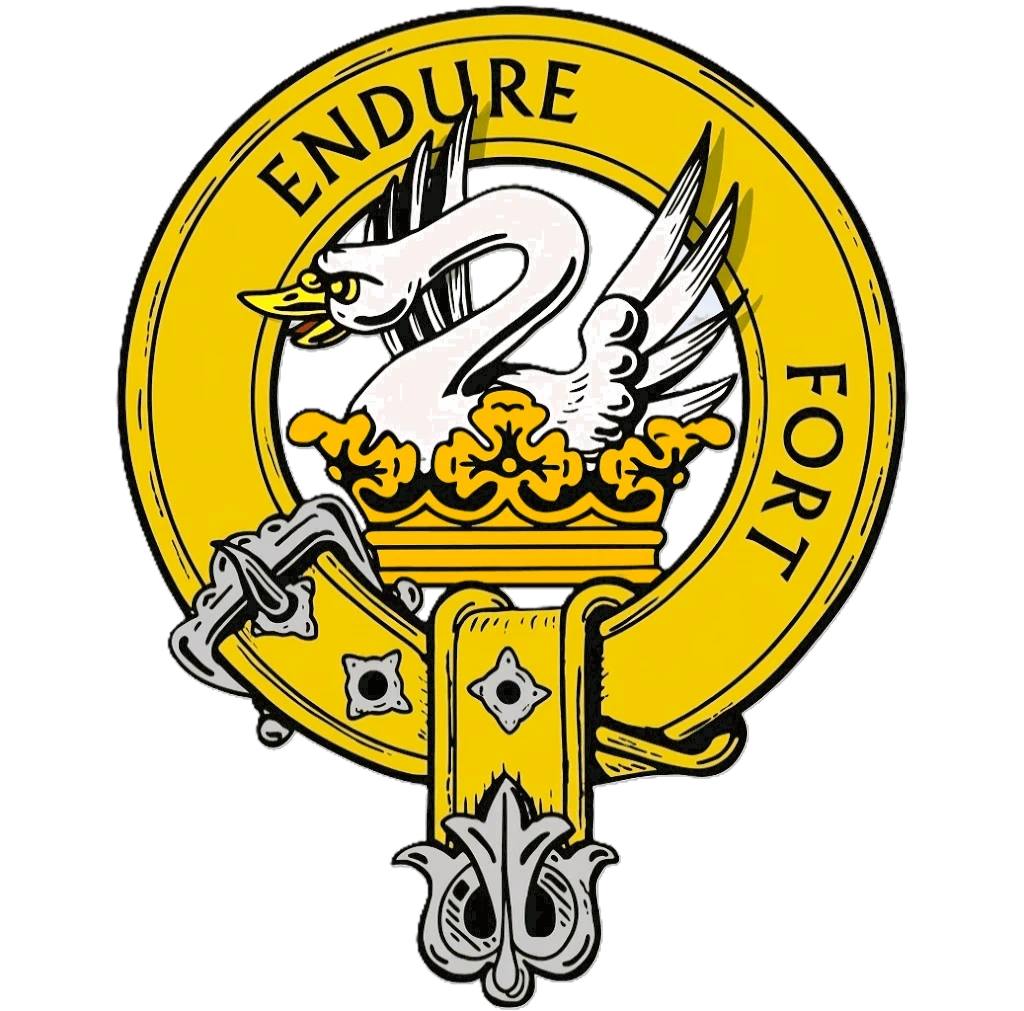
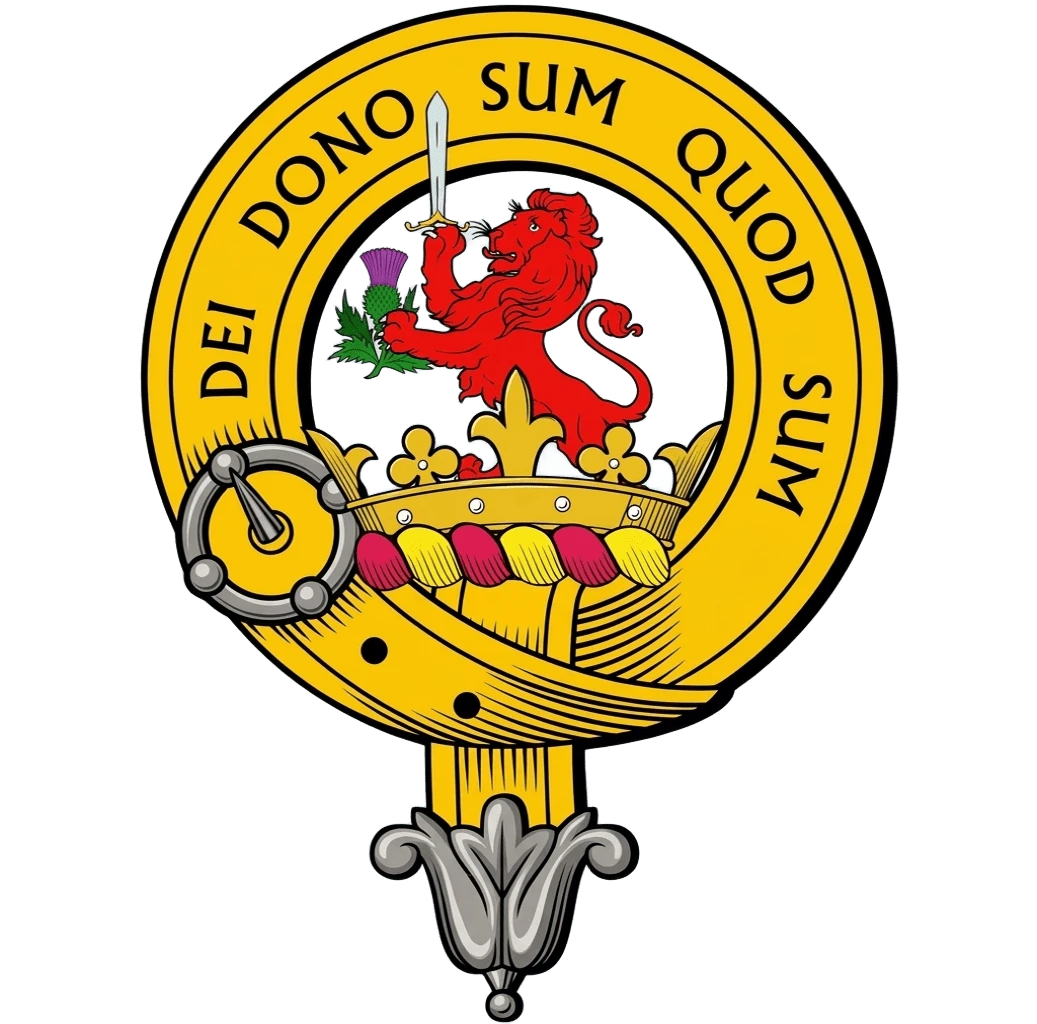
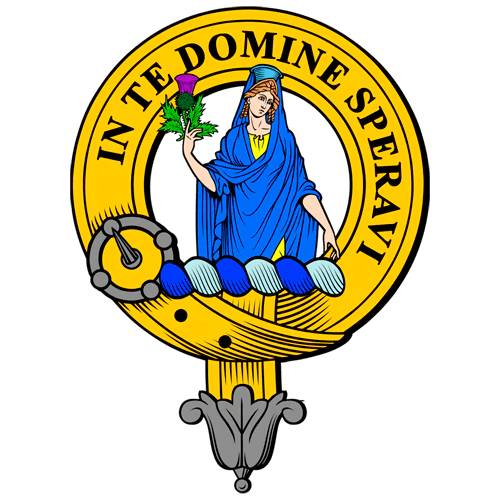
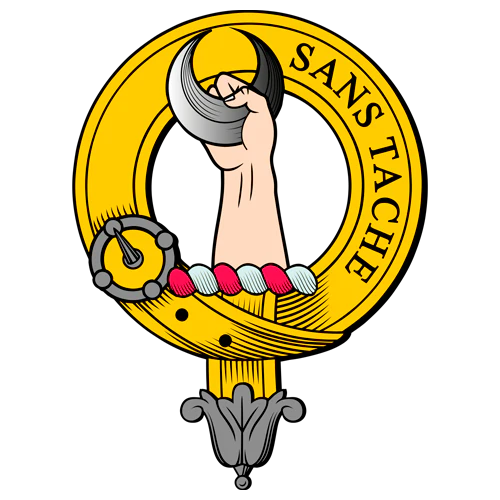
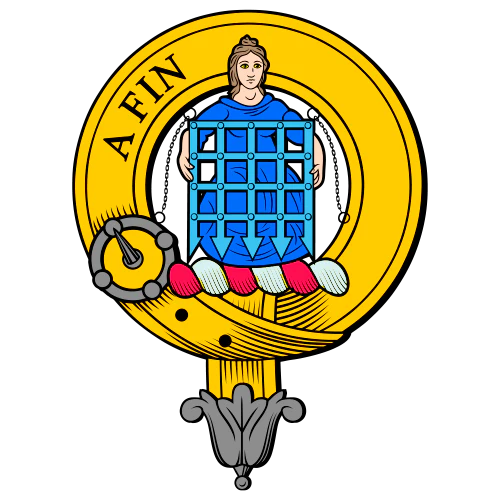
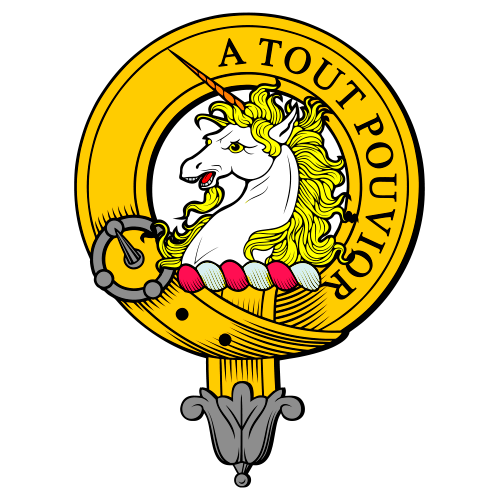
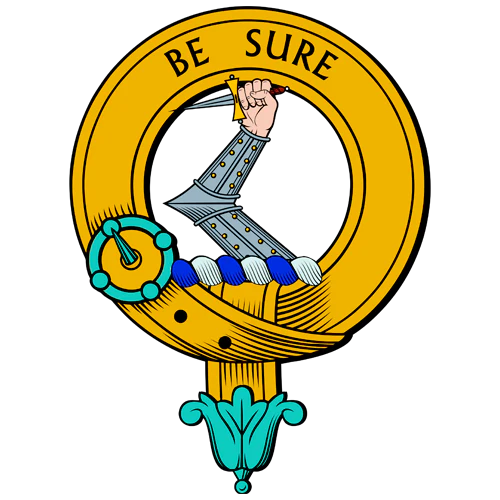
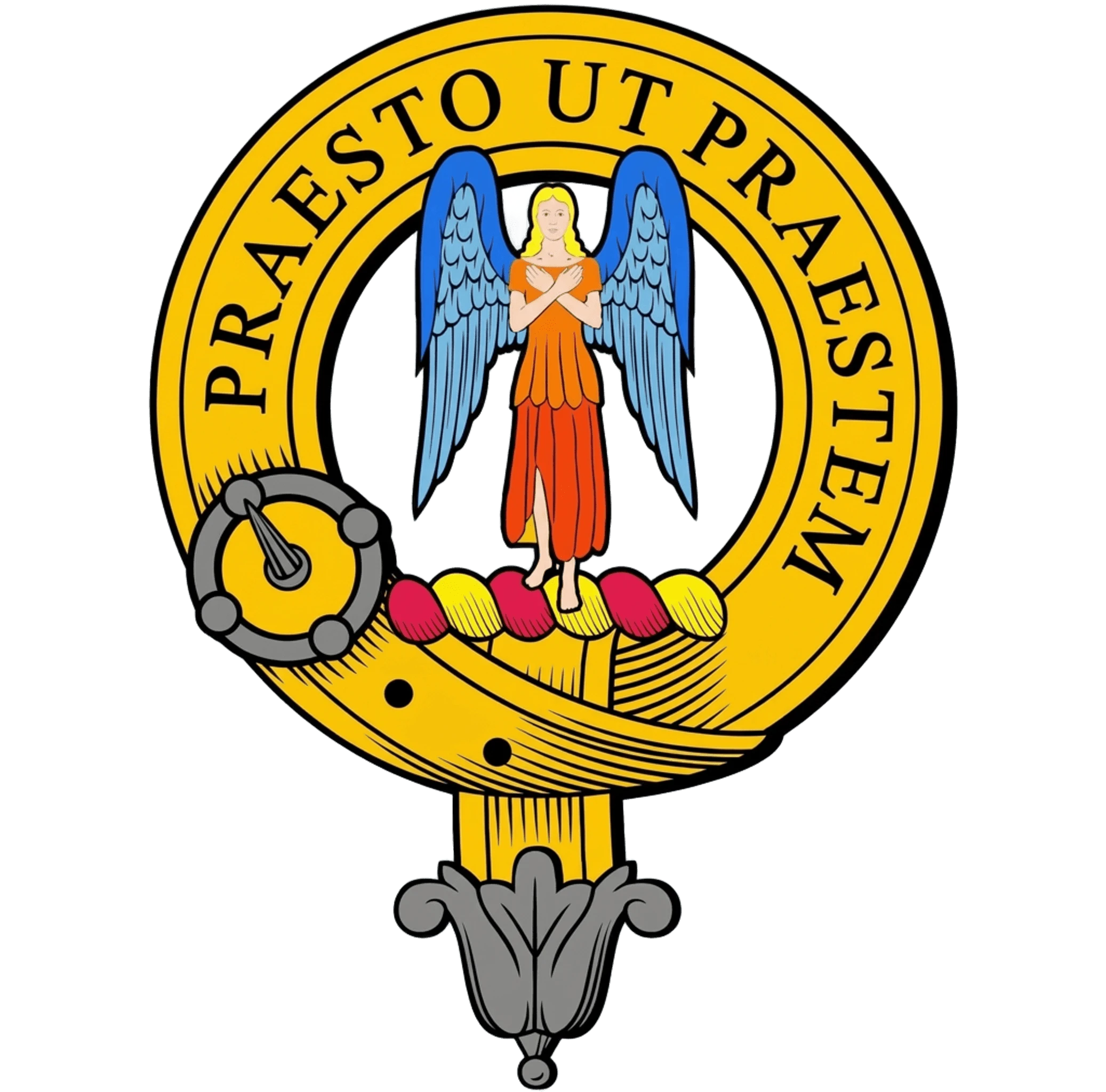
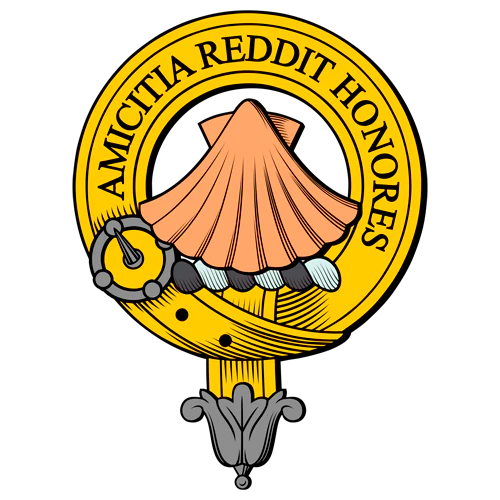
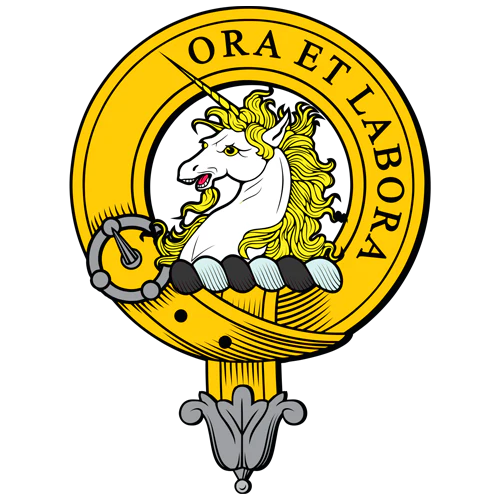
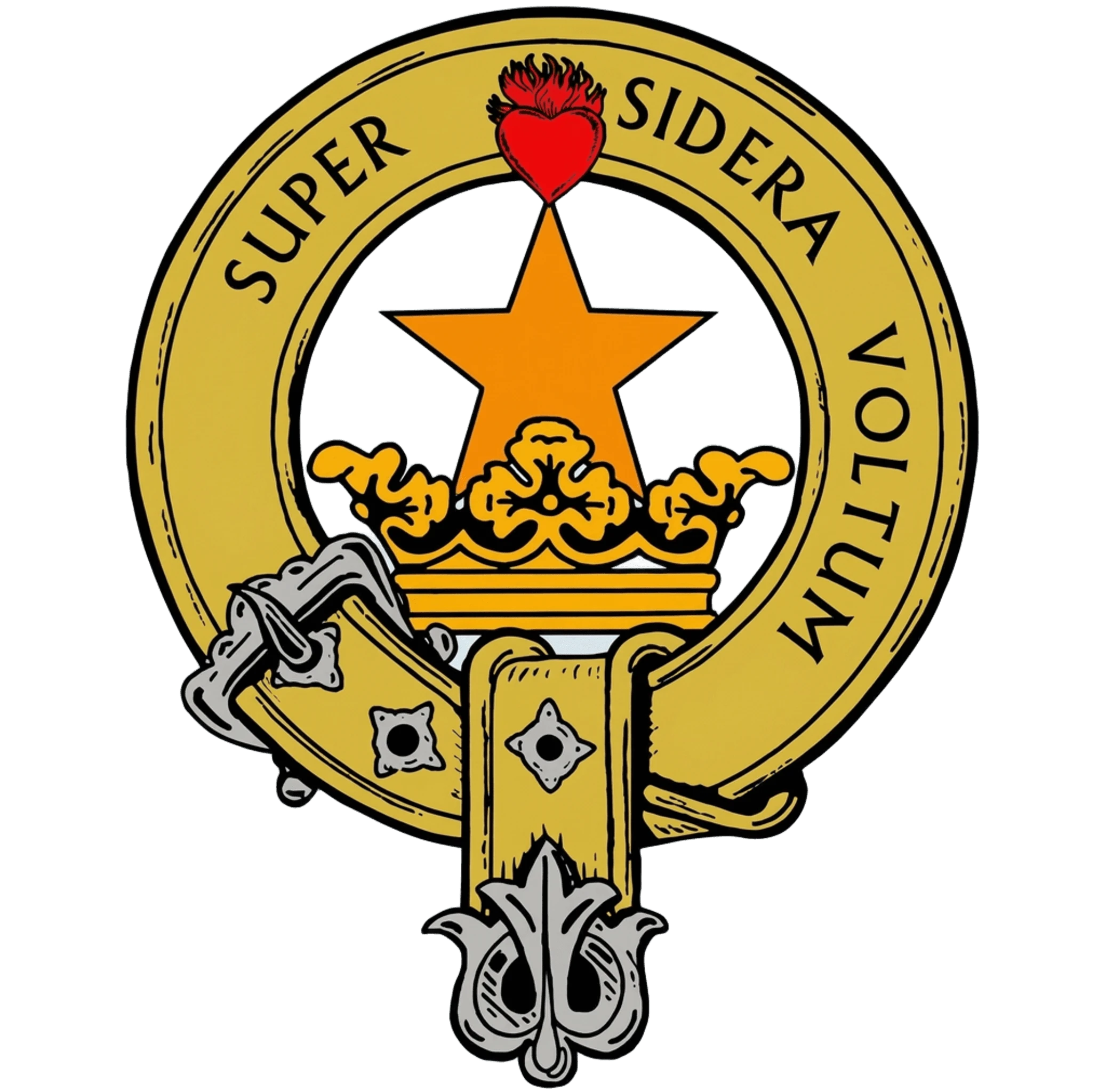
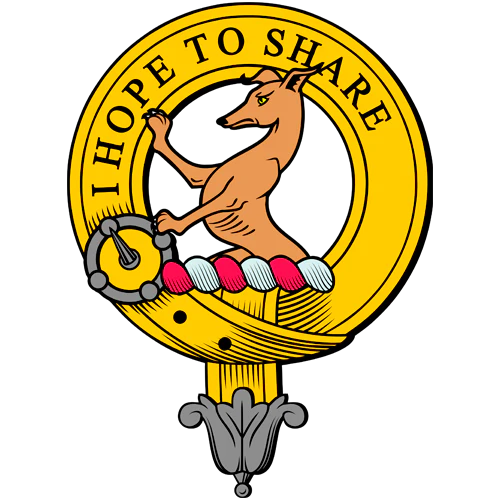
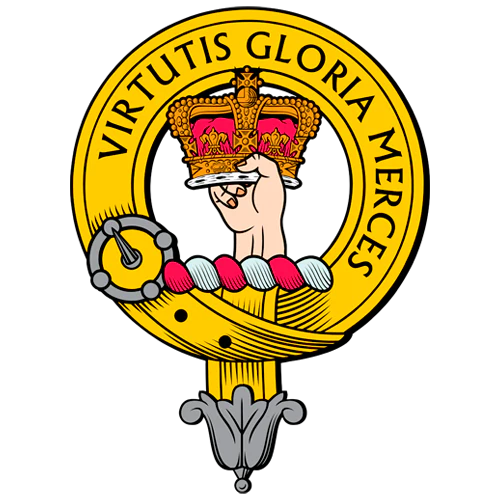
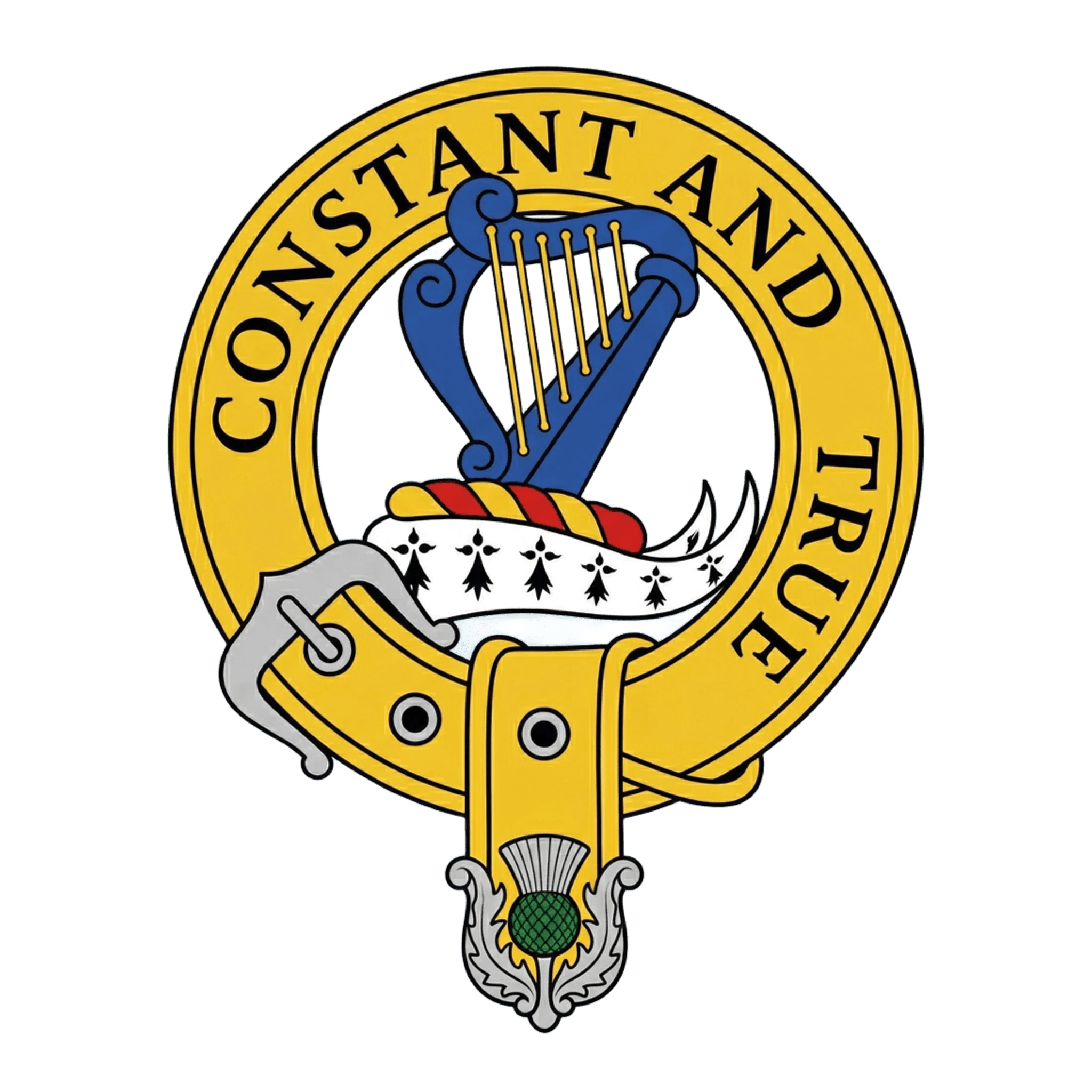
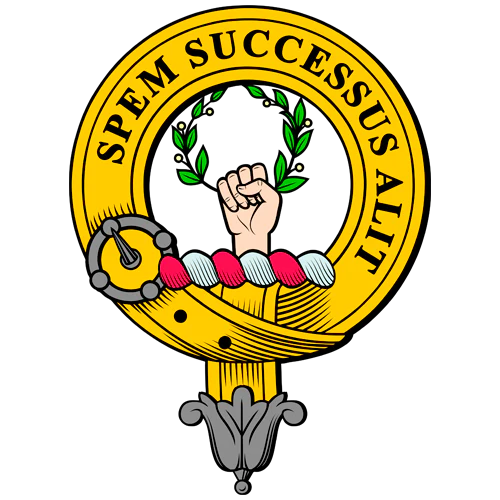
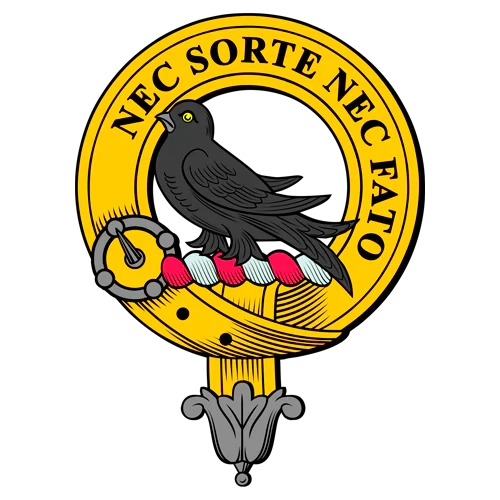
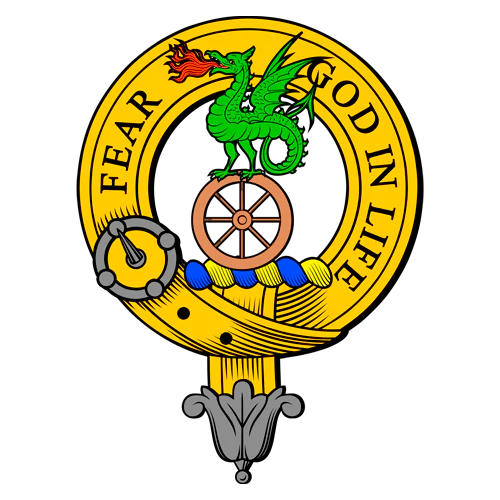
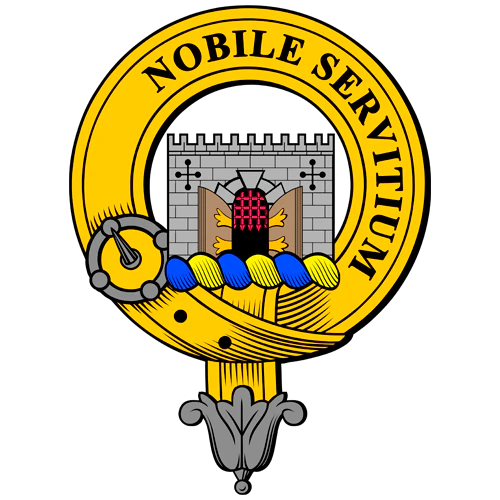
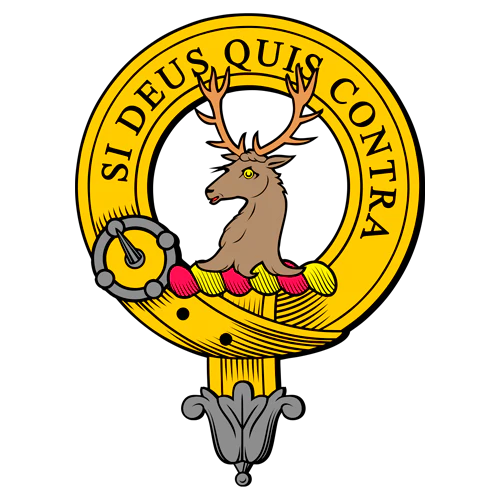
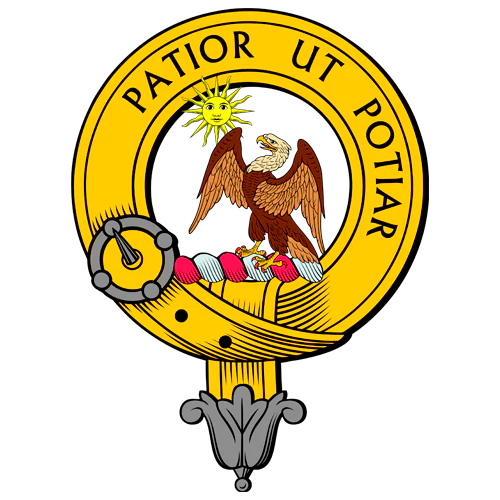
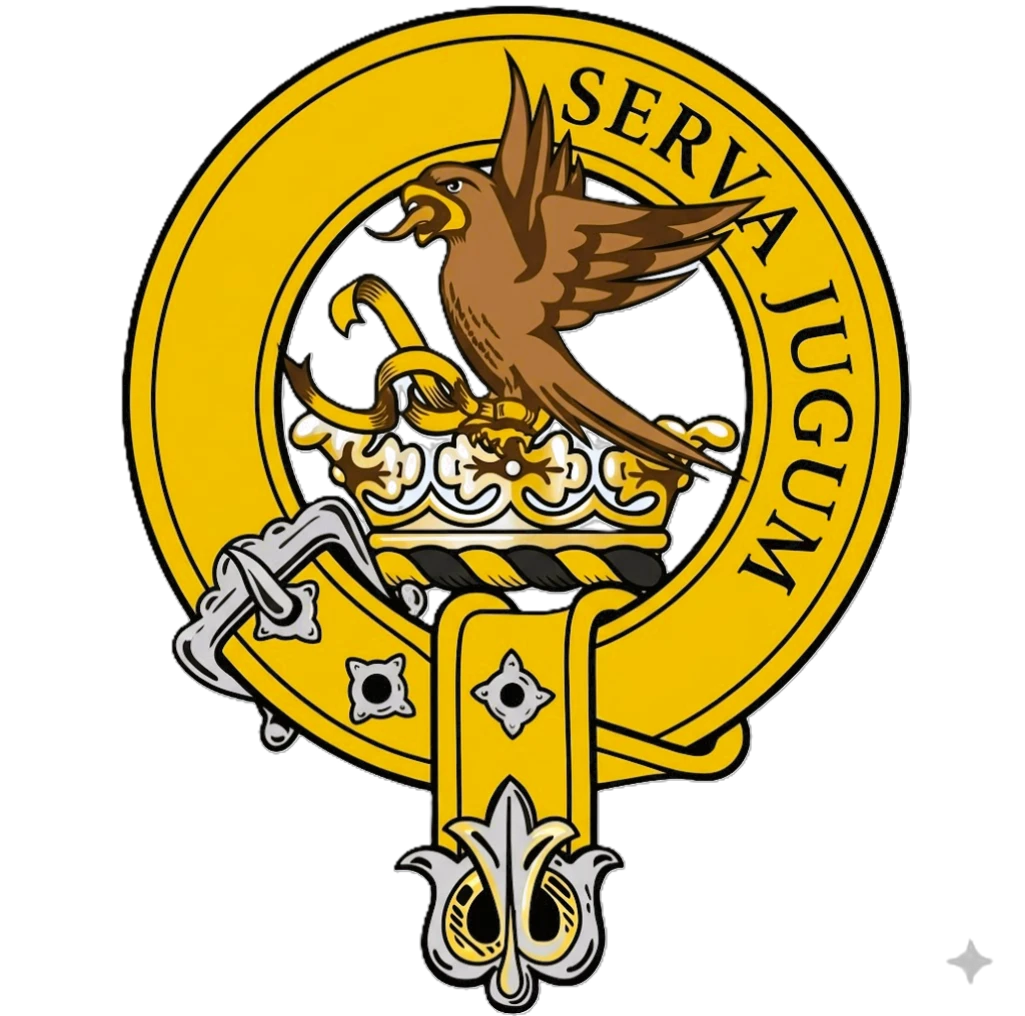
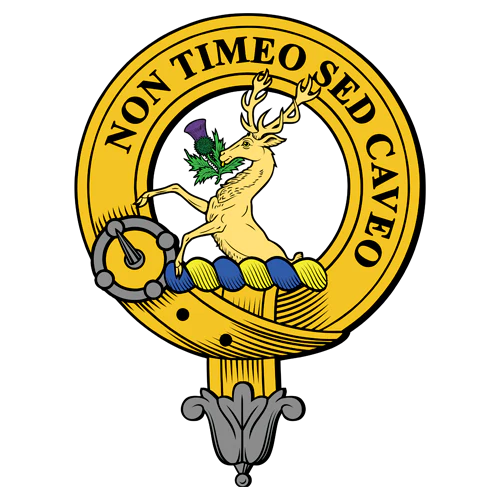
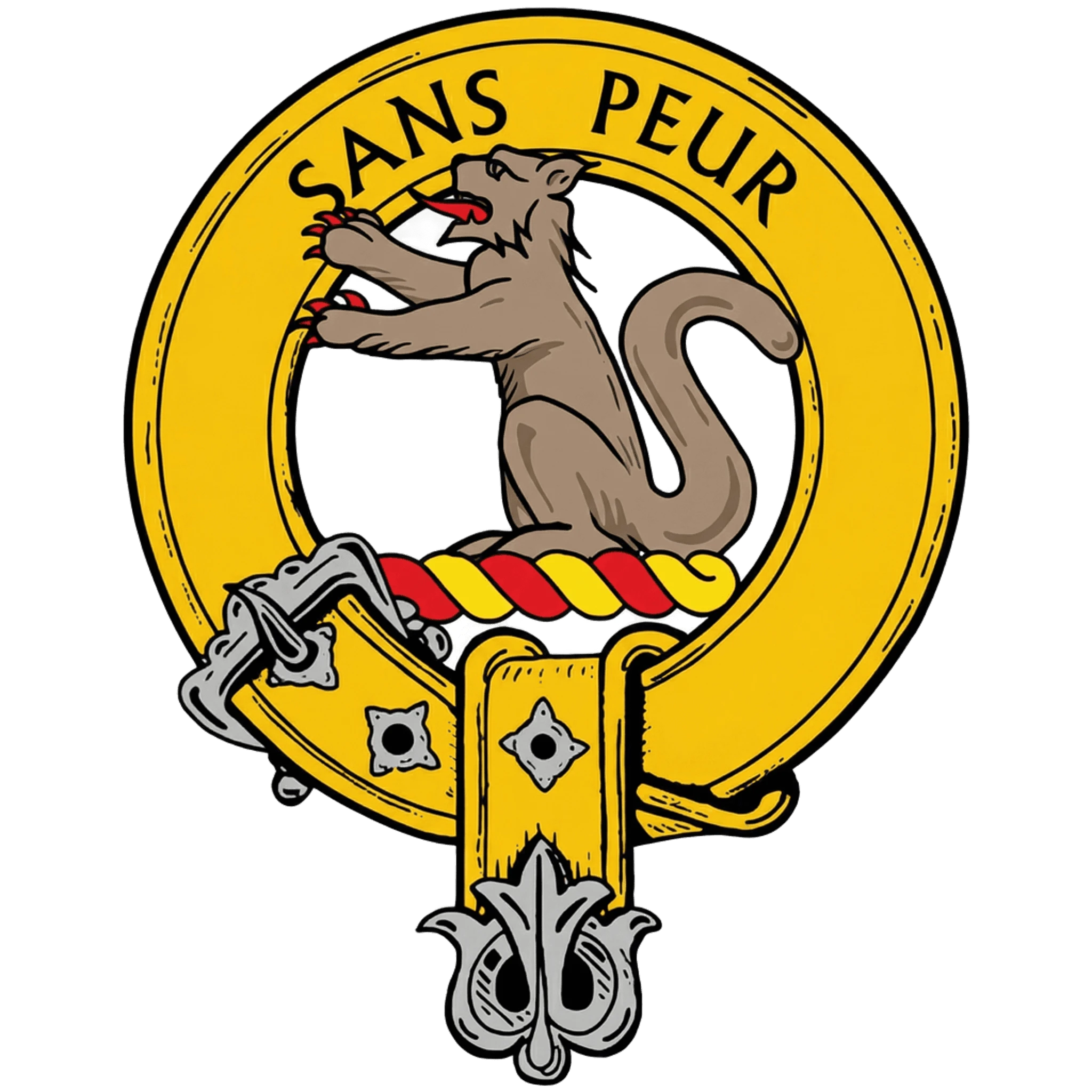
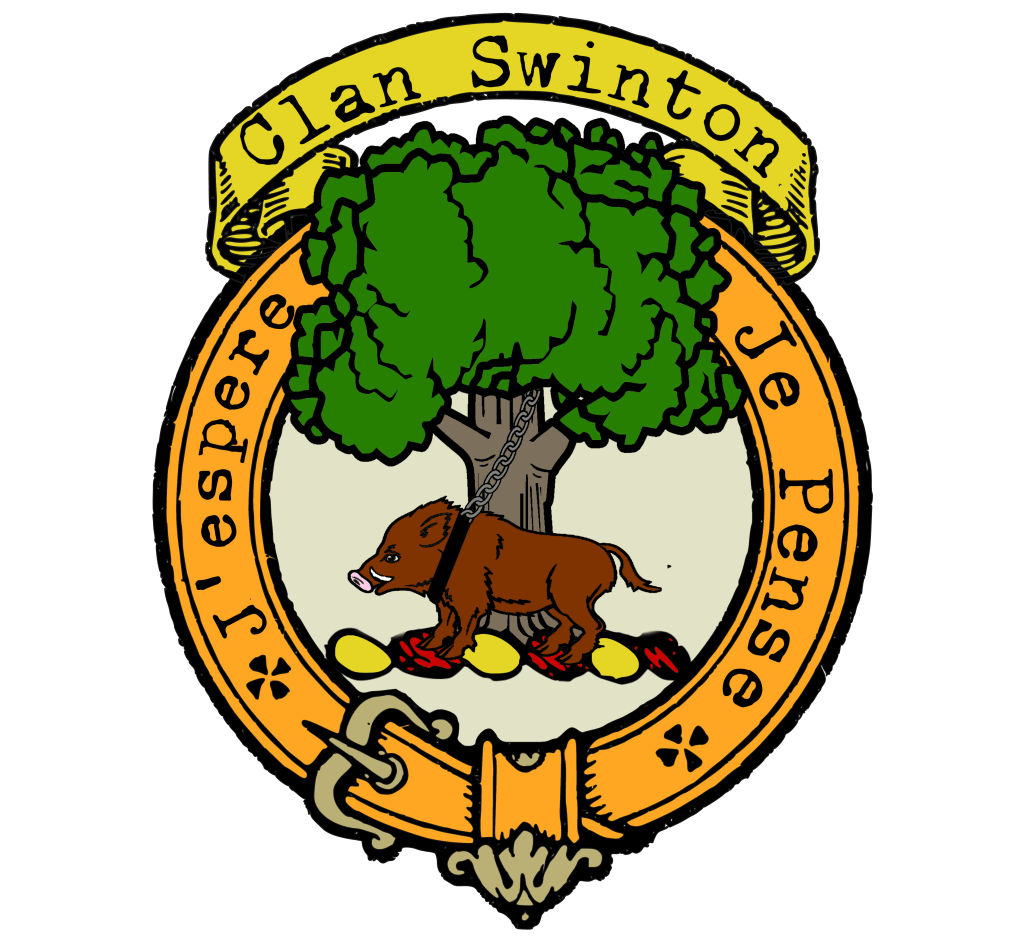
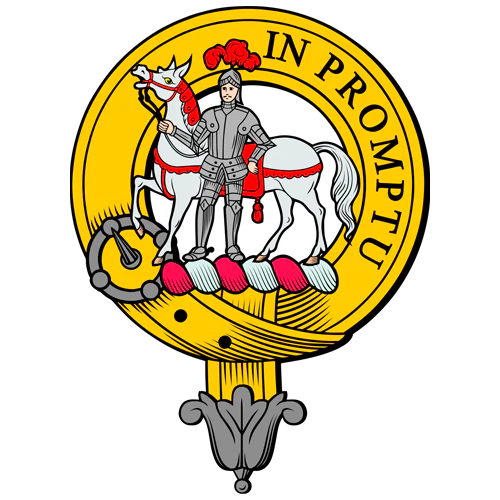
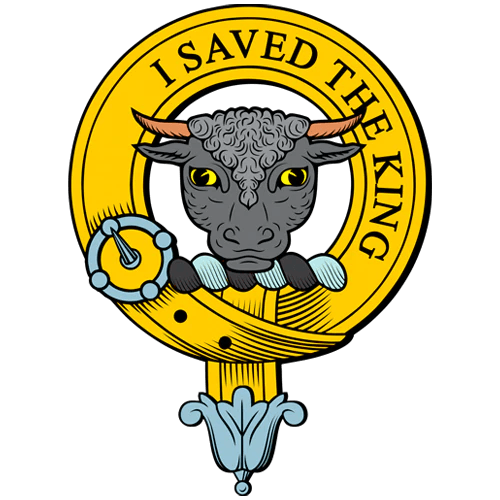
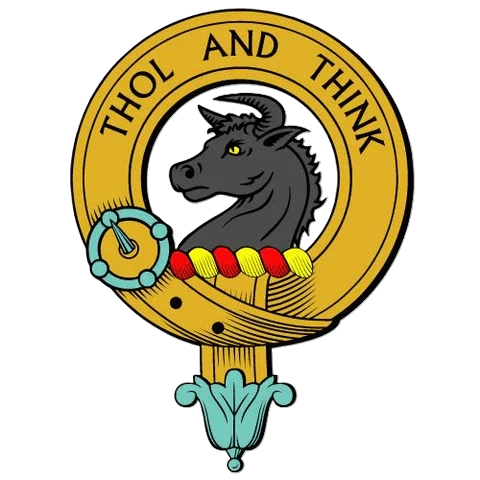
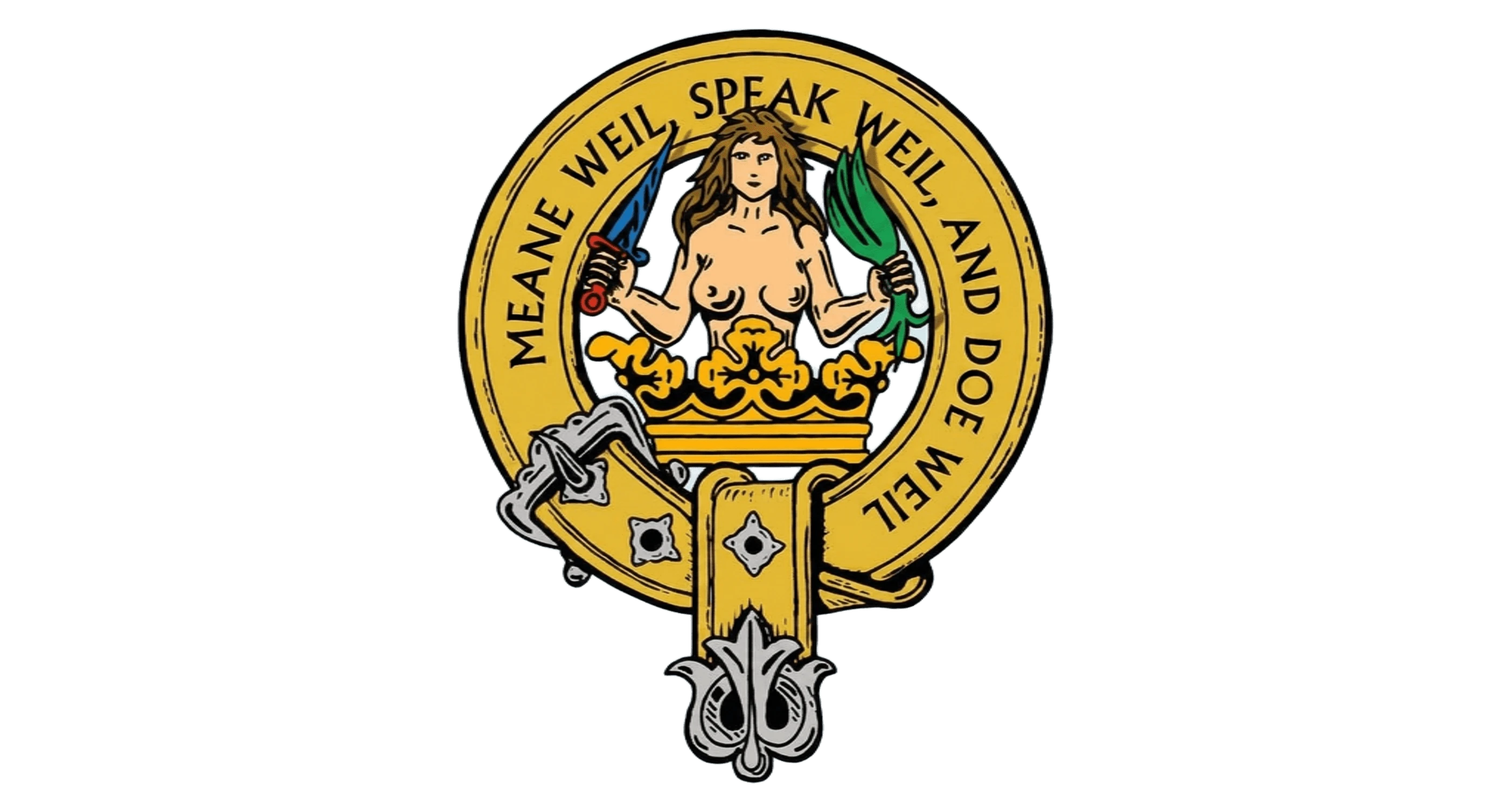
A typical Scottish clan crest badge consists of three elements:
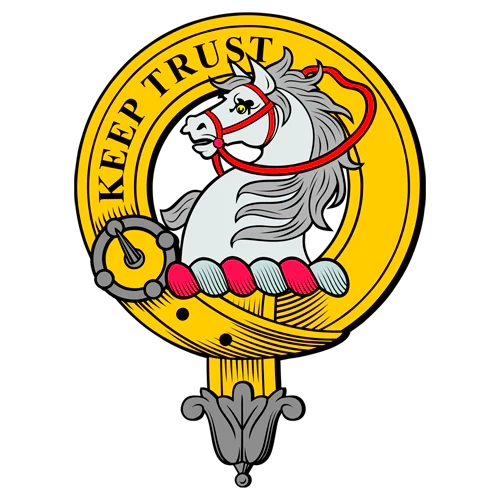
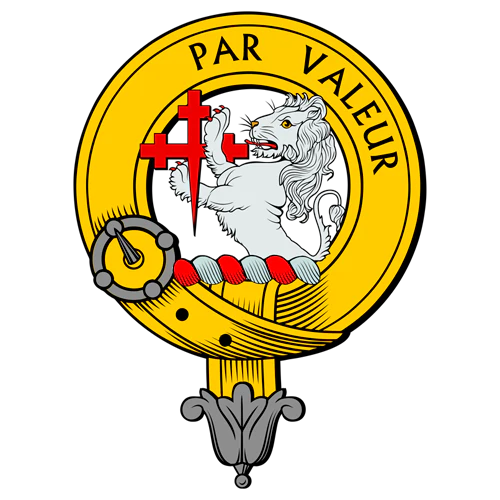
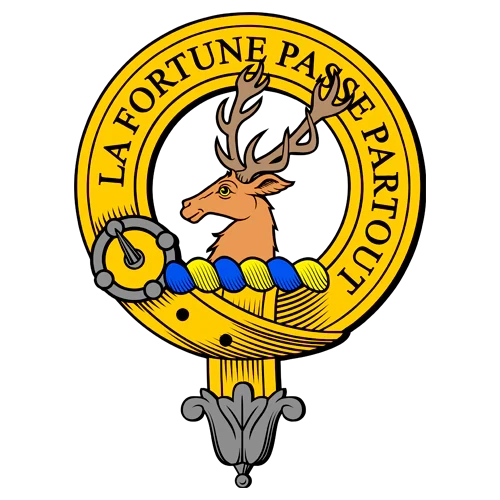
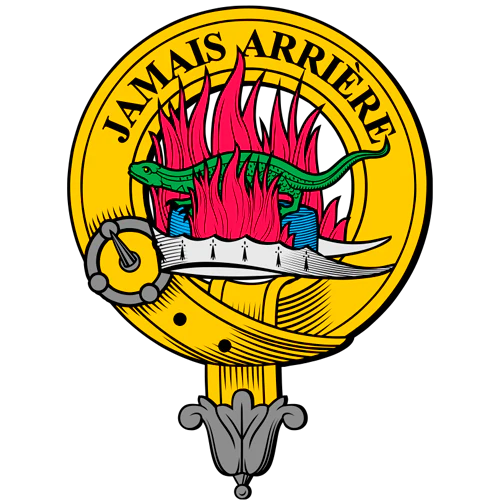
From 1295 until 1560, the Auld Alliance bound Scotland and France in a defence pact against their common rival, England. Generations of Scottish chiefs served in the Garde Écossaise of the French kings, intermarried with French nobility, and adopted French — the language of medieval European chivalry — as a mark of aristocratic refinement. Their family mottos still bear witness to this enduring bond:
Some clans loom particularly large in Scottish history. Their crests, mottos and battles have shaped the national imagination from medieval times to the present day.
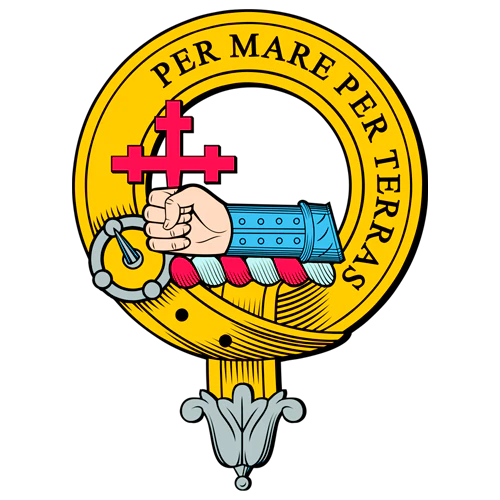
('by sea and by land')
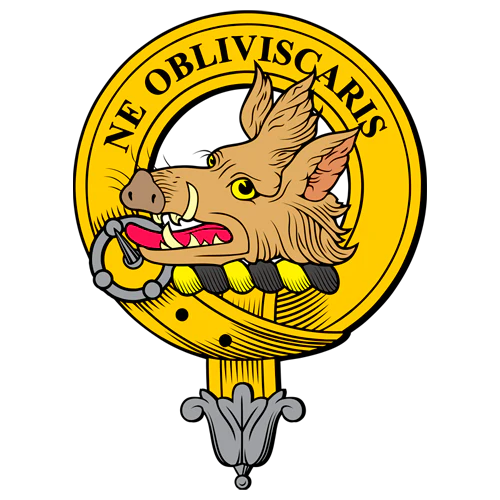
Ne Obliviscaris ("Forget Not")
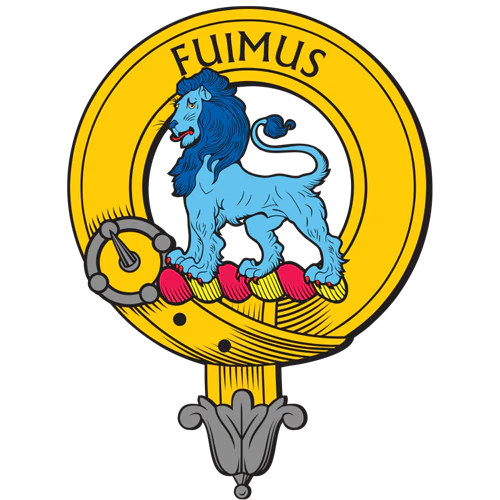
Fuimus (We have been)
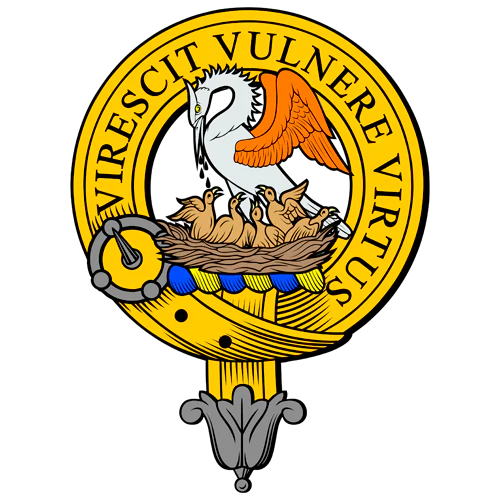
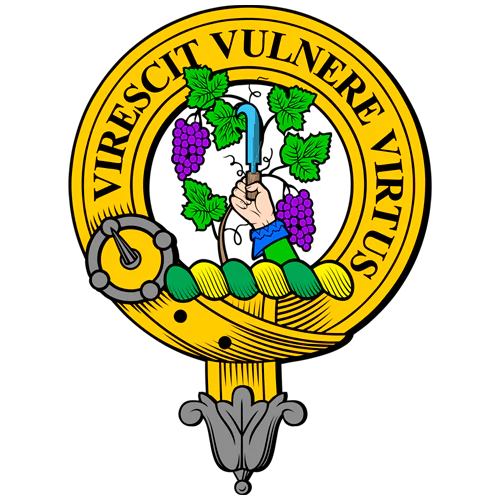
(Courage grows strong at a wound)
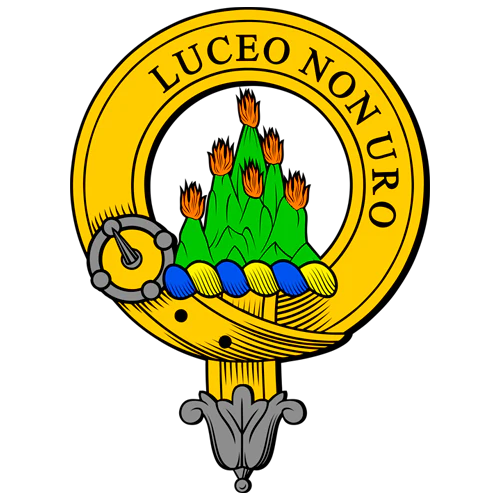
Luceo Non Uro (I Shine Not Burn)
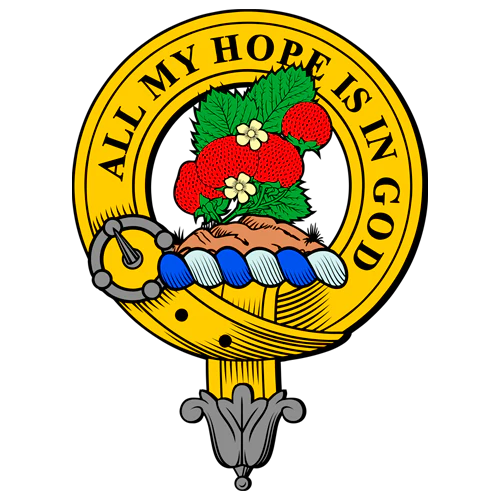
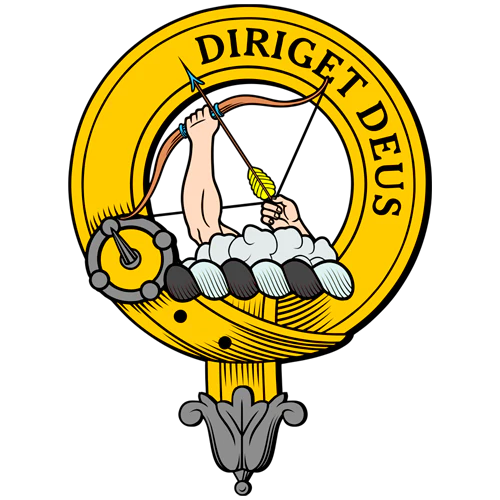
All my hope is in God.
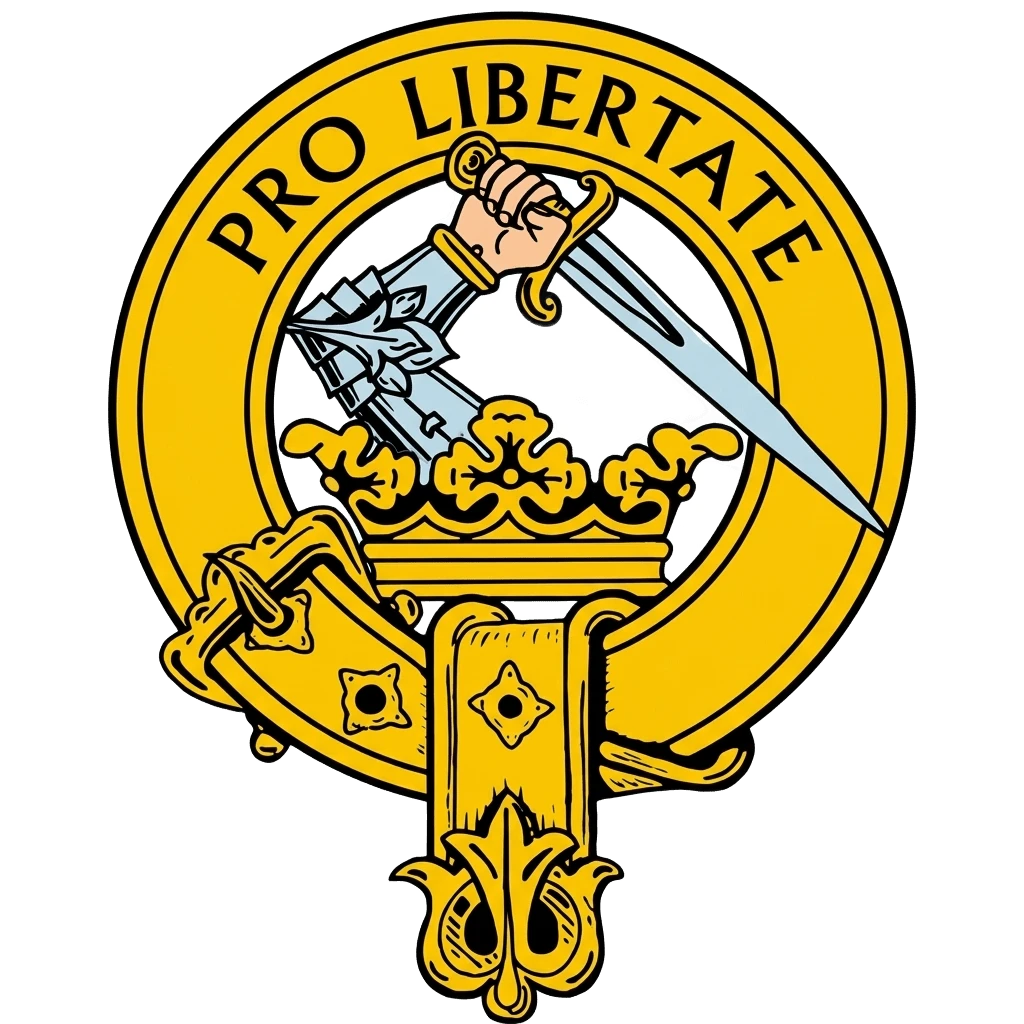
Pro libertate (For liberty)
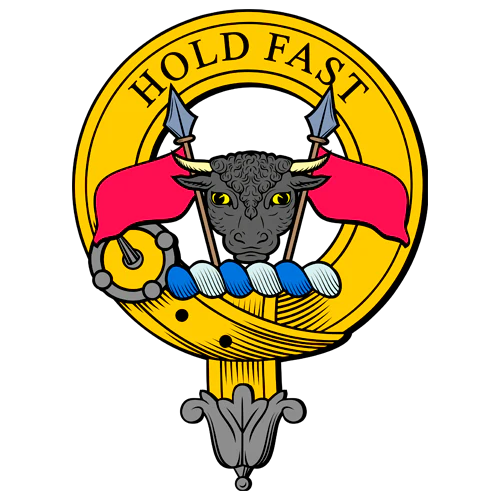
Hold fast
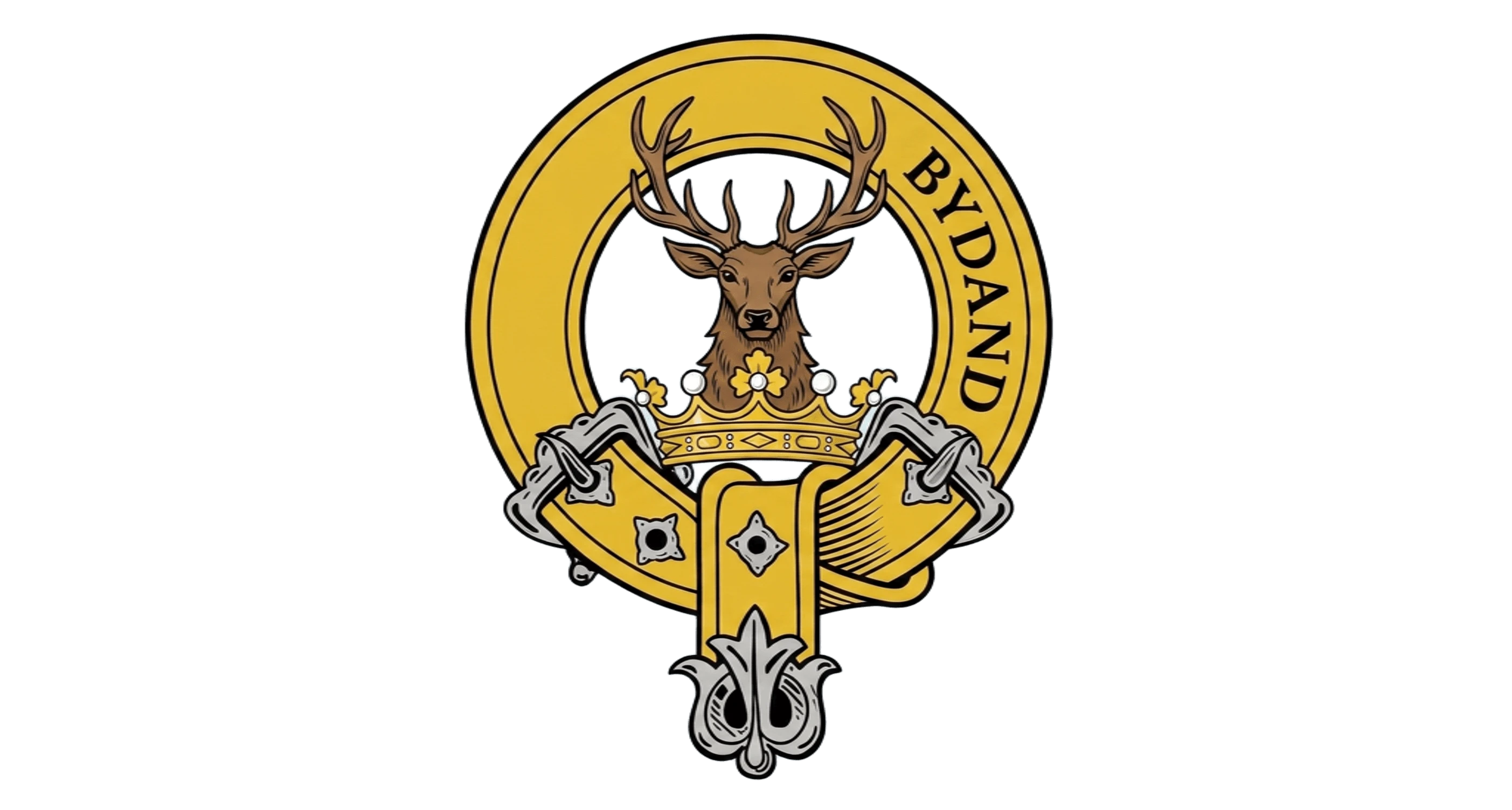
Bydand ("abiding")Animo non astutia("By courage, not by craft")
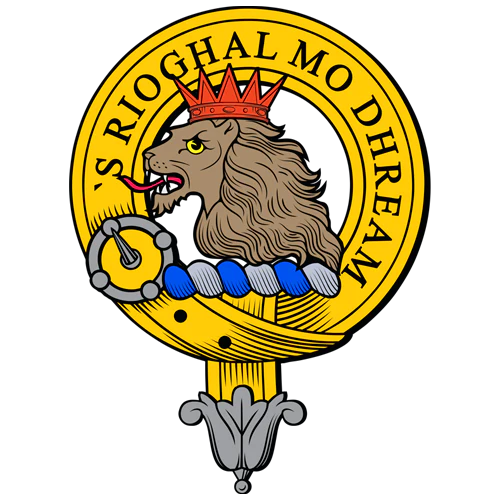
'S rioghal mo dhream
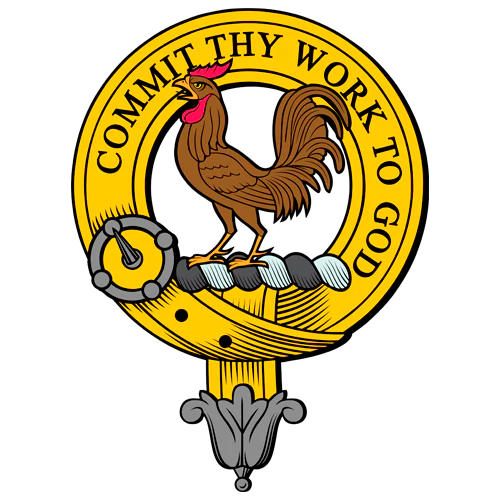
Commit thy work to God
Click any clan below to see its heraldic crest, motto and detailed heraldic blazon.
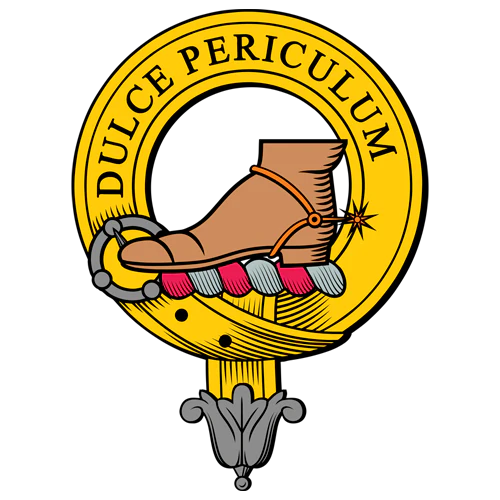 Macaulay
 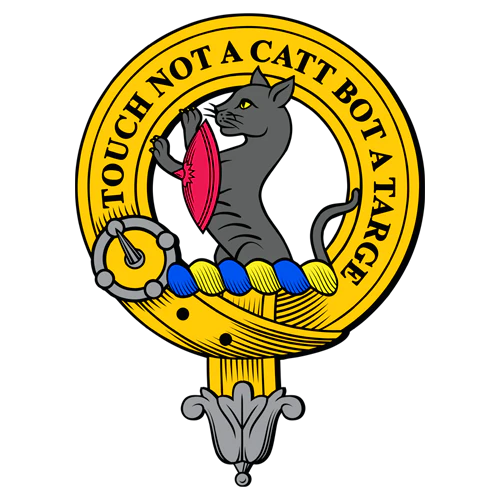 Macbain Macdonald Macdonald of Clanranald MacDonald of Keppoch Macdonald of Sleat
 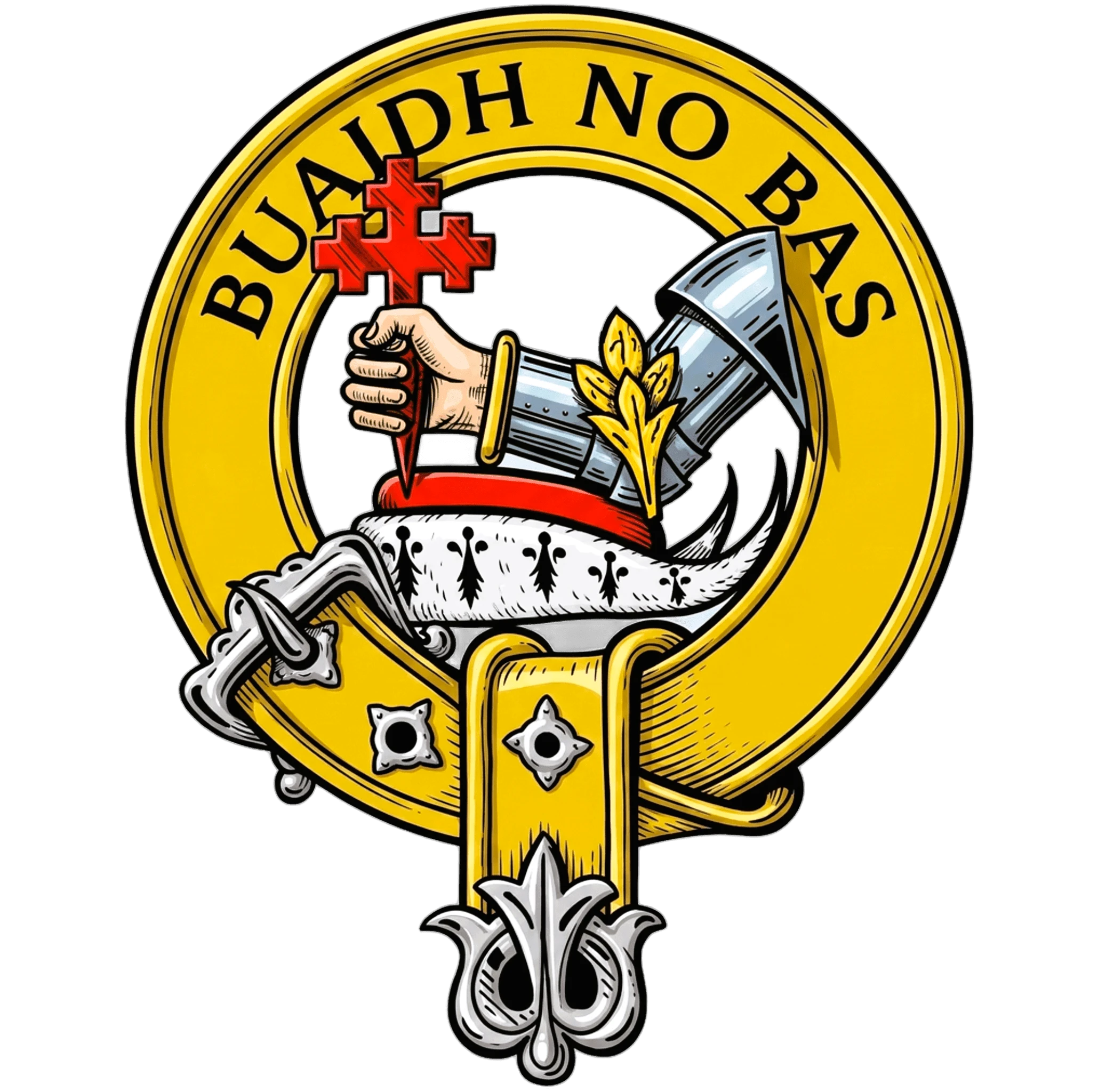 Macdougall
 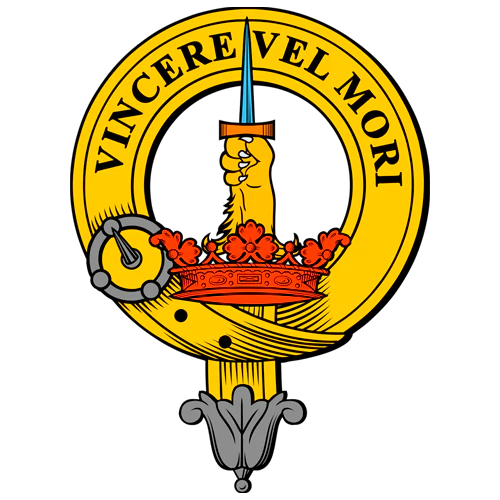 Macdowall
 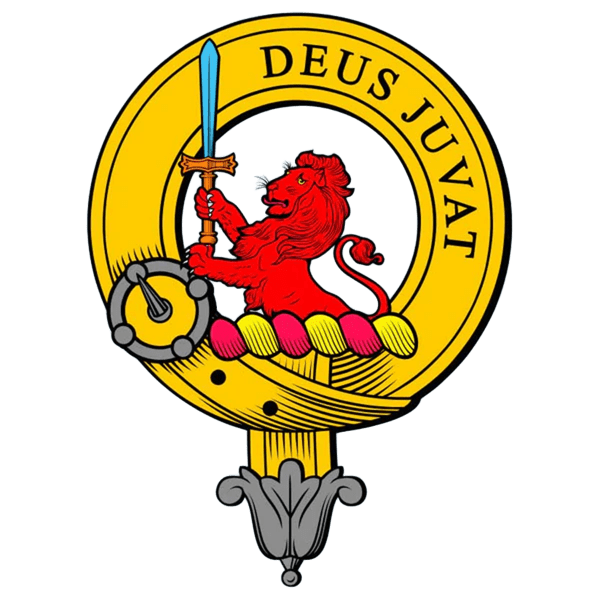 Macduff Macfarlane
 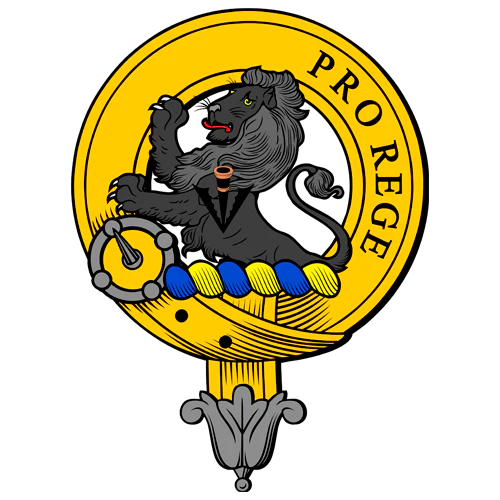 Macfie Macgregor
 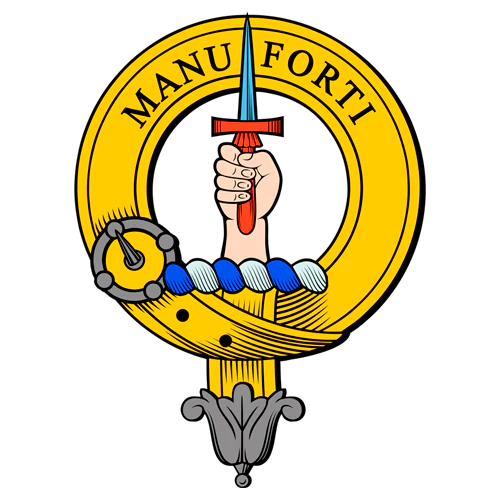 Mackay Mackenzie
 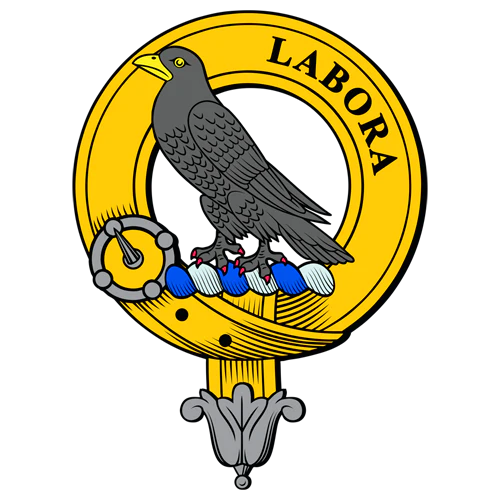 Mackie
 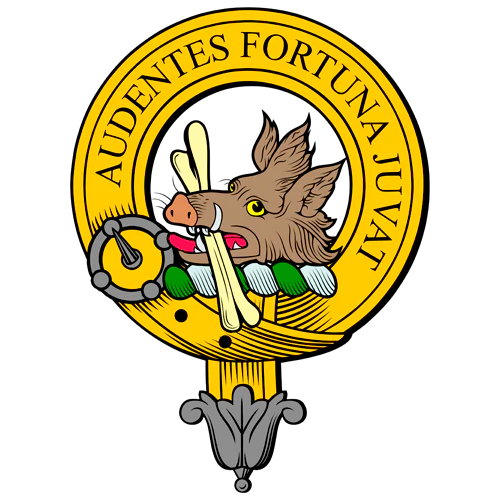 Mackinnon
 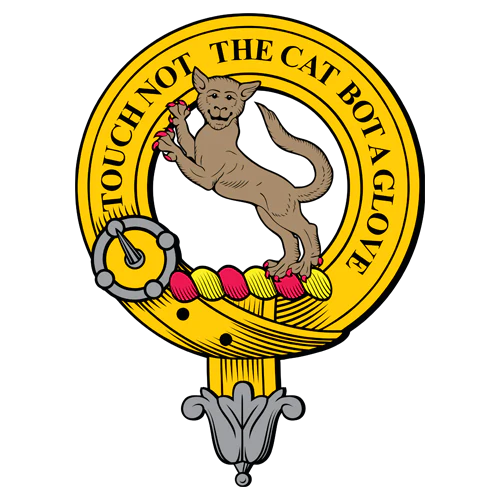 Mackintosh
 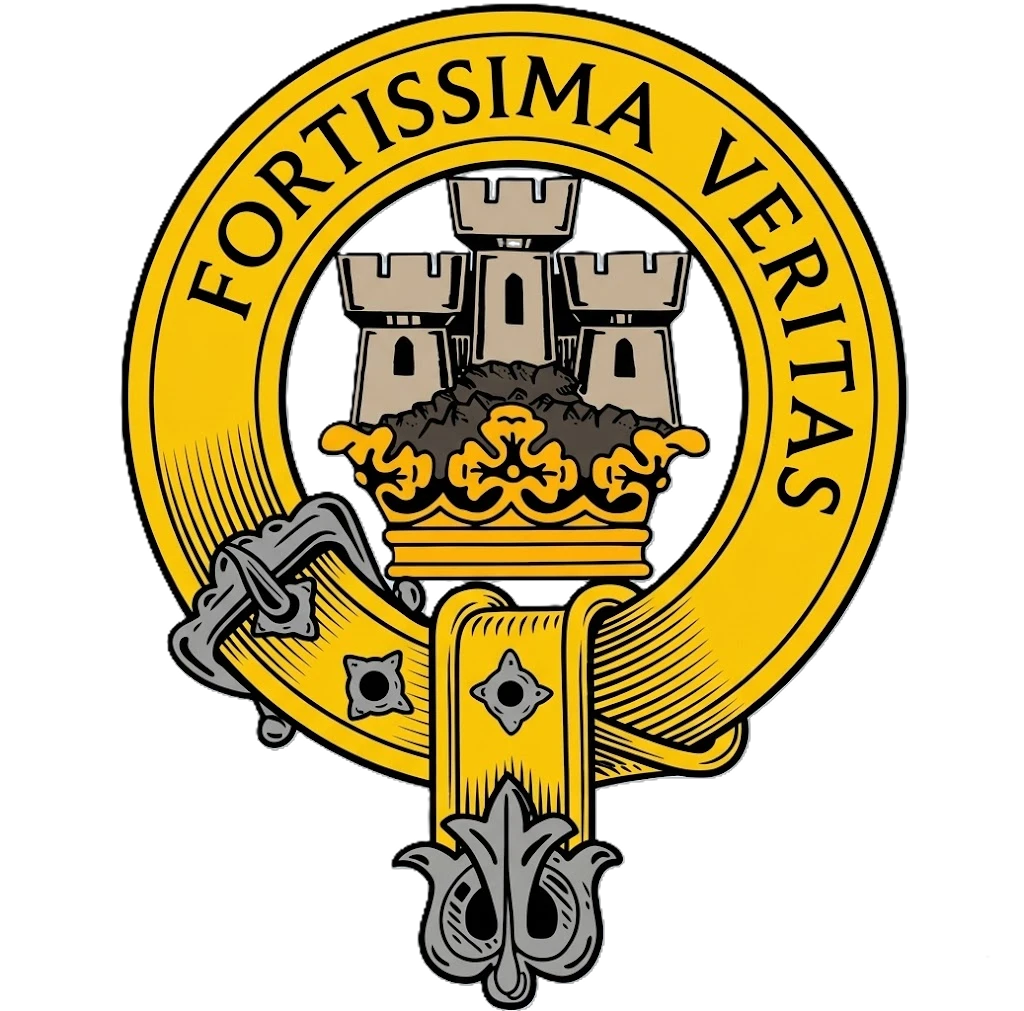 Maclachlan
 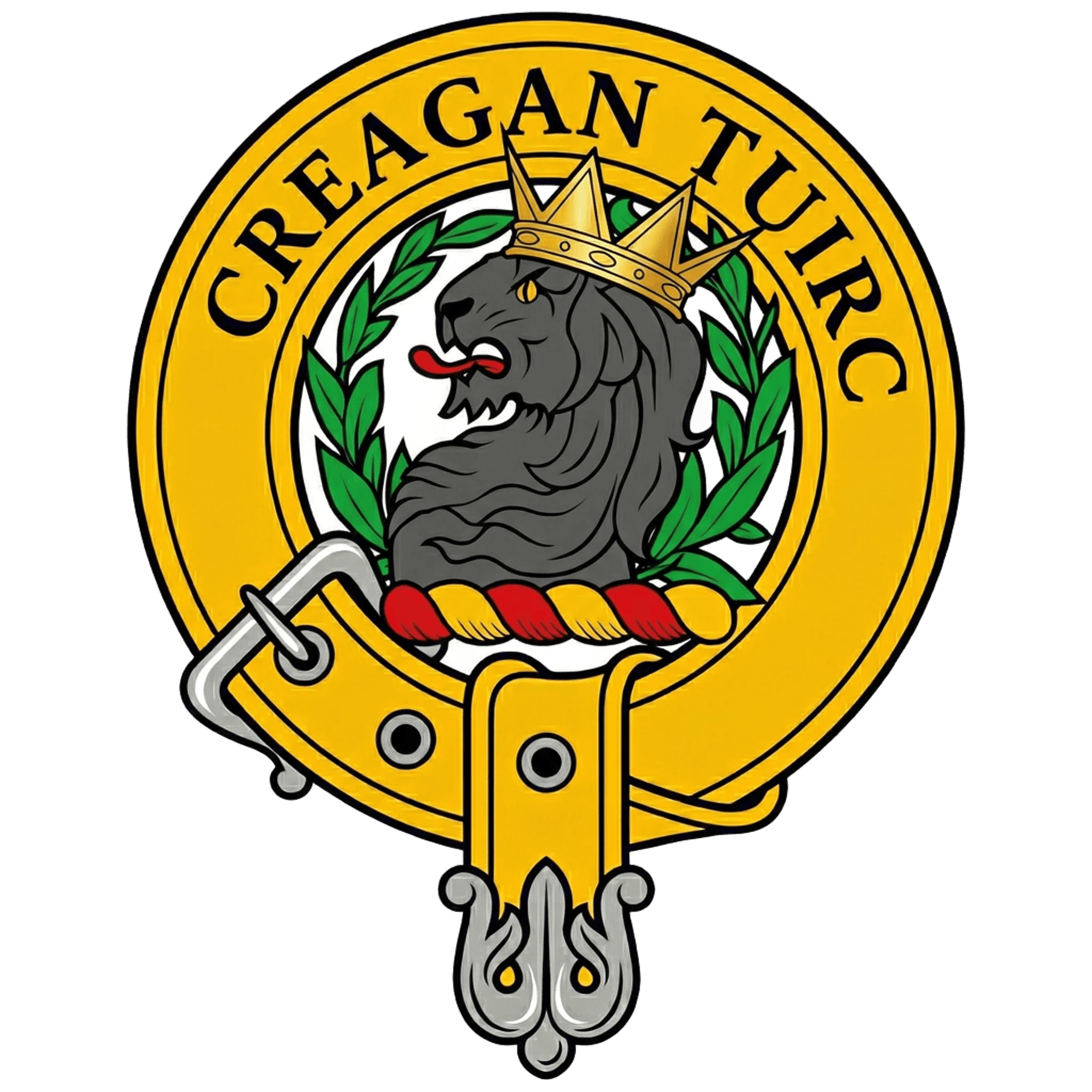 Maclaren
 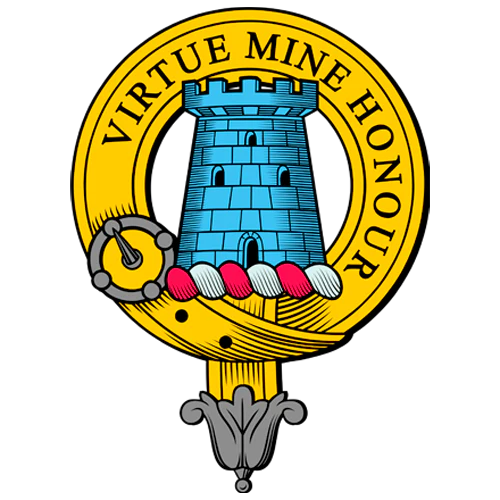 Maclean
 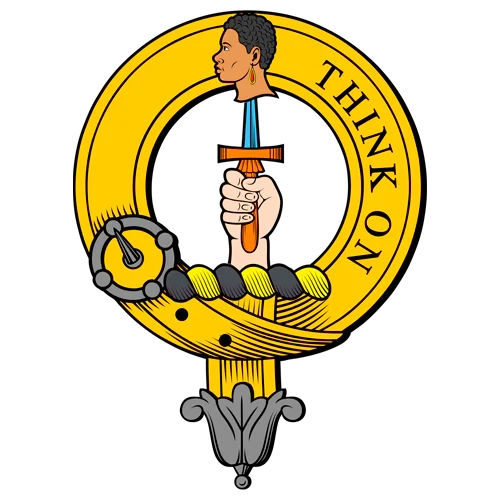 Maclellan Macleod
 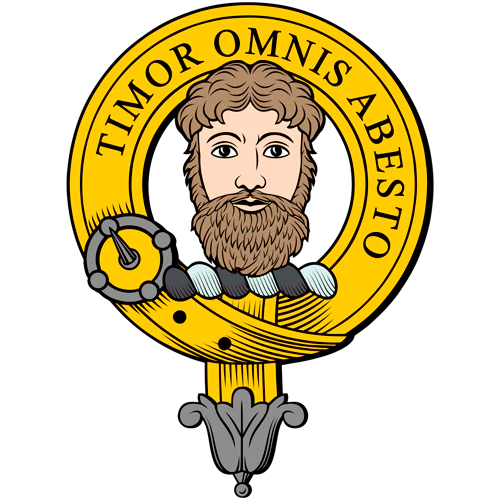 Macnab
 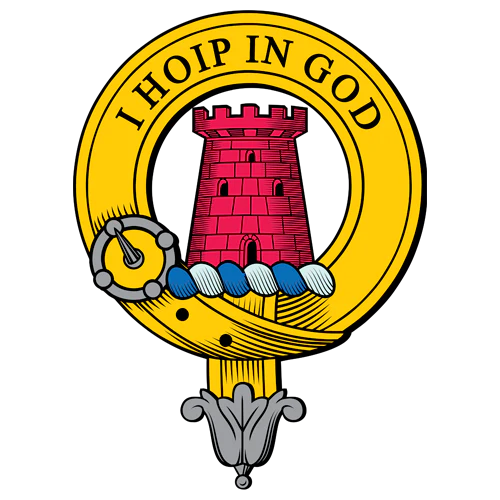 Macnaghten Macneil
 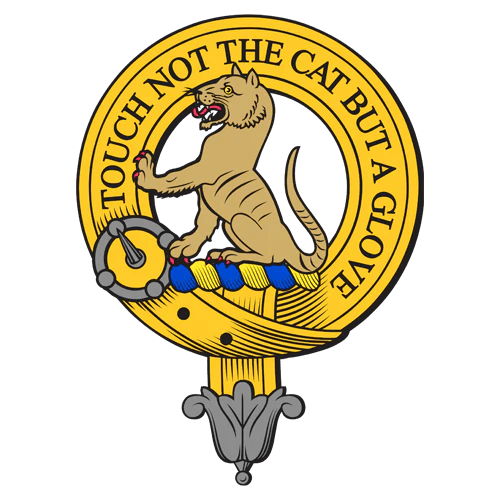 Macpherson
 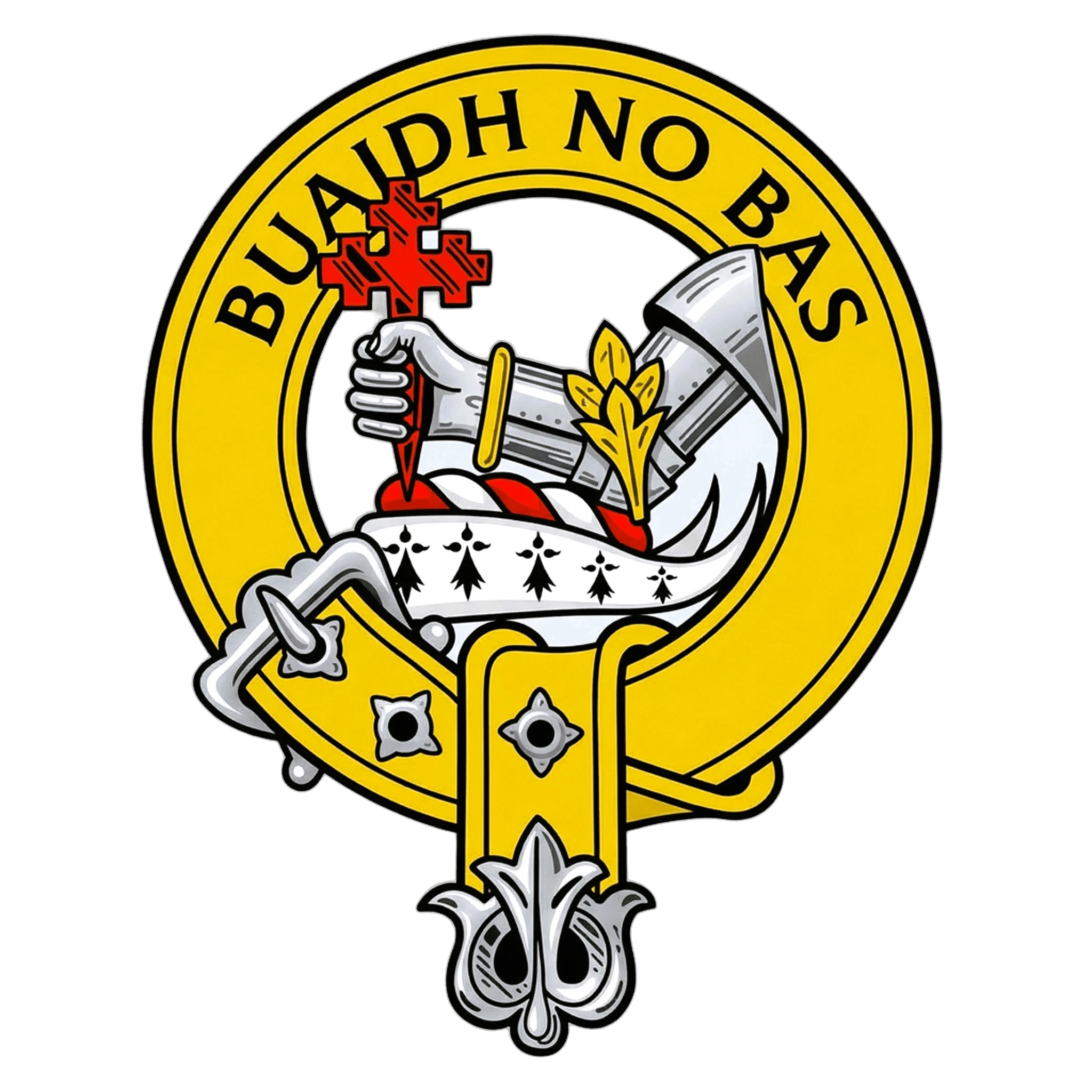 Macquarrie
 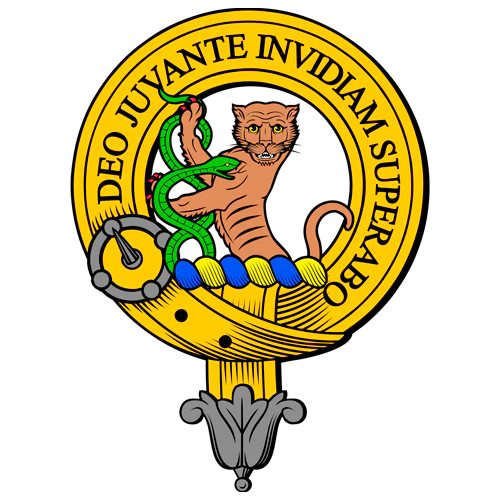 Macthomas Maitland Makgill
 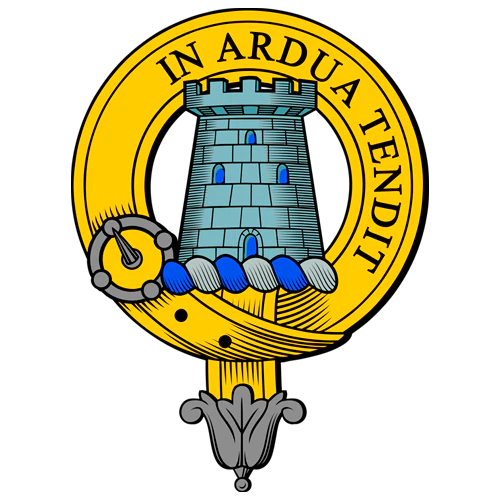 Malcolm
 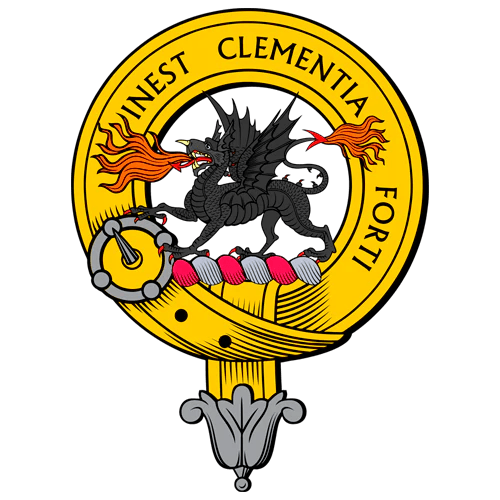 Maule
Maule 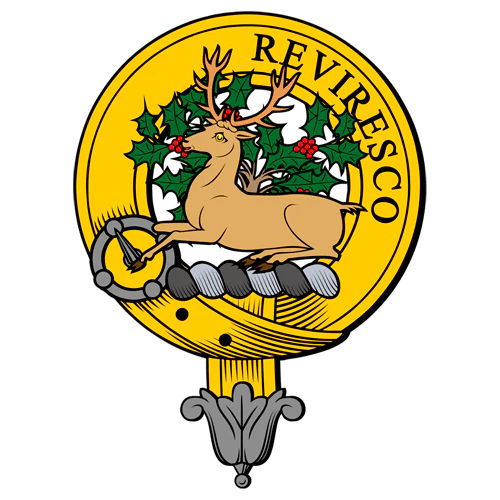 Maxwell Mccorquodale
 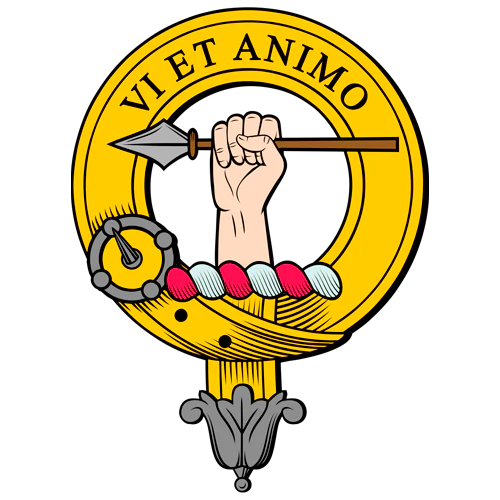 Mcculloch
 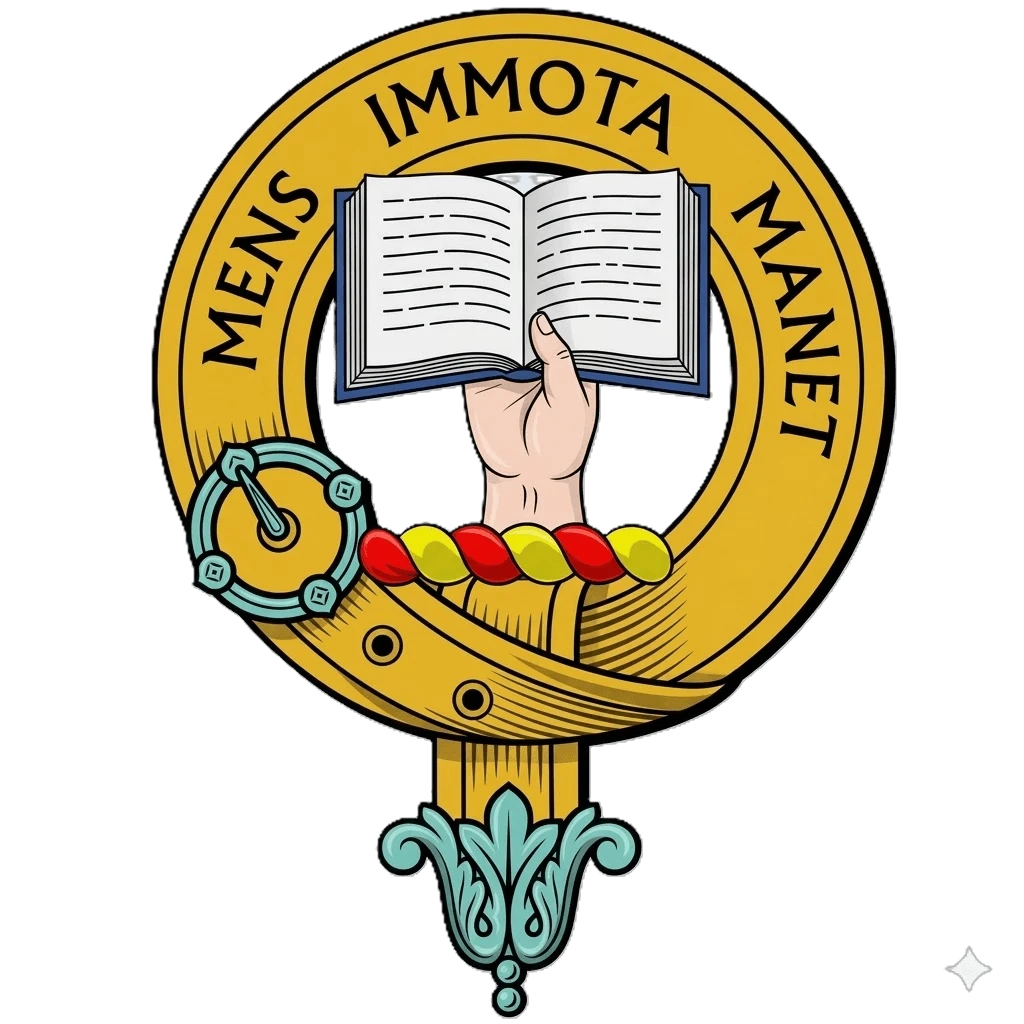 Meldrum
 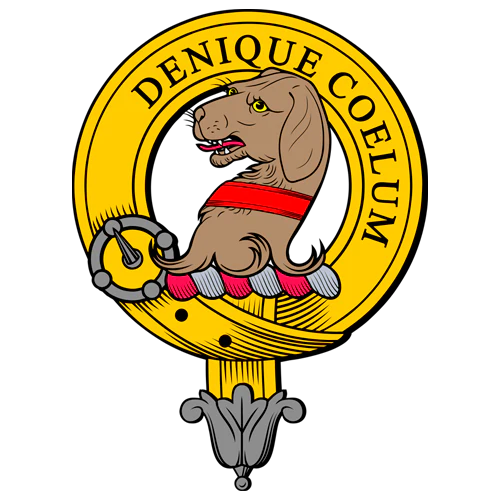 Melville
 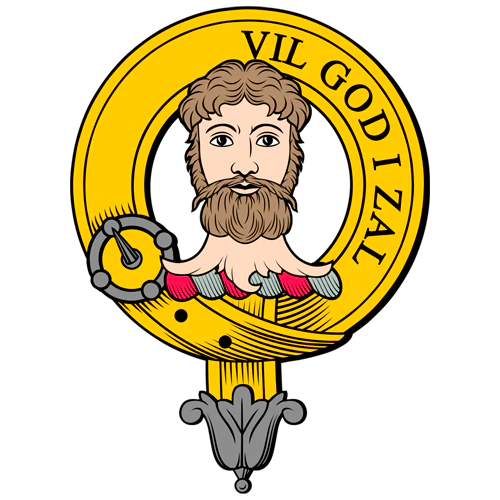 Menzies
 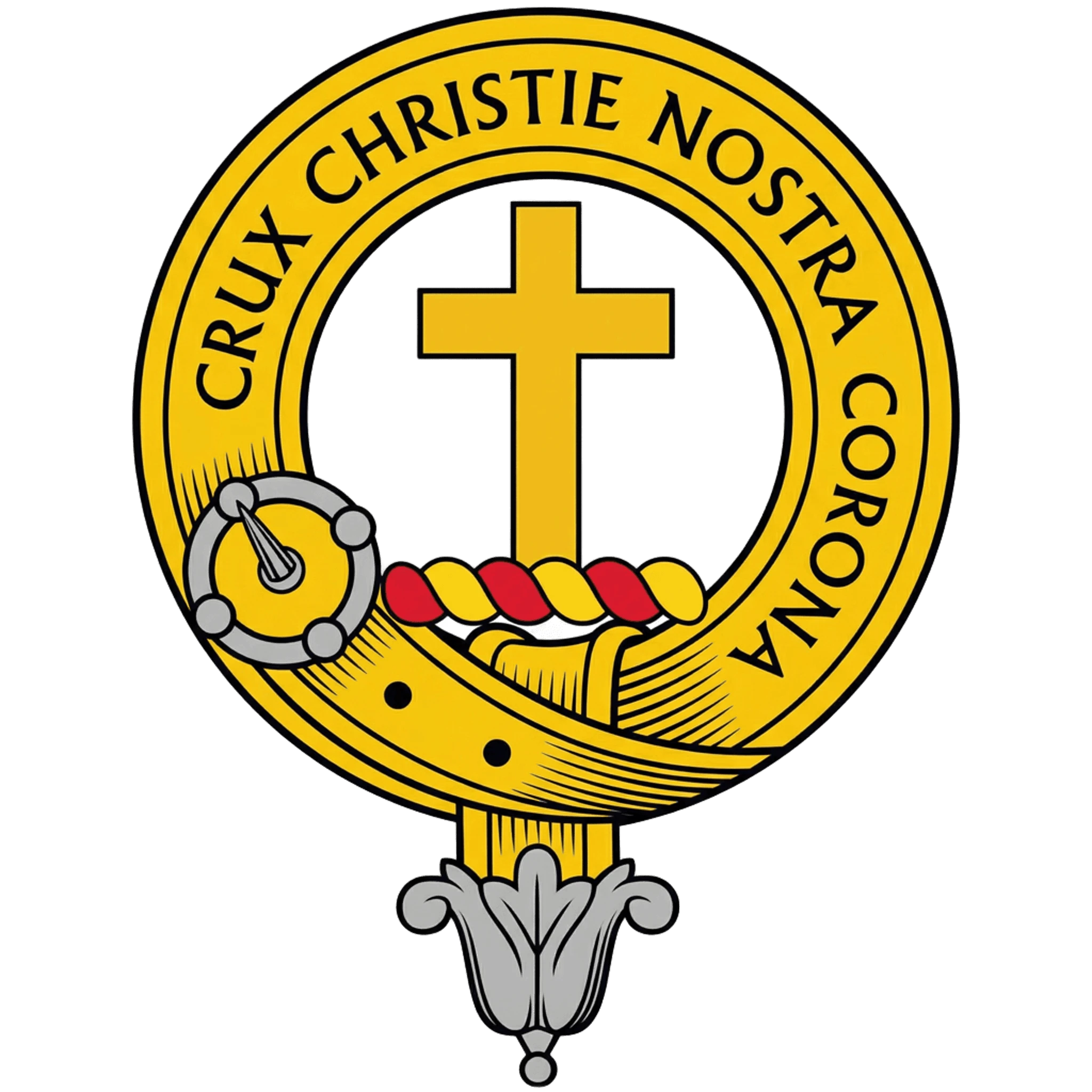 Mercer
 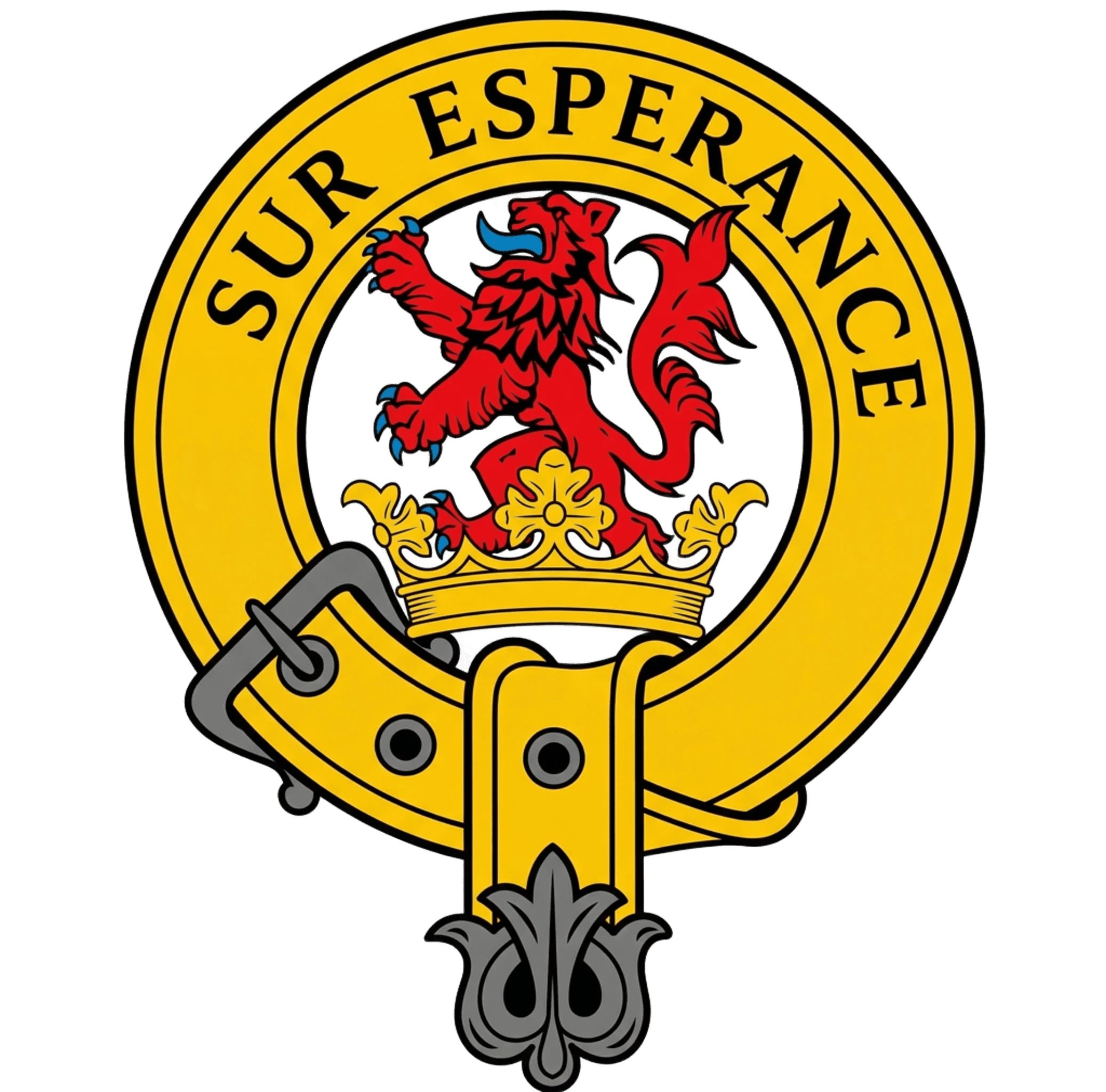 Moncreiffe
 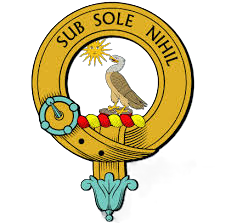 Monteith
 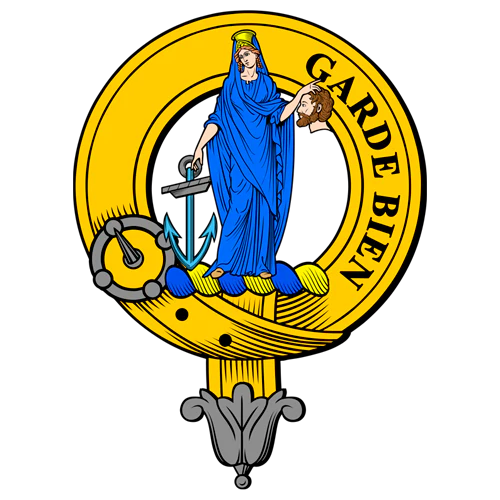 Montgomery Monypenny Mouat
 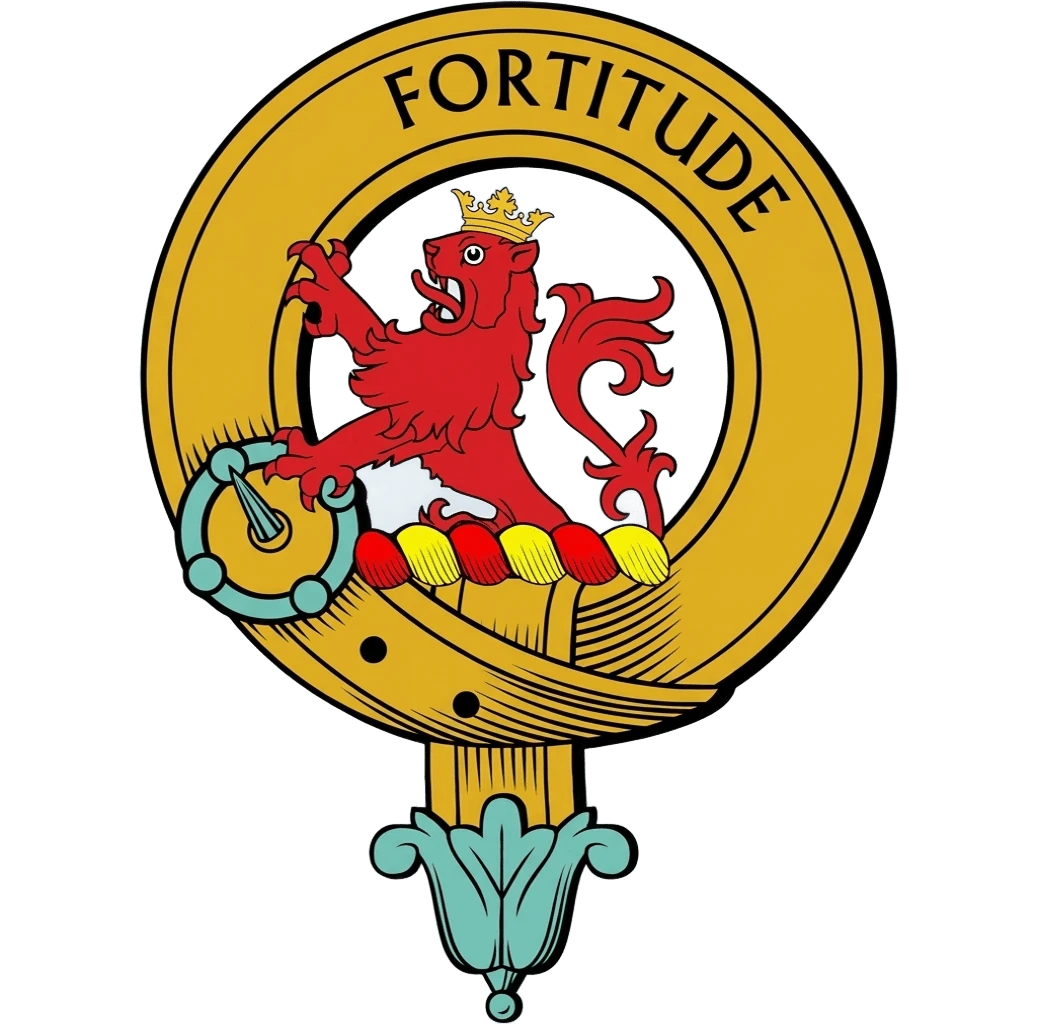 Moubray
 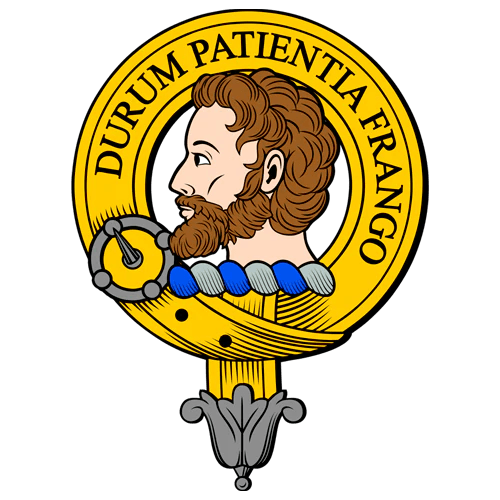 Muir
Muir 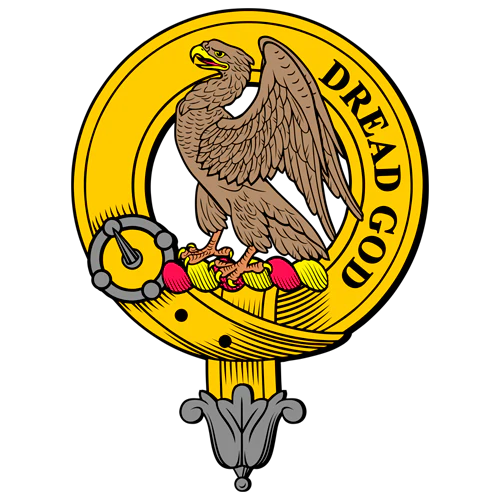 Munro
Munro 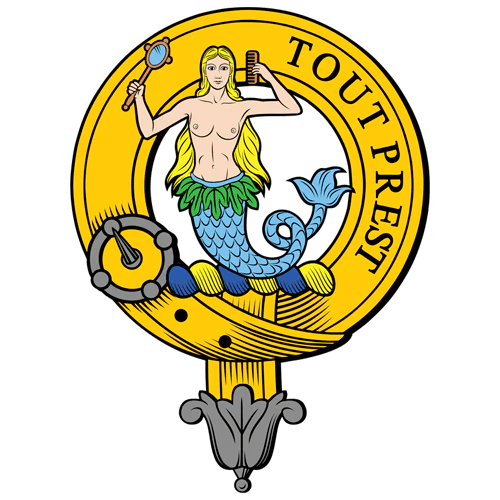 Murray